
King is the township of estates, horse farms and three villages on the Oak Ridges Moraine directly north of Vaughan, about 29,000 people on 333 square kilometres, more land than Mississauga with a thirtieth of the population. Toronto buyers come for an acre or more, a custom house and a GO station at King City that reaches Union in about 40 minutes. A house here runs about a third above the Toronto average; condos, which are rare, run about a fifth below. What's for sale across the township today appears below.
King runs from the Vaughan boundary at King-Vaughan Road north to Highway 9 and the Holland Marsh, and from the Caledon line east to Yonge Street at Oak Ridges. Highway 400 cuts straight up the middle. It covers about 333 square kilometres, more than Vaughan and Mississauga, and the 2021 census counted 27,333 people. Statistics Canada’s estimate had reached about 29,000 by 2025. The moraine is the reason so much land holds so few people.
The township was formed in 1850 and is still a township, with a mayor and six ward councillors in a municipal office on King Road. Three villages hold most of the population. King City on Keele Street is the largest with about 8,400 people, Nobleton on Highway 27 has about 6,500, and Schomberg at Highway 9 and 27 has about 2,700. Hamlets are scattered across the rest: Kettleby, Laskay, Pottageville, Ansnorveldt in the marsh. Everything in between is farm, forest, kettle lake and the long driveways of estate properties.
King’s market looks like nothing south of it. Houses outnumber condominiums roughly eight to one, and the average house costs about a third more than the Toronto freehold average. The villages aren’t dear street by street; the township’s listings are full of five-acre and fifty-acre properties with custom houses, barns and indoor arenas, and those pull the average far above anything a village lot would fetch. The township’s current figures sit alongside and update each day.
Rural King, the estate and farm properties outside the villages, is the most expensive part of the township by a wide margin. King City comes next, carrying about two in five of the township’s listings, then Nobleton, then Schomberg. Pottageville, the hamlet west of King City, has the lowest average. Condos exist only in King City and Schomberg, a handful at any time, and they cost a fifth less than a Toronto condo.
Most buyers end up with a village house. King City’s streets around Keele and King Road have 1950s and 1960s bungalows and side-splits on wide lots, 1980s and 1990s two-storeys on the crescents east of Keele, and the subdivisions that followed the sewers in the mid-2000s, large detached houses and some townhouses on the east and north edges of the village. Nobleton’s story is the same a decade later: a 1960s core on King Road and Highway 27, then a wave of 1990s and 2000s houses after its own wastewater system went in, and more since. Schomberg has a nineteenth-century Main Street, a core of older houses, and two 2010s subdivisions that added about 230 homes, including a 127-unit condominium. A three-bedroom house costs about half what a four-bedroom does across the township, and that gap is wide because the four-bedroom average carries the estates.
The estate lot is the King product. From one acre on the edges of King City and Nobleton to ten acres and more along the concession roads of Rural King, these are custom houses on wells and septic systems, with a long drive, a pond or a paddock and trees between you and the neighbours. The moraine’s rolling ground and kettle lakes are what people pay for. Four-bedroom houses on these lots set the top of the market, and the five-bedroom average sits below the four-bedroom one, so don’t read bedroom count as a price guide here.
Farms are the rest: horse farms with indoor arenas and staff quarters, hobby farms on twenty-five or fifty acres, and working farms in the Holland Marsh at the north end, where the drained peat grows carrots and onions. Agricultural zoning, conservation authority limits and the Oak Ridges Moraine Conservation Plan govern what you can build on any of them. Before you buy, know which zone the lot sits in and what the plan allows, because more than nine-tenths of the moraine is closed to new development.
Condominiums are a footnote: a few low-rise buildings and condo townhouses in King City and the Schomberg condominium. A six-storey building of 284 units at King Road and Banner Lane was approved in 2020 against an official plan that normally allows three storeys. Rentals are rarer still. A house rents for about 40 percent more than a Toronto house, and there are only a handful at any time, so a buyer who wants to rent first should expect to look in Aurora, Newmarket or Vaughan.
King moves with Toronto in direction and not in pace. The same rates and lending rules apply, but the township’s buyers are few, and their budgets are large. There are far fewer buyers for fifty acres with an arena than for a village four-bedroom, so expect an estate to take longer to sell and longer to find, and expect the next comparable property to be a township away.
King City is the liquid part of the market. It holds about two in five of the township’s listings, and it has the GO station, the secondary school and the shops. Nobleton is the second market, reached by Highway 27 rather than the 400, and its road runs south to Kleinburg and Woodbridge rather than east to King City. Schomberg at the top of the township sits closer to Newmarket and Bradford than to Toronto, and its prices are the lowest of the three villages.
Rural King prices on land and buildings, not bedrooms. Two properties with the same house can differ widely on acreage, frontage, outbuildings and whether the land is on the moraine’s protected core or in a settlement area where severance is possible. Listings here often carry a long list of permitted uses, and the agent who knows which of those uses the township will approve is worth more than the one who knows the sale prices.
Highway 413 will end at Highway 400 on the township’s southern boundary, between Kirby Road and King-Vaughan Road, with construction under way in Caledon since 2025 and the east section in procurement. At King City GO, Metrolinx has planned a second track and a pedestrian bridge as part of two-way all-day service on the Barrie line, with no date. Don’t pay for the 15-minute train until it has a schedule.
Vaughan sends King a large share of its buyers. Woodbridge and Kleinburg families buy in Nobleton, and Maple families buy in King City, often to stay within a drive of parents and of the hospital at Jane and Major Mackenzie. The township is more than a third Italian by ethnic origin, the highest share of any municipality in Canada, and Nobleton alone is nearly half. Those are families moving up from Woodbridge to an acre and a bigger kitchen.
From Toronto the buyers are different: people with the budget for an estate who want the horses, the privacy or the land, and who have decided that a 40-minute GO train or a drive down the 400 is a fair trade for it. They cluster in Rural King and on the acre lots at the edges of King City. Seneca’s King campus and the two large private schools, the Country Day School and Villanova College, bring families who want to live near where the children go to school.
The trade against Toronto is land for everything else. For about a third more than the average Toronto house you get several acres, a custom house and silence. What you give up is nearly everything you walk to. King City has one main road of shops, Nobleton two plazas and Schomberg a Main Street that is handsome and short. There is no cinema, no mall, no hospital and no high school outside King City. Every errand is a drive, and most houses outside the villages are on wells and septic systems.
A couple who eats out three nights a week, a household with one car, or anyone who wants to walk to a train every morning should look at King City within walking distance of the GO and nowhere else in the township, and even then the train is hourly outside the peaks.
There is a page here for every one of King’s five areas.
King City is the township’s centre: the GO station on Station Road, King City Secondary, the municipal office and the new Zancor Centre recreation complex, Seneca’s 282-hectare campus on Dufferin, and the Marylake monastery on Keele at its northern edge. The housing runs from 1950s bungalows in the old village through 1990s crescents to the large post-2005 subdivisions on the east side, with the Country Day School and Villanova College nearby. It carries about two in five of the listings in King and most of the condos.
Nobleton sits on King Road at Highway 27, a village of about 6,500 that grew from a 1960s core into 1990s and 2000s subdivisions once its sewage system was built, and that grew again in the 2010s. It is the most Italian community in Canada by share of population, with the Dr. William Laceby Community Centre, two plazas built in 2015 and 2020, and Nobleton Park, rebuilt with a wading pool, amphitheatre and pickleball courts by August 2026.
Schomberg at Highway 9 and Highway 27 is the northern village, about 2,700 people around a Main Street of nineteenth-century buildings, with the Schomberg Fair every May since 1852. Two 2010s subdivisions added about 230 homes including a 127-unit condominium. It is the cheapest of the three villages and the nearest to Newmarket and Bradford.
Pottageville is a hamlet on Lloydtown-Aurora Road between Schomberg and King City, beside the Pottageville Wetland Complex, with a handful of listings at any time and the lowest average price in the township.
Rural King is everything else: the estate lots and farms along the concession roads, the kettle lakes of the moraine, the Happy Valley Forest, Cold Creek, the hamlets of Kettleby and Laskay, and the Holland Marsh farms at the northern edge. It is the most expensive area in the township by a wide margin and the one where no two listings are alike.
Each area page sets out its streets, its schools, its transit and the prices properties there have sold at.
King City GO is the township’s one station, on the Barrie line at Station Road off Keele. A southbound train reaches Union in about 40 minutes. Service runs every 15 to 30 minutes in the morning peak, every 30 minutes in the afternoon peak and hourly in both directions the rest of the day until late evening. Weekends are hourly, and every two hours after 2pm from September 2026 until spring 2027 while Metrolinx builds. The station has about 555 parking spaces. Metrolinx has planned a second track, a pedestrian bridge and more parking at King City as part of the Barrie line expansion, and the long-run target is 15-minute two-way service, with no date.
From Nobleton or Schomberg the GO means a drive to King City first, or to Maple or Rutherford in Vaughan, which have far more parking. GO bus route 65 serves the station and runs along the Highway 400 corridor. York Region Transit’s buses in King are few.
Highway 400 is the township’s spine, with interchanges at King Road, Lloydtown-Aurora Road and Highway 9, and a drive to the 401 that is quick at ten in the morning and slow at eight. Highway 27 runs through Nobleton and Schomberg down to Kleinburg and the 427. Across the north, Highway 9 runs from Newmarket to Orangeville. Yonge Street, the old Highway 11, is the eastern boundary, with Aurora and Oak Ridges across it. The 407 is a short drive south at the Vaughan line, and the 404 is reached across Aurora.
Highway 413 is the project that touches King most directly. Its eastern end is an interchange with Highway 400 between Kirby Road and King-Vaughan Road, on the township’s southern boundary. The 52-kilometre freeway from the 401 and 407 near Milton started construction in Caledon in 2025; the province had moved in 2024 to exempt it from provincial environmental assessment. The request for proposals for the east section from Highway 400 to Gore Road went out in the fall of 2026. The last cost estimate on record was about $6 billion in 2021, and there’s no opening date. It will make the south of the township easier to reach from Peel and Halton, and most of the municipalities along the route have opposed it.
Inside King, you drive. Most roads are two lanes, some are still gravel, and the township’s 2026 program is converting several of them. Cycling on the concession roads is popular with club riders on summer weekends and not a way to get anywhere.
Most of King is on the Oak Ridges Moraine, the 160-kilometre ridge of sand and gravel left by the last glacier, which feeds the headwaters of the Humber, the Don and the Holland River. The 2001 Oak Ridges Moraine Conservation Act closed more than nine-tenths of the moraine to new development, and that act is why King looks the way it does. The rolling ground, the kettle lakes and the woodlots are protected, and that protection is part of what a buyer here pays for.
The Happy Valley Forest, between King City and Schomberg, is about 650 hectares of sugar maple upland, swamp and kettle pond, one of the largest intact forests on the moraine and a provincially significant natural area. The Nature Conservancy of Canada has protected more than 630 acres of it through purchases, donations and easements, and more than 100 bird species nest there, including the endangered Acadian flycatcher. Estate properties back onto it.
Cold Creek Conservation Area at the township’s western edge is 190 hectares of swamp, forest and a boreal peat bog on the moraine, opened by the conservation authority in 1962, with trails through the bog and the forest. The Pottageville Wetland Complex, the Humber headwater valleys and the Holland Marsh make up the rest of the protected land. Marylake, the Augustinian monastery on Keele north of King City, holds nearly a thousand acres of farmland and lake around a fieldstone shrine, built on what was Sir Henry Pellatt’s estate. Eaton Hall on Lake Seneca, the Eaton family’s former summer house, sits inside Seneca’s campus.
The villages have the parks a township this size can afford: Nobleton Park, newly rebuilt; Tasca Park, expanded in 2024; the fields at the Zancor Centre. Golf is the other open space, with courses on the concession roads. There’s no lakefront and no large public beach. What there is, everywhere, is open ground.
King has no mall and no hospital, and buyers should say that out loud before they sign. King City’s shops run along King Road near Keele: a supermarket, a hardware store, banks and a handful of restaurants. Nobleton’s two plazas, built in 2015 and 2020, serve the west of the township. Schomberg’s Main Street has cafés, a bakery and shops in nineteenth-century buildings, and the Schomberg Fair fills it every May. For anything else residents drive to Vaughan Mills down the 400, to Aurora’s Yonge Street or to Upper Canada Mall in Newmarket.
The nearest hospitals are Cortellucci Vaughan Hospital at Jane and Major Mackenzie, opened in 2021 with about 350 beds and a short drive from King City and Nobleton, and Southlake Regional Health Centre in Newmarket. Southlake is the regional cardiac and cancer hospital with more than 400 beds, up Highway 9 or Yonge from Schomberg and King City. Which one you’d use depends on which village you choose.
Work is mostly elsewhere. Seneca’s King campus is a major employer, with its nursing, public safety and community services programs and the Magna Hall building that opened in 2018. The township itself, the schools, the farms of the Holland Marsh and the horse farms employ some of the rest. Most other residents commute to Vaughan, Newmarket, Richmond Hill or Toronto, or work from home.
The public schools in King are York Region District School Board schools; the Catholic elementary schools belong to the York Catholic District School Board. King City Secondary, on King Road since 1961, is the only high school in the township and takes students from all of King as well as parts of Oak Ridges, Maple and Kleinburg. It added French immersion in September 2019. A student from Schomberg or Nobleton is on a school bus for a while every morning. The Catholic board has no secondary school in King; its nearest are in Maple and Aurora. Each board’s site looks up an address, and in a township this size the bus route matters as much as the catchment.
King has two large private schools. The Country Day School on Dufferin Street, founded in 1972 on more than 100 acres, takes children from junior kindergarten to Grade 12 with classes capped at 24 and tuition above $33,000 a year. Villanova College on 15th Sideroad, founded in 1999 by the Augustinians on the Marylake grounds, is York Region’s only independent Catholic school, with about 610 students in Grades 4 to 12 and Advanced Placement courses. Families who choose either school often buy within a short drive of it.
Seneca Polytechnic’s King campus is the post-secondary institution, 282 hectares of woods, lake and fields on Dufferin with about 230 students in residence and programs in nursing, public safety, early childhood education, veterinary technology and environmental landscape management. Its 19,000-square-metre Magna Hall opened in September 2018. For a King City buyer the campus is a neighbour and an employer, not a source of student rentals.
King City East is the largest development plan before the township. The King City East Landowners Group has been working with the township since 2005 on about 239 hectares north of the rail corridor, south of 15th Sideroad and west of Dufferin, for roughly 1,070 homes and 3,200 people: about 920 detached houses, 73 townhouses and 77 seniors’ condominium townhouses, with three parks and an elementary school site. The servicing study won conditional approval in 2019, the official plan allows about seven units a hectare there, and the individual subdivision plans move one at a time. The township projected it would take the village’s population to about 14,000 by 2031.
At King Road and Banner Lane, Zancor Homes won approval in 2020 for a six-storey, 284-unit condominium on the former township office site. The official plan allows three storeys as a rule, and the approval came with the building stepped back from its neighbours. A proposal for 318 houses on the northeast corner of Jane and King Road, the Mansions of King, has been before the township since 2016.
The public buildings arrived in 2025: the Zancor Centre, the township’s new recreation complex, in January, and the King Heritage and Cultural Centre in the fall. Nobleton Park’s second phase, with a wading pool, amphitheatre, pickleball courts and a soccer field, reached substantial completion in August 2026.
Highway 413 and the Barrie line expansion are the two outside projects. The highway’s eastern interchange with the 400 on the township’s southern boundary is in procurement, with no opening date. At King City GO, the second track and pedestrian bridge are planned with no date either. A buyer in King City today should price in the hourly train and the two-lane King Road, and treat anything more as a bonus.
Is King more expensive than Toronto?
Yes, by about a third on the average house, and no, on a like-for-like basis. The average King house costs about a third more than the average Toronto freehold because King’s listings are full of estate properties: custom houses on five, ten or fifty acres with barns and arenas that have no equivalent inside Toronto. Compare a village house instead and the picture changes. A three-bedroom house in King costs about half the township’s four-bedroom average and sits well under the Toronto freehold average. Rural King, the estates and farms outside the villages, is the most expensive area in the township by a wide margin. Pottageville and Schomberg have the lowest averages. The handful of condos in King City and Schomberg cost about a fifth less than a Toronto condo, but there are rarely more than a couple of dozen for sale. Two things cost more here. Property tax in King rose 3.49 percent on the township’s share for 2026, about $125 on a house assessed at $1 million, with York Region’s share up about 4.3 percent on top. And a rural property brings costs a Toronto buyer has never paid: a well, a septic system, a long driveway to plough and a drive for every errand. Put those into the budget before you compare mortgages. The township’s live prices, and each area’s, change daily on the pages above.
How do you commute from King to downtown Toronto?
By GO train from King City, about 40 minutes to Union, or by car down Highway 400, and both have limits a Toronto buyer should understand. King City GO is the township’s only station, on the Barrie line at Station Road off Keele. Trains run every 15 to 30 minutes in the morning peak, every 30 minutes in the afternoon peak and hourly in both directions the rest of the day, so a late meeting means waiting for the hour. Weekend trains run hourly, and every two hours after 2pm from September 2026 to spring 2027 during construction. The station has about 555 parking spaces. From Nobleton the station is a drive east along King Road, and Maple or Rutherford GO in Vaughan, with their parking structures, may be the easier choice. From Schomberg it’s a drive, or the GO bus along the 400. Highway 400 to the 401 is quick outside the peaks and slow in them; the 407 toll at the Vaughan line is the paid alternative. Metrolinx has planned a second track and pedestrian bridge at King City for all-day two-way service with no date, and Highway 413 will add an interchange at the 400 on the township’s southern edge. A buyer who will commute downtown every day should look at King City within a short drive of the station and treat Nobleton and Schomberg as drives.
King City, Nobleton or Schomberg: which village is right?
King City if you want the train, the high school and the most choice; Nobleton if your family is in Woodbridge or Kleinburg; Schomberg if you want the lowest prices and a Main Street. The township’s centre is King City, with the GO station, King City Secondary, the municipal office, the Zancor Centre, Seneca and the two private schools, and it carries about two in five of the listings in King, from 1950s bungalows to post-2005 subdivisions and the few condos. It is also the dearest of the three villages. Nobleton on Highway 27 is the most Italian community in Canada by share of population, and Highway 27 ties it to Kleinburg and Woodbridge rather than to King City. It has two plazas, a rebuilt park and a community centre, no train and no high school, and its houses are mostly 1990s and later. Schomberg at Highway 9 is the smallest and the cheapest, the nearest village to Newmarket and Bradford, with a nineteenth-century Main Street, the Schomberg Fair and two 2010s subdivisions. All three share a hospital drive to Newmarket or Vaughan and a shopping drive to Aurora or Vaughan Mills. The right answer usually follows the commute and the family. Start with the three village pages above, then ask the agent we refer King buyers to about the streets.
What should I know before buying a rural property in King?
That the land is governed by the Oak Ridges Moraine Conservation Plan, and the plan decides what you can do with it before the township does. More than nine-tenths of the moraine is closed to new development, and every rural lot sits in one of the plan’s zones: natural core, natural linkage, countryside or settlement area. The zone sets whether you can sever a lot, add a second dwelling, build an arena or expand the house, and the listing’s permitted uses are not a promise. Check the zoning with the township and the conservation authority before you offer, not after. Most rural houses are on a well and a septic system. Get the well flow and water quality tested and the septic inspected, ask when the tank was last pumped and where the bed is, and budget for replacing a system that is decades old. Ask about the driveway: who ploughs it, and how long it is. Ask whether the property has a farm tax class, which lowers the bill and carries conditions. Walk the boundaries with a survey in hand, because fences on fifty acres are rarely where the lot lines are. Look at the map for Highway 413, which will meet the 400 at the township’s southern boundary, and at the Happy Valley Forest and the Humber headwaters, which protect the view but limit what the neighbours can build too. And expect a rural sale to take longer than a village one, whether you’re buying or selling; the next buyer for a fifty-acre horse farm is as rare as you were.
In King the land sets the price and the moraine sets the rules. Two properties with the same house can differ widely on acreage, frontage and outbuildings, and on whether the lot sits in the moraine’s protected core, where severance is impossible, or in a settlement area where it isn’t. A Toronto agent won’t know which. They also won’t know that King City Secondary is the only high school in the township, that the Catholic board has none here, that the morning bus ride from Schomberg matters as much as the catchment, or that Highway 413 will end at the 400 on King’s southern boundary.
The agent we refer King buyers to reads the zoning and the conservation authority’s maps before showing a property. A brief might be fifty acres with an arena near Kettleby, or a King City four-bedroom you can walk to the GO from. They’ll say how long the last comparable estate took to sell.
The five area pages above come first. When you’re ready, ask us for the introduction.
Street-level knowledge is hard to find online. Our team works in King every day. They know which pockets hold value, where the school catchment lines actually fall, and what the market is doing right now. Talk to us before you make a decision about King.
Talk to a local agent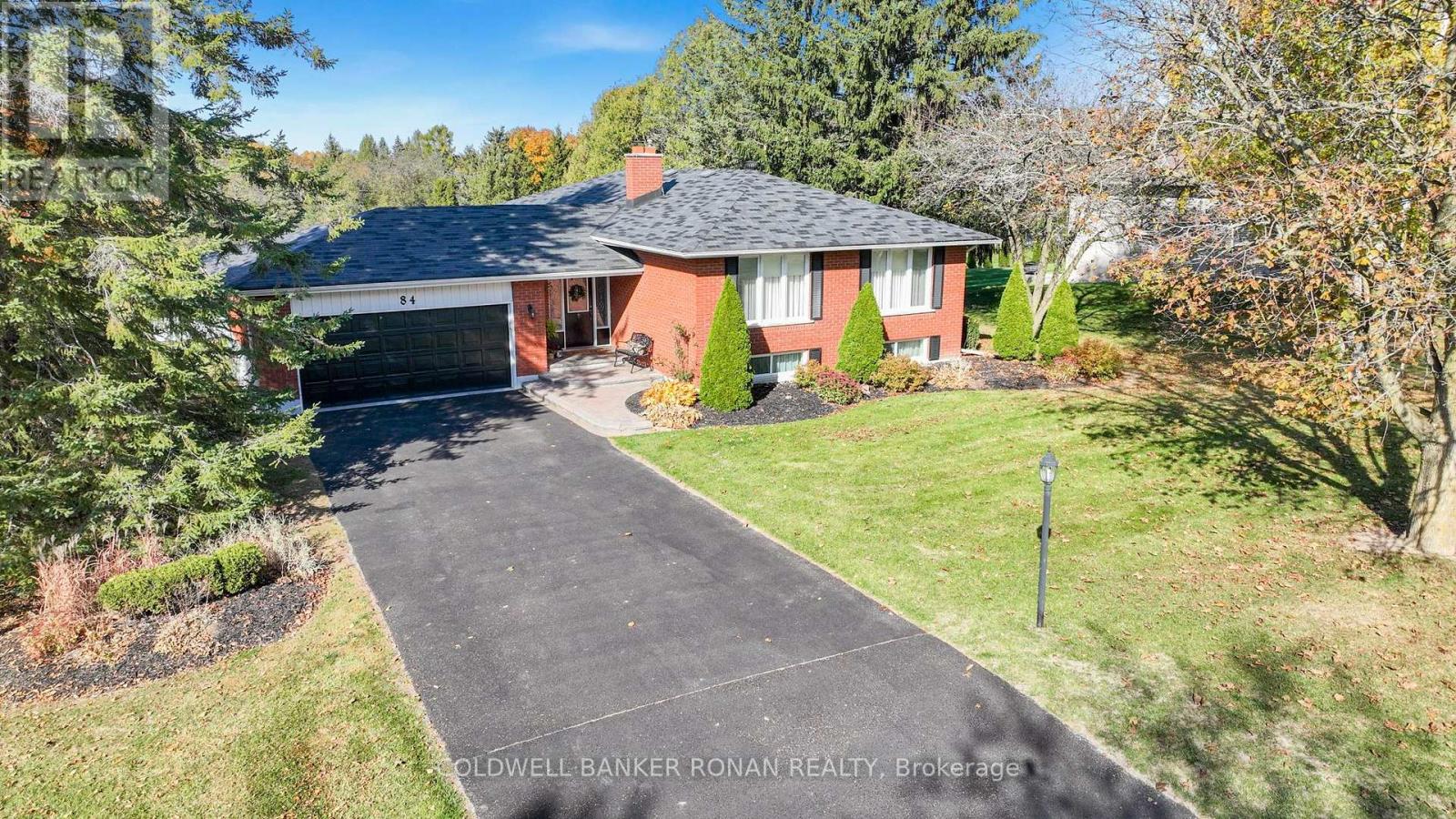 For Sale
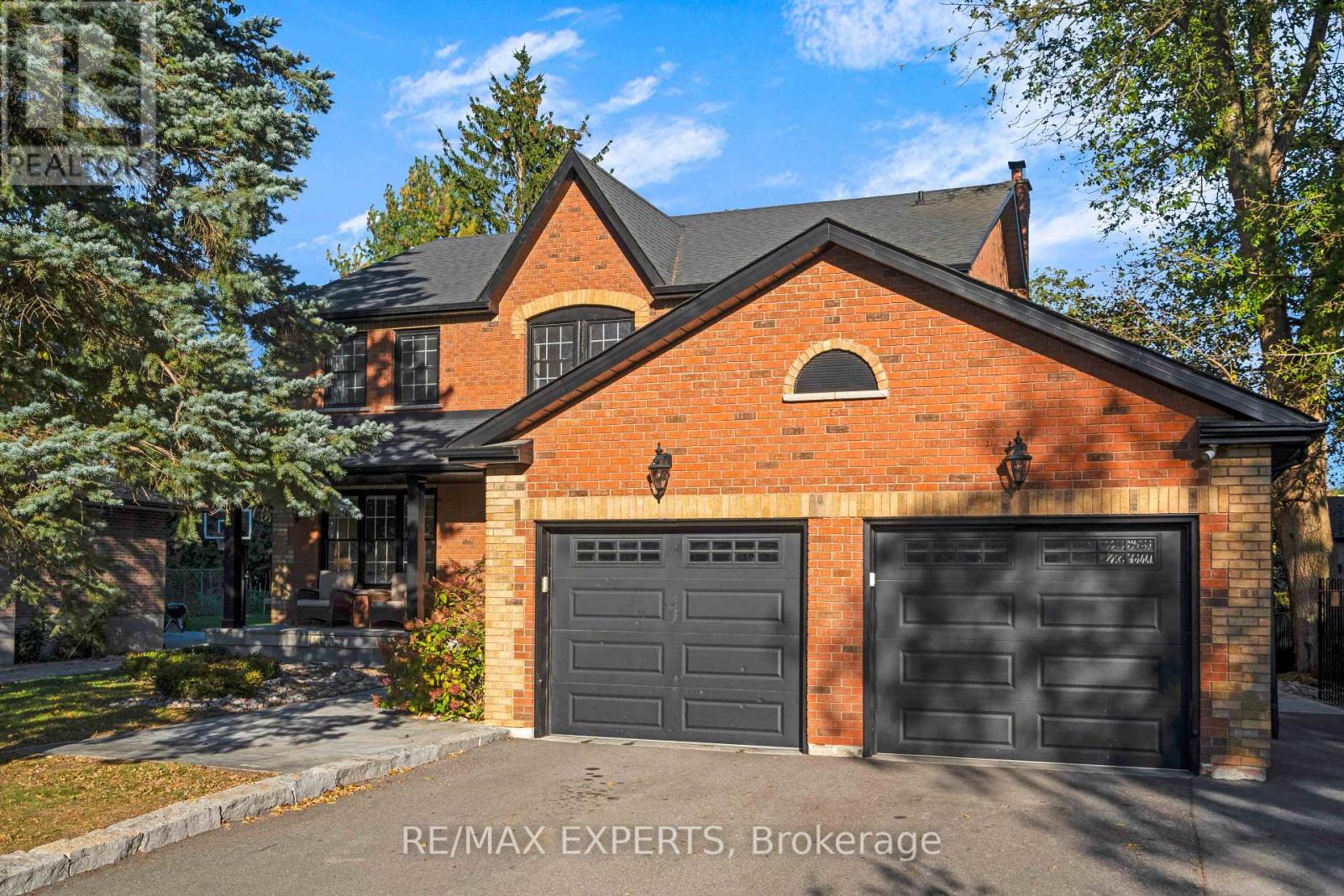 For Sale
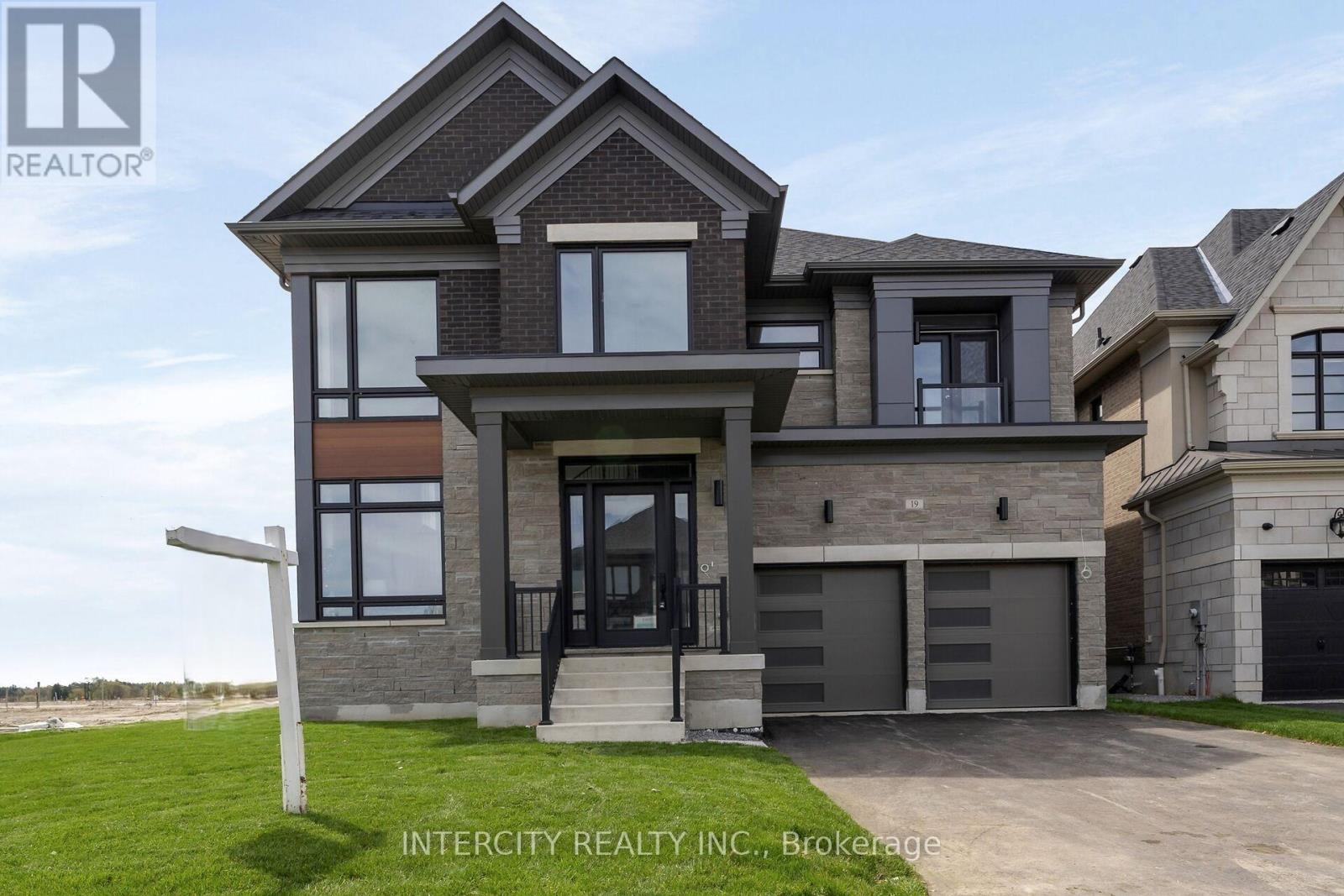 For Sale
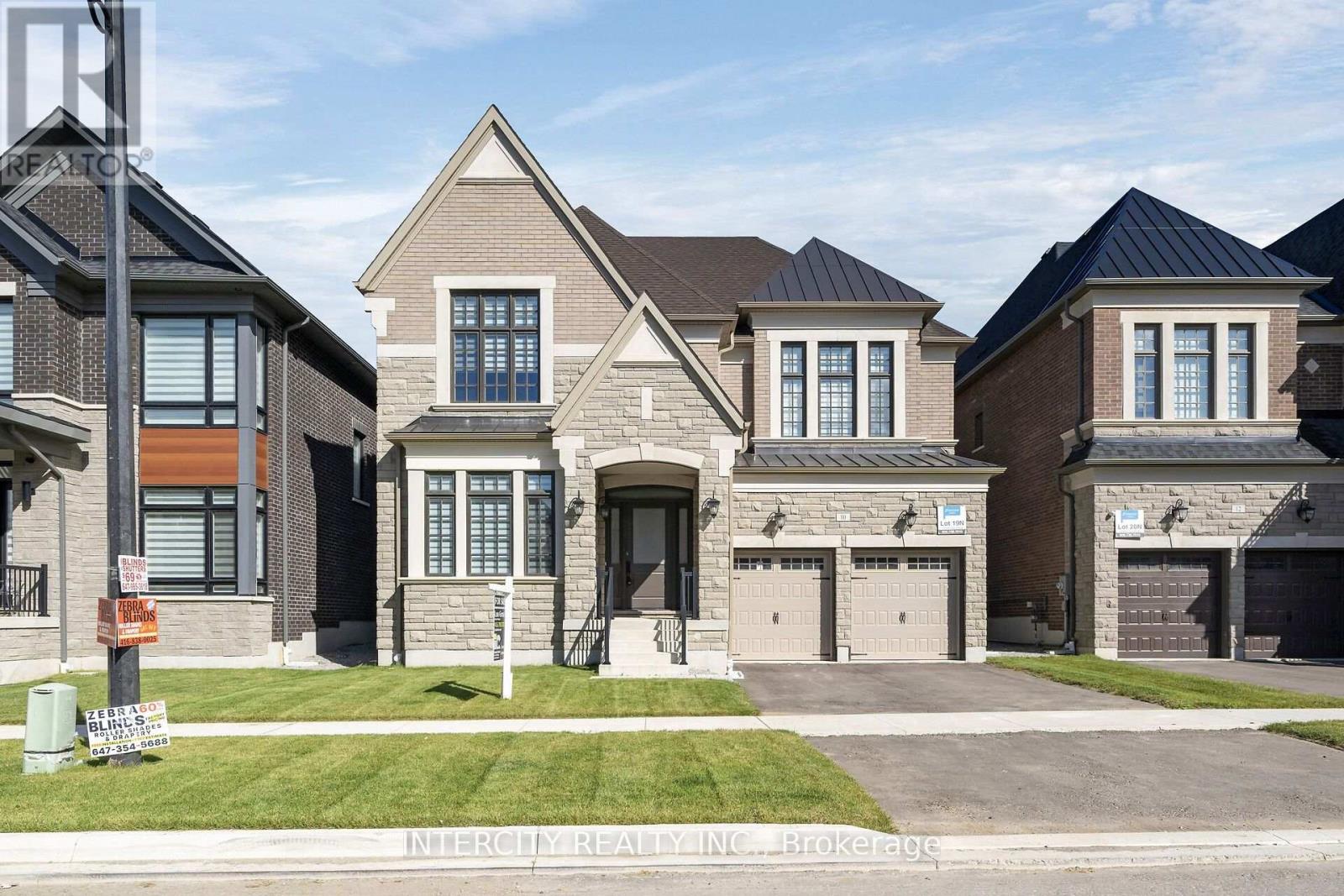 For Sale