
Agincourt North is a northern Scarborough neighbourhood along Sheppard Avenue East near McNicoll Avenue, with a predominantly Chinese-Canadian community and newer suburban detached homes built from the 1980s to 2000s. Close to Pacific Mall. Detached homes trade from $1.0M to $1.5M in 2026. Transit is by bus only.
Agincourt North sits in the northern Scarborough section of Toronto, along the Sheppard Avenue East corridor north of the historic Agincourt community and near McNicoll Avenue. It’s a neighbourhood of newer suburban housing, built primarily through the 1980s, 1990s and into the 2000s, on streets that were developed after the older Agincourt area to the south. The Chinese-Canadian community is the dominant demographic here: the concentration of Chinese and Chinese-Canadian households in Agincourt North and the adjacent Agincourt area makes this one of the most distinctly Chinese communities in the Toronto region outside of Markham’s Richmond Hill corridor.
The neighbourhood has a suburban character that’s different from the older North York bungalow markets further west. The houses here are larger by construction era: two-storey detacheds rather than bungalows, with bigger floor plans and better-insulated envelopes than post-war construction. Lots are generally narrower and more uniform than the older North York lot patterns. The streets are quiet and well-maintained, the houses are in reasonable condition given their age, and the community infrastructure along Sheppard East and in the adjacent commercial areas is well-developed for the Chinese-Canadian population that lives here.
Pacific Mall, the largest indoor Asian mall in North America, is about ten minutes away in Markham. Kennedy Road, Sheppard Avenue East and the surrounding commercial strips provide Chinese restaurants, grocery stores, services and retail that make this neighbourhood function as a self-contained community for many of its residents. Transit is by bus only: there’s no nearby subway, and that’s the neighbourhood’s main practical limitation. Detached houses were trading from $1.0 million to $1.5 million in 2026, reflecting a market that’s accessible relative to the Willowdale and Newtonbrook areas further west.
The housing stock in Agincourt North is predominantly two-storey detached homes built between 1980 and 2005, with some semis and townhouses in certain pockets. These are houses with more square footage than the post-war bungalows of Willowdale and Newtonbrook: three or four bedrooms upstairs, a finished basement, an attached garage, and a layout that was designed for family living rather than retrofitted for it. The construction quality varies from builder to builder, as it does in all suburban development of this era, but the general condition of the housing stock is good given its age.
Lot sizes are narrower than in older North York neighbourhoods: 25 to 40 feet wide is typical, with depths that vary more widely. The narrower lots produce a denser streetscape than the older bungalow areas and don’t have the same redevelopment optionality: a 25-foot lot doesn’t work for a teardown-and-rebuild the way a 45-foot lot does. Buyers who are thinking about the long-term development potential of a Scarborough lot should pay attention to the specific lot dimensions before assuming the same economics apply here as further west in North York.
Detached homes in Agincourt North were trading from $1.0 million to $1.5 million in 2026. The range reflects lot size, house size, condition and specific street. Some of the larger two-storey houses on better lots command premiums approaching the upper end. The smaller entry-point properties on narrower lots, or those needing updating, sit closer to $1.0 to $1.1 million. For buyers comparing to the Willowdale and Newtonbrook markets, Agincourt North offers more floor space per dollar but less lot size and no subway access. Whether that tradeoff works depends on how you prioritise those factors.
Agincourt North is a market that moves at a measured pace. Without subway access, the neighbourhood doesn’t attract the transit-premium buying that drives prices and competition in Yonge corridor areas. The buyer pool is more specifically community-focused: Chinese-Canadian families, buyers from the Scarborough and Markham market who are looking for Toronto pricing without paying North York premiums, and some investors attracted by rental demand in a community with a consistent flow of newcomers who want to rent before buying.
Competition exists on well-presented properties on good streets, but it’s not the norm. Days on market here run longer than in North York’s strongest freehold markets, and conditional offers are accepted regularly. Buyers have time to conduct inspections, arrange financing properly and think carefully before committing. This is a practical advantage that buyers moving from more competitive markets sometimes underestimate: the freedom to buy with appropriate conditions in place is worth something, and Agincourt North provides it.
The Scarborough detached market has historically lagged the broader Toronto market in appreciation during strong conditions and suffered less dramatically in corrections, which is partly a function of the absence of speculative premium and partly a function of the community-use buyer profile. Buyers here tend to hold for long periods and live in their properties, which creates less transactional volatility than markets with more investor participation. That stability has its own value for buyers who are planning to hold for ten or more years and don’t need to extract maximum short-term appreciation from their purchase.
Agincourt North attracts primarily Chinese-Canadian families, many of them recent immigrants or those with strong community ties to the broader Agincourt and Markham corridor. The neighbourhood’s community infrastructure, including Chinese-language schools, Chinese churches, Mandarin-speaking real estate agents, doctors and lawyers, banks with Mandarin service, and the proximity of Pacific Mall and the Sheppard commercial strip, makes it a genuinely functional place to live for Chinese families who want to be in Toronto rather than Markham but want a community environment that isn’t culturally anonymous.
Buyers from Markham who are priced out of Markham’s premium markets or who want a Toronto address for employment or other reasons find Agincourt North a practical choice. The housing is comparable to suburban Markham product of the same era, the community character is familiar, and the pricing, while higher than some Markham equivalents, reflects the Toronto address and its associated tax and service advantages.
There’s also a cohort of buyers who are specifically looking for large-format freehold housing at accessible prices in the $1.0 to $1.3 million range, without the constraints of a condominium or the need for a full renovation project. The two-storey detacheds in Agincourt North deliver that. They’re houses that were built to house families and still work for that purpose without major intervention. For buyers who want to move in, get on with their lives and invest in the house incrementally over time, the housing stock here is genuinely suitable in a way that some of the more affordable post-war bungalow markets aren’t, where livability requires substantial renovation before the house functions well for modern family life.
The residential streets in Agincourt North generally run off the main corridors of Sheppard Avenue East and McNicoll Avenue, creating a series of quiet cul-de-sacs and loop streets typical of suburban development of this era. The development pattern means that most residential streets have relatively low cut-through traffic: they lead in from the arterials and loop back, rather than connecting through. This creates genuinely quiet living conditions on most interior streets despite their suburban density.
Streets closest to Sheppard Avenue are most convenient for access to commercial activity and bus routes but carry the most traffic noise. The blocks set furthest from Sheppard, near the northern reaches of the neighbourhood approaching McNicoll, tend to be the quietest. These streets were developed slightly later and have a marginally newer character. McNicoll Avenue itself functions as the northern boundary and carries its own traffic, creating the same kind of noise gradient at the northern edge as Sheppard does at the southern.
Within the neighbourhood, there are pockets that are slightly more established and better-maintained than others, and buyers who are planning to hold for many years tend to target these. The cul-de-sac streets with good tree planting and consistent house maintenance standards hold value better than streets where condition is more mixed. Because the development era is relatively uniform across the neighbourhood, the pocket-to-pocket differences are smaller here than in older neighbourhoods with longer and more varied development histories. The most reliable differentiator is specific lot dimensions and the orientation of the house on the lot rather than street-level character differences of the kind that dominate older North York markets.
Transit in Agincourt North is the neighbourhood’s clearest weakness. There is no nearby subway station. The nearest subway is Kennedy station on Line 2 (Bloor-Danforth), which requires a bus ride south and west from the neighbourhood on Kennedy Road or a bus east on Sheppard to Scarborough Centre station on Line 3, which is a limited-stop line running north-south through Scarborough. Neither of these is convenient for downtown commuters. A transit commute from Agincourt North to downtown Toronto takes 45 to 70 minutes depending on connections, time of day and route. For residents who work downtown and are considering this neighbourhood, that commute time is a real factor and is worth testing before committing.
Bus service covers the neighbourhood adequately for local movement. Sheppard Avenue East buses run east toward Scarborough and west toward the Don Mills station area. McNicoll Avenue has some bus service. The TTC route network in Scarborough generally requires more transfers and longer journey times than comparable distances from transit-served North York addresses. GO Transit’s Milliken station is accessible, with service running east toward Unionville and west toward Union Station, but the frequency and schedule of GO service makes it impractical as a daily commute vehicle for most downtown workers.
For drivers, the neighbourhood functions well. Kennedy Road connects south to the 401 quickly. The 401 provides the east-west highway connection across the top of the GTA. The 404 and DVP are accessible to the west via Sheppard. For residents who work in Markham, Scarborough or other suburban employment centres, driving from Agincourt North is typically faster than transit from anywhere in the city. The neighbourhood’s design is fundamentally car-oriented, and residents who plan their lives accordingly find it works well. Transit-dependent residents face real constraints, and buyers should be clear-eyed about this before choosing the neighbourhood.
Agincourt North has suburban-standard green space: neighbourhood parks distributed through the residential streets, mostly with playgrounds, sports fields and open grass. Agincourt Community Services Association and the recreational facilities associated with local community centres serve the area’s family population. The parks here are functional and well-used by the community. They’re not natural or wild spaces, but they work for the purposes families typically need: somewhere for children to play and for adults to walk a loop.
The Highland Creek and its associated trail system are accessible to the south and east of the broader Agincourt area, providing a green corridor that’s within cycling distance of the neighbourhood. The Rouge River and Rouge National Urban Park, a significant natural area to the east in the Markham and Scarborough boundary zone, is accessible by car in about fifteen to twenty minutes and offers genuine wilderness-quality trail experience uncommon this close to the urban centre. For residents who value natural trail access and are willing to drive to it, Agincourt North’s eastern position in the city gives better access to the Rouge than most of central Toronto could provide.
The suburban development pattern means there’s less street-level greenery and tree canopy than in older Toronto neighbourhoods where trees have had more time to grow. The newer streets have younger tree planting that will improve the neighbourhood’s green character over the coming decades but doesn’t yet provide the shade and enclosure that mature trees create. This is worth noting for buyers who find the canopy character of older North York or Midtown streets part of what they’re looking for: Agincourt North’s street character is more open and suburban, which some buyers prefer and others don’t.
The commercial infrastructure for Agincourt North is centred on the Sheppard Avenue East corridor and the Kennedy Road commercial area to the south. Chinese restaurants, Cantonese and Mandarin dim sum houses, bubble tea shops, Asian grocery stores, traditional Chinese medicine practitioners, Chinese bakeries and a full range of service businesses catering to the Chinese-Canadian community are all present in strong concentration. For residents of the community, the retail is genuinely excellent: the variety of Chinese food options alone on Sheppard East in this area would be difficult to find in most other parts of the city.
Pacific Mall in Markham is the major regional Asian retail destination, accessible in about ten to fifteen minutes by car. It houses hundreds of small retailers selling electronics, clothing, cosmetics, food, cultural goods and much more, and it functions as a community gathering space as much as a retail destination. Residents of Agincourt North visit it regularly, and its proximity is a genuine amenity of the neighbourhood’s eastern position.
For mainstream grocery shopping and chain retail, the Kennedy Commons and other shopping centres along Kennedy Road provide Costco, Walmart, Winners and other large-format retailers. This is not a neighbourhood where daily errands require a car, but a car makes everything substantially easier. Most residents drive for their major shopping and use the local Sheppard commercial strip for food and day-to-day service needs. The range of what’s available within a short drive is excellent. The range of what’s accessible on foot or by transit is more limited, which is a consistent characteristic of this part of the city.
Schools are a significant part of why families choose Agincourt North. Sir John A. Macdonald Collegiate Institute is the main secondary school serving the area and has a strong academic reputation, partly reflecting the community’s emphasis on academic achievement and partly reflecting the quality of staffing and programming the school has developed over time. The school consistently produces students who go on to competitive post-secondary programs, and families who are paying attention to secondary school outcomes will find the Agincourt North catchment delivers.
At the elementary level, the TDSB operates several schools in the neighbourhood, and the Chinese-Canadian community’s emphasis on education creates a school culture that many families from all backgrounds find appealing. The expectation of academic seriousness is embedded in the community and shows up in classroom norms and parent involvement. French Immersion options are available in the TDSB system for families who want bilingual education paths. The TCDSB also has separate school options in the broader Scarborough area for Catholic families.
The neighbourhood has a well-developed ecosystem of Chinese-language schools, weekend cultural programs and academic tutoring that operates alongside the public school system. Chinese-language school programs run on weekends and evenings, serving families who want to maintain language connection for their children. Academic enrichment programs in math, English and sciences are available from numerous private operators along the commercial strips. This supplementary education infrastructure is more developed here than in most comparable Toronto suburban neighbourhoods, and it represents a genuine resource for families regardless of whether they participate in the Chinese-language dimension of it.
Development in Agincourt North is less active than in the high-demand North York corridors, partly because the lot sizes don’t support the teardown economics as readily and partly because the neighbourhood is newer and therefore has fewer properties at the end of their useful life. The housing stock from the 1980s and 1990s is aging but not yet at the point where replacement rather than renovation is the default option. Some properties are being renovated and updated by owners or investors, and this gradual refreshing of the stock is normal for a neighbourhood of this vintage.
The broader Scarborough planning environment has seen increasing attention from the City of Toronto, which has identified several Scarborough corridors as candidates for intensification and transit investment. The Scarborough subway extension, which has been planned and funded to replace the existing Scarborough RT (Line 3), will eventually improve transit connectivity in the broader area. The impact on Agincourt North specifically depends on where the new stations are located and how bus feeder routes are configured. This project has been subject to extended planning timelines and its eventual completion remains uncertain on a specific date, but it represents a potential medium-term transit improvement for Scarborough generally.
The Sheppard Avenue East corridor in Scarborough has also been identified for potential bus rapid transit improvements that could improve service frequency and reliability on routes serving Agincourt North. These improvements, if implemented, would meaningfully reduce commute times for transit-dependent residents. Buyers who are making a long-term investment in the neighbourhood should understand that the transit situation today may be different in five to ten years, and that the investment of major infrastructure in Scarborough reflects a policy intention to improve connectivity in the east end of the city over time.
Is the lack of subway access a dealbreaker for buying in Agincourt North?
For buyers who commute to downtown Toronto by transit, it’s a serious constraint rather than a dealbreaker, and whether it’s worth living with depends on your situation. A transit commute from Agincourt North to downtown takes 50 to 70 minutes depending on route and time of day. That’s genuinely longer than from transit-served North York addresses, and you’ll feel the difference daily. For buyers who drive to work in Scarborough or Markham, or who work from home, the subway absence is essentially irrelevant. For buyers who are open to a longer commute in exchange for more house at a lower price, it’s a tradeoff to evaluate honestly rather than dismiss. The question is whether 20 to 30 extra minutes each way, five days a week, is worth saving $200,000 to $400,000 versus a comparable house in a subway-served neighbourhood. Most buyers answer that question for themselves fairly quickly once they’ve tried the commute.
How does buying in Agincourt North compare to buying across the border in Markham?
The main practical differences are municipal tax rates, services and the Toronto address. Markham tends to have higher property tax rates than Toronto for comparable property values, though the relationship between assessed value and tax bill is complex and should be confirmed for specific properties. Services differ in some respects between York Region and Toronto. The Toronto address matters for some buyers: whether for employment proximity, municipal services they value, or simply a preference for a Toronto rather than a York Region address. Housing stock of similar vintage and size in southern Markham tends to price similarly to Agincourt North, sometimes slightly higher for Markham addresses in sought-after communities like Milliken. Buyers comparing the two markets should run the specific numbers for properties they’re seriously considering rather than relying on general comparisons.
What should I know about buying a 1980s or 1990s house versus a 1960s bungalow?
Houses from the 1980s and 1990s have their own characteristic issues. Aluminum wiring in 1970s-era houses is a known concern in older properties, though it’s less prevalent in 1980s construction. Houses from this era may have original plumbing that’s nearing the end of its service life, HVAC systems that are 25 to 35 years old, and building envelope details that were standard at the time but don’t meet current energy efficiency expectations. The construction quality also varied significantly between builders: some builders from this period built well, others cut corners that have become visible twenty years later. A home inspection on a 1980s or 1990s house focuses on different systems than one on a 1960s bungalow, and your inspector should be familiar with the specific failure points common to this construction era. Don’t skip the inspection because the house is newer than a post-war bungalow.
Is there rental income potential in Agincourt North?
Yes. The neighbourhood has consistent demand for rental accommodation from newcomers and young families who want to live in the Chinese community without buying immediately. Basement suites in the two-storey detached houses here rent for approximately $1,500 to $2,000 per month depending on size, finish and suite quality. Many of the houses already have basement apartments in some form. Legal basement suites with proper egress, smoke detection and separate utility metering command more and have fewer compliance risks. The demand comes from the steady flow of newcomers to the Chinese-Canadian community in this area, from students at nearby colleges and universities, and from young adults who want to live in a neighbourhood familiar to them before buying. Vacancy rates for well-presented basement suites in this neighbourhood are generally low.
Agincourt North is a market where community knowledge and Mandarin-language capability in your agent team can be genuinely useful, because a significant portion of the buying and selling activity in the neighbourhood happens within the Chinese-Canadian community and through agents who serve that community. That doesn’t mean a buyer from outside the community can’t access good properties here, but it does mean that an agent with relationships in the Scarborough Chinese-Canadian real estate market will have intelligence about what’s coming to market and what’s motivated that a general Toronto agent without those connections may not.
The home inspection question matters more in Agincourt North than in some North York markets because the housing vintage here, 1980s and 1990s suburban construction, has its own set of system issues that are different from post-war bungalow problems. An inspector who knows what to look for in houses of this era will assess the roof system, HVAC, plumbing stack and building envelope differently than an inspector who primarily works on older Toronto housing stock. It’s worth asking your inspector what proportion of their inspections are on homes of this age and type before booking.
Lot dimensions deserve careful attention in Agincourt North. Unlike the older North York markets where standard lot sizes are well understood and the teardown economics are well-established, the narrower suburban lots here require a more specific assessment of what the lot supports. If you’re buying with an eye to adding a garden suite, legalising a basement apartment or building an addition, confirm with your agent that the specific lot and zoning configuration supports what you’re planning before you buy. The TPSB (Toronto’s planning service) and a consultation with a local architect or builder are worth the investment before committing to a property where your plan depends on what the lot can accommodate.
Street-level knowledge is hard to find online. Our team works in Agincourt North every day. They know which pockets hold value, where the school catchment lines actually fall, and what the market is doing right now. Talk to us before you make a decision about Agincourt North.
Talk to a local agent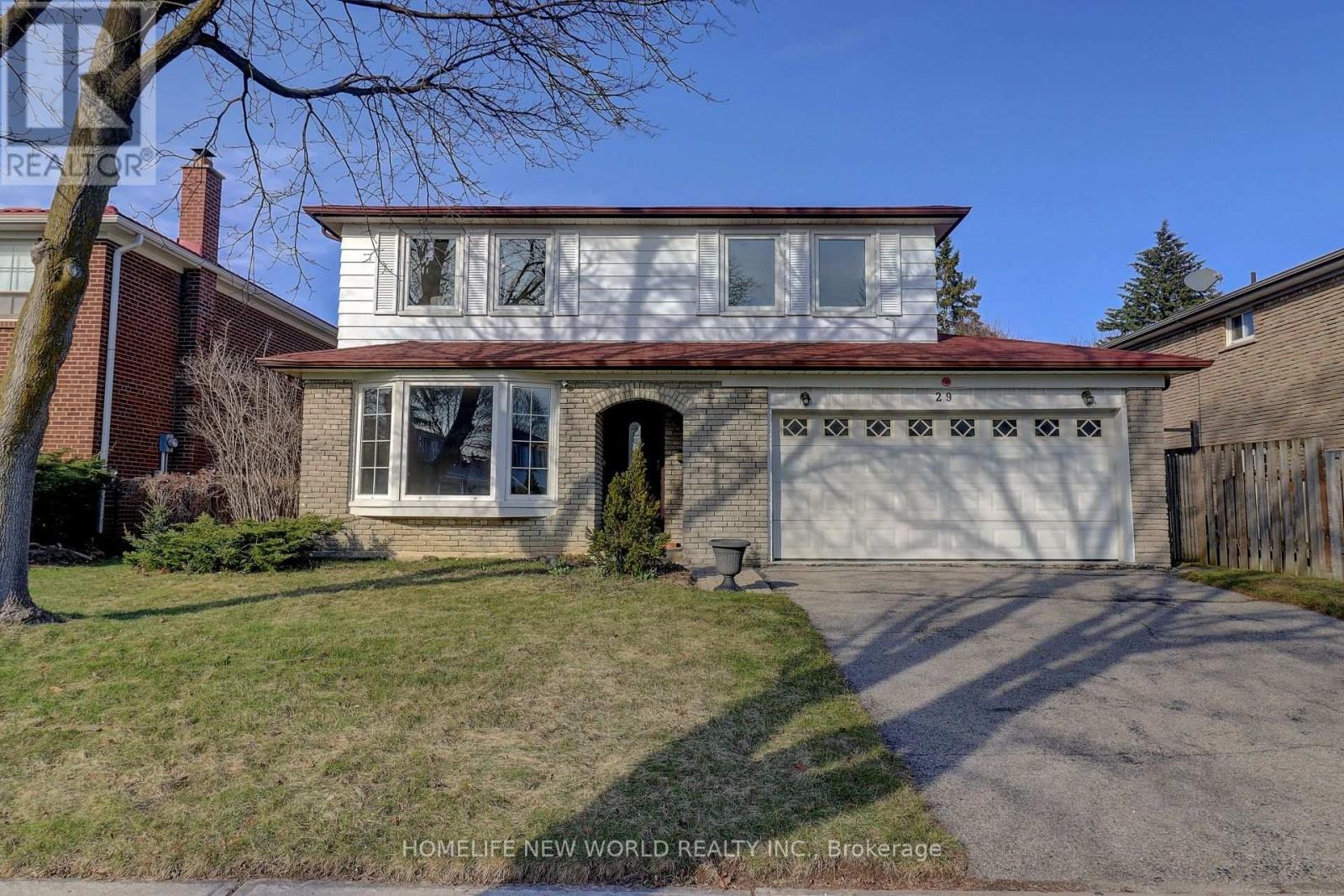 For Sale
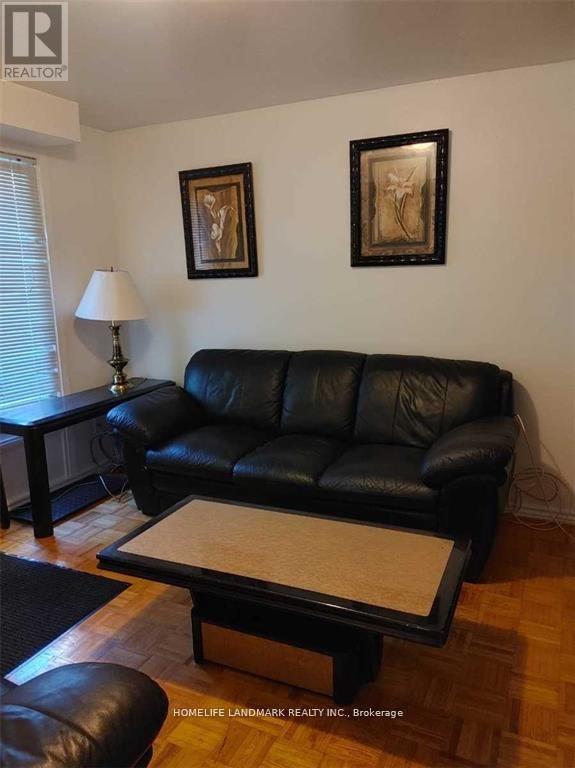 For Rent
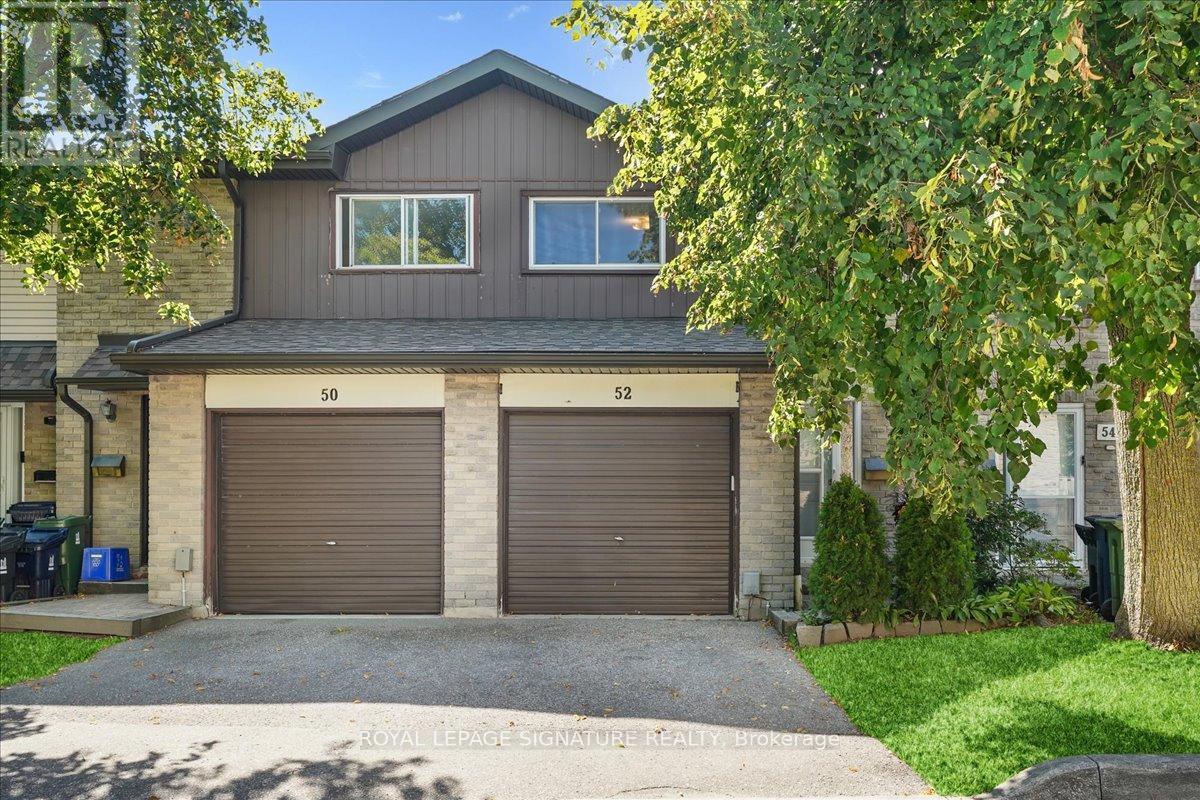 For Sale
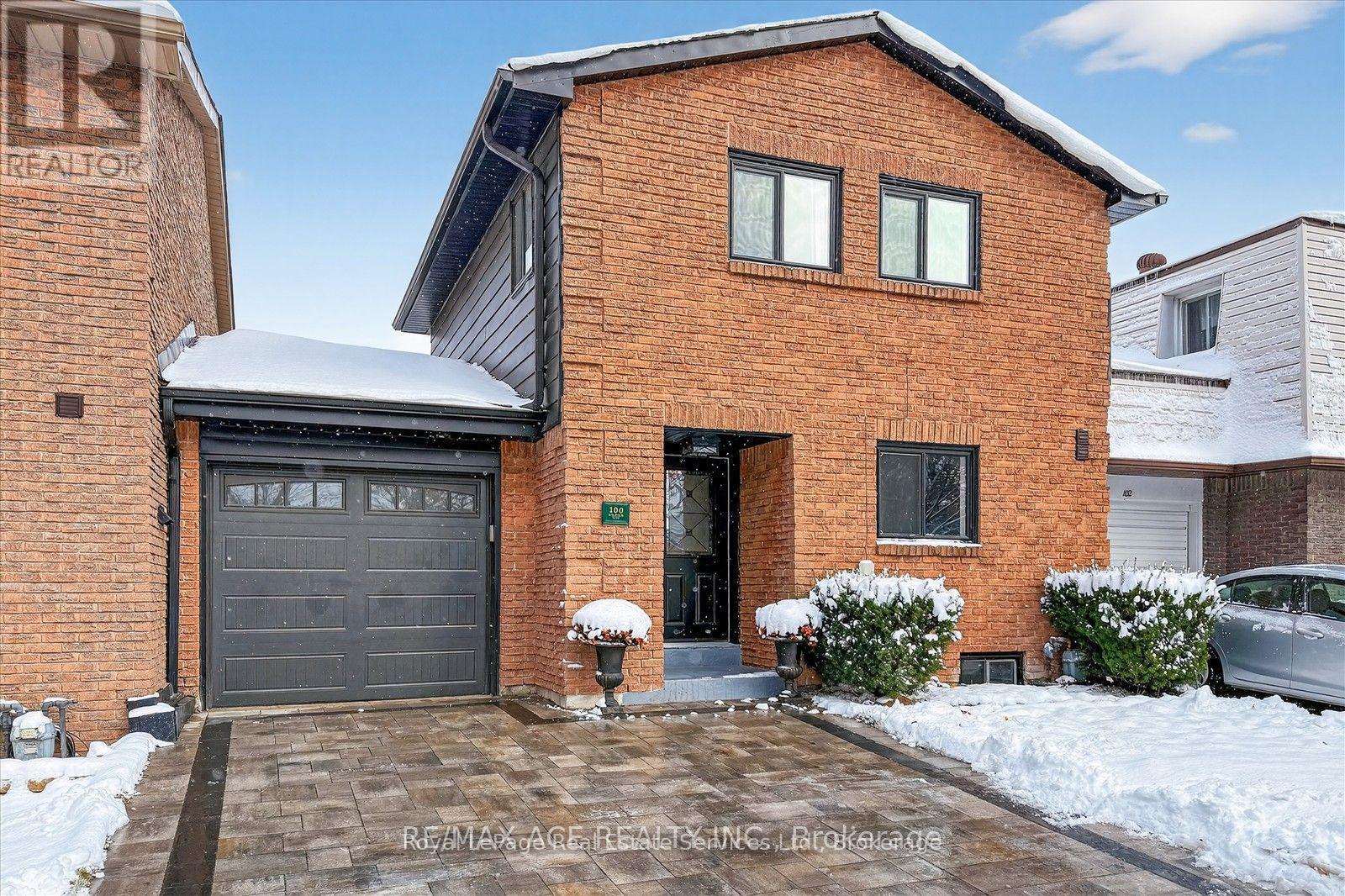 For Rent