
Aileen-Willowbrook is a mature south Markham neighbourhood near the Toronto border at Steeles Avenue. Solid 1960s to 1980s bungalows and two-storey detached homes sit on generous lots along the Woodbine Avenue corridor, offering more space per dollar than comparable product inside Toronto.
Aileen-Willowbrook sits at the southern edge of Markham, where the city’s older residential character meets the Toronto border along Steeles Avenue. This is a neighbourhood that was built when suburban development in York Region meant solid construction, mature trees, and streets designed around families who planned to stay. The housing stock from the 1960s through the 1980s reflects that era: bungalows with deep lots, two-storey brick detached homes, and the occasional ranch-style property that would have felt contemporary when it was built. The neighbourhood has grown up in every sense. The trees are large, the streetscapes are settled, and the residents who live here tend to measure their tenure in decades rather than years.
Woodbine Avenue forms the western edge of the neighbourhood and gives it a practical connection to the broader Markham grid and into Toronto. Steeles Avenue along the south means you are, in a very literal sense, one road away from the city. For buyers who want Markham prices and access patterns but work or have family in Toronto, this location is not incidental — it is the point. The drive to the Don Valley Parkway or up to Highway 407 takes roughly the same amount of time, and the YRT bus connections along both Woodbine and Steeles put you into transit options relatively quickly.
What Aileen-Willowbrook offers that newer Markham communities cannot replicate is a neighbourhood that has already resolved its own growing pains. The schools are established. The parks have been there long enough that the trees provide actual shade. The commercial nodes along Woodbine and Steeles have stabilised into the kinds of businesses that serve residents rather than attract foot traffic. Buyers who come here are usually making a conscious trade: they are choosing mature over new, settled over developing, and a neighbourhood with character over one that is still finding itself.
In 2024 and into 2025, detached homes in Aileen-Willowbrook have been trading in a range that reflects both the neighbourhood’s southern Markham location and its older stock. Bungalows in good condition have sold between roughly $900,000 and $1.1 million, depending on lot size, basement condition, and how much updating the kitchen and bathrooms have seen. Two-storey detached homes on wider lots, particularly those that have been renovated or extended, have pushed toward $1.2 million to $1.4 million. The ceiling in this neighbourhood is constrained by the age of the stock and the competition from newer builds elsewhere in Markham, which means that well-priced properties here tend to attract practical buyers rather than speculative ones.
Semis and links are present on some of the interior streets and have generally sold in the $800,000 to $950,000 range. These properties attract first-time buyers from Toronto who find the equivalent product inside the city at considerably higher prices, and who are willing to cross Steeles to access more square footage. The lot sizes in this neighbourhood are one of its genuine advantages: the homes from this era were built on full-sized suburban lots, which means there is room for additions, garages, and the kind of garden space that townhouse developments cannot offer.
Buyers should understand that the pricing here reflects the renovation opportunity rather than a turnkey product. Many of the homes that trade in the lower part of the range have original kitchens, older HVAC systems, and bathrooms that have not been touched in twenty years. The calculation a buyer needs to make is straightforward: the land value and location are solid, the structure is typically sound, and the cosmetic work is a known cost. For buyers who have done a renovation before, this neighbourhood makes financial sense. For buyers who want move-in ready, it requires more selective search.
The Aileen-Willowbrook market behaves like most of Markham’s older established neighbourhoods: activity concentrates in the spring and fall windows, with the spring market typically running from late February through May and delivering the highest sale prices of the year. The summer months slow noticeably, and properties that sit through June and July are usually either overpriced or have a specific issue that is keeping buyers away. Fall is a reliable second window but tends to trade at slightly lower prices than spring for equivalent properties.
Competition levels here are moderate compared to the hotter pockets of Markham. You are unlikely to see the ten-offer situations that characterised Angus Glen or Unionville during peak years. This neighbourhood attracts buyers who have done their research and know what they are getting, and the offer dynamics tend to reflect that — competitive but not frantic. Properties that are priced correctly and presented well typically move within two to three weeks. Properties that are listed aspirationally can sit for a month or more, which in this market tends to attract further price reductions.
The renovation opportunity cuts both ways in terms of market behaviour. Properties that sellers have updated to a competent standard — new kitchen, updated bathrooms, refinished floors — can generate genuine competition because they remove the uncertainty for buyers who are less comfortable managing contractors. Properties sold as-is trade at a discount to their renovated equivalents, sometimes a significant one. The spread between a tired original-condition bungalow and a well-renovated version on a comparable lot can be $150,000 to $200,000, which tells you a great deal about how this market values cosmetic work versus location and bones.
Days on market has been creeping up across Markham since mid-2023 as higher borrowing costs reduced the pool of qualified buyers, and Aileen-Willowbrook is no exception. This is, on balance, good for buyers who are not in a rush, because it allows more negotiation and due diligence than was possible during the 2020-2022 period. Conditions on financing and inspection, which had largely disappeared from offers during the peak years, are now routinely accepted by sellers who understand the market has shifted.
The buyers who consistently choose Aileen-Willowbrook fall into a few distinct categories, and understanding them is useful for anyone trying to figure out whether this neighbourhood is the right fit. The most common profile is the Toronto family that has been renting or owns a condo in the city and is making the first move to freehold. The Steeles Avenue border means the psychological distance from Toronto is minimal, and the price difference relative to comparable product inside the city is meaningful. These buyers typically have one or two children, care deeply about school quality, and are making a long-term decision rather than a speculative one.
The second group is older residents of the neighbourhood itself — people who have owned their homes for twenty or thirty years and are now either downsizing within the area or helping adult children purchase nearby. This group understands the neighbourhood deeply and tends to make quick decisions. They are also sometimes the sellers, which means the relationship between the buying and selling demographic is tightly circular. Third, there are investors and renovators who see the older stock as an opportunity. These buyers are experienced, move fast, and are generally not competing with owner-occupiers for the same properties — they are looking for the least-updated homes on the best lots.
Aileen-Willowbrook also attracts a meaningful number of buyers from the broader South Asian and East Asian communities that make up a large part of Markham’s population. The proximity to Woodbine Avenue’s South Asian commercial corridor and the established community networks in southern Markham make this area familiar and accessible. Multi-generational households, where extended family purchases near one another, are common. For this buyer profile, lot size and the ability to add a secondary suite or a garage addition matter considerably, and the older stock here supports those goals better than a townhouse development from 2015 would.
The neighbourhood takes its name from two of its main residential streets: Aileen Avenue runs through the heart of the community, and Willowbrook Road forms one of the key east-west spines. These streets, along with the network of residential roads between them, are where the majority of the detached housing stock sits. The lots along Aileen Avenue itself tend to be wider than the interior streets, and the homes here have often seen more investment from owners who have stayed for decades and gradually updated their properties.
Willowbrook Road has a slightly more varied character — there are some semidetached properties mixed in with detached homes, and the street connects efficiently to Woodbine Avenue, which makes it attractive for buyers who prioritise easy access over the quietest possible street. The interior streets between these two main residential roads tend to have a more enclosed, neighbourhood feel: less through traffic, older trees that arch over the road, and a human scale that the newer subdivisions further north in Markham tend to lack.
Buyers looking for the best lots should focus on the streets closer to the southern end of the neighbourhood, where some of the larger original lots remain undivided. A significant renovation opportunity exists on a handful of streets where the homes have not been touched since the 1970s and are sitting on lots of fifty feet or more. These properties are genuinely rare in the broader Markham market at this price point. The northern edge of the neighbourhood transitions toward newer commercial and mixed-use development along Highway 7, which provides convenience but slightly less neighbourhood cohesion. If quiet and residential is the priority, the interior streets south of Highway 7 by a few blocks are the most reliable.
Getting around from Aileen-Willowbrook depends heavily on whether you are commuting by car or transit, and the neighbourhood performs differently on each measure. By car, the location is genuinely useful. Steeles Avenue along the southern boundary connects east to Kennedy Road and west to Bayview Avenue and eventually the 400-series highway network. Highway 407 ETR is accessible within a ten-minute drive north, and while the toll is a real cost for daily commuters, the reliability of the 407 during peak hours makes it a serious option for anyone commuting west toward Vaughan, Brampton, or Mississauga. Highway 404 is accessible via 16th Avenue heading east, and from there the DVP into Toronto is a predictable drive of twenty to thirty minutes under normal conditions.
York Region Transit serves the neighbourhood via several bus routes along Woodbine Avenue and Steeles Avenue. The Woodbine Avenue corridor is one of the more frequent YRT routes in southern Markham, running with reasonable service frequency during peak hours and connecting to Finch Station on the Toronto subway. From Finch Station you are on the Yonge line, which makes this transit chain actually usable for downtown Toronto commuters who are willing to add a bus leg to the front end of their subway commute. The total commute to Union Station by transit, including the bus to Finch and the subway south, runs roughly sixty to seventy-five minutes during peak hours.
GO Transit is less directly accessible from Aileen-Willowbrook. The Markham GO station on the Stouffville line is a few kilometres north, which makes it a drive-and-park or bus-to-GO proposition rather than a walkable option. For regular GO commuters, this is a consideration worth mapping out before purchasing. Riders who work in the financial district and prefer GO over subway will likely find the Stouffville line useful if they account for the access trip. Cycling infrastructure in this part of Markham is improving but remains limited — the neighbourhood is more car-dependent than many buyers from Toronto are used to, and this is something to factor into daily logistics planning.
Aileen-Willowbrook has several parks that serve the neighbourhood well without being destination amenities that draw visitors from outside the area. This is actually a feature rather than a limitation: the parks here are genuinely neighbourhood parks, used by the people who live within walking distance and not overwhelmed by weekend visitors from other parts of Markham. Willowbrook Park is the largest of these and provides open field space, a playground, and the kind of mature tree cover that only a park of this age can offer. For families with young children, it functions as the kind of park where you can send kids on their own — visible, bounded, and familiar.
The Milne Dam Conservation Area is within reasonable driving or cycling distance to the northeast, offering natural trail access along the Rouge River that is a meaningful change of character from the suburban streetscape. For residents who want access to significant green space without leaving the general area, the Rouge corridor is the answer. Milne Dam itself is a popular spot for informal recreation, dog walking, and the kind of slow outdoor time that urban parks rarely allow. The connection between Aileen-Willowbrook and the broader Rouge watershed green space network is one of the neighbourhood’s quieter assets — it is not advertised prominently but it matters to residents who use it.
Along Steeles Avenue and Woodbine, the City of Markham maintains smaller parkettes and boulevard plantings that contribute to the green character of the main roads. The overall impression from inside the neighbourhood is of a mature, leafy suburb where trees have had forty to fifty years to grow to a size that shapes the experience of being outdoors. This is something that newer Markham developments, where trees were planted within the last ten to fifteen years, genuinely cannot replicate yet. For buyers who care about the outdoor quality of their daily environment, this maturity is worth something that does not show up clearly in a listing price comparison.
The retail and amenity picture in Aileen-Willowbrook is anchored by the commercial strips along Woodbine Avenue and at the Highway 7 corridor to the north. Woodbine Avenue through this stretch has developed into a useful everyday-needs corridor: grocery options, medical and dental offices, pharmacies, and a good mix of South Asian restaurants, grocery stores, and service businesses that reflect the neighbourhood’s demographics. This is not a curated retail strip designed for brunch traffic — it is a working commercial area that serves its residents efficiently, and that is worth more for daily life than a charming but limited main street.
For larger shopping, Markville Shopping Centre is accessible in under ten minutes by car via Highway 7 or Denison Street. Markville is a well-established regional mall with anchor tenants including The Bay and a full range of retail, dining, and services. It draws from across Markham and the surrounding area, and for residents of Aileen-Willowbrook it is the default destination for anything that the local strip cannot provide. Pacific Mall at Kennedy Road and Steeles is also within easy reach — roughly ten minutes east — and offers the largest concentration of Asian retail in North America, including electronics, fashion, food, and specialty goods that serve the neighbourhood’s significant Chinese Canadian community.
Healthcare access is solid from this location. The Markham Stouffville Hospital is the main acute care facility for the area, located further north, but there are walk-in clinics and a reasonable density of family physician offices along the Woodbine and Highway 7 corridors. The concentration of medical professionals in the area reflects the broader demographic of York Region, where there has been significant physician settlement alongside the broader population growth. For day-to-day health needs — walk-in, pharmacy, specialist referral — Aileen-Willowbrook residents are reasonably well served without long drives.
Aileen-Willowbrook sits within the York Region District School Board (YRDSB) and York Catholic District School Board (YCDSB) catchments, with the specific school assignments depending on the street and address. The public elementary schools serving the neighbourhood include Aileen-Willowbrook Public School itself, which is the neighbourhood’s namesake school and sits within the community. Secondary students in the public system typically attend Milliken Mills High School or Markville Secondary School depending on their specific catchment, and both schools carry strong academic reputations within York Region.
Milliken Mills High School in particular has a well-regarded International Baccalaureate program and consistently produces strong university placement results. The school reflects the broader academic culture of Markham, where high levels of parental investment in education and a competitive post-secondary placement environment have created secondary schools that perform at a high level relative to provincial averages. For families who prioritise academic outcomes as a factor in their housing decision — and in this neighbourhood, that is a significant portion of the buyer pool — the secondary school options are a genuine asset.
On the Catholic side, YCDSB schools in the area include Father Michael McGivney Catholic Academy, which has developed a strong academic profile and an equally competitive environment. Catholic school registration requires a baptismal certificate and is subject to capacity constraints, so families interested in this stream should verify current catchment assignments and registration requirements early in their process. Private and independent school options are available within a reasonable drive in Markham and in northern Toronto, which gives families with specific educational needs or preferences additional flexibility. The overall school picture in Aileen-Willowbrook is a genuine draw for the family buyer who is making this purchase with children’s education as a primary consideration.
Aileen-Willowbrook is not a neighbourhood in the middle of a major development cycle, and that is part of its appeal for buyers who are tired of construction noise and changing streetscapes. The development activity that has defined large parts of northern Markham over the past two decades — the new subdivisions, the intensification corridors, the mixed-use nodes under construction — is happening to the north. Aileen-Willowbrook is largely built out, and the changes that are coming are incremental rather than transformative.
The Highway 7 corridor to the north of the neighbourhood is undergoing gradual intensification, with mid-rise residential and mixed-use development replacing older commercial plazas. This process has been underway for a decade and will continue, but its effect on Aileen-Willowbrook is indirect: better amenities, more transit options, and greater commercial density within a short drive or bus ride, without the disruption of construction in the neighbourhood itself. The Viva Rapidways along Highway 7 — Bus Rapid Transit infrastructure that significantly improves the reliability and speed of transit service on that corridor — are already operational and have improved the transit picture for residents of this neighbourhood who access Highway 7 stops.
Individual properties in Aileen-Willowbrook are the more relevant development story. The older housing stock and generous lot sizes mean that severances, additions, and basement apartment conversions are the development activity that shapes the neighbourhood on a property-by-property basis. The City of Markham has generally been permissive of additions and secondary suites in this type of neighbourhood, reflecting the provincial direction to allow more housing density in existing residential areas. For buyers who are purchasing with a renovation or addition in mind, the regulatory environment in this neighbourhood is relatively accommodating, and there are enough completed examples nearby to benchmark what is achievable.
Q: How does Aileen-Willowbrook compare to buying just inside Toronto near the Steeles border?
A: The comparison is worth making carefully. Properties just inside Toronto along the Steeles corridor in areas like Milliken or Agincourt are typically priced higher than equivalent product in Aileen-Willowbrook, partly because Toronto address carries a premium and partly because Toronto infrastructure and services are well established. What Aileen-Willowbrook offers in return is more square footage for the money, larger lots, and access to York Region schools, which consistently outperform the TDSB schools in comparable neighbourhoods on EQAO and university placement metrics. The trade-off is that you lose direct TTC access and the Toronto property tax base. For families prioritising school quality and lot size, the Markham side of Steeles frequently wins the comparison. For buyers who need TTC subway access and find the Yonge line essential, Toronto addresses closer to Finch Station make more sense.
Q: What is the typical lot size in Aileen-Willowbrook and does it support an addition or secondary suite?
A: Lots in Aileen-Willowbrook are predominantly from the 1960s-1980s development era and tend to run 40 to 55 feet wide and 100 to 120 feet deep, which is larger than most new construction in Markham and larger than typical Toronto semi lots. This is enough room to add a rear addition, build a detached garage, or convert the basement to a legal secondary suite without consuming the entire lot. The City of Markham allows secondary suites in detached homes subject to standard zoning and building permit requirements, and the existing stock here generally has the basement height and footprint to make this work. Buyers planning significant additions should review the specific zoning designation for their target property and get a preliminary read from a builder before committing, but the general picture is favourable.
Q: Are there any concerns about the age of the housing stock that buyers should investigate?
A: Yes. Homes built in the 1960s and 1970s in this neighbourhood may have older knob-and-tube wiring, galvanised steel water pipes, original windows, and HVAC systems that are approaching or past their service life. None of these issues are dealbreakers, but they are costs that need to be factored into the purchase price or negotiated into the deal. A thorough home inspection by a qualified inspector is essential, and buyers should budget for electrical panel upgrades, potential pipe replacement, and window replacement as part of the ownership cost calculation. The roof condition and attic insulation are also worth specific attention on any property that has not been updated in the past fifteen years. The bones on these homes are typically good — they were built to a standard that was genuinely solid for the era — but the mechanical and electrical systems age at a predictable rate and require investment.
Q: What does the rental market look like in Aileen-Willowbrook for investors or owners considering a secondary suite?
A: The rental market in southern Markham is healthy, driven by the combination of immigration, family formation, and the ongoing housing affordability pressure across the GTA. A legal basement apartment in Aileen-Willowbrook in good condition rents in the range of $1,500 to $1,900 per month for a one-bedroom unit, depending on finish level, separate entrance quality, and whether utilities are included. Two-bedroom basement suites in larger bungalows can reach $2,000 to $2,300. The neighbourhood is well served by transit along Woodbine and Steeles, which makes it attractive to tenants who do not own a car. For owner-occupiers who create a legal secondary suite, the rental income meaningfully offsets carrying costs and has become a significant factor in how buyers in this price range evaluate their affordability. Investors purchasing specifically for rental returns should model conservatively on both income and the cost of bringing older units up to standard.
Buying in Aileen-Willowbrook rewards buyers who have done their homework and who are working with an agent who understands the specific mechanics of this neighbourhood rather than applying generic Markham market knowledge. The older stock means that the range of condition within a single street can be enormous — two houses listed at the same price on the same block can have a $200,000 difference in their actual value once renovation requirements are factored in. An agent who has sold in this neighbourhood, who knows which streets have the widest lots, and who understands how to read an older home’s condition accurately is worth considerably more than the commission on paper.
The negotiation environment in Aileen-Willowbrook currently favours prepared buyers. With offer conditions on financing and inspection now broadly accepted, there is no reason to waive due diligence here. A full home inspection on any property from this era will take two to three hours and should include a specific assessment of the electrical panel, plumbing stack, and attic insulation. If the inspection reveals material issues, that information is leverage in negotiation that simply was not available during the 2021-2022 peak market. Buyers who rushed into properties without conditions during those years and discovered problems later are cautionary examples that a competent agent will walk you through.
The buyer’s agent role in this neighbourhood also extends to school zone verification, which matters more than in most markets because YRDSB catchment boundaries have been adjusted in recent years as enrolment has shifted. The school that a listing agent claims a property is zoned for may or may not match the current YRDSB boundary. Verifying the catchment against the YRDSB’s own school locator tool, using the specific address, is a step that should happen before an offer is written rather than after. For families making their decision partly on school access, this is not a minor administrative detail — it is a fundamental fact about the purchase.
Street-level knowledge is hard to find online. Our team works in Aileen-Willowbrook every day. They know which pockets hold value, where the school catchment lines actually fall, and what the market is doing right now. Talk to us before you make a decision about Aileen-Willowbrook.
Talk to a local agent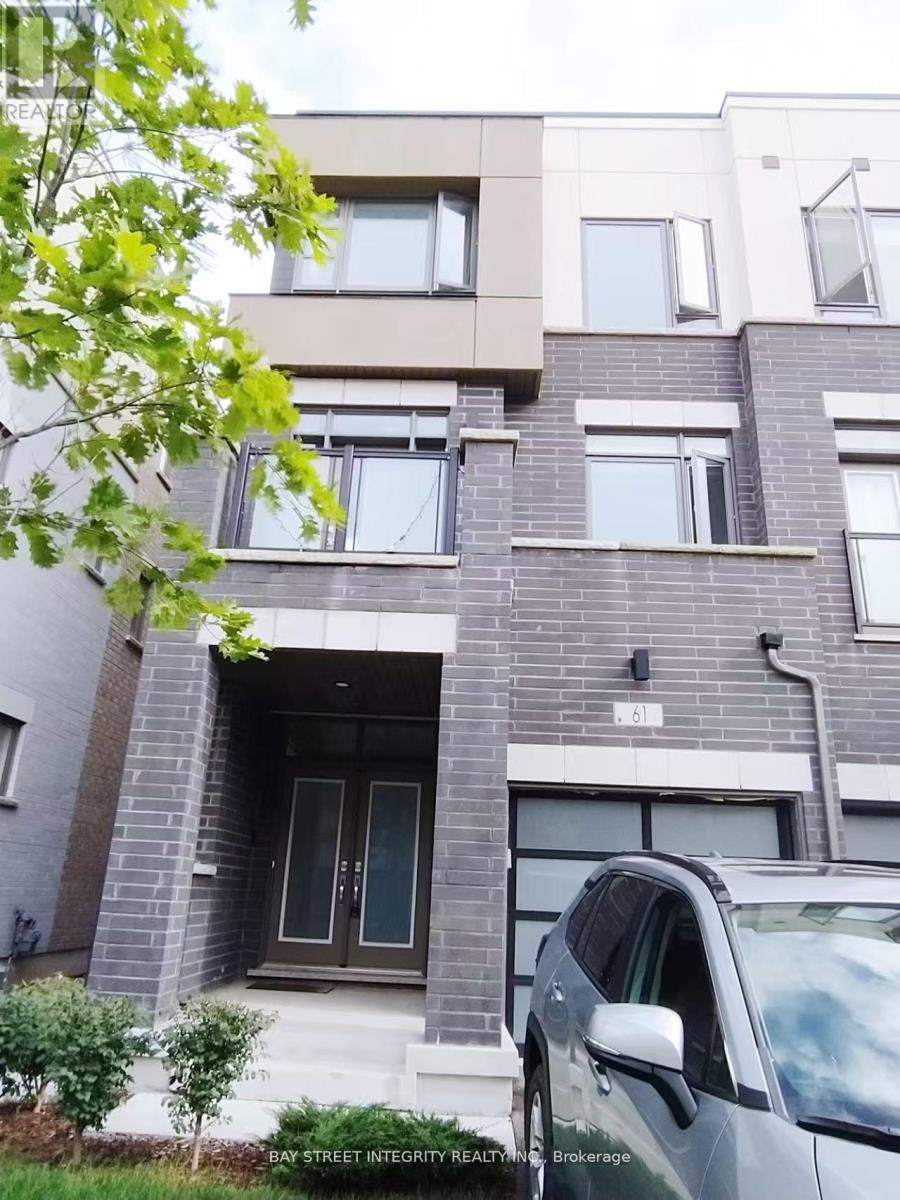 For Rent
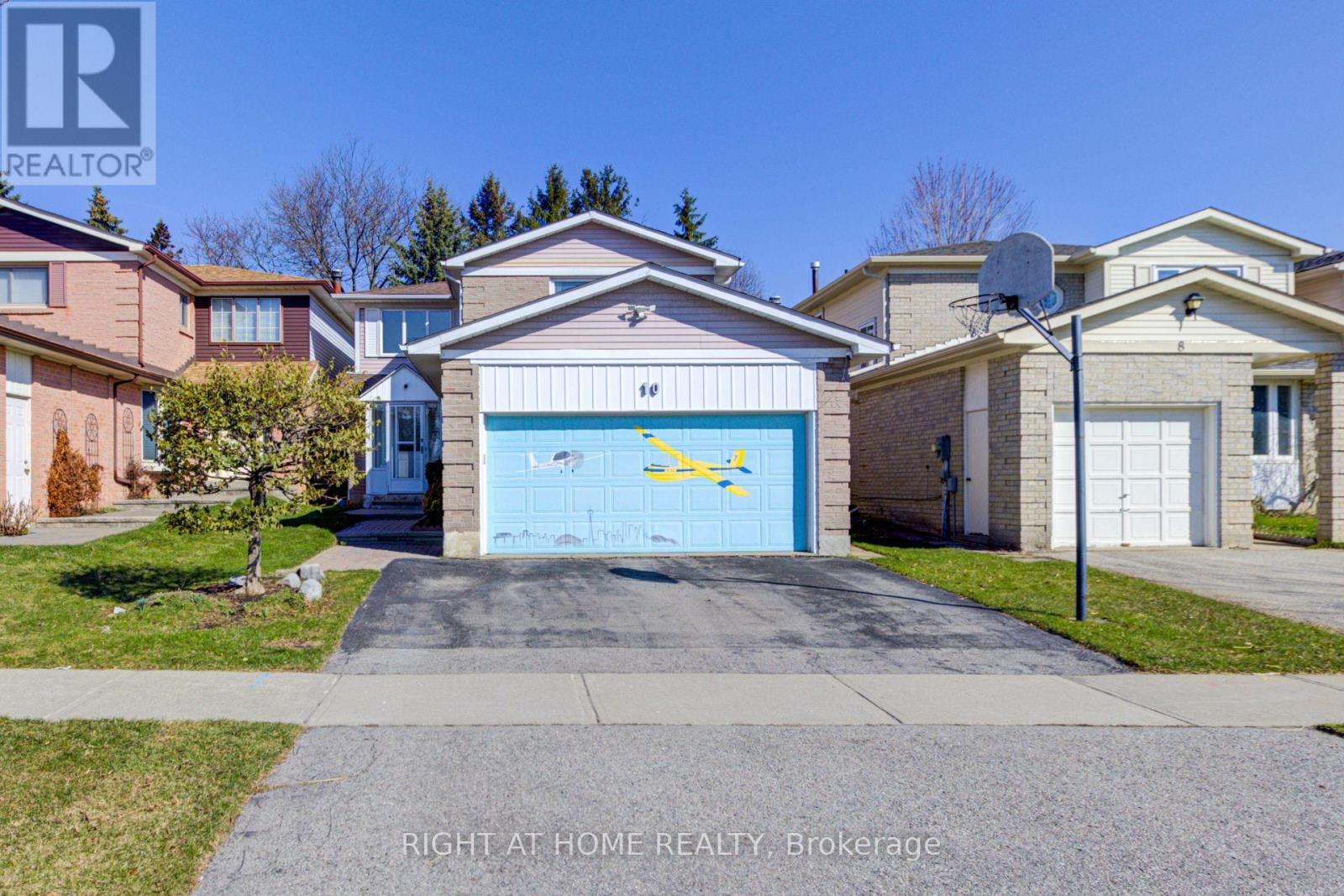 For Sale
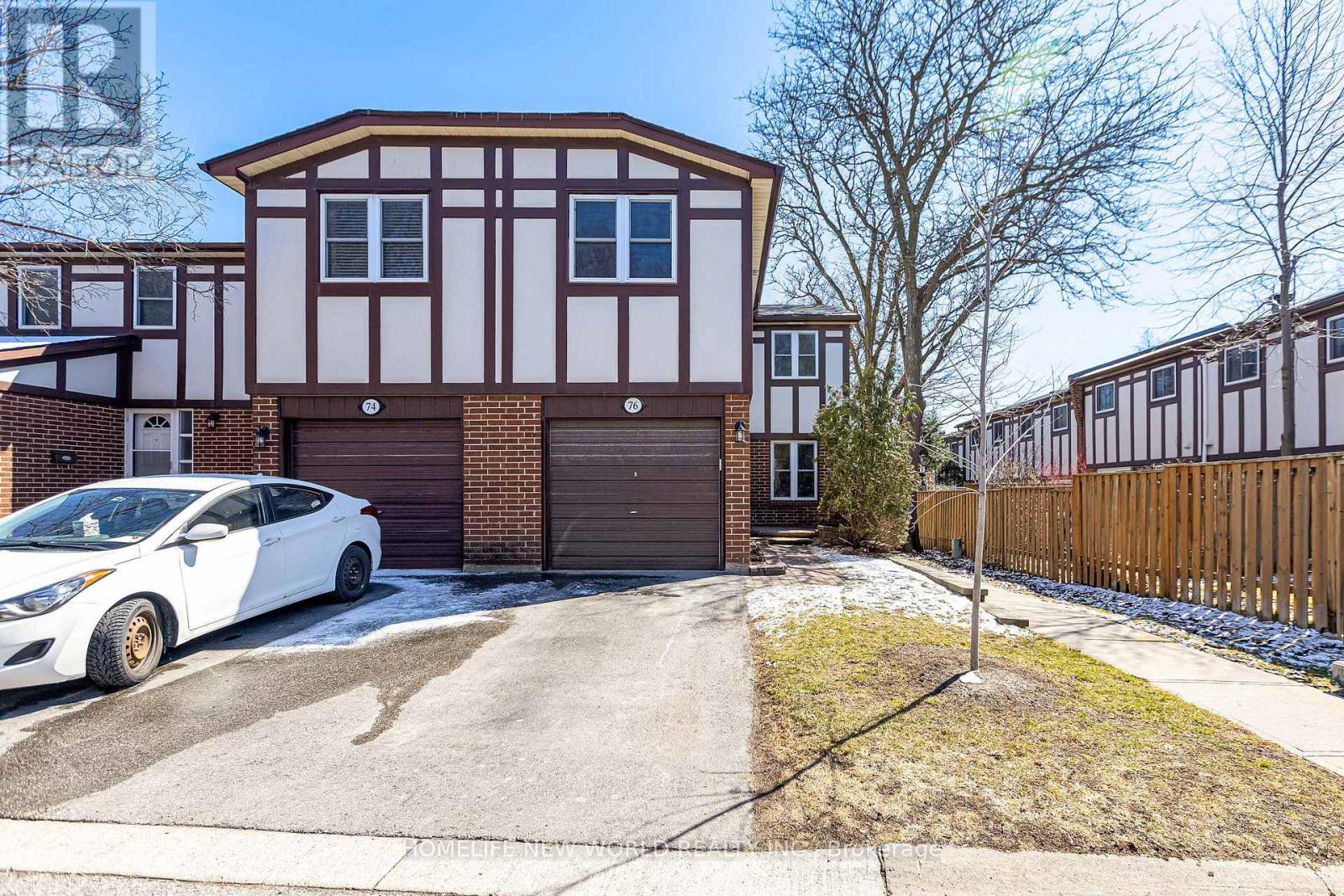 For Sale
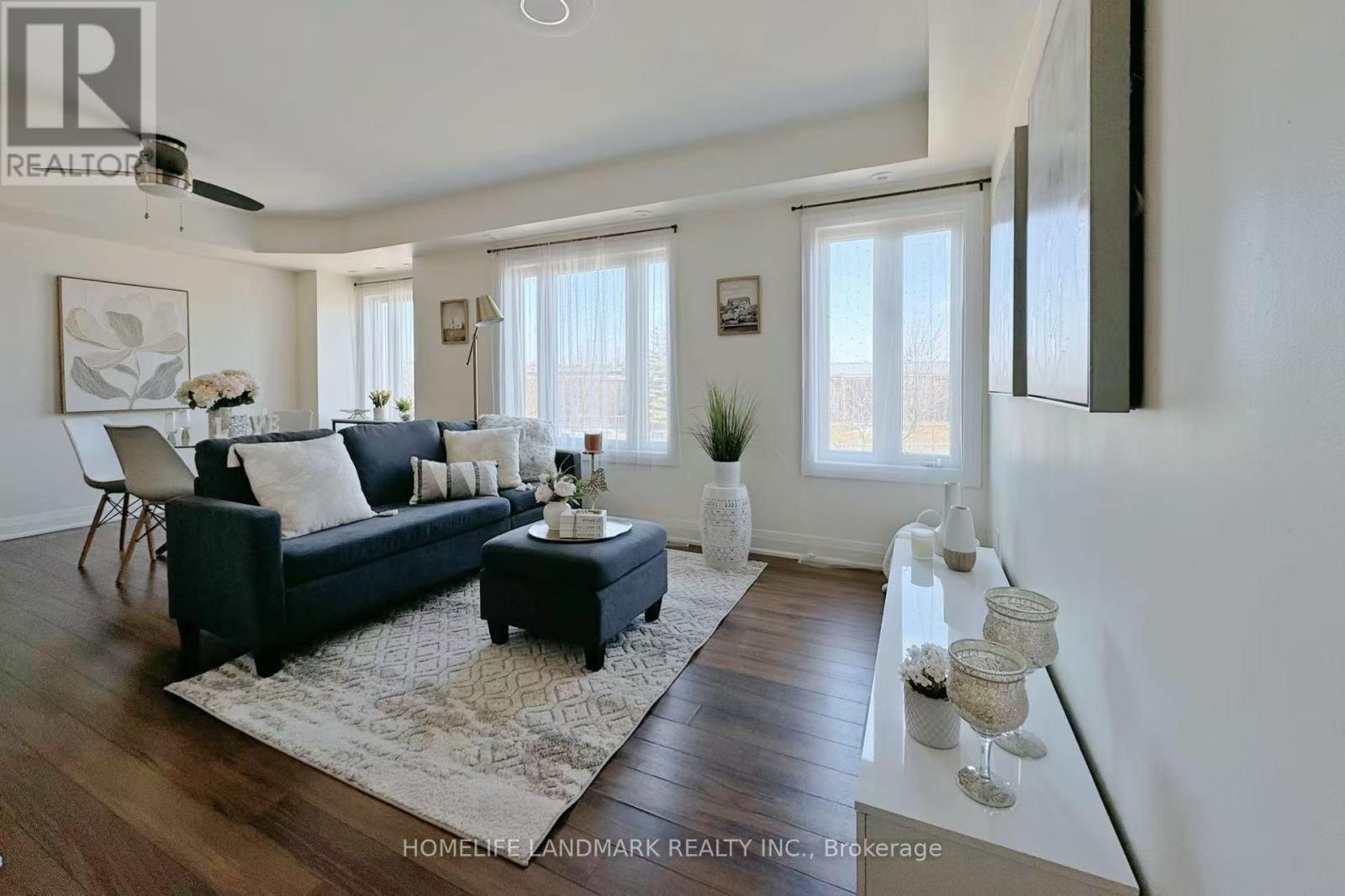 For Sale