
Alton Village is Burlington's newest residential community in the city's northeast corner, developed since 2006 with modern detached homes and townhouses. It offers the most affordable family housing in Burlington. Detached homes trade from $1.0M to $1.3M in 2025. Burlington GO is about 15 minutes south.
Alton Village is Burlington’s newest residential community, built on the city’s northeast corner at Dundas Street and Walkers Line starting around 2006. The development is still ongoing — Alton Village West, the final major phase, was under construction in 2025. It’s the last large planned community to be built within Burlington’s urban boundary, and that fact shapes the market: buyers who purchase here are getting the newest housing stock in the city, in a neighbourhood that was designed with current planning principles rather than retrofitted from an earlier era.
The housing is predominantly detached and semi-detached homes built since 2005, with a range of townhouses and, in the more recent phases, some mid-rise condominium development. The built form is suburban in the traditional sense: residential streets, attached garages, landscaped front yards, and the pattern of a planned community where parks, schools, and arterials were all positioned before the first house was built. The landscaping is still maturing on the newest streets, but the established phases of the neighbourhood have developed the tree cover and neighbourhood feel that comes with 15 to 20 years of residency.
Detached homes in Alton were trading around $1.0 to $1.3 million in 2025, with townhouses in the $800,000 to $950,000 range. For buyers looking at Burlington as a family destination, Alton offers more house for the dollar than the older south Burlington neighbourhoods, with the trade-off of distance from the lake, the GO station, and the established retail corridors closer to the QEW.
The housing stock in Alton Village is almost entirely post-2005 construction, which means buyers get the advantages of current building codes: better insulation, updated mechanical systems, larger bathrooms, open-concept layouts, and attached garages sized for modern vehicles. The construction quality varies by builder, as it does across all planned communities, but the general baseline is higher than what you find in the 1970s and 1980s subdivisions that dominate other parts of Burlington.
Detached homes in the established phases run from around four squares to around 3,000 square feet on lots of 35 to 45 feet, depending on the builder and the phase. The newer Alton Village West phases include a range of products from townhouses to larger detached homes. The neighbourhood has a variety of floor plans across its different sections, and buyers who are particular about layout should visit rather than assume uniformity across the community.
New construction is still available in Alton Village West from Sundial Homes and other builders, offering buyers the option to purchase at the pre-construction or near-completion stage. For buyers who want a new home rather than a resale, Alton is currently the primary opportunity within Burlington, as there is no other large-scale residential development underway within the city’s boundaries.
The Alton Village resale market behaves differently from the mature south Burlington neighbourhoods. Transaction volumes are lower on a per-block basis because the community is still growing, and comparable sales data needs careful interpretation across the different phases and builders. Properties in the established phases have more comparable sales history than those in the newer sections. Buyers who are comparing prices across the community should understand which phase they are looking at and find comparables from the same builder and phase where possible.
The market in north Burlington including Alton softened more than south Burlington during the 2022-2023 rate correction, because north Burlington’s value proposition depends more on relative affordability within the city than on the intrinsic scarcity that supports south Burlington prices. As rates have stabilized, Alton has settled into a more normalized market where well-priced homes sell within reasonable time frames and overpriced homes sit.
The ongoing new construction activity in Alton Village West adds a supply variable that doesn’t exist in established Burlington neighbourhoods. When builders are offering incentives or reducing prices on new construction inventory, nearby resale prices face some pressure. Buyers should monitor what builders are doing in the active phases before making offers on resale properties in the same community.
Alton Village draws young families as its core buyer demographic. The neighbourhood was designed for family living: large homes, good school access, parks distributed through the community, and the safety of low-traffic residential streets that comes with a planned community layout. Buyers with young children who are prioritizing school quality, space, and a neighbourhood built for family life over waterfront proximity or downtown walkability tend to find Alton exactly what they need.
Corporate transferees who are new to Burlington and buying on a budget for their Toronto-adjacent relocation often end up in Alton. It offers more house per dollar than south Burlington at the cost of a longer drive to the GO station or the QEW. For families where one partner works in Toronto and the other works locally or remotely, the commute trade-off sometimes makes more sense on paper than it does after living it for six months. The honest advice for anyone whose primary income requires regular downtown Toronto travel is to buy as close to the GO station as their budget permits.
Move-up buyers from the Burlington townhouse and condo market who want detached ownership without leaving the city are a consistent segment. They understand Burlington and have decided that staying in the city at a slightly higher price point makes more sense than looking at Milton or Hamilton for comparable square footage at lower cost.
Alton Village covers a large area in northeast Burlington, bounded generally by Dundas Street to the south, Walkers Line to the west, and the Halton Region boundary to the north and east. Within this area, the community develops in phases that are visible in the streetscape: the oldest sections near the south and west have mature landscaping and a settled character, while the streets closest to the active development phases have the rawer look of recently completed construction.
The most established and sought-after streets in Alton tend to be those in the earlier development phases, where the tree cover has matured and the neighbourhood has had time to develop its sense of place. These streets, mostly in the southern and central portions of the community, trade at a modest premium over the identical product on newer streets at the growing edge.
Proximity to the neighbourhood’s schools and parks is a meaningful driver of buyer preference within Alton, because the community’s design distributes those amenities somewhat unevenly. Buyers who have researched which streets sit within easy walking distance of the elementary schools their children will attend tend to pay attention to this during their search, and it’s worth confirming the current catchment boundaries before finalizing a property choice.
Alton Village is the part of Burlington furthest from the GO stations on the Lakeshore West line. The nearest station is Burlington GO on Fairview Street, about 15 to 20 minutes by car from Alton depending on the specific street and time of day. That distance is the neighbourhood’s main transit disadvantage: buyers who commute to Toronto by GO need to drive to the station, which means parking at the station or a second car in the household.
Driving to the QEW from Alton runs about 15 minutes via Appleby Line or Walkers Line south, then through the interchange onto the highway heading east toward Toronto. In rush-hour conditions the surface road portion of that drive adds time, and buyers considering Alton for a Toronto commute should drive the actual route at actual commute times before making a decision based on a map estimate. The 403 at Walkers Line provides an alternative for commuters heading to Mississauga and west Toronto.
Local transit within Burlington is operated by Burlington Transit, with bus service on Dundas Street providing the main corridor connection through the community. Service frequency is adequate for occasional trips but not sufficient for daily car-free commuting from Alton to central Burlington or the GO station. Most Alton residents are car-dependent for daily transportation, which is the practical reality of a neighbourhood at the urban fringe.
Alton Village was planned with a distributed network of neighbourhood parks and open space that is better integrated than in many comparable Burlington subdivisions. The community design reserves parkland at regular intervals through the residential streets, which means most homes are within a short walk of a play structure, sports field, or green space. The parks are generally well-maintained and actively used by the young families that dominate the neighbourhood’s demographic.
The Niagara Escarpment is visible from the northern portions of Alton Village, and the conservation areas along the escarpment are accessible by a short drive north into the Halton Region countryside. The Bruce Trail passes through the escarpment edge north of the city, providing hiking access to one of Ontario’s best long-distance trails within 20 minutes of the neighbourhood.
The City of Burlington’s parks system includes several larger recreation facilities within reasonable driving distance of Alton, including the Haber Recreation Centre on Upper Middle Road, which provides arena ice, fitness facilities, and indoor pool access. The community’s distance from the lake means that the Burlington waterfront parks and Spencer Smith Park, while accessible by car, are not a casual neighbourhood amenity the way they are for south Burlington residents.
Retail development in Alton Village has followed the residential growth and is now largely established for the community’s daily needs. The Alton Village area at Dundas and Walkers Line and the surrounding power centre development includes grocery stores, pharmacy, restaurants, gas stations, and the general range of suburban commercial services. The retail strip serves the community adequately for daily and weekly shopping without requiring a drive to the older Burlington commercial corridors near the QEW.
The density of newer restaurant options in Alton and along Dundas Street east has improved as the community has grown. The mix leans toward chain restaurants and quick-service options, which is typical of newer suburban commercial development, rather than the independent restaurant culture found in Burlington’s downtown and older Appleby and Brant communities. Buyers who are accustomed to walkable independent retail will find Alton’s commercial character more suburban in nature.
Costco and the big-box commercial development along Appleby Line and Dundas Street East is accessible from Alton within 10 minutes, which appeals to the young-family demographic that does large weekly shops. The proximity of this commercial infrastructure is one of Alton’s practical advantages over older Burlington neighbourhoods that require more driving for the same range of services.
Alton Village falls within the Halton District School Board (HDSB) for public education. The community was designed with schools in mind, and several HDSB elementary schools serve different portions of the neighbourhood. John William Boich Public School on Thomas Alton Boulevard is one of the better-known elementary schools in the community, offering both English and French Immersion programming. The French Immersion stream at Boich attracts buyers from outside the immediate catchment who are willing to drive or request a transfer for the program.
Secondary students from Alton Village attend Hayden Secondary School on Thomas Alton Boulevard, a purpose-built high school that opened to serve the growing north Burlington community. Hayden is a newer school with modern facilities and currently serves a growing student population. As a newer school without a long academic track record, its reputation is still developing, though its physical facilities are among the best in the HDSB system.
Catholic school families in Alton are served by the Halton Catholic District School Board (HCDSB), with Catholic elementary schools in the community and Catholic secondary students typically attending one of the HCDSB high schools in Burlington. Catchment boundaries for both boards should be confirmed at the specific property address, as Alton’s ongoing development means boundaries are adjusted periodically as enrolment grows.
Alton Village West is the active development story for the neighbourhood. The Sundial Homes project represents the final significant residential development within Burlington’s urban boundary, and when it completes, Burlington will be largely built out within its current limits. This matters for the long-term supply picture: once Alton Village West is absorbed, new detached housing supply in Burlington will be essentially zero, which supports prices over the long term even if the near-term market is soft.
The City of Burlington is growing in the vertical direction in its older established areas, particularly along major transit corridors such as Brant Street, Plains Road, and the Burlington GO station area. This intensification is bringing condominiums and mixed-use development to parts of Burlington that have been single-family residential for decades, which will gradually change the character of those areas but will not directly affect Alton Village, which is too far from the intensification corridors to be directly impacted.
Infrastructure investment in the Dundas Street corridor, including improved transit service and cycling infrastructure, has been discussed in Burlington’s planning documents as the city grows its northeast area. The implementation timelines for these improvements are uncertain, but the direction of travel is toward better connectivity between Alton Village and the rest of the city as the community matures.
Q: Is Alton Village a good choice for buyers who commute to Toronto?
A: It depends entirely on how often you commute. Alton Village is 15 to 20 minutes by car from Burlington GO station on the Lakeshore West line, and from Burlington GO to Union Station runs about 55 minutes on the express train. That makes your total commute door-to-door around 75 to 90 minutes each way, which is manageable once or twice a week but adds up quickly if you are doing it five days. The alternative of driving to the QEW and continuing to Toronto means 45 to 75 minutes depending on traffic and your destination within the city. Many Alton residents who commute to Toronto have settled into a hybrid work pattern that makes the commute workable. Buyers who are truly going in five days a week tend to choose south Burlington closer to the GO station, paying more for the reduced commute time. The honest calculation is your commute frequency multiplied by the extra travel time compared to a closer Burlington location, and then deciding whether the price difference justifies the difference in time.
Q: How does Alton Village compare to similar new communities in Milton?
A: Alton and Milton’s newer communities are often compared by buyers who want new construction at a family-home price point within commuting range of Toronto. Milton is generally cheaper per square foot and offers more new construction options, but it’s further east from the QEW corridor if you are commuting west into Toronto, and it falls within the Halton District School Board system at a different point in its school development cycle. Burlington carries a quality-of-life premium that the market assigns consistently, reflecting the waterfront, the established retail and restaurant base, and the general desirability of the Burlington address. Whether that premium is worth it relative to Milton depends on which of those factors matters to you. Buyers who plan to use the GO train for commuting should note that Milton GO service runs on the Milton line, a different line than Lakeshore West, with different service frequency and a different route to Union Station. Both are viable; they are not equivalent.
Q: What should buyers know about the ongoing development in Alton Village West?
A: Buying in the active construction phases of Alton Village West means living in a neighbourhood that is still being built around you. Construction traffic and noise, unfinished streets and landscaping, and the temporary character of a community that has not yet settled in are all part of the experience for the first few years. The practical considerations include confirming that school capacity in the catchment school can accommodate your children without busing to a school outside the community, understanding which municipal services and parks are already operational versus planned, and knowing the timeline for the commercial development that will serve the area. These are manageable considerations rather than dealbreakers, but buyers who are transferring from a fully established suburban community may find the transitional character of a still-developing neighbourhood more noticeable than they expected.
Q: What are typical property taxes in Alton Village?
A: Burlington property taxes apply to Alton Village, as the neighbourhood is within Burlington city limits and the Region of Halton. The combined city and regional tax rate for residential properties in Burlington is approximately 0.7 to 0.8 percent of the assessed value annually, though the specific amount varies by property and the Municipal Property Assessment Corporation (MPAC) assessed value, which may differ from the purchase price. A $1.1 million Alton detached home would typically generate an annual property tax bill in the range of $6,000 to $8,000. Burlington property taxes are generally lower than Toronto and Mississauga on a comparable property basis, which is one of the city-level advantages of the Burlington address. The specific MPAC assessment for a property you are considering can be confirmed through the province’s property assessment database before purchasing.
Alton Village is a mainstream Burlington family-home market, and most experienced Burlington buyer’s agents will be comfortable working here. The specific things worth confirming in your agent choice are their familiarity with the different phases of the Alton Village development, their ability to interpret comparable sales across a community where builder, phase, and street all affect value, and their understanding of the school catchment picture, which matters enough to north Burlington buyers that it regularly affects property selection.
For buyers considering new construction in Alton Village West alongside resale, an agent who can honestly evaluate both options is more useful than one whose practice is entirely in one segment. The decision between new construction and a five-year-old resale is not obvious: new construction offers warranty coverage, current building standards, and the ability to customize finishes, while resale offers a fully settled neighbourhood, established landscaping, and the ability to inspect the property before committing. A good agent helps you make that comparison rather than pushing you toward whichever side of the transaction benefits them more.
The home inspection matters in Alton Village even though the housing is recent. Newer construction has its own category of issues: envelope leaks at window and door rough openings, HVAC systems that were installed at minimum code standards, and occasionally workmanship issues on specific systems that only appear after a few years of use. An inspector who works primarily on newer construction in this region will know where to focus their attention on a 2010 or 2015 build that is different from the focus on a 1965 bungalow.
Street-level knowledge is hard to find online. Our team works in Alton every day. They know which pockets hold value, where the school catchment lines actually fall, and what the market is doing right now. Talk to us before you make a decision about Alton.
Talk to a local agent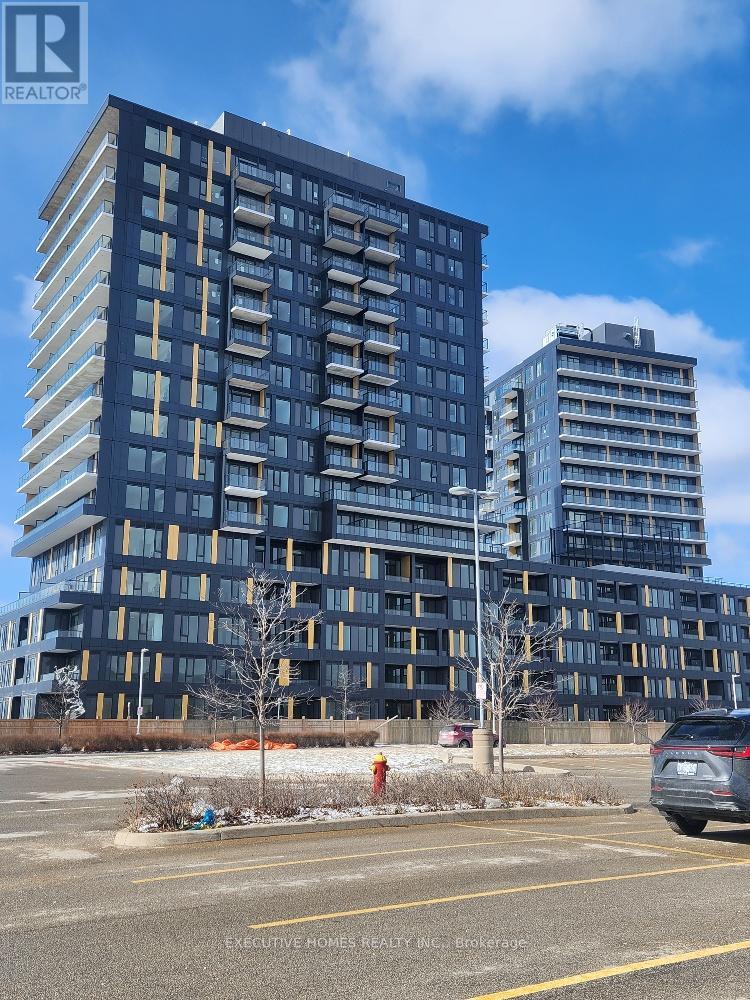 For Rent
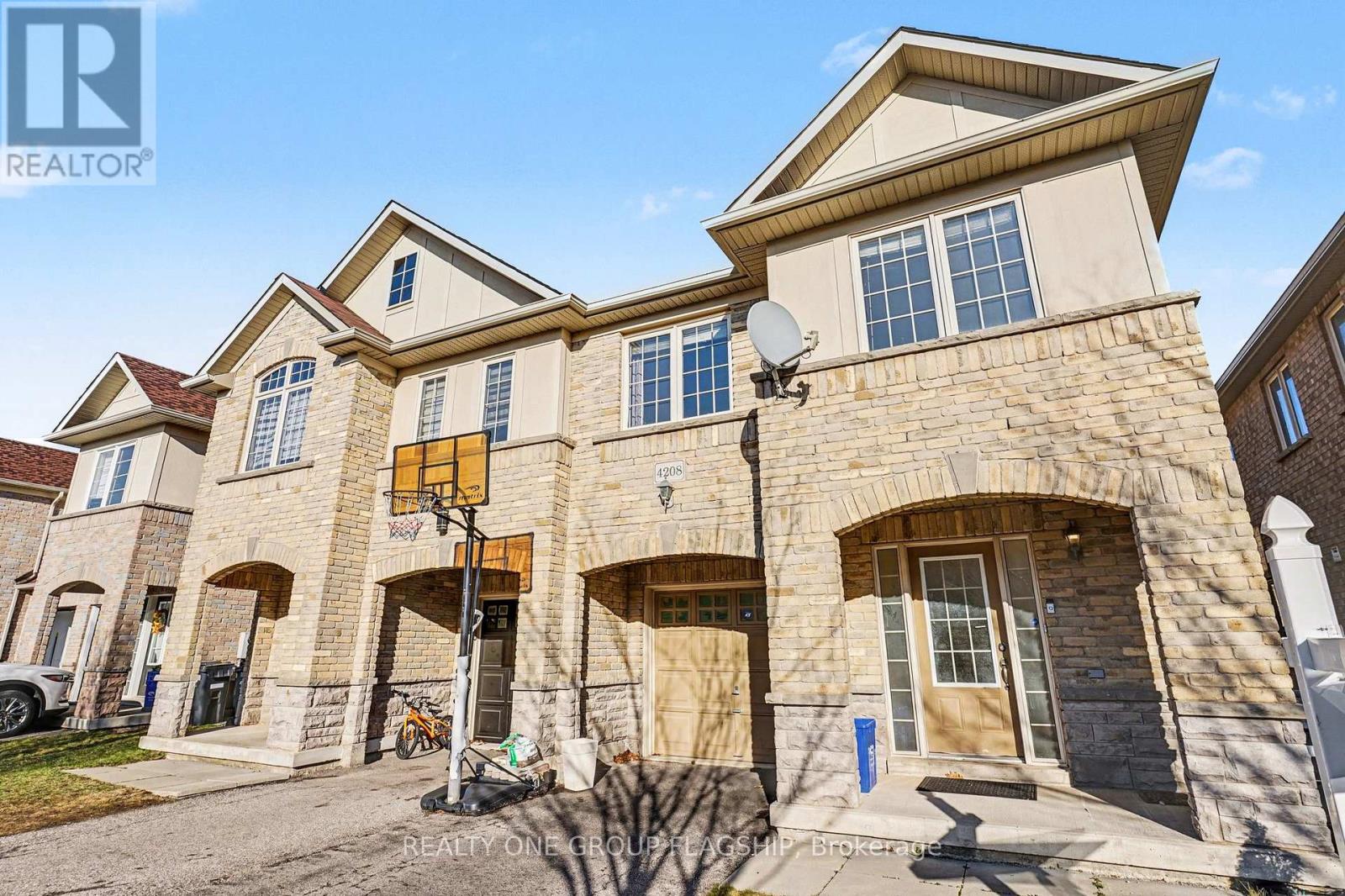 For Rent
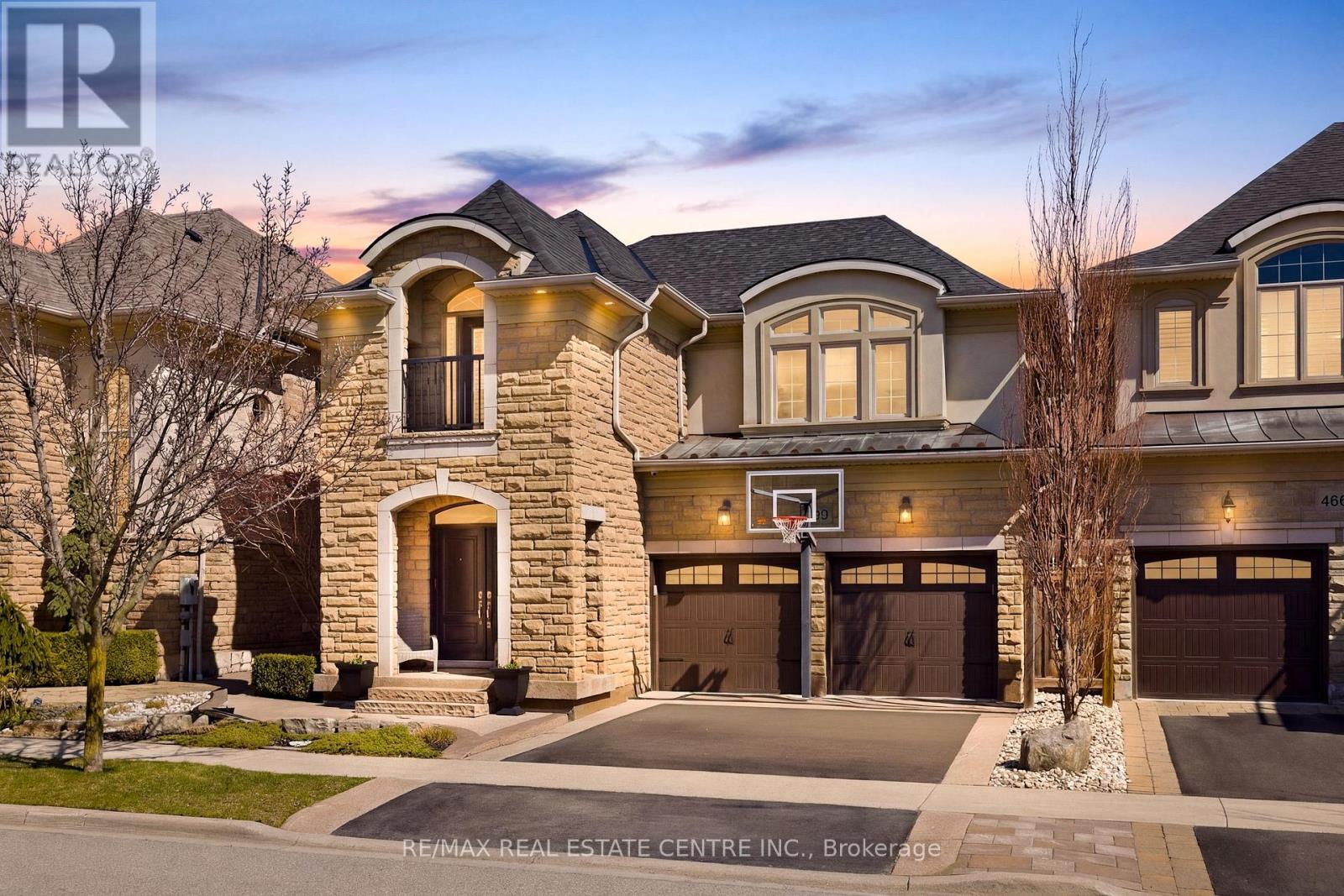 For Sale
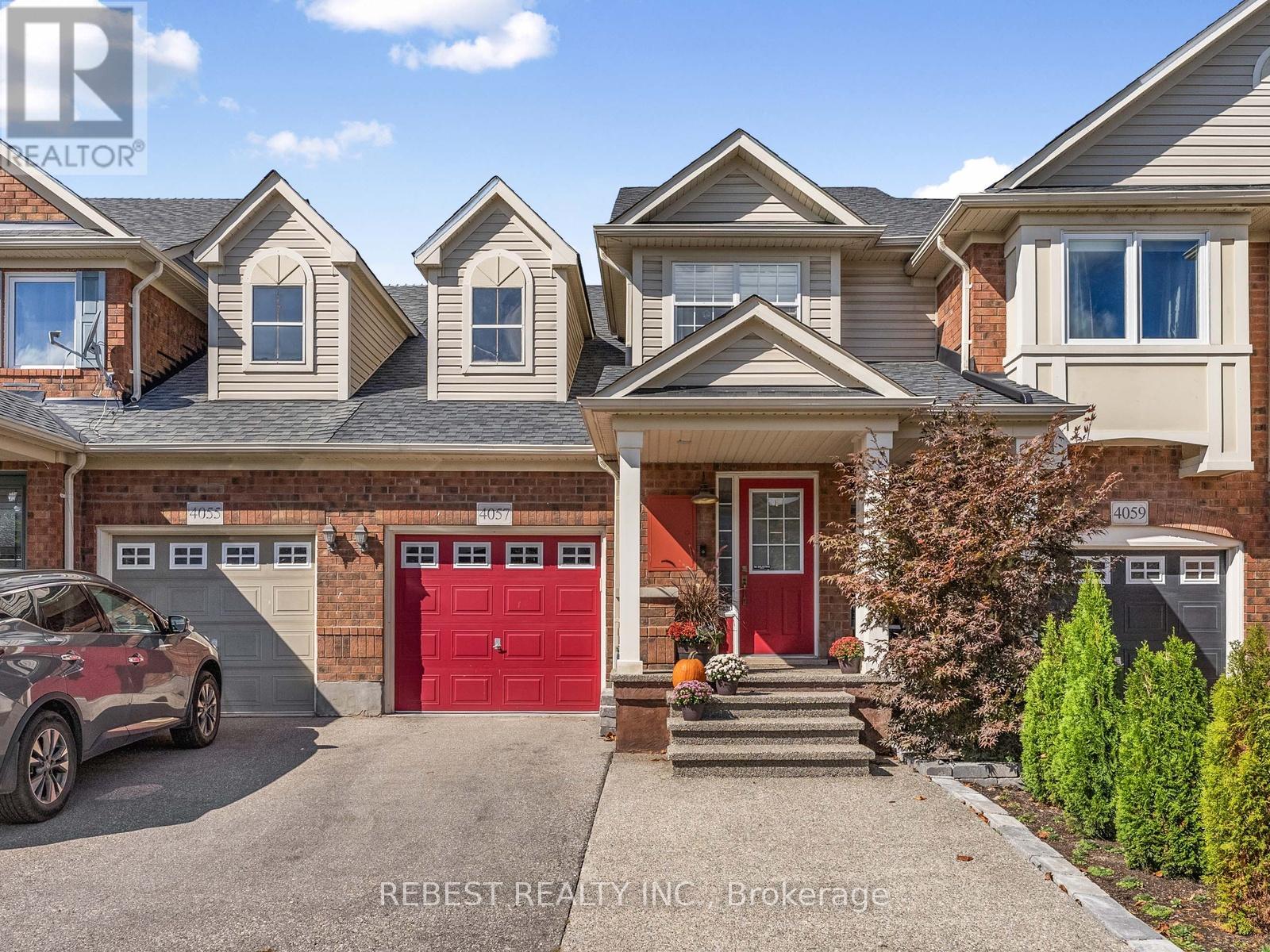 For Sale