
Amberlea is an established residential neighbourhood in east Pickering with 1980s and 1990s detached family homes, strong school catchments, mature tree-lined streets, and easy access to Highway 401 and the Pickering GO station.
Amberlea sits in the eastern part of Pickering, roughly bounded by Brock Road to the west, Taunton Road to the north, and Altona Road to the east. It developed primarily through the 1980s and into the early 1990s, which means the housing stock is mature, the trees have grown tall over the streets, and the neighbourhood carries the comfortable, well-worn feel of a place where families stayed. Streets are wide and tree-lined, parks are tucked between crescents and courts, and the overall layout reflects the suburban planning ideals of that era: quiet residential streets feeding onto arterials, schools within walking distance, and shopping accessible by car within minutes.
The name comes from Amberlea Public School, which anchors community life in the area. It’s the kind of neighbourhood where kids still walk or bike to school, where the parks fill up on weekday evenings with organized sports, and where neighbours tend to know each other. That social fabric is worth noting because it affects what it’s like to live here, not just what it costs to buy here. Amberlea has a settled quality that newer subdivisions in northern Durham Region can’t replicate yet.
For buyers coming from Toronto or the inner suburbs, Amberlea offers a genuine value proposition: houses with proper backyards, detached garages, and four bedrooms for prices that would buy a townhouse closer to the city. For buyers already in Durham Region, it’s one of the more established and consistently desirable pockets within Pickering, with a track record of holding value and a supply of housing that rarely sits long when priced correctly.
The neighbourhood connects well to the broader city. Brock Road runs south to Highway 401 and north through the rest of Pickering. Highway 407 is accessible from Brock Road, adding a second east-west corridor for those commuting further into the GTA. The Pickering GO station at Bay Ridges, roughly 10 minutes south by car, puts Union Station within 35 minutes on a good run. The combination of established neighbourhood character, reasonable transit access, and solid school catchments explains why Amberlea consistently attracts families relocating from Toronto’s east end.
Detached homes in Amberlea sold through 2024 in a range from roughly $850,000 for a smaller 3-bedroom on an older layout to $1.15 million for updated 4-bedroom two-storey homes with finished basements and renovated kitchens. The sweet spot of the market, the 4-bedroom two-storey on a 40-foot lot, moved most often in the $950,000 to $1.05 million range, depending on condition and recency of updates. Semi-detached properties, which exist in smaller numbers here, traded in the $750,000 to $850,000 range when they came up.
Amberlea has no significant condo or townhouse component, which is part of its identity. This is a detached-home neighbourhood, and buyers shopping here are generally past the townhouse stage of life and looking for the full yard, the double driveway, and the extra bedrooms. That profile creates a relatively stable demand base that doesn’t evaporate in a correction the way speculative condo markets can.
Homes from the 1980s here tend to be brick-clad two-storeys with attached garages, formal living and dining rooms, and layouts that feel slightly dated by current standards. The ones that sell fastest have been opened up — kitchen walls removed, main floors modernized, primary ensuites updated. Original-condition homes still sell, but they need to be priced to reflect the work ahead. Buyers who bought the unrenovated version 5 to 7 years ago and upgraded since have done well on the resale.
Into early 2025, pricing held reasonably steady in Amberlea relative to the wider Durham Region correction of late 2022 and 2023. The neighbourhood’s established character and school reputation provided a floor that kept values from retreating as far as newer developments further north. Sellers with updated homes and realistic expectations on pricing moved product. Those anchored to 2022 peak numbers sat longer or withdrew.
The Amberlea market moves on a relatively tight inventory cycle. Because most homes here are owner-occupied by families who bought and stayed, turnover is lower than in newer subdivisions where early buyers cash out and move on. When a home comes to market in Amberlea, it typically reflects a life-change decision: downsizing, estate sale, or a growing family trading up. This creates a buying market where patience is rewarded — well-priced, well-prepared homes still generate competition, but the frenzied multiple-offer environment of 2021 and early 2022 has not returned.
Days on market through 2024 averaged in the 18 to 28 day range for homes priced at or near market value. Overpriced listings stretched to 45 days or longer before either selling below list or being relisted at a corrected price. The buyers who struggled were those who brought Toronto-market instincts into Durham Region without adjusting: expecting bidding wars, waiving conditions, offering sight-unseen. Those strategies cost some of them. The buyers who succeeded in 2024 did their research, got their financing sorted, and made fair offers with reasonable conditions.
The rental side of the Amberlea market is limited. Most detached homes here are owner-occupied, and basement suite rentals exist but are not the dominant feature of the neighbourhood the way they are in some denser urban areas. Investors looking for cash-flow properties tend to look elsewhere in Durham Region. The buyer pool in Amberlea is almost entirely end-users, which gives the market a fundamental stability that purely investment-driven neighbourhoods can lack.
Competition for the best homes, meaning updated, well-maintained, properly priced detached four-bedrooms, remains real. When those hit the market at the right number, they tend to sell within two weeks and often attract multiple offers. The spread between best-in-class and needs-work is pronounced, which gives buyers who are willing to renovate an opportunity to buy below the neighbourhood ceiling and add value.
The typical Amberlea buyer is a family relocating from Toronto’s east end, Scarborough, or the inner suburbs who has outgrown a semi-detached or townhouse and wants a detached home with a proper yard without doubling their mortgage. Many are in their mid-30s to mid-40s, have one or two school-age children, and are prioritizing the school catchment and the community feel as much as the square footage. They’re not first-time buyers — they’ve owned before and know what they want.
A second buyer group comes from within Durham Region itself: families already in Pickering, Ajax, or Whitby who want to move into a more established part of the community without going into the newest subdivision. They know the area, they may have friends or family nearby, and they’re looking for the combination of settled character and proximity to the 401 corridor that Amberlea delivers.
Downsizers from the same neighbourhood are also a factor in the market, though their numbers are smaller. Empty-nesters who bought in Amberlea 20 or 25 years ago and are now looking to cash out and move into something smaller create the inventory that the family buyers need. This natural churn between life stages keeps the market working without relying on speculative activity.
Investors are a minority presence. The price points and rental yield calculations don’t work as cleanly for detached homes in Amberlea as they do for purpose-built rentals or condos closer to transit. The buyers here are predominantly people who plan to live in the house, which is reflected in how properties are presented, maintained, and priced. That owner-occupier culture is part of what the neighbourhood’s reputation is built on.
Within Amberlea, the streets between Twyn Rivers Drive and Strouds Lane form the core of the neighbourhood — a network of crescents, courts, and short residential streets where the lots tend to be a bit wider and the trees a bit taller. Twyn Rivers Drive itself runs east-west through the neighbourhood and provides the main spine. The pockets off this corridor, particularly the crescents that back onto the Amberlea Park system, are the most sought-after addresses when they come available.
The north end of Amberlea, near Taunton Road, has slightly newer homes from the late 1980s and early 1990s that tend to be larger than the earlier builds to the south. These properties often have bigger footprints and more contemporary floor plans, though they lack some of the mature tree coverage of the older streets. Buyers prioritizing square footage tend to look north within the neighbourhood; buyers prioritizing the settled, tree-lined character tend to look toward the centre and south.
Strouds Lane marks a rough eastern boundary, beyond which the character shifts toward newer development. Homes on the streets immediately west of Strouds Lane within Amberlea tend to have backing onto green space or open areas, which is a premium feature. When park-backing homes come to market here, they almost always sell at the top of the local range.
Altona Road runs along the eastern edge and provides a useful north-south connection. The homes directly on Altona are louder than the interior streets but offer faster access north toward Taunton and south toward Kingston Road. For buyers who commute by car and want quick arterial access, the Altona Road corridor is worth considering despite the traffic. The trade-off between interior quiet and arterial convenience is a personal calculation, but both options trade within the same general price band.
Amberlea is a car-dependent neighbourhood for daily transit use, but it connects reasonably well to the GO system when driving is part of the equation. The Pickering GO station on the Lakeshore East line sits roughly 10 to 12 minutes south by car, or about 7 kilometres down Brock Road and Liverpool Road to the waterfront. From Pickering GO, trains run to Union Station in approximately 35 minutes during peak hours on express trips, with local service taking slightly longer. Pickering GO has a large surface parking lot, which makes the drive-and-park commute viable for residents of Amberlea who work downtown.
By car, Highway 401 is accessible from Brock Road, roughly 8 to 10 minutes from the centre of Amberlea. Brock Road at the 401 is one of the primary interchange points for Pickering, providing westbound access toward Toronto and eastbound access toward Whitby, Oshawa, and beyond. Highway 407, the toll route, is accessible from Brock Road further north and provides a faster alternative when the 401 is congested. The 407 connects to Highway 412, which runs south through Whitby back to the 401, creating a useful loop for commuters willing to pay the toll.
Durham Region Transit (DRT) operates bus routes through Pickering that connect Amberlea to the GO station and to Pickering Town Centre. The bus service is adequate for occasional use but not frequent enough to make car-free living practical for most residents. Routes run along Brock Road and Taunton Road with connecting service into the residential streets. The frequency improves closer to the GO station corridor.
For residents who work in eastern Durham Region — Oshawa, Whitby, Ajax — the car commute is the standard option. The 401 handles this effectively at most hours outside the worst peak congestion periods. Pickering’s position directly east of Toronto means it captures residents who work across a wide geographic range, from downtown Toronto to Oshawa, which is part of why it continues to grow.
Amberlea has a good supply of neighbourhood parkland woven into the residential fabric. The Amberlea Park itself anchors the open space network, with a playground, sports fields, and open lawn that hosts community events through the warmer months. The park is within walking distance of most streets in the core of the neighbourhood, which reflects the planned approach to greenspace that characterized 1980s suburban development in Ontario. The quality varies across different parcels, but the overall provision is better than in more recently built subdivisions where parkland was minimized to maximize lot yield.
Dunmoore Park sits nearby and adds to the available open space, with trails connecting into the broader Pickering trail network. The Duffins Creek trail system, which runs through much of northern and eastern Pickering, is accessible from the eastern edges of the neighbourhood and provides multi-use trails for walking, running, and cycling. Duffins Creek itself is an environmentally significant waterway, and the valley lands along its course are preserved as natural area, creating a green corridor that residents of east Pickering benefit from without having to drive to it.
The Altona Forest Environmentally Significant Area is located east of Amberlea, a remnant forest patch that sits within the urban fabric and provides a genuine nature experience within a few minutes’ drive. The trails through Altona Forest are informal but well-used and give the area a character that many purely residential suburbs lack — the ability to walk into something that genuinely feels like a forest rather than a manicured park.
Winter use of the parks includes skating at some of the outdoor rink locations maintained by the City of Pickering. Organized youth sports, including soccer and baseball through the city’s recreation programs, run through the summer across the neighbourhood parks. The availability of this organized activity within walking distance is a practical benefit for families with school-age children that shows up in how parents talk about why they chose Amberlea.
Day-to-day retail for Amberlea residents is anchored by Pickering Town Centre, the major enclosed mall on Kingston Road at Liverpool Road, roughly 8 to 10 minutes south of the neighbourhood. Pickering Town Centre houses a full grocery anchor, a cinema, and a standard array of national retail and restaurant chains. It’s not a destination mall, but it handles the weekly shopping and errand requirements for the neighbourhood without much friction.
Closer to hand, the commercial strips along Brock Road and Kingston Road contain the grocery stores, pharmacies, and fast-food and casual dining options that cover most routine needs. A grocery store and pharmacy within 5 minutes by car means Amberlea residents aren’t dependent on a single destination for daily errands. Several independent restaurants and services are scattered along these commercial corridors, though the area is not known for a distinctive local restaurant or retail identity the way a heritage main street might be.
The Brock Road commercial corridor north of the 401 has developed over the past decade with big-box retail, home improvement stores, and automotive services, which are useful for the family demographic that populates Amberlea. Canadian Tire, home improvement retailers, and a variety of service businesses line this stretch, making it functional if not particularly interesting from a retail character perspective.
For more specialized shopping, the broader Pickering and Ajax area provides options. Costco is accessible in Ajax, roughly 15 minutes west on the 401. The range of restaurants in Pickering and Ajax combined means residents don’t need to drive into Toronto for variety — though some do for specific cuisines or experiences. The gap between Amberlea’s suburban retail environment and Toronto’s is real, but for families prioritizing space and schools over dining variety, it’s an acceptable trade-off.
Amberlea falls within the Durham District School Board (DDSB) for public schools and the Durham Catholic District School Board (DCDSB) for separate Catholic schools. Amberlea Public School is the neighbourhood’s own elementary school, drawing children from the immediate area and providing the walkable school experience that parents specifically cite when explaining why they chose this neighbourhood. The school has a strong community reputation and has been consistently well-regarded within the DDSB system.
Dunbarton High School on Glenanna Road serves as the main secondary feeder for the area, covering public high school for Amberlea students. Dunbarton has a solid academic record and a range of extracurricular programs. For students in the Catholic system, Saint Mary Catholic Secondary School in Pickering provides the separate high school option.
The Catholic elementary option in the area is served by schools within the DCDSB, with Saint Elizabeth Seton Catholic School among the nearby options. Catholic school families often choose Amberlea specifically because both the public and separate options within reasonable distance are well-regarded, giving them flexibility without having to compromise on neighbourhood quality.
French immersion programs are available within the DDSB system, and several schools in Pickering offer early French immersion entry points. Parents interested in immersion should confirm placement and busing arrangements with the school board, as attendance boundaries and available spaces change year to year. The general advice is to apply early and understand that immersion placements may not always be at the neighbourhood school. The availability of immersion as a credible option within the public board is nonetheless a meaningful amenity for families who prioritize it, and it factors into why Amberlea attracts the buyer profile it does.
Amberlea itself is a fully built-out neighbourhood with no significant new residential development occurring within its existing boundaries. The housing stock is what it is, and the change that happens here is through renovation and resale rather than new construction. This is a feature for buyers who want a stable, established environment without the disruption of adjacent construction sites or the uncertainty of how a new development area will eventually look and feel.
The development pressure in Pickering is concentrated in the north, particularly in the Seaton community, which is one of the largest planned new communities in Ontario. Seaton sits to the northeast of Amberlea and will eventually house over 70,000 residents across a series of new villages and employment lands. The Seaton development is changing Pickering’s overall character and will add significant population to the city over the next 20 to 30 years. For Amberlea residents, Seaton’s growth means more services, more amenities, and a larger local economy — at some point. It also means increased traffic pressure on Brock Road and Taunton Road as the northern areas develop.
The City of Pickering has been working on its official plan and various urban growth strategies to manage the Seaton buildout and the intensification of the existing urban area. Kingston Road is designated as an intensification corridor, meaning higher-density development is expected along that spine over time. This is more relevant to the south end of Pickering than to Amberlea specifically, but the broader city-level changes are worth understanding for anyone making a long-term investment decision in the area.
Infrastructure investment to support Seaton, including road widening, new schools, and community facilities, will benefit Amberlea as surrounding services improve. The near-term period involves some construction disruption on the main arterials, but the medium-term outcome for established neighbourhoods like Amberlea as Pickering grows into a more complete city is generally positive for property values and livability.
Q: How does Amberlea compare to other Pickering neighbourhoods for families?
A: Amberlea ranks among Pickering’s most family-oriented established neighbourhoods, primarily because of the combination of Amberlea Public School’s strong community reputation, the neighbourhood’s park network, and the settled, tree-lined character that newer subdivisions don’t yet have. Compared to Duffin Heights or the newer Seaton areas, Amberlea offers a more mature environment at a price point that reflects its age and renovation cycle. Compared to Bay Ridges or the lakefront areas, it trades proximity to the GO station for more residential quiet and larger lots. Most family buyers who research Pickering thoroughly end up shortlisting Amberlea alongside Liverpool and Highbush as the three most consistently livable established areas in the city.
Q: What do homes in Amberlea typically need when they come to market?
A: Most homes from the 1980s and early 1990s that have been owner-occupied for their full life need some combination of kitchen and bathroom updates, flooring replacement, and exterior refresh. The bones of these houses are generally good — brick exteriors, solid construction, reasonable layouts — but the finishes are dated. Buyers who expect move-in-ready condition at the same price as a home that needs work will be disappointed. The most successful strategy is to identify what you’re willing to take on, price your tolerance honestly against what’s available, and budget realistically for the renovation scope. Structural issues are relatively uncommon in this era of Pickering housing, but a home inspection on any 30 to 40-year-old home is non-negotiable.
Q: Is Amberlea a good investment for rental income?
A: Detached homes in Amberlea work best as owner-occupied properties or for buyers who plan to rent a finished basement suite to partially offset carrying costs. Full investment property math — buying a detached home and renting the entire thing — rarely pencils out at current prices and rental rates in this part of Pickering. The monthly cash flow is typically negative or at best break-even when you account for mortgage, taxes, and maintenance on a $900,000 to $1 million property. The investment case, if there is one, is based on long-term appreciation and equity building rather than cash flow. Buyers who need the rental income to qualify should be clear about this with their mortgage broker before committing.
Q: How long does it typically take to sell a home in Amberlea?
A: Through 2024, well-prepared and correctly priced homes in Amberlea sold within 14 to 21 days on average. Homes that were overpriced relative to comparable sales, or that had significant deferred maintenance without price adjustments to match, sat for 30 to 50 days before either selling at a lower number or being relisted. The market has stabilized considerably from the extreme conditions of 2021 and early 2022, when homes sold in days regardless of condition or price. In the current environment, preparation and accurate pricing matter more than they did. Sellers who work with an agent who knows the neighbourhood and runs a proper comparable analysis before listing tend to have shorter days-on-market and fewer price reductions.
Buying in Amberlea works best when you go in with a clear picture of what the neighbourhood actually is: an established 1980s and 1990s suburban community in east Pickering with a strong school reputation, good park access, and a buyer pool made up almost entirely of families. The homes here are not turnkey in most cases, and the ones that are command a premium. Understanding that gap, and being honest about your renovation appetite before you start making offers, is the most important preparation you can do.
The comparable sales analysis in Amberlea requires careful reading because the housing stock varies more than it looks from the street. Two homes on the same crescent from the same builder can have very different updates, lot configurations, and basement situations. A local agent who has worked this neighbourhood specifically will have seen the full range of what’s been done to these houses over the past decade and can read the condition of a property more accurately than an agent who doesn’t know the area.
Conditions matter here. Amberlea is not a market where waiving inspection made sense even at the peak, and in the current environment, a properly written offer with an inspection condition is the standard. The age of the housing stock means mechanical systems — furnaces, air conditioners, roofing — are often at or near end-of-life on homes that haven’t been updated, and discovering that after closing is expensive. Budget $15,000 to $25,000 for deferred maintenance on any home that hasn’t had recent mechanical work.
If you’re relocating from Toronto or the inner suburbs and Amberlea is on your list, plan at least two visits to the neighbourhood at different times of day. The character of the streets, the condition of the parks, and the general activity level tell you more than the listing photos. Our team works with buyers across Durham Region and knows Pickering specifically. Get in touch to talk through what’s available in Amberlea and whether it matches what you’re looking for.
Street-level knowledge is hard to find online. Our team works in Amberlea every day. They know which pockets hold value, where the school catchment lines actually fall, and what the market is doing right now. Talk to us before you make a decision about Amberlea.
Talk to a local agent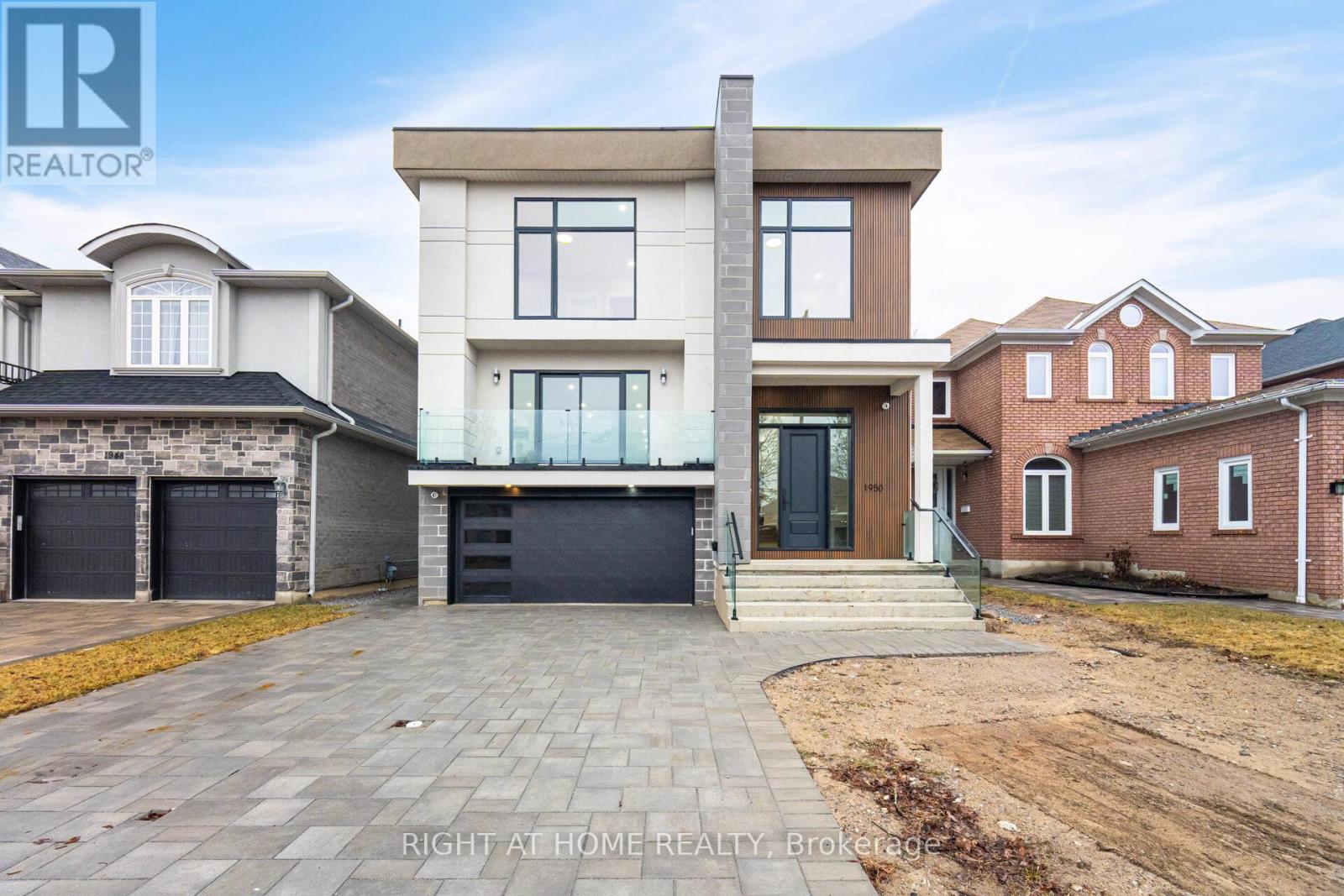 For Sale
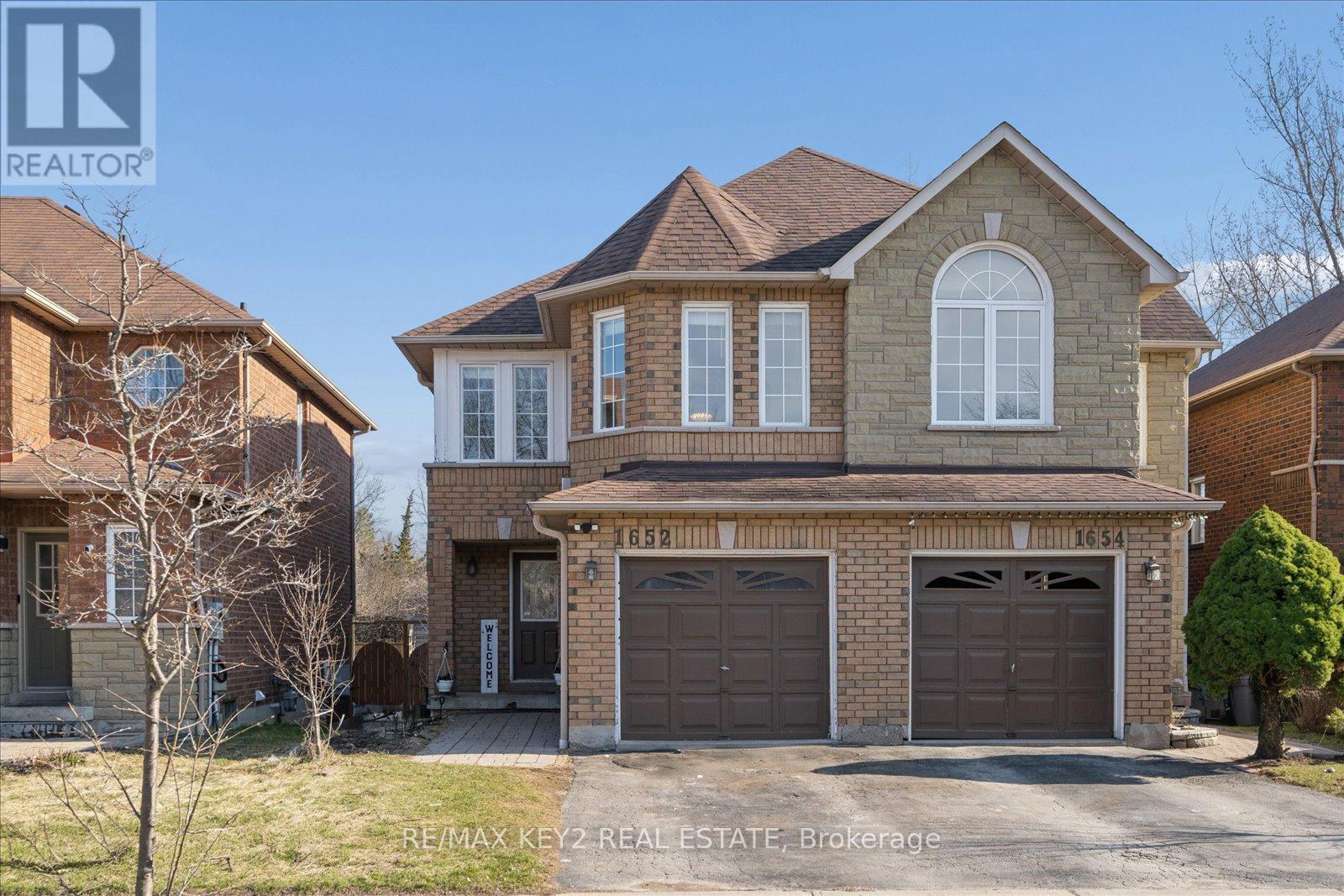 For Sale
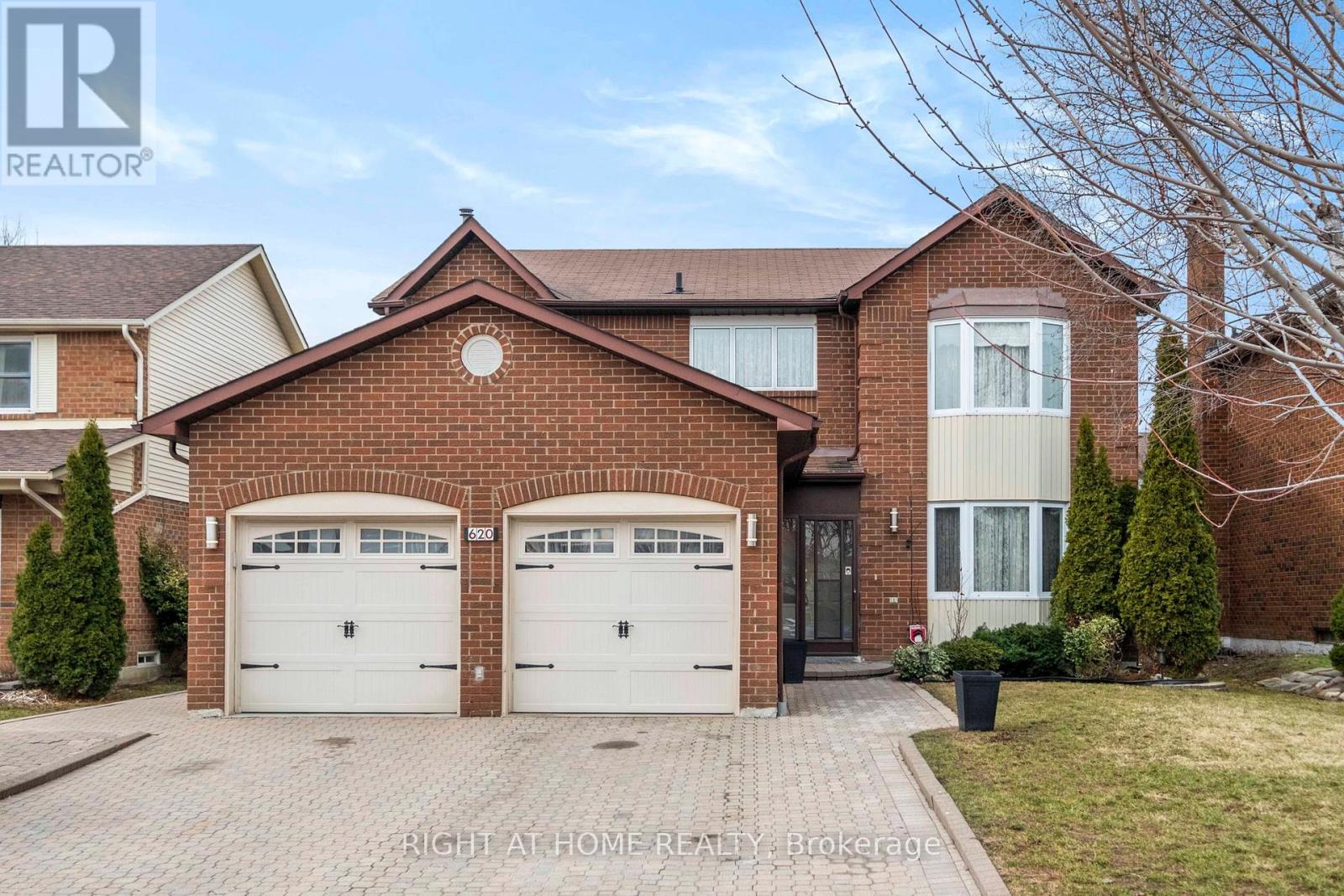 For Sale
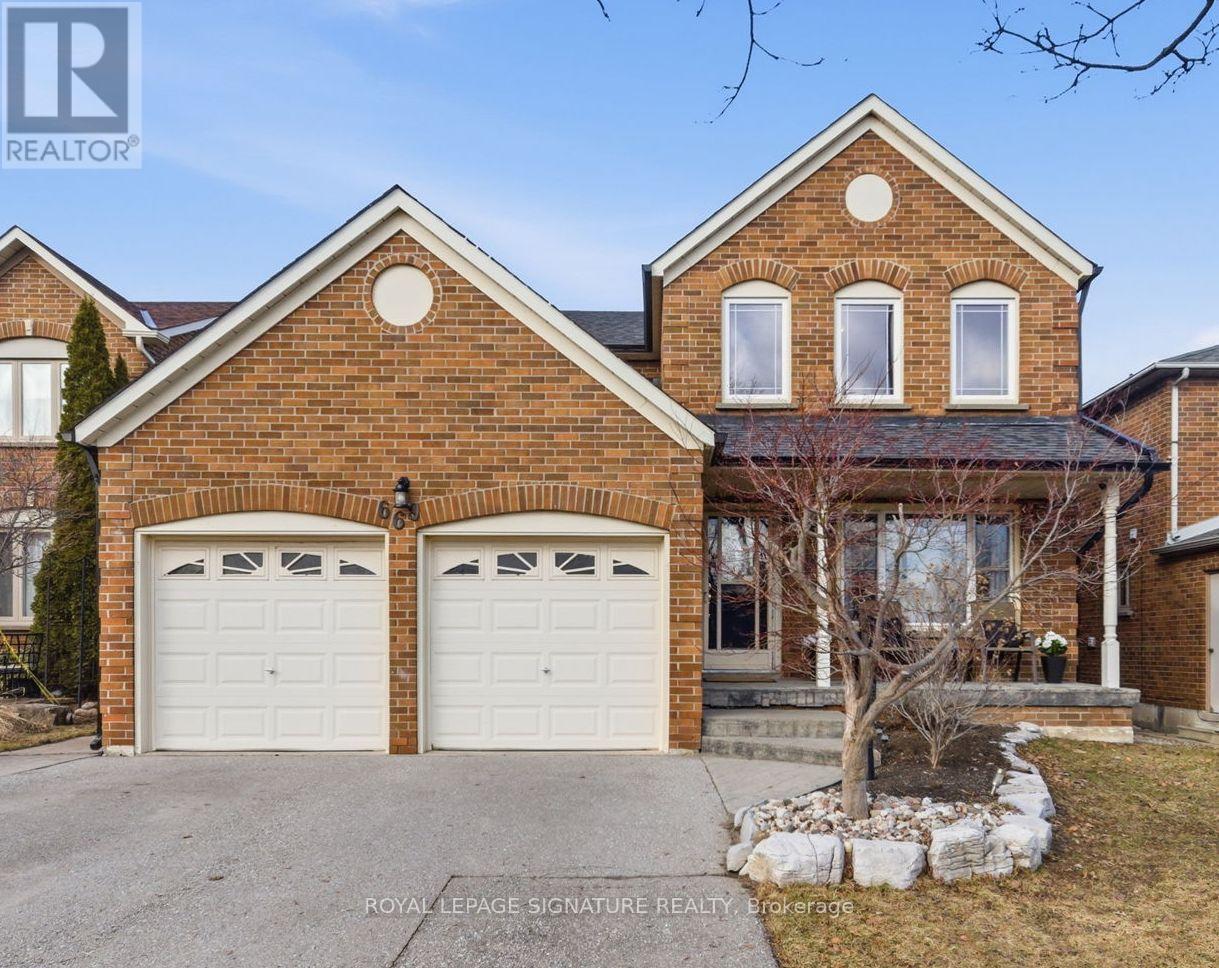 For Sale