
Applewood is an established postwar neighbourhood in east Mississauga, bordering Etobicoke along Dixie Road. The housing stock runs primarily to detached bungalows and split-level homes on wide lots built from the mid-1950s through the 1960s. Prices range from $850,000 for original-condition homes to over $1.2 million for renovated properties, with Port Credit GO station providing Lakeshore West rail access to Union Station in about 30 minutes.
Applewood sits in east Mississauga where the city softens into something that feels closer to a Toronto neighbourhood than to the suburban expanses further west. The Etobicoke border runs along the eastern edge of this area, and buyers who work or have family in Toronto’s west end find Applewood a natural landing point: it offers detached home ownership at prices below comparable Etobicoke properties while sharing similar postwar housing character and the same basic rhythm of life. Long, flat residential streets lined with mature trees, bungalows on wide lots, and the occasional converted split-level define the visual texture here.
The neighbourhood was built primarily between the mid-1950s and the mid-1960s as Mississauga’s eastern expansion filled in what had been farmland. The houses reflect the architectural tastes and construction standards of their era: modest footprints, full basements, detached garages or carports, and the kind of solid brick or siding construction that has aged reasonably well. The lots are a genuine selling point. Many run 50 feet wide and 120 to 130 feet deep, providing room for additions, garden suites, and outdoor living that newer townhouse communities simply cannot match.
Burnhamthorpe Road and Dixie Road define the neighbourhood’s main corridors. Burnhamthorpe carries significant east-west traffic but also connects residents to transit routes, shopping, and the broader city grid. Dixie Road forms the eastern boundary of what most people think of as core Applewood, with the character shifting noticeably east of Dixie toward Etobicoke. Within those boundaries, the neighbourhood has a settled, established quality that residents value and that continues to attract buyers who want space and stability over trendiness.
Sherway Gardens sits just to the northeast, providing major retail anchoring. The QEW runs along the southern edge of the neighbourhood, and Port Credit GO station is accessible via a short drive or bus ride. This combination of proximity to Toronto, genuine lot sizes, established community feel, and reasonable price points relative to comparable Etobicoke addresses has kept Applewood consistently attractive through multiple real estate cycles.
The dominant housing type in Applewood is the detached bungalow, typically 1,000 to 1,400 square feet above grade on lots of 50 by 120 feet or larger. These homes were built in the postwar period and their condition ranges widely: some have been extensively renovated with open-concept main floors, new kitchens, and finished lower levels, while others retain the original 1960s floor plans with smaller rooms and dated finishes. The price differential between a renovated and an unrenovated bungalow on the same street can be $100,000 to $150,000.
In 2024 and into 2025, well-maintained or updated bungalows in Applewood trade between $950,000 and $1.15 million. Original-condition homes on good lots where the value proposition is primarily in the land come in between $850,000 and $950,000. Buyers who want to add square footage through a main-floor addition or a second-storey addition find that Applewood’s lot sizes and zoning make this feasible, and a growing number of families have expanded original bungalows into larger two-storey homes while maintaining the existing footprint as the basement level.
Split-level homes, which appeared in this neighbourhood from the early 1960s onward, offer slightly more livable area than a standard bungalow and are popular with families who appreciate the separation between sleeping and living floors. Splits typically sell in the $980,000 to $1.2 million range depending on size, condition, and whether the lower level has been converted to a suite. Two-storey homes are rarer but do appear, typically pricing above $1.15 million.
Townhomes and semi-detached properties exist in smaller numbers in the neighbourhood, primarily in complexes built in the 1970s and 1980s along the Burnhamthorpe corridor and near the Dixie Road commercial spine. These trade between $700,000 and $850,000 and attract first-time buyers and downsizers who want to stay in the neighbourhood without maintaining a full detached property. The condo market is limited here compared to the condo-dense areas of central Mississauga.
Applewood’s market is steady and relatively predictable by GTA standards. It does not generate the speculative frenzy seen in more high-profile neighbourhoods, but it also does not experience dramatic corrections. Demand is driven by a mix of families upgrading from condos and townhomes, long-distance commuters who value the QEW and GO Transit connections, and buyers relocating from Toronto’s west end who want detached home ownership without crossing the 905 psychological barrier too far. These demand drivers are consistent across market cycles.
Days on market for well-priced detached bungalows typically run 14 to 21 days in a balanced market, with active spring conditions pushing that down to 7 to 14 days for properties that show well and hit the market in late February or March. Multiple offers are less common here than in Etobicoke’s equivalent postwar bungalow streets, partly because Applewood’s price point is slightly higher than buyers who need sub-$900,000 detached are typically targeting, and partly because the buyer pool includes more deliberate, experienced purchasers who are less prone to emotional bidding.
Renovation-project bungalows and original-condition homes attract a different buyer than the turnkey renovated properties. Investors, custom builders, and families who want to renovate to their own taste compete for these listings, sometimes producing spirited bidding on properties that come in at or below the $900,000 level. The gap between what a bungalow costs to buy and what a fully renovated version would sell for is wide enough to make renovation projects financially viable for confident buyers with realistic budgets.
The seasonal pattern follows the broader Mississauga and GTA rhythm: the market picks up sharply in late February and peaks through April, with a secondary activity window in September and October. Buyers who can transact in November or December gain negotiating leverage, as serious sellers who have not found buyers by then are more open to discussion on price and conditions. Listings are sparse in January, which creates low competition but also low choice.
The most consistent buyer profile in Applewood is the family that has outgrown a condo or townhome and wants a detached home with a full basement, a proper yard, and enough room for two cars. They are typically in their mid-30s to mid-40s, often with school-age children, and they have been watching the market long enough to know that detached bungalow ownership at under $1.1 million in a mature Mississauga neighbourhood is genuinely good value relative to the alternatives. They are buying for the long term and will likely renovate over time.
A second significant cohort is buyers from Toronto’s west end, particularly those priced out of Etobicoke or frustrated by the competition in Mimico, New Toronto, or Alderwood. Applewood offers the same housing type at prices that are 10 to 20 percent lower than comparable Etobicoke addresses, with very similar transit options and a nearly identical physical character. For buyers whose hearts were in Toronto but whose budgets were not cooperating, Applewood is a genuine answer rather than a compromise they had to accept.
Downsizers who have sold larger homes in Mississauga’s west end or in Burlington and want a more manageable property without leaving the general city also appear regularly in Applewood. They appreciate the single-storey bungalow format, the established neighbourhood character, and the proximity to services along Burnhamthorpe and Dixie without needing to move into a condo. The basement of a bungalow gives them room to house a family member or generate rental income to offset property costs.
Investors represent a consistent thread in this market, attracted by the large lot sizes and the viability of garden suite development under Ontario’s expanded zoning permissions. A 50-by-130-foot lot in Applewood is large enough to accommodate a laneway or garden suite addition, creating income potential that newer developments simply cannot match. This investor presence keeps floor prices supported but occasionally creates frustration for owner-occupier buyers competing for the same original-condition bungalows.
The streets north of Burnhamthorpe Road, running up toward Bloor Street, include some of Applewood’s quietest and most established residential blocks. Dunwin Drive, Whitby Court, and the streets feeding off Ponytrail Drive have mature tree cover and generous lots. Homes on these streets tend to be slightly larger than those immediately along the Burnhamthorpe corridor and hold their value well. Expect prices at the upper end of the bungalow range here, in the $1.05 million to $1.2 million band for a well-maintained property.
The area south of Burnhamthorpe and east of Dixie Road, approaching the Etobicoke border, carries a slightly different character. Streets like Meadow Wood Road, Romfield Circuit, and Thornwood Drive sit in a transitional zone where Mississauga meets Etobicoke and the housing stock looks nearly identical on both sides. Buyers in this pocket sometimes find Applewood addresses at modest discounts to equivalent Etobicoke properties purely because the postal code starts with L rather than M, a distinction that matters less over time as the neighbourhood is recognized on its own terms.
Along the Dixie Road corridor, commercial uses mix with residential at street level, creating a transitional zone that is less desirable for buyers seeking quiet residential streets but perfectly acceptable for buyers who prioritize walkable access to grocery stores and transit. The streets one or two blocks west of Dixie are generally more residential in character and benefit from the commercial proximity without bearing the traffic of the arterial road itself.
The pockets closest to Sherway Gardens at the northeast edge of the neighbourhood attract buyers who value retail walkability, though the area’s proximity to the highway and the shopping centre means somewhat more ambient noise than the interior streets. These blocks tend to turn over slightly more frequently than the quieter interior streets, offering more inventory for buyers who are actively searching. Prices here are typically at the middle of the bungalow range, reflecting the mixed character of the immediate surroundings.
The QEW runs along the southern edge of Applewood, making highway access to downtown Toronto and to Burlington, Hamilton, and the Niagara region straightforward from most streets in the neighbourhood. The drive to downtown Toronto via the QEW to the Gardiner Expressway takes approximately 25 to 35 minutes in off-peak conditions, and considerably longer in typical morning rush hour. Highway 427 is reachable from the northeast corner of the neighbourhood, providing access to Highway 401 and connections to the airport corridor.
For GO Transit users, Port Credit GO station on the Lakeshore West line is the primary option, reachable by car in about 8 minutes or by MiWay bus on the routes that run along Burnhamthorpe Road to the Dixie Road corridor. Port Credit GO offers frequent peak service into Union Station with travel times around 30 minutes express. Long Branch GO station in Etobicoke is slightly closer for residents of the easternmost Applewood streets, providing another option on the same Lakeshore West line.
MiWay bus service covers Burnhamthorpe Road and Dixie Road with the Route 1 (Hurontario) and connecting services providing access to Mississauga’s Central Bus Terminal at City Centre. From there, connections to virtually every part of Mississauga are available, though transit times to western Mississauga can be lengthy due to the geography of the city. For travel within east Mississauga and toward the Toronto border, the bus network is more useful.
Cycling infrastructure in Applewood has improved incrementally over recent years, with some protected lanes on Burnhamthorpe and Dixie. The neighbourhood’s flat topography makes cycling practical for local trips, though the arterial roads carry heavy traffic and riders heading to Toronto need to navigate through to Etobicoke’s more developed trail network. The Waterfront Trail is accessible from the southern QEW boundary, though reaching it from the interior streets requires navigating through the highway interchange area.
Applewood Hills Park is the neighbourhood’s central green space, a well-maintained open area with sports fields, a splash pad, and playground equipment that draws family traffic throughout the warmer months. The park sits off Ponytrail Drive and is within walking distance of most interior neighbourhood streets, providing the kind of everyday outdoor access that matters to families with young children. The park is genuinely used rather than ornamental, which reflects the neighbourhood’s family orientation.
Douglas Kennedy Park provides another significant green area toward the eastern end of the neighbourhood, closer to the Etobicoke boundary. This park includes a wading pool, baseball diamond, and open space that complements the offerings at Applewood Hills. The mature trees throughout Applewood’s residential streets provide canopy cover that makes the neighbourhood feel green even between the dedicated park spaces, a quality that older postwar neighbourhoods have over their newer counterparts.
The Credit River valley is not directly within Applewood’s boundaries, but the Etobicoke Creek runs north to south not far east of the neighbourhood, forming part of the greenway that connects to the Lake Ontario shoreline. Access points for trail walking along Etobicoke Creek are reachable by car or bicycle in a short trip, adding a natural corridor experience that supplements the local parks. The Toronto and Region Conservation Authority manages this land and maintains trail access year-round.
Marie Curtis Park, just across the Etobicoke boundary at the south end, provides lakefront access on Lake Ontario with beaches, picnic areas, and a boat launch. Applewood residents treat this as effectively their own neighbourhood beach, and on summer weekends the park fills with families from the surrounding postwar streets. The waterfront access here is one of those understated advantages of living in east Mississauga that buyers discover after they move in and often cite as more valuable than they expected.
Sherway Gardens sits at the northeast corner of the neighbourhood and provides the primary major retail destination for Applewood residents. The mall includes Hudson’s Bay, a Nordstrom-replacement anchor space, and the full range of chain retail you would expect from a major regional mall. Grocery shopping is covered by a Loblaws and a Food Basics within the immediate area, with additional options along Dixie Road and Burnhamthorpe including No Frills and specialty food retailers serving the area’s South Asian and Filipino communities.
The Dixie Road commercial spine carries a mix of independent and chain retail, including a good selection of South Asian grocery stores, halal butchers, Indian and Pakistani restaurants, and the kind of food-focused small businesses that make east Mississauga genuinely useful for diverse households. The Burnhamthorpe and Dixie intersection anchors a commercial node with banks, pharmacies, and quick-service food that covers daily needs without requiring a drive to a big box complex.
The restaurant scene in Applewood is primarily utilitarian but has genuine character within its specific cultural range. South Asian cuisine options are strong, with both sit-down restaurants and takeout options of real quality. Filipino food, Chinese barbecue, and Caribbean options appear in the plazas along Dixie Road. Chain restaurants sit along the Burnhamthorpe commercial stretch but represent a minority of the actual eating options for residents who explore the area.
For major box retail, the Dixie Road corridor heading north toward the 401 opens up a string of power centres with Canadian Tire, Home Depot, Best Buy, and the major grocery chains. This strip is 5 to 10 minutes by car and handles the larger periodic shopping trips. The combination of walkable daily convenience on Dixie Road and drivable major retail to the north gives Applewood a practical retail coverage that beats many newer Mississauga neighbourhoods, where a car trip is required for even basic groceries.
Applewood falls within the Peel District School Board for public English education and the Dufferin-Peel Catholic District School Board for Catholic schooling. The neighbourhood has several elementary schools within walking distance for most residential streets, which matters practically for families with young children and is worth verifying by address when evaluating specific properties, as catchment boundaries in this area are not always intuitive.
Applewood Heights Secondary School serves as the primary public high school for the neighbourhood and sits within the community itself on Fieldgate Drive. The school has a student population that reflects the neighbourhood’s diversity and offers co-op programs and credit recovery options that make it a well-rounded high school rather than a narrowly academic one. Parents evaluating secondary options would do well to attend an open house at Applewood Heights rather than relying solely on aggregate performance data.
Cawthra Park Secondary School is another public high school option within reach for some Applewood students, and it carries a strong arts and music reputation within the Peel board. Specialty programs at Cawthra attract students from across east Mississauga. On the Catholic side, Philip Pocock Catholic Secondary School serves much of the area and has strong community ties and a history of academic and extracurricular achievement within the DPCDSB.
French immersion is available at the elementary level through specific PDSB schools in the area, and parents pursuing this option should verify current catchment boundaries and program availability directly with the school board before purchasing a specific property. The demand for French immersion spots is consistent in this part of Mississauga, and the program tends to fill quickly. Some families travel to immersion schools outside the immediate neighbourhood if their assigned school does not offer the program at the elementary level.
Applewood is not a neighbourhood in the midst of dramatic transformation, but it is changing in meaningful ways over the medium term. Ontario’s Bill 23 and the province’s expanded as-of-right zoning changes have made additional residential units on existing lots significantly easier to approve. In a neighbourhood of 50-by-120-foot lots with detached garages, this creates real development potential for homeowners and investors alike, and the first garden suites and laneway additions are beginning to appear on Applewood streets.
The Hurontario LRT, while its southern terminus is at Port Credit rather than within Applewood directly, will reshape transit patterns along the Hurontario corridor that runs through central and north Mississauga. For Applewood specifically, the more relevant transit story is the ongoing service improvements on the Lakeshore West GO line, where Metrolinx has been working toward all-day, two-way service. More frequent GO service at Port Credit means Applewood residents gain transit options beyond the existing peak-direction commuter schedule.
The Dixie Road corridor between the QEW and Burnhamthorpe has attracted intensification interest from developers watching the pattern of postwar retail plazas being redeveloped into mixed-use mid-rise buildings across the GTA. No specific large-scale projects are currently under construction immediately adjacent to Applewood’s core residential area, but the policy direction supports increased density along Dixie and Burnhamthorpe, which will gradually add condo and rental inventory within walking distance of existing homes.
Long-term, Applewood’s combination of lot size, transit proximity, and established neighbourhood character positions it as a beneficiary of intensification pressure rather than a victim of it. The homes themselves are not going to be redeveloped as long as they remain viable residential properties, but the surrounding retail and commercial areas absorbing density will add urban amenity to a neighbourhood that currently relies on car travel for much of its retail activity. The trajectory here favours patient owners over a 10 to 15 year horizon.
Q: How does Applewood compare to buying in Etobicoke for the same budget?
A: At equivalent budgets, Applewood typically offers larger lots or better-renovated homes than comparable Etobicoke bungalow streets in areas like Alderwood or Long Branch. The price differential has narrowed over the past decade but remains real, with Applewood running roughly 10 to 15 percent below comparable Etobicoke properties in similar condition. Transit access is nearly equivalent, with Port Credit GO on the Lakeshore West line matching Long Branch GO for travel times into the city. The key trade-off is that an Etobicoke address carries a Toronto mailing address, which some buyers value and some do not. If the postal code matters less to you than the floor plan and lot size, Applewood frequently wins the comparison at the same price point. The community character is similar: postwar, established, family-oriented, with improving amenities along commercial corridors.
Q: Are bungalows in Applewood good candidates for adding a garden suite?
A: Many of them are. The standard 50-by-120-foot lot in Applewood provides enough depth for a detached garden suite at the rear, and Ontario’s province-wide as-of-right zoning changes have removed many of the approval barriers that previously made these additions difficult to pursue. A garden suite in this neighbourhood can cost $250,000 to $400,000 to construct depending on size and specification, and will generate monthly rents in the $1,800 to $2,600 range for a one-bedroom unit. The math works better here than in higher-priced neighbourhoods where the land cost is already factored into a premium purchase price. Buyers planning a garden suite should review the city’s specific setback, lot coverage, and height requirements for the exact address before making commitments, as individual lot dimensions and any existing outbuildings affect what is feasible.
Q: What should buyers know about the older homes in terms of maintenance and condition?
A: Homes built in the 1955 to 1970 range in Applewood can carry several generations of updates mixed with original systems that are now well past their typical service life. Knob-and-tube wiring is less common than it was a decade ago as many homes have been rewired, but it still appears in some properties and requires a full electrical update, which insurers increasingly require as a condition of coverage. Cast iron drains from this era are often in the process of deteriorating, and a sewer scope during the inspection period is essential. Original galvanized water supply pipes should be budgeted for replacement if they have not been addressed. The positive side is that brick construction from this era is generally structurally sound, and the homes were built with full basements and proper foundations that can accommodate significant renovation. Budget conservatively for pre-purchase inspections and resist the urge to waive conditions.
Q: How is Applewood for families with young children?
A: It works well. The residential streets are quiet enough for children to play outdoors, the parks are properly developed and actively used, and multiple elementary schools are within walking distance from most addresses. The neighbourhood is established enough that there is a multi-generational presence, meaning children grow up alongside long-term residents who know the community and provide the informal social structure that newer developments lack. The South Asian and Filipino community presence means strong school involvement culture and well-maintained properties on most blocks. The main limitation is that walkable retail for families is limited to the Dixie Road strip, and most activity beyond the immediate neighbourhood requires a car. For families accustomed to Toronto’s urban density, Applewood will feel quieter and less stimulating street-by-street, but many families prefer exactly that trade-off.
Buying in Applewood rewards buyers who approach older postwar bungalows with realistic expectations about condition and a clear sense of what they want to do with the property over time. An agent who knows this market will help you think through whether a given home’s renovation potential actually pencils out given current renovation costs, rather than just citing the upside in vague terms. The gap between what a renovation costs and what it adds in resale value is real, and the numbers need to be specific to the property and the current market.
Pre-purchase home inspections are non-negotiable in this neighbourhood. The age of the housing stock means that mechanical systems, electrical, plumbing, and the roof and envelope all require honest assessment. An agent pushing you to waive an inspection to be competitive is not acting in your interest in Applewood. The market here is active but not so frenzied that conditions-free offers are required on most properties, and the potential issues in a 1960s bungalow are significant enough that skipping the inspection creates real financial risk.
Catchment school verification matters more in Applewood than in newer communities with fewer school options. The neighbourhood sits within reach of several different secondary schools with different programs and reputations, and your assigned school will depend on your specific address. An agent who pulls the current PDSB and DPCDSB boundary maps for your shortlisted properties before you write an offer is adding real value.
Finally, for buyers considering garden suite or basement suite development as part of their financial case for buying in Applewood, your agent should have practical experience with what is feasible under Mississauga’s current zoning standards, and should be able to point you toward builders or architects who have completed this work in the neighbourhood rather than speculating about what might be possible. The income potential of additional units on Applewood lots is genuine, but it needs to be grounded in current construction costs and realistic rental market expectations.
Street-level knowledge is hard to find online. Our team works in Applewood every day. They know which pockets hold value, where the school catchment lines actually fall, and what the market is doing right now. Talk to us before you make a decision about Applewood.
Talk to a local agent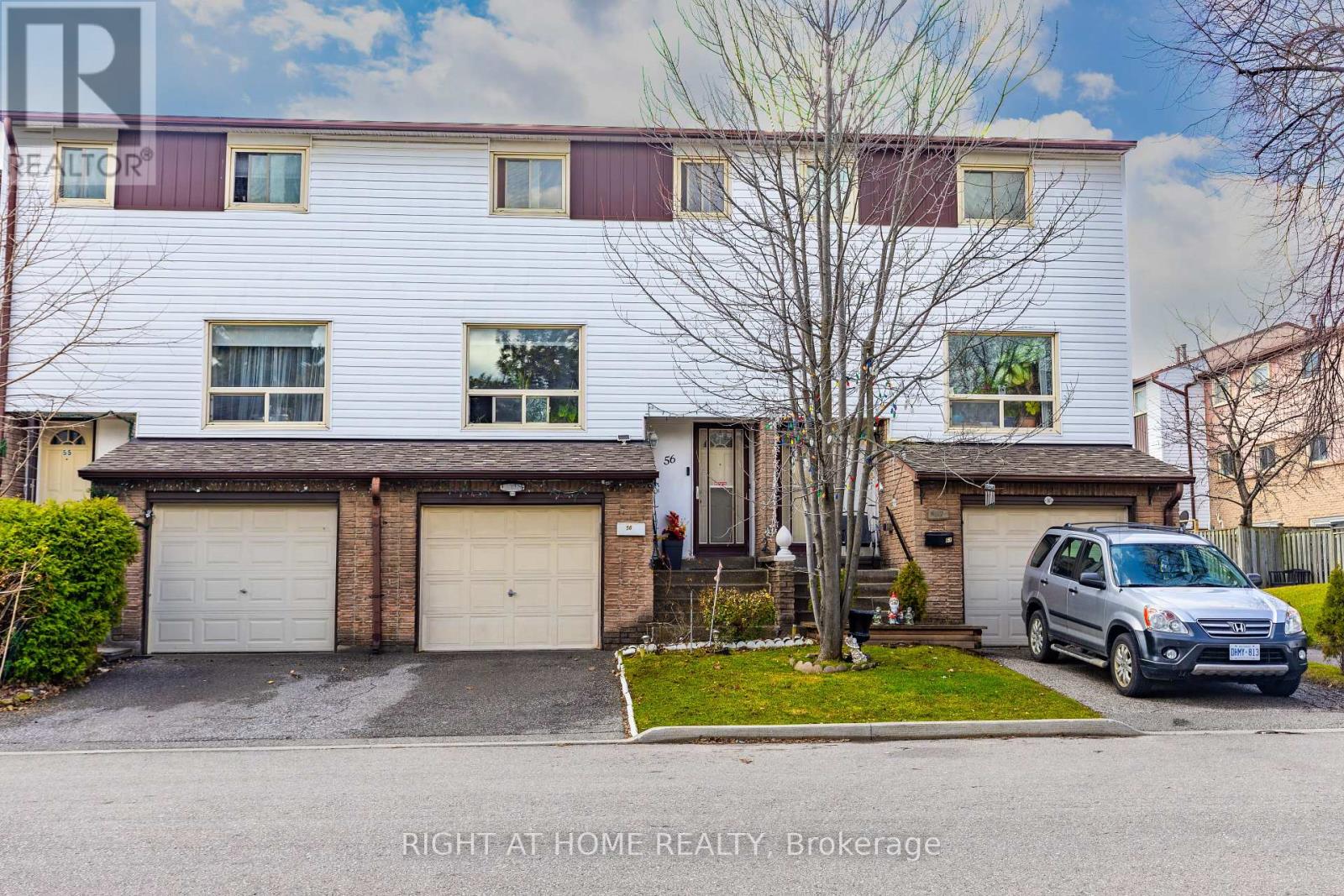 For Sale
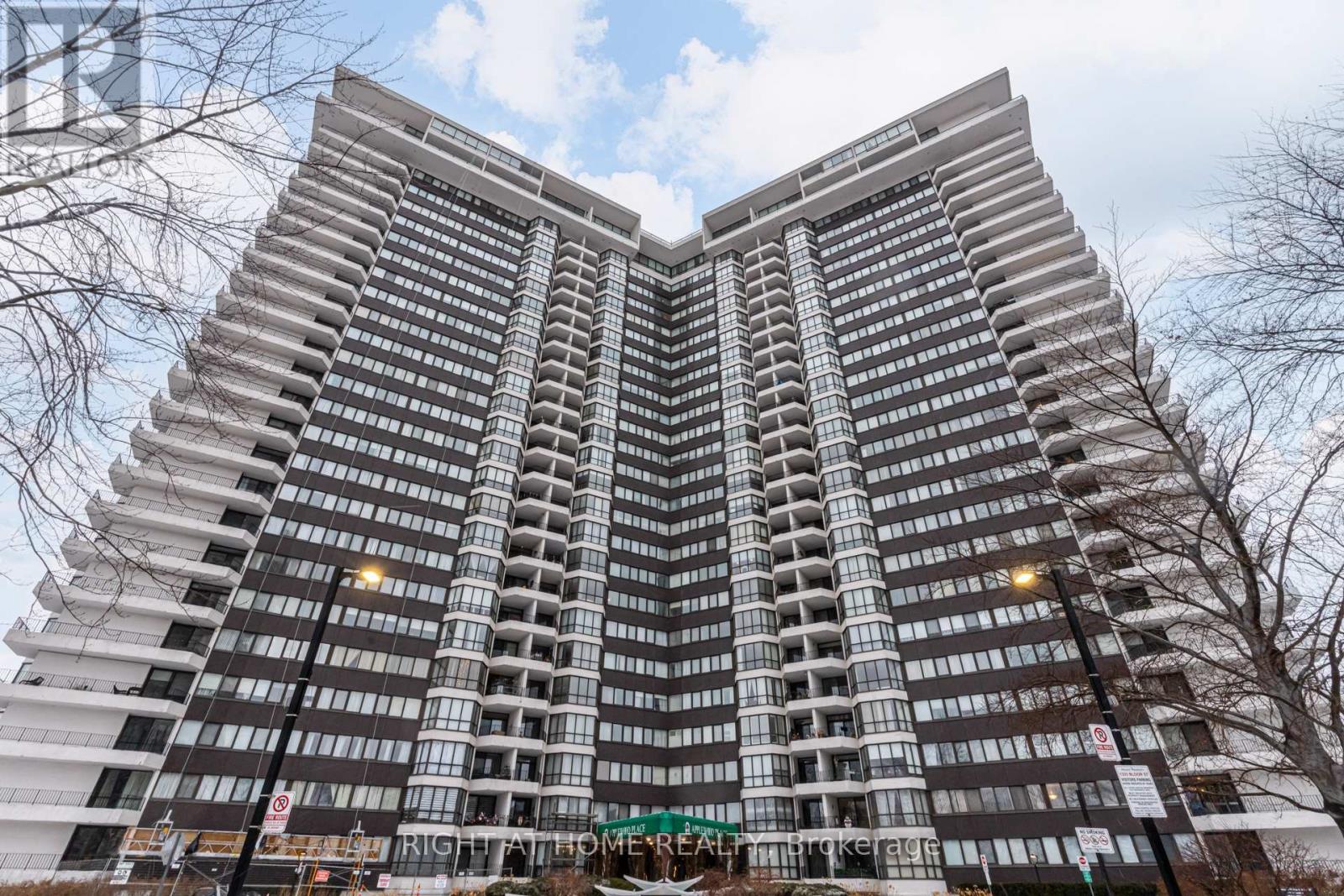 For Sale
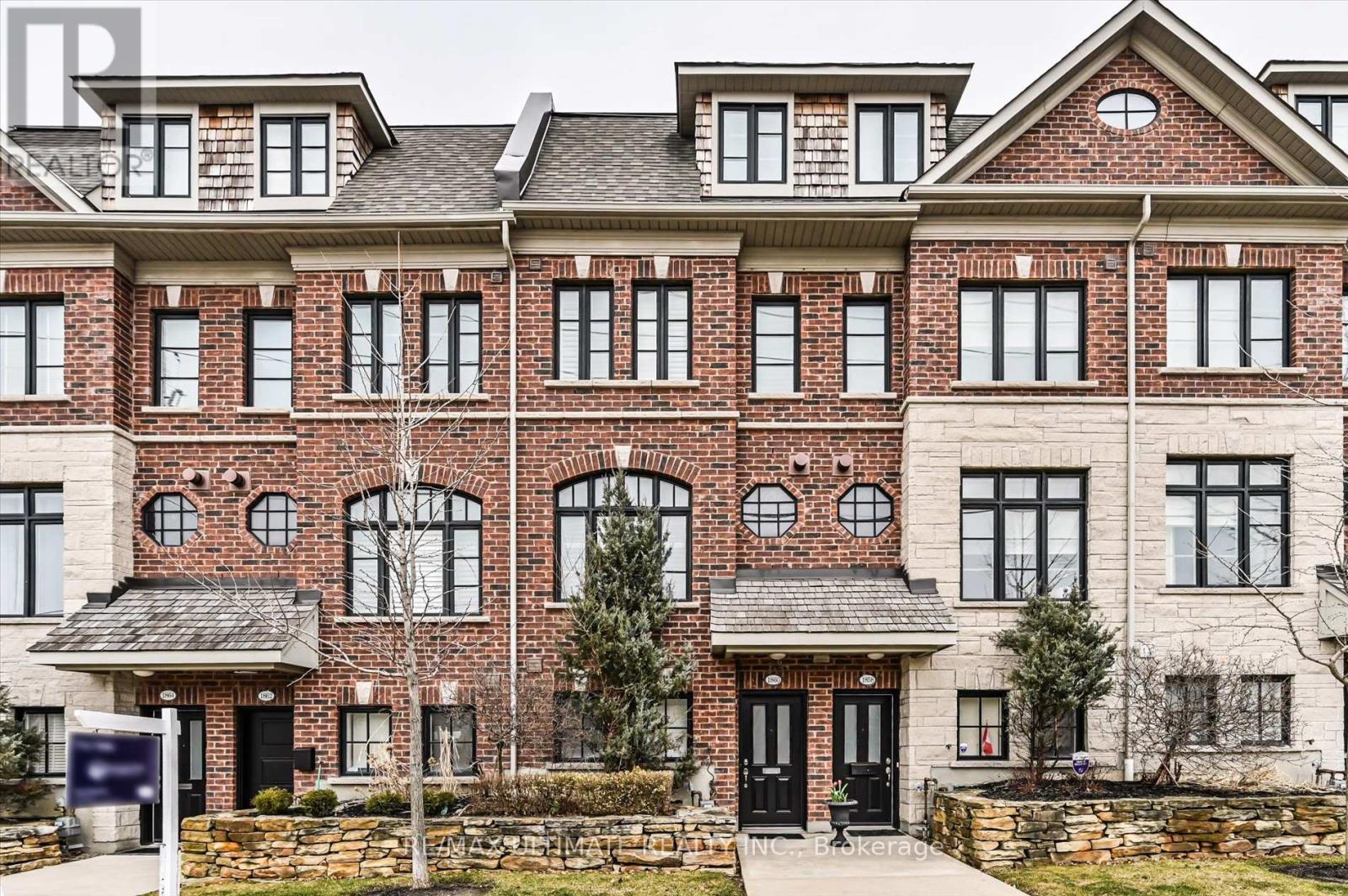 For Sale
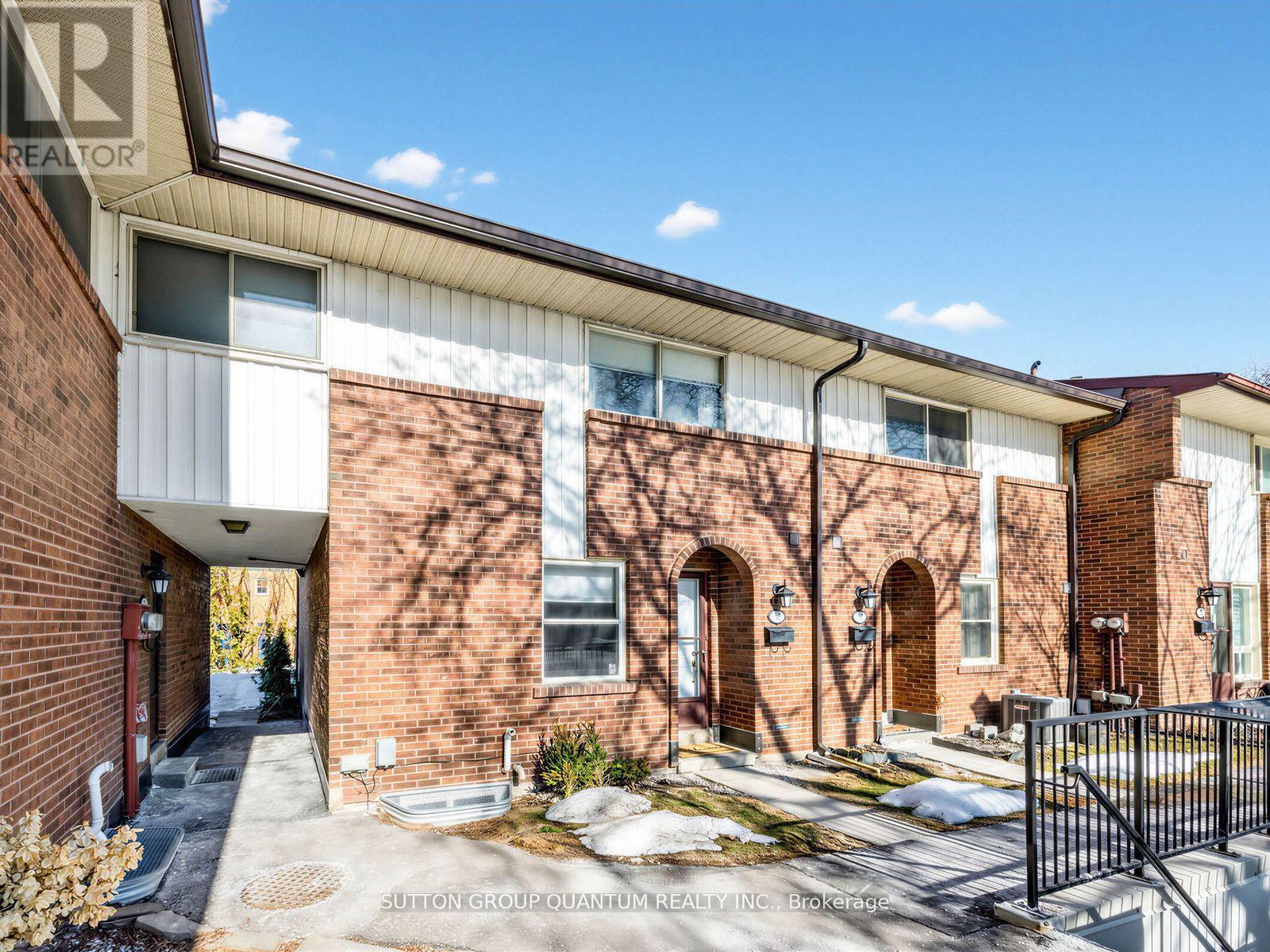 For Sale