
Armitage is a southeast Newmarket neighbourhood developed primarily in the 1990s, offering family-oriented detached homes with Highway 404 access, proximity to Southlake Regional Health Centre, and good connections to the Newmarket retail corridor. A practical choice for families who commute via the 404 corridor or use Newmarket GO on the Barrie line.
Armitage is a residential neighbourhood in the southeast part of Newmarket, bounded roughly by Green Lane to the north, Leslie Street to the east, Mulock Drive to the south, and Bayview Avenue corridor to the west. It sits in the part of Newmarket that developed primarily through the 1990s and early 2000s, producing a predominantly detached-home suburban landscape oriented toward families who needed school access, highway proximity, and the full range of York Region services that Newmarket provides.
The neighbourhood’s relationship to Highway 404 is one of its defining practical features. The interchange at Green Lane provides direct access to the highway, and from there to the Don Valley Parkway and downtown Toronto in roughly 45 to 55 minutes under normal conditions. This makes Armitage one of the more highway-convenient Newmarket neighbourhoods for commuters whose destinations are along the 404 corridor rather than at Union Station.
Armitage lacks the older character of central Newmarket, but it compensates with the functional advantages of planned suburban development: consistent infrastructure, newer housing stock, walkable connections to the school network, and proximity to the retail and commercial concentration along Yonge Street and Green Lane that provides the service density most suburban families need. It is a neighbourhood that works efficiently for the households it was designed to serve.
The neighbourhood is almost entirely residential in character, with commercial land uses confined to the edges along the arterial roads. Interior streets have low through-traffic, park space is distributed through the neighbourhood, and the overall density is consistent with York Region suburban development of its era: predominantly single-family detached, with some townhouse and semi-detached product that was built alongside the fully detached inventory to provide range within the neighbourhood’s price tier.
Armitage’s housing is predominantly detached two-storey homes from the 1990s and early 2000s, built by the major York Region developers who were active during Newmarket’s significant expansion period in that era. The homes follow the standard templates of Ontario suburban construction from that period: brick and vinyl exterior, two-car garages, four-bedroom floor plans with main-floor family rooms, and lot sizes that are larger than comparable new construction in today’s market, reflecting the density standards of a time when Newmarket had more land to develop.
Semi-detached and townhouse inventory provides the lower price tiers within the neighbourhood, appealing to first-time buyers and smaller households who want the Armitage location without the maintenance demands of a fully detached home. These properties are concentrated in the areas closest to Mulock Drive and along some of the neighbourhood’s interior collector roads.
The 1990s construction vintage means that buyers should budget for ongoing maintenance and system updates that are characteristic of homes of that age. Roof replacements, furnace and air conditioning replacements, and kitchen and bathroom updates are the typical categories. These homes are generally in sound structural condition and have benefitted from 25 to 30 years of general maintenance, but they are not new construction, and buyers who approach them with new-home expectations will encounter normal wear.
Lot sizes in Armitage are notably larger than what is available in the newer Newmarket developments to the north and west. Homes from the 1990s typically have lots in the 40 to 50 foot frontage range with reasonable depth, providing garden space and separation between homes that newer developments have compressed. For families with children, the lot depth provides usable backyard space that newer construction in higher-density suburban areas often can’t match.
Armitage trades as a mid-tier Newmarket neighbourhood: not the most expensive, not the cheapest, with a price range that reflects the housing vintage, lot sizes, and highway access it offers. Fully detached homes from the 1990s trade in the range that reflects the Newmarket market generally, with premiums for larger lots, renovated interiors, and corner positions, and discounts for deferred maintenance, dated finishes, and the narrower end of the lot-size range.
The neighbourhood competes with comparable vintage housing across southeast Newmarket and with similar product in adjacent East Gwillimbury. Buyers comparing Armitage to East Gwillimbury options typically find that Armitage commands modest premiums for its more established urban context, proximity to Southlake Regional Health Centre, and the denser service network that a full Newmarket address provides over the newer-growth areas to the north.
Turnover is steady without being high. Armitage established itself as a family neighbourhood and has remained one: residents tend to stay through the years when children are in school and move when households downsize or when life changes require different locations. This stable turnover pattern means inventory comes to market in a predictable pattern, with spring and fall the most active seasons and summer and winter quieter.
Multiple offer situations do occur on well-presented properties in Armitage, particularly for detached homes with updated interiors in the price range that activates the largest buyer pool. Properties that need significant updating sell below the market for renovated comparables, sometimes by 10 to 15 percent, which represents genuine opportunity for buyers who are prepared to do the work themselves and can see past dated aesthetics to sound bones.
Armitage’s buyer profile is dominated by families with children who need school access, highway proximity, and the service density of a full Newmarket address. The neighbourhood was built for this market and it continues to deliver what that market needs: good schools, parks, highway access, and a suburban living environment that is functional, safe, and consistent. Move-up buyers from townhouse and condo product in Newmarket and the surrounding region are the primary source of demand.
First-time buyers in the semi-detached and townhouse segments of Armitage are typically young families or couples who are entering ownership with a specific plan to upgrade to a detached home within five to ten years. The townhouse inventory provides an entry point into the Newmarket market at a price that doesn’t require the maximum mortgage commitment, while the neighbourhood context delivers the school quality and lifestyle that makes the entry purchase worthwhile rather than just convenient.
Downsizers from larger Newmarket homes occasionally land in Armitage’s smaller detached and semi-detached product when they want to stay within the general area of established Newmarket, maintain proximity to Southlake for medical access, and reduce maintenance obligations without moving to a condo or a retirement community. The neighbourhood serves this demographic adequately, though it is not a purpose-built downsizer location.
Highway commuters whose daily routes go south via 404 are disproportionately represented in Armitage relative to GO Transit commuters. The Green Lane 404 interchange makes car commuting to employment along the highway corridor efficient enough that some Armitage residents who could use Newmarket GO choose to drive instead, particularly when their destination is not immediately around Union Station.
Armitage doesn’t have formal sub-neighbourhood names, but the practical distinctions buyers make are about proximity to the Leslie Street edge, the Green Lane commercial area, and the park network in the interior. Streets closer to Leslie Street have more through-traffic from the Leslie corridor itself, while interior streets off the neighbourhood’s collector roads have the quietest residential character.
The area immediately adjacent to Green Lane has faster highway access but is noisier and more commercially adjacent, with the Green Lane retail area’s traffic affecting the roads closest to the arterial intersection. Buyers who prioritise quiet over highway proximity tend to look further south and west within the neighbourhood, away from the Green Lane edge.
The park and open space network through Armitage provides the kind of walkable green space that suburban families use regularly, and the neighbourhood’s planning included trail connections that link through to the broader Newmarket trail system. This is not a neighbourhood with a signature park or conservation land, but the distributed smaller parks and connected trail segments deliver the everyday outdoor utility that families with children and dogs value in a suburban neighbourhood.
School proximity is a meaningful micro-location factor within Armitage. Buyers with elementary-school-age children may research which specific streets are within the designated school boundary for preferred schools, and pay premiums for proximity to the most sought-after elementary schools in the area. This pattern is consistent with all of the stronger York Region suburban neighbourhoods: the school boundary shapes the micro-geography of buyer preference even within a neighbourhood that is broadly similar from end to end.
Armitage’s transit situation is typical of southeast Newmarket: Viva and York Region Transit bus routes serve the arterial roads along the neighbourhood’s edges, but internal residential streets have limited stop coverage, and the practical experience of transit from interior addresses is a walk to a bus stop on Leslie or Green Lane followed by a transfer to reach either Newmarket GO Station or the Viva rapid transit network.
Newmarket GO Station on the Barrie line is roughly 3 to 5 kilometres from most Armitage addresses. Driving to the station and parking is the standard commuter behaviour; the alternative of a bus transfer is possible but adds meaningful time to the commute. From Newmarket GO, trains run to Union Station in approximately 55 minutes on the Barrie line, with peak period service that is adequate for most commuter schedules.
For highway commuters, the Green Lane interchange at Highway 404 is the defining transit asset. From Green Lane, Highway 404 connects south to the Don Valley Parkway and the city grid. Peak morning commutes to downtown Toronto typically run 50 to 70 minutes depending on conditions, with the 404 being more predictable than Highway 400 in terms of congestion patterns. Commuters whose employment is in the technology and office corridor along the 404 between Highway 7 and Highway 401 often find Armitage’s highway access more practical than its GO access.
Yonge Street Viva rapid transit, running along Yonge Street from Newmarket toward Richmond Hill and eventually the Toronto subway, passes through central Newmarket roughly 2 to 3 kilometres west of Armitage. Reaching it requires either driving to a Viva station or taking a connecting YRT bus. For most Armitage residents, the Yonge Viva corridor is a secondary transit option rather than the primary one.
The main outdoor asset for Armitage residents is the East Holland River trail corridor that runs through the eastern parts of Newmarket. The trail network along the river provides multi-use path connectivity that extends well beyond the immediate neighbourhood, connecting through to the broader Newmarket trail system and the regional open space network. This is a genuinely useful trail system rather than a token park pathway: the East Holland River linear park covers enough distance to provide real running, cycling, and walking routes without repeating terrain.
Within the neighbourhood itself, the park and open space distribution is adequate for a suburban area of its density and vintage. Neighbourhood parks provide the playground and open field space that families with younger children need close to home, and the trail connections between parks allow for linked movement through the neighbourhood rather than isolated park visits. The overall outdoor network is functional without being exceptional.
For more significant outdoor experiences, residents drive to the conservation areas managed by the Lake Simcoe Region Conservation Authority and the Toronto and Region Conservation Authority, both of which have properties accessible within 20 to 30 minutes of Armitage. The Humber and Holland River watershed lands provide forest and wetland hiking that is more ecologically rich than anything within the urban Newmarket boundary. Residents who want to fish, mountain bike on natural surfaces, or hike extended trails use these regional conservation lands regularly.
Ray Twinney Complex, Newmarket’s main indoor recreation centre, is within reasonable driving distance and provides the indoor sports, swimming, and fitness facilities that supplement the neighbourhood’s outdoor assets. The municipal recreation network in Newmarket is well funded relative to many comparable York Region municipalities, reflecting Newmarket’s investment in recreation infrastructure over the years.
Armitage residents have good retail access from the neighbourhood’s position in southeast Newmarket. The Green Lane commercial corridor, within 5 minutes by car, provides the full range of big-box retail, grocery, pharmacy, and restaurant options that suburban households need for weekly errands. The power centre format that dominates this part of Newmarket means that most routine shopping can be completed in a single trip with ample parking.
The Upper Canada Mall area, roughly 3 kilometres west on Yonge Street, provides enclosed mall shopping and the additional retail variety that the arterial power centres don’t offer. Upper Canada Mall is one of the larger malls in York Region and carries major department stores and specialty retail that serves the entire Newmarket and north York Region catchment. For Armitage residents, it is close enough that mall shopping is a practical regular option rather than an occasional trip.
Southlake Regional Health Centre is approximately 3 kilometres from Armitage, making it one of the more conveniently located Newmarket neighbourhoods for hospital access. Southlake is the regional hospital for York Region north, serving a substantial catchment area and providing the emergency, specialist, and surgical services that the region’s population requires. Proximity to Southlake is a practical consideration that many Newmarket buyers, particularly those with young children or aging family members in the household, factor explicitly into their neighbourhood preference.
The Yonge Street restaurant and independent commercial corridor through central and south Newmarket is accessible from Armitage in under 10 minutes and provides the independent dining, specialty food, and professional services that the arterial power centre retail doesn’t cover. Newmarket’s commercial core along Yonge has more variety and character than most comparable York Region suburban commercial streets, and Armitage’s proximity to it is a quality-of-life asset that distinguishes the neighbourhood from outlying York Region suburbs with fewer nearby service options.
Armitage falls within the York Region District School Board for public schools, with Catholic schools served by the York Catholic District School Board. The neighbourhood has several York Region elementary schools within or adjacent to its boundaries, serving students from junior kindergarten through grade 8 before secondary school transition.
Newmarket High School and Dr. John M. Denison Secondary School are the main secondary school destinations for Armitage students in the public system, both within reasonable driving or busing distance. These are full-program Ontario secondary schools with the academic, applied, and enrichment streams typical of York Region public secondary education. Newmarket’s secondary schools have solid academic reputations within the York Region system, benefitting from the stable, family-oriented demographic that has characterised the municipality for decades.
The Catholic system provides additional options through St. Maximilian Kolbe Catholic High School in Aurora, which serves part of the Newmarket Catholic secondary catchment. Catholic elementary coverage in the neighbourhood is provided through the York Catholic board’s school network in Newmarket.
Private school access from Armitage is manageable. The private schools in King Township, including St. Andrew’s College in Aurora adjacent to King Township, are a 20 to 30 minute drive. Other independent schools in Richmond Hill and Aurora are accessible in similar timeframes. Armitage is not a neighbourhood specifically associated with private school demand, but the option is available without the significant travel that more outlying communities would require.
Armitage is a settled neighbourhood rather than a growing one. The residential development that built it is complete, and the land use in the neighbourhood is stable. What changes in Armitage reflects broader Newmarket changes: the commercial areas on the arterial edges evolve as tenants change, the park and trail infrastructure receives incremental upgrades through the municipal capital program, and the housing stock continues to age and be updated by individual owners.
The most significant change affecting Armitage’s context is the continued growth of East Gwillimbury to the north. As East Gwillimbury builds out its residential areas and the East Gwillimbury GO Station comes into full operational use, the regional transit context improves for the broader north York Region area including Armitage. More frequent service and expanded capacity on the Barrie GO corridor benefits Newmarket commuters directly.
Newmarket’s Official Plan and the provincial Growth Plan place Newmarket as an Urban Growth Centre, which means the municipality is planned for continued intensification in its commercial core and along the Yonge Street corridor. This intensification is focused on the Yonge Street and Davis Drive corridors rather than established residential neighbourhoods like Armitage, so the neighbourhood itself is unlikely to see the kind of infill and redevelopment pressure that affects older areas near urban commercial centres.
The Green Lane corridor at the northern edge of Armitage has seen ongoing commercial development over the years and continues to add retail and service capacity. This generally improves the neighbourhood’s convenience position without fundamentally changing its residential character. The industrial and employment lands to the east of Leslie Street are a consideration for buyers on the Leslie edge of the neighbourhood; this employment land is unlikely to convert to residential and its presence is a permanent feature of the eastern boundary.
How far is Armitage from Newmarket GO Station?
Newmarket GO Station on the Barrie line is roughly 3 to 5 kilometres from most Armitage addresses, depending on the specific location within the neighbourhood. Most residents drive to the station and park; the drive takes 5 to 10 minutes. From Newmarket GO, the Barrie line runs to Union Station in approximately 55 minutes with peak service. YRT bus connections to the station are available but add transfer time for residents who prefer not to drive. For regular commuters, the parking situation at Newmarket GO is generally adequate but fills early during peak periods, so a reserved parking option or early arrival is advisable.
What are property taxes like in Armitage compared to Toronto?
Newmarket’s residential property tax rate is higher than the City of Toronto’s rate on a percentage basis, but because Newmarket assessed values are lower than comparable Toronto properties, the actual annual tax bill is often comparable or lower for similar housing types. A typical detached home in Armitage carries annual taxes in the range consistent with York Region suburban municipalities. Buyers should request the specific property tax bill as part of due diligence and calculate the carrying cost against their budget.
Is Armitage affected by flooding?
The East Holland River corridor on the eastern side of Armitage has regulated areas managed by the Lake Simcoe Region Conservation Authority. Properties adjacent to the river valley may be within regulated areas subject to LSRCA development restrictions. Most of the neighbourhood’s interior residential streets are above the flood plain and not subject to regular flooding. Buyers of properties near the Leslie Street edge or close to the river corridor should confirm flood risk and regulated area status with the conservation authority before purchasing.
Are there new developments planned near Armitage?
Armitage itself is fully developed with no new residential subdivision planned within the neighbourhood. East Gwillimbury, immediately north of Newmarket, has significant residential development underway in the Green Lane and Yonge Street corridor, which adds to regional growth but does not directly affect Armitage’s residential character. The commercial areas on Green Lane and Leslie Street may see intensification or commercial redevelopment over time as market conditions evolve.
Armitage is a well-understood market for agents who work Newmarket regularly. The housing type is consistent, the buyer pool is active, and the comparables are relatively abundant because the neighbourhood has a large enough inventory to produce regular transactions. Buyers in Armitage benefit from working with an agent who knows the specific street-level variation within the neighbourhood: which blocks have more through traffic, which schools serve which streets, and which properties are subject to conservation authority regulated area considerations near the Leslie Street edge.
The home inspection on 1990s construction should be thorough and budget-conscious. Homes of this vintage are at the age where major systems require replacement on a rolling basis: roofs, HVAC, windows, and in some cases water heaters and other mechanicals. A good inspection report will identify what has been replaced and what is approaching end of life, giving buyers a clear picture of the capital expenditure horizon over the first five to ten years of ownership.
Buyers who are financing close to their maximum should account for maintenance reserves as part of their budget planning. The carrying cost of a 1990s suburban detached home is not just the mortgage and property tax; it includes ongoing maintenance that averages meaningfully more than many buyers expect. Under-budgeted buyers who stretch to purchase and have no maintenance reserve discover this problem during the first major repair rather than in their pre-purchase planning, which is the wrong time to discover it.
The Armitage market is active enough that well-priced, well-presented properties move reasonably quickly. Buyers who are ready to act with financing confirmed and a clear sense of their requirements are better positioned than buyers who are still exploring. In the Newmarket market generally, the gap between having an agent and having a strategy versus attending open houses casually is reflected in outcomes; Armitage is not an exception to that pattern.
Street-level knowledge is hard to find online. Our team works in Armitage every day. They know which pockets hold value, where the school catchment lines actually fall, and what the market is doing right now. Talk to us before you make a decision about Armitage.
Talk to a local agent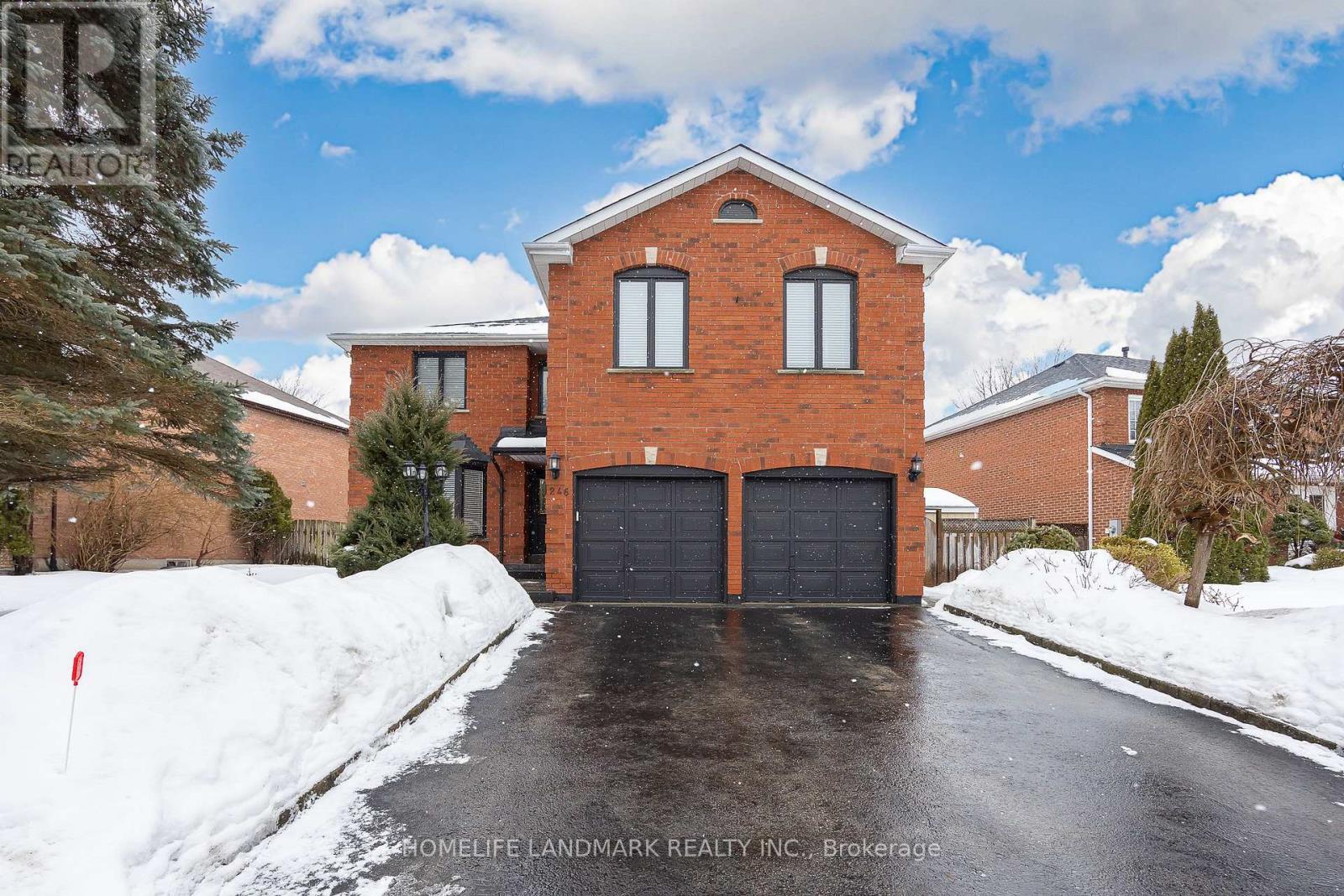 For Sale
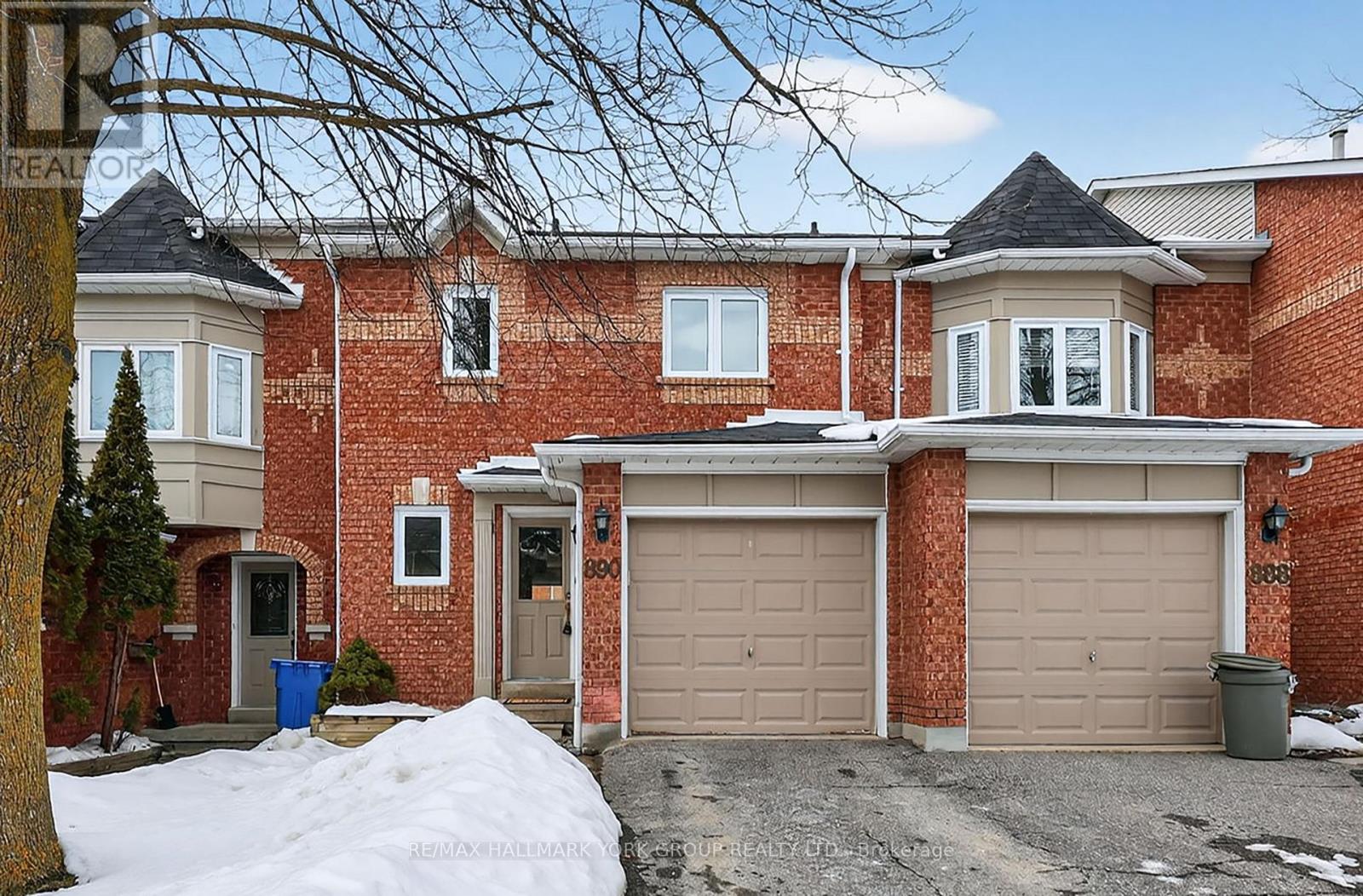 For Sale
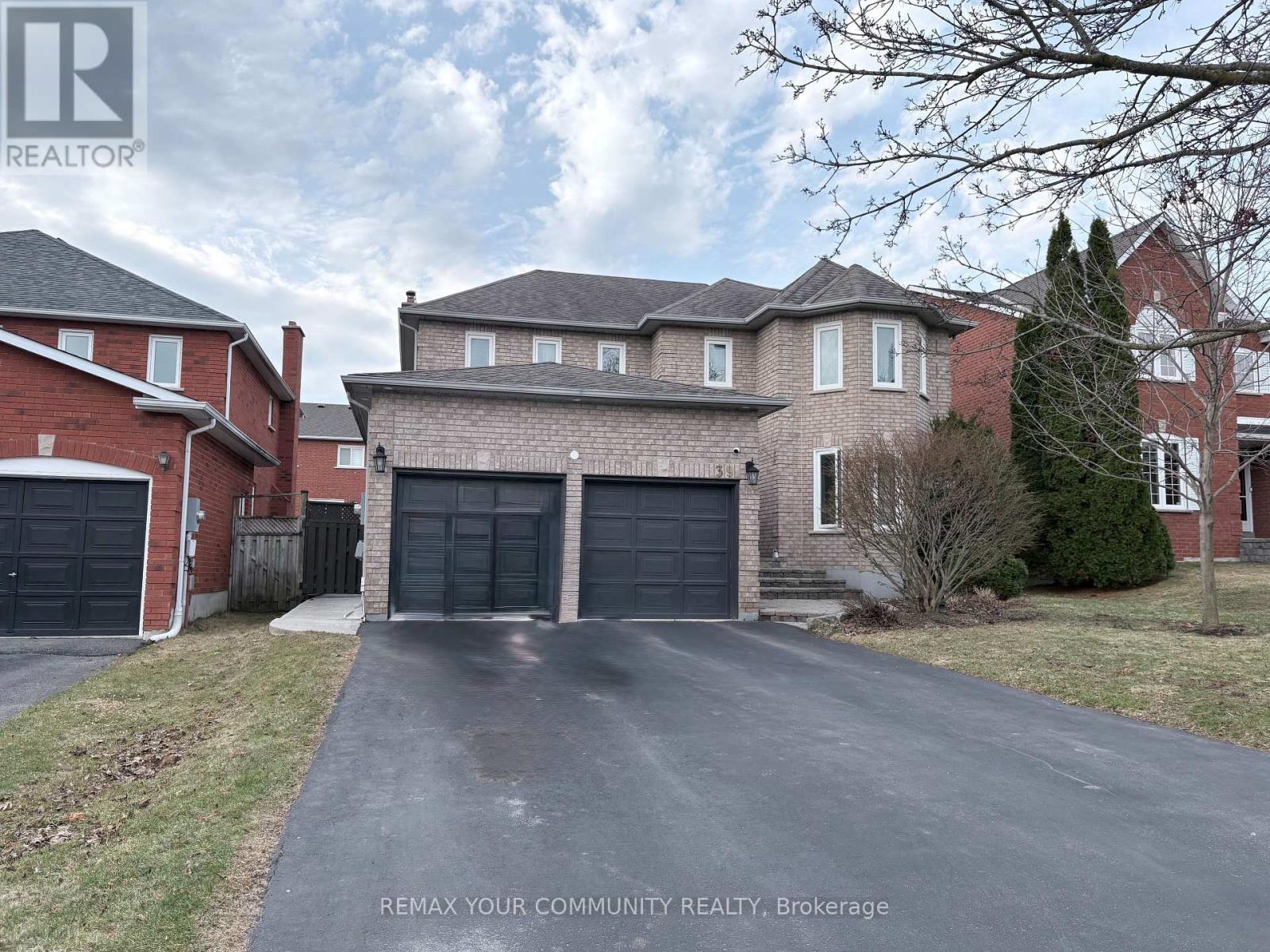 For Rent
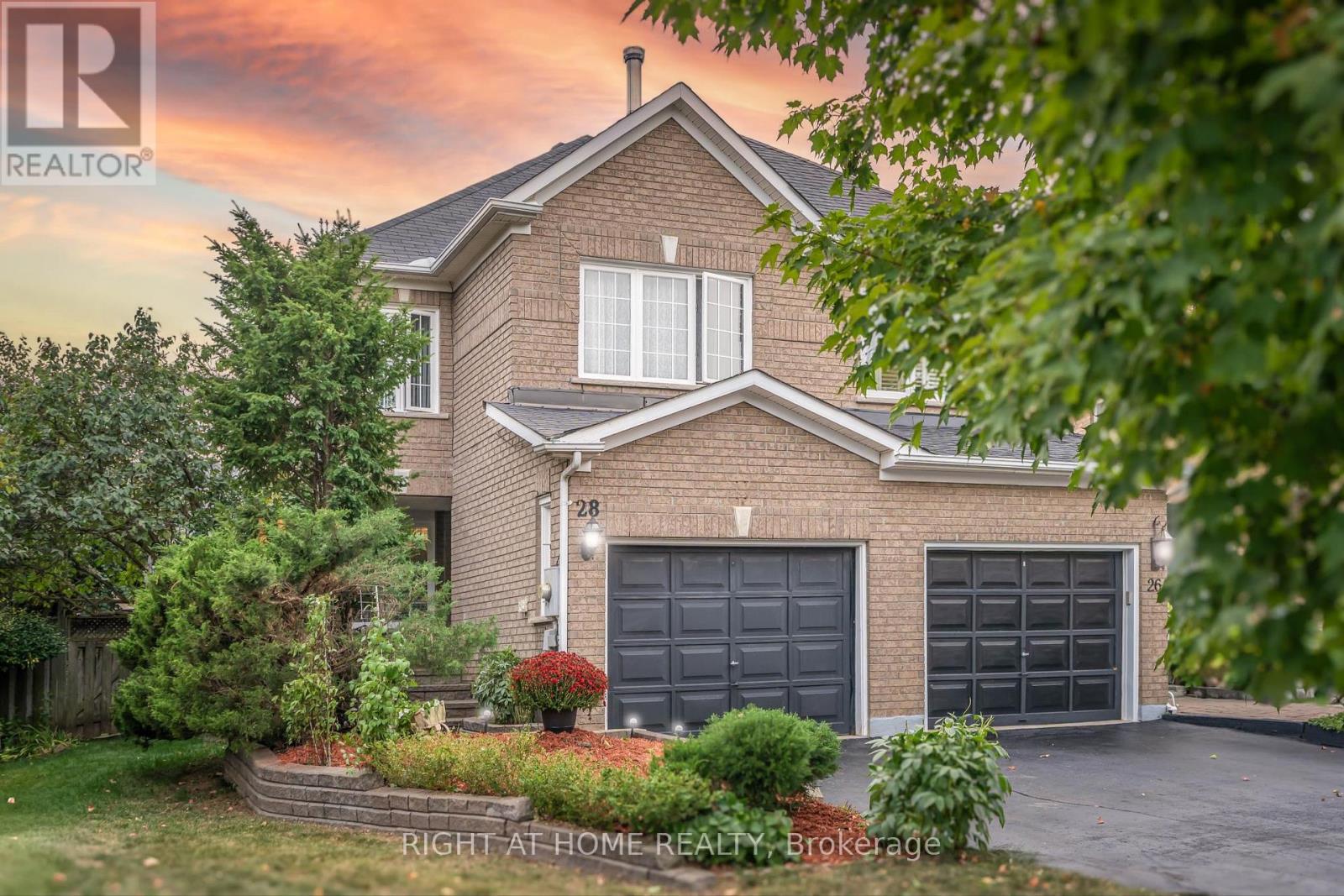 For Sale