
Aurora Estates is Aurora's premier estate neighbourhood, home to Beacon Hall Golf Club and large custom detached homes on generous lots along the Richmond Hill border. It is where Aurora's most expensive homes are found, with GO train access to Toronto and private school proximity.
Aurora Estates occupies the southern end of Aurora along the border with Richmond Hill, centred on Yonge Street and its adjacent subdivisions. The area is defined by two things: the private Beacon Hall Golf Club, which anchors the southeastern portion, and a concentration of executive estate homes that represent the highest end of Aurora’s residential market. This is not a neighbourhood that announces itself to casual observers; the properties are set back on large lots behind mature trees, and the general impression is of quiet, private, established wealth.
The geography puts Aurora Estates closest to Richmond Hill to the south and within a reasonable drive of the Aurora GO station to the north. The Yonge Street corridor provides the commercial connection from the neighbourhood into the broader town and down toward Richmond Hill’s commercial spine. Hunters Glen and Elderberry Trail are among the subdivision names associated with the area, though Aurora Estates as a planning and real estate designation covers the broader southern Aurora estate area.
Buyers who end up in Aurora Estates are making a specific choice: they want the estate lot sizes, the privacy, the green setting, and the York Region address, and they are willing to pay for all of them. The neighbourhood is not trying to attract every buyer. The lots are large, the homes are large, and the price point screens for the buyer profile the neighbourhood was built for.
Aurora Estates is one of the quieter neighbourhoods in Aurora in the sense that it generates less discussion than the historic Village or the family-oriented Heights subdivisions. It is simply where the most expensive homes in Aurora tend to be, and the buyers and residents there tend to prefer it that way.
Aurora Estates is dominated by executive detached homes on large lots, with many properties in the 4,000 to 6,000 square foot range and lot sizes that often exceed half an acre. The construction era spans from the 1980s through the 2010s, reflecting decades of estate development along the southern Aurora corridor. Architectural styles vary from the traditional brick colonial popular in the 1990s to contemporary custom builds that have replaced or supplemented older estate homes on assembled lots.
Average home prices in Aurora Estates have been running at approximately $1,329,557 based on mid-2025 data. That figure represents all transaction types including condos and smaller units at the edges of the broader designation. Detached estate homes in the core of Aurora Estates trade significantly above that average, with larger custom properties regularly exceeding $2 million and some reaching considerably beyond that when lot size, finishes, and proximity to Beacon Hall are premium factors. The Villa D’Oro gated estate section on the southern edge of Aurora, with 91 executive homes priced from $3 million, represents the neighbourhood’s ceiling.
The housing stock is diverse in age and configuration. Older estate homes from the late 1980s and 1990s are often being renovated or replaced by their second or third owners. Some buyers purchase in Aurora Estates specifically to build a custom home on an established lot, using the neighbourhood’s zoning and character as the foundation for a new build rather than purchasing an existing home.
Secondary structures are common on estate-sized lots, including detached garages, coach houses, and pool facilities. The lot sizes support this type of ancillary use in a way that standard suburban lots cannot, and many Aurora Estates properties have evolved over time to include amenities that reflect the long-term investment their owners have made.
The Aurora Estates market operates as a low-volume, high-value segment within the Aurora real estate picture. Transactions are relatively infrequent compared to higher-density neighbourhoods, which means the comparable sales pool for any given property is thinner and price discovery is less precise. Buyers and sellers both need to work with recent sold data and current listing context rather than assuming the market is as legible as it is in a high-transaction suburb.
Days on market in Aurora Estates can be long by Durham Region suburban standards. Estate homes appeal to a narrow buyer pool, and the right buyer may take weeks or months to appear. Well-positioned properties in good condition with accurate pricing move more quickly, but sellers who overprice in expectation of the next pandemic-era surge find the market patient enough to wait them out.
The Aurora market broadly saw prices down roughly 24 percent from 2022 peaks according to local real estate reporting, and Aurora Estates was not immune to that correction. The estate segment tends to correct more dramatically in soft markets because the buyer pool is smaller and more discretionary, and to recover more sharply when confidence returns because the supply of large estate lots in established Aurora locations is genuinely constrained.
For buyers, the current market in Aurora Estates represents conditions that are substantially more negotiable than 2022. The inventory has grown, time on market has extended, and sellers have had to adjust to realistic pricing. An estate lot in Aurora Estates at 2025 prices is purchasing at a significant discount from peak, in a neighbourhood whose fundamental supply constraints have not changed and whose appeal to the high-income executive buyer profile has not diminished.
Aurora Estates is for the buyer who wants the largest homes in Aurora on the most private lots at the furthest remove from the density and activity of the town centre. That is a specific preference, and the neighbourhood is specifically configured to meet it. The buyer profile is consistently executive and high-income, often dual-income professional households or business owners who prioritise space, privacy, and a prestigious York Region address.
Some buyers arrive at Aurora Estates from larger Canadian cities or from the United States, drawn by the private school proximity. St. Andrew’s College, a well-regarded independent boarding and day school for boys, is located immediately adjacent to the Hills of St. Andrew neighbourhood to the northwest, and is accessible from Aurora Estates. St. Anne’s School, a Catholic girls independent school, is also in the Aurora area. For families who prioritise private school education and want to live close to the institution, the southern Aurora estate neighbourhoods are the natural home purchase.
Long-term holders characterise Aurora Estates ownership. Buyers who purchase here tend to stay for a decade or more, which means inventory comes to market infrequently. When it does, it tends to attract buyers who have been waiting patiently rather than a broad pool of first-time estate buyers. Knowing the off-market landscape, and having relationships with agents who know when estates are coming to market before listing, is genuinely valuable in this neighbourhood.
Some buyers in Aurora Estates are downsizing from even larger rural properties further north in York Region or Simcoe County, trading the acre-plus lots of rural Aurora or King Township for an estate-sized lot that still provides space and privacy but with better municipal services and GO train access. This buyer type knows exactly what they are giving up in size and exactly what they are gaining in convenience.
Aurora Estates covers a larger geographic area than some of Aurora’s other neighbourhood designations, and there is meaningful internal variation in the product and price levels within it. The sections closest to Beacon Hall Golf Club on the eastern side carry a premium associated with the club’s status and the consistency of the surrounding estate properties. Homes directly adjacent to or overlooking the golf course are among the most expensive in Aurora, and they appeal to a buyer who is specifically seeking that combination of natural views and private club proximity.
The Hunters Glen and Elderberry Trail subdivisions within Aurora Estates provide more conventional large-lot development than the custom estate section. These are still premium properties on generous lots, but they are more comparable to the upper tier of standard York Region executive housing rather than the bespoke estate category. Prices here run from approximately $1.5 million to $2.5 million for large detached homes in good condition.
The Villa D’Oro section represents the extreme premium end, with gated community estate homes on 50- to 60-foot lots priced from $3 million and with pricing driven by finishes, lot size, and custom build quality rather than by comparables with standard subdivision homes. This section attracts a buyer pool that is global in its reach and specific in its requirements.
Yonge Street forms the main arterial through the eastern side of Aurora Estates, providing commercial access without bringing commercial activity directly into the residential areas set back from it. Properties fronting Yonge are not the premium tier of the neighbourhood; the premium is on the quieter internal streets and cul-de-sacs that sit behind and away from the main road. Buyers who specifically want the estate character should focus on those interior positions rather than the road-fronting lots.
Aurora Estates is served by Highway 404, which runs along the eastern boundary of Aurora and provides direct highway access to Highway 401 to the south and to the 400-series network toward Toronto. The drive from Aurora Estates to downtown Toronto via 404 and the Don Valley Parkway runs approximately 50 to 70 minutes depending on traffic conditions and time of day. Morning southbound congestion on 404 can extend this significantly, and residents who commute daily by car plan their departure times accordingly.
The Aurora GO station at 121 Wellington Street East is a 10 to 15-minute drive from Aurora Estates. The station serves the Barrie line, with trains to Union Station running in approximately 54 minutes at peak hour. A new rush-hour trip added in October 2025 departs Aurora GO at 7:20 a.m. and arrives at Union Station at 8:14 a.m., with a return departing Union Station at 4:53 p.m. and arriving Aurora at 5:46 p.m. Weekend service operates roughly every hour, with most trains terminating at Aurora station.
York Region Transit provides bus service in Aurora, connecting to the GO station and to the commercial areas along Yonge Street and Wellington Street. For Aurora Estates residents, York Region Transit is supplementary rather than primary: the neighbourhood was built for car ownership, and most residents drive for daily errands. The GO train is the practical commute option for regular Toronto office users.
Highway 404 to Highway 400 connections via Highway 401 provide regional access for residents who travel west toward Vaughan, Brampton, or Pearson Airport. The 407 express toll road provides an alternative with better predictability during peak periods, at the cost of tolls that add meaningfully to regular commuting costs.
The green space character of Aurora Estates is defined largely by the private and semi-private landscape of the estates themselves. Large lots with established trees, professionally landscaped grounds, and private pools mean that residents have their own outdoor environment rather than being dependent on public parks for green space access.
Beacon Hall Golf Club, the private members club in the neighbourhood, provides a significant expanse of maintained green landscape that contributes to the environmental character of the area even for residents who are not members. The golf course topography, mature trees, and water features make the surrounding neighbourhood feel less suburban than its square footage and brick construction might suggest.
The broader Aurora trail system connects from the neighbourhood toward the town’s extensive 80-plus kilometres of recreational trails. The Tim Jones (Nokiidaa) Trail, which runs through Aurora and connects north toward East Gwillimbury following the East Holland River, is accessible within a drive or a longer cycling route from Aurora Estates. The Aurora Community Arboretum, Sheppard’s Bush Conservation Area, and the network of trails linking Aurora’s municipal facilities are all reachable by car in 10 to 15 minutes from southern Aurora.
The David Tomlinson Nature Reserve Trail in the Marsh Creek valley lands of northeast Aurora provides a genuine natural trail experience accessible within the municipality. For residents of Aurora Estates who want a specific natural trail rather than the more managed park environments, this trail is within the town’s reach. Most Aurora Estates residents, however, treat their private lot as their primary outdoor space and use the broader trail system for occasional weekend recreation rather than daily access.
The commercial landscape for Aurora Estates residents is the Yonge Street corridor running through Aurora and the broader retail development around the Wellington Street and Bayview Avenue commercial nodes. Yonge Street in Aurora carries a mix of national chain retail, independent businesses, and the boutique shops that characterise the historic village section of the town. Grocery, pharmacy, and service needs are covered within the town without the long drives required in more remote York Region communities.
Aurora has developed a notable independent dining and boutique retail scene along the Yonge Street corridor near the historic downtown, with independent restaurants and cafes that provide a quality-of-life experience beyond the standard big-box suburban offering. Residents of Aurora Estates benefit from this commercial character without having to live within the denser historic village area that surrounds it.
Newmarket, directly to the north, provides additional retail including Upper Canada Mall, which handles anchor retail and large-format shopping needs. The drive from Aurora Estates to Upper Canada Mall runs approximately 15 to 20 minutes on Yonge Street or Bayview Avenue, and many residents use Newmarket as their primary large retail destination.
The GO station area on Wellington Street East has attracted some commercial development that serves commuters and residents in the eastern Aurora area. This is not yet a fully developed transit-oriented commercial area, but the proximity of the GO station to the Wellington and Bayview corridors has drawn coffee shops, services, and food businesses that provide practical options for residents heading to or from the train. For Aurora Estates residents in the Yonge Street corridor, the Wellington Street commercial area is accessible without needing to drive through the historic village core.
Aurora Estates is served by the York Region District School Board for public education and the York Catholic District School Board for Catholic education. The secondary public school for this area is Dr. G.W. Williams Secondary School, which moved to a new purpose-built facility at Spring Farm Road and Bayview Avenue for the 2025-26 school year, with the province providing $67.5 million for the new building. The new Williams delivers 1,212 secondary spaces and represents a significant upgrade for the YRDSB in Aurora.
Private school options are a significant factor for many Aurora Estates families. St. Andrew’s College, located in the Hills of St. Andrew neighbourhood adjacent to Aurora Estates, is a highly regarded independent boarding and day school for boys offering Grades 6 through 12. The school’s reputation in Canadian independent education is strong, and its proximity is a genuine factor for families who would consider it. St. Anne’s School provides an independent Catholic girls school option in Aurora. The proximity to these institutions is one reason families with private school preferences specifically look at the southern Aurora estate neighbourhoods.
Catholic elementary and secondary education is available through the York Catholic District School Board, which operates schools serving the Aurora area. St. Maximilian Kolbe Catholic High School is one of the YCDSB secondary schools serving York Region students in Aurora.
The quality of public secondary education at the new Dr. G.W. Williams is an important factor for families considering Aurora Estates who intend to use the public system. The new school facility at Bayview and Spring Farm Road is in northeastern Aurora, which is a driveable but not walkable distance from the southern estate areas. Families should confirm transportation options and confirm their specific address falls within the Williams catchment before purchasing.
Aurora Estates is seeing a gradual shift toward custom rebuild activity, as second and third owners of 1980s and 1990s estate homes decide to demolish and build new rather than undertake extensive renovation of older structures. This reflects both the rising cost of major renovation relative to new construction on large lots, and the preference of high-income buyers for modern mechanical systems, smart home infrastructure, and contemporary architectural styles that are difficult to achieve through renovation of traditionally-styled estate homes.
The Shining Hill master-planned community at Yonge Street and St. John’s Sideroad, on the Aurora-Newmarket border north of Aurora Estates, is the largest nearby development affecting the broader southern Aurora real estate context. Developed by Townwood Homes, CountryWide Homes, and Regal Crest Homes on a 400-acre site, Shining Hill offers contemporary towns, semis, and estate homes priced from approximately $800,000 to $3 million. It does not directly affect Aurora Estates pricing but adds inventory at the upper end of the Aurora market and gives buyers a newer-built alternative to evaluate.
Intensification pressure along the Yonge Street corridor, which the Town of Aurora has identified as a priority for mixed-use development over the long term, is visible in planning applications for some properties along the main road. This intensification does not directly affect the residential estate lots set back from Yonge, but it will gradually change the commercial and residential character of the main artery over the coming decade.
The Aurora Official Plan identifies southern Aurora as an area for careful management of character and density given its proximity to Richmond Hill and the provincial greenbelt. That policy context provides some protection for the estate character of the neighbourhood against wholesale redevelopment, though it does not prevent individual lot rebuilds or the gradual evolution of the commercial corridor.
Q: What is Beacon Hall Golf Club and how does it affect property values in Aurora Estates?
A: Beacon Hall Golf Club is a private members golf club in the Aurora Estates neighbourhood. It is one of the more exclusive private clubs in the York Region area, with a course and clubhouse that contribute to the neighbourhood’s overall character and landscape. Properties adjacent to or with views over the golf course carry a premium associated with the natural views and the consistency of the surrounding maintained landscape. Non-member residents benefit from the club’s contribution to neighbourhood ambiance without requiring membership. Membership in private golf clubs of this type in York Region typically involves initiation fees and annual dues that run to several thousand dollars per year, and prospective members should inquire directly with the club about current membership availability and fees.
Q: How does Aurora Estates compare to Hills of St. Andrew as an estate neighbourhood?
A: Both are estate-tier neighbourhoods in Aurora, but they have different characters. Aurora Estates is more accessible from Yonge Street and Highway 404, and its identity is shaped by Beacon Hall Golf Club and the southern Aurora location near Richmond Hill. Hills of St. Andrew is in the northwestern corner of Aurora, adjacent to St. Andrew’s College and the Newmarket border, with a more secluded setting defined by winding hilly streets and agricultural surroundings. Hills of St. Andrew carries higher average prices, with listing averages around $2.1 million and sales around $2.3 million. The choice between them typically comes down to which access pattern suits the buyer better, with Hills of St. Andrew better positioned for Highway 400 and Aurora Estates better positioned for Highway 404.
Q: What are the advantages of buying in Aurora Estates versus building in a new development like Shining Hill?
A: Aurora Estates offers established lots with mature trees, a settled neighbourhood character, and proximity to Beacon Hall that new developments cannot replicate regardless of price. Shining Hill and comparable new master-planned communities offer contemporary finishes, new mechanical systems, and the design choices that come with new construction. The choice depends on whether the buyer values the established natural setting and character of an older estate area or the specification certainty and contemporary layout of a new-build home. Aurora Estates buyers are generally choosing the former; buyers who prioritise the latter are better served by new construction.
Q: Is there good transit access from Aurora Estates to Toronto?
A: Yes, for GO train commuters. The Aurora GO station on Wellington Street East is a 10 to 15-minute drive from the neighbourhood, and the Barrie line provides regular peak-hour trains to Union Station in approximately 54 minutes. The GO system is practical for regular commuters whose work schedule aligns with the train timetable. For off-peak travel, car travel to Toronto via Highway 404 or Yonge Street is the practical option. York Region Transit bus services provide local connections, but most Aurora Estates residents rely primarily on a car for daily travel and the GO train for Toronto commutes.
Aurora Estates transactions at the estate level require an agent who is comfortable in the thin-comparable, long-cycle sales environment that characterises high-end York Region real estate. This is not a market where you set a price based on three recent sales and expect a quick close. An agent who works primarily in lower-price-point, higher-volume markets will be out of their depth on the patience, negotiation strategy, and buyer network access that estate transactions require.
The off-market landscape in Aurora Estates is worth understanding. Some estate properties change hands without ever appearing on MLS, through direct connections between agents who represent the relevant buyer and seller pools. An agent with strong relationships in the York Region luxury market may be able to identify properties that are available or will be available before they list, which can give buyers a significant advantage in a market where the right property is infrequently available.
Custom rebuild due diligence requires specific expertise. If you are purchasing a lot with the intent to demolish and rebuild, the Town of Aurora’s zoning, setback, and heritage requirements for the specific lot need to be confirmed before purchase. Some estate lots in southern Aurora have specific designations that affect what can be built on them, and a purchase that assumes full rebuild flexibility can turn out to carry unexpected constraints.
For families who are weighing Aurora Estates against estate properties in other York Region municipalities such as King Township, Kleinburg, or the Bridle Path area within Toronto, an agent with cross-municipality estate market knowledge will give you a more complete picture of the trade-offs than one who only knows one municipality. The relevant comparisons in this price range cut across municipal boundaries.
Street-level knowledge is hard to find online. Our team works in Aurora Estates every day. They know which pockets hold value, where the school catchment lines actually fall, and what the market is doing right now. Talk to us before you make a decision about Aurora Estates.
Talk to a local agent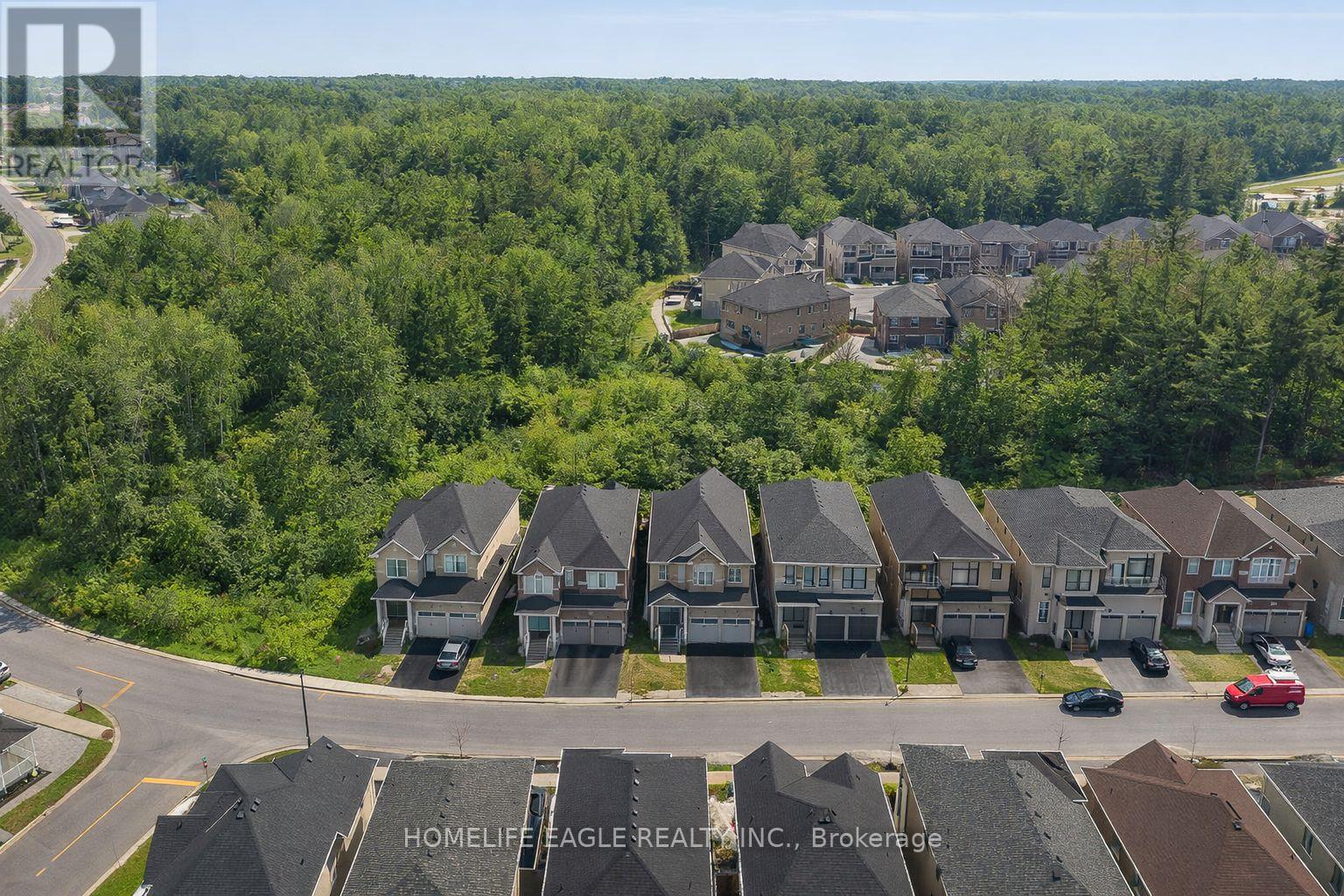 For Sale
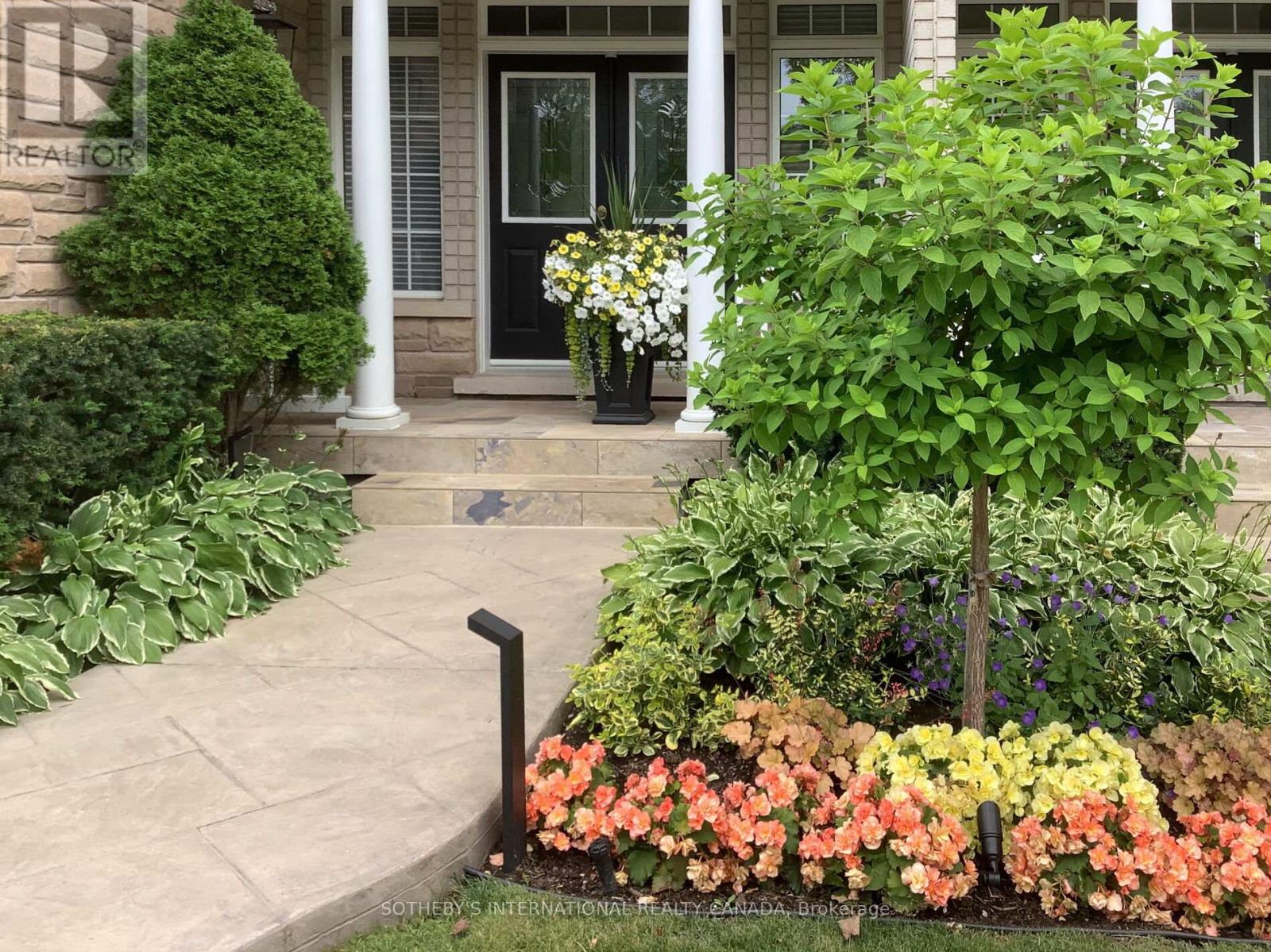 For Sale
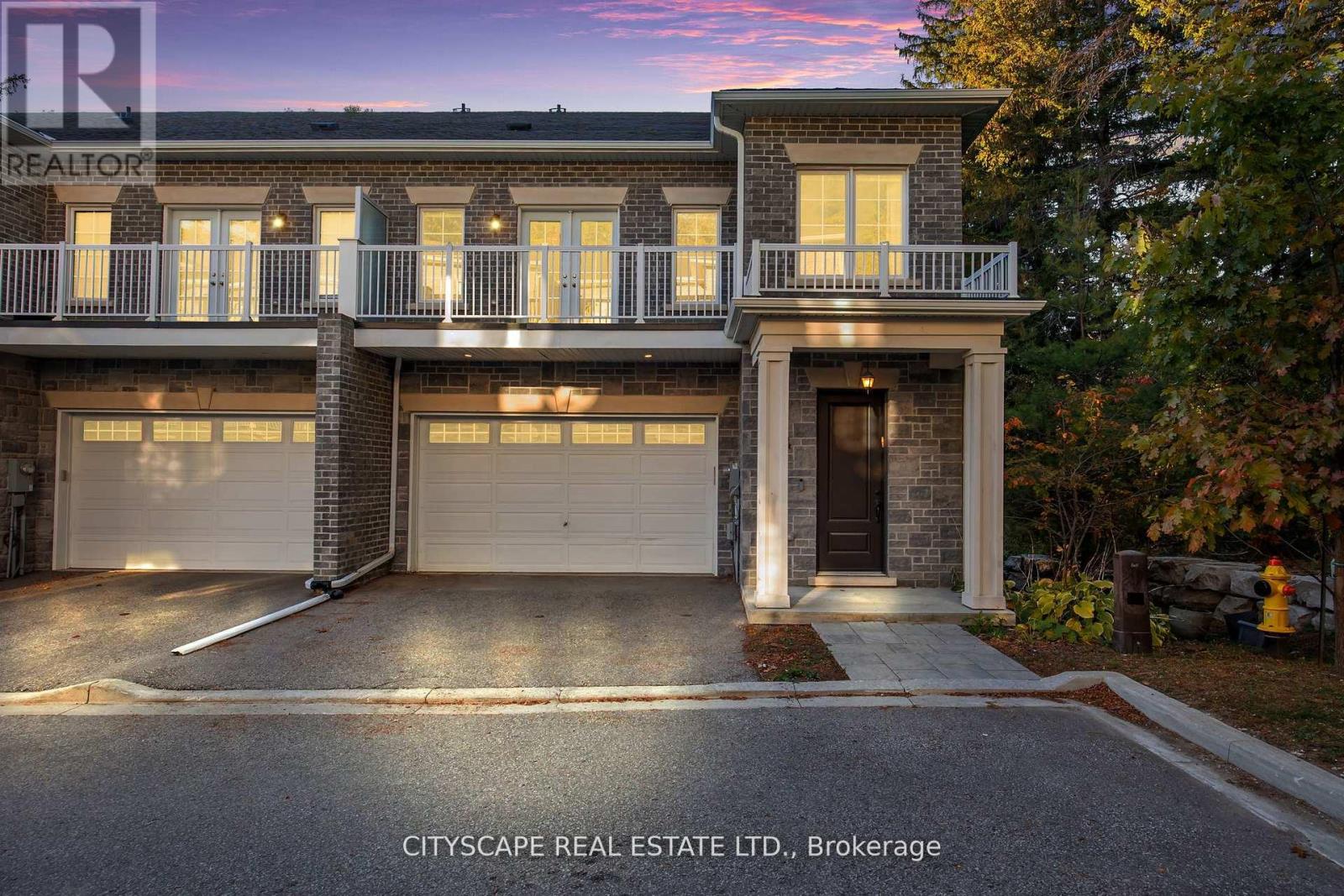 For Sale
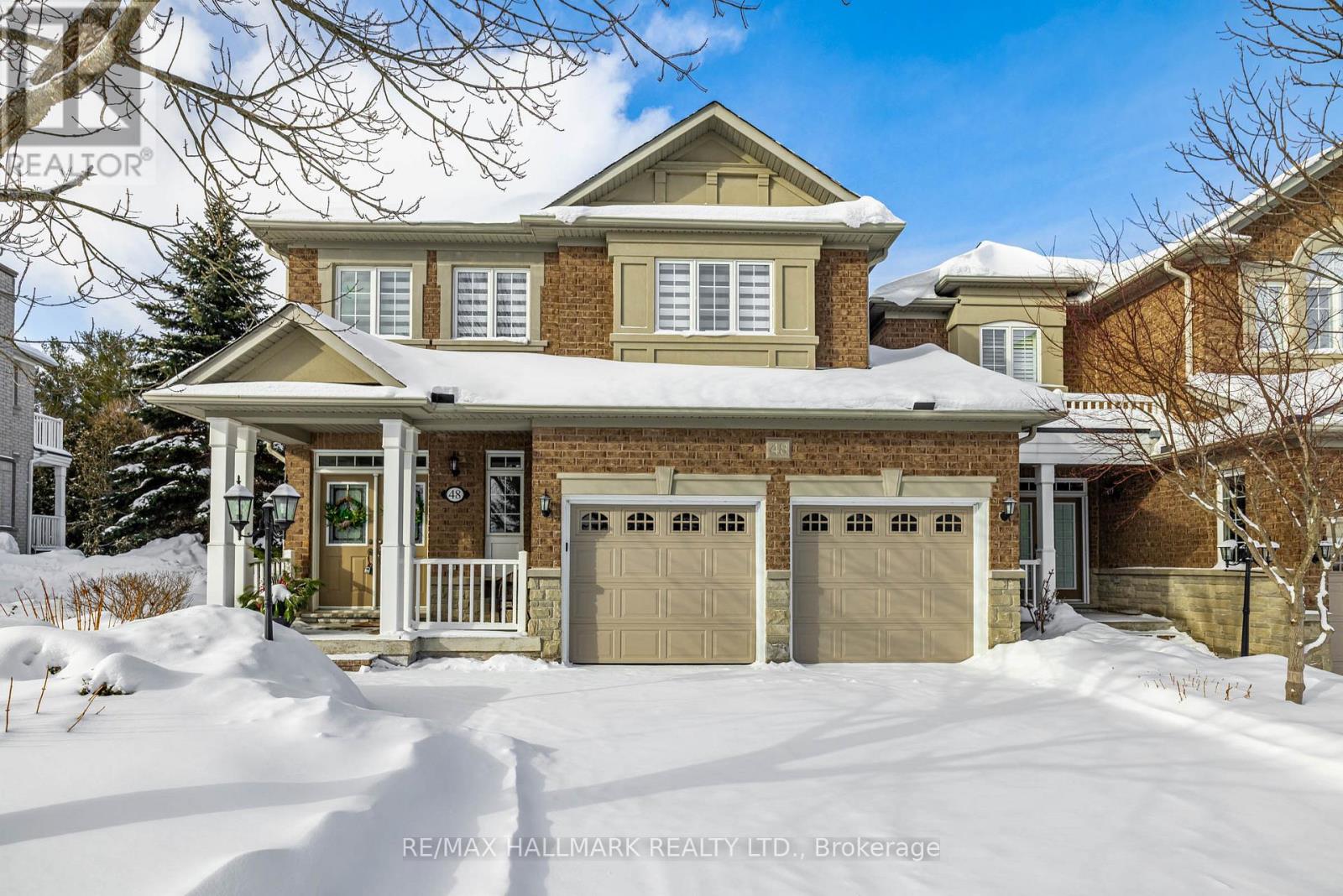 For Sale