
Aurora Heights is an established western Aurora neighbourhood with 1960s and 1970s detached homes on generous lots and mature tree coverage. Average homes around $1.1-1.2M make it one of Aurora's more accessible entry points for detached ownership, suited to renovation-capable buyers.
Aurora Heights is one of the older residential neighbourhoods in Aurora, occupying the northwest quadrant of the town west of Yonge Street and north of the historic village. The area developed substantially in the 1960s and 1970s, and its housing stock reflects that era: bungalows and split-levels on generous lots, with mature tree coverage that newer subdivisions take decades to replicate. For buyers who grew up in an older established suburb and know what mature trees and proper lot sizes actually mean to daily life, Aurora Heights is immediately recognisable.
The neighbourhood is priced below the Aurora average, making it one of the more accessible entry points into the Aurora market for detached home ownership. Average listing prices in Aurora Heights run approximately $1.1 million, with single-family detached homes averaging around $1.2 million on actual sales. That positions Aurora Heights below the Aurora-wide detached average of approximately $1.56 million for 2025, which reflects both the older stock and the renovation work that many properties require.
Being west of Yonge Street places Aurora Heights in the part of Aurora that is closest to Highway 400 and to the western Newmarket area. It is not the neighbourhood for buyers whose commute priority is the GO station; the Aurora GO station is east of Yonge, and Aurora Heights residents drive further to reach it than those living in the Bayview Wellington or Aurora Village neighbourhoods. For buyers who commute by car on Highway 400 or who work in the Vaughan-Woodbridge-Barrie corridor, Aurora Heights is actually well positioned.
The neighbourhood’s character is quiet and established. Most homes are owner-occupied, long-term residents are common, and the pace of change has been gradual rather than dramatic. For buyers who want stability and the evidence of a neighbourhood that has been consistently cared for over decades, Aurora Heights has a track record.
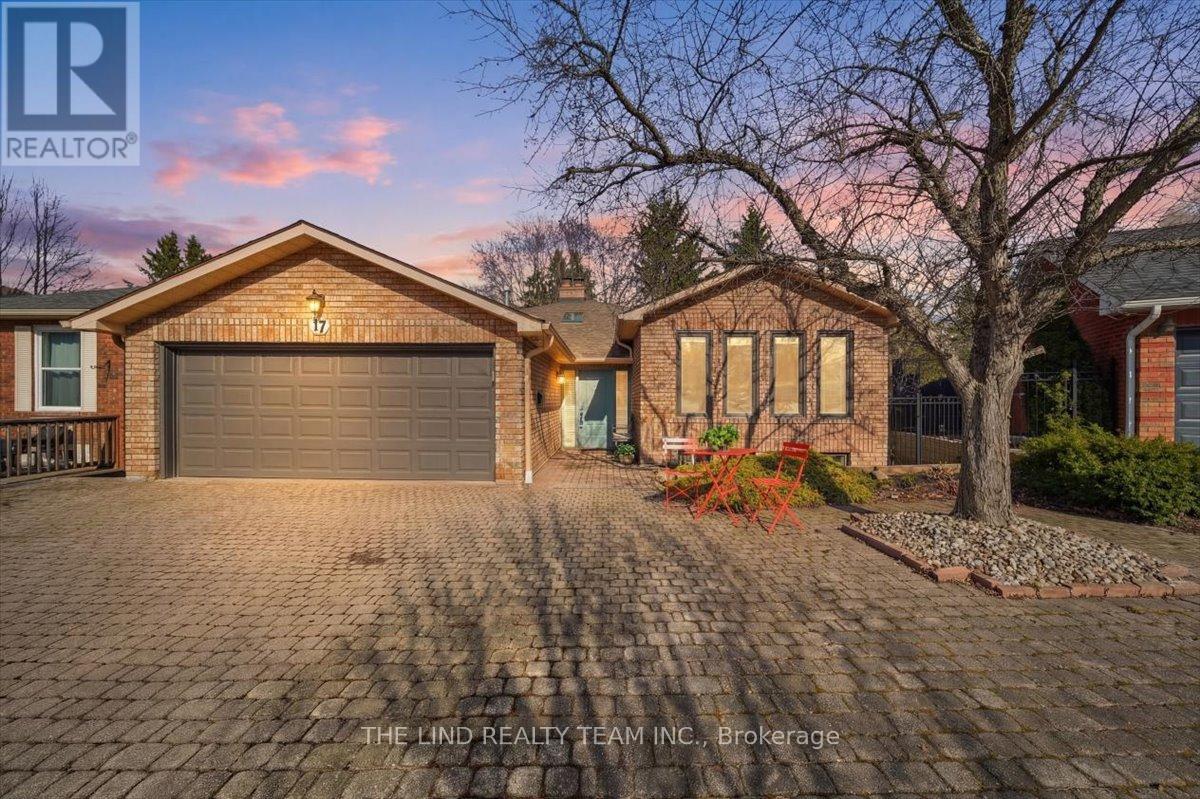
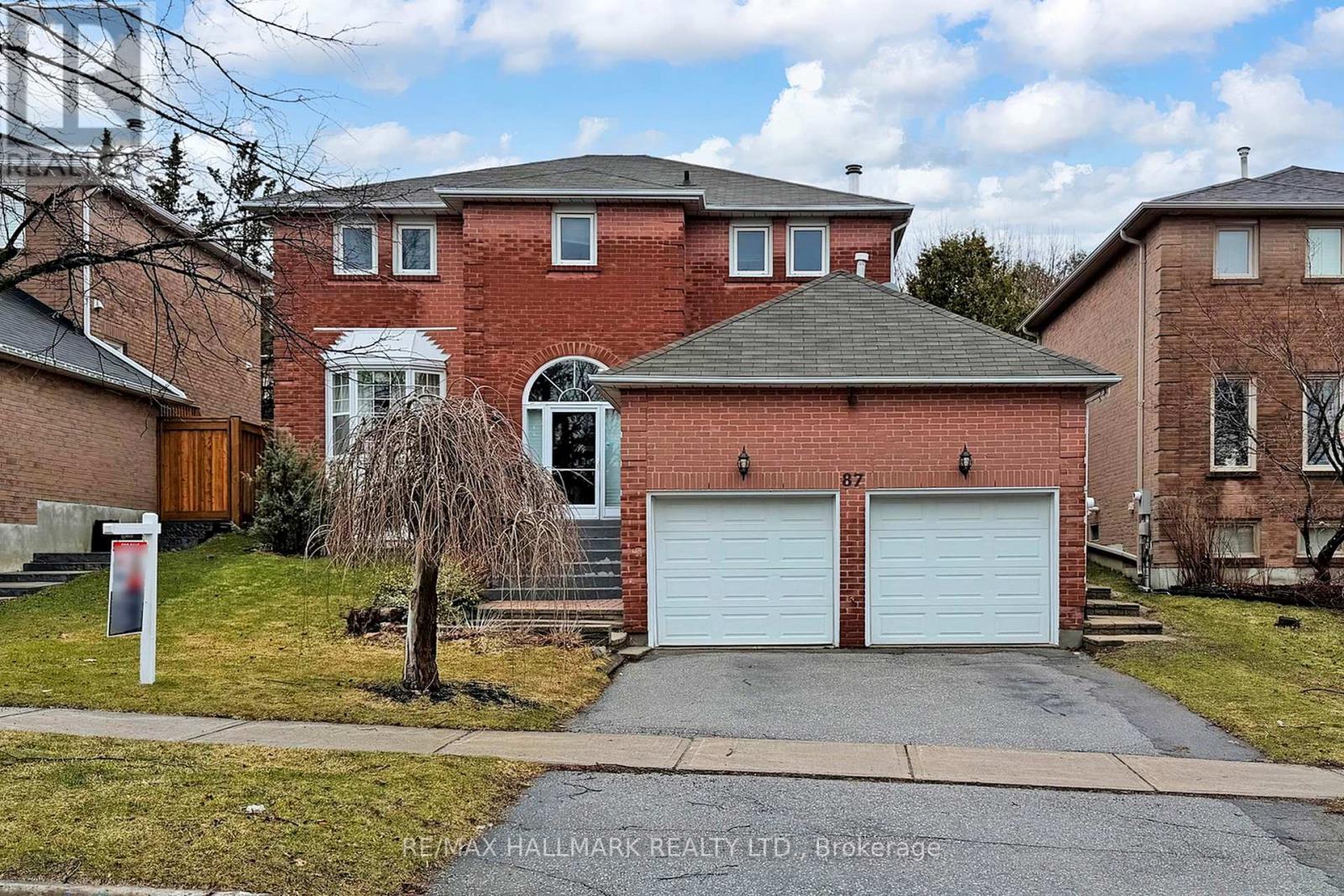
Aurora Heights housing is primarily detached homes from the 1960s and 1970s, with bungalows and split-levels making up a substantial portion of the inventory. Lot sizes are generous by suburban standards, often running 50 to 65 feet wide on established residential streets, with deep backyards and side drives that the era’s planning produced. The mature tree coverage on these lots is a genuine asset; trees that are 40 to 50 years old produce a residential environment that looks and feels fundamentally different from a new subdivision’s sparse planting.
Average listing prices in Aurora Heights are approximately $1.1 million, with single-family detached homes averaging around $1.2 million on sales. This is 36 percent below the Aurora-wide average as of 2025 data, reflecting the older stock and renovation requirement of many properties. Buyers who are prepared to update a 1970s home will find the math works in Aurora Heights: a well-bought property on a 55-foot lot with a thoughtful renovation delivers results that compare favourably to newer stock costing significantly more.
Many Aurora Heights homes have been renovated by previous owners, and the quality of those renovations varies considerably. A property with a thoughtful renovation that preserved the original construction quality while modernising the fixtures and layout is a different purchase from one that had a quick cosmetic update done before listing. The inspection process here is the mechanism for distinguishing between the two.
Semi-detached homes are relatively uncommon in Aurora Heights given the era of its development, when detached homes on proper lots were the standard suburban product. Bungalows specifically attract attention from downsizers who want a single-floor home and are willing to take on renovation in exchange for the reduced maintenance of a smaller footprint.
Aurora Heights is a moderate-volume, moderate-competition market within Aurora. It does not attract the focused bidding activity that new-build or premium-area listings generate, but it does see genuine demand from buyers who have researched it specifically: those who understand the value of older stock on generous lots in an established Aurora neighbourhood.
Days on market for Aurora Heights listings runs from three to six weeks for well-priced properties in good condition. Renovation-needing properties take longer, as the renovation-tolerant buyer pool is specific and price-sensitive. Sellers who price based on recent fully-renovated comparables rather than their own property’s condition find Aurora Heights buyers patient enough to wait for a more accurate price.
The spring market is the most active, and the fall market from September through October is a secondary window. Summer brings slower activity, and winter listings are slow but can produce well-negotiated transactions for buyers who are prepared to act when most people are not looking. The 2024 and 2025 correction affected Aurora Heights as part of the broader Aurora market that dropped roughly 24 percent from 2022 peaks, and prices have stabilised at levels that reflect the post-correction equilibrium.
Renovation-focused buyers have been active in Aurora Heights as the renovation cycle on 1960s and 1970s housing stock has accelerated. The combination of lower entry price relative to newer Aurora neighbourhoods and the lot-size advantage has created a stream of renovation investment that is gradually improving the neighbourhood’s condition and average sale price. Buyers who get in before that cycle fully completes are buying at a discount to the post-renovation comparables they will eventually live among.
Aurora Heights attracts buyers who specifically value the combination of lot size, tree coverage, and lower entry price relative to the Aurora average. The primary profile is buyers who have been priced out of or unwilling to pay the premium for newer Aurora subdivisions and who understand that a 1960s bungalow on a 60-foot lot in an established neighbourhood is a different purchase from a new townhome on a 22-foot lot, despite the price gap between them.
Renovation-capable buyers are well represented. A couple who has done a renovation project before and knows what a 1970s bungalow update costs will look at Aurora Heights differently from a buyer who expects turnkey condition. Those who have the skills, the time, and the capital to improve a property find Aurora Heights’s pricing structure attractive relative to the post-renovation value of the homes they are buying.
Downsizers from other Aurora neighbourhoods or from suburban Toronto occasionally look at Aurora Heights bungalows. A couple selling a large four-bedroom in a newer subdivision and wanting to simplify their housing without leaving Aurora will sometimes find that an Aurora Heights bungalow on a good lot gives them the outdoor space they want with the maintenance reduction they are seeking, at a price that leaves equity from the family home sale to spend elsewhere.
Buyers who work west of Aurora, in the Highway 400 corridor toward Barrie or in the Vaughan-Woodbridge employment area, find Aurora Heights better positioned for their commute than the eastern Aurora neighbourhoods. The drive to Highway 400 from Aurora Heights is shorter than from the Bayview Wellington or Aurora Grove areas, and for buyers whose employment is in that direction, the neighbourhood location makes practical sense.
Aurora Heights does not have dramatic internal price variation in the way that ravine-backing or waterfront-adjacent neighbourhoods produce premium pockets. The neighbourhood is relatively consistent in character throughout. The main sources of variation are lot size and renovation status rather than location-specific premiums.
The streets in the southern portion of Aurora Heights, closer to Wellington Street and the historic Aurora Village area, carry a slight premium from their proximity to the walkable village commercial district and the GO station. Residents on these streets can reach the Aurora village businesses and the station without driving through most of the rest of the town, which is a useful convenience for buyers who value it.
The northern portions of Aurora Heights, approaching the Newmarket border, are the furthest from the town centre and the GO station, and they trade at the lower end of the neighbourhood price range. The housing here is consistent with the rest of Aurora Heights in age and style, but the position is the least convenient for buyers who want walkable access to any Aurora amenity.
The western edge of Aurora Heights, approaching Highway 400, is the part of the neighbourhood most convenient for car-dependent commuters heading west or north. Properties here are in demand among buyers specifically in the Highway 400 commute pattern, and the combination of lower Aurora Heights pricing with the highway convenience creates a specific buyer argument that is not obvious until you map the relevant commute routes.
Aurora Heights sits west of Yonge Street, which positions it closer to Highway 400 and further from the Aurora GO station than most other Aurora neighbourhoods. Highway 400 is accessible from the St. John’s Sideroad interchange north of the neighbourhood, providing direct access to the Highway 400 corridor toward Barrie to the north and toward the 400-401 interchange and the western GTA to the south. The drive to downtown Toronto via 400 and the 400-401 connection runs approximately 50 to 75 minutes depending on traffic.
The Aurora GO station at 121 Wellington Street East is a 10 to 15-minute drive from Aurora Heights, crossing Yonge Street and heading east. It is further to the GO station from Aurora Heights than from the Bayview Wellington or Aurora Village neighbourhoods, and parking at the station is a consideration for peak-hour commuters. The Barrie line train to Union Station takes approximately 54 minutes from Aurora, and peak-hour service provides regular trips. York Region Transit buses also serve the station from Yonge Street.
Yonge Street runs along the eastern boundary of Aurora Heights and provides the primary commercial and transit spine for the neighbourhood’s daily travel. York Region Transit runs along Yonge Street and provides connections to Aurora Village, Newmarket, and Richmond Hill. For transit-dependent travel within York Region, the Yonge Street corridor is the most accessible route from Aurora Heights.
Highway 404, which runs along Aurora’s eastern boundary, is a longer drive from Aurora Heights than from the eastern Aurora neighbourhoods. Buyers who commute on 404 toward Toronto’s east end or Markham will find the eastern Aurora neighbourhoods more convenient. Aurora Heights is better positioned for the western commute patterns, and buyers should map their specific commute before deciding between western and eastern Aurora options.
Aurora Heights benefits from the mature tree cover of its established residential streets, which creates a green environment that functions as informal green space throughout the neighbourhood. The trees on 50-plus-year-old residential lots in Aurora Heights are the kind of scale that most newer subdivisions will not achieve for decades, and the aggregate effect on the neighbourhood’s environmental quality is significant.
Sheppard’s Bush Conservation Area, at 26 hectares, is the major natural area accessible from Aurora Heights. The property includes more than three kilometres of hiking trails, eleven soccer fields, and picnic areas, along with historic structures including the Sheppard family house. Managed by the Town of Aurora since 2022, it is one of Aurora’s most used natural spaces and is a short distance from the Aurora Heights residential streets. The Bush connects to the Aurora trail network and provides the kind of natural walking experience that adds genuine value to a neighbourhood that otherwise does not have a ravine or creek valley to anchor its green space.
The Aurora Community Arboretum, which sits in the trail corridor linking the Aurora Family Leisure Complex and the Senior’s Centre, is accessible from Aurora Heights and provides a curated natural garden environment with labelled plantings. For residents who value managed natural spaces rather than raw trail systems, the Arboretum is a pleasant destination within the neighbourhood’s range.
Lambert Willson Park and the trail network connecting Aurora’s central facilities provide additional accessible green space. The Tim Jones (Nokiidaa) Trail, running through the Aurora trail network toward East Gwillimbury, is reachable within the neighbourhood’s cycling range. Aurora has invested significantly in its trail network over the past decade, and Aurora Heights residents benefit from that investment without having trail access as immediate as the neighbourhood’s eastern counterparts.
Aurora Heights residents access daily retail primarily along the Yonge Street corridor on the neighbourhood’s eastern edge. Aurora’s historic village on Yonge Street north of Wellington provides independent restaurants, cafes, and boutique shops within a short drive or walk from the eastern streets of the neighbourhood. The village has a genuine independent commercial character that contributes to Aurora’s identity as a town with more retail personality than a standard York Region suburb.
The broader Yonge Street corridor in Aurora carries national chain retail alongside the independent village businesses, with grocery stores, pharmacies, and service businesses positioned along the arterial road and its connecting cross streets. Daily errand coverage is reasonable without requiring a long drive, particularly for residents on the eastern side of Aurora Heights who are closest to the Yonge Street activity.
Newmarket’s Upper Canada Mall and broader retail area is 15 to 20 minutes north on Yonge Street, providing anchor retail and large-format shopping that Aurora’s commercial base does not supply. The Newmarket commercial corridor is a practical extension of the retail environment for Aurora Heights residents who need categories not covered locally.
For residents on the western side of Aurora Heights, the drive to Yonge Street is longer, and the nearest commercial is accessed by heading north on Yonge or driving to the Bathurst Street and Wellington commercial area. This is not a significant inconvenience for car-owning households but it does mean western Aurora Heights residents do not have the same walkable access to village retail that eastern addresses provide. The trade-off is a quieter residential setting and better highway access to the west.
Aurora Heights is served by the York Region District School Board for public education. Secondary students attend Dr. G.W. Williams Secondary School, which moved to its new purpose-built facility at Spring Farm Road and Bayview Avenue in Aurora for the 2025-26 school year. The new building, funded with $67.5 million from the province, provides 1,212 secondary spaces and represents a significant improvement in the secondary infrastructure serving Aurora students.
The new Williams location at Bayview and Spring Farm Road is in northeastern Aurora, which means Aurora Heights students are travelling further east to their secondary school than students in the Bayview Wellington or Aurora Grove areas. School transportation options and the specific bus routing from western Aurora to the new Williams location should be confirmed with the YRDSB for families who are making purchase decisions with school proximity as a factor.
Catholic education in Aurora Heights is provided by the York Catholic District School Board. St. Maximilian Kolbe Catholic High School serves York Region Catholic secondary students in Aurora. Elementary Catholic schools serving western Aurora are accessible within a reasonable driving distance from the neighbourhood.
For families considering private education, St. Andrew’s College in the Hills of St. Andrew neighbourhood is accessible from Aurora Heights in approximately 10 minutes by car. The school’s Grades 6 through 12 boarding and day programme for boys has a national reputation, and proximity matters for families using it as a day school rather than a boarding arrangement. St. Anne’s School provides an independent Catholic girls school option also accessible from Aurora Heights.
Aurora Heights is going through the renovation and gradual renewal process that characterises older York Region neighbourhoods as original owners age out and new buyers take on the improvement work. The pace of renovation activity has increased as the price gap between Aurora Heights and newer Aurora neighbourhoods has attracted renovation-focused buyers who see the lot quality and neighbourhood character as worth the work investment.
The new Dr. G.W. Williams Secondary School at Bayview and Spring Farm Road, opening for the 2025-26 school year, is the most significant institutional development affecting Aurora Heights families. The $67.5 million new building replaces the older Williams facility and provides significantly upgraded secondary school infrastructure. While the new location is in eastern Aurora rather than western, the school serves Aurora Heights students and the improved facility is relevant to families whose children will attend.
The Town of Aurora’s ongoing trail network expansion continues to improve the outdoor access available from Aurora Heights. The trail connections linking western Aurora to Sheppard’s Bush and to the broader Aurora trail network have been progressively improved, and the municipal investment in trail maintenance and extension is ongoing. For Aurora Heights residents who use the trail system, each incremental improvement in the network adds to the neighbourhood’s daily accessible green space.
Intensification pressure along the Yonge Street corridor to the east of Aurora Heights affects the commercial environment that residents access rather than the neighbourhood itself. The Town of Aurora’s planning for the Yonge Street corridor supports mixed-use development that will gradually increase density along the main arterial while preserving the residential character of the streets set back from it. Aurora Heights residents benefit from the commercial improvement without their residential environment being directly affected.
Q: How do Aurora Heights prices compare to other Aurora neighbourhoods?
A: Aurora Heights is among Aurora’s more accessible entry points for detached home ownership. Average listing prices run approximately $1.1 million, and single-family detached homes average around $1.2 million on sales, which is 36 percent below the Aurora-wide average of approximately $1.56 million for 2025. The lower pricing reflects the older housing stock and the renovation requirement on many properties. Buyers who compare Aurora Heights directly against newer Aurora subdivisions at higher prices are trading renovation work for a lower entry point and a larger lot. Whether that trade makes sense depends on renovation capacity and budget. The lot sizes in Aurora Heights are genuinely more generous than newer neighbourhoods, and the potential post-renovation value reflects that.
Q: What types of homes are most common in Aurora Heights?
A: Bungalows and split-levels from the 1960s and 1970s make up a significant portion of the Aurora Heights inventory, along with two-storey homes from the same era. Lots are typically 50 to 65 feet wide with deep backyards. The homes were built in an era when square footage was moderate but lot size was generous, so buyers get more land than building relative to what newer construction in the same price range would deliver. Bungalows specifically attract downsizers and buyers who prefer single-floor living, and they are proportionally more common in Aurora Heights than in any newer Aurora neighbourhood. The renovation requirement on many of these homes means buyers need to budget carefully for the update work alongside the purchase price.
Q: Is Aurora Heights convenient for Highway 400 commuters?
A: Yes, better than most Aurora neighbourhoods. Highway 400 is accessible from the St. John’s Sideroad interchange north of Aurora Heights, making the drive to the highway shorter from this neighbourhood than from the Bayview Wellington, Aurora Grove, or Aurora Estates areas on the eastern and southern sides of Aurora. For buyers who commute north toward Barrie or south via 400 and the 400-401 interchange toward Mississauga, Brampton, or Pearson Airport, Aurora Heights is the better-positioned Aurora neighbourhood. Buyers whose commute runs on Highway 404 toward Toronto, Markham, or Stouffville will find the eastern Aurora neighbourhoods more convenient.
Q: What should buyers expect during home inspections in Aurora Heights?
A: Homes from the 1960s and 1970s in Aurora Heights have a specific set of inspection considerations. Electrical panels from this era may be original and require assessment for safety and insurance compliance. Some homes of this age have knob-and-tube wiring that has not been replaced. Plumbing may include galvanized steel pipes on their remaining useful life. Foundations in homes of this age deserve careful inspection, particularly in sections with additions. Furnaces and HVAC systems in homes with original equipment are likely at or past typical lifespan. Budgeting $15,000 to $30,000 for mechanical and infrastructure updates on a 1970s Aurora Heights home that has not been recently renovated is a reasonable planning assumption, and an inspector who is specific about the condition of each system will give you the detailed basis for that estimate.
Aurora Heights is a neighbourhood where pre-purchase inspection discipline matters more than in newer subdivision markets. The homes are older, the condition variation is wider, and the mechanical systems are at the age where some need replacement soon and others have already been replaced. An agent who insists on inspection as a condition, and who can help you select an inspector with specific experience in older York Region housing stock, is protecting you from a purchase that costs significantly more to carry than the price implied.
Renovation planning before the offer is the sophisticated approach in Aurora Heights. Rather than buying and then discovering the renovation scope, buyers who have a contractor walk through the property before submitting an offer can get a rough renovation estimate that becomes part of the offer price calculation. An agent who supports this approach and has contractor contacts who will do pre-offer walkthroughs is more useful in Aurora Heights than one who discourages due diligence in the name of speed.
The school catchment and transit comparison between Aurora Heights and the eastern Aurora neighbourhoods is worth making explicitly before choosing. Aurora Heights offers a lower entry price and a larger lot, but the GO station is further and the school transit to the new Williams secondary is longer than from eastern addresses. Neither is the wrong answer, but the comparison should be made deliberately rather than assumed. An agent who can map this clearly without advocating for one side will give you a more complete basis for your decision.
For buyers who are comparing Aurora Heights to comparable older-stock neighbourhoods in Newmarket or Richmond Hill, the price comparison should account for the specific amenities each municipality’s older residential areas provide. Aurora’s Yonge Street village and the town’s trail investment give it a specific character that may or may not be more valuable to you than what the comparable Newmarket or Richmond Hill address provides.
Street-level knowledge is hard to find online. Our team works in Aurora Heights every day. They know which pockets hold value, where the school catchment lines actually fall, and what the market is doing right now. Talk to us before you make a decision about Aurora Heights.
Talk to a local agent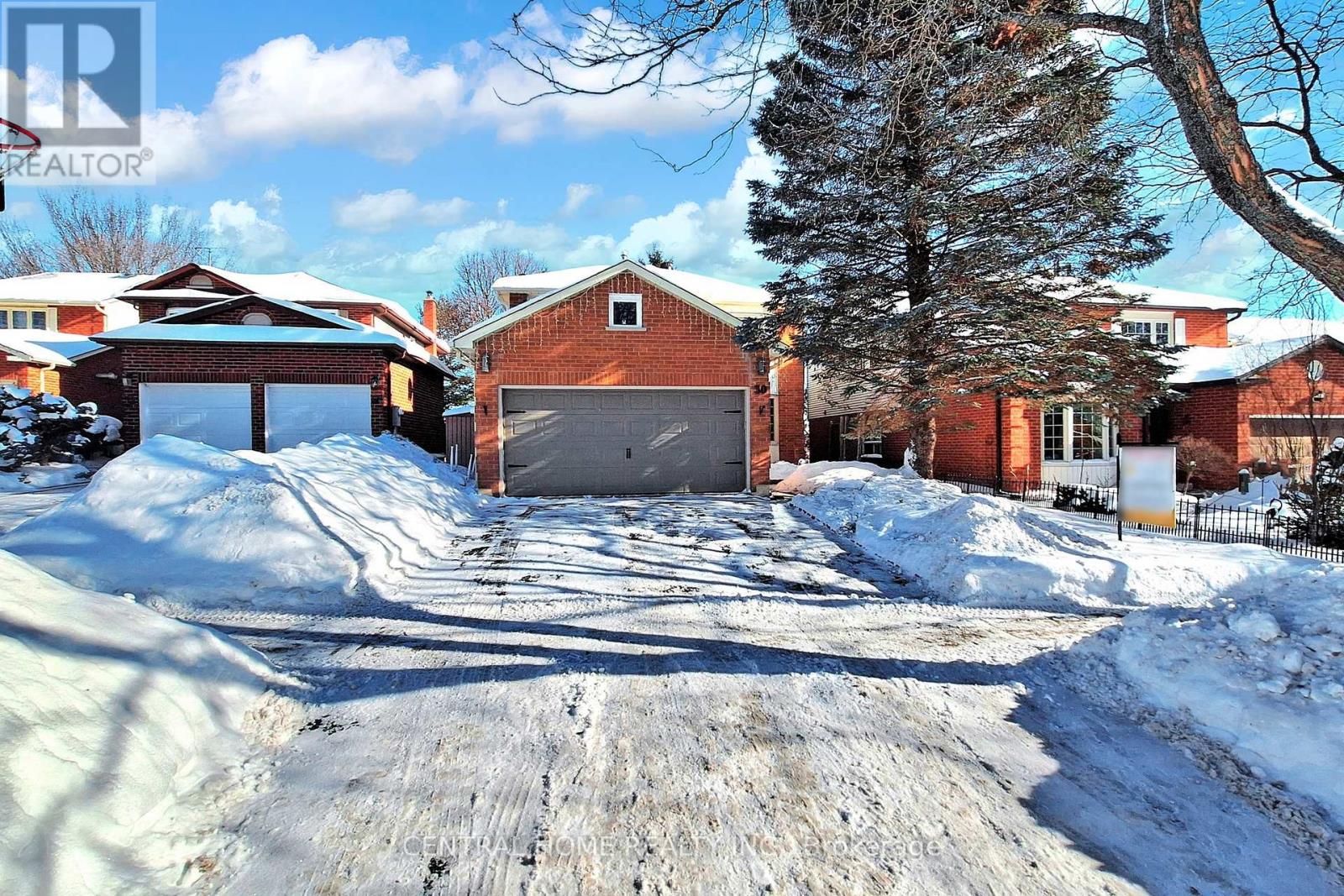 For Sale
 For Sale
 For Sale
 For Rent