
Aurora Highlands is a family neighbourhood in western Aurora with 1980s and 1990s detached homes and the new Allegro community on the former Highland Gate Golf Course. A 21.3-acre park and 7.3 km of new trails have improved the neighbourhood significantly in recent years.
Aurora Highlands sits in the southwestern part of Aurora, west of Yonge Street and south of Wellington Street, in a section of the town that mixes suburban convenience with access to Highway 404 and Highway 400. The neighbourhood developed mostly in the 1980s and 1990s and carries the character of that era: detached family homes on moderate lots, good school access, and a residential environment that is functional without demanding attention. It is not a neighbourhood that has a strong identity claim the way Aurora Village or Hills of St. Andrew do, but it delivers what families need without the premiums that more branded neighbourhoods command.
The former Highland Gate Golf Course in the western portion of Aurora Highlands was the most significant recent change to the neighbourhood’s landscape. When Highland Gate closed, the 150-acre property was redeveloped as the Allegro community by Geranium Corporation, adding 157 new single-family homes, a 21.3-acre park, and 7.3 kilometres of trails to the area. The new park and trail system has opened and the trails are being completed, transforming what was previously private golf course land into public green space that adjoins the Aurora Highlands residential streets.
Buyers considering Aurora Highlands are typically weighing it against Aurora Grove to the east or Aurora Heights to the northwest, and the comparison usually comes down to the specific home available at the time of search. Aurora Highlands offers the suburban functionality that both those neighbourhoods provide, with the added advantage of the new Allegro park infrastructure along its western edge.
Price-wise, Aurora Highlands is in the accessible tier of the Aurora market, with properties trading below the Aurora-wide average for detached homes. The mix of 1980s and 1990s established housing with newer Allegro product gives the area a range of options that suits both renovation-focused buyers and those who want newer construction at a suburban price point.
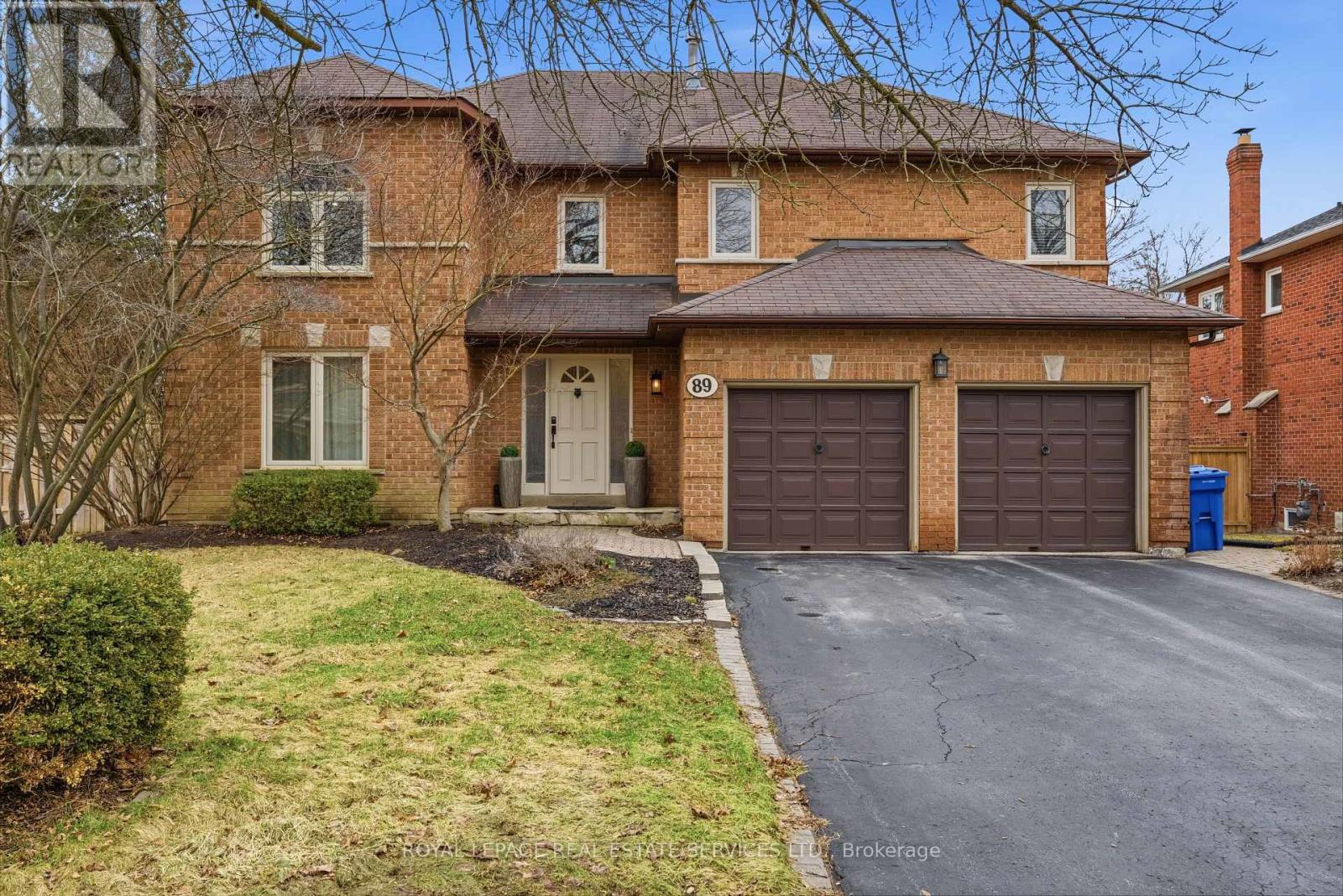
Aurora Highlands housing stock spans two development eras. The established portion, which makes up most of the neighbourhood, consists of detached homes built in the 1980s and 1990s on lots that run 36 to 45 feet wide. These are traditional suburban two-storeys with attached garages, brick or vinyl exteriors, and the four-bedroom configurations that were standard for family-market building in that era.
The newer Allegro development by Geranium Corporation, built on the former Highland Gate Golf Course land, adds contemporary single-family homes to the neighbourhood’s inventory. Allegro homes are more recently constructed, with modern layouts, updated mechanical systems, and access to the new 21.3-acre park and trail system. Prices on Allegro product run higher than the established neighbourhood, reflecting the newer construction and the park proximity.
The established Aurora Highlands housing trades below the Aurora-wide average, which for detached homes was approximately $1.56 million in late 2025. Homes in the established section range from approximately $1.1 million to $1.4 million depending on condition, renovation status, and lot position. The Allegro section commands a premium for newer construction, with pricing reflecting both the construction year and the park-backing positions that were among the most sought-after lots in the development.
Semi-detached and townhome product exists in pockets of Aurora Highlands, providing entry-level options for buyers who want the neighbourhood without the full detached home budget. These are relatively uncommon in the core of the neighbourhood but appear at its edges where transitions to adjacent areas created mixed housing types.
Aurora Highlands operates as a moderate-competition family market. It does not generate the bidding intensity of the Hills of St. Andrew or Bayview Wellington premium tiers, but it sees consistent family demand that keeps well-priced properties moving within three to five weeks in the active spring and fall markets.
The addition of the Allegro development has introduced a two-tier dynamic within the neighbourhood. Allegro homes, being newer and park-adjacent, attract more competition and sell more quickly than the established 1980s and 1990s stock. Buyers specifically targeting the Allegro trail and park position should expect firmer prices and less negotiating room than the broader Aurora Highlands average suggests.
The 2024 and 2025 market correction brought Aurora Highlands pricing back from 2022 peaks in line with the rest of Aurora. Sellers who adjusted their expectations to the post-correction reality transacted successfully. The neighbourhood has a durable family demand base that prevents the kind of deep discounting that less well-established suburban areas can see in correction markets.
Spring remains the strongest market window, with February through May seeing the most listings and buyers. The fall market from September through November is the second active period. Buyers who are patient through summer and early fall occasionally find well-priced listings with reduced competition as sellers who did not close in spring make pricing adjustments to move before year-end.
Aurora Highlands is chosen by families who are making a deliberate value comparison within Aurora. They have looked at the Bayview Wellington and Bayview Northeast areas and found the prices there higher than their budget can sustain, and they have identified Aurora Highlands as delivering equivalent family-suburb functionality at a lower entry point. The schools are in the same YRDSB and YCDSB systems. The highway access is comparable. The new Allegro park provides a green space anchor that the neighbourhood previously lacked.
First-time buyers who can stretch to the detached home tier within Aurora occasionally find their landing spot in Aurora Highlands. At the lower end of the neighbourhood’s price range, detached entry-level homes are more accessible here than in most Aurora neighbourhoods, and the combination of good school access and the new park infrastructure makes this a genuinely functional choice for a family’s first owned home.
Buyers who are specifically drawn to the Allegro development represent a younger profile than the typical Aurora Highlands established-neighbourhood buyer. These are buyers who specifically want newer construction, a park-backing position, and trail access, and who found that Aurora Highlands delivered this at a price point below comparable product in more premium Aurora areas.
Move-up buyers from Newmarket’s established neighbourhoods find Aurora Highlands accessible on a second purchase, particularly when the equity from a Newmarket townhome sale provides the down payment needed to reach the detached tier. Aurora’s location slightly south of Newmarket and its specific school identity are reasons some buyers specifically cross the municipal boundary for the Aurora address.
The Allegro development along the former Highland Gate Golf Course creates the clearest internal premium tier in Aurora Highlands. Homes backing onto the new 21.3-acre park or with direct trail access from their rear lot are the most sought-after positions in the neighbourhood. The park is permanent, the trail network is expanding, and the premium for these positions has been sustained through the Allegro launch and into the secondary market.
Wellington Street West forms the southern boundary of Aurora Highlands and carries commercial activity that serves both the neighbourhood and through traffic. Properties on the residential streets immediately north of Wellington are accessible to the commercial strip without facing it directly, which is the preferred position for buyers who want retail proximity without retail noise.
The interior streets of the established Aurora Highlands section are consistent in their 1980s and 1990s character, with the modest internal variation that reflects individual lot sizes and renovation history rather than any dramatic location advantage. The most consistently maintained streets tend to be those closest to the neighbourhood parks and elementary schools, where the concentration of family owner-occupiers produces the mutual-maintenance dynamic common to active school-catchment residential streets.
The northern edge of Aurora Highlands, approaching the intersection areas near the Wellington Street West corridor, connects to the broader Aurora commercial and transit network. Streets furthest from the Allegro park and furthest from the main commercial corridors are the quietest and most affordable within the neighbourhood, suitable for buyers who prioritise residential calm over proximity to any specific amenity.
Aurora Highlands is positioned between Highway 400 to the west and Yonge Street to the east, which gives it reasonable access to both the 400 corridor and the Yonge Street transit and commercial spine. Highway 400 is accessible from the St. John’s Sideroad interchange north of the neighbourhood, and the drive to the highway is 10 to 15 minutes for most Aurora Highlands addresses. This positioning suits buyers whose employment is in the Highway 400 corridor toward Barrie or toward the 400-401 interchange leading to the western GTA.
The Aurora GO station at 121 Wellington Street East is a 10 to 15-minute drive from Aurora Highlands, with the route crossing Yonge Street and heading east. The Barrie line train to Union Station takes approximately 54 minutes from Aurora. Peak-hour service runs regularly, with the new October 2025 trip departing Aurora at 7:20 a.m. arriving Union at 8:14 a.m. Most Aurora Highlands GO commuters drive to the station and park, and GO parking fills early on busy commute mornings.
York Region Transit provides bus service along Wellington Street West and Yonge Street, connecting Aurora Highlands to the GO station and to Newmarket to the north. Local YRT service handles trips within Aurora and connections to the regional network. Most households maintain a car as the primary transportation mode, with YRT providing supplementary access for station connections and local errands.
The trail network adjacent to the Allegro development provides a car-free cycling connection from the western portion of Aurora Highlands toward the broader Aurora trail system. The 7.3 kilometres of new trails through the Allegro park and into the former golf course lands extend the accessible cycling range for neighbourhood residents who use bikes for recreational and utility trips within Aurora.
The new 21.3-acre park on the former Highland Gate Golf Course lands is the defining green space change for Aurora Highlands in recent years. Created as part of the Allegro development, the park provides open fields, trail connections, and green space that the neighbourhood previously lacked as an immediate amenity. The 7.3 kilometres of new trails through the park connect to the broader Aurora trail network and give Aurora Highlands residents a trail system accessible without a car trip.
The Highland Gate trail, referenced in Aurora’s parks and trails documentation as being under construction in the former golf course lands, represents the formal trail infrastructure that will eventually link this new green space into the full Aurora trail network. When complete, it will provide a continuous trail corridor connecting the Allegro park to the existing Aurora network that runs through Sheppard’s Bush, the Community Arboretum, and toward the Tim Jones Trail leading north.
Sheppard’s Bush Conservation Area at 26 hectares is accessible from Aurora Highlands by a short drive, providing the natural habitat and trail experience that differs from the managed park environment. The Bush includes historic structures, soccer fields, and more than three kilometres of trails through mature forest. It sits within the broader Aurora trail corridor that links the central recreational facilities and represents the most significant natural area in the western Aurora community.
The neighbourhood parks distributed through Aurora Highlands’ residential streets provide the playground and open-field access for immediate daily use. These are functional neighbourhood amenities rather than destination parks, but they serve the daily needs of young families who want a safe outdoor space within a short walk. The combination of these neighbourhood parks with the new Allegro park now gives Aurora Highlands a better green space offer than the neighbourhood had before the Highland Gate redevelopment.
Wellington Street West forms the commercial edge of Aurora Highlands and provides the primary retail connection for neighbourhood residents. Strip plazas along Wellington Street carry grocery, pharmacy, and service businesses that cover daily needs efficiently. The commercial density is typical for a suburban York Region arterial: practical rather than atmospheric, handling the routine shopping that suburban households make most frequently.
Yonge Street is accessible from Aurora Highlands in 10 minutes by car and provides the more complete commercial picture for Aurora, including the historic village’s independent restaurants and boutique retailers. The Yonge Street corridor between Wellington and St. John’s Sideroad is where Aurora’s commercial identity is most visible, with the mix of national chains and independent businesses that make the town’s retail environment more interesting than a standard suburban strip.
The Allegro development within Aurora Highlands includes some ground-floor commercial in its master-planned configuration, adding small-scale retail adjacent to the residential community. This is modest in scale but provides walkable commercial access for Allegro residents that the established neighbourhood has not historically had within walking distance.
Newmarket’s Upper Canada Mall and broader commercial area are 15 to 20 minutes north. The mall handles anchor retail and large-format shopping that neither Aurora’s Yonge Street nor the Wellington strip can supply. For residents who need a specific national retailer or big-box shopping, Newmarket provides the practical destination. The driving distance is not inconvenient for occasional larger shopping trips, and Aurora Highlands is well-positioned to use both Aurora’s local commercial and Newmarket’s larger retail without an excessive time investment in either direction.
Aurora Highlands is served by the York Region District School Board for public education, with elementary schools covering the neighbourhood under YRDSB. Secondary students attend Dr. G.W. Williams Secondary School, which moved to its new facility at Spring Farm Road and Bayview Avenue for the 2025-26 school year. The new building, funded with $67.5 million from the province, provides 1,212 secondary spaces in a significantly upgraded facility compared to the previous Williams building.
The new Williams secondary location in northeastern Aurora means Aurora Highlands students travel to the eastern side of the town for their public secondary school. Transportation arrangements and bus routing from western Aurora Highlands to the Bayview and Spring Farm Road location should be confirmed with the YRDSB. The school’s new facility is an improvement over the previous building, and the quality of the secondary education programme remains consistent with what YRDSB has provided in Aurora.
Catholic education is provided by the York Catholic District School Board, with elementary Catholic schools serving the Aurora Highlands area. St. Maximilian Kolbe Catholic High School serves York Region Catholic secondary students. Families considering the Catholic system should confirm current catchment boundaries with the YCDSB for their specific intended address, as boundaries are reviewed periodically across the growing York Region Catholic school network.
Private school access from Aurora Highlands includes St. Andrew’s College in the Hills of St. Andrew, approximately 10 to 15 minutes north and west by car. The independent school for boys operates from its Hills of St. Andrew campus and accepts day students from surrounding Aurora communities. Aurora Highlands is within the practical commute range for families using St. Andrew’s as a day school.
The most significant recent development in Aurora Highlands is the completion of the Allegro community by Geranium Corporation on the former Highland Gate Golf Course lands. The 157-home development brought new single-family construction to the neighbourhood along with a 21.3-acre park and 7.3 kilometres of trails. The park has opened and the trail construction is in progress, adding green space infrastructure that has changed the neighbourhood’s character for the better.
The new Dr. G.W. Williams Secondary School at Bayview and Spring Farm Road, which opened for the 2025-26 school year with the province’s $67.5 million investment, is the major institutional development that affects Aurora Highlands families using the public secondary system. The new school provides significantly upgraded facilities for YRDSB Aurora secondary students and represents a long-term investment in the quality of public secondary education in the town.
Wellington Street West, the southern edge of Aurora Highlands, is subject to the Town of Aurora’s planning interest in corridor intensification. The town’s official plan supports gradual mixed-use development along major arterials, and Wellington Street has seen some commercial development and planning applications that reflect this direction. Changes to the commercial character of Wellington Street will affect Aurora Highlands residents who use it for daily retail and who live on the residential streets immediately adjacent to it.
Aurora Trails Homes by Paradise Developments, at Wellington Street East and Bayview Avenue, adds new single-family inventory to the broader Aurora market near the GO station. While not in Aurora Highlands directly, new development in the Wellington corridor affects the overall Aurora housing supply and the relative positioning of Aurora Highlands within the town’s market.
Q: What is the Allegro development and how does it fit into Aurora Highlands?
A: Allegro is a 157-home single-family development by Geranium Corporation built on the former Highland Gate Golf Course lands in the western portion of Aurora Highlands. It added a 21.3-acre park and 7.3 kilometres of trails to the neighbourhood along with the new residential homes. The park has opened and trails are being completed. Allegro homes are newer construction than the established Aurora Highlands stock, and park-backing positions were the most sought-after lots. The development transformed what was previously private golf course land accessible to members only into a public park and trail system accessible to all Aurora Highlands residents. This is the most significant improvement to the neighbourhood’s green space in recent memory.
Q: How does Aurora Highlands compare to Aurora Grove for families?
A: Both are family-oriented suburban neighbourhoods in Aurora with comparable school systems and trail access. Aurora Highlands sits west of Yonge Street and is closer to Highway 400, while Aurora Grove sits east and is closer to Highway 404. The new Allegro park in Aurora Highlands has improved that neighbourhood’s green space offer significantly. Aurora Grove has the Lakeview and Willow Farm trail connections to conservation lands. Price-wise, both are in the accessible tier of the Aurora market. The choice for most buyers comes down to which commute pattern suits their employment better and which specific property is available in each neighbourhood at the time of their search.
Q: What is the commute from Aurora Highlands to downtown Toronto?
A: By GO train, the commute from Aurora station to Union Station takes approximately 54 minutes on a peak-hour Barrie line train. The drive from Aurora Highlands to the Aurora GO station runs 10 to 15 minutes. Total door-to-downtown time is roughly 65 to 75 minutes. By car on Highway 400 south and then east toward downtown, the drive runs 55 to 75 minutes depending on traffic. The GO train is the more predictable option for regular office commutes. Aurora Highlands is better positioned than most Aurora neighbourhoods for commuters heading west or north on Highway 400, and this advantage is relevant for buyers whose employment is not downtown Toronto.
Q: Are there new homes available in Aurora Highlands?
A: Yes, through the Allegro development by Geranium Corporation. The Allegro community offered contemporary single-family homes on the former Highland Gate Golf Course site, with parks and trails included. Phase 2 of Shining Hill, the larger 400-acre master-planned community at Yonge and St. John’s Sideroad on the Aurora-Newmarket border north of the neighbourhood, also provides new-build single-family options in the broader Aurora north area. Buyers specifically seeking newer construction in Aurora have more choices than in previous years, and comparing the Allegro secondary market with the Shining Hill new-build pricing is worth doing before committing to either.
A buyer’s agent working Aurora Highlands needs to be clear on the two-tier market within the neighbourhood: the Allegro newer-construction market and the established 1980s and 1990s market are different purchases and should not be evaluated with the same comparable sales set. An agent who applies Allegro comparables to established-stock pricing is giving you inaccurate guidance, and vice versa.
Trail-backing positions in the Allegro section require the same conservation and park-boundary due diligence as any natural-space-adjacent lot in York Region. Confirm what restrictions, if any, the park boundary and TRCA regulations place on rear yard use for specific lots before making an offer. This is a straightforward step that prevents purchasing assumptions being wrong at a cost discovered only after closing.
The school catchment confirmation for the new Dr. G.W. Williams Secondary at Bayview and Spring Farm Road is essential before purchasing, particularly for families in the western Aurora Highlands area where the commute to the new school location is longer than from central or eastern Aurora. The YRDSB address lookup tool provides the current assignment for any specific address, and this confirmation should precede rather than follow the purchase decision.
For buyers who are comparing Aurora Highlands to equivalent-priced properties in the western Newmarket suburbs or in Richmond Hill’s north end, the specific advantages of the Aurora address, including the Allegro park access and the Aurora GO station, need to be weighed against what those neighbouring municipalities offer. An agent who knows all three markets will give you a cleaner comparison than one who advocates for Aurora without knowing the alternatives well.
Street-level knowledge is hard to find online. Our team works in Aurora Highlands every day. They know which pockets hold value, where the school catchment lines actually fall, and what the market is doing right now. Talk to us before you make a decision about Aurora Highlands.
Talk to a local agent For Rent
 For Rent
 For Sale
 For Sale