
Aurora Village is Aurora's historic core, with heritage homes from the 1800s through mid-century, walkable Yonge Street independent businesses, and the Aurora GO station within walking distance. It is the most distinctive and transit-accessible neighbourhood in Aurora.
Aurora Village is the heart of the town, the historic core around which everything else in Aurora grew. The neighbourhood centres on the Yonge Street corridor between Wellington Street to the south and St. John’s Sideroad to the north, encompassing the old main street commercial district and the residential streets that grew around it from the mid-1800s onward. Aurora incorporated as a village in 1863 and has grown steadily since, but the original character of the village core has been maintained in a way that distinguishes Aurora from the majority of York Region towns.
The homes in Aurora Village range from Victorian and Edwardian-era houses, some of them Heritage-designated, to mid-century residential stock and occasional infill. The street presence on the older residential streets is genuinely distinctive within York Region: front porches, mature canopy trees, heritage architecture, and the pedestrian scale that pre-automobile development produced. For buyers who have been searching through newer suburbs and found them uniform, Aurora Village produces a different response.
The GO station at 121 Wellington Street East is within walking distance of the southern portion of Aurora Village, and the village itself is walkable in a way that very few suburban Ontario communities achieve. The independent businesses on Yonge Street are reachable on foot from most village addresses, and the walkability index is among the highest in Aurora.
Aurora Village is among the more affordable Aurora neighbourhoods for detached home ownership, reflecting both the older stock and the smaller lot sizes typical of pre-automobile village development. Buyers who find it tend to discover quickly that it offers something none of the newer Aurora subdivisions can match: the combination of genuine historic character, walkable commercial access, and GO station proximity in a detached-home residential setting.
Aurora Village housing is the most historically varied in Aurora. The oldest properties date to the mid-1800s and include Victorian and Edwardian homes that carry Heritage designations or Heritage attributes. These are the homes that give Aurora Village its most distinctive streetscapes: front porches, bay windows, brick construction, and the proportions of architecture designed for the pedestrian-scaled village street. Some carry formal heritage designations that restrict alterations; buyers should check this status for any specific property.
The broader housing stock includes mid-century two-storeys and bungalows built as the village grew through the 1940s to 1970s, as well as some infill from more recent decades where older structures were replaced or where vacant lots were built. The mix produces a neighbourhood that looks different from most York Region residential streets because the uniformity of era-specific subdivision development is absent.
Lot sizes in Aurora Village tend to be smaller than in the surrounding suburban neighbourhoods, reflecting the pre-automobile village platting that prioritised pedestrian proximity over car storage. Deep, narrow lots are common on the older village streets. Some properties have limited parking, and buyers accustomed to double-car garages and long driveways will need to adjust their expectations for the trade-off they are making.
Aurora Village is cited as among the more affordable Aurora neighbourhoods for detached ownership. The combination of older stock and smaller lots keeps the entry price below what comparable square footage costs in the post-2000 subdivisions, and buyers who value location and character over lot size and garage count find the neighbourhood genuinely accessible. The entry price for a well-maintained village home is lower than most Aurora comparable addresses, and the walkability premium is not yet fully priced in.
Aurora Village attracts a specific buyer type in Aurora, and the market reflects the focused demand from buyers who have identified the historic character and walkability as their primary purchasing criteria. Competition exists but is not the frenzied bidding that new-build or premium suburban listings generate. Buyers who want Aurora Village specifically arrive at listings with genuine intent, and the transaction velocity for well-priced properties reflects that.
Days on market for Aurora Village listings depends heavily on condition and heritage status. Well-maintained homes with no renovation burden sell within three to four weeks when priced accurately. Homes with heritage constraints or significant deferred maintenance require the right buyer, who may take longer to appear. The heritage designation issue in particular affects the buyer pool: buyers who want to renovate freely may pass on heritage-attributed properties, narrowing the audience for sellers.
The spring and fall market windows apply to Aurora Village as they do throughout Aurora. The walkability factor makes spring particularly effective for Aurora Village listings, as buyers arriving in March and April can fully appreciate the village character when trees are leafing out and the Yonge Street commercial activity is visible. Winter listings in the village are slower, as the character is harder to perceive from a closed car passing through bare trees.
The broader Aurora market correction of roughly 24 percent from the 2022 peak has been reflected in Aurora Village pricing, and the neighbourhood has stabilised. Buyers who are purchasing in the current market are doing so at levels meaningfully below the peak, in a location whose fundamentals, walkability, character, and GO station access, have not changed and are unlikely to.
Aurora Village attracts buyers who are specifically seeking the combination of walkable historic character and York Region suburban practicality that most of the GTA’s small towns used to offer but have largely surrendered to subdivision development. These are buyers who have looked at the post-2000 Aurora neighbourhoods and found something missing, and who recognise in Aurora Village a residential environment that is genuinely different from the rest of the town.
GO commuters are a natural audience for Aurora Village. The Aurora station on Wellington Street is within walking distance of the southern village streets, and the Barrie line’s peak-hour trains to Union Station make the commute viable without a car trip to the station. For buyers who want to walk to the GO, Aurora Village is one of the very few Aurora locations that genuinely delivers this. Most other Aurora neighbourhoods require driving and parking.
Buyers from Toronto’s older established neighbourhoods, particularly those from the Annex, Cabbagetown, or Riverdale, sometimes find Aurora Village recognisable in the way the newer suburbs are not. The heritage architecture, the front porches, and the walkable main street produce a residential context they understand and value. The trade-off of the longer commute from a suburban address is accepted more easily when the destination neighbourhood has the urban village character these buyers are accustomed to.
Renovators who want the structural quality and architectural character of older construction without the newer subdivision product also find Aurora Village specifically. Buyers who have done heritage renovation before, or who are drawn to Victorian architecture, arrive at Aurora Village listings with informed intent. They are a thin but consistent slice of the market, and their knowledge typically makes them effective purchasers rather than browsers.
The most valuable residential streets in Aurora Village are those closest to Yonge Street that provide walkable access to the village commercial district, while sitting on quieter cross streets rather than facing the arterial road directly. Properties that can reach the village businesses on foot in five minutes, on a residential street with heritage-era homes and canopy trees, represent the best of what Aurora Village offers and they are accordingly the most sought-after.
The streets immediately around the Aurora GO station, in the southern portion of the village near Wellington Street East, carry a specific premium for commuters who want to walk to the train. For buyers who are pricing GO walkability into their search, these streets are the target, and they tend to sell faster than streets in the northern portion of the village that are further from the station.
Some Aurora Village streets are designated under the Town of Aurora’s heritage conservation district policies, which place restrictions on exterior alterations and demolition. Buyers on these streets are purchasing within a framework that protects the character they are buying for, but they also accept the constraint that goes with it. Buyers who want full renovation freedom should confirm the heritage status of any specific property before purchasing and should understand the Town of Aurora’s heritage alteration permit process.
The northern portion of Aurora Village transitions to more standard mid-century suburban residential streets as it approaches St. John’s Sideroad. Properties here are in the neighbourhood boundary but carry less of the distinctive village character that defines the southern sections closer to the commercial core. Prices reflect this: the northern village streets trade closer to Aurora Heights pricing than to the premium village streets near the GO station and Yonge Street commercial.
Aurora Village is the most transit-accessible neighbourhood in Aurora. The GO station at 121 Wellington Street East is within walking distance of the village’s southern streets, and the Barrie line provides peak-hour trains to Union Station in approximately 54 minutes. A peak-hour trip added in October 2025 departs at 7:20 a.m. arriving Union at 8:14 a.m., and York Region Transit buses 54, 96, and the BLUE route serve the Aurora GO station. For residents who can walk to the station, the GO commute eliminates the car trip, the parking competition, and the time overhead that other Aurora neighbourhoods build into their downtown commute.
Yonge Street runs through the village and serves as both the commercial spine and the main York Region Transit corridor. YRT routes on Yonge connect Aurora Village to Richmond Hill to the south and Newmarket to the north, providing a north-south transit connection that is useful for within-York-Region travel and for reaching the Finch subway station at the bottom of the line in Toronto.
Highway 404 is accessible from Wellington Street East, with the on-ramp approximately 5 minutes from the village centre. The drive to downtown Toronto via 404 and the DVP runs approximately 50 to 70 minutes. Highway 400 is accessible via the St. John’s Sideroad interchange, roughly 10 minutes from the village core, and provides the western highway option. Yonge Street south to Richmond Hill and then to Highway 7 provides an alternate car route for destinations in the Richmond Hill and Markham corridor.
Cycling within Aurora Village is practical given the village scale and the relatively flat terrain on the main streets. The Yonge Street corridor has some cycling infrastructure, and the broader Aurora trail network is accessible from the village. Residents who cycle to the GO station, to the village commercial district, and to nearby parks find Aurora Village more functional for car-free local travel than any other Aurora neighbourhood.
Aurora Village is the access point for several of Aurora’s most significant green spaces. Sheppard’s Bush Conservation Area, at 26 hectares on Industry Street, is accessible from the village and provides the most substantial natural habitat in western Aurora. The property includes more than three kilometres of hiking trails, eleven soccer fields, and historic structures including the Sheppard family home, managed by the Town of Aurora since 2022.
The Aurora Community Arboretum sits in the trail corridor that connects the Aurora Family Leisure Complex, Town Hall, and the Senior’s Centre, passing through Lambert Willson Park. The Arboretum provides a curated natural garden environment with labelled plantings, accessible on foot from much of Aurora Village via the connecting trail network. It is a destination for residents who want a purposeful outdoor walk with botanical interest rather than pure exercise or recreation.
Town Park in Aurora Village proper is the central green space for the historic neighbourhood, providing the kind of town square park that pre-automobile communities built as community gathering spaces. Town Park hosts community events, the Aurora Farmers Market in season, and casual use by village residents throughout the year. The Farmers Market, operating seasonally, is one of the highlights of summer life in Aurora Village and draws visitors from across the town and surrounding communities.
The Tim Jones (Nokiidaa) Trail, which runs through Aurora and connects to East Gwillimbury to the north following the East Holland River, is accessible from the village trail connections. The full trail network in Aurora spans over 80 kilometres, and Aurora Village sits at the eastern access point for multiple trail segments, giving residents more trail options within cycling or walking range than most suburban Ontario neighbourhoods provide.
Yonge Street in Aurora Village is the best commercial street in the municipality, and it is one of the more distinctive small-town main streets in York Region. The mix of independent restaurants, cafes, boutique retailers, and service businesses gives Aurora Village a commercial character that the strip plazas and big-box corridors of the surrounding suburbs cannot replicate. Buyers who place value on walkable independent retail in their daily environment will find this the most useful aspect of an Aurora Village address.
The Yonge Street commercial district runs from Wellington Street north through the village core, and the concentration of independent food and retail businesses in this stretch gives the area a genuine sense of local commercial life. Restaurants span casual dining to sit-down, and the breakfast and lunch scenes specifically benefit from the village’s density of walkable customers. The Aurora Farmers Market, operating in season at Town Park, adds a weekly community food and artisan market to the village calendar.
The GO station area on Wellington Street East has attracted coffee and convenience services that serve the commuter flow, giving the station’s walkable catchment some practical morning and evening commercial options. As the station area’s pedestrian traffic has grown with Aurora’s development, commercial interest in the immediate station neighbourhood has increased.
For larger retail needs, the Yonge Street corridor leads south to Richmond Hill’s commercial offerings and north to Newmarket’s Upper Canada Mall. The drive from Aurora Village to Upper Canada Mall is 15 to 20 minutes on Yonge Street, and the mall serves as the practical destination for categories not covered by the village’s independent commercial. The village itself has enough density of useful independent business that the car trip to the mall is for specific category needs rather than for general daily shopping.
Aurora Village is served by the York Region District School Board and the York Catholic District School Board. Secondary public school students attend Dr. G.W. Williams Secondary School, which opened its new facility at Spring Farm Road and Bayview Avenue for the 2025-26 school year with a $67.5 million provincial investment. The new Williams provides 1,212 secondary spaces in a purpose-built facility that replaced the previous aging building. Aurora Village students will need transportation to the new school location, as it is in northeastern Aurora rather than in the village area.
The YRDSB elementary schools serving Aurora Village are those in the village catchment, which cover the grades from kindergarten through 8. Aurora Village’s older residential density supports established elementary schools with the kind of engaged parent community that characterises a long-standing residential neighbourhood. Families should confirm current catchment assignments with the YRDSB for their specific address, as boundary reviews have occurred as Aurora’s overall population distribution has shifted.
Catholic elementary and secondary education is provided by the York Catholic District School Board. St. Maximilian Kolbe Catholic High School serves York Region Catholic secondary students in Aurora. Aurora Village Catholic families should confirm which elementary school serves their address under YCDSB boundaries.
Private school access from Aurora Village includes St. Andrew’s College, approximately 15 minutes by car, and St. Anne’s School within the municipality. For families who value proximity to both the GO station and these private schools, Aurora Village offers a specific advantage over the southern estate neighbourhoods: the GO walkability combined with reasonable private school driving distance is an unusual combination in Aurora.
Aurora Village is subject to ongoing intensification pressure as the Town of Aurora manages provincial housing targets and its own growth planning. The Yonge Street corridor is identified in Aurora’s official plan as a priority area for mixed-use intensification, and several planning applications along the main street have proposed mid-rise residential and commercial development above the traditional village building scale. How this intensification proceeds will shape Aurora Village’s character over the coming decade.
The Town of Aurora’s Heritage Conservation District designation for portions of the historic village provides some protection for the architectural character of the most historically significant streets and properties. Heritage-designated streets have formal review processes for exterior alterations, demolition, and new construction that require consistency with the area’s character. This protects the village against the worst outcomes of rapid intensification while allowing gradual compatible change.
The Aurora Trails development by Paradise Developments at Wellington Street East and Bayview Avenue, near the GO station, represents new residential intensification near the station area. Projects like this reflect the overall direction of Aurora’s growth near the GO station, where transit-oriented development is both provincially encouraged and commercially attractive to developers.
The new Dr. G.W. Williams Secondary School at Spring Farm Road and Bayview Avenue, which opened for the 2025-26 school year, is the most significant institutional investment in Aurora in many years. For Aurora Village families, the school represents improved secondary infrastructure even though its physical location is across the town from the village. The quality of the new building and its 1,212-student capacity is a direct improvement over the previous facility.
Q: Can I walk to the Aurora GO station from Aurora Village?
A: Yes, from the southern portion of the neighbourhood. The Aurora GO station at 121 Wellington Street East is within a 10 to 15-minute walk of the village streets closest to Wellington, and within a 20-minute walk of much of the historic commercial core on Yonge Street. This is genuinely the most walkable GO station access in Aurora, and it is one of the primary reasons buyers specifically choose Aurora Village over other Aurora neighbourhoods. Residents on the streets nearest Wellington can walk to the station without planning it as an event; it is a straightforward walk on flat terrain that most adults cover comfortably. Streets in the northern village, further from Wellington, are a longer walk and many residents cycle or drive those distances.
Q: What do heritage designations mean for buyers in Aurora Village?
A: Some properties in Aurora Village carry formal heritage designations under the Ontario Heritage Act or the Town of Aurora’s Heritage Register. A designated property has restrictions on exterior alterations, demolition, and sometimes interior changes to character-defining elements. Any significant renovation to a designated property requires a Heritage Alteration Permit from the Town of Aurora, which involves a review process and conditions that may limit what can be changed. Buyers who want full renovation freedom should confirm the heritage status of any specific property with the Town of Aurora before purchasing. Heritage designation is not necessarily a problem, but it is a commitment that buyers need to understand. An agent who has worked with heritage-attributed properties in Aurora Village will know how to check this and interpret it for your specific situation.
Q: Is Aurora Village a good investment in the long term?
A: The combination of irreplaceable heritage character, genuine walkability, and direct GO station access creates a value proposition that cannot be replicated by new development anywhere in Aurora. As walkability and transit access become increasingly valued in suburban Ontario real estate, Aurora Village is positioned better than the surrounding subdivisions to retain and grow its relative premium. The heritage protections in place also provide some supply constraint that conventional suburban neighbourhoods do not have, which supports pricing through market cycles. The 2024-2025 market correction brought Aurora Village prices back from the 2022 peak, and current buyers are purchasing at levels that represent real value relative to the neighbourhood’s long-term strengths.
Q: What should buyers know about the commercial district on Yonge Street for village residents?
A: Yonge Street in Aurora Village is a genuine independent commercial main street, not a strip plaza or a homogenised chain corridor. Residents within walking distance of it use it for breakfast, lunch, coffee, specialty grocery, and the incidental shopping that a walkable main street supports. The Farmers Market in Town Park during the growing season adds a weekly food and artisan market. This commercial quality is the most distinctive lifestyle advantage Aurora Village holds over every other Aurora neighbourhood, and it is an advantage that increases in value as the rest of Aurora’s commercial fabric evolves toward the arterial-road strip-plaza model. The village is the only part of Aurora where daily life is partially possible without getting in a car.
Aurora Village is a neighbourhood where heritage knowledge and local commercial awareness are the two most useful agent competencies. A buyer’s agent who has worked through heritage-attributed property transactions in the village will know how to check designation status, how to interpret the implications for renovation plans, and how to have a realistic conversation with sellers about what the heritage framework means for pricing.
The GO station walkability is the single most distinctive financial advantage of Aurora Village over every other Aurora neighbourhood, and it needs to be measured honestly rather than asserted generally. An agent should be able to tell you the specific walking time from any given street to the station entrance, because the difference between a 10-minute walk and a 20-minute walk is material to a buyer who plans to use that connection daily. Map this specifically for any address you are seriously considering.
The heritage conservation district designation affects some streets but not all of Aurora Village, and buyers often assume the entire neighbourhood operates under the same heritage constraints. An agent who knows which streets carry the formal designation and which do not will prevent you from either avoiding a property unnecessarily or purchasing under misapprehension about your renovation freedom. This is a basic local knowledge test that separates agents who know the neighbourhood from those who have read about it.
For buyers comparing Aurora Village to the comparable walkable main street in Newmarket, specifically Newmarket’s main street area around Main Street South and Davis Drive, the GO station advantage favours Aurora. Aurora’s Barrie line service is more direct to Union Station. The village commercial character in Aurora is different from Newmarket’s in ways that come down to personal preference rather than objective hierarchy. An agent with knowledge of both markets will give you a clean comparison.
Street-level knowledge is hard to find online. Our team works in Aurora Village every day. They know which pockets hold value, where the school catchment lines actually fall, and what the market is doing right now. Talk to us before you make a decision about Aurora Village.
Talk to a local agent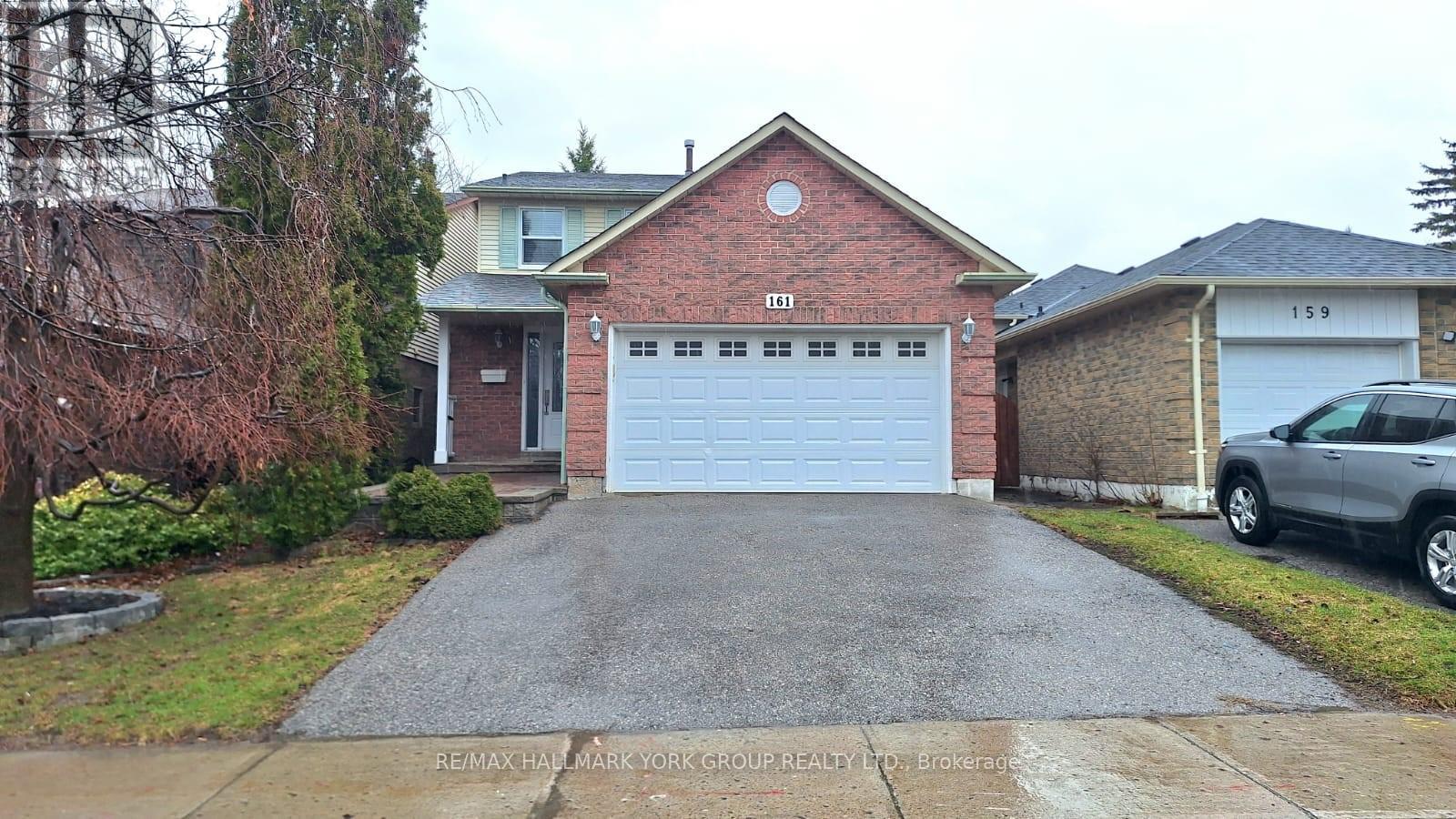 For Sale
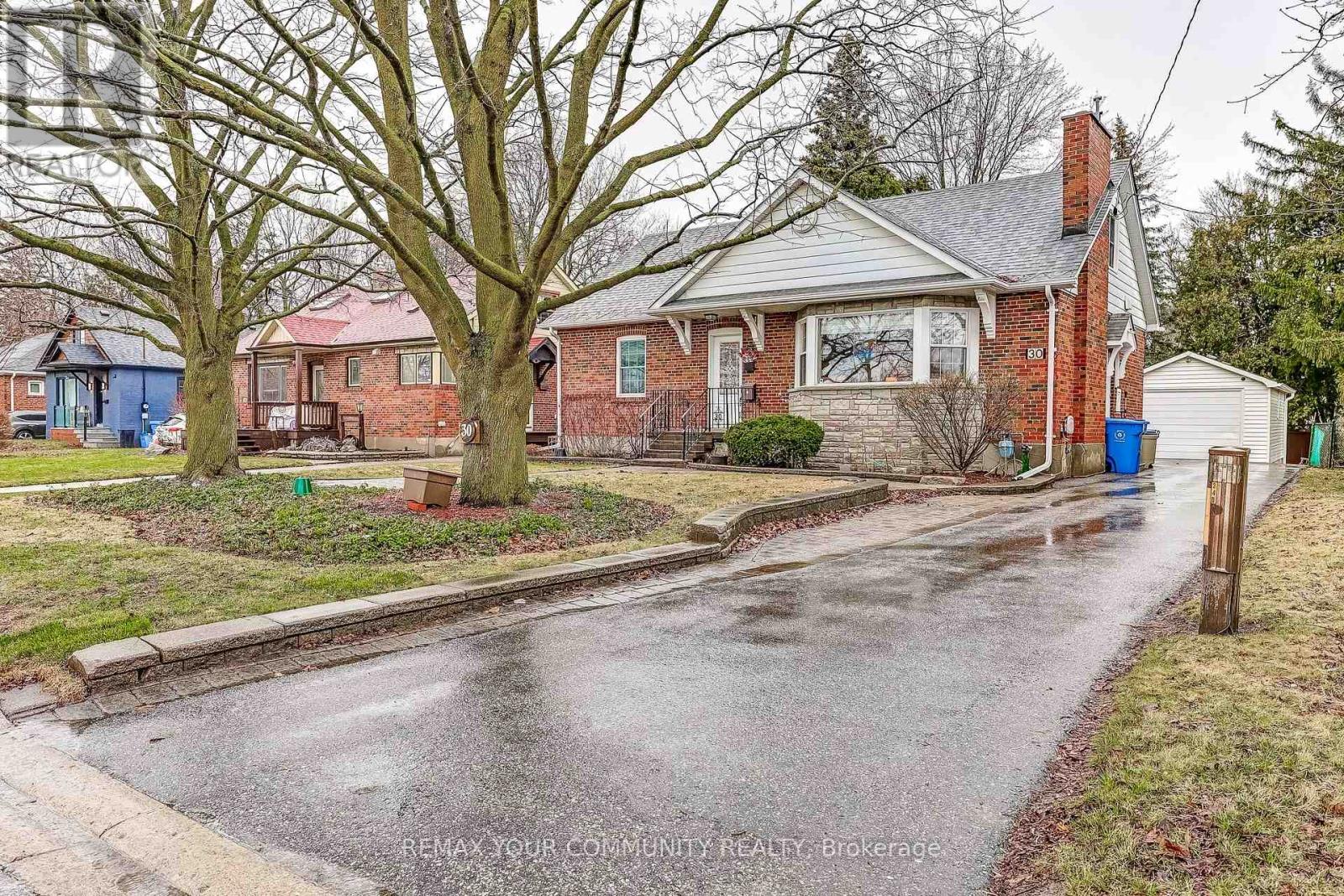 For Sale
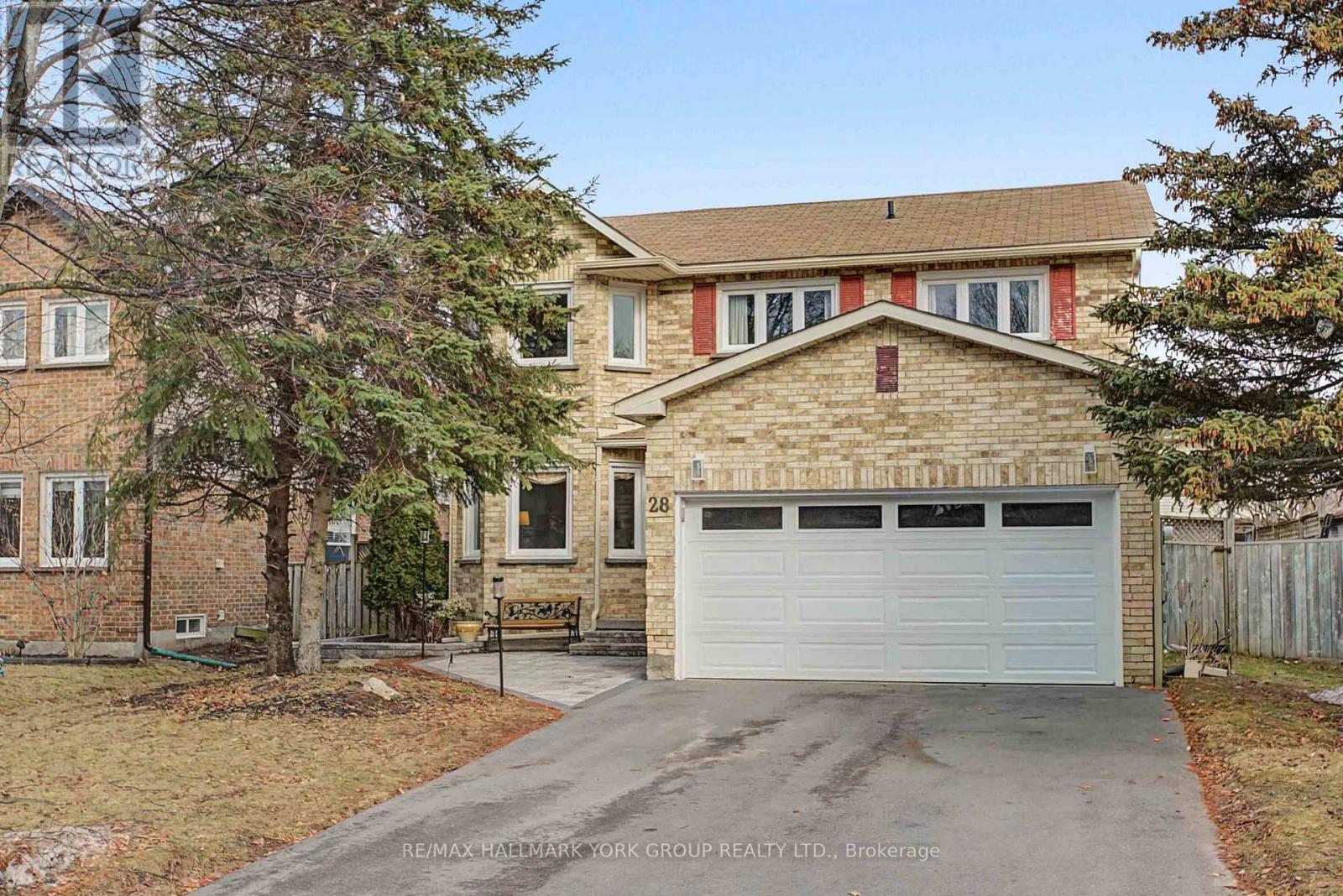 For Sale
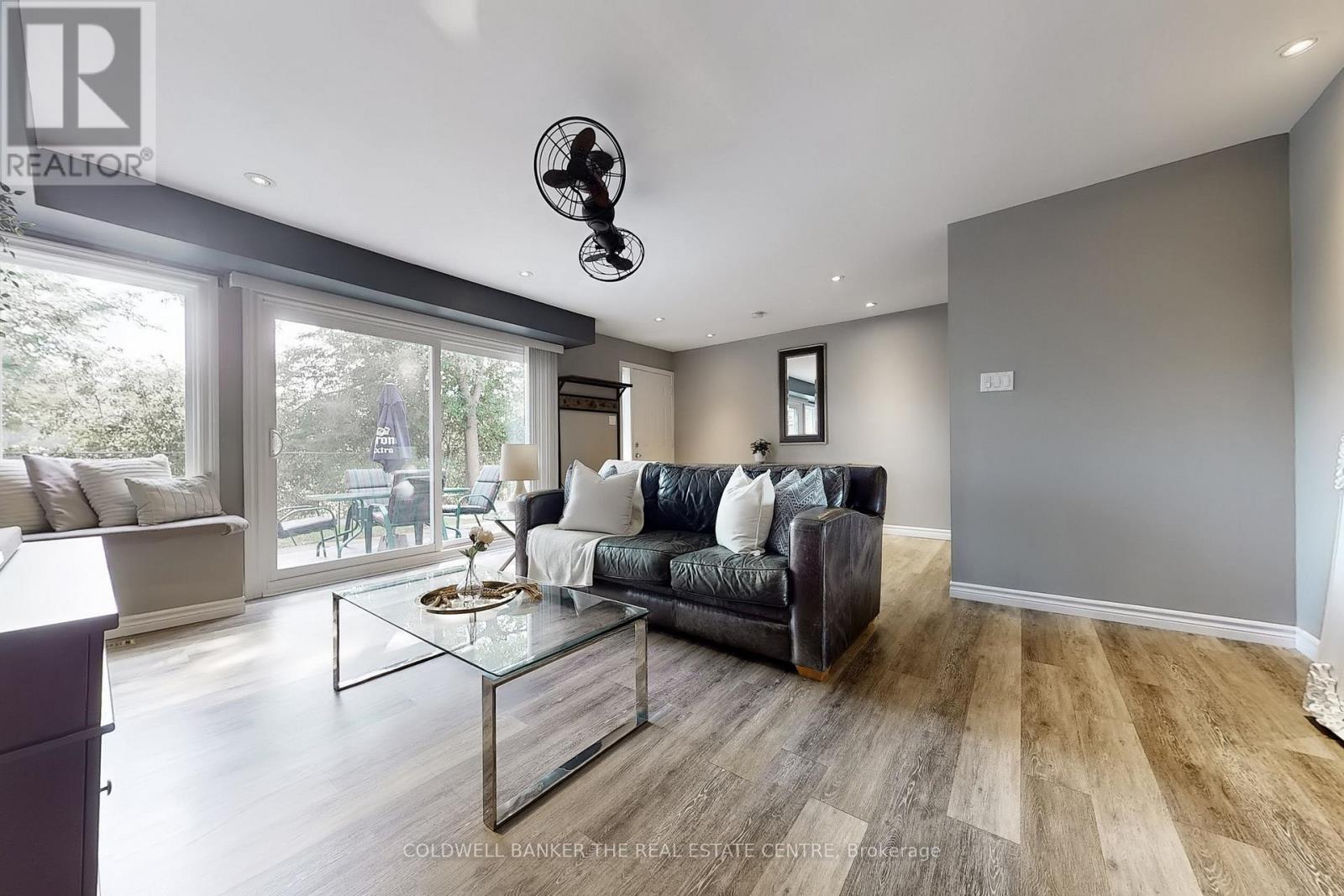 For Sale