
Aurora is the small town on Yonge Street between Richmond Hill and Newmarket, about 67,000 people on 50 square kilometres, with a heritage main street, Magna's head office and a GO station that reaches Union in about 50 minutes. Toronto buyers come for a four-bedroom house on a quiet street and a downtown that was built before the car. Against Toronto, a house here is about an eighth cheaper and a condo a little under a tenth cheaper. Today's Aurora listings follow this text.
Aurora sits on Yonge Street about 48 kilometres north of downtown Toronto, with Richmond Hill and Oak Ridges to the south, Newmarket to the north, Highway 404 as its eastern boundary and Bathurst Street as its western one. It covers about 50 square kilometres, less than a fifth of Vaughan, and the 2021 census counted 62,057 people. Statistics Canada’s estimate had reached about 67,000 by 2025. The town’s new official plan allows for 85,800 people by 2051.
The place began as Machell’s Corners in 1804 where Yonge Street crossed Wellington, took the name Aurora in the 1850s, incorporated as a village in 1862 and as a town in 1880. The railway arrived in 1853, and the station on Wellington Street East has been in use since. Northeast Old Aurora, the grid of Victorian houses east of Yonge and north of Wellington, is a provincial heritage conservation district, and the town won the Prince of Wales Prize for municipal heritage leadership in 2008. The result is a downtown built before the car, which most of the GTA’s suburbs don’t have.
Aurora is a house town. Nearly three houses come to market for every condo, a freehold costs about an eighth less than the Toronto average, and a condo a little under a tenth less. The house gap is narrower than Mississauga’s and wider than Vaughan’s, and Aurora’s stock mixes large 1990s and 2000s four-bedrooms with older, smaller houses near the core. The numbers next to this text are live and change every day.
Aurora Estates, the acre lots south of town toward Bloomington Road, is the most expensive neighbourhood with a page on this site, and prices there sit above the Toronto freehold average. Aurora Village and Aurora Highlands, the old town and the 1970s streets west of Yonge, carry the most listings and price near the town average. Bayview Wellington, Aurora Grove and Aurora Heights have the lowest averages. Close behind are the newer streets out toward Leslie and the 404, which the listing boards file under Rural Aurora.
The Victorian and Edwardian houses of the old town are within a few blocks of Yonge and Wellington, brick and clapboard on small lots, many of them inside the heritage district, which limits what you can change on the outside. West of Yonge, Aurora Heights and Aurora Highlands were built from the 1960s to the 1980s: bungalows, sidesplits and two-storeys on wide lots with mature trees, and Aurora Heights has one of the lowest averages in town. East of Bayview, Aurora Grove and Bayview Wellington came in the 1990s and 2000s: larger detached houses, freehold towns and condo townhouse blocks. The newest streets are north of Wellington and east of Bayview in the area the listings call Bayview Northeast, and out toward Leslie Street, where the 2010s and 2020s subdivisions hold the newest houses in Aurora.
Four-bedroom houses are the largest group for sale, about twice as many as three-bedrooms, and a four-bedroom costs about half again what a three-bedroom does. Five-bedrooms cost nearly double a three-bedroom, and that band is set by the estate lots of Aurora Estates and the Vandorf Sideroad area south-east of town, where a handful of properties list at several times the town average.
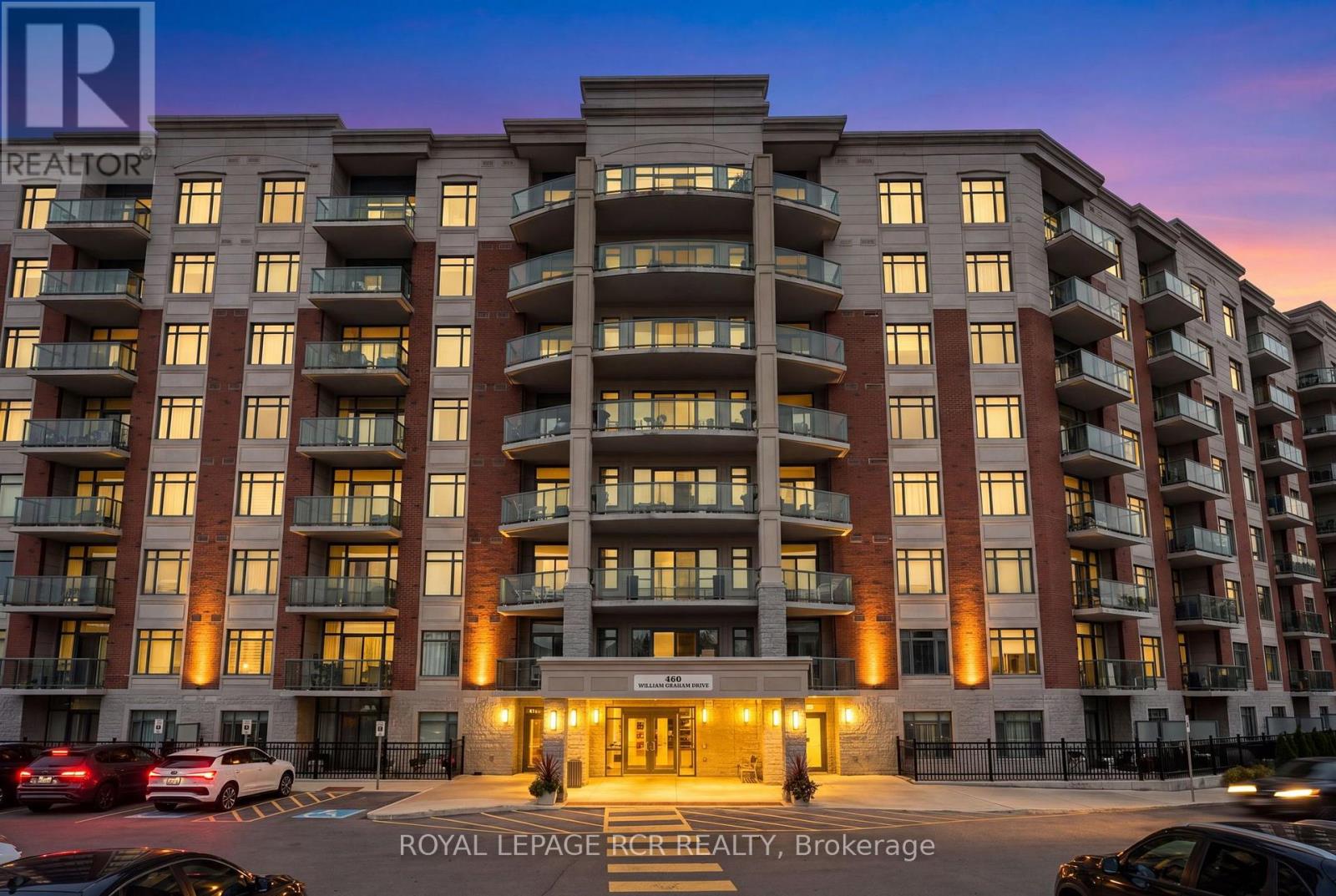
Condominiums are a quarter of the market and a specific one. Aurora Village has the most, in low- and mid-rise buildings near Yonge and the GO station, where a buyer trades space for a walk to the station and to Town Square. Bayview Wellington and Rural Aurora have most of the rest, in condo townhouses and newer low-rise buildings near the 404. Three-bedroom condos are as common here as two-bedrooms, and a two-bedroom costs only a little more than a one-bedroom, so a buyer who needs the extra room pays comparatively little for it. Aurora has no high-rise towers, and the seven-storey condominium at Highland Gate is tall for the town.
Estate lots are the top of the market. South of town along Yonge and Bathurst toward Bloomington Road, Aurora Estates sits on the Oak Ridges Moraine with acre and multi-acre lots, custom houses and the planning limits the moraine brings. Bayview Southeast, along Vandorf Sideroad, is the same product further east and dearer still.
Renting is possible but thin. Aurora has far more houses than condos for rent, and the two rent for almost the same money, so a house is the better deal for a renter here. A condo rents for about what a Toronto condo does. If you want to rent for a year before buying, the listings for rent show today’s asking rents.
Aurora rises and falls with Toronto. Interest rates and lending rules are identical from Steeles to Newmarket. What differs is the gap, about an eighth below the Toronto freehold average today, and whether it narrows or widens is the number to watch. The town has been gaining people steadily, about 5,000 between the census and 2025, and the official plan allows for more than 20,000 more by 2051, most of it in the areas it marks for growth.
Aurora Village and Aurora Highlands carry the most listings, about two in five of the town’s between them, and a family looking for a house near the core has the most choice there. The old town sells on character, and the heritage designation cuts both ways: it protects the street and limits what you can do to the house, so read the district plan before offering on a designated property. Aurora Highlands sells on lot size and trees.
The east side sells on newness. Aurora Grove, Bayview Wellington and Bayview Northeast have the houses with the open kitchens, the second ensuites and the double garages, on smaller lots. There are more of them, and they’re more alike, so a buyer there has more to compare. Rural Aurora, which on the listing boards means the newest subdivisions rather than farms, has the most new builds and prices under the town average.
The estate market is its own thing. Aurora Estates and the Vandorf Sideroad properties sell on land, privacy and the moraine’s protection, and no two are alike, so the buyer pool is small, and a sale takes longer whether you’re buying or selling.
Aurora is the turnback point for off-peak trains on the Barrie line, so it has the best service north of Vaughan. Metrolinx started building a second track and platform in 2023 for 15-minute all-day service, with no date. Don’t pay for the 15-minute train until it has a schedule.
Aurora’s buyers mostly come up Yonge Street from Richmond Hill, Thornhill and North York, for the house, the schools and the town, and families who grew up in Aurora buy their second house here rather than leave.
The town is affluent. The 2021 census put the average household income at $161,800, and the two large private schools, St. Andrew’s College and St. Anne’s School, bring families who choose the town for them. Chinese residents are the largest visible minority, at about 18 percent in 2021.
For about an eighth less than the Toronto freehold average, you get a four-bedroom house, a yard and a town with a Victorian main street, a cultural centre and a performance hall, a farmers’ market and a GO station you can walk to from a good part of it. What you give up is the city. Yonge Street is the only street of shops, the 404 is the only fast road, a night in Toronto means the hourly train home, and there’s no hospital in town; Southlake is in Newmarket.
A buyer who wants a tower with a gym or a 20-minute commute should look elsewhere. Aurora is a small town that costs like a suburb, and the people who are happiest here wanted the small town.
Seven Aurora neighbourhoods have their own page on this site. Listings also appear under three areas without a page yet: Bayview Northeast, Bayview Southeast and Hills of St Andrew.
Aurora Village is the old town: Yonge Street’s shops and restaurants, the Northeast Old Aurora heritage district, Town Square on Victoria Street, the GO station on Wellington East and the Victorian houses around them. It carries the most listings in Aurora and the largest share of the town’s condos, in buildings near Yonge and the station, and it prices near the town average, with a wide spread between a heritage house and a one-bedroom condo.
Aurora Heights is the 1960s and 1970s neighbourhood north-west of Yonge and Wellington, bungalows and sidesplits on wide lots within a walk of downtown, and one of the lowest averages in the town. Aurora Highlands, south-west of the centre around the former Highland Gate golf course, is the 1970s and 1980s family neighbourhood, with the Highland Gate redevelopment adding 159 houses, a seven-storey condominium and a 21-acre park in the middle of it. Only the Village has more listings.
Aurora Estates runs south from the Highlands along Yonge and Bathurst toward Bloomington Road on the Oak Ridges Moraine: acre lots, custom houses, Cardinal Carter Catholic High School and prices above the Toronto freehold average, the dearest neighbourhood with a page on this site. Hills of St Andrew, around the St. Andrew’s College campus on Yonge north of the centre, has a handful of large houses for sale at any time.
East of Bayview Avenue, Aurora Grove is a subdivision of detached houses with few listings and one of the lowest averages in the town. Bayview Wellington around the Bayview and Wellington intersection is the town’s 1990s and 2000s mixed neighbourhood: detached houses, freehold and condo towns, the shopping centres and the lowest average among the established neighbourhoods. Bayview Northeast, north of Wellington, is the 2010s subdivision where the new Dr. G.W. Williams Secondary opened in 2025, and Bayview Southeast along Vandorf Sideroad is estate country with the highest prices in the town.
Rural Aurora is the listing boards’ name for what’s left: the newest subdivisions toward Leslie Street and the 404, the industrial lands near the 404, and the farmland still waiting at the edges. Its listings are mostly new or nearly new houses and condo towns, priced under the town average.
On each page you’ll find the streets, the schools they feed, the bus and train options and the recent sale prices.
Aurora GO on Wellington Street East, between Yonge and Bayview, is the best-served station north of Vaughan on the Barrie line because off-peak trains turn back here. A southbound train reaches Union in about 50 minutes. Service runs every 15 to 30 minutes in the morning peak, every 30 minutes in the afternoon peak and hourly in both directions the rest of the day until late evening. Weekends are hourly, and every two hours after 2pm from September 2026 until spring 2027 while Metrolinx builds.
The station has 1,725 parking spaces and a heritage building from 1900. Construction began in August 2023 on a second track, a new platform reached by tunnels and a new pick-up area, the groundwork for 15-minute two-way service. There’s no date for that service.
Viva Blue is the other way south. The rapid bus runs down Yonge Street from Newmarket to the Finch subway station, with four Aurora stops at Wellington, Golf Links, Henderson and Bloomington, every 15 minutes on weekdays in this stretch. It’s slower than the train to downtown and far more frequent, and for Richmond Hill or York University it’s the practical route. York Region Transit’s local buses connect the east side to the GO station and Yonge.
Highway 404 is the eastern boundary, with interchanges at Wellington Street and Bloomington Road, and it is the drive to Toronto and Markham. Bathurst and Yonge run south to Richmond Hill, and Bloomington Road and Highway 9 reach Highway 400 to the west. The 404 south of Highway 7 and the 401 interchange are the slow part of any morning. Inside town, Wellington Street is the one east-west road through the centre and carries everything. The town is rebuilding the Yonge and Wellington intersection and redesigning the downtown Yonge streetscape.
Aurora is walkable in the old town and nowhere else. From Aurora Village and Aurora Heights you can walk to Yonge, Town Square and the station. From the east side you drive, and from Aurora Estates you drive to everything. Cycling runs on the Nokiidaa Trail north to Newmarket and on the town’s trail network, including the 7.5 kilometres being built through Highland Gate, and the town’s new official plan commits to more sidewalks and lanes.
The south of Aurora sits on the Oak Ridges Moraine, the ridge that feeds the headwaters of the Holland River and the East Humber, and the 2001 Oak Ridges Moraine Conservation Act closed more than nine-tenths of it to new development. Aurora Estates and Bayview Southeast are on it, which is why those neighbourhoods are acre lots under trees rather than subdivisions, and the Act is why they will stay that way.
Sheppard’s Bush, the conservation area on Industrial Parkway south of Wellington, is the town’s woodland: maple forest, trails, sports fields and a sugar bush that runs a maple syrup festival each spring. The Aurora Arboretum beside it is the town’s planting project along the Holland River headwaters. The Nokiidaa Trail follows the river north through Newmarket to Holland Landing, and it’s the long walk or ride from Aurora.
The town has been short of parkland for its growth and has started buying it. In 2023 and 2024 it bought 16 acres on the west side of Yonge north of Woodhaven and about 4 acres on George Street from the school board: 20 acres in all, for $13.9 million from its parkland reserve. Highland Gate’s 21-acre central park, the former golf course’s fairways kept as open space with 7.5 kilometres of trail, opened in June 2023.
Aurora Town Square at 50 Victoria Street, south-east of Yonge and Wellington, opened in September 2024: a 32,000-square-foot building with a performance hall and arts spaces, the Aurora Museum and Archives, a café and a 29,000-square-foot outdoor square for festivals and markets. If you’re choosing between the old town and the east side, spend a Saturday there before you decide.
Yonge Street through the old town is where Aurora eats and shops on foot: restaurants, cafés, independent shops and the Saturday farmers’ market in Town Park, in Victorian commercial buildings between Wellington and the north end of the heritage district. The town’s downtown plan, which it calls the Promenade, covers this stretch, and the 2026 budget funds a redesign of the streetscape. Everything else is in the shopping centres at Bayview and Wellington and along First Commerce Drive near the 404, and for a mall residents drive to Upper Canada Mall in Newmarket or down the 404 to Markham.
Aurora has no hospital. Southlake Regional Health Centre on Davis Drive in Newmarket is the town’s hospital, a short drive up Yonge or Bayview, with more than 400 beds, the Stronach Regional Cancer Centre and the regional cardiac program. Cortellucci Vaughan Hospital and Mackenzie Richmond Hill are the alternatives to the south.
Magna International is the employer that defines the town. Frank Stronach founded the auto-parts company in 1957, and its head office is on Magna Drive off Wellington Street East. It employed about 179,000 people worldwide in 2023 with revenue of about US$43 billion. TC Transcontinental runs a printing plant, the school boards and the two private schools employ many more, and the rest commute down the 404 or Yonge to Markham, Richmond Hill and Toronto.
Aurora’s public schools belong to the York Region District School Board and its Catholic schools to the York Catholic District School Board, and each board has an International Baccalaureate school in town. Dr. G.W. Williams Secondary is the public board’s, founded in 1888 as Aurora High School and moved in September 2025 into a new building on Bayview Avenue in Bayview Northeast, about three kilometres from the old site. Aurora High School on Wellington Street West is the other public high school and runs French immersion. Admission to the IB program is by application, open across the whole board, so a house next to Williams gives your child no claim on a seat.
Cardinal Carter Catholic High School on Bloomington Road West, opened in 1989, has about 1,350 students and offers the International Baccalaureate, and St. Maximilian Kolbe Catholic High School is the town’s other Catholic high school. Both boards publish an address lookup; boundaries move as the east side fills in, and a listing agent’s school claim should be checked against the lookup before you offer.
Aurora has two large private schools. St. Andrew’s College on Yonge Street, founded in 1899 and in Aurora since 1926, is a boys’ school for Grades 5 to 12 on a 126-acre campus with about 650 students, more than half of them boarders, and the Hills of St Andrew neighbourhood takes its name from the campus. St. Anne’s School is the town’s independent girls’ school. Families who choose either school often buy within a short drive of it.
Aurora has no college or university. Seneca’s King campus is a drive west, and York University is reached by Viva Blue to Finch and the subway. For a buyer that means no student-rental streets and no campus traffic.
Highland Gate is the project that changed a neighbourhood. The Highland Gate golf course in Aurora Highlands closed, and an Ontario Municipal Board mediation ended in a 2016 settlement between the town, the developer and the ratepayers. It is being rebuilt as 159 detached houses and a seven-storey condominium of 114 units, down from the 184 houses and 10 storeys first proposed, around a 21-acre central park with 7.5 kilometres of trail. The park opened in June 2023, the first phase of 44 houses is nearly complete and phases 2 to 4 are under construction.
Aurora Town Square opened in September 2024. The town is following it with the reconstruction of the Yonge and Wellington intersection and a redesign of the downtown Yonge streetscape, funded in the 2026 budget, under the Promenade community improvement plan.
On the east side, the Shining Hill plan of subdivision on St. Johns Sideroad, filed in March 2021, is under review, and SmartCentres has a proposal for its lands at Yonge and Murray Drive in the south of town. The new Dr. G.W. Williams Secondary opened on Bayview in September 2025. The town’s new official plan directs growth to the strategic growth areas and to gentle intensification in existing neighbourhoods, toward 85,800 people and 41,600 jobs by 2051.
At the GO station, Metrolinx’s second track, new platform and tunnels have been under construction since August 2023 toward 15-minute two-way service with no opening date. Weekend trains run every two hours after 2pm until spring 2027 while the work goes on. A buyer in Aurora Village today is buying the hourly train and the promise of more.
Is Aurora cheaper than Toronto?
Yes, by about an eighth for a house and a little under a tenth for a condo, and the saving is smaller than Mississauga’s and larger than Vaughan’s. Aurora’s houses are a mix: large 1990s and 2000s four-bedrooms on the east side, 1960s and 1970s houses on wide lots west of Yonge, Victorian houses in the heritage district and acre lots on the moraine, so the average sits a little under Toronto’s. The gap disappears in Aurora Estates and Bayview Southeast, which price above the Toronto average because they’re estate neighbourhoods. The lowest averages are in Bayview Wellington, Aurora Grove and Aurora Heights, with the newest subdivisions listed under Rural Aurora close behind. Condos are fewer and the gap is narrower; Aurora has no towers, and its condos are low-rise buildings and townhouses near Yonge and near the 404.
Two costs cut against that saving. Property tax in Aurora rose 2.2 percent on the town’s share for 2026, about $57 a year on a house assessed at $800,000, with York Region’s share up about 4.3 percent on top. And most households here need two cars, with no subway and an hourly train. Put both into the budget before you compare mortgages. Live prices that update daily are carried on each neighbourhood page, and on this one.
How long is the commute from Aurora to downtown Toronto?
Roughly 50 minutes on the GO train from Aurora station to Union, or a drive down the 404 to the 401 or the Don Valley that is slow in the morning peak. Aurora is the turnback station for off-peak trains on the Barrie line, so it has hourly service in both directions all day and evening, every 15 to 30 minutes southbound in the morning peak and every 30 minutes northbound in the afternoon peak. That is better than any station north of it and the same as Maple and Rutherford in Vaughan, just further out. Weekend trains run hourly, and every two hours after 2pm from September 2026 to spring 2027 while Metrolinx builds the second track and platform that are meant to bring 15-minute service, with no date attached.
The station has 1,725 parking spaces and sits on Wellington Street East within a walk of the old town, so a house in Aurora Village or Aurora Heights can mean a commute without a car at either end. From the east side you drive to the station or take a York Region Transit bus. Viva Blue runs down Yonge to Finch station every 15 minutes, slower to downtown than the train but the practical route to Richmond Hill and York University. If you drive, the 404 is the only fast road, and the 404 south of Highway 7 is the slow part of the morning. A buyer who will commute downtown every day should look at Aurora Village, Aurora Heights and the Wellington side of Aurora Highlands first.
Which Aurora neighbourhoods are best for families?
Families gravitate to Aurora Highlands, Aurora Grove, Bayview Wellington, Bayview Northeast and Aurora Heights, and the choice is mostly about age of house and side of Yonge. Aurora Highlands west of Yonge has 1970s and 1980s houses on wide lots with mature trees, the Highland Gate park and trails in the middle of it and a walk to the old town from its eastern streets, and only the Village has more listings. North of Wellington, Aurora Heights is the same era, closer to downtown and the GO, at one of the lowest averages in Aurora. Aurora Grove and Bayview Wellington east of Bayview have the 1990s and 2000s houses with open kitchens, second ensuites and double garages, near the shopping centres, and Bayview Wellington has the lowest average among the established neighbourhoods.
Bayview Northeast is the newest, with the new Dr. G.W. Williams Secondary and its IB program opened in 2025, and it has no page here yet. The old town in Aurora Village gives a family a Victorian house and a walk to everything at the cost of a small lot and heritage rules. Which school a house feeds is set by the board’s boundary, not the neighbourhood name, and each board has an address lookup for it. The IB program at Williams and Cardinal Carter admits by application, and the private schools, St. Andrew’s and St. Anne’s, draw families of their own. Check the house, not the neighbourhood.
What is changing in downtown Aurora?
The changes are Town Square, the Yonge Street rebuild and a mid-rise condominium at Highland Gate. Aurora Town Square at 50 Victoria Street opened in September 2024: a 32,000-square-foot building with a performance hall and arts spaces, the Aurora Museum and Archives, a café and a 29,000-square-foot outdoor square for festivals and markets. The town is now rebuilding the Yonge and Wellington intersection and redesigning the downtown Yonge streetscape under its Promenade community improvement plan, with money in the 2026 budget. Across the heritage district, the Northeast Old Aurora designation protects the Victorian streets and limits what owners can change, so the character the Village sells on is locked in.
The town is also buying parkland after years of falling short: 20 acres in 2023 and 2024, on Yonge north of Woodhaven and on George Street, for $13.9 million. The seven-storey Highland Gate condominium of 114 units, south-west of Yonge in Aurora Highlands and cut from 10 storeys in the 2016 settlement, is tall for Aurora. SmartCentres’ proposal at Yonge and Murray Drive is the next one to watch. For a buyer, the effect is that Aurora Village and the Wellington side of Aurora Heights and Aurora Highlands are the neighbourhoods where the town is spending its money. If you want the downtown, buy within a walk of Town Square and the station, and read the heritage district plan before you offer on a designated house.
Three things decide an Aurora purchase that nobody learns selling houses in Toronto. The Northeast Old Aurora heritage district limits what you can do to a designated house. Dr. G.W. Williams moved to Bayview Avenue in September 2025 and its IB program admits by application, so an address near the school buys nothing by itself. And the Highland Gate land in the Highlands is still being built, so one crescent gets the new park and the next gets the trucks.
The agent we refer Aurora buyers to works inside those facts every week. A brief might be a renovated 1970s house in Aurora Heights within a walk of the station, or an acre in Aurora Estates where the moraine rules allow the garage you want. They’ll bring the heritage file, the boundary map and the last three sales on the street before you offer.
The seven neighbourhood pages above are the place to begin. When you have a shortlist, get in touch, and we’ll introduce you.
Street-level knowledge is hard to find online. Our team works in Aurora every day. They know which pockets hold value, where the school catchment lines actually fall, and what the market is doing right now. Talk to us before you make a decision about Aurora.
Talk to a local agent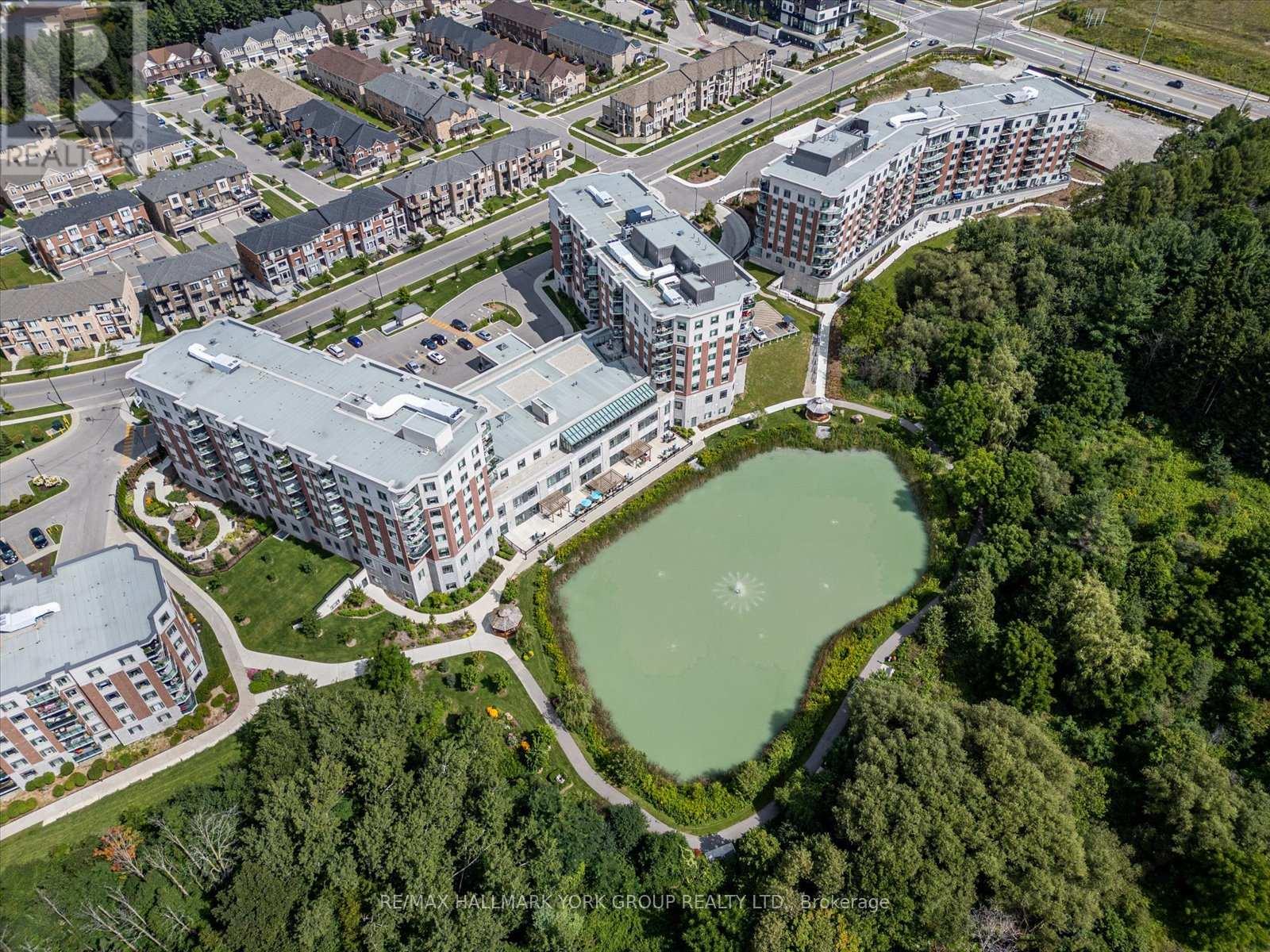 For Sale
 For Sale
 For Sale
 For Sale