
Avondale is an established residential neighbourhood in central-east Brampton near Queen Street and Kennedy Road. The 1960s-1970s bungalow and semi-detached stock offers larger lots and mature trees at prices that remain competitive within Brampton.
Avondale sits in central-east Brampton, bordered roughly by Queen Street East to the south, Kennedy Road to the east, and the older residential grid that filled in during the 1960s and 1970s. It’s one of the city’s established neighbourhoods, which means mature trees, larger lots by current Brampton standards, and a built form that has stayed largely intact while the subdivisions further north and east have transformed the city around it. Buyers who find Avondale tend to be surprised by how much lot they get for the money compared to newer areas.
The appeal here is straightforward: proximity to transit and services at a price below the Brampton average. Bramalea GO Station on the Kitchener line is within a few kilometres, making this one of the more commuter-friendly parts of the city for people whose jobs are downtown Toronto. Queen Street carries Brampton Transit service, and the Bramalea City Centre is close enough to cover most retail needs. The streets are quiet, predominantly owner-occupied, and diverse in the way that much of central Brampton is diverse, with South Asian families who arrived in the 1980s and 1990s alongside longer-term residents and newer arrivals. That mix has produced a stable neighbourhood with reliable services and schools that know their communities well.
Avondale’s housing prices reflect its position as one of the more affordable established neighbourhoods in Brampton. In 2024 and into 2025, detached bungalows in Avondale have been trading in the $750,000 to $900,000 range depending on lot size, condition, and whether the basement has been finished. Two-storey detached homes on the larger lots push closer to $950,000 to $1.1 million. Semi-detached homes, which make up a meaningful share of the stock here, have been selling between $680,000 and $800,000 — competitive relative to newer builds in Brampton’s outer wards, where the same money buys a newer but smaller footprint on a tighter lot.
The housing stock itself dates primarily from the 1960s and 1970s. Bungalows dominate, many of them with side-split or back-split configurations that were standard for the era. Lot sizes are generally generous by current standards — 40 to 50 feet of frontage is common, and some corner lots are considerably larger. Buyers should expect that kitchens and bathrooms in uninvested properties will need attention, but the bones are typically solid: older brick construction, larger rooms than you find in newer builds, and mature landscaping that a new subdivision simply cannot replicate for years.
Rental activity in Avondale is steady. Basement apartments are common in the bungalow stock, and many buyers purchase specifically to offset carrying costs with rental income. The proximity to Bramalea City Centre and the Queen Street bus corridor makes basement units attractive to renters without cars. This dynamic has supported prices through the rate increases of 2023 and 2024, as investor interest remained relatively consistent.
Multiple offers are still possible on well-priced properties, particularly bungalows under $850,000, but the market has normalised enough that buyers with financing in order have room to conduct proper due diligence. Conditional offers on home inspection have returned as a standard practice in this price range, which represents a meaningful shift from the 2021-2022 peak.
The Avondale market through 2024 and into 2025 has been characterised by steady demand and constrained supply — a combination that has kept prices relatively firm even as Brampton’s broader market digested the impact of higher borrowing costs. The neighbourhood does not produce many listings: turnover among the original owner demographic is slow, and the investor-owned rental properties rarely come to market. When something is listed, particularly a bungalow in original condition with a legal basement apartment, it tends to attract multiple offers within the first two weeks.
Days on market for Avondale has averaged in the 18 to 28 day range through much of 2024, which is longer than the frenetic pace of 2021 but well below the 45 to 60 day averages seen in some of Brampton’s newer subdivisions where supply is heavier. The difference is inventory: Avondale’s older grid does not add new product, so demand meets a fixed pool of existing homes rather than competing with new construction.
Price corrections from the 2022 peak have been moderate in this segment. Detached bungalows gave back roughly 10 to 15 percent from peak valuations, and by late 2024 had recovered most of that ground as rate expectations shifted. The semi-detached segment showed similar resilience, in part because the entry-level price point keeps demand broad — these are not properties that depend on a narrow buyer profile.
Listing agents working Avondale have noted that properties needing cosmetic updating are pricing more realistically than they were in 2022, when buyers overlooked condition entirely. Today, a kitchen or bathroom in poor condition is being reflected in negotiated price more consistently. That creates genuine opportunity for buyers willing to renovate, as the gap between a turn-key Avondale home and a project property is currently wide enough to fund a meaningful renovation and still come out ahead of buying new elsewhere.
The typical Avondale buyer in 2024 and 2025 falls into one of three categories, and understanding which category you are in shapes how you should approach the neighbourhood. The first is the first-time buyer, often a family that has been renting in Brampton or Mississauga and is looking for a detached or semi-detached home with a basement apartment to help carry the mortgage. The proximity to the Queen Street corridor, the relatively affordable entry point, and the established schools all work in their favour. These buyers are competing most directly with each other on the bungalow stock under $850,000.
The second category is the move-up buyer from within Brampton — someone who started in a condo or townhome in a newer part of the city and now wants a larger lot and a quieter residential street. These buyers often have equity from their first purchase and are looking for something with more outdoor space and more room. They tend to gravitate toward the two-storey detached stock and are less focused on the basement rental potential than the first-time buyer cohort.
The third category is the investor, typically local and typically focused on the bungalow with a finished basement. The math works well enough at current prices: a legal two-unit bungalow in Avondale can generate $2,800 to $3,200 per month in combined rent on a home purchased in the $800,000 range, which does not fully cover a current mortgage but meaningfully offsets it. Investors in this neighbourhood tend to hold rather than flip, which contributes to the low inventory dynamic described in the market section.
What all three buyer types share is a preference for established neighbourhood character over the newer master-planned communities. Buyers who choose Avondale have typically looked at the Brampton North and Bram East subdivisions and decided they would rather have mature trees and a real streetscape than a wider garage and a newer kitchen.
The streets that generate the most consistent interest in Avondale run in the grid east of Kennedy Road and north of Queen Street. Abell Drive and the surrounding crescents and courts offer the classic Brampton bungalow experience: wide lots, mature trees, and the kind of quiet residential street that simply does not get built anymore. Homes on the interior courts are particularly popular with families because the limited through-traffic makes them genuinely safe for children, and the lots are often irregular enough to offer more backyard space than the address suggests.
Kennedy Road itself is not a street where you want to live — the traffic volume is significant and the commercial uses along its length make for a less residential feel — but the streets that run off it to the west, particularly in the blocks between Queen Street and Sandalwood Parkway, represent some of the better value in central Brampton. Buyers who approach from the map alone sometimes overlook these streets because they read as close to Kennedy. In practice, one block off Kennedy in this grid is a different world: quiet, owner-occupied, and well-maintained.
The southern portion of Avondale, closer to Queen Street, attracts buyers who prioritise transit access. The Queen Street BRT corridor makes this part of the neighbourhood genuinely convenient for non-drivers, and the commercial uses along Queen Street mean that daily errands are walkable. The trade-off is more road noise and a slightly more urban feel than the northern blocks.
The best pockets tend to be the streets where original owners have clearly invested over the decades — updated exteriors, maintained landscaping, newer windows. These blocks have a self-reinforcing quality: when most of the homes on a street are well-kept, the outliers get brought up to standard faster. Buyers should walk the specific block before making an offer, not just the general neighbourhood.
Transit access in Avondale is solid by Brampton standards, which means it works well for trips along the Queen Street and Kennedy Road corridors and somewhat less well for anything requiring a transfer. The Queen Street Zum BRT is the backbone of transit in this part of the city: dedicated bus lanes along Queen Street connect Avondale westward toward downtown Brampton and eastward toward Kennedy Road and beyond. Zum Route 501 along Queen Street runs frequently enough — every 7 to 10 minutes during peak hours — that it functions as a genuine alternative to driving for many trips.
Kennedy Road is served by Brampton Transit Route 2, which runs north to south and connects to the Bramalea GO Bus Terminal and Bramalea City Centre. From the terminal, GO Bus service connects to York Region and to Union Station in Toronto, though the commute time to downtown Toronto by transit from Avondale is typically 75 to 90 minutes including the walk and wait portions. This is a realistic number, not a best-case scenario, and buyers commuting to downtown Toronto should factor it into their decision.
Driving is substantially faster for most destinations. Highway 410, the main north-south spine for central Brampton, is accessible via Queen Street in under 10 minutes in normal conditions. From 410 south, the connection to Highway 401 and the broader 400-series highway network takes another 10 to 15 minutes. The 407 ETR is accessible farther west, which is relevant for Avondale residents commuting to the employment corridors in Mississauga, Burlington, or the airport area.
Parking is not an issue in Avondale. Almost every property has a driveway, and many have detached garages. On-street parking is available and rarely constrained. This is a car-dependent neighbourhood at its core, and buyers who do not own a car should be honest with themselves about whether the transit network will meet their daily needs.
Parks in Avondale are neighbourhood-scale rather than destination parks — which is exactly what most families with young children want. The area is served by several smaller parks and green spaces that function as the backyard extensions for the many homes with modest lots. These parks are typically equipped with playground equipment, open grass areas for informal sports, and the kind of mature canopy that makes them genuinely pleasant on hot summer days rather than the exposed, shadeless installations you find in newer subdivisions where the trees have not yet grown in.
Chinguacousy Road to the west connects to the broader Chinguacousy Park system, which is one of Brampton’s major recreational assets. The main Chinguacousy Park on Bramalea Road includes a water park, skating rink, tennis courts, greenhouse, and extensive walking trails. It is large enough that it does not feel crowded on a summer weekend, and the programming through the City of Brampton parks department is active through all seasons. Avondale residents can reach it by car in under 10 minutes or by transit on the Kennedy Road or Bramalea Road routes.
Peel Village Golf Course is a nine-hole public course that sits not far from the Avondale area, and the recreational amenities at Bramalea City Centre — including the Professors Lake Recreation Centre nearby — expand the options available to residents. Professors Lake itself, a former sand quarry that became a popular recreational lake, is a few minutes’ drive north and offers swimming, fishing, and picnic areas.
The green space situation in Avondale rewards those who look beyond the immediate neighbourhood. The local parks cover everyday needs, and the broader Brampton parks network fills in the gaps for anyone wanting more organised recreation. The City of Brampton generally maintains its park infrastructure well, and Avondale benefits from being an established area where the parks have been in place long enough to develop some character.
The retail situation for Avondale is anchored by Bramalea City Centre, one of Peel Region’s largest shopping malls, which sits within a short drive of the neighbourhood. The mall covers the full range of national retailers, a food court, major anchors including a large grocery component, and the kind of concentrated commercial density that makes it useful even for people who do not particularly enjoy shopping malls. For residents without a car, the Bramalea City Centre transit terminal adjacent to the mall makes it accessible by Brampton Transit without a transfer.
Queen Street provides the day-to-day retail layer: grocery stores, pharmacies, banks, and the ethnic grocery and specialty food retailers that reflect Brampton’s demographic makeup. South Asian grocery stores, Indian sweet shops, and Jamaican food markets are all present along the Queen Street corridor, which makes Avondale particularly convenient for families whose regular shopping extends beyond the national chain supermarkets. This commercial mix along Queen Street is one of the neighbourhood’s underrated practical advantages.
Kennedy Road adds another commercial layer with strip plazas serving the immediate area. These are not destination retail — they are the convenience tier: a gas station, a pharmacy, a fast food option, a cell phone store. Functional rather than interesting, but useful for the daily rhythm. The combination of Bramalea City Centre for major shopping and Queen Street for everyday needs means that Avondale residents rarely need to travel far for routine purchases.
Restaurants in and around Avondale reflect Brampton’s culinary diversity more honestly than almost anywhere else in the GTA. The concentration of South Asian restaurants, from Punjabi dhabas to more formal dining rooms, along the Queen Street and Kennedy Road corridors is genuine and well-established rather than performative. This is a neighbourhood where you can eat very well without spending very much, which is a real quality-of-life advantage.
Schools serving Avondale fall under the Peel District School Board (PDSB) for the public system and the Dufferin-Peel Catholic District School Board (DPCDSB) for the Catholic system. The neighbourhood is in an established part of Brampton where the schools themselves are older, which means they are typically larger buildings with more outdoor space than the newer schools built to current minimum standards, but it also means that some facilities are due for capital renewal.
Public elementary schools in the Avondale catchment have historically dealt with the demographic pressures that come from being in a high-density immigration destination city: larger class sizes, significant ESL enrolment, and the resource demands that come with serving a population where many students are newcomers to Canada and to the English language. The PDSB has been working through its school consolidation process in recent years, which has affected some Brampton schools, and buyers should verify current catchment boundaries directly with the board before finalising a purchase decision.
Secondary school options in this part of Brampton are served by Bramalea Secondary School and Central Peel Secondary School, both of which are comprehensive high schools with the full range of academic, applied, and vocational programming. Both schools are accessible by transit from Avondale. Catholic families are served by schools within the DPCDSB system, including Cardinal Leger Secondary School.
Private and independent school options exist within Brampton but are not concentrated in this part of the city. Families for whom private education is a priority typically drive to schools in Mississauga or along the Highway 10 corridor. The public and Catholic systems are the practical reality for most Avondale families, and both systems produce capable graduates. The variation in school quality within Brampton is real, and families should review Fraser Institute ratings and EQAO data alongside catchment maps when evaluating specific streets.
Avondale is not a neighbourhood in the midst of rapid redevelopment, which is one of its defining characteristics relative to other parts of Brampton. The built form is stable: the bungalow-and-semi grid laid down in the 1960s and 1970s is unlikely to be replaced wholesale, and the city’s intensification focus has largely targeted the transit corridors — Queen Street, Kennedy Road, Main Street — rather than the residential interiors behind them. That means the neighbourhood character buyers are purchasing today is unlikely to change dramatically in the near term.
What is happening is incremental intensification along the edges. The Queen Street corridor is designated for higher-density development in Brampton’s official plan, and several sites along Queen Street in the broader area have seen or are seeing mixed-use and apartment proposals advance through the planning process. This is generally positive for Avondale residents: it adds transit ridership that supports better service frequency, adds retail customers that support the commercial strips, and adds housing supply that does not directly replace the existing residential fabric.
The more significant development story for Avondale is the ongoing transformation of Bramalea City Centre and its surrounding lands. The mall is, like many enclosed regional malls in Ontario, the subject of long-term redevelopment discussions. Future mixed-use intensification of mall properties around Bramalea would add density and potentially improve the transit hub that serves Avondale residents today. Any such development is likely a decade or more away from materialising at scale, but it is worth noting as a potential long-term positive for property values in the surrounding neighbourhood.
Buyers purchasing in Avondale today are buying stability rather than transformation. That is a legitimate investment thesis: the neighbourhood’s established character, mature tree canopy, and proximity to anchored retail and transit means it is unlikely to decline, even if it is equally unlikely to see the rapid appreciation that comes with a major development catalyst.
Q: What is the typical price range for a detached home in Avondale, Brampton in 2025?
A: Detached bungalows in Avondale have been selling in the $750,000 to $900,000 range through 2024 and into 2025, depending on lot size, condition, and basement finishing. Two-storey detached homes on larger lots are generally in the $950,000 to $1.1 million range. Semi-detached homes trade between $680,000 and $800,000. These prices are lower than comparable-sized homes in newer Brampton subdivisions like Bram East or Brampton North, reflecting the older condition of the housing stock. The trade-off is larger lots, mature trees, and established neighbourhood character that newer builds cannot offer. Buyers willing to renovate can find genuine value here relative to purchasing new construction elsewhere in Brampton.
Q: Are there good transit options for commuting to Toronto from Avondale?
A: Transit from Avondale to downtown Toronto is possible but requires commitment. The Queen Street Zum BRT connects to downtown Brampton, where riders can transfer to GO Transit on the Kitchener line. The full commute to Union Station from Avondale by transit is realistically 75 to 90 minutes each way, including walking and waiting time. This is manageable for some commuters but a significant daily time investment. Driving is considerably faster for most Toronto destinations: Highway 410 south to 401 east gets you to the western edge of Toronto in 25 to 35 minutes in normal off-peak conditions. Buyers who commute to downtown Toronto regularly should honestly assess the transit time before purchasing in this neighbourhood rather than assuming it will be acceptable.
Q: Is Avondale a safe neighbourhood in Brampton?
A: Avondale is a stable, established residential neighbourhood with a predominantly owner-occupied housing stock, which correlates with lower crime rates in Canadian urban research. It does not have the reputation of some of Brampton’s more troubled pockets. Like any city neighbourhood, the specific block matters more than the general area designation — some streets are quieter and more owner-dominated than others. Brampton overall has a higher-than-average property crime rate by Ontario standards, and Avondale is not exempt from the auto theft issues that affect Peel Region broadly. Buyers should review Brampton Police Service community safety data for specific addresses and speak with neighbours during their visits to get a realistic picture of day-to-day conditions on the specific streets they are considering.
Q: What should I look for when buying an older bungalow in Avondale?
A: The 1960s and 1970s bungalow stock in Avondale is generally well-constructed, but age creates specific inspection priorities. Knob-and-tube wiring is present in some of the older homes and will require replacement before most insurers will cover the property — this is a significant cost item. Older plumbing, particularly in homes that have not had bathrooms or kitchens updated, may include galvanised steel supply lines that reduce water pressure and eventually fail. The foundation is worth specific attention: basement dampness and minor cracking are common in this era and geography, and a qualified home inspector should assess the drainage situation. Asbestos-containing materials (floor tiles, pipe insulation, drywall compound) are possible in pre-1980 construction and may not need immediate action if undisturbed but should be identified. Budget $25,000 to $50,000 for a proper cosmetic renovation of an uninvested bungalow, over and above any mechanical or structural items uncovered in inspection.
Buying in Avondale rewards preparation. The neighbourhood does not list heavily, which means the right property can go quickly when it appears, and buyers who have not done their homework on pricing, condition expectations, and financing tend to either miss opportunities or overpay in the moment. Working with a buyer’s agent who has transacted in central Brampton specifically — not just the broader Peel Region — makes a meaningful difference in how quickly you can move and how confidently you can negotiate.
The specific knowledge that matters in Avondale includes familiarity with the bungalow product: which streets have the better lot sizes, which basement configurations lend themselves to legal secondary suites, and which inspection issues are routine versus serious. An agent who has walked through dozens of these homes has pattern-recognition that a general buyer does not, and that translates directly into better offer decisions. It also translates into a realistic renovation budget conversation before you make the offer rather than after.
Avondale is a neighbourhood where off-market and pocket listings are not uncommon, particularly for the original-owner properties that never get formally listed. Agents with strong community relationships in this part of Brampton occasionally hear about homes before they are listed, and that early access matters in a low-inventory environment. Ask any agent you are considering whether they have specific experience and relationships in central Brampton, not just broad Brampton experience.
The buyer’s agent relationship in this price range costs you nothing directly: the buyer’s agent commission is structured into the transaction. What it buys you is representation, local knowledge, negotiation experience, and access to a professional network that includes home inspectors, lawyers, and mortgage brokers who know this market. Use that advantage. TorontoProperty.ca’s buyer’s agents work across Brampton with specific focus on established neighbourhoods like Avondale — get in touch to start the conversation.
Street-level knowledge is hard to find online. Our team works in Avondale every day. They know which pockets hold value, where the school catchment lines actually fall, and what the market is doing right now. Talk to us before you make a decision about Avondale.
Talk to a local agent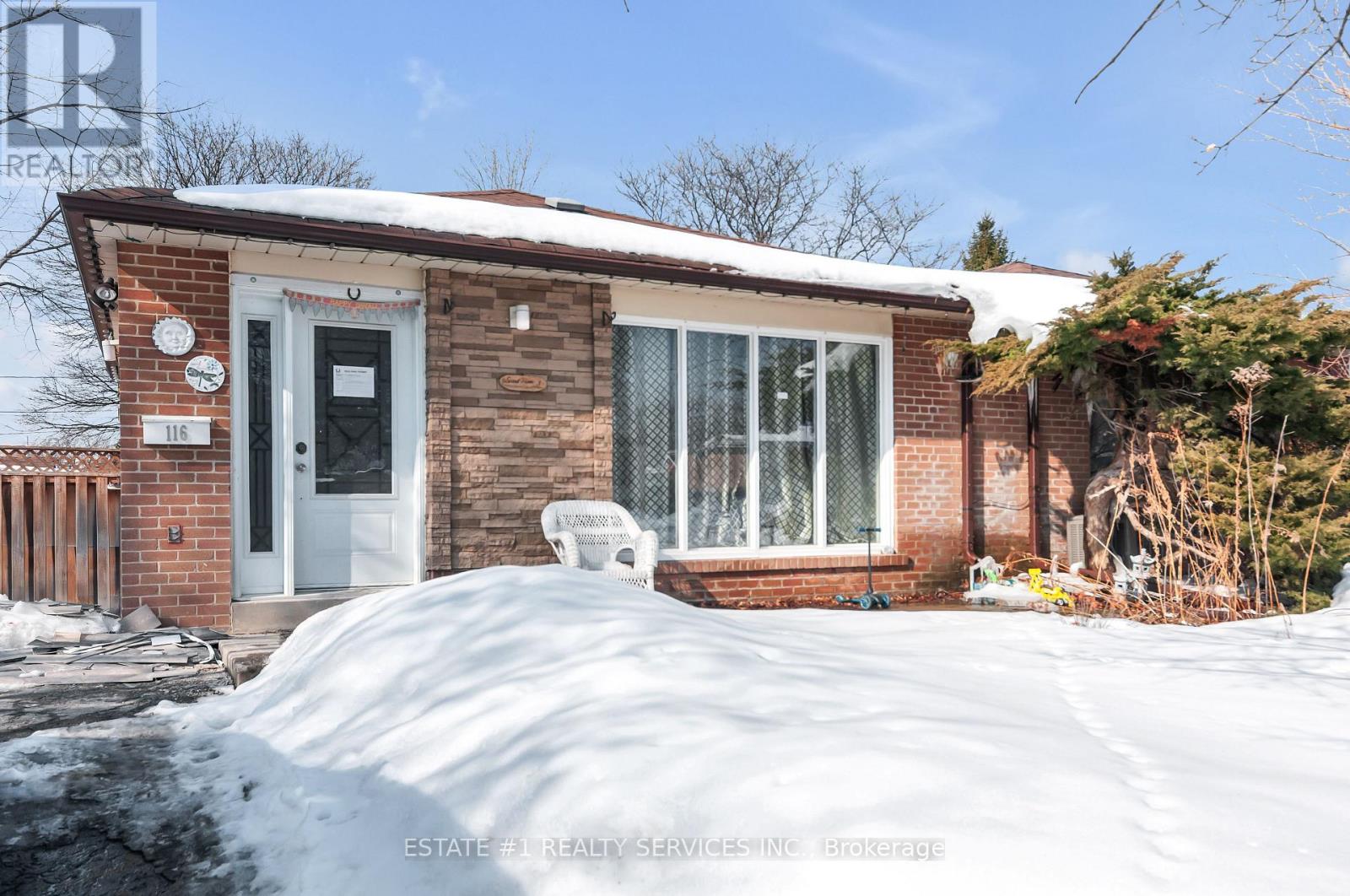 For Sale
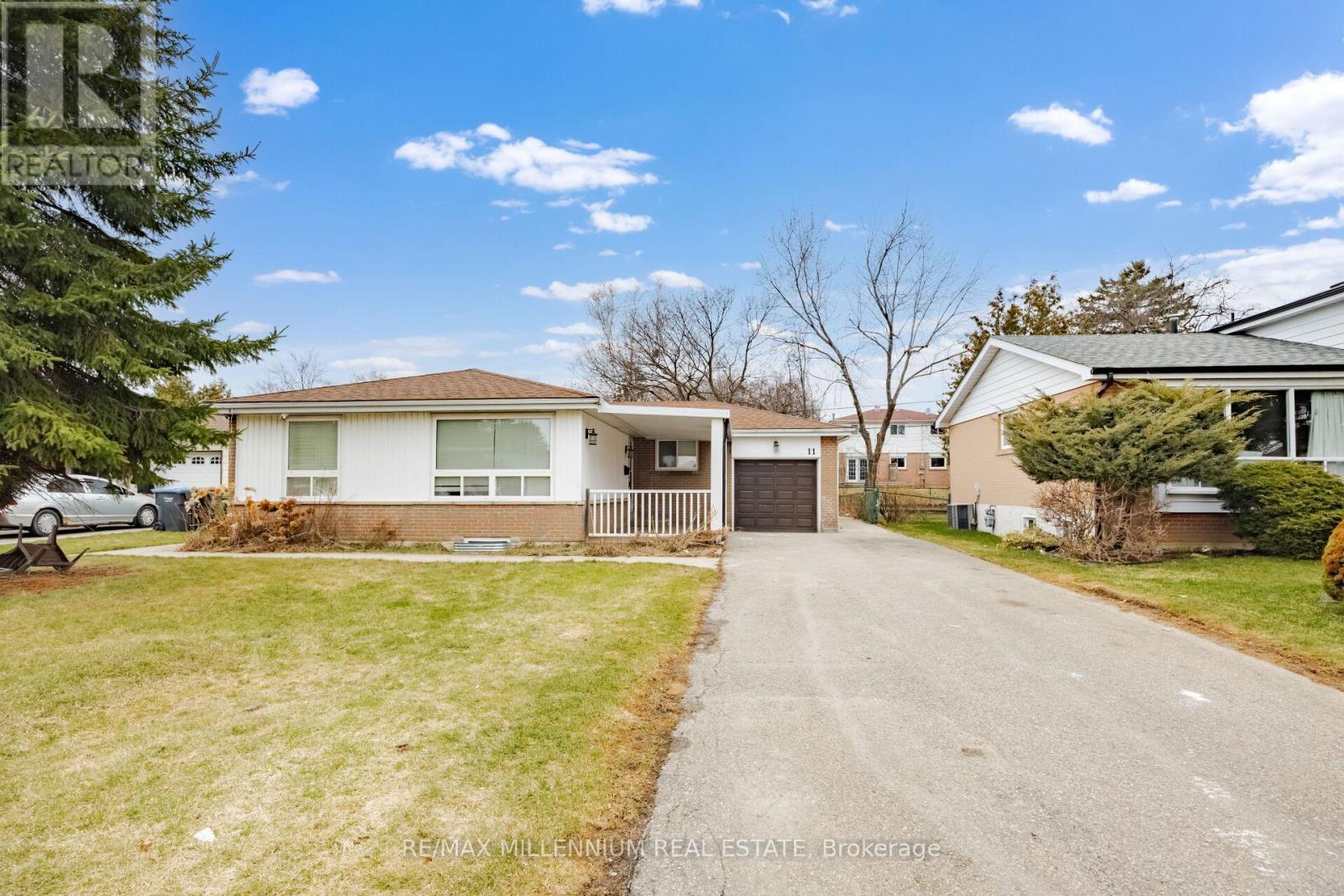 For Sale
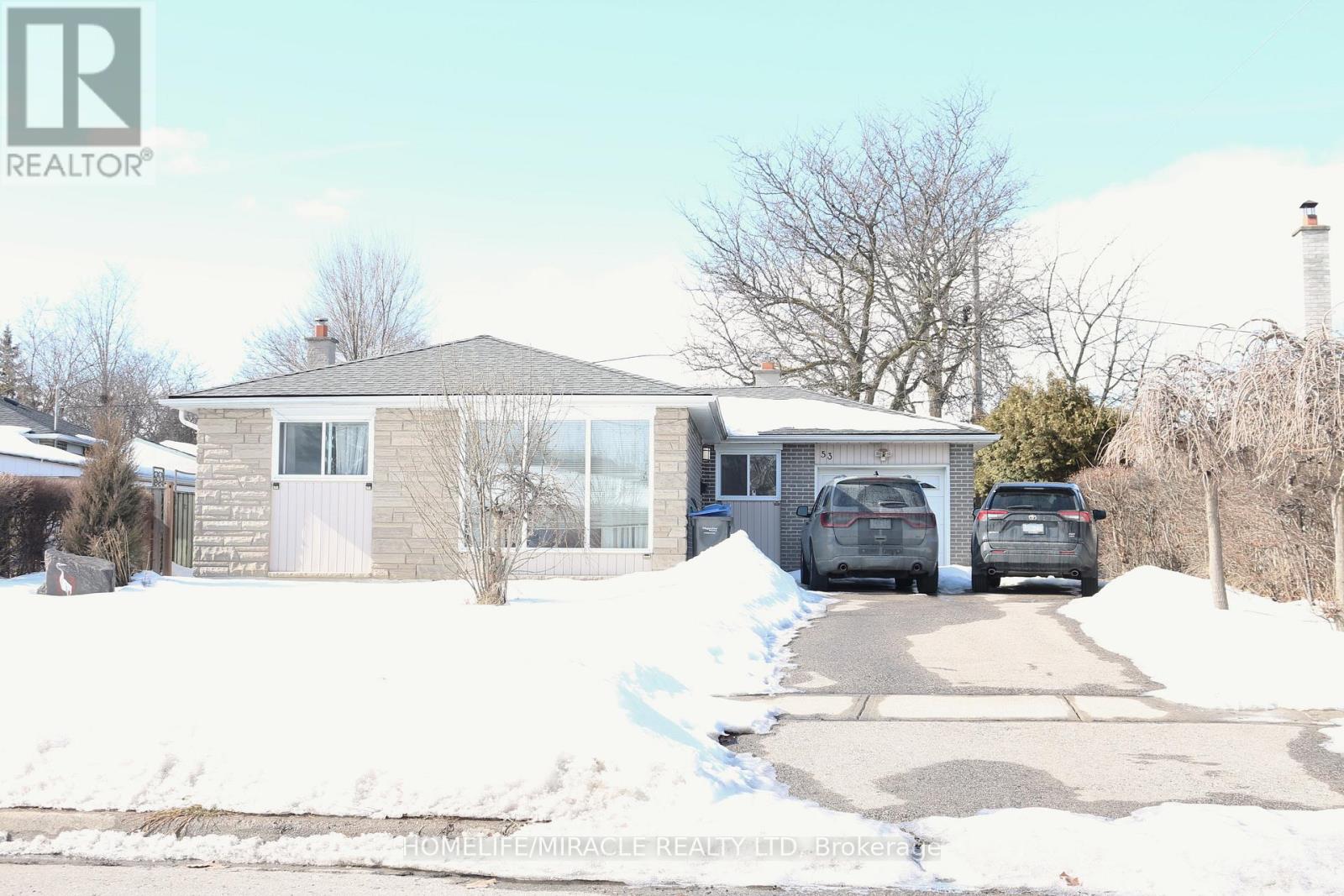 For Sale
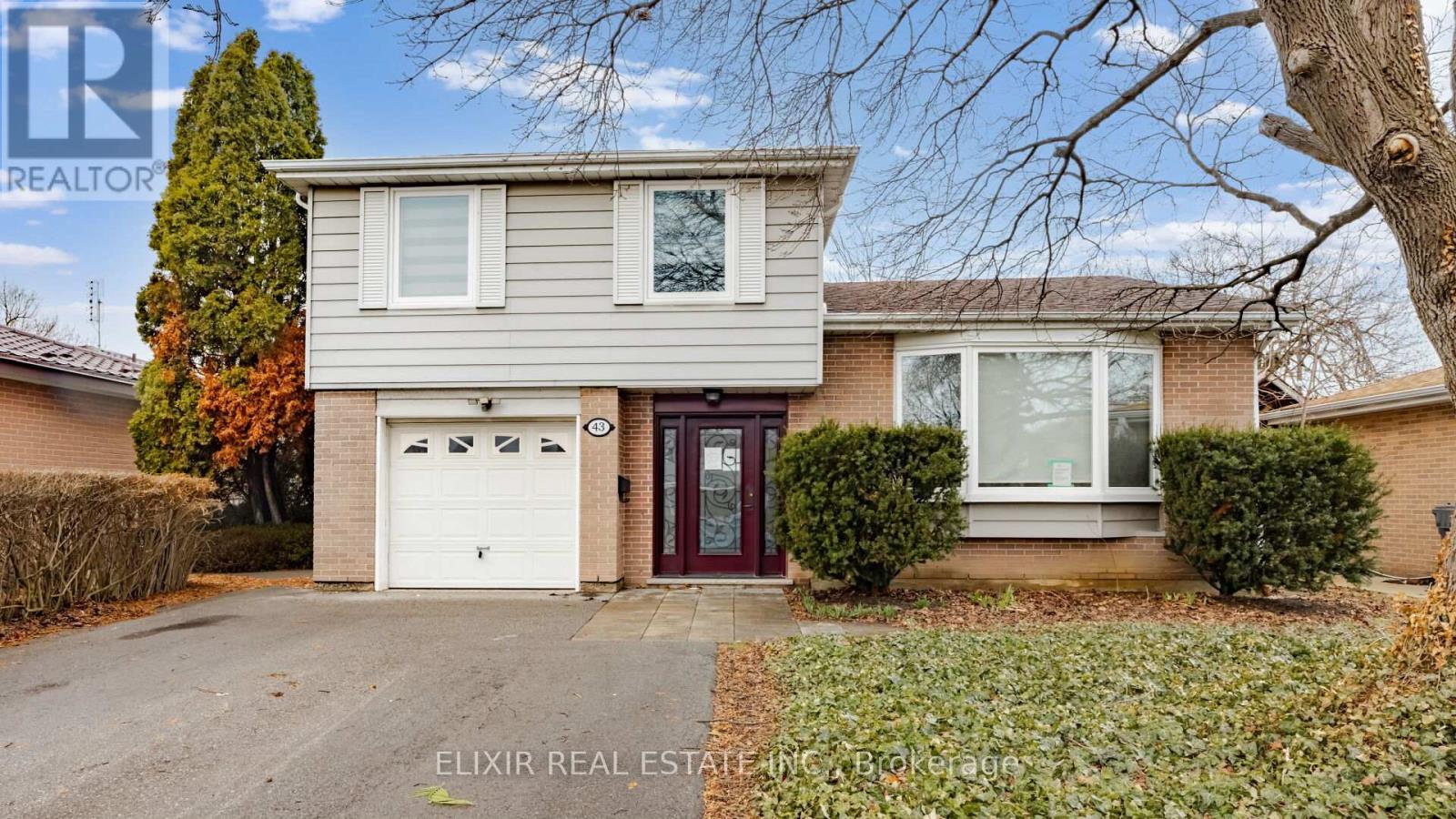 For Sale