
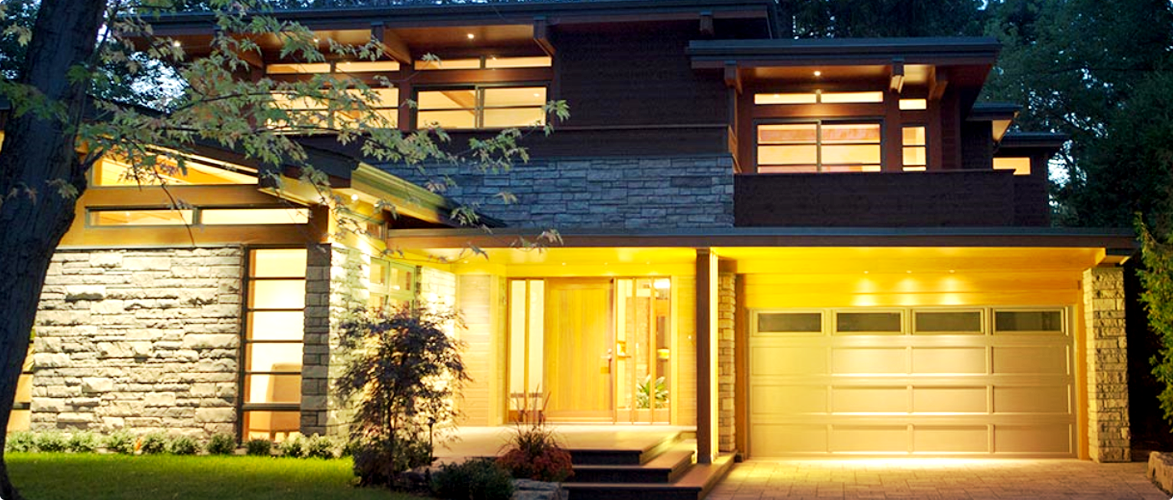
Banbury-Don Mills spans the eastern edge of north Toronto between the Don Valley Parkway and Eglinton Avenue East, combining the large detached homes of the Banbury section west of Don Mills Road with a more varied housing mix to the east around the Shops at Don Mills. Detached homes in the Banbury section were trading between $2.1 million and $3.2 million in early 2026, while townhouses and smaller detached homes east of Don Mills Road ran from $1.1 million to $1.6 million. The Eglinton Crosstown stations at Don Mills and Science Centre are now operating, and they are reshaping how buyers think about the eastern edge of the neighbourhood.
Banbury-Don Mills sits in a part of north Toronto that most west-end buyers haven’t spent much time in, which is partly why it still offers value relative to what it actually delivers. The neighbourhood runs roughly from the Don Valley Parkway in the west to the Don River and Leslie Street in the east, and from York Mills Road in the north down to Eglinton Avenue East. It encompasses two distinct residential characters: the large-lot detached homes of the Banbury section west of Don Mills Road, and the more varied housing mix of the Don Mills area to the east, which includes townhouses, mid-rise rental buildings from the 1960s and 1970s, and the newer infill development that has grown around the Shops at Don Mills outdoor mall over the past fifteen years.
The ravine system is the neighbourhood’s most underappreciated asset. Edward Gardens at Lawrence Avenue East and the Wilket Creek corridor running south connect directly into the broader Don River trail network, giving residents multi-kilometre walking, running, and cycling routes without crossing a street. On a weekday morning the trails through Wilket Creek feel genuinely quiet in a way that is rare this close to the city’s core. The parkland along the valley edge also means that homes on the western side of the neighbourhood back onto greenspace rather than other houses, which shows up clearly in their prices.
Don Mills Road itself functions as a spine through the neighbourhood and as a dividing line between two different property markets. West of it, the Banbury section is one of the most affluent residential pockets in Toronto’s eastern half, with custom-built and extensively renovated homes on generous lots. East of it, the housing is more modest in scale and more mixed in type, but the transit access, park connections, and proximity to the Shops at Don Mills give it a practical appeal that a different kind of buyer values. Both sections have been drawing more attention since the Eglinton Crosstown began operating, and that attention has not yet fully translated into price appreciation, particularly east of Don Mills Road.
In the Banbury section, you are buying a large detached home on a lot that would be impossible to find at this price point in most comparable north Toronto neighbourhoods. Streets like Banbury Road, Abbeywood Trail, Old Colony Road, and Mossgrove Drive have home footprints of 2,500 to 5,000 square feet on lots of 60 to 100 feet wide and 120 to 200 feet deep. Many of these homes were built in the 1950s through 1970s and have been renovated extensively over the decades, so the condition ranges from fully updated with high-end finishes to original-vintage with everything still to do. A four-bedroom renovated home on a standard Banbury lot was trading between $2.1 million and $2.8 million in early 2026. A custom-built or fully redeveloped property on a larger lot was reaching $3 million to $3.5 million.
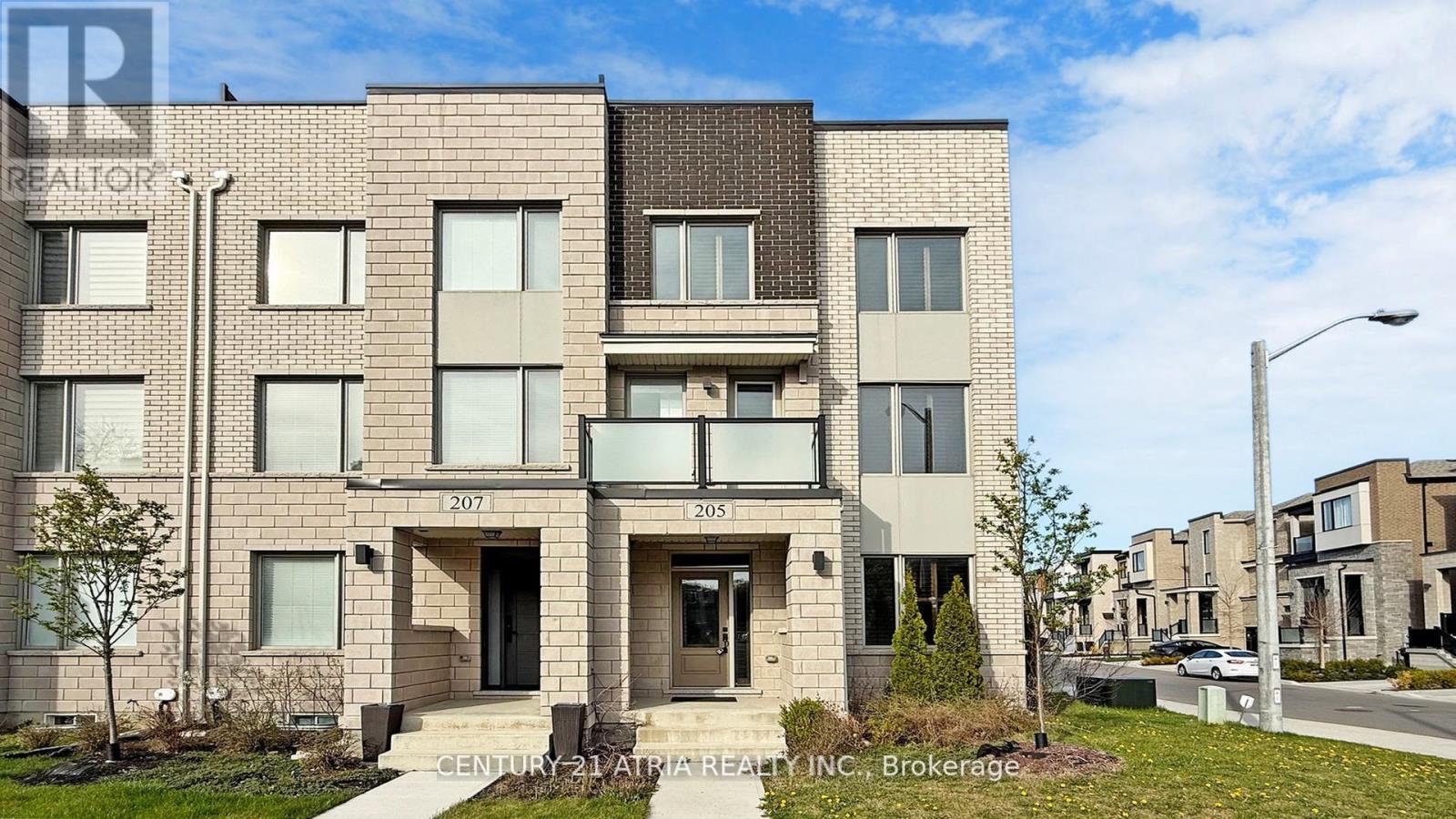
East of Don Mills Road, the product mix is different. The streets closest to the Shops at Don Mills have townhouse clusters from the 1990s and 2000s, typically running 1,800 to 2,400 square feet over three levels with attached garages. These were trading in the $1.1 million to $1.5 million range in early 2026. Detached homes in this section, on streets like Glenbourne Drive and Wynford Heights Crescent, are generally smaller than their Banbury counterparts but still offer four-bedroom configurations on lots of 40 to 55 feet. They were selling in the $1.4 million to $1.9 million range depending on condition and lot depth.
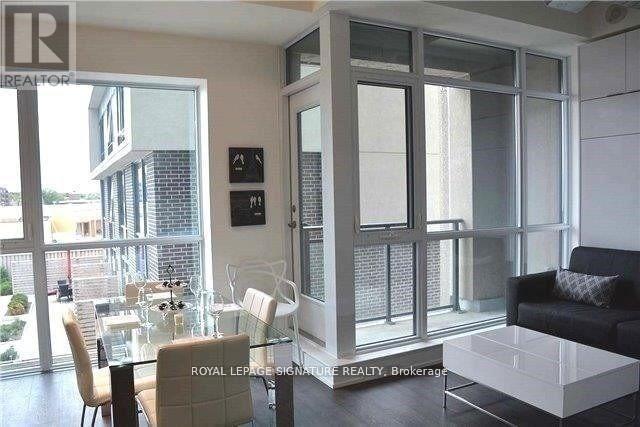
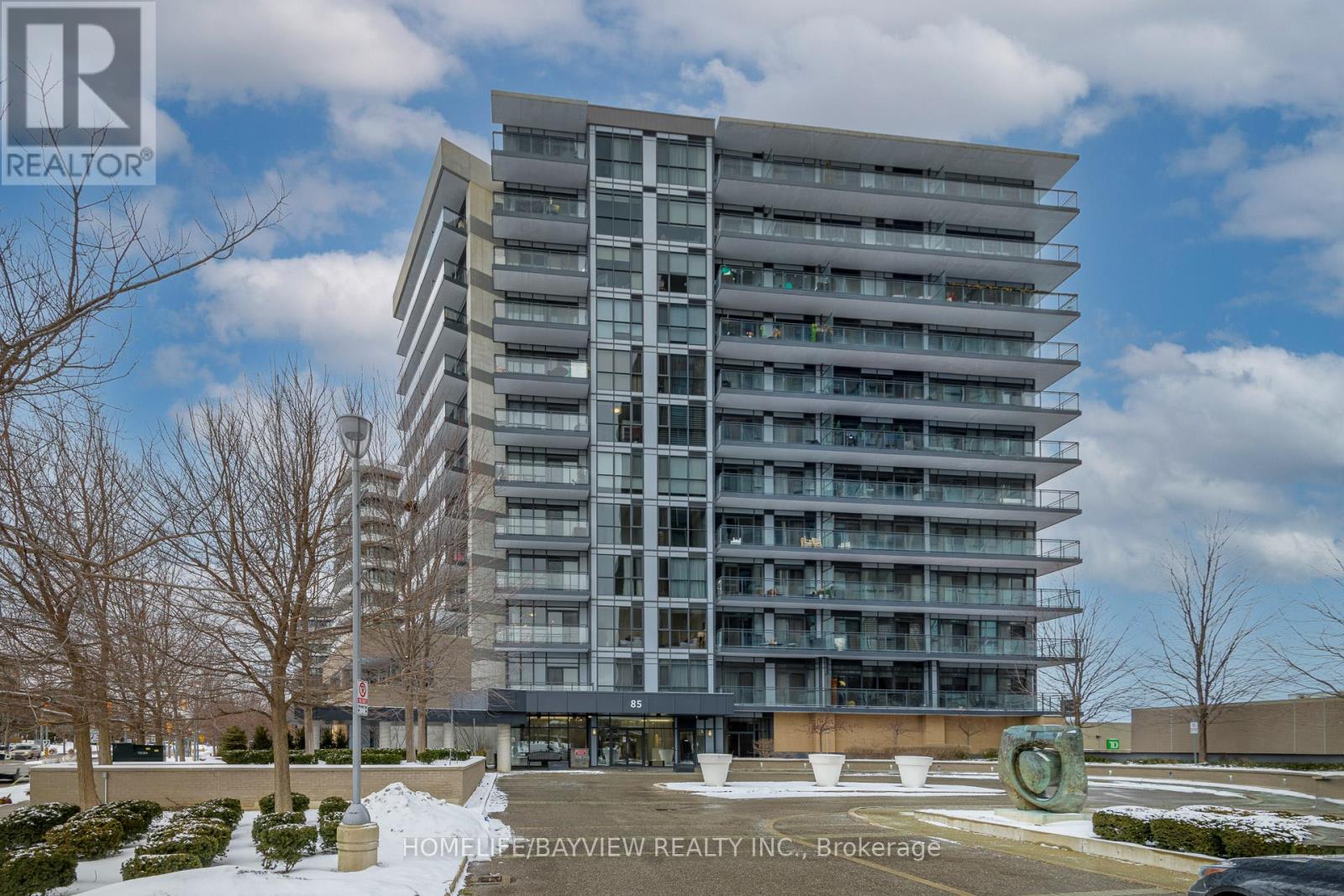
The condominium market in the neighbourhood is primarily concentrated around Don Mills Road and Eglinton, where several mid-rise buildings have been delivered over the past decade. One-bedroom and den units in these buildings were listed in the $520,000 to $680,000 range in early 2026. These are not the neighbourhood’s main story and they attract a distinct buyer, mostly first-time purchasers who want the Crosstown access and the York Mills CI catchment for a future move to a house, or investors who see the LRT as a long-term demand driver. The rental market around the Don Mills station area is competitive, with two-bedroom units in purpose-built buildings typically achieving $2,600 to $3,200 per month.
The Banbury section moves at a different pace than most of Toronto. Homes in the $2 million to $3 million range don’t attract the same multiple-offer frenzy that sub-$1.5 million properties do in other parts of the city. Sellers in Banbury typically list with realistic expectations and buyers have more negotiating room than in a bidding war scenario. Days on market at this price point are longer, often four to eight weeks rather than the seven to ten days that define more liquid price bands. That’s not a sign of weakness; it reflects a smaller buyer pool and a higher bar for financing. Properties that are priced properly and present well still move with authority when the right buyer finds them.
East of Don Mills Road, the market behaves more like the broader Toronto semi-detached and townhouse segment, with more competition in the sub-$1.5 million range. Properly priced townhouses in the Shops at Don Mills area have been drawing offers within two weeks of listing, and in stronger market periods have attracted multiple offers. The east side of the neighbourhood has benefited from buyers who have been priced out of Leaside and the Danforth Village looking for a four-bedroom home with transit access at a more accessible price point. The Crosstown has made that comparison more relevant than it was five years ago.
Seasonality is more pronounced in Banbury than in most Toronto markets. The spring market from late February through May is when most of the year’s Banbury transactions happen. Fall sees a second active window in September and October. Winter listings, particularly the January and February period, are genuinely thin, and sellers who must list then typically accept a price concession. Buyers who can be flexible about timing sometimes find better value in the November to January window in this neighbourhood than they would at peak spring pricing. The east Don Mills section is less seasonal, partly because the condominiums and rental conversion activity keeps the market more active year-round.
The Banbury section draws families who want a large home with a proper yard, good school catchments, and easy access to both the DVP and the 401 without paying the premium that Lawrence Park or Rosedale would demand for a comparable footprint. Many buyers in this section are coming from downtown condos or smaller semis in midtown, and the upgrade in living space is the primary driver. The neighbourhood also draws some executive-level relocations from other Canadian cities, where the combination of lot size, school access, and highway proximity is a familiar north-suburban configuration that feels legible to buyers arriving from Calgary, Vancouver, or Ottawa.
East of Don Mills Road, the buyer profile shifts toward younger families and dual-income households who are buying their first detached or their first Toronto property with a backyard. The Crosstown access is a meaningful part of the pitch here: if one partner works in Midtown or on the University corridor, the Science Centre or Don Mills LRT station makes a thirty-minute commute realistic without a car. Several buyers in this section are also motivated by the York Mills CI catchment, which applies across both parts of the neighbourhood and is a draw that does not diminish at this price point the way catchment arguments sometimes do in neighbourhoods where the school is the only premium.
The investor segment is small relative to some Toronto neighbourhoods but worth noting. The blocks around the Don Mills station have attracted buyers who are holding for longer-term appreciation, anticipating that the transit access will continue to draw demand from buyers who want LRT proximity without the downtown price premium. This pattern has played out along other completed transit lines in Toronto, and both Crosstown stations in the neighbourhood are relatively well-integrated into walkable retail areas, which is a factor in how quickly transit-oriented demand develops around a new station.
In the Banbury section, the age of the housing stock demands thorough inspection. Homes built in the 1950s through 1970s often have original clay tile sewer laterals, which can be cracked or root-infiltrated after fifty-plus years. A camera inspection of the sewer line from the house to the city main is a standard precaution in this neighbourhood, and replacement of a clay lateral runs $8,000 to $15,000 depending on depth and length. Many of these homes also have original electrical panels, knob-and-tube wiring in the attic, or asbestos-containing materials in the insulation or floor tiles of older additions. A pre-offer home inspection is advisable even in a competitive market, and sellers who refuse inspection conditions on properties of this age and price should make buyers cautious rather than confident.
Lot configuration matters significantly in the Banbury section because the depth and width of the lot affect both the usability of the property and future development potential. Some of the larger lots in the neighbourhood are zoned to permit coach houses or rear additions that smaller lots cannot accommodate. If future renovation or intensification is part of your purchase rationale, verify the specific lot dimensions and check the current zoning against what you intend to build. The City of Toronto’s zoning bylaw permits rear-yard additions and coach houses on a significant proportion of Banbury lots, but the setback requirements vary by street and the lot coverage maximums can constrain what is actually achievable.
East of Don Mills Road, strata title townhouses require a review of the status certificate before any firm offer. Maintenance fees in the Shops at Don Mills townhouse clusters were running $350 to $550 per month in early 2026, and some older complexes have deferred maintenance in their reserve funds. A condo lawyer familiar with Toronto strata documents can identify whether the reserve fund is adequately funded for the capital expenditure items expected over the next five to ten years, including roof replacement, window replacement, and underground parking structure work. This review is not optional and it adds about $800 to $1,200 to your due diligence costs, which is a reasonable insurance premium on a $1.3 million purchase.
Sellers in the Banbury section need a different strategy than sellers in higher-velocity Toronto markets. The buyer pool for a $2.5 million home in this neighbourhood is national and occasionally international, which means your listing needs photography and description that works for someone who has never driven down Banbury Road. The ravine access, the lot dimensions, the school catchment, and the highway proximity are features that don’t communicate themselves from a street photo. Listings in this price range that include site plans, measurements, school catchment confirmation, and aerial photography of the ravine and park access tend to perform better than those that rely on standard photography alone.
The spring market is when Banbury sees its most reliable buyer activity. Listing in late February or March, with March 1 being a reasonable target for active showings, puts your property in front of the buyers who have been planning their move through the winter and are ready to act. A fall listing in September captures a secondary wave of buyers who did not find what they wanted in the spring. Sellers who list outside these windows should expect longer days on market and should factor that into their pricing expectations, since a property that sits for ten weeks at an aspirational price and then takes a reduction has effectively spent its marketing capital on the wrong strategy.
East of Don Mills Road, the selling strategy is more straightforward because the price points are more liquid. Townhouses and smaller detached homes in this section benefit from the same preparation that works across the broader Toronto market: fresh paint, clean staging, a pre-listing inspection to surface any issues before buyers find them, and a realistic price that does not require negotiation to reach fair market value. Buyers in the $1.1 million to $1.6 million range in this part of the neighbourhood are typically financing with CMHC or conventional mortgages and they are sensitive to price relative to comparable sales. Overpricing by ten percent in this segment means sitting, and sitting here signals a problem to buyers even when there isn’t one.
Edward Gardens at Lawrence Avenue East and Leslie Street is one of the best-maintained formal gardens in Toronto’s parks system, and most people who don’t live in this part of the city have never been there. The gardens cover about sixteen hectares and include structured planting beds, a lily pond, a ravine trail network, and open lawn areas that are genuinely peaceful on most weekdays. The park connects south into the Wilket Creek trail, which in turn connects into the Don River trail system, giving you a continuous off-road route that can run from Lawrence Avenue all the way to the lake if you choose to go that far. Residents of the Banbury section on the west side of the neighbourhood have direct trail access from several streets that back onto the valley, and the walk from Old Colony Road or Abbeywood Trail to the Edward Gardens entrance takes about ten minutes.
Wilket Creek itself is the corridor that makes this possible. The creek trail is wide enough for cyclists and pedestrians to share without crowding, and the tree canopy along the valley floor keeps it noticeably cooler than street-level on hot summer days. The trail system is maintained by Toronto and Region Conservation Authority and the City, and the condition of the main trail surfaces is generally good. Side trails into the ravine slope can be uneven and are not maintained for accessibility. Winter access varies: the main paved trail sections are cleared after significant snowfalls, but the dirt paths are slippery and experienced users know to stick to the paved connections in icy conditions.
The proximity of the ravine to residential streets in Banbury is a genuine selling point that is difficult to replicate elsewhere at this price point in the city. A home backing onto the valley edge on Old Colony Road or Abbeywood Trail offers a rear yard experience that feels removed from a major urban centre, and buyers who have lived with that view consistently cite it as one of the things they would not give up in a move. For buyers comparing Banbury to Leaside or the Bridle Path, the ravine access is often what tips the decision, since both of those alternatives offer fewer properties with this kind of direct green space relationship.
The Eglinton Crosstown LRT is now the most consequential transit development this neighbourhood has seen in decades. The Don Mills station at Eglinton Avenue East and Don Mills Road, and the Science Centre station a few hundred metres to the west, give the neighbourhood direct LRT access to Midtown, Yonge and Eglinton, and the connection points that reach downtown and the GO network. For residents who work along the Eglinton corridor, the LRT has replaced a bus commute that was often thirty to forty minutes in traffic with a faster, more reliable route. The above-ground sections of the Crosstown in this part of the city run in a dedicated right-of-way, so they are not subject to the same surface congestion that made the old Eglinton bus unreliable.
By car, the neighbourhood is well connected to both the Don Valley Parkway and Highway 401. The DVP entrance at Lawrence Avenue East is about ten minutes from the Banbury section, and the 401 interchange at Don Mills Road is similarly accessible. These connections make driving to downtown or to the 400-series highway network practical, and many residents in the Banbury section with two-car households use the DVP for downtown commutes while relying on the Crosstown or local buses for midtown trips. The 25 Don Mills bus runs along Don Mills Road and connects to the Sheppard subway line to the north, which extends westward to the Yonge-Sheppard interchange.
Cycling infrastructure in the neighbourhood is limited within the residential streets but the ravine trail network compensates for some of that. The Don Valley trail connects south to the waterfront and east to other ravine branches, making it a legitimate commute route for cyclists heading downtown or to midtown destinations near the trail network’s access points. The Shops at Don Mills is walkable from the eastern side of the neighbourhood, and the retail, dining, and grocery options there reduce the number of car trips needed for everyday errands. The LCBO, a large Metro grocery, Whole Foods, and a cinema are all within the Shops at Don Mills footprint, which is a practical advantage that buyers sometimes overlook when comparing this location to more urban neighbourhoods.
Leaside is the comparison most buyers raise when they are looking at Banbury, and the differences are real and worth thinking through. Leaside has a more established street-level village feel, with Bayview Avenue offering restaurants, cafes, and boutiques in a walkable strip that doesn’t require a car for daily errands. The Leaside housing stock is slightly older on average and the lots are generally smaller, which means less living space for a comparable spend. A four-bedroom renovated home in Leaside was trading in the $2.3 million to $2.8 million range in early 2026, with a smaller footprint than what the same money would buy in Banbury. The school catchment picture in Leaside is also strong, with Leaside High School carrying a profile that attracts families from outside the area. The two neighbourhoods serve overlapping but not identical buyer profiles: Leaside tends to draw buyers for whom the village character and walkability are priorities; Banbury draws those for whom lot size, ravine access, and value per square foot are the deciding factors.
Lawrence Park East, east of Yonge Street and south of York Mills Road, is a closer physical comparison to the Banbury section in terms of lot size and home era, but it commands a meaningful price premium. Homes in the Lawrence Park East section were typically selling in the $2.6 million to $3.8 million range for equivalent four and five-bedroom properties in early 2026, reflecting the proximity to the Yonge Street corridor, the Bedford Park elementary catchment, and the sustained demand from buyers who consider Lawrence Park as a category to itself. For buyers who are weighing the two, Banbury offers similar physical attributes, better highway access, the Crosstown connection, and a price that is typically ten to twenty percent lower on equivalent properties. What it doesn’t offer is the same proximity to the Yonge strip and the specific social geography of the Lawrence Park buyer community.
The honest comparison favours Banbury for buyers who are optimising for space and value and who will use a car for most errands anyway. It favours Leaside for buyers for whom Bayview Village’s walkability and community character matter. Lawrence Park East commands its premium for reasons that are partly factual and partly about buyer identity, and buyers should decide honestly which of those reasons applies to them before committing to a price differential of several hundred thousand dollars. The Crosstown access is now a legitimate argument for Banbury that didn’t exist five years ago, and it has narrowed the practical transit gap between this neighbourhood and both Leaside and Lawrence Park East.
The Banbury section has wide, quiet streets with mature canopy trees and generous setbacks that give it a suburban spaciousness unusual for a neighbourhood this close to the city core. Banbury Road itself curves through the neighbourhood in a way that makes it feel more like a country lane than a Toronto residential street, and the absence of through-traffic keeps pedestrian activity low. That quietness is appealing to some buyers and boring to others. There are no cafes, bars, or restaurants within walking distance of the Banbury streets; the closest retail is the Shops at Don Mills, which requires a car or a bus connection for most Banbury residents. The neighbourhood is very much oriented around the private home and the park system rather than any street-level commercial life.
East of Don Mills Road, the texture is different. The Shops at Don Mills acts as the neighbourhood’s gathering point: the outdoor mall has a farmers market in summer months, good food options, and a cinema that draws residents from several surrounding areas. The streets immediately around it on Wynford Drive and Don Mills Road are more urban in character, with higher-density buildings and more foot traffic. The residential streets a few blocks in, like Glenbourne Drive and Flemington Road, are quieter but not as insulated from traffic as the Banbury section. The mix of housing types, including some older rental towers from the Don Mills planning era of the 1950s and 1960s, gives this section a more eclectic demographic range than Banbury proper.
The Don Mills planning experiment of the postwar era is visible in the neighbourhood’s structure if you know what to look for. Don Mills was Canada’s first planned suburban community, designed in the early 1950s by Macklin Hancock with curved roads, superblocks, and separated pedestrian paths meant to keep cars and children apart. Some of that original infrastructure survives, including the pathway network between residential clusters and the way certain streets curve deliberately to eliminate sight lines. The Shops at Don Mills occupies the former site of the original Don Mills shopping centre, redesigned and opened in 2009 as an outdoor lifestyle centre. For buyers who are interested in the history of Canadian planning and architecture, living in Don Mills gives you proximity to one of the few places in the country where that history is still legible in the built form.
Is the York Mills CI catchment guaranteed if I buy in Banbury-Don Mills? York Mills Collegiate Institute serves most of the neighbourhood, but Toronto District School Board catchments are set by address, not neighbourhood name, so you should verify the specific street and address against the TDSB school finder before making a purchase based on the catchment. In general, homes in the Banbury section west of Don Mills Road and the residential streets east of Don Mills Road between York Mills and Eglinton fall within the York Mills CI boundary. The school consistently ranks among the top public secondary schools in the city for academic outcomes, and the catchment does drive a measurable buyer premium in this area. Families who are specifically buying for the school should confirm with the board directly, since boundary adjustments happen periodically as the district responds to enrolment changes.
What is the Shops at Don Mills and how does it affect the neighbourhood? The Shops at Don Mills is an open-air retail centre at Don Mills Road and Lawrence Avenue East, covering about 25 acres and anchored by a Cineplex cinema, Whole Foods, a large Metro grocery, the LCBO, and a range of restaurants and specialty retailers. It opened in 2009 on the site of the original Don Mills shopping centre, which had been one of Canada’s first suburban malls when it opened in 1955. For residents of the eastern part of the neighbourhood, the Shops functions as the primary retail destination and reduces the need to drive to Yonge Street for everyday needs. Property values on the residential streets closest to it have benefited from the walkability, though the traffic it generates on Don Mills Road is a tradeoff that some buyers weigh negatively. The centre has a summer farmers market and seasonal programming that draws residents from across the neighbourhood.
How much does ravine backing add to a Banbury home’s value? Homes that directly back onto the Wilket Creek ravine or the Edward Gardens parkland command a premium over comparable homes on interior streets, and in early 2026 that premium was running roughly fifteen to twenty-five percent over a similar non-ravine lot. The premium reflects both the privacy of a non-buildable rear boundary and the direct trail access, and it has been consistent over the past decade of market data. Ravine-backing properties also tend to hold value better in softer markets because the supply is genuinely fixed; you cannot create more lots that back onto the valley. Buyers who are considering a ravine-backing property should be aware that the City of Toronto has setback restrictions on development near the ravine edge, which can limit rear additions and decking in some cases. A conversation with the city’s planning department before a purchase is advisable if a rear addition is part of your plans.
What are typical property taxes on a Banbury home? Property taxes in the Banbury section on a home assessed at $2.5 million were running approximately $11,000 to $14,000 per year in 2025, using the City of Toronto’s residential tax rate of approximately 0.52 percent of assessed value. The Municipal Property Assessment Corporation reassesses properties periodically, and the assessed value for tax purposes often lags behind current market value, which means the effective tax rate on the actual purchase price may be somewhat lower than this calculation suggests. Toronto’s residential tax rates are among the lowest of major Ontario municipalities on a percentage basis, partly because of the depth of the commercial and industrial tax base. Buyers should confirm current assessed values through MPAC’s online portal before closing and budget for the 2026 reassessment cycle, which is expected to reflect post-pandemic price levels more fully than the current assessment cycle does.
The Eglinton Crosstown LRT is now running, and the question for buyers in Banbury-Don Mills is what that actually means for property values in this neighbourhood specifically. The short answer is that the price effect is real but unevenly distributed. The blocks closest to the Don Mills and Science Centre stations, within a five to ten-minute walk, have already seen buyer interest increase since the stations opened. The further you are from the stations, particularly in the Banbury section on the west side of the neighbourhood, the weaker the direct transit premium is. A home on Banbury Road or Abbeywood Trail is not walking distance to either station, and those buyers are not primarily purchasing for Crosstown access. The transit premium matters most for properties in the eastern section of the neighbourhood where station walkability is genuine rather than theoretical.
The broader effect of the Crosstown on Banbury-Don Mills is more about expanding the pool of buyers who consider the neighbourhood at all. Before the LRT was operating, the area east of Don Mills Road and south of York Mills had a transit profile that made it significantly less attractive to car-free or car-light buyers. The 25 Don Mills bus existed but was not a reliable or fast commute tool for most destinations. The Crosstown changes that calculation materially: someone who works at Yonge and Eglinton can now reach it from the Don Mills station in about twelve minutes, with a transfer at Eglinton to the Yonge line if needed, or direct via the Crosstown to Yonge-Eglinton station. That commute pattern was not realistic five years ago for someone living in this part of the city.
Longer term, the Crosstown corridor east of Yonge has been slower to attract the kind of mixed-use intensification that the line’s planners envisioned. The station areas around Don Mills and Science Centre are still largely surface parking and auto-oriented retail rather than the transit-oriented development that has begun around stations closer to the city centre. That will change, and buyers who purchase now in the eastern section of Banbury-Don Mills are acquiring in a period before that intensification is fully reflected in prices. Whether that represents opportunity or risk depends on your time horizon and your tolerance for construction activity around the station areas over the coming decade. What is clear is that the transit access itself is now confirmed and functioning, which removes the uncertainty that kept some buyers away during the Crosstown’s long construction period.
Street-level knowledge is hard to find online. Our team works in Banbury – Don Mills every day. They know which pockets hold value, where the school catchment lines actually fall, and what the market is doing right now. Talk to us before you make a decision about Banbury – Don Mills.
Talk to a local agent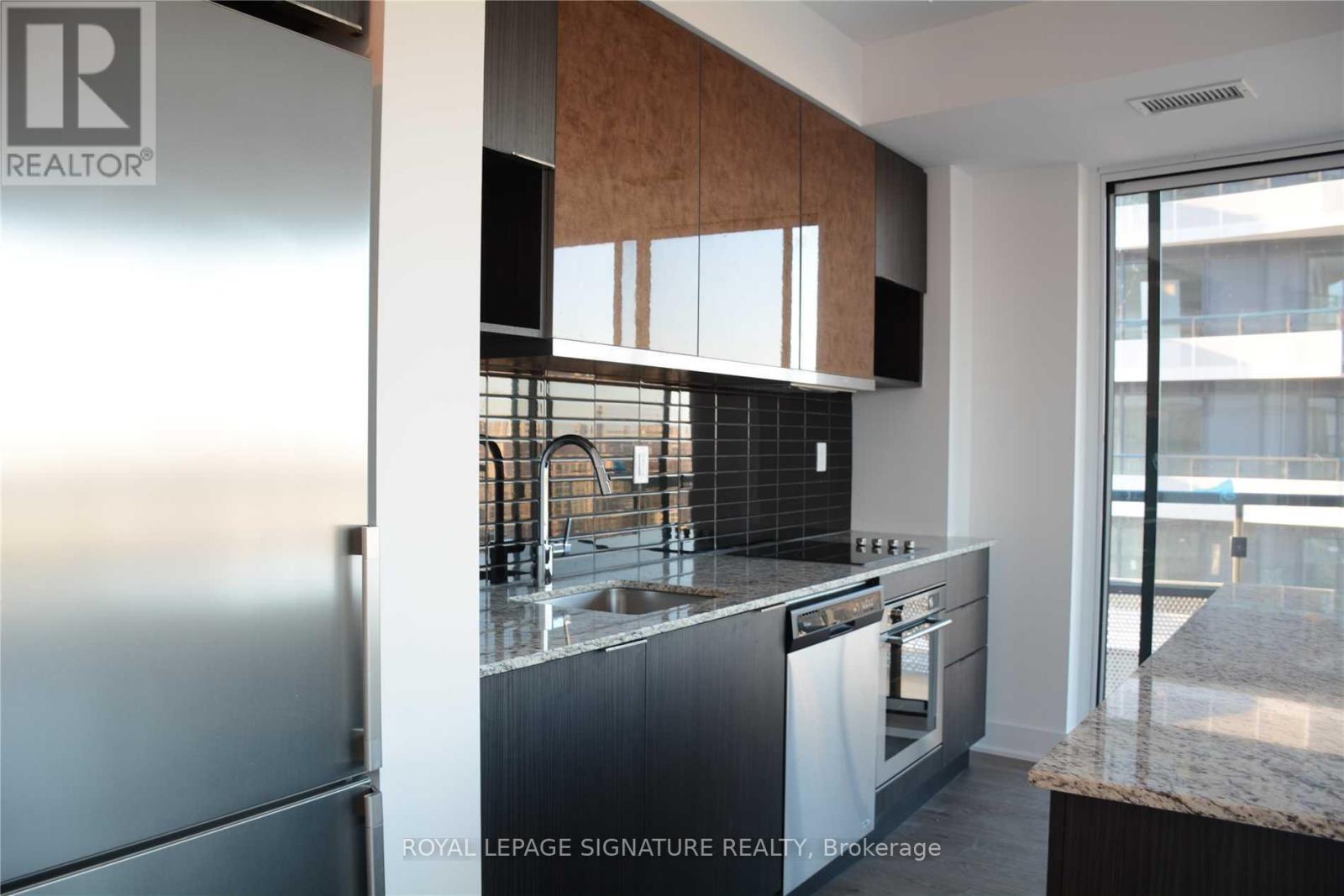 For Rent
 For Rent
 For Sale
 For Sale