

The Bay Street Corridor is downtown Toronto's most concentrated condo district: a vertical strip of towers running from Bloor Street south to Queen, built in waves from the 1980s through to today. Almost no one buys a house here. Buyers choose this address for the access it delivers, not for the streets themselves. Bay/Bloor subway, the Financial District on foot, U of T, and four major hospitals within walking range. One-bedrooms traded between $550,000 and $800,000 in early 2026 depending on building age, floor, and whether the views are worth paying for.
The Bay Street Corridor isn’t a neighbourhood in the way that Leslieville or Roncesvalles are neighbourhoods. There’s no local hardware store, no farmers’ market, no street that feels like it belongs to the people who live there. What the corridor has is density of access: Bay station and Bloor-Yonge are both within the area, the Financial District is a ten-minute walk down Bay Street, U of T’s St. George campus is three blocks west, and Mount Sinai, Toronto General, the Hospital for Sick Children, and Women’s College Hospital are all reachable on foot. That’s what you’re paying for when you buy here.
The physical area runs roughly from Bloor Street south to Queen, and from Yonge west to Bay and the streets just beyond it: Charles Street, St. Joseph, Isabella, Gloucester, and Hayden form the residential core of this stretch. The streets themselves are busy. Bay Street is a commercial artery. Yonge is Yonge. The residential streets between them are calmer but they’re still urban, still loud in a way that mid-city neighbourhoods aren’t, and still dominated by the towers that line them on both sides.
Almost everyone who buys here is buying a condo. There’s minimal freehold housing. The decision to purchase in the Bay Street Corridor is a deliberate trade: you’re giving up the house, the backyard, and the neighbourhood character, and you’re getting the address and the transit score, which in downtown Toronto is one of the highest achievable.
The stock here ranges from 1980s towers with dated common areas and elevated condo fees to recent glass buildings with gym facilities, concierge, and party rooms nobody uses. The age of the building determines more than the amenities: older buildings carry higher monthly fees but often have better suite layouts, more square footage per dollar, and reserve funds that have been replenished after decades of operation. Newer buildings look better on the surface and carry lower initial fees that rise as the building ages out of its opening years.
One-bedroom units traded between $550,000 and $800,000 in early 2026. The lower end reflects 600 to 700 square foot suites in 1990s towers with no views. The upper end buys a 700 to 800 square foot newer unit with floor-to-ceiling glass and a clear sightline. Two-bedrooms ran from around $800,000 to $1.3 million. Penthouse and premium floors in recent towers push above that, though the market for those units is thin and days on market are long.
The condo market across downtown Toronto has been soft, and the Bay Street Corridor has felt it more than some neighbourhoods because there’s so much of it. When supply is dense and buyer urgency is low, sellers compete with each other. Buyers in 2026 have time, and most sellers know it. Conditions on purchase are normal and accepted. Bidding wars on corridor condos are rare.
The corridor has dozens of towers built across four decades, and they’re not interchangeable. The 1980s and early 1990s buildings on St. Joseph and Gloucester tend to have larger suite layouts, because developers weren’t yet selling 480-square-foot one-bedrooms. The downside is mechanical systems that have been replaced or are due for replacement, which shows up in either high condo fees or a reserve fund that looks low relative to the building’s age. A status certificate before any purchase is not optional.
Buildings from the late 1990s and 2000s occupy a middle ground: newer than the 1980s stock but old enough that any deferred maintenance has likely surfaced. Fees are mid-range. The quality of the building’s management corporation matters enormously here: well-run buildings from this era are in good shape. Poorly managed ones have accumulated problems that eventually arrive as special assessments.
The towers built since 2010 are the ones that get listed with the glossy photos. Lower ceilings in many units, smaller layouts, and fees that look attractive until the building is ten years old and the actual operating costs become clear. The best of the recent towers offer genuine quality. The worst are investment-grade product dressed up as lifestyle product. The difference between them requires reading the status certificate, not just looking at the suite photos.
Three buyer profiles show up consistently in the Bay Street Corridor. The first is the young professional working in the Financial District or at one of the hospitals who wants to eliminate the commute entirely. For this buyer the address is functional: they’re not trying to live in a neighbourhood, they’re trying to own something central and walk to work. The price is steep but the transit savings and time recovery make the calculation work.
The second is the downsizer. Someone selling a Leaside or Rosedale house who is done with maintenance and wants walkability to everything. They can absorb the purchase price, they’re not worried about the condo fee, and they want to get from their front door to the AGO or the ROM without a car. The corridor suits them better than Yorkville if they’d rather pay less for the suite and spend the difference on the life it enables.
The third is the international buyer, often purchasing for a family member attending U of T or a professional relocating to Toronto with corporate backing. This buyer is comfortable with the transactional quality of the address because it maps to what they know from other dense urban markets. They’re buying access and liquidity, not local character. They’re right that the Bay Street Corridor delivers both, and they’re also right that it doesn’t deliver much else.
The status certificate is the document that determines whether a corridor condo purchase is sound. It shows the reserve fund balance, any pending special assessments, recent and current lawsuits against the corporation, the monthly fee breakdown, and the financial statements. Every buyer’s lawyer must review it before waiving conditions. A reserve fund that looks low relative to the building’s age and size is a warning that either fees are about to rise sharply or a special assessment is coming. Neither is a reason to walk away automatically, but both change the price you should pay.
Floor and view matter more in the Bay Street Corridor than in most downtown neighbourhoods because the building density means lower floors often look directly into other buildings. A unit with an obstructed view on floor eight may cost $80,000 less than the same layout on floor twenty-two with clear sightlines south toward the lake. That price difference reflects real value: natural light and the view are meaningful parts of condo living in a dense tower, and they don’t change after you move in.
The noise question is worth testing before committing. Units facing Bay Street directly absorb more traffic and construction noise than units facing the inner residential streets. Units on the Yonge side of buildings face the TTC and weekend crowds. Book a visit on a weekday morning and another on a Friday evening to understand what the unit actually sounds like at both ends of the weekly range. What feels manageable on a Tuesday afternoon can feel different on a Saturday night.
The corridor condo market rewards differentiation because there’s so much competition. A seller with a unit that looks identical to fifty others in the building and three buildings over must compete on price alone. Sellers with something specific to offer, whether it’s a corner suite with two exposures, an original renovation that held up, a parking spot included, or a floor high enough to have real views, can support a premium over the comparable sales.
Pricing matters more here than in most markets. The corridor buyer pool is informed, has toured multiple buildings, and is looking at several listings simultaneously. An aggressive asking price doesn’t create urgency, it creates hesitation. Units that price realistically and present cleanly sell faster and at a better net result than units that test the ceiling and sit. In a soft condo market, days on market accumulates quickly and becomes a negotiating liability.
Timing is less decisive for corridor condos than for freehold houses in other neighbourhoods. The buyer pool is active year-round: U of T students, hospital staff rotations, and corporate relocations don’t follow the spring-and-fall freehold calendar. That said, listing in late January or February, when new buyers enter the market after the holiday period, captures early-year demand before new listings from February onwards compete for the same buyers.
The honest version of daily life here is urban and efficient, not charming. Every practical need is covered within a ten-minute walk: Loblaws at Maple Leaf Gardens on Carlton, Whole Foods on Bloor, the LCBO on Bay, and a dense cluster of restaurants and cafes on every commercial block. Bay station is a five-minute walk. The Eaton Centre is accessible without crossing a highway. On the metrics that describe urban convenience, the corridor scores near the top of anything in Toronto.
What it doesn’t have is the neighbourhood texture that people describe when they say they love where they live. Queen Street West, a twenty-minute walk south, has it. Yorkville, one block north, has a version of it. The corridor itself is a transit hub with residences attached. The streets are commercial, loud, and impersonal. Residents who thrive here are the ones who treat the condo as a base and the rest of the city as the neighbourhood, using the central location to reach everywhere else. Residents who wanted a quieter, more residential quality of life and compromised to the corridor for price or convenience often find the trade-off costs more than expected.
Green space is genuinely limited. Queen’s Park is a 10-minute walk north and provides some relief. The waterfront, reachable by bike in fifteen minutes, is the nearest real escape. For residents who need daily outdoor access to something other than a sidewalk, the corridor asks them to travel for it rather than providing it at the door.
Transit access from the Bay Street Corridor is as good as it gets in Toronto. Bay station on the Bloor-Danforth line and Bloor-Yonge station are both accessible from most of the corridor on foot. The Yonge-University subway runs down Bay and Young, connecting directly to the Financial District stations at King, Queen, and Union, as well as north to Eglinton and beyond. A resident at Charles and Bay can be at King and Bay in twelve minutes by subway, door to platform.
The Financial District itself is a ten-minute walk south on Bay Street in reasonable weather. Many corridor residents who work in finance or at the big law firms on Bay and King simply walk, regardless of the season, because it’s faster than the subway platform-to-platform experience and avoids the underground PATH network entirely.
Cycling is workable but limited. The Bloor Street bike lane runs east and west from the neighbourhood. The rest of the corridor’s streets are busy arterials without protected infrastructure. Serious cyclists find the corridor adequate as a starting point but less cycle-friendly than the west end or the Annex. Rideshare pickup is reliable given the density, though surge pricing hits this area hard during events at Massey Hall, Roy Thomson Hall, and the Eaton Centre vicinity on weekends.
The most common comparison is to Yorkville, which sits one block north. Yorkville condos cost more, often 15 to 25 percent more for comparable square footage, and the premium reflects something real: the Bloor Street retail between Yonge and Avenue Road is a genuinely different commercial experience than Bay and Yonge. The Four Seasons, the ROM, the Gardiner Museum, Eataly, and the boutiques on Yorkville Avenue give the area a texture and a prestige that the corridor doesn’t replicate. Buyers who want to live in that environment should budget for it. Buyers who want the access but would rather spend the price difference on life experiences often find the corridor suits them better than they expected.
King West is the other frequent comparison, and it’s a different trade-off entirely. King West buyers are typically younger, drawn to the restaurant and nightlife density on King Street between Bathurst and Spadina. The vibe is different: King West has neighbourhood character and a strong social scene. The Bay Street Corridor is quieter in that respect, more corporate, more oriented around the workday than the weekend. Buyers choosing between them are usually choosing between lifestyles rather than just addresses.
Church-Wellesley sits immediately east and overlaps with the corridor in some definitions. That neighbourhood has a distinct community identity and commercial strip on Church Street. The Bay Street Corridor proper is west of Yonge: quieter on the residential streets, closer to the subway, and less defined by a specific cultural identity. For buyers who want a community with a clear character, Church-Wellesley rewards exploring as a parallel option.
The Bay Street Corridor attracted a wave of investor buyers through the 2010s on the assumption that downtown Toronto condo values would compound indefinitely and rental demand would always exceed supply. Those assumptions look different in 2026. The condo resale market has been soft for two years. Rental yields on a typical one-bedroom at current purchase prices and current rents are thin. A $650,000 one-bedroom renting for $2,400 per month delivers a gross yield under four percent, before condo fees, property tax, management costs, and vacancy periods. The net yield on many corridor units is under two percent.
That doesn’t mean the corridor is a bad long-term hold for the right buyer. Downtown Toronto land is finite, density is increasing, and the transit infrastructure in this pocket is not going to get worse. Someone buying an owner-occupied unit who expects to hold for ten or more years is making a different calculation than someone expecting short-term price appreciation. The first buyer has time on their side. The second is buying into a market that has already corrected from its peak and hasn’t fully bottomed.
Investors with existing corridor units who bought before 2021 at lower prices are in a different position than new buyers in 2026. Those who bought at peak prices and are holding with negative cash flow face genuine decisions about whether continued holding makes sense relative to selling at a loss now versus holding further deterioration in cash flow. This is not a problem unique to the corridor, but the concentration of investor units here means it’s a conversation that comes up constantly in this specific market.
Is the Bay Street Corridor a good investment in 2026? Honestly, the case for buying a Bay Street Corridor condo as a pure investment is weak in 2026. The condo resale market in this pocket has been soft for two years, and rental yields are poor relative to purchase price. A one-bedroom at $650,000 renting for $2,400 per month delivers a gross yield under four percent before condo fees, property tax, and management costs. Net yield often falls below two percent. Buyers who do well here tend to be owner-occupiers who benefit from the access and lifestyle, or investors holding a very long view on downtown Toronto density and land scarcity. Anyone expecting to turn a profit in five years or fewer should run the numbers carefully before proceeding, and should look at whether King West or Midtown condos offer better fundamentals at a similar price point.
How does the Bay Street Corridor compare to Yorkville? Yorkville sits one block north and is a meaningfully different market. The retail and dining on Bloor Street West and Yorkville Avenue is more curated and significantly more expensive than what’s available along Bay and Yonge. Yorkville condos carry a prestige premium that shows up in resale prices: equivalent square footage in a well-regarded Yorkville building costs 15 to 25 percent more than in the Bay Street Corridor. The Bay Street Corridor is a more transactional address. You’re buying proximity to transit and the Financial District, not an upscale village. Buyers who genuinely value the Yorkville environment should budget for it rather than compromising to the corridor and feeling the difference daily.
What are condo fees like in the Bay Street Corridor? Condo fees vary considerably by building age and amenity load. Older 1980s and 1990s towers on St. Joseph, Gloucester, and Hayden often run $700 to $1,100 per month for a one-bedroom unit, reflecting aging mechanical systems and reserve funds that have been replenished after assessments. Newer towers built after 2010 typically start lower, around $500 to $700 for a one-bedroom, but fees in those buildings tend to rise materially as they age and the original low-fee marketing period ends. Always review the status certificate before purchasing. It reveals the reserve fund balance, any pending special assessments, and whether the corporation has deferred maintenance that will eventually become a fee increase or a special assessment billed to owners.
Is parking available in Bay Street Corridor condos? Most buildings include underground parking, but a parking spot rarely comes with the unit purchase and costs extra: typically $50,000 to $80,000 for a deeded spot in a well-located building. Many buyers in this area deliberately skip parking because Bay station and Bloor-Yonge are steps away and the Financial District is a ten-minute walk. If you drive regularly or commute by car to a location not well-served by transit, factor the parking cost into your budget from the start. Spots in buildings with limited supply tend to hold their value independently of the unit, so buying one often makes financial sense for owners who intend to hold the property long-term and want the flexibility a car provides.
The Bay Street Corridor as a residential address is a product of the condo era, but the streets themselves carry a longer history. Bay Street took its name from its route toward Toronto Harbour and was, through the 19th century, one of the city’s primary commercial arteries. The stretch north of Queen was lined with commercial buildings, hotels, and eventually the institutional architecture that still defines the street at its southern end near City Hall and Osgoode Hall.
The residential towers that define the corridor today began appearing in the 1960s and 1970s, when high-rise construction transformed the Bloor-to-Wellesley stretch from a neighbourhood of rooming houses and modest apartments into the dense residential district it remains. The Manulife Centre at Bay and Bloor, completed in 1974, anchored the northern edge. The condo boom of the 1980s filled in the mid-corridor. The 2000s and 2010s added the glass towers that now dominate the skyline between St. Joseph and Gloucester.
The Financial District on Bay south of Queen gave the street its identity as a power address in Canadian business. The banks, law firms, and financial institutions that cluster between King and Wellington put Bay Street on the map as a shorthand for Canadian corporate life in the same way that Wall Street and the City of London carry their own shorthand. The residential corridor above that financial core is, in a real sense, the place people live when they want to stay as close to that world as possible without living in a hotel.
Street-level knowledge is hard to find online. Our team works in Bay Street Corridor every day. They know which pockets hold value, where the school catchment lines actually fall, and what the market is doing right now. Talk to us before you make a decision about Bay Street Corridor.
Talk to a local agent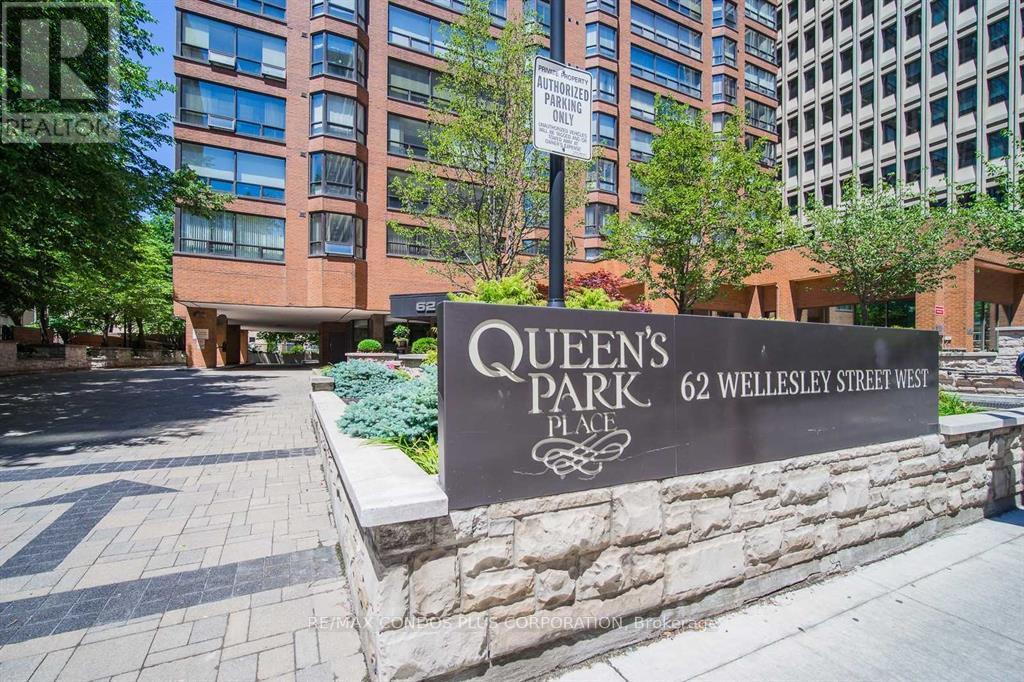 For Sale
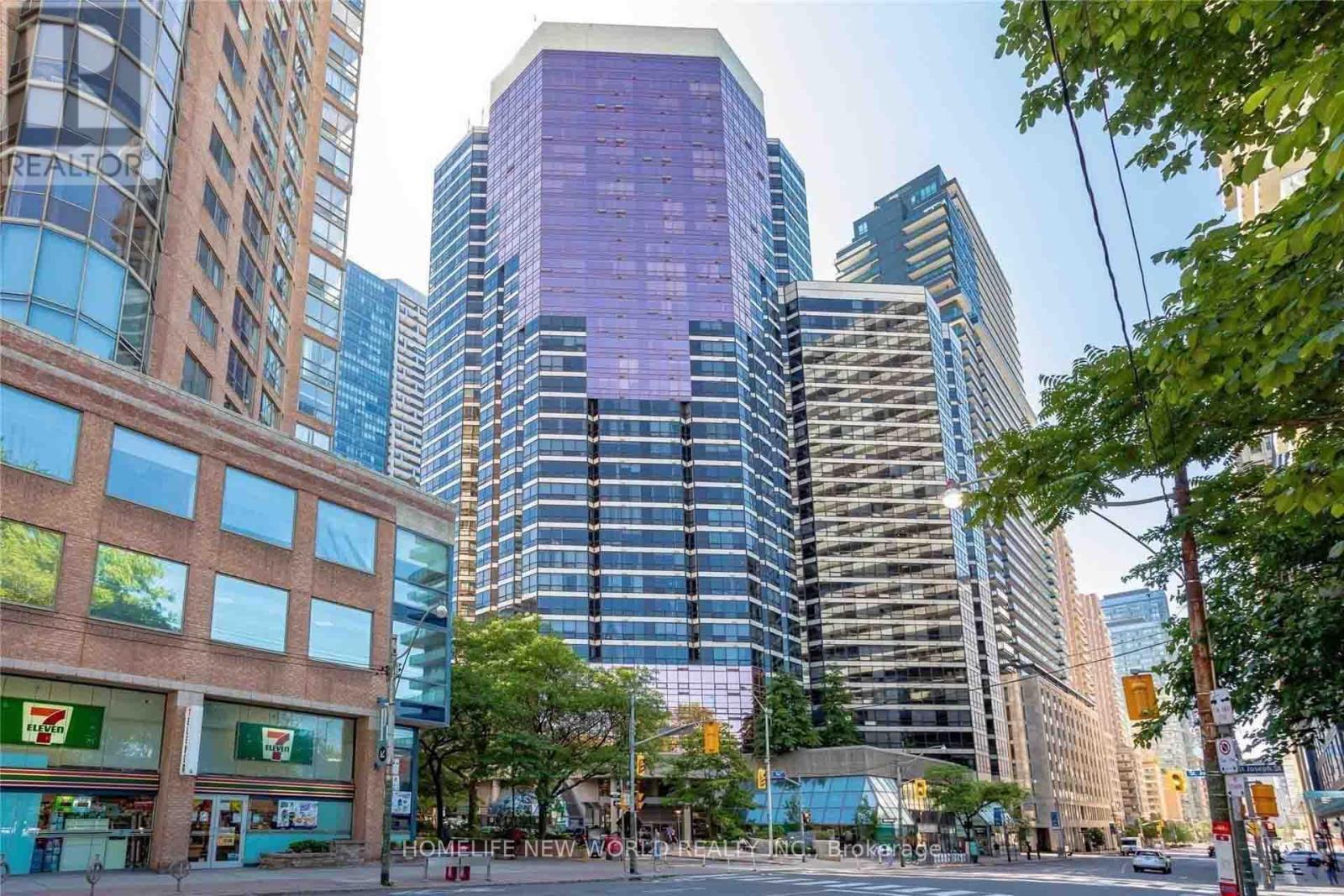 For Rent
 For Rent
 For Rent