
Bayview Fairway-Bayview Country Club Estates is a premium south Markham neighbourhood of mature estate properties around the Bayview Country Club. Large custom homes on generous lots along Bayview Avenue trade from $1.6M to $5M+, with one of the most established residential characters in all of Markham.
Bayview Fairway-Bayview Country Club Estates occupies one of the most established and premium corners of south Markham, centred on the Bayview Country Club and the estate residential streets that have developed around it over several decades. This is a neighbourhood where many of the homes are genuinely custom — built by the original owners to their own specifications on large lots — rather than production housing from a single developer. The result is a character and variety of construction that sets the area apart from the planned communities further north in Markham, where neighbourhoods of similar price share a uniform architectural vocabulary.
Bayview Avenue runs along the western boundary of the area and has long been the prestige corridor of southern York Region. The address carries a particular weight for buyers who understand the GTA market. Bayview Avenue through this stretch connects Markham to Thornhill to the south and to the broader Richmond Hill area, placing Bayview Fairway-Bayview Country Club Estates at a junction of significant residential value and established infrastructure. The 16th Avenue intersection anchors the neighbourhood’s northern commercial boundary, with Bayview Avenue commercial development providing both shopping and a visual transition between the suburban grid and the estate-residential character of the streets to the east.
Buyers come to this neighbourhood after usually having looked broadly across the premium south Markham and Thornhill markets. The comparison is frequently between estate properties here, similar product along Thornhill’s Bayview corridor, and newer executive construction in Angus Glen further north. What Bayview Fairway-Bayview Country Club Estates offers that neither of those alternatives can is maturity: the trees here are old, the street character is fully formed, and the neighbourhood has operated at this tier long enough that its identity is not dependent on marketing or development momentum to sustain it.
Bayview Fairway-Bayview Country Club Estates is one of the most expensive residential areas in Markham, with pricing that reflects both the lot sizes and the custom nature of much of the housing stock. In 2024 and into 2025, estate properties on larger lots have traded between $2 million and $4 million, with the most significant custom homes on the best lots exceeding $5 million in some cases. The entry point for a detached home in this neighbourhood — meaning a property on a standard lot that may require meaningful updating — sits in the $1.6 million to $2 million range.
The pricing here is driven more by land value and lot configuration than by above-grade square footage alone. A home on a 100-foot-wide lot backing onto the Bayview Country Club is worth substantially more than a home of identical square footage on a 50-foot standard lot, and buyers who have not spent time in this neighbourhood often underestimate this spread. The Bayview Country Club backing premium is real and consistent — the club’s maintained fairways, mature trees, and the simple fact of having no rear neighbours create a value proposition that sustains itself across market cycles.
The custom nature of the housing stock also means that individual properties require individual assessment. Two homes that appear comparable on a price-per-square-foot basis may have very different real values based on the quality of original construction, the quality of any updates, and the specific lot characteristics. A buyer who approaches this neighbourhood with a formula-based valuation methodology will make errors in both directions. The agent and the buyer both need to spend time understanding the specific properties rather than relying on aggregated market data that smooths over the variations.
The market in Bayview Fairway-Bayview Country Club Estates moves slowly by volume but steadily by price. This is not a high-turnover neighbourhood. Many residents have owned for ten, fifteen, or twenty-plus years, and the annual transaction count is relatively low compared to higher-volume areas of Markham. When properties do come to market, they tend to attract serious buyers who have specifically identified this neighbourhood as their target rather than casual searchers who found the listing while browsing broadly. This means the marketing period is typically longer than in more active neighbourhoods — four to eight weeks is not unusual for a correctly priced property — but it also means that the buyers who do appear are qualified and motivated.
Price corrections in this neighbourhood have been shallow relative to the broader Markham market. The buyer pool for estate-level properties is less rate-sensitive than buyers at lower price points, and the supply in this neighbourhood is genuinely constrained because there are only so many large lots adjacent to the country club. When the market softened in 2022 and 2023, properties here held their value better than the suburban detached market as a whole. The recovery was also faster, driven by the resumption of immigration and the continued demand from wealthy families prioritising the south Markham location.
Sellers in this neighbourhood are sometimes hesitant to accept market realities when prices have softened, because the illiquidity of their asset and the years of ownership create a strong anchor on their price expectations. This occasionally leads to properties sitting for extended periods at above-market list prices before the seller accepts the current value. For buyers who have the patience and the discipline to track specific properties over time, this neighbourhood occasionally produces opportunities that would not appear in a more efficiently priced market. Properties that have been listed for sixty or ninety days in a correctly-priced equivalent market can yield meaningful negotiating room.
The buyer profile in Bayview Fairway-Bayview Country Club Estates skews older and more established than in most other Markham neighbourhoods. This is typically a second or third purchase for buyers in this area — they have already owned in Markham or in Thornhill, they have watched the market for years, and they are purchasing what they intend to be their long-term home rather than a stepping stone. The combination of significant financial capacity, clear preferences, and long-term orientation makes these buyers methodical. They are not making emotional decisions under competitive pressure; they are making considered ones with full awareness of what they are buying and why.
A meaningful segment of buyers here comes from professional backgrounds in medicine, law, finance, and business ownership. The demographic is broadly consistent with the buyer profile for comparable estate properties in Forest Hill, Rosedale, and North York’s premium addresses, with the difference that the Markham location is chosen deliberately for school quality, community, and space rather than as a default address for high earners who work in the city core. Many buyers in this neighbourhood have chosen to live further from downtown specifically because their work and social life are already embedded in York Region rather than in the city.
The neighbourhood also attracts a specific type of buyer from the Chinese Canadian and broader East Asian community who places premium value on an established, high-status address. For these buyers, the combination of the country club setting, large lots, custom homes, and the Bayview Avenue corridor are markers of a specific tier of residential success. The demand from this buyer group has been consistent and has contributed to the neighbourhood maintaining its price floor even during periods when similar-value properties in other parts of the GTA have softened more sharply.
The streets in Bayview Fairway-Bayview Country Club Estates vary significantly in character and it is worth understanding the differences before beginning a search. The streets that back onto the Bayview Country Club itself are the most sought-after and consistently command the highest prices. These streets offer rear lot lines adjacent to the club’s fairways and greens, which creates a rear yard and visual environment that is simply not reproducible elsewhere. The homes on these streets tend to be among the oldest in the neighbourhood and include some of the most architecturally significant custom homes in all of Markham.
The streets further east from Bayview Avenue and further from the club fairways have more variation in lot size and home character. Some of these streets include homes from the 1970s and 1980s that have been substantially updated by their owners, while others retain more of their original character and represent renovation opportunities. The lots on these interior streets are still large by Markham standards, typically in the 60 to 80 foot range, which is meaningful context for buyers who have been looking at the narrower lots in newer subdivisions. The home construction is solid — this was always a premium neighbourhood — and the bones on older homes here tend to be substantially better than equivalent-age stock in more modest areas.
Bayview Avenue frontage itself does not represent the premium pocket of this neighbourhood — the arterial road creates noise and traffic that most buyers prefer to be set back from. The value gradient runs from the arterial roads inward toward the quietest streets adjacent to the country club, and buyers who prioritise quiet and green views over convenience of access should specifically target the interior streets and the club-backing lots rather than the properties immediately adjacent to Bayview or 16th Avenue.
Bayview Fairway-Bayview Country Club Estates is a car-dependent neighbourhood, but its location in south Markham provides good access to the broader highway and transit network. By car, Highway 407 ETR is accessible in under ten minutes via Bayview Avenue heading south to the 407 interchange. Highway 404 is accessible via 16th Avenue heading east. The 407 access is particularly useful for residents who commute west toward Highway 400, Vaughan, or Brampton, where the toll highway provides a reliable alternative to surface routes that can be very slow during peak hours. Highway 404 south connects directly to the DVP for Toronto commutes, with a realistic peak-hour drive time of thirty to forty-five minutes from this neighbourhood to the downtown core.
York Region Transit provides bus service along Bayview Avenue and 16th Avenue, with connections to the broader YRT network and to Finch Station on the Toronto subway via the Yonge/Bayview bus corridor. The YRT service along this corridor is more frequent than in many parts of Markham due to the higher population density along the Bayview Avenue arterial, and the connection to Finch Station makes a transit commute to downtown Toronto feasible if not particularly fast. Residents who commute by transit should budget sixty to seventy minutes for a peak-hour trip to Union Station via this route.
The GO Transit Stouffville line is accessible from Markham GO station, approximately fifteen minutes driving east via 16th Avenue. The Richmond Hill GO line stations are accessible to the west via Highway 7 or Bayview Avenue, making this one of the few parts of Markham with reasonable access to two different GO lines. For residents who commute to locations along the Richmond Hill line corridor or the Stouffville line corridor, this dual access is a genuine advantage. The GO Union Pearson Express at Union Station provides onward connection to Pearson Airport for frequent flyers, making the total transit chain from this neighbourhood to the airport a credible alternative to driving for some trips.
The Bayview Country Club is the dominant green space feature of this neighbourhood, and while club membership is not available to non-members, the club’s land provides a visual and environmental benefit to all surrounding properties. The maintained fairways, mature trees, and quiet that the club’s land creates are an externality that the entire neighbourhood benefits from regardless of membership status. For residents who do want access to the club’s facilities — golf, tennis, social events — membership is available through the club directly and represents a separate consideration from home ownership.
Beyond the country club, the neighbourhood is well served by parks along the Bayview Avenue corridor and by the Pomona Mills Park and associated creek-side green space that provides trail access along Pomona Creek. The creek corridor is a natural feature that runs through parts of the neighbourhood and provides habitat and a green edge to the residential streets closest to it. For residents who walk or run for exercise, the combination of the wide residential streets and the creek trail creates a daily outdoor environment that is genuinely pleasant rather than purely functional.
The larger parks and conservation areas of southern York Region are within reasonable driving distance. The Milne Dam Conservation Area to the northeast, the Rouge National Urban Park to the east, and the various municipal parks along the 16th Avenue corridor all provide larger-scale outdoor recreation options. Cycling infrastructure along Bayview Avenue has been improved in recent years, though this remains a largely car-dependent area for accessing destinations beyond the immediate neighbourhood. Residents with children in recreational sports will find the Thornhill Community Centre and the Markham Civic Centre both accessible within fifteen minutes, providing additional indoor recreation capacity that supplements the neighbourhood’s own green space.
The retail and amenity picture for Bayview Fairway-Bayview Country Club Estates draws on the Bayview Avenue commercial corridor and the broader south Markham and Thornhill retail network. Bayview Avenue through this stretch has a good density of professional services, restaurants, and specialty retail that reflects the income level of the surrounding residential areas. The combination of south Markham and north Thornhill demographics along Bayview Avenue has created a commercial strip with better-than-average restaurant quality, a concentration of medical and dental specialists, and the kind of premium grocery and specialty food options that higher-income neighbourhoods sustain.
The Times Square commercial area at 16th Avenue and Bayview Avenue is the neighbourhood’s primary retail anchor and includes grocery, banking, pharmacy, and a range of food options. For more substantial shopping, the Bayview and Highway 7 intersection and the Markville Mall corridor are fifteen to twenty minutes by car. The neighbourhood is far enough from Pacific Mall at Kennedy and Steeles that it is not the primary Asian retail destination for Bayview Fairway residents, though it remains accessible. Promenade Mall in Thornhill to the west on Highway 7 is a comparable distance and provides a different retail option for residents who travel westward more naturally.
Healthcare options in south Markham and along the Bayview Avenue corridor are genuinely strong. The concentration of specialist physicians, the presence of multiple walk-in clinics and family medicine practices, and the proximity to both Markham Stouffville Hospital to the northeast and Mackenzie Health in Richmond Hill to the west gives this neighbourhood access to a broader healthcare catchment than most of Markham. For residents with ongoing specialist relationships or complex healthcare needs, the ability to access two major hospital catchments with relative ease is worth noting.
Schools in the Bayview Fairway-Bayview Country Club Estates area are served by the York Region District School Board (YRDSB) and the York Catholic District School Board (YCDSB), with specific school assignments varying by street address. The public elementary schools serving the neighbourhood have strong reputations and benefit from the high parental engagement that characterises this demographic. EQAO results from schools in this catchment consistently rank in the upper tier for York Region, which reflects both the school quality and the educational investment of families in this neighbourhood.
At the secondary level, students from this area typically attend Thornlea Secondary School or Markville Secondary School, depending on their specific address and catchment boundary. Both schools have strong academic programs and university placement records. Thornlea has been recognised for its arts programming and has a more eclectic student culture than some of the more academically focused schools in central Markham. Markville Secondary School has a competitive academic environment and a strong track record in science and math, which makes it a draw for families whose children are heading toward STEM post-secondary programs.
The YCDSB schools serving this area include St. Augustine Catholic High School, which has a strong academic profile and draws students from across south Markham and Thornhill. For families in the Catholic school stream, the combination of St. Augustine’s academic results and the neighbourhood’s location provide a competitive option that many families specifically factor into their decision to purchase in this area. Private school access is also available via the several independent schools in the broader area, and the neighbourhood’s location between Markham and Thornhill gives families practical access to independent school options in both directions.
The Bayview Fairway-Bayview Country Club Estates neighbourhood is among the most stable in Markham in terms of development activity. The area is fully built out with no major vacant parcels available for residential development, which means the character of the neighbourhood is not subject to the kind of fundamental change that comes from large-scale new construction. This stability is a deliberate feature for many buyers who choose this neighbourhood: they are paying for a place that will not be transformed around them over the next decade.
The primary development story affecting this neighbourhood is the continued intensification along the Highway 7 corridor to the north and the gradual densification of the commercial nodes along Bayview Avenue. These changes bring more retail options, more transit investment, and a broader service catchment within a short drive, all without disrupting the residential character of the neighbourhood itself. The Viva Rapidway infrastructure on Highway 7 is already in place, and future transit improvements along Bayview Avenue are in long-term planning stages that would further improve the transit connection southward into Toronto.
At the individual property level, the most significant development activity in this neighbourhood is renovation and custom rebuilds. The older custom homes on large lots periodically reach the end of their useful life and are demolished and rebuilt by new owners. These rebuilds are typically substantial custom projects — $1 million to $2 million construction budgets are not unusual for a rebuild on a premium lot in this area — and they maintain the neighbourhood’s premium character while updating the housing stock. Buyers who want to purchase a lot with the intention of building custom should be aware that the existing structures in this neighbourhood tend to be undervalued relative to the land, which means that teardown economics work differently here than in neighbourhoods where the structure represents a larger share of the total value.
Q: Is Bayview Country Club membership available to homeowners in the neighbourhood and what does it cost?
A: Bayview Country Club membership is available through the club directly and is entirely separate from home ownership. The club is a private members club with golf, tennis, and social facilities, and membership involves an application process with the club. Fees and availability change over time, so prospective members should contact the club directly for current membership information. Owning a home adjacent to or backing onto the club’s property does give you the visual and environmental benefit of the club’s maintained grounds as a rear neighbour, but it does not grant access to the facilities. For buyers who are golfers and prioritise access to a private club, confirming the membership situation before purchasing should be part of the due diligence process rather than an assumption.
Q: How do lot sizes in Bayview Fairway-Bayview Country Club Estates compare to the rest of Markham?
A: The lots in this neighbourhood are among the largest in residential Markham. Many properties have frontages of 60 to 100 feet and depths of 120 to 200 feet or more, particularly those on the streets adjacent to the country club. This is substantially larger than the 30 to 40 foot frontages typical of newer townhouse and detached developments in north Markham, and larger than the 40 to 55 foot lots common in Markham’s 1970s-1980s suburban stock. The practical implications of lot size in this neighbourhood include the ability to accommodate large additions, detached garages, pool installations, and extensive landscaping without consuming the entire lot. For buyers accustomed to smaller lots, the space available for outdoor living in this neighbourhood is one of the meaningful quality-of-life differences that justifies the price premium.
Q: What should buyers know about purchasing an older custom home that may require significant work?
A: Older custom homes in this neighbourhood are genuinely different from production housing to inspect and renovate. Custom construction from the 1970s and 1980s sometimes used materials and methods that are harder to source and repair than standard production materials, and the custom nature of the original build means that assumptions about standard floor plans, structural layout, or mechanical positioning do not necessarily apply. Buyers considering a significant renovation or rebuild should engage a builder with experience in this type of project before purchasing, not after. Getting a pre-purchase consultation with a custom builder about what a renovation or rebuild would cost on a specific property is money well spent at this price level. It also helps avoid the scenario where a buyer purchases at a price that already anticipates renovation, then discovers the renovation is substantially more expensive than the comparable work on a production house would be.
Q: How does this neighbourhood compare to equivalent premium addresses in Thornhill to the west?
A: The comparison between Bayview Fairway-Bayview Country Club Estates and Thornhill’s premium streets along Bayview Avenue is one that many buyers at this level make explicitly. Thornhill carries a Toronto address (it straddles the Vaughan and Markham municipal boundaries) while this neighbourhood carries a Markham address, which has historically meant slightly lower prices in Thornhill for equivalent product because the Toronto proximity premium is smaller on the Markham side. In practice, the school systems, community character, and lifestyle are comparable. Buyers who prioritise YRDSB secondary school options or who are specifically embedded in the Markham community network tend to prefer the Markham side. Buyers who prioritise the Thornhill community connections or who have family on the west side of the 404 corridor tend to prefer Thornhill. The price difference between the two areas for comparable premium properties has narrowed over the past decade as Markham’s community and amenity infrastructure has developed.
A buyer’s agent working in Bayview Fairway-Bayview Country Club Estates needs to bring a different skill set than is required in higher-turnover Markham neighbourhoods. The low transaction volume means that standard comparable analysis is difficult — there may be only a handful of sales in a given calendar year on the streets most relevant to a buyer’s target, and those sales may differ enough in lot size, orientation, and condition that direct comparison requires significant judgment rather than simple arithmetic. An agent who can pull comparables from across south Markham, Thornhill, and similar premium York Region addresses, weight them appropriately, and build a credible range for a specific property is genuinely more valuable here than in a market where thirty comparable sales exist from the past six months.
The custom nature of the housing stock also means that the inspection process needs to be thorough and conducted by an inspector experienced with older custom construction. Standard home inspection checklists may miss issues specific to custom builds, including non-standard structural elements, custom mechanical systems, and materials that have aged differently than production equivalents. Budget for a longer inspection and a more thorough report, and follow up any areas of concern with specialist assessments before waiving conditions.
Negotiation in this neighbourhood rewards patience. Sellers are typically not financially distressed, which means they can afford to wait for their price. The buyer who tries to compress the timeline or pressure a quick decision is usually at a disadvantage. The buyer who demonstrates they are serious, financially qualified, and prepared — showing up with pre-approval in place, completing due diligence promptly, and presenting a clean offer — tends to get better results than the buyer who tries to negotiate aggressively from a position of uncertainty. At this price level, seller confidence in the buyer’s ability to close is itself a negotiating asset that a well-prepared buyer can use effectively.
Street-level knowledge is hard to find online. Our team works in Bayview Fairway-Bayview Country Club Estates every day. They know which pockets hold value, where the school catchment lines actually fall, and what the market is doing right now. Talk to us before you make a decision about Bayview Fairway-Bayview Country Club Estates.
Talk to a local agent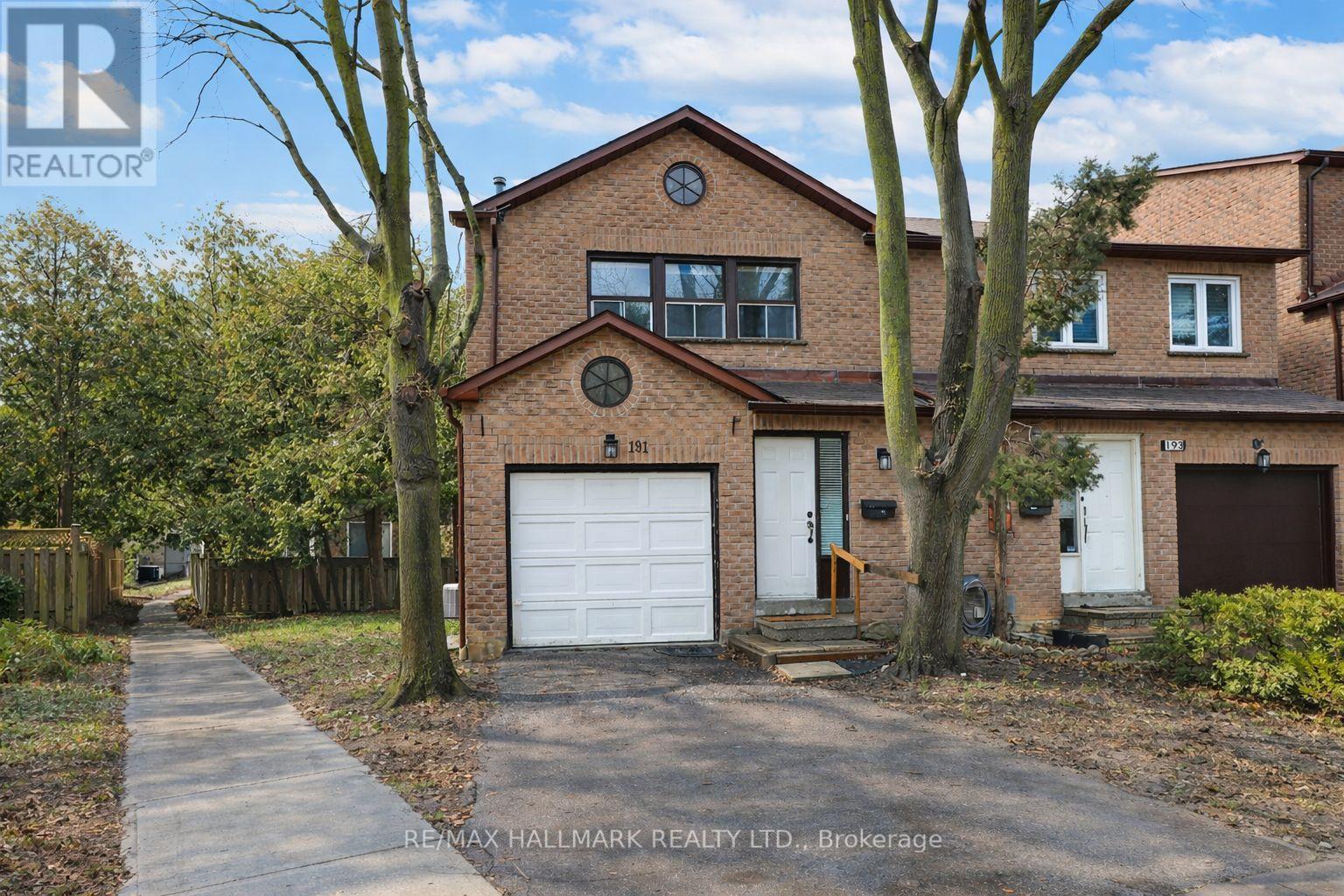 For Sale
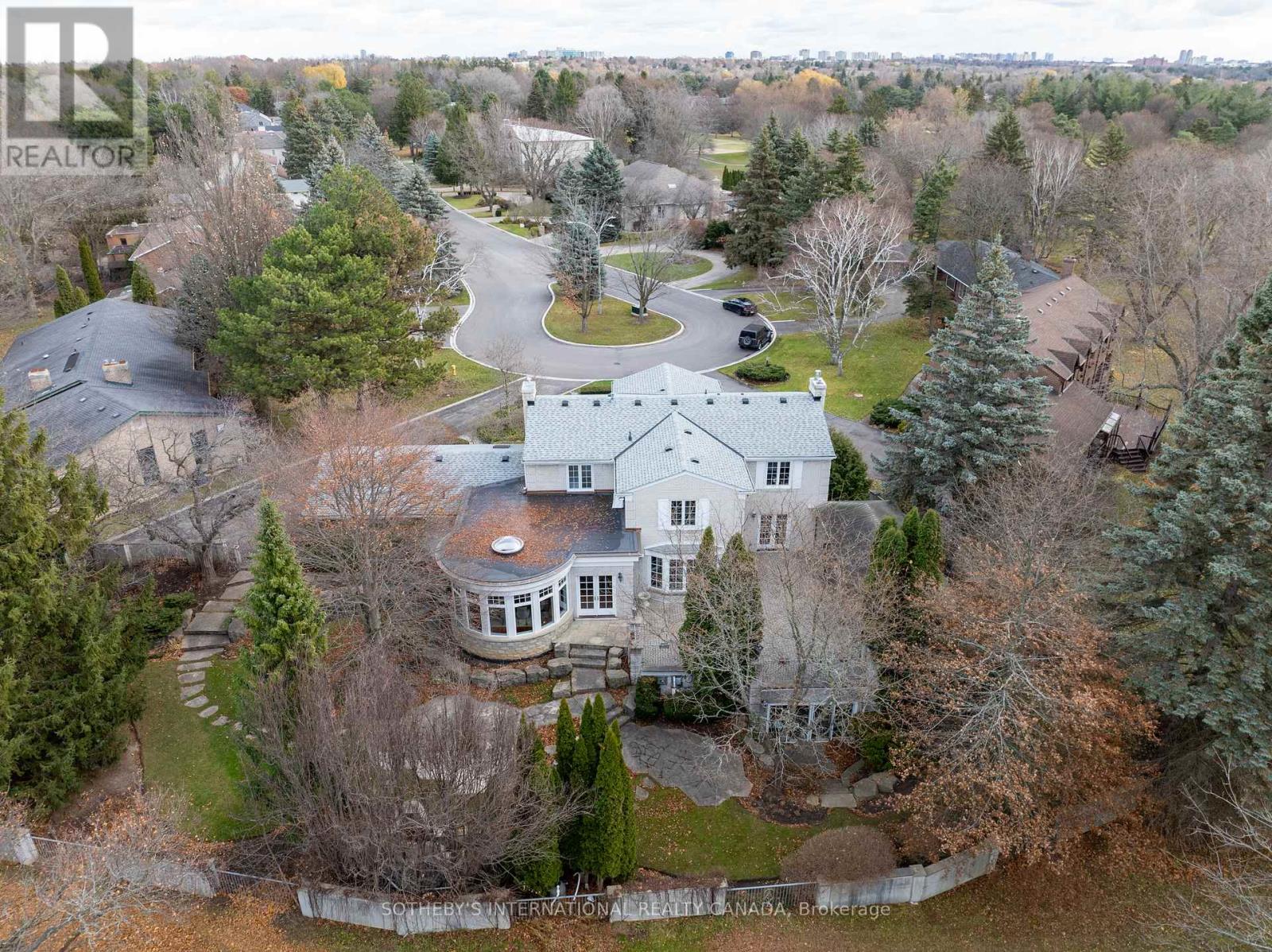 For Sale
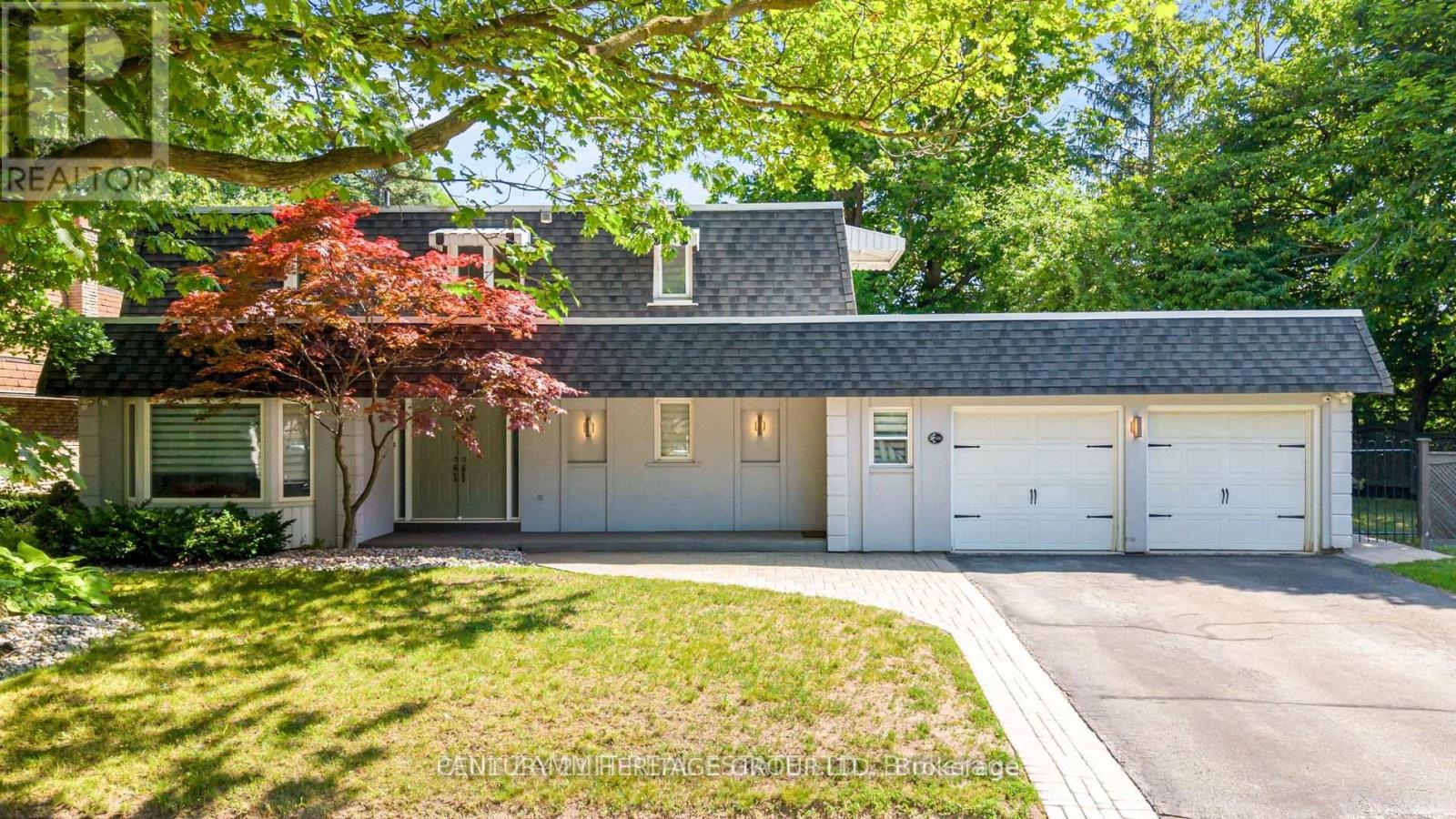 For Rent
 For Sale