
Bayview Glen is a south Markham neighbourhood along the Bayview Avenue corridor with homes from the 1960s through current rebuilds. Prices run from roughly $900,000 to $2.2 million, with large lots and YRDSB school access a key draw for buyers.
Bayview Glen runs along the Bayview Avenue corridor in south Markham, occupying a position that sits comfortably between the prestige of the country club estates to the south and the more conventional suburban neighbourhoods to the north and east. The neighbourhood’s identity is shaped by Bayview Avenue itself, which is one of the most significant north-south arterial corridors in York Region, lined with mature trees and flanked by residential streets that feel removed from the road despite their proximity. The homes here span a wide range of ages, from established properties from the 1960s and 1970s through renovated and rebuilt homes from the past decade, which gives the neighbourhood a layered character that newer planned communities lack.
The positioning of Bayview Glen relative to the Thornhill area to the west is worth understanding. Bayview Avenue is the de facto boundary between the Markham and the Vaughan/Thornhill jurisdictions in this stretch, and buyers who are looking at south Markham often find themselves simultaneously considering Thornhill addresses on the other side of Bayview. The communities share a physical corridor and many amenities, and the price and character differences between equivalent properties on either side of the avenue are narrower than the municipal boundary might suggest. Bayview Glen on the Markham side offers YRDSB schools, Markham municipal services, and slightly different pricing dynamics than the Thornhill equivalent.
Buyers who end up in Bayview Glen are typically choosing it after comparing it to surrounding areas and finding that it offers a combination of established character, good access, and reasonable price points relative to the full estate neighbourhood to the south. The neighbourhood does not have the highest-profile address in south Markham, but it has a genuine residential quality that rewards buyers who are looking for substance over status.
Bayview Glen sits in a price range that reflects its position between the entry-level Markham market and the full estate tier. In 2024 and into 2025, detached homes in the neighbourhood have traded broadly between $1.2 million and $2.2 million, with the spread reflecting the significant variation in lot size, renovation status, and home size within the area. Properties that have been substantially updated — new kitchen, bathrooms, windows, and mechanical — and sit on wider lots command the upper end of this range. Original-condition homes from the 1970s that have not been touched since their construction trade at a meaningful discount to their updated equivalents.
The renovation dynamic is important in Bayview Glen because the presence of both updated and un-updated homes on the same street creates comparison opportunities that don’t exist in more uniform newer communities. A buyer who is comfortable managing a renovation can purchase an original-condition home, update it to current standards, and arrive at a finished product comparable to what they would have paid significantly more for in fully updated form. The economics of this trade depend on executing the renovation competently and at market cost, but the opportunity is genuine in a way it is not in communities where the housing stock is all of similar age and condition.
Semis and links are present in some sections of Bayview Glen, particularly on the streets that developed in the later phases, and these trade at a discount to detached equivalents in the $900,000 to $1.1 million range. For buyers who prioritise the Bayview Avenue location and the school access but cannot stretch to the full detached price, the semi options in this neighbourhood represent a legitimate entry point without requiring a sacrifice of the neighbourhood’s core advantages. First-time buyers moving from Toronto condominium ownership will find the trade-up calculation compelling compared to equivalent product inside the Toronto boundaries.
The Bayview Glen market moves at a pace that reflects its mixed housing stock and the range of buyers it attracts. Spring and fall are the primary active periods, with spring — particularly March through May — consistently producing the highest sale prices and the most competitive offer situations. The market here is more responsive to interest rate movements than the full estate tier in Bayview Fairway to the south, because a higher proportion of buyers in the $1.2 million to $1.6 million range are at or near their maximum qualification and feel rate changes more acutely.
The renovation opportunity in the neighbourhood creates a two-speed market within Bayview Glen itself. Updated properties in good condition tend to sell quickly and sometimes with competing offers, because buyers who are not comfortable with renovation uncertainty will pay a premium for a turnkey product. Original-condition properties sit longer, often four to six weeks or more, and attract a narrower buyer pool. This creates a market where patience and preparation can deliver meaningfully different outcomes depending on which end of the condition spectrum a buyer is targeting.
The Bayview Avenue commercial corridor creates some price sensitivity on the streets immediately adjacent to the arterial, where traffic noise and the visual impact of commercial development can affect sale prices by five to ten percent relative to the interior streets on equivalent properties. Buyers who are less sensitive to this and who want to maximise their budget would do well to look at the Bayview-adjacent streets with that discount in mind, provided the noise level at the specific property is acceptable. Spending time at the property during peak traffic hours is a useful data point before making an offer on any home in this location.
Bayview Glen attracts a buyer profile that is somewhat broader than the more tightly defined premium neighbourhoods of south Markham. The range of price points within the neighbourhood — from semis around $900,000 to updated detacheds pushing past $2 million — means that the community includes buyers at different life stages and with different financial capacities. What tends to be consistent across the buyer types is a preference for the Bayview Avenue location, the established residential character, and the access to south Markham’s school options over the newer-but-further alternatives in north Markham.
Young families making the move from Toronto condominiums or rental apartments are a significant part of the buyer pool in the semi and entry-level detached range. For this buyer, Bayview Glen represents a step into a freehold neighbourhood with yard space, school access, and a community scale that condo living cannot provide. The proximity to Thornhill and the Bayview Avenue corridor means that the transition from urban Toronto life to suburban York Region is softer here than in more remote parts of Markham — the commercial amenity along Bayview Avenue provides a walkable or short-drive daily life that is recognisably urban even if the housing is suburban.
Established families who are upgrading from smaller Markham homes and professional couples in their forties and fifties represent the buyer pool for the higher end of the Bayview Glen range. These buyers know the area, have often rented or owned nearby, and are making a deliberate choice to stay within the Bayview corridor rather than moving north. Multi-generational purchasing — where adult children buy near parents who already live in south Markham or Thornhill — is also a pattern here, driven by the established Asian Canadian community networks in this part of York Region.
Bayview Glen’s streets run primarily east off Bayview Avenue, with the most established and desirable properties sitting on the interior streets that are set back from the arterial road. The streets closest to Bayview Avenue have more road noise and commercial visibility than the interior residential streets, and this is reflected in pricing for comparable properties. Buyers who have a specific address in mind should visit at different times of day to get a realistic sense of the traffic environment before committing, particularly if the property is within a block or two of Bayview.
The interior streets of Bayview Glen have a character shaped by the mix of older established homes and more recently renovated or rebuilt properties. On some streets you will find a 1960s bungalow on its original lot sitting next to a recently rebuilt two-storey custom home on what was the same type of lot before the original home was demolished. This pattern of incremental renewal is common in established south Markham neighbourhoods and creates a visual variety that planned communities never develop. For buyers who prefer the architectural consistency of new construction, this variability may feel unsettled. For buyers who appreciate the visual evidence of a neighbourhood evolving over time, it is part of the appeal.
The northern edge of Bayview Glen transitions toward the commercial development along 16th Avenue, and properties on streets that abut or overlook this commercial edge are typically priced accordingly. The 16th Avenue corridor has become more dense over the past decade with retail, medical, and food service development that improves amenity access but reduces the residential purity of properties immediately adjacent to it. The best residential streets in the neighbourhood are those that are far enough from both Bayview Avenue and 16th Avenue to avoid direct arterial impact but close enough to both to benefit from the access and amenities they provide.
Bayview Glen’s position on Bayview Avenue in south Markham gives it one of the better transit access profiles of any neighbourhood in the area, particularly for connections southward toward Toronto. YRT buses run along Bayview Avenue with reasonable frequency during peak hours and connect to Finch Station on the Toronto subway via the southward extension of the Yonge corridor. From Finch Station the subway reaches downtown Toronto in roughly twenty-five to thirty minutes, making the total transit commute from Bayview Glen to Union Station approximately sixty to seventy-five minutes door to door.
By car, the access from Bayview Glen is practical in multiple directions. Highway 407 ETR is reachable in under ten minutes via Bayview Avenue south to the 407 interchange. This provides reliable highway access both east toward Highway 404 and west toward Highway 400 without going through the surface road network. Highway 404 is accessible via 16th Avenue heading east from Bayview Avenue, providing the direct southward connection to the DVP and Toronto. The 16th Avenue interchange at 404 is well-designed and rarely creates the bottleneck issues that some other Markham highway access points produce during peak hours.
The GO Transit options from Bayview Glen are less direct than the highway access. The Markham GO station on the Stouffville line is roughly fifteen minutes east by car, which makes it a drive-and-park commuter option. For GO riders, the Stouffville line provides reliable service to Union Station on a schedule that works for traditional business hours commuters. The Richmond Hill GO line stations to the west are accessible via Highway 7, providing a second GO option for residents who work along the Richmond Hill line corridor. The proximity of Bayview Glen to two different GO lines is a meaningful advantage over most of Markham for buyers who commute by GO Transit.
The green space in Bayview Glen is shaped by the residential character of the neighbourhood and the parkland that has been maintained along the creek corridors and in the neighbourhood parks. The Pomona Creek corridor provides a natural green thread through part of the area, with the creek and its associated vegetation creating habitat and visual relief from the suburban built form. This type of creek corridor park — unmaintained in the formal sense, but genuinely natural — is valued differently by different buyers. For some, the naturalistic quality of the creek edge is a significant asset. For others, the maintained park is the preferred option.
Several neighbourhood parks within Bayview Glen provide playground equipment, open field space, and the basic amenities of a working suburban park. These parks are sized and positioned to serve the residential streets around them rather than to attract visitors from elsewhere, which means they function as the kind of neighbourhood assets that residents use daily without thinking about them consciously. The quality of maintenance in Markham’s parks has been consistently good, reflecting the city’s strong tax base and its investment in public infrastructure.
The Bayview Country Club property to the south creates a visual green boundary that benefits Bayview Glen residents as well as the country club estate community immediately adjacent. From certain streets in the southern part of Bayview Glen, the club’s maintained grounds and tree cover are visible and contribute to the neighbourhood’s green character. The regional park connections — Rouge National Urban Park to the east and the trail network along the Rouge watershed — are accessible within a fifteen to twenty minute drive and provide the larger-scale nature access that the neighbourhood’s own parks cannot offer. For residents who walk or run significant distances regularly, these regional connections matter and are worth assessing specifically for your target property’s proximity.
Bayview Glen benefits from its position on the Bayview Avenue corridor, which has developed into one of the stronger commercial strips in south Markham. The Times Square commercial node at 16th Avenue and Bayview provides grocery, banking, pharmacy, and food service within a short drive of most properties in the neighbourhood. The broader 16th Avenue corridor has continued to develop over the past decade with professional offices, medical clinics, and the kind of mid-range restaurant options that reflect the neighbourhood’s family demographic.
The proximity to Thornhill’s commercial amenity to the west adds an additional layer to the retail picture. The Bayview Avenue commercial strip continues south across the municipal boundary with only a seamless visual transition, and Thornhill Plaza at Bayview and Clark is within ten minutes of most Bayview Glen homes. For residents who tend to travel southward for errands rather than eastward into central Markham, the Thornhill commercial options along Bayview feel like neighbourhood amenities rather than destinations in a different city.
Markville Shopping Centre is accessible in fifteen to twenty minutes driving east along 16th Avenue or via Highway 7. For Pacific Mall, the drive east along Steeles to Kennedy Road is under twenty minutes, making the full range of Asian retail and dining options accessible without a long trip. Healthcare access from Bayview Glen is strong — the concentration of medical and dental offices along the Bayview and 16th Avenue corridors, combined with the proximity to both Markham Stouffville Hospital to the northeast and Mackenzie Health in Richmond Hill to the west, gives this neighbourhood broader healthcare access than its location in south Markham might suggest. Residents have choices about which hospital system they access depending on their specialist relationships and preferences.
Schools serving Bayview Glen fall within the York Region District School Board (YRDSB) and York Catholic District School Board (YCDSB) catchments, with specific assignments depending on street address. The public elementary schools serving the area include Bayview Glen Public School and other schools in the south Markham grid, all of which benefit from the strong parental engagement and above-average EQAO performance that characterises this part of York Region. For families with children in the elementary years, the school quality in this catchment is a genuine draw and a significant factor in the neighbourhood’s sustained buyer demand.
At the secondary level, students from Bayview Glen typically attend Thornlea Secondary School or Markville Secondary School depending on their address. Thornlea has developed a reputation for its arts programming and a student culture that is somewhat more diverse in its interests than the more academically intense schools in central Markham. This distinction matters for families whose children have strong interests in arts, music, or the humanities, and whose post-secondary path may not run through the competitive STEM programs that dominate the conversation in some Markham schools. Markville Secondary School provides a strong academic environment with competitive university placement and would be the default choice for families prioritising academic intensity.
The YCDSB secondary school serving this area is St. Augustine Catholic High School, which draws from south Markham and has built a reputation for both academic performance and community-building within its student body. For families in the Catholic school system, St. Augustine represents a strong option that is competitive with the public secondary alternatives in this part of York Region. Catchment boundaries should be verified using the specific property address through the YRDSB and YCDSB school locator tools, as boundaries in this area have been adjusted in response to enrolment changes.
Bayview Glen is a largely built-out neighbourhood where the development story is one of gradual renewal rather than new construction. The combination of older housing stock from the 1960s and 1970s and the large lots that these homes sit on creates ongoing teardown and rebuild activity as buyers with higher budgets and specific tastes choose to demolish and build custom rather than renovate extensively. This pattern of residential renewal is common across south Markham’s older established neighbourhoods and is a sign of ongoing demand rather than neighbourhood decline.
The Bayview Avenue corridor continues to intensify with mid-rise residential and mixed-use development as the provincial government and City of Markham both push density into the main arterial corridors. This intensification will bring more residential population and commercial activity to Bayview Avenue over the coming decade, which has mixed implications for existing Bayview Glen residents: more amenities, more transit potential, and more neighbourhood energy on one hand, and more traffic and visual change on the other. Properties on streets directly adjacent to Bayview Avenue will feel this change most acutely; interior streets will be less affected.
The 16th Avenue corridor is also undergoing incremental commercial and residential intensification, and the intersection of Bayview and 16th has been the subject of planning discussions about its long-term form as a significant node in the south Markham urban structure. Buyers who are purchasing near this intersection and who are sensitive to potential future change should review the current Official Plan designations for the surrounding parcels, as the planning framework for this area envisions more intensive use over time than is currently developed. For most Bayview Glen buyers who are focused on the interior residential streets, these corridor changes are background context rather than immediate concerns.
Q: What is the difference between Bayview Glen and the Bayview Fairway-Bayview Country Club Estates neighbourhood to the south?
A: The two neighbourhoods are adjacent but occupy different tiers of the south Markham real estate market. Bayview Fairway-Bayview Country Club Estates is the premium tier, characterised by large custom homes on estate-sized lots, many of which back onto or adjoin the Bayview Country Club’s property. Prices there start around $1.6 million and extend to $5 million or beyond. Bayview Glen is the adjoining community to the north and east, with a broader range of housing stock including smaller detached homes, semis, and a mix of renovation-ready and updated properties. Prices in Bayview Glen run from roughly $900,000 to $2.2 million. The school options available to both neighbourhoods are largely shared, the highway and transit access is comparable, and the daily retail amenity is the same Bayview Avenue commercial corridor. The primary differences are lot size, housing quality at the top end, and price. For buyers whose budget tops out around $1.5 million, Bayview Glen is the practical alternative that gives them the location and school access without requiring them to stretch to the estate tier.
Q: How does the Bayview Avenue traffic affect daily living in Bayview Glen?
A: Bayview Avenue is a busy arterial road and its traffic presence is a real factor for properties adjacent to or near it. The noise and visual impact are most significant for properties directly on Bayview or on the first cross-streets, and this is reflected in pricing: those properties trade at a discount to otherwise comparable interior properties. The interior streets of Bayview Glen are effectively insulated from the arterial traffic because the residential layout creates a buffer of homes between the arterial and the interior streets. For buyers targeting interior streets two or more blocks from Bayview, the arterial impact on daily life is minimal — you drive past it briefly when leaving the neighbourhood, but you do not hear it from your backyard. Buyers targeting the streets immediately off Bayview should spend time at the property during rush hour to assess whether the noise level is acceptable for their household.
Q: Are there any significant heritage or conservation restrictions in Bayview Glen that would affect renovation or rebuilding?
A: Bayview Glen does not have broad heritage district designation that would restrict renovation activity across the neighbourhood, but individual properties may have heritage attributes that are worth checking if you are purchasing an older home with the intention of demolishing it. The City of Markham’s Heritage Register lists individual properties of cultural heritage value, and any property on this register requires a heritage impact assessment before demolition or significant alteration can proceed. For most properties in Bayview Glen, this is not a concern, but buyers purchasing an older home with visible architectural character should check the city’s heritage register as part of their due diligence. The Pomona Creek corridor has environmental protection designations under the Toronto and Region Conservation Authority’s regulations, and properties adjacent to the creek should verify the setback requirements and any fill or alteration restrictions before planning significant rear yard work.
Q: Is the neighbourhood changing significantly in terms of its demographic character?
A: Bayview Glen has been gradually evolving demographically over the past two decades, reflecting the broader shift in south Markham and Thornhill as the Chinese Canadian and South Asian communities have grown significantly in this part of York Region. This is visible in the commercial development along Bayview Avenue, the school enrolment composition, and the character of community events and services. The neighbourhood’s demographic transition has been gradual rather than rapid, and it has been accompanied by sustained investment in the housing stock and consistent demand for properties in the area. For buyers from outside the dominant communities, the neighbourhood is welcoming and diverse in the sense that multiple communities are present and integrated. The shared values around school quality, family stability, and community investment tend to create a broadly cohesive neighbourhood character even as the demographic composition has shifted.
Buying in Bayview Glen requires working with someone who understands the specific dynamics of the Bayview Avenue corridor and what drives value differences within the neighbourhood itself. The range between a dated bungalow on a busy cross-street and a rebuilt custom home on a quiet interior lot can be $800,000 or more, and the factors driving that gap are not always obvious from listing photos or data alone.
A good buyers agent in Bayview Glen will help you understand which streets sit close enough to Bayview Avenue that noise and traffic are real factors, and which interior streets are genuinely removed from arterial impact. They will assess the teardown-versus-renovate calculation for any older property you consider, since the lot sizes here make teardown viable in a way that smaller-lot neighbourhoods do not. They will also have a clear read on which school catchment the property falls into and what that means for your family’s options, since the YRDSB schools serving this area have different programs, academic profiles, and waitlist dynamics.
The overlap between Bayview Glen and the adjacent Thornhill market is a genuine complication. Some buyers find that a Thornhill address on the Vaughan side of Bayview offers better value for comparable housing quality; others find the opposite. An agent who works both sides of this corridor, rather than exclusively in one municipality, will give you a more honest comparison than one who is incentivised to favour one market over the other.
TorontoProperty.ca works with buyers throughout south Markham and the Bayview Avenue corridor. If you are weighing Bayview Glen against the Thornhill comparison, or trying to understand which Bayview Glen streets represent the best value at your budget, contact us directly for a conversation grounded in current sales data rather than general market commentary.
Street-level knowledge is hard to find online. Our team works in Bayview Glen every day. They know which pockets hold value, where the school catchment lines actually fall, and what the market is doing right now. Talk to us before you make a decision about Bayview Glen.
Talk to a local agent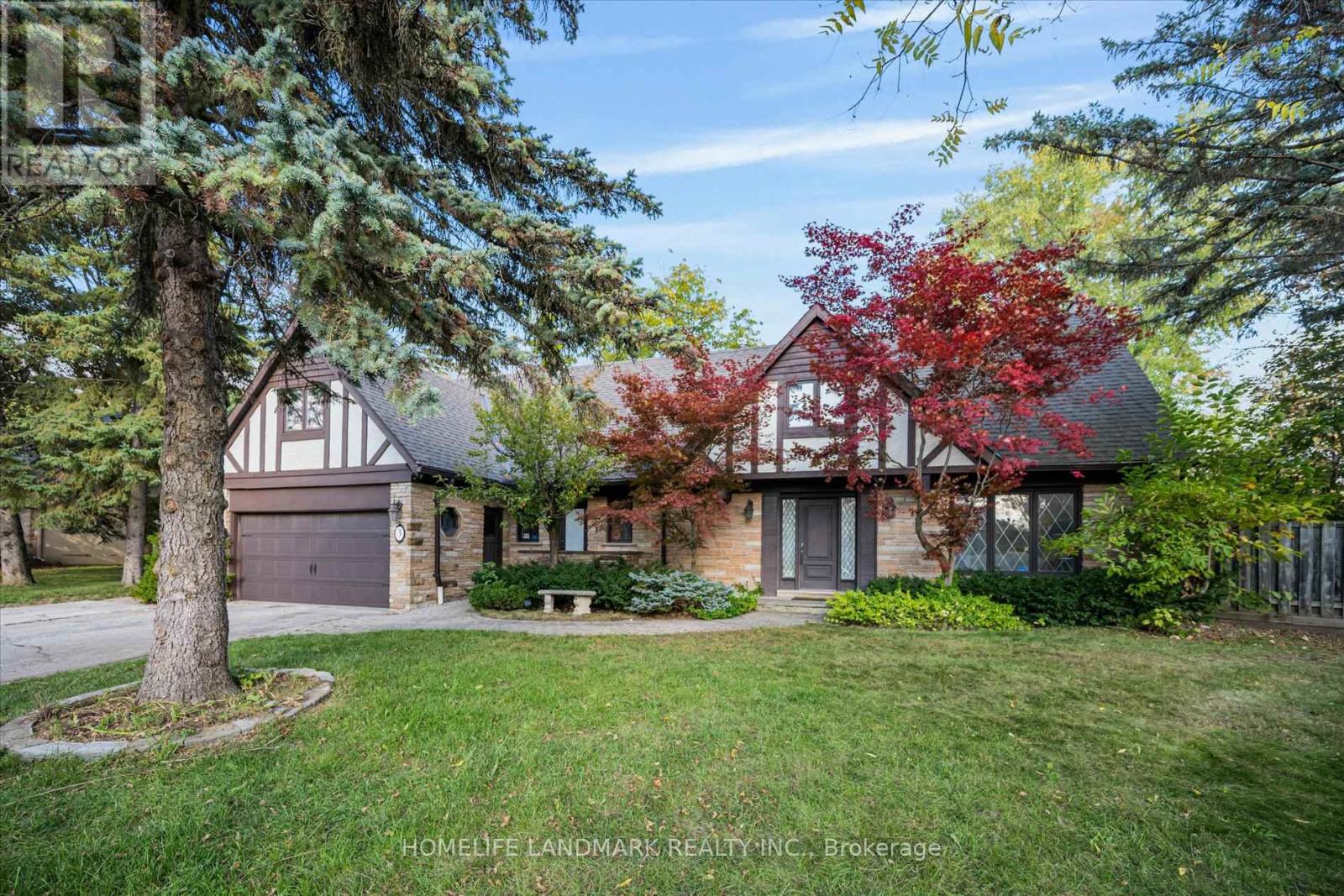 For Sale
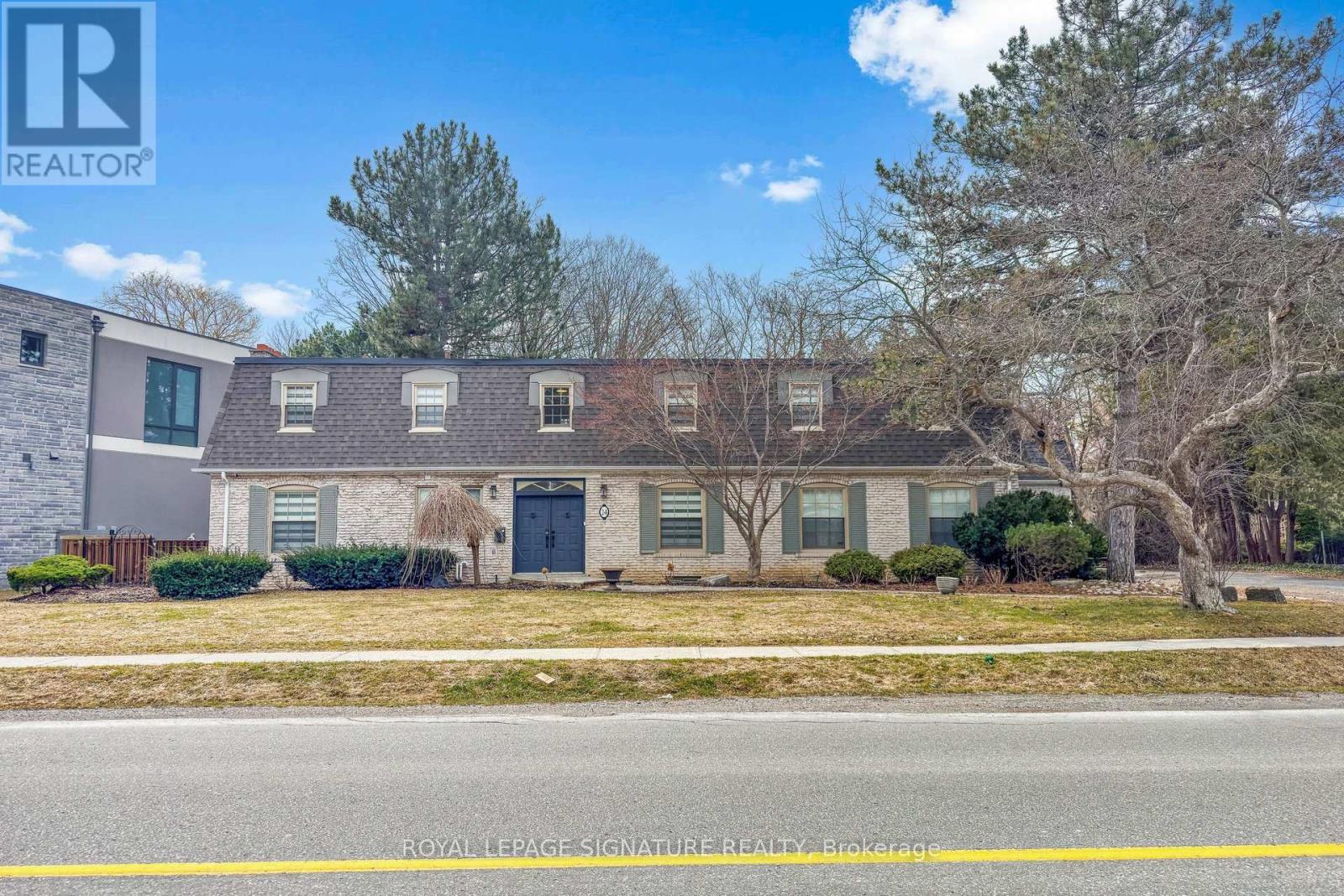 For Rent
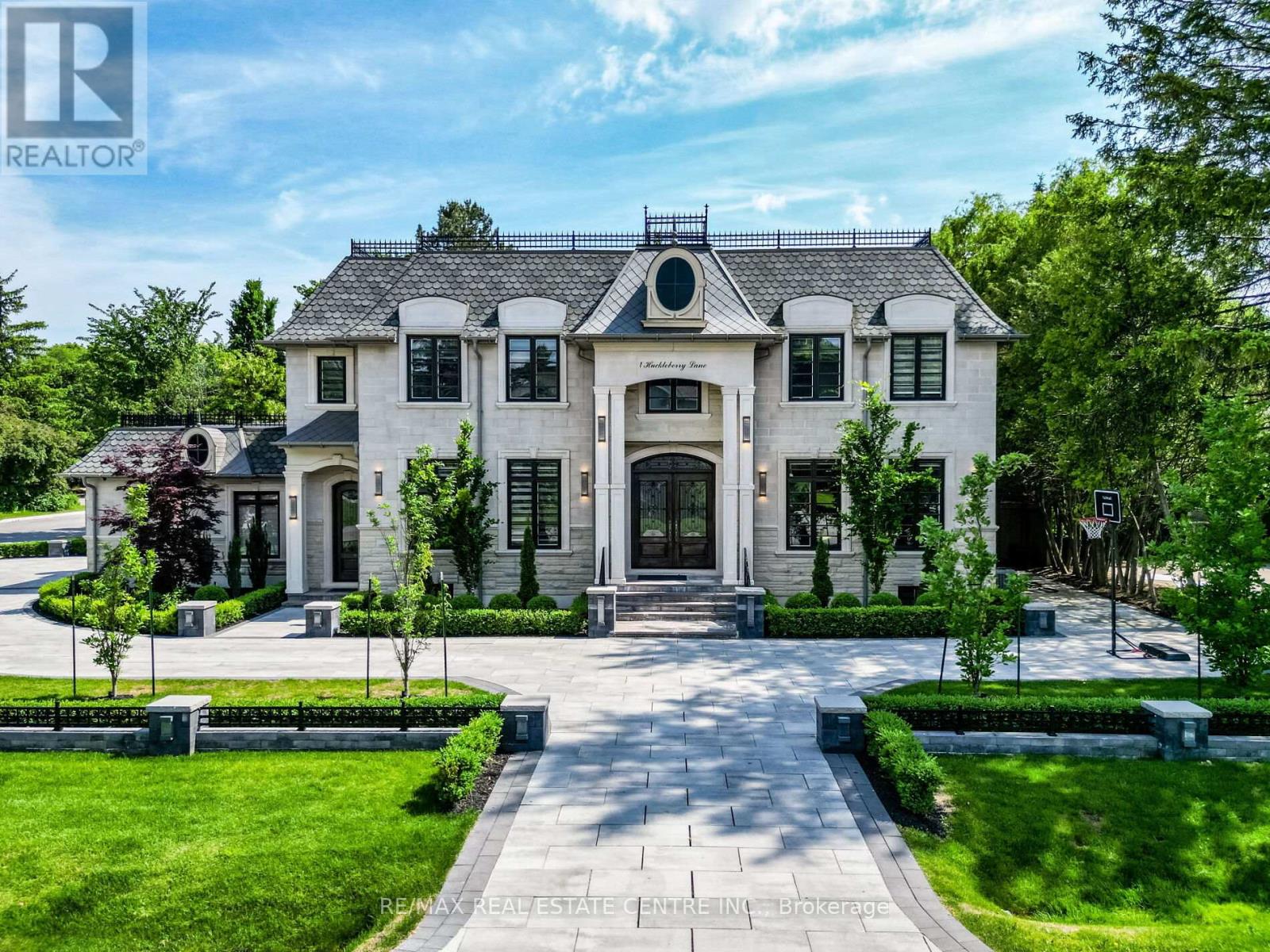 For Sale
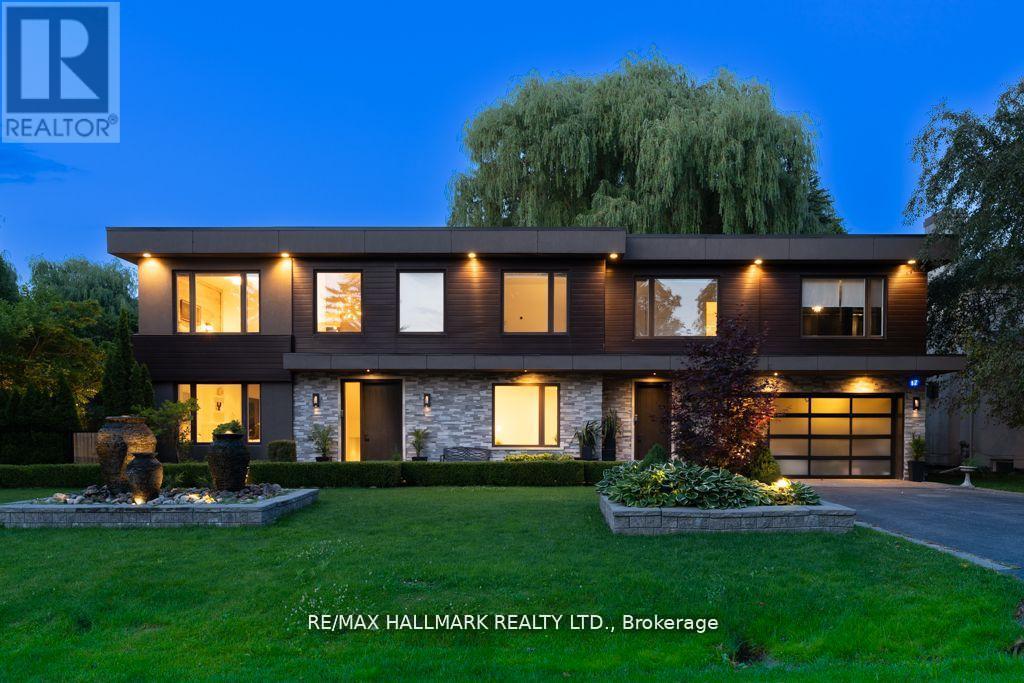 For Sale