
Blue Grass Meadows is a central Whitby neighbourhood with established detached homes from the 1970s through 1990s, positioned near Brock Street and Dundas Street with access to Whitby GO Station.
Blue Grass Meadows is a mid-Whitby neighbourhood situated in the central part of the city, bounded roughly by Taunton Road to the north, Garden Street to the west, Rossland Road to the south, and Brock Street to the east. It is an established residential area developed primarily in the 1970s through the 1990s, with the characteristic streetscapes and housing forms of those construction periods. The neighbourhood sits between Whitby’s older downtown core to the south and the newer suburban developments further north.
The neighbourhood is named for its original rural character, which has long since been replaced by the standard suburban layout. Mature trees on established streets are the primary remnant of that earlier quality. The housing is a mix of detached bungalows, two-storeys, and some semi-detached, built over several phases of development. Streets are quiet and the lot sizes are larger than in newer Whitby subdivisions, which is a consistent draw for buyers who compare the neighbourhood to its newer counterparts.
Blue Grass Meadows offers practical value within the Whitby market. It is not a premium destination neighbourhood with a specific distinguishing feature. It is a well-located, established community that provides detached housing, reasonable access to Whitby GO Station and the commercial services along Dundas Street and Brock Street, and the benefits of a mature neighbourhood without the premium pricing of Whitby’s more sought-after areas.
The buyer profile here is consistent with its positioning: families who want an established Whitby neighbourhood at mid-range prices, first-time buyers accessing the detached market through the neighbourhood’s more affordable sections, and move-up buyers transitioning from smaller properties within Whitby or from adjacent communities.
The neighbourhood performs reliably in the Whitby market without generating headline transactions. It is the kind of community that serves a steady, consistent demand from buyers who have done their homework and concluded that Blue Grass Meadows delivers what their household needs at a price their budget supports.
Blue Grass Meadows sits in the mid-range of the Whitby detached market. Homes were trading between $850,000 and $1.05 million in early 2025, depending on lot size, renovation level, and exact location within the neighbourhood. The range reflects the variation between original-condition homes from the neighbourhood’s earlier development phases and renovated properties that have been significantly updated.
Bungalows on larger lots are among the more sought-after properties. Original-condition bungalows can sell at a discount to the neighbourhood average for buyers who want a renovation project. Renovated bungalows on good lots test the upper portion of the range. The renovation premium in this neighbourhood is meaningful, reflecting the real cost of updating homes from this period at current contractor rates.
Semi-detached properties in Blue Grass Meadows provide entry below the detached range, typically trading between $700,000 and $825,000. These attract first-time buyers who want a ground-level home in an established Whitby neighbourhood without the full detached price.
The per-square-foot pricing in Blue Grass Meadows is competitive within Whitby. Buyers comparing the neighbourhood to similar communities in Ajax or Pickering find that Whitby generally offers comparable or slightly better value per square foot for established detached housing. The comparison to newer Whitby communities in the north shows a newer-construction premium that may or may not be worth paying depending on the buyer’s priorities.
Lot sizes in the older sections of the neighbourhood are generally larger than in subdivisions built after 2000. This is one of the practical reasons some buyers choose Blue Grass Meadows over newer areas in northern Whitby. The extra lot depth supports larger yards, additions, and secondary suites in ways that tighter post-2000 lots do not.
Blue Grass Meadows has a stable market driven by consistent family demand. It does not have the speculative energy of rapidly developing areas or the specific premium drivers of waterfront or park-adjacent communities. The market reflects the neighbourhood’s practical value and consistent buyer base.
Demand is predominantly from owner-occupiers. The price range is above what typical rental investors target for yield in Durham Region, and the neighbourhood lacks the transit adjacency premium that drives investor interest in more central areas. The owner-occupier orientation provides stability through market cycles.
The spring market in Blue Grass Meadows follows Durham Region patterns. March through May sees the most active buying conditions, with well-priced detached homes in good condition generating competitive interest. The fall market is functional and the winter period can offer modest opportunities for flexible buyers.
Turnover is moderate and regular. The neighbourhood does not have the very low turnover of premium lifestyle areas where residents are reluctant to leave, but it also does not have the high turnover of investor-heavy areas. Properties come to market through the normal life cycle of owner-occupier moves, and buyers can generally find available properties with a reasonable search period.
Price history in Blue Grass Meadows tracks the broader Whitby and Durham market. The neighbourhood has participated in the appreciation of Durham Region real estate over the past decade without generating exceptional outperformance. Buyers purchasing for the long term will benefit from the region’s overall growth trajectory. Buyers expecting the neighbourhood itself to be a source of above-market returns should look at communities with more specific premium drivers.
Families looking for an established Whitby community at a mid-range price point are the primary buyer segment. They have evaluated the neighbourhood against newer Whitby subdivisions and established that the larger lots, mature trees, and central location justify the older housing stock. These buyers typically have school-age children and are making a deliberate community choice rather than a default purchase.
First-time buyers accessing the Whitby detached market through the neighbourhood’s more affordable sections are a consistent presence. The semi-detached and entry-level detached inventory in Blue Grass Meadows provides access to ground-level housing at prices below the more premium Whitby neighbourhoods, making the community function as an entry point into Whitby’s market for buyers who cannot yet access the waterfront or high-end areas.
Move-up buyers from within Whitby or from Ajax and Oshawa are also present. Some are moving from smaller homes in other parts of Durham and have chosen Blue Grass Meadows for specific reasons such as school catchment, proximity to employment, or family connections in the area. Internal Durham demand of this kind is a consistent underpinning of the neighbourhood’s market.
Buyers from Toronto relocating to Durham are present but not the dominant segment. Blue Grass Meadows does not have the specific draw that brings Toronto buyers specifically to this neighbourhood over others in Durham. Buyers who end up here from Toronto have typically been through a broader Durham search and landed on this neighbourhood through practical comparison rather than a specific lifestyle attraction.
Renovation buyers targeting original-condition properties are active in the neighbourhood. The older housing stock creates renovation opportunities, and buyers with realistic budgets and a clear plan can purchase at renovation-discount pricing and create value through the work. The neighbourhood’s location supports renovation investment in a way that more peripheral areas with lower land values do not always justify.
Blue Grass Meadows has the settled character of an established suburban family community. Residents are predominantly owner-occupiers with a mix of long-term and newer arrivals. The community is functional and quiet rather than distinctive or vibrant. School communities, local parks, and the informal social life of a residential neighbourhood provide the primary social infrastructure.
Commercial services are accessible along Brock Street and Dundas Street, both within a short drive of the neighbourhood. The broader Whitby commercial area on Dundas Street East provides the full range of daily services. Whitby’s Civic Recreation Complex and the Iroquois Park Sports Centre are accessible within a few minutes by car, providing recreation programming for all ages.
Whitby GO Station is accessible within 10 to 15 minutes by car from most of the neighbourhood, making Toronto commuting viable for regular GO users. The station provides access to Union Station in approximately 46 to 59 minutes depending on the service. Daily GO commuters from Blue Grass Meadows drive to the station as part of a manageable commute routine.
The mature street character of the neighbourhood, with established trees and varied setbacks, creates a liveable residential environment that newer subdivisions are still in the process of developing. For buyers who have lived in established Toronto or inner suburb neighbourhoods and value the visual quality of mature streetscapes, Blue Grass Meadows provides that quality at Durham prices.
Community identity in Blue Grass Meadows is quiet but real. Parents know each other through schools. Long-term residents have established neighbour relationships. The neighbourhood does not have a strong civic association or programmed community events, but it has the informal social infrastructure that develops in any established residential community over time.
Whitby GO Station is the primary transit connection for Blue Grass Meadows residents commuting to Toronto. The station is approximately 10 to 15 minutes by car from the neighbourhood. The GO journey to Union Station takes 46 to 59 minutes on the Lakeshore East line, making Whitby a Zone 5 commute that is at the longer end for regular use but manageable for hybrid work arrangements. Durham Region Transit provides bus connections to the station for residents who prefer not to drive.
Highway 401 is accessible from Brock Street heading south to the on-ramp. The drive from Blue Grass Meadows to the highway takes roughly 5 to 10 minutes. This access supports car commuting to employment along the 401 corridor and eastward into Oshawa or westward toward Ajax and Pickering.
Brock Street running north-south and Dundas Street running east-west are the primary arterials providing access to services and to the highway network. Durham Region Transit routes along these arterials provide bus connections to Whitby GO and to the regional transit network. Frequency is adequate for residents who combine bus and GO, though the neighbourhood is not walkable to transit for most addresses.
Highway 412 (the Whitby bypass) is accessible to the west and connects to Highway 407 east for commuters heading to Markham, Scarborough, or the Highway 400 employment corridor. The combination of 401 and 407 access from Whitby is good and supports employment destinations across the eastern and central GTA without requiring the 401 traffic in all cases.
A car is the practical assumption for daily life in Blue Grass Meadows, as in most of Whitby’s residential neighbourhoods. The GO transit connection is the primary car-reducing element of the commute for Toronto workers. For all other daily activities, car access is the standard mode.
Blue Grass Meadows is served by a set of neighbourhood parks that provide standard recreational amenities. Blue Grass Meadows Park is the primary community park, offering playground facilities, open space, and the typical amenity package for a residential neighbourhood park. Additional smaller parkettes throughout the neighbourhood serve specific blocks and street-level recreational needs.
The Heber Down Conservation Area, managed by the Central Lake Ontario Conservation Authority, is accessible within 15 to 20 minutes by car north of the neighbourhood. It provides hiking trails, a pond, and natural habitat in a format that neighbourhood parks cannot replicate. For residents who want trail access and natural landscape, this conservation area is the primary resource beyond the neighbourhood parks themselves.
Lynde Creek, which runs through central Whitby, is accessible via trail connections from parts of the neighbourhood. The creek corridor provides a natural linear green space with walking access through a quieter natural setting than the arterial roads that define the neighbourhood boundaries. Trail access to the creek valley improves the outdoor amenity available to residents without requiring a car trip.
The Iroquois Park Sports Centre and the associated outdoor facilities provide programmed recreation options beyond passive park use. Arenas, fitness facilities, and outdoor sports fields serve residents of Blue Grass Meadows and the broader central Whitby population. These are destination facilities rather than neighbourhood parks, but their proximity to the neighbourhood makes them accessible without a significant drive.
Whitby’s waterfront parks, including Rotary Sunrise Park and Whitby Harbour, are accessible within 10 to 15 minutes by car. The Lake Ontario shoreline provides waterfront access for recreational use, though it is not an amenity that Blue Grass Meadows residents can access on foot. The proximity by car is close enough to make it a regular destination for residents who use the waterfront seasonally.
Blue Grass Meadows is served by DDSB schools in central Whitby. Monsignor John Pereyma Catholic Secondary School and several DDSB elementary schools serve the area. The specific elementary school assignment depends on the address within the neighbourhood. Parents should confirm current catchment boundaries with DDSB directly, as they have been adjusted over time with enrollment changes in central Whitby.
Anderson Collegiate and Vocational Institute is the primary DDSB secondary school serving central Whitby including Blue Grass Meadows. Anderson has a longstanding reputation in Whitby and provides comprehensive academic and vocational programming. It is one of Whitby’s established secondary schools with consistent enrollment and an active extracurricular program.
The DCDSB provides Catholic school options including Monsignor John Pereyma Catholic Secondary School for secondary students and several Catholic elementary schools for junior grades. Parents committed to the Catholic system should verify catchment assignments and transportation with DCDSB before purchasing.
French immersion is available within the DDSB system in Whitby. The program requires attendance at a designated school that may differ from the neighbourhood catchment school. Parents interested in French immersion should contact DDSB early to confirm program availability and registration procedures.
School-age population in Blue Grass Meadows is consistent with an established family neighbourhood. Schools have operated at stable enrollment levels without the acute capacity pressures that affect newer developing areas. This stability supports consistent program availability and staff continuity over time.
Blue Grass Meadows is a mature neighbourhood with limited internal development opportunity. The established lot fabric and existing official plan designations mean that significant new development within the neighbourhood boundaries is not anticipated. Gradual change through renovation and replacement of aging housing stock is the primary form of evolution.
The broader development activity in central and northern Whitby affects Blue Grass Meadows through improved infrastructure and service access rather than through direct neighbourhood change. As Whitby’s population grows through new development in the north, the city invests in commercial, recreational, and civic infrastructure that benefits existing residents. Blue Grass Meadows residents have access to new Whitby amenities without living through the disruption of active construction.
The Dundas Street corridor, running along the neighbourhood’s southern edge, is subject to ongoing commercial development and some intensification. New commercial and mixed-use buildings along Dundas Street East have improved the range of services accessible from the neighbourhood. This gradual commercial evolution is a positive development for residents without constituting a disruption to the residential character of the neighbourhood itself.
Whitby’s official plan supports ongoing growth in the northern parts of the city. This growth is expected to continue generating population and economic activity that benefits the municipality as a whole, including maintaining investment in services and infrastructure that serve existing communities like Blue Grass Meadows. The neighbourhood is a beneficiary of Whitby’s growth trajectory without being directly in the path of that growth.
The aging housing stock in the neighbourhood creates a long-term cycle of renovation and replacement. As homes from the 1970s and 1980s reach the end of their useful life or fall significantly behind current standards, they will be renovated or replaced. This cycle improves neighbourhood quality gradually and is underway in various stages across different streets.
Blue Grass Meadows developed during the suburban growth period that transformed central Whitby from the 1970s onward. The land was agricultural through the mid-twentieth century, part of the broader farmland that surrounded Whitby’s historic downtown core. As Durham Region was established and Whitby became part of a regional municipal framework, planned suburban development extended the town’s footprint northward and through what became Blue Grass Meadows.
Whitby itself has a longer history than most of its suburban neighbourhoods. The town was incorporated in 1855 and served as the county seat of Ontario County before Durham Region was created. The downtown core along Brock Street and Dundas Street reflects this older history. Blue Grass Meadows was built when Whitby was growing well beyond that historic core, as post-war suburban development extended the town into its surrounding agricultural land.
The neighbourhood name reflects the agricultural and semi-rural character of the land before development. Blue grass was among the forage crops grown in this part of Durham, and the meadow character of the flat agricultural land that preceded the neighbourhood contributed to the naming. This pastoral history has been entirely replaced by the residential development, though the mature trees that were planted at the time of construction and have since grown to full canopy size provide a visual connection to a greener version of the place.
The community that formed in Blue Grass Meadows in the 1970s and 1980s has evolved through multiple cycles of residents. The original families who settled the neighbourhood have largely moved on or aged in place. The current community reflects the mix of long-term residents and newer arrivals typical of established suburban neighbourhoods that have been through several ownership cycles.
The relationship between Blue Grass Meadows and Whitby’s town history is primarily one of geographic proximity rather than shared heritage. The neighbourhood does not have the historic character of Whitby’s older central areas. Its history is the history of post-war Ontario suburban development, a common story across dozens of similar communities in Durham Region that were built to house the families who were drawn to the region by the GO corridor and the highways that made Durham accessible to Toronto employment.
Q: How does Blue Grass Meadows compare to Pringle Creek or Lynde Creek in Whitby?
A: Blue Grass Meadows and Pringle Creek are both established central Whitby neighbourhoods at similar price ranges with comparable housing stock. Blue Grass Meadows is positioned slightly more centrally with somewhat easier access to Brock Street services. Pringle Creek has direct creek-corridor access that gives it a natural amenity edge. Lynde Creek, like Pringle Creek, has the creek corridor access that provides a more natural character. Buyers comparing these neighbourhoods should assess the specific streets they are considering rather than accepting neighbourhood-level generalisations, as quality and character can vary significantly within each area. School catchment may also differ between them and should be confirmed for any specific address.
Q: Is Blue Grass Meadows a good fit for a family with kids under 10?
A: Yes. The neighbourhood has the core features that matter for families with young children: a quiet residential character, neighbourhood parks with playgrounds within walking distance, established elementary schools within the catchment area, and a community of other families in similar life stages. The housing stock accommodates the space requirements of a growing family. The neighbourhood is safe and walkable for children within its residential streets. Families who are primarily looking for a functional, quiet community with good schools and reasonable access to Whitby services will find Blue Grass Meadows delivers those things reliably.
Q: What is the commute from Blue Grass Meadows to Toronto by GO?
A: Whitby GO Station is approximately 10 to 15 minutes by car from most of Blue Grass Meadows. The GO journey from Whitby to Union Station takes between 46 and 59 minutes depending on the specific train. Total door-to-door time to downtown Toronto is typically 60 to 80 minutes. This is at the longer end of what most daily GO commuters find comfortable for a five-day routine, but it is manageable for hybrid workers who commute two or three days per week. Checking specific train departure times against your work schedule before purchasing is worth doing, as early-morning trains may not align well with all employment start times.
Q: What renovation considerations should I know about for homes in this area?
A: Homes in Blue Grass Meadows were built primarily in the 1970s through 1990s, making them 30 to 50 years old. Original mechanical systems including furnaces and air conditioners may be at or near end of useful life. Roofing from the 1980s and 1990s has typically been replaced at least once but may be due for replacement again depending on when the last work was done. Electrical panels in homes from this era may be original 100-amp panels that require upgrading to 200-amp service for modern household use. A thorough home inspection is essential and should specifically assess the condition and age of all major systems. Budget $15,000 to $40,000 in near-term capital requirements for homes in original or near-original condition.
Blue Grass Meadows is a market where standard suburban due diligence applied carefully produces good outcomes. The neighbourhood does not have the specific environmental or regulatory complexities of waterfront or conservation-adjacent areas, but it has the standard issues of aging housing stock that require thorough home inspection and realistic renovation cost assessment.
Pricing in the neighbourhood is supported by enough comparable sales to produce reliable analysis. An agent who pulls an accurate set of comparables, adjusts correctly for renovation level and lot size, and provides a clear price range before the offer is written gives the buyer confidence about what they are paying relative to the market. Buyers should ask for this analysis explicitly rather than accepting a price recommendation without understanding the evidence.
For buyers comparing Blue Grass Meadows to Pringle Creek, Lynde Creek, or other central Whitby communities, the agent should provide explicit neighbourhood comparisons rather than treating all of central Whitby as interchangeable. The differences in natural amenity access, specific school catchment, and micro-market pricing between these communities are meaningful and affect which neighbourhood is the best fit for a specific buyer.
First-time buyers in Blue Grass Meadows benefit from an agent who explains the home inspection report in plain terms. The issues that a 40-year-old home presents, aging mechanical systems, potential knob-and-tube wiring remnants in some properties, original plumbing that may need updating, are normal features of this housing cohort but can feel alarming to buyers who have not purchased an older home before. An agent who contextualises inspection findings accurately, neither minimising them nor catastrophising, helps buyers make grounded decisions about whether a specific property is worth proceeding with at the agreed price.
Sellers’ agents in Blue Grass Meadows occasionally overprice properties that are in original condition by failing to account for the renovation discount accurately. Buyers who have done their own comparable analysis, with or without their agent, are better positioned to recognise an overpriced listing and either negotiate toward a realistic price or walk away. The market will eventually reprice overpriced properties; buyers who are patient and price-disciplined will find the right property at the right price without overpaying for the privilege of acting quickly.
Street-level knowledge is hard to find online. Our team works in Bayview Hill every day. They know which pockets hold value, where the school catchment lines actually fall, and what the market is doing right now. Talk to us before you make a decision about Bayview Hill.
Talk to a local agent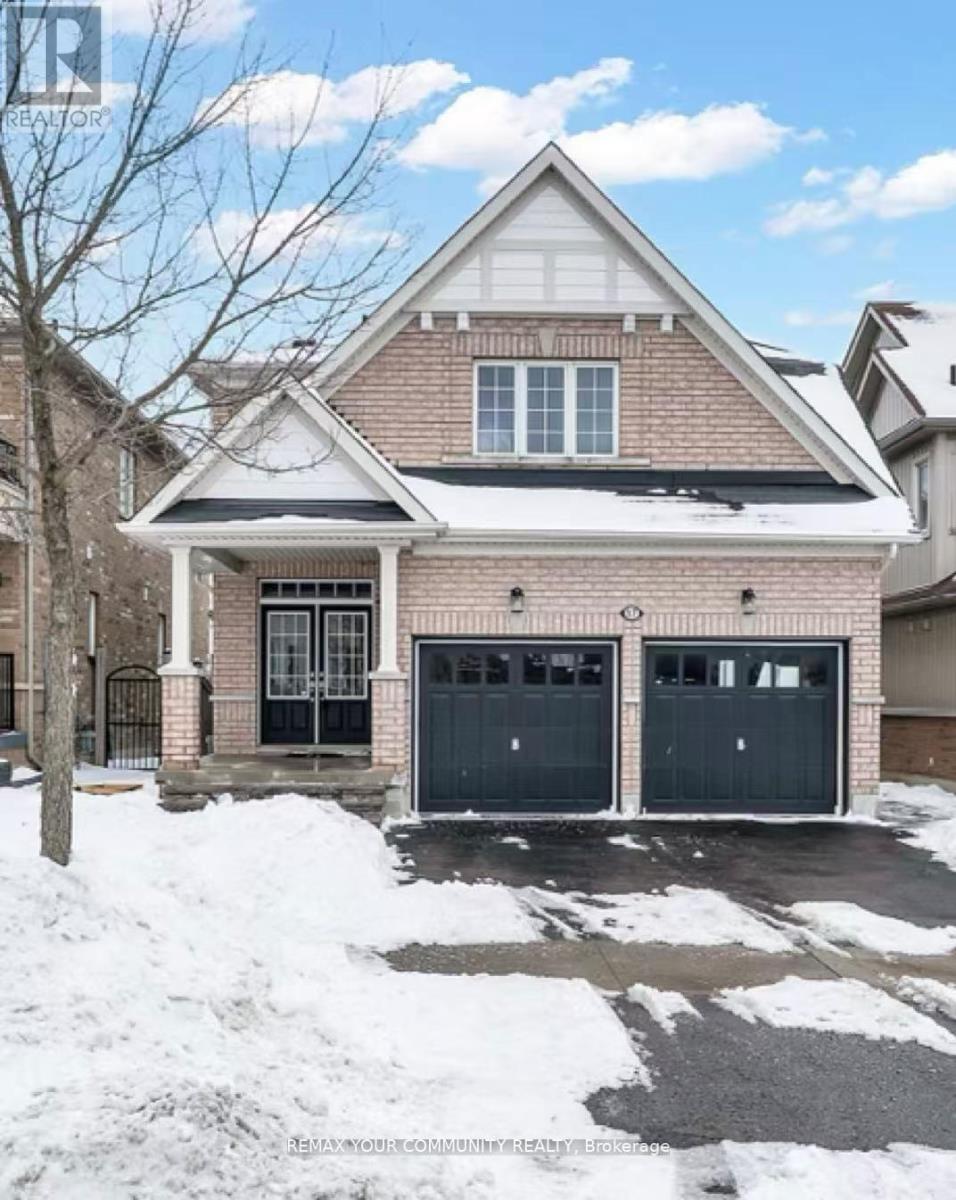 For Sale
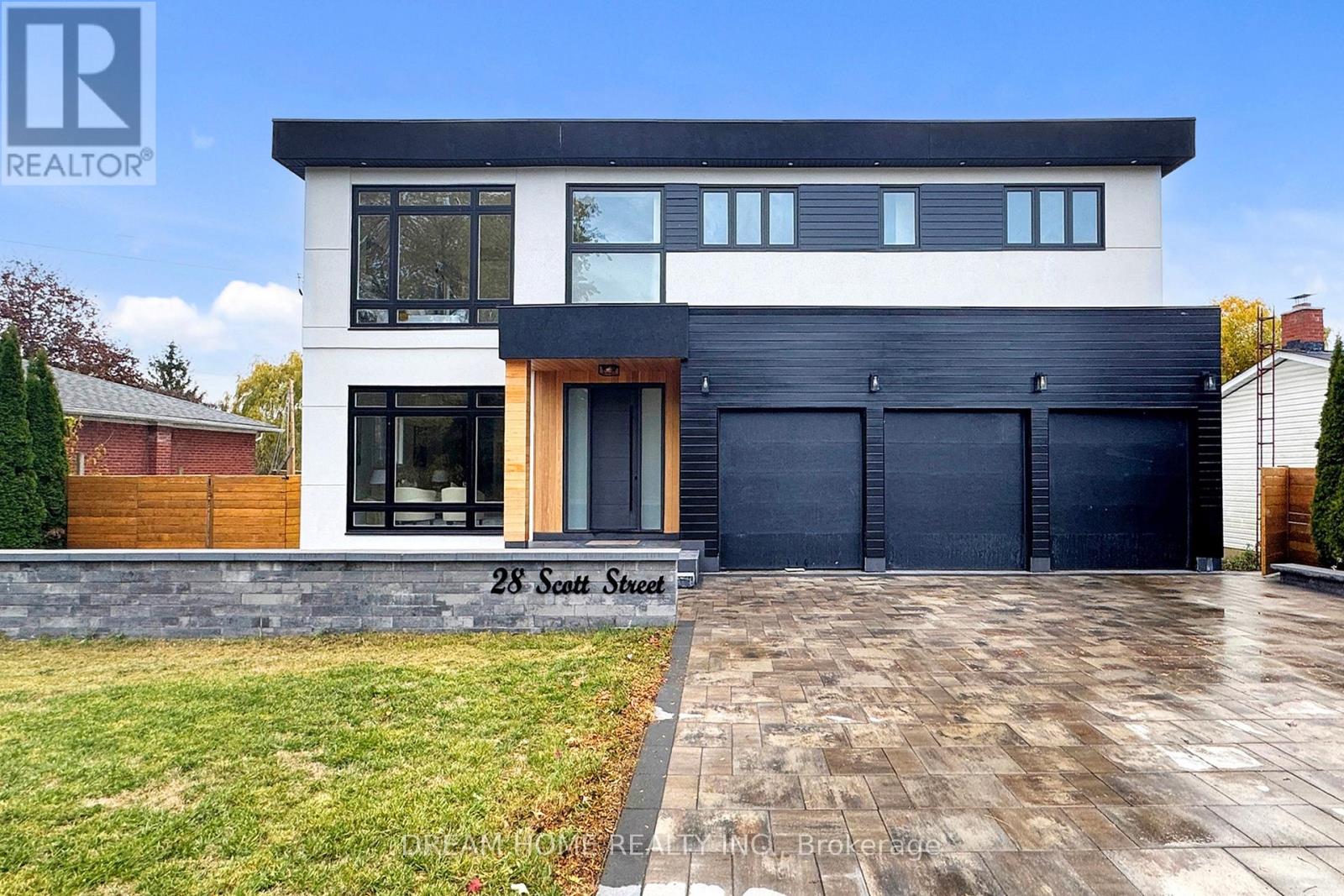 For Sale
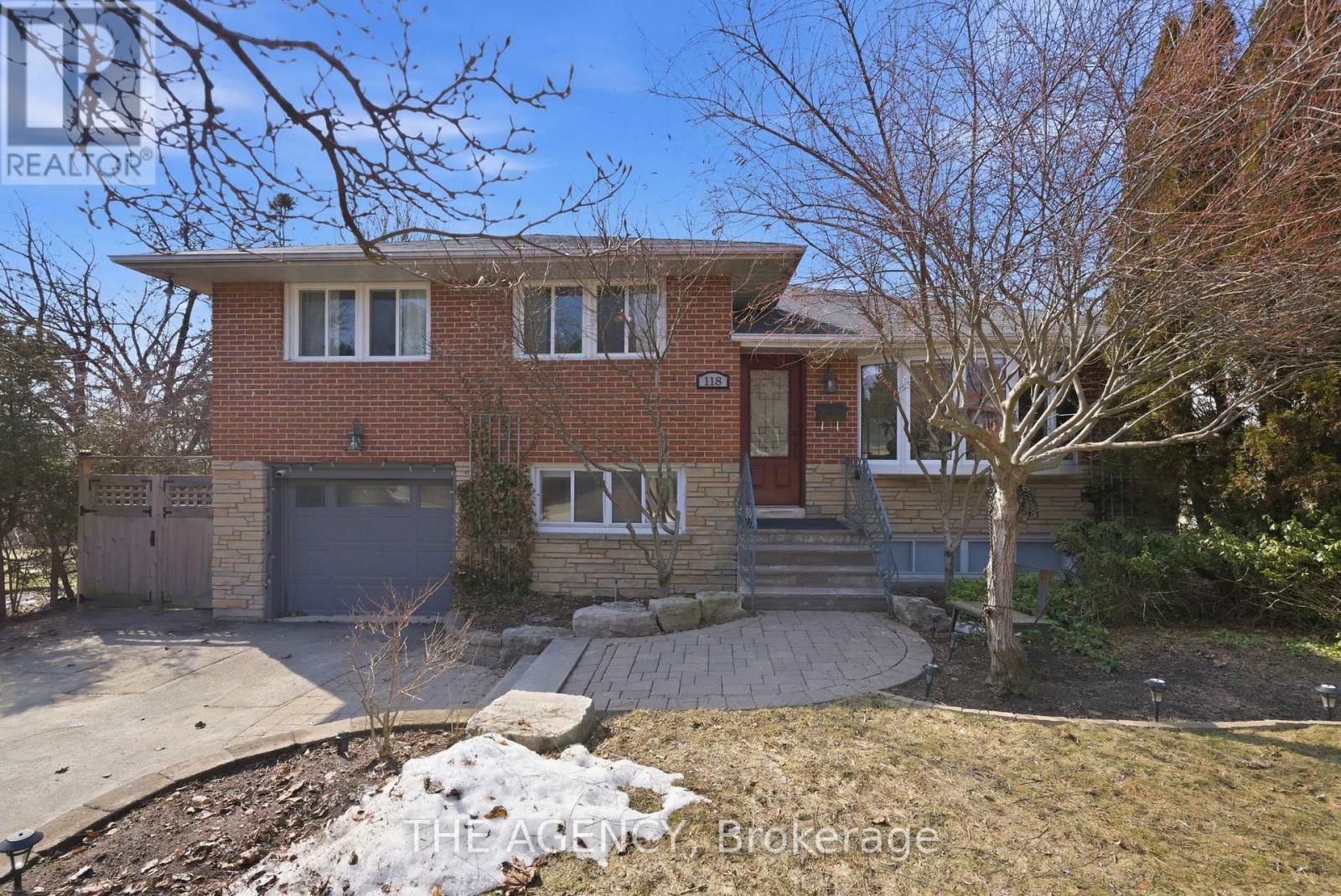 For Sale
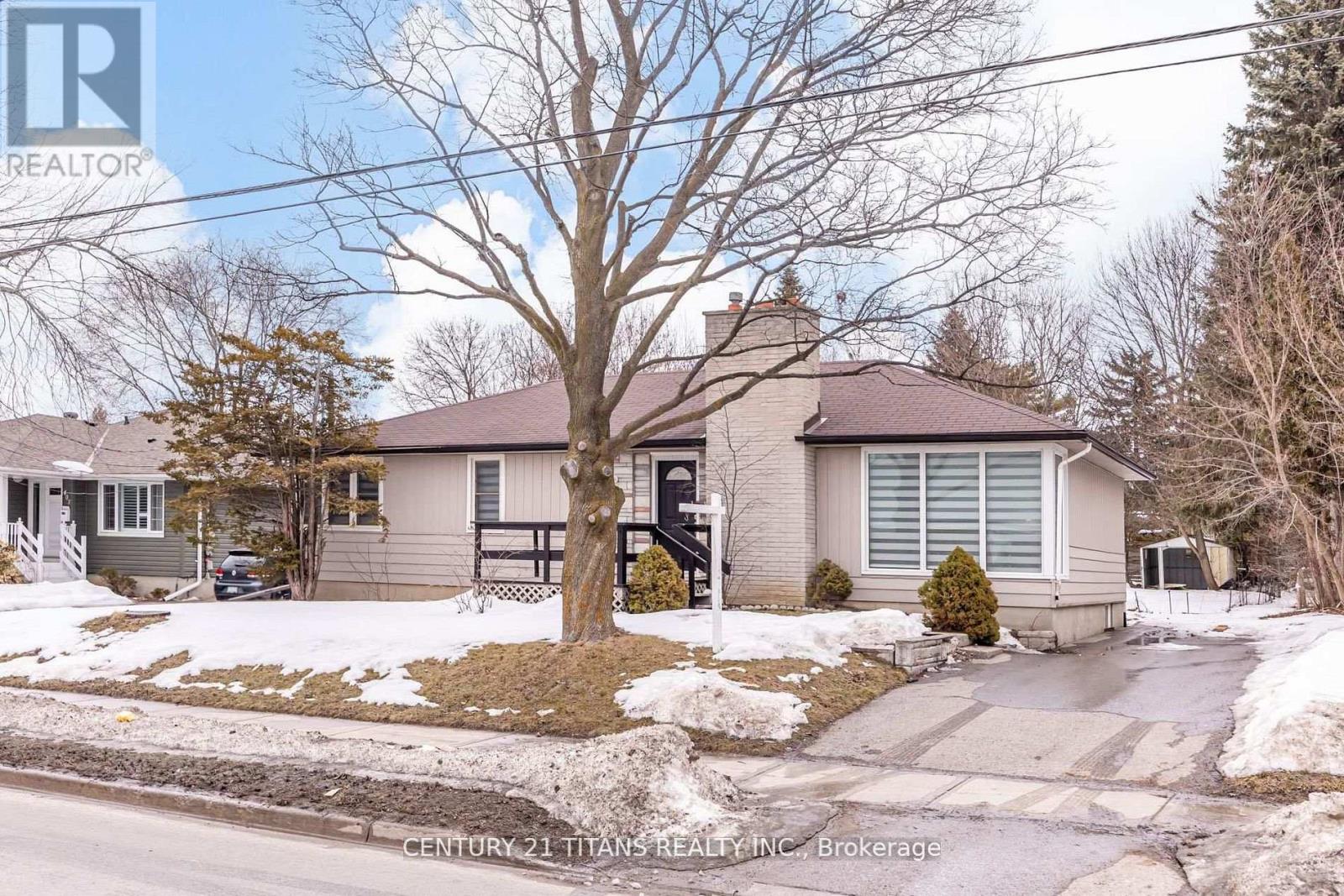 For Rent