
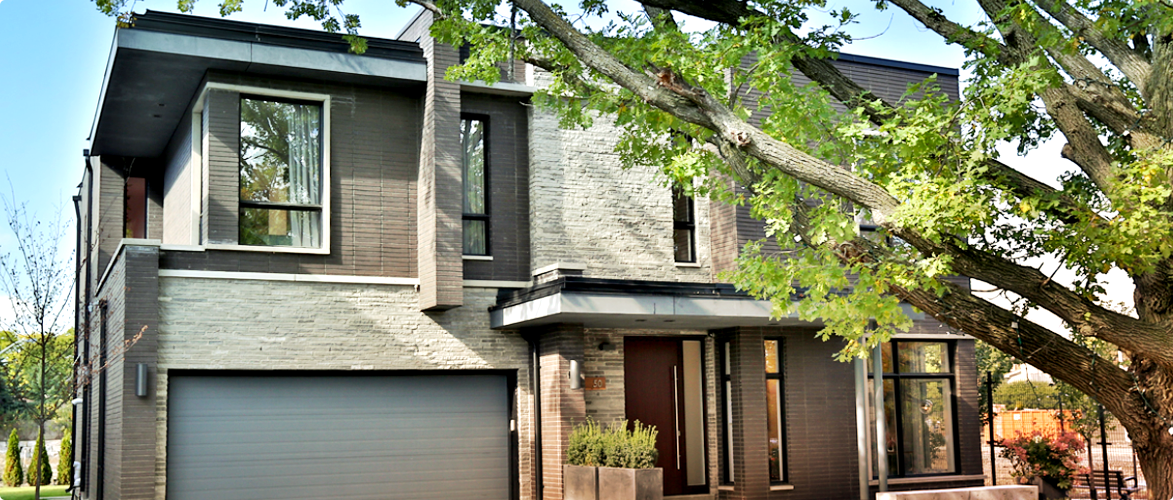
Bayview Village is a north Toronto neighbourhood centred on Bayview Avenue north of Sheppard, with large detached homes on quiet residential streets, the Bayview Village Shopping Centre as its retail anchor, and the Sheppard subway line running through its southern edge. Detached homes on the interior streets were trading between $1.8 million and $2.8 million in early 2026, with the Earl Haig Secondary School catchment driving meaningful buyer premiums on streets that fall within the boundary. The neighbourhood skews toward established professional families, with a significant East Asian community that has shaped its institutional and retail character over the past thirty years.
Three things drive buyer decisions in Bayview Village more than anything else: the Earl Haig Secondary School catchment, the Bayview subway station on the Sheppard line, and the specific residential character of a neighbourhood that has stayed genuinely quiet while everything around it has intensified. The neighbourhood sits north of Sheppard Avenue East, bounded roughly by Bayview Avenue to the west, Leslie Street to the east, and York Mills Road to the north. It is not a large area in terms of geography, but the concentration of well-maintained detached homes on wide residential streets, the park and trail access along the East Don River corridor, and the catchment for one of Toronto’s most consistently strong public secondary schools have kept it in sustained demand for thirty years.
The Bayview Village Shopping Centre at Bayview and Sheppard is the commercial anchor of the neighbourhood, and it has an unusual character for a Toronto mall. It is upscale in a restrained way, without the luxury brand density of Yorkdale or the aspirational posturing of some Midtown developments, and its tenant mix reflects the neighbourhood: good food options, professional services, Pusateri’s Fine Foods, and a cluster of healthcare and personal care businesses. The mall has been updated and expanded several times since its original 1963 opening and now includes a mixed-use residential and commercial addition. It is the kind of neighbourhood mall that functions as a genuine local resource rather than a destination retail experience, and the fact that many residents can walk to it is relevant to daily quality of life in a way that buyers from car-dependent backgrounds sometimes underestimate.
The Sheppard subway line gets less credit than it deserves from buyers who are unfamiliar with north Toronto. Bayview station is on the eastern stub of the Sheppard line, and from there you can reach Yonge and Sheppard in six minutes, with a transfer to the Yonge line that connects south toward downtown and north toward Finch. That transit access is more practically useful for north Toronto than it appears on a map, and it puts downtown commute times at thirty-five to forty-five minutes on transit without a car. For dual-income households where one partner works downtown and one drives to a suburban employment node, Bayview Village offers a transit-accessible location that also has the parking and road access that makes the driving commute practical.
The dominant housing type in Bayview Village is the large detached home on a lot of 50 to 75 feet wide and 110 to 140 feet deep, built primarily between the 1950s and the 1970s. The original housing stock includes ranch bungalows, back-splits, side-splits, and two-storey colonials, all sitting on lots that were generous by the standards of the era and that now represent significant land value. Many of these homes have been renovated at least once, and the renovation quality in Bayview Village tends toward the substantial: the neighbourhood’s buyer profile historically skews toward families who intend to stay for fifteen to twenty years, which means renovations are done to live with rather than to flip. Fully renovated four and five-bedroom homes on interior streets like Cactus Avenue, Pinecrest Road, and Sparrow Lake Drive were selling in the $2.0 million to $2.6 million range in early 2026. Larger homes on wider lots, particularly on Bayview Glen Drive and the streets north of Ellesmere, were reaching $2.8 million and above.
A significant portion of the neighbourhood’s homes are bungalows and back-splits that have not been fully renovated, and these are worth paying attention to. A well-priced back-split on a 55-by-120 lot in the $1.7 million to $1.9 million range represents a genuine opportunity for buyers who can carry a renovation project, since the land value alone supports the purchase price and the finished product at renovation completion will typically achieve $2.4 million to $2.8 million depending on finishes. The renovation costs for a full gut-and-rebuild of a 2,200 square foot back-split were running $350,000 to $550,000 in early 2026 at current Toronto construction pricing. That is a meaningful sum, but the spread between unrenovated and renovated prices in this neighbourhood has historically been sufficient to make the investment work for buyers with the patience and capital to execute it.
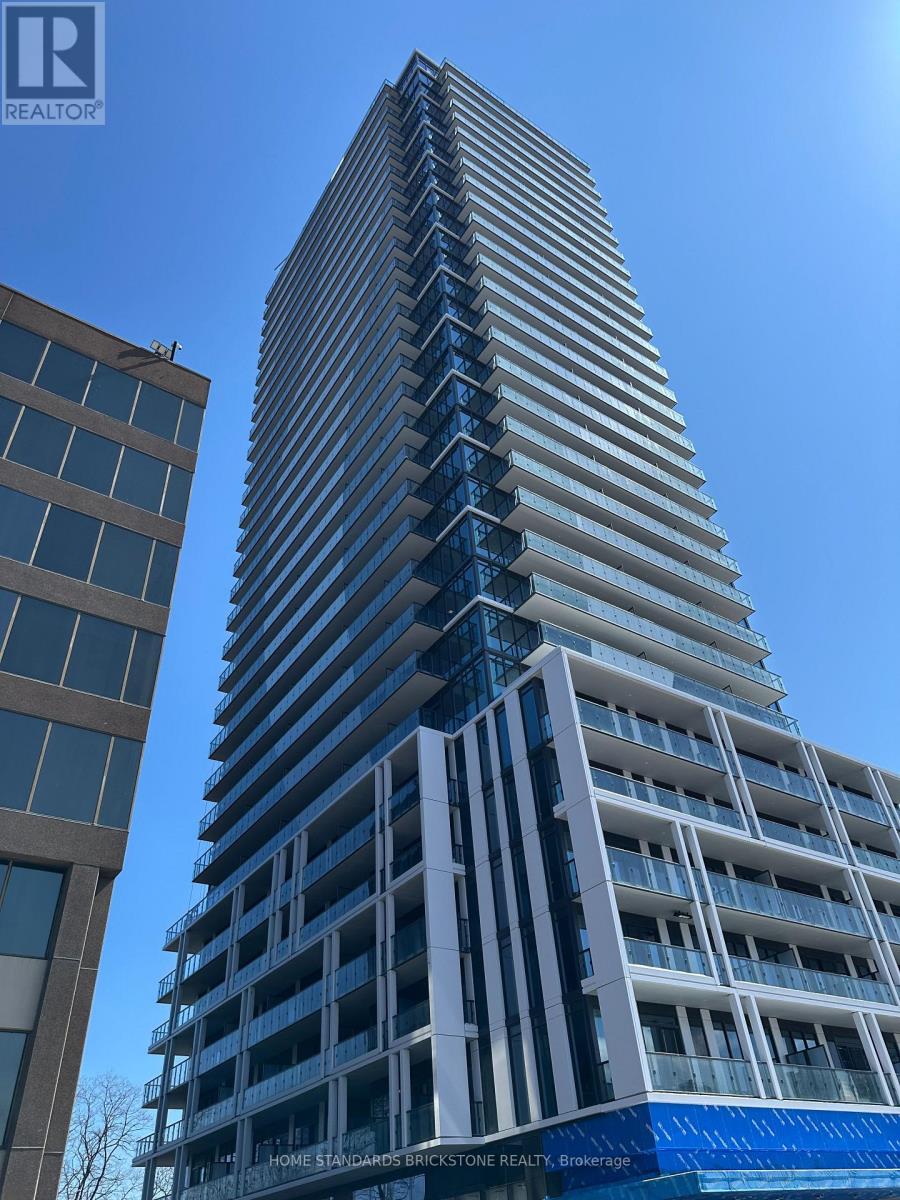
Condominium options exist at the Bayview Village mall site and on Sheppard Avenue East, where several mid-rise towers have been delivered over the past fifteen years. One-bedroom units in these buildings were listed in the $540,000 to $640,000 range in early 2026, with two-bedrooms ranging from $700,000 to $850,000. These units attract buyers who want the neighbourhood’s school catchment and amenity profile but are not at a life stage where a four-bedroom detached home is the right product. Younger buyers, downsizing older residents from the neighbourhood itself, and investors who see the Sheppard subway as a long-term demand anchor all purchase in this segment. The rental market around Bayview station is active, with two-bedroom units in newer buildings typically achieving $2,800 to $3,400 per month.
Bayview Village behaves like a disciplined market. Sellers tend to be long-term owners who have lived in the neighbourhood for a decade or more and who price based on what comparable sales actually show rather than on aspirational expectations. That seller profile means fewer instances of wildly overpriced listings that drag down activity through long days on market. When a well-prepared home on a good street lists at a realistic price, it typically sells within two to three weeks, often with more than one offer in a moderately active market. The neighbourhood does not generate the same bidding war intensity as some midtown or east-end markets because the price points are high enough to limit the buyer pool, but properly priced properties move with reasonable speed.
The Earl Haig catchment creates a measurable micro-premium on certain streets. Homes that fall definitively within the boundary, verified against current TDSB catchment maps, attract a buyer segment that is specifically purchasing for that school access and is willing to pay a five to ten percent premium over a comparable home just outside the boundary. That premium has been consistent over the past decade and is not dependent on any specific market conditions; it is structural because the supply of homes in catchment is fixed and the annual demand from families seeking that school access is persistent. The premium is most visible in the $1.8 million to $2.4 million range where the majority of the neighbourhood’s transactions occur.
The market in Bayview Village is significantly seasonal. Spring is the primary transaction period, with most of the year’s significant sales happening between late February and the end of May. Fall generates a secondary period in September and October. The summer months are genuinely quiet in this neighbourhood, more so than in most Toronto markets, reflecting the fact that the buyer profile includes a high proportion of families who are not moving in July and August when children are out of school. Buyers who are flexible about timing can sometimes find better value in the November to January period when seller expectations may be more negotiable and the competition from other buyers is thinner. This is less reliable than in lower-price-band markets but real enough to be worth noting.
The primary buyer in Bayview Village is a family with school-age or soon-to-be school-age children, typically at a career stage where a $2 million purchase is financeable and where the fifteen-to-twenty-year time horizon of a north Toronto detached home makes sense. Many buyers in this neighbourhood are making the move from a downtown condo or a smaller midtown semi, and the transition to a four-bedroom home with a proper yard and a public secondary school catchment they feel confident about is the primary driver. The neighbourhood has a large and established East Asian community, and many buyers are specifically seeking that community context along with the schools, which is a combination that Bayview Village offers more consistently than comparable north Toronto neighbourhoods.
A second significant buyer group is made up of families relocating to Toronto from other Canadian cities or from abroad. Bayview Village has a recognizable profile in the immigrant and newcomer community as a north Toronto neighbourhood that offers strong schools, good transit, established retail and healthcare services, and a community character that feels settled rather than transitional. For families arriving from cities with strong suburban school cultures in Asia, particularly from regions in China, Taiwan, Hong Kong, and Korea, the neighbourhood’s combination of school reputation and community infrastructure is a familiar and appealing configuration. This buyer group tends to be well-researched before purchase and often already has family or community connections in the neighbourhood.
Downsizers from within the neighbourhood represent a meaningful share of the seller side and a smaller but real share of the buyer side. Long-term residents who bought in the 1980s and 1990s and whose children have left home sometimes purchase condominiums at the Bayview Village mall site or in the Sheppard corridor buildings, staying within the neighbourhood’s geography while reducing their maintenance footprint. This internal circulation is one of the reasons the neighbourhood’s community character has stayed relatively stable over decades of housing market change elsewhere in the city. When long-term owners sell their detached homes to incoming families, the physical character of the neighbourhood is preserved even as the demographic composition has shifted.
The housing stock in Bayview Village is almost entirely from the 1950s through the 1970s, and that age carries specific due diligence requirements. Asbestos-containing materials are common in homes of this era, particularly in vinyl floor tiles, textured ceiling coatings, pipe insulation, and attic insulation products. A home inspection that does not flag any potential asbestos concerns in a house of this age is a more optimistic report than the material reality supports. If you are planning a renovation, budget for asbestos assessment and remediation as a standard line item before finalizing your renovation cost estimates. Remediation of contained, non-friable asbestos in floor tiles or popcorn ceilings typically runs $2,000 to $8,000 for a standard-sized home. Full abatement of spray-applied attic insulation containing asbestos is more substantial and should be priced specifically for the property.
Sewer laterals on homes of this era are frequently clay tile construction, and cracking or root infiltration is common after fifty or sixty years of service. A camera inspection of the sewer line from the foundation to the city main is standard due diligence in Bayview Village, and the inspection costs about $300 to $500 with most reputable plumbing companies. If the camera shows significant root intrusion or cracking, budget $8,000 to $14,000 for a lateral replacement. Some sellers in this neighbourhood have already done the work and can provide documentation, which is a genuine asset in a negotiation and worth noting if you are comparing otherwise similar properties. Electrical panels in homes of this era may also be original fuse boxes or early-generation breaker panels that insurers will not cover without upgrade; confirm the panel type and age during inspection.
The Earl Haig catchment question deserves specific due diligence rather than assumption. The TDSB boundary for Earl Haig has shifted over time as enrolment patterns have changed, and a few streets near the boundary edges have moved in or out of catchment on different cycle reviews. Before making a purchase in which the catchment is a material factor, verify the current catchment designation for the specific address, not the street generally, through the TDSB school finder tool and confirm directly with the board if there is any ambiguity. Paying a premium for Earl Haig access and then discovering your specific lot falls outside the catchment is an expensive mistake that a fifteen-minute verification would prevent. Your real estate agent should be able to confirm this, but verify it yourself independently.
Sellers in Bayview Village benefit from a buyer pool that is well-informed, financially capable, and often specifically motivated by the neighbourhood’s school and community profile. That means the most important preparation a seller can make is ensuring the property presents honestly and completely rather than trying to manage the buyer’s perception of its condition. Buyers in this neighbourhood are typically conducting thorough due diligence, including professional inspections, and a disclosure approach that surfaces known issues pre-listing tends to produce cleaner transactions than one that leaves buyers to discover problems during their own inspection. A pre-listing inspection, commissioned and paid for by the seller, has become increasingly common in Bayview Village and gives buyers more confidence about a property that has had the work done and the surprises addressed.
The spring listing window is the most important timing decision a Bayview Village seller makes. Listing in late February or early March puts your property in front of the buyer segment that has been researching through the winter and is ready to act before the school year creates urgency. Many families buying in this neighbourhood are specifically trying to close before the fall school registration period, which means a spring sale with a summer closing and September school entry is the ideal purchase sequence for that buyer. Sellers who can time their listing to capture this sequence consistently achieve better prices than those who list in summer or early fall when that particular buyer urgency is absent.
Presentation matters more in this neighbourhood than in some comparable markets because the buyers are comparing properties across multiple viewings and making careful decisions at significant price points. Professional staging, high-quality photography, and a listing that accurately conveys the lot dimensions, school catchment confirmation, and proximity to amenities will reach more of the right buyers more efficiently than a minimal presentation. The Toronto East Asian buyer community in particular tends to respond to listings that are factually detailed: exact lot measurements, room dimensions, year of major system updates, and documentation of any renovations all reduce friction in the decision-making process and build confidence in the property’s claimed value.
The Bayview Village Shopping Centre sits at the corner of Bayview Avenue and Sheppard Avenue East and has been the neighbourhood’s commercial centre since it opened in 1963. It has been renovated and expanded substantially since then, and the current configuration is notably upscale without being exclusionary: Pusateri’s Fine Foods is the grocery anchor, which is a meaningful upgrade from a standard supermarket for everyday shopping but at a price point that reflects it. The mall also has a strong healthcare cluster, with several medical specialists, physiotherapy practices, optometrists, and dental offices drawing patients from across north Toronto. For residents who need specialist medical access, having a concentration of practices within walking distance is a genuine practical asset that doesn’t appear in any listing description but affects daily life.
The food options at and around the Bayview Village mall reflect the neighbourhood’s community mix. There is a range of East Asian dining options on and near Bayview Avenue north of Sheppard, including several long-established Korean, Japanese, and Chinese restaurants that have served the neighbourhood for twenty or more years. The Bayview Village area has a lower density of the trendy new-restaurant type that cycles through midtown neighbourhoods, which some residents consider a feature rather than a limitation: the places that survive here do so on repeat neighbourhood business rather than on Instagram discovery. For buyers relocating from other parts of the city who expect a Yonge and Eglinton-style dining density, the local food scene will feel quieter than they are used to.
Retail on Bayview Avenue itself, north of the mall and heading toward York Mills Road, includes a mix of independent professional services, smaller food shops, and some specialty retail that has served the neighbourhood for years. This strip is not a destination commercial area in the way that Bayview Avenue through Leaside is, but it functions adequately for daily convenience needs without requiring a car. The East Don Trail access points are within a ten-minute walk of most of the neighbourhood’s residential streets, and the trail connects south to the broader Don River network and north toward York Mills Road. The trail is a legitimate daily use amenity for residents who run or cycle for exercise, and the valley green space provides the same kind of residential buffer that the Banbury ravine provides in the adjacent neighbourhood to the south.
Bayview station on the Sheppard subway line is the neighbourhood’s primary transit hub. The station is at Bayview Avenue and Sheppard Avenue East, which puts it at the southern edge of the residential neighbourhood, roughly a ten to twenty-minute walk from most streets north of Sheppard. From Bayview station, the Sheppard line runs west to Yonge and Sheppard in about six minutes, and from there you can transfer to the Yonge-University line for direct subway access south toward downtown or north toward Finch. The practical downtown commute time on transit from the neighbourhood, combining the walk to Bayview station with the subway ride to Union or King Street, is in the range of forty to fifty minutes depending on where exactly you are and where exactly you are going. That is longer than midtown but shorter than many buyers assume when they look at a map and conclude that north Toronto is too far from the core.
By car, the neighbourhood has good access to Highway 401 via the Leslie Street interchange, which is reached directly east along Sheppard or via the residential connector streets to the east. The 401 interchange at Leslie Street puts the highway on-ramp roughly five to ten minutes from most of the neighbourhood’s residential streets. Bayview Avenue south connects to the Mount Pleasant corridor and eventually to midtown without needing to use the expressway. The DVP interchange at York Mills Road is a few minutes northwest, which gives drivers another option for reaching downtown via the valley expressway. The neighbourhood is not walkable in the urban sense for most daily errands beyond the mall and the Bayview strip, and most residents without strong transit motivation maintain at least one car.
The 11 Bayview bus runs north on Bayview Avenue from Bayview station toward York Mills, and the 85 Sheppard East bus runs east along Sheppard toward the Scarborough destinations. The TTC’s network in this part of north Toronto is functional for getting to the subway but is not a substitute for a car for most suburban errands. Cycling within the neighbourhood on residential streets is practical and the East Don Trail is a legitimate off-road cycling route. Cycling on Bayview Avenue or Sheppard is a different experience: both are four-lane arterials with no separated cycling infrastructure, and they are not comfortable routes for most riders. Buyers who commute by cycling should assess their specific route before purchasing rather than assuming the trail access extends to all destinations.
Willowdale is the comparison buyers most often raise when they are looking at Bayview Village, and the differences are meaningful enough to affect the decision. Willowdale, which generally refers to the residential neighbourhoods north of Sheppard and west of Bayview along the Yonge Street corridor, has seen extensive condominium development along its arterial streets and a higher density of midrise and highrise towers than Bayview Village. The low-rise residential streets of Willowdale that remain are genuine and pleasant, but the walkability to the Yonge corridor amenities, the subway station proximity, and the commercial density give Willowdale a more urban character than Bayview Village. A buyer who wants the subway within a two-minute walk and a Starbucks below their building will find Willowdale more satisfying. A buyer who wants a quiet residential street with large lots and the Earl Haig catchment without the condo tower density on adjacent blocks will find Bayview Village more satisfying. The price difference between comparable detached homes is modest: Willowdale streets with strong school access were running roughly five to fifteen percent below equivalent Bayview Village streets in early 2026, reflecting Bayview Village’s greater separation from arterial noise and its lower density character.
Don Mills to the south, specifically the Banbury section, is a closer physical comparison than it first appears. Both neighbourhoods have large detached homes on wide lots from the same postwar era, ravine and trail access, and strong secondary school catchments. Banbury is generally larger in lot footprint and somewhat less expensive per square foot than Bayview Village for equivalent renovated properties, reflecting the lack of subway access and the greater physical distance from the Yonge corridor. The Earl Haig catchment in Bayview Village versus the York Mills CI catchment in Banbury is a comparison buyers with strong opinions about Toronto public schools will have already made; both schools are consistently well-regarded and both attract families who are purchasing specifically for school access. For buyers who are weight indifferent between the two school profiles, Banbury offers more physical space per dollar. For buyers who specifically want Earl Haig, Bayview Village is the only option.
The honest conclusion for most buyers is that Bayview Village earns its premium relative to Willowdale through density and quiet, and earns it relative to Banbury through transit access and the Earl Haig catchment. If neither of those premiums applies to your specific situation, the adjacent neighbourhoods offer better value. The buyers who get the most from Bayview Village are those who want the specific combination of transit proximity, low-rise residential character, a particular school, and an established community context that has been stable long enough to feel reliable. That combination is real and worth paying for if it describes what you actually need.
Walking through the residential streets of Bayview Village north of Sheppard, the immediate impression is of maintenance and stability. The houses are well kept, the lots are substantial, and the streetscaping has the mature tree canopy that takes forty or fifty years to develop and that money cannot replicate on a new street. Streets like Sparrow Lake Drive, Cactus Avenue, Pinecrest Road, and Otonabee Drive curve through the neighbourhood without significant through-traffic, and the absence of cut-through vehicles on weekday afternoons is noticeable. This is a neighbourhood where children play in front yards and driveways, where residents walk to the trail system in the evening, and where the morning routine typically involves a car in the garage rather than a ten-minute walk to a coffee queue. The lifestyle is suburban in the real sense: oriented around the private home, the school run, and the family schedule rather than around commercial street life.
The community character in Bayview Village has been shaped significantly by the East Asian population that has grown in the neighbourhood over the past three decades. This shows up in visible ways: the Korean and Chinese grocery options near the mall, the range of East Asian dining on Bayview Avenue, the community programming at the local libraries and community centres, and the informal social networks that connect families through the schools and through cultural and religious institutions in the area. For buyers who are themselves part of these communities, that cultural infrastructure is a meaningful part of the neighbourhood’s value that does not appear in any listing detail. For buyers who are not part of these communities, it is worth understanding as part of what makes the neighbourhood what it is rather than treating it as incidental.
The neighbourhood’s proximity to the Bayview Village mall gives it a retail convenience that pure residential streets do not have. Most daily errands, from grocery shopping to pharmacy to basic clothing to healthcare, can be handled within a ten-minute walk for residents on the streets closest to the mall. For residents on the northern streets closer to York Mills Road, the walk is longer and a car is more practical. The East Don Trail access on the eastern edge of the neighbourhood along the Leslie Street corridor is a ten-to-fifteen-minute walk from most residential streets, and the trail itself is well maintained and popular with the neighbourhood’s runner and cyclist community. The spring through fall months see the trail used heavily on weekday mornings and weekend afternoons, and it has become a genuine community gathering point in the way that urban parks serve midtown neighbourhoods.
Does Earl Haig have an arts program and how do you get into it? Earl Haig Secondary School houses the Claude Watson School for the Arts, one of the most recognized arts-focused programs in the Toronto public school system. The Claude Watson program runs from grade 7 through grade 8 at the elementary level, with students continuing into the arts concentration at Earl Haig Secondary through grade 12. Admission to Claude Watson is audition-based, not catchment-based, which means students from across Toronto can apply, and students from within the Bayview Village catchment still need to audition for the arts program. The school’s general academic program is catchment-based and is what most Bayview Village families are purchasing for. For families who want the arts program specifically, living in catchment gives your child access to the general school as a fallback while still allowing them to audition for Claude Watson; this is a meaningful advantage over families who are commuting in solely for the program audition.
What is the lot size situation in Bayview Village? Lots in the neighbourhood range from approximately 45 feet wide on the smaller streets closer to Sheppard to 75 or 80 feet wide on the more established streets to the north. Depths are typically 110 to 140 feet. The medium and larger lots in the neighbourhood are well suited to the kind of whole-house renovation or full replacement builds that many buyers in this price range undertake, and the City of Toronto’s zoning for the area permits the construction of a new single-family home on most lots subject to the prevailing setback and height limits. Coach house and laneway suite construction is possible on some lots where rear lane access exists, and the city’s coach house policy has made this more straightforward since the bylaw changes of the early 2020s. Buyers who are considering a rebuild or a significant addition should review the specific lot against the current zoning bylaw before purchase, since the permitted floor area ratio and height limits affect what is achievable on any given lot.
Is the neighbourhood good for kids? Bayview Village has a family-oriented character that shows up in practical ways. The residential streets have low through-traffic volume, which makes them safe for children who are old enough to play outside without adult supervision. The East Don Trail is accessible without crossing any major arterials from most of the neighbourhood’s interior streets, giving older children and teenagers a natural path for recreation. The Bayview Village mall area has a library branch and a community centre that offer programming for children across age ranges. The school infrastructure is strong at both the elementary and secondary level. The neighbourhood’s population skews toward families with school-age children, so the social context for children in terms of peer groups and community activities is well developed. These are the reasons that families with children consistently rank Bayview Village as one of their preferred north Toronto destinations when they are relocating from other cities or upgrading from smaller properties elsewhere in Toronto.
What are typical property taxes in Bayview Village? On a home with a current market value of approximately $2.2 million, property taxes in 2025 were running between $9,500 and $12,500 per year using the City of Toronto’s residential tax rate and the assessed values assigned by MPAC under the current assessment cycle. Toronto’s residential property tax rate is one of the lowest among major Ontario municipalities on a percentage basis, sitting at approximately 0.52 percent of assessed value. The MPAC assessed value for tax purposes typically lags behind the actual market value by a significant margin in fast-moving markets, which means the effective rate on your purchase price is often lower than the nominal rate suggests. The next reassessment cycle is expected to bring assessed values closer to current market levels, and buyers should model a modest property tax increase as part of their longer-term carrying cost estimates.
Earl Haig Secondary School has maintained one of the strongest academic profiles among Toronto public schools for long enough that the catchment has become a structural feature of the Bayview Village real estate market rather than a cyclical one. The school’s EQAO results and university placement rates have been consistently strong for more than twenty years, and the Claude Watson arts program has given it a cultural identity that extends beyond purely academic metrics. Families who have done the research on Toronto public secondary schools arrive at Bayview Village with a clear understanding of what they are paying for, and that informed demand has sustained the neighbourhood’s price premium through multiple market cycles, including the softer periods of 2017 to 2019 and 2022 to 2023 when other catchment premiums compressed more significantly.
The catchment premium in Bayview Village operates differently from some other school-driven real estate markets in Toronto. Rosedale’s school premium, for example, is bundled with a broader neighbourhood prestige that makes it hard to isolate. The Forest Hill premium is similar. In Bayview Village, the school premium is more legible because the neighbourhood itself is not associated with a prestige identity in the same way; buyers who are choosing it are choosing it primarily for practical reasons of school access, community, and transit, and the school is often the most explicitly stated motivation. That transparency makes the premium more stable: it does not depend on maintaining a status narrative, it depends on the school continuing to perform. Earl Haig has demonstrated that consistency over a long period.
For buyers who are weighing the Earl Haig catchment premium against the practical costs, the calculation is most compelling for families with more than one child who will attend secondary school over a ten to fifteen year period. A family with three children who each attend Earl Haig for four years gets forty years of combined school access from a single purchase decision. For a family with one child who is entering grade 9 in the year of purchase, the period of active school access is shorter and the premium may be harder to justify purely on the school rationale. That said, the Earl Haig premium also shows up at resale: homes in catchment have historically resold at a premium over comparable out-of-catchment properties, which means some of the premium paid on entry is recoverable on exit. Buyers who are skeptical of the school premium as a purchase rationale should at minimum consider it as a resale protection factor, since the demand for in-catchment homes in Bayview Village has been persistent enough to suggest it will still be present when they eventually sell.
Street-level knowledge is hard to find online. Our team works in Bayview Village every day. They know which pockets hold value, where the school catchment lines actually fall, and what the market is doing right now. Talk to us before you make a decision about Bayview Village.
Talk to a local agent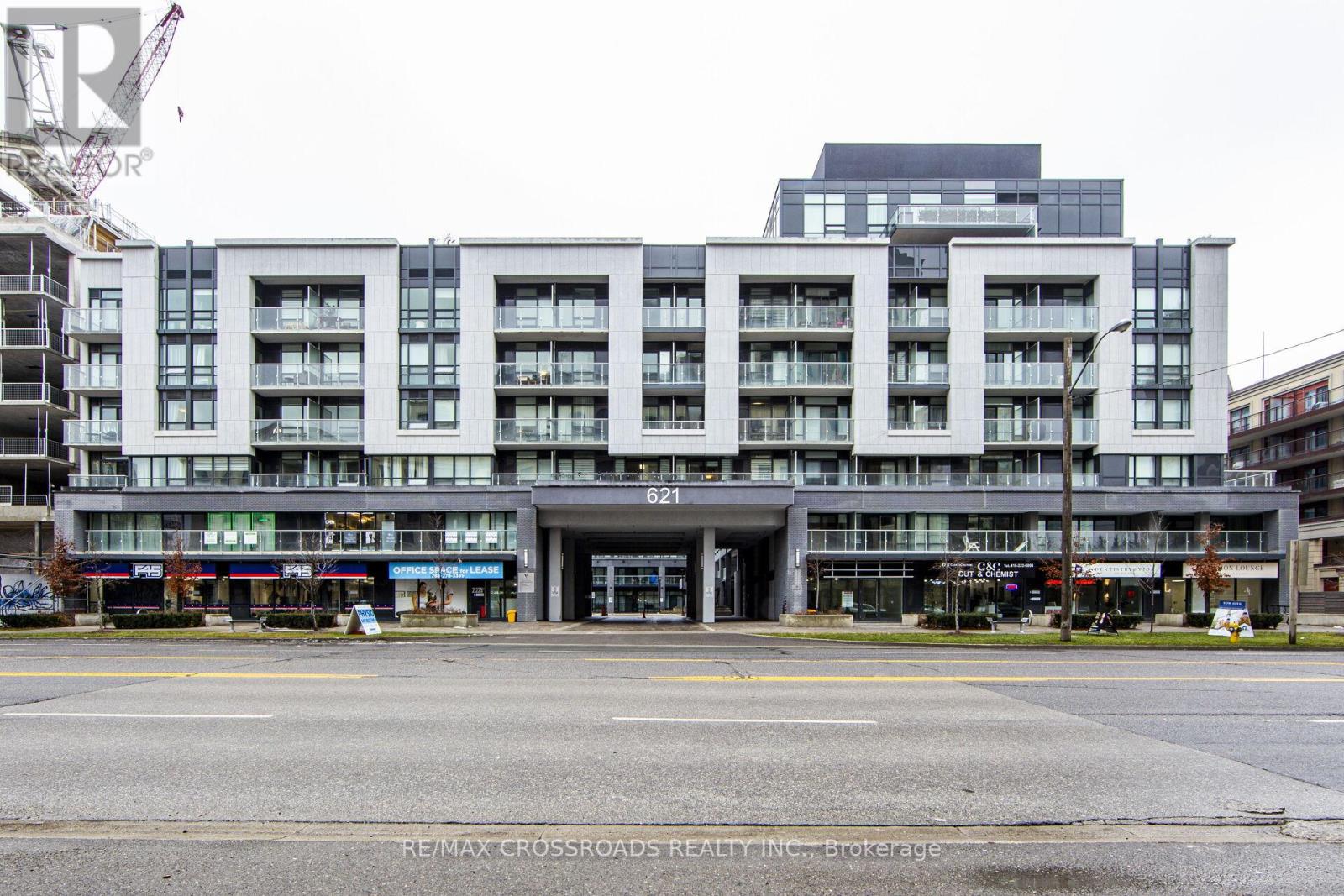 For Sale
 For Rent
 For Sale
 For Rent