
Brooklin is Whitby's northern community with a genuine small-town identity, known for its Victoria Day parade, active school communities, and community character distinct from the suburban areas to the south.
Brooklin is Whitby’s northern community, sitting about 10 kilometres north of the lakefront area and distinct enough in character that long-time residents treat it more like a small town than a neighbourhood within a larger city. It was an independent hamlet with its own identity before being absorbed into the municipal boundary of Whitby, and that history of relative independence is still evident in its commercial main street, its community events, and the way residents describe where they live.
The community sits near the intersection of Highway 7 and Baldwin Street North, which forms its commercial spine. The street has a classic Ontario main street character with local businesses, a mix of old and new building stock, and a community scale that is different from the commercial strips serving other parts of Whitby. Brooklin is known within Durham Region for its annual Victoria Day parade, one of the largest small-town parades in Ontario, which draws thousands of visitors and reflects the community’s strong local identity.
The housing in Brooklin is a mix of older core housing, some of it from the pre-suburban era, and newer subdivisions built from the 1990s onward as the community grew and Durham’s development pressure reached this far north. The older core has heritage buildings alongside newer infill. The surrounding subdivisions are typical of post-2000 Durham development: wider streets, larger garages, brick homes on standard lots.
The buyer who chooses Brooklin has typically decided that community character matters more than commute efficiency. The drive to Whitby GO Station from Brooklin is longer than from other parts of Whitby. The drive to Oshawa or Ajax services is not short. But the combination of a genuine small-town community with active social life, good schools, and a more rural feel at the edge of a growing city is something that buyers specifically seek out and are willing to accept the commute trade-off to have.
Prices in Brooklin reflect its desirability. It is not the cheapest part of Whitby. The combination of community character, newer housing stock in the subdivisions, and strong family demographics has supported consistent demand and pricing that often matches or exceeds comparable properties in other parts of Whitby.
Brooklin has a wide range of housing types and ages. In the historic core near Baldwin Street, older homes from the late 1800s and early 1900s sit on established lots. In the surrounding subdivisions, newer detached homes built in the 1990s through the 2010s dominate. The price range reflects this diversity.
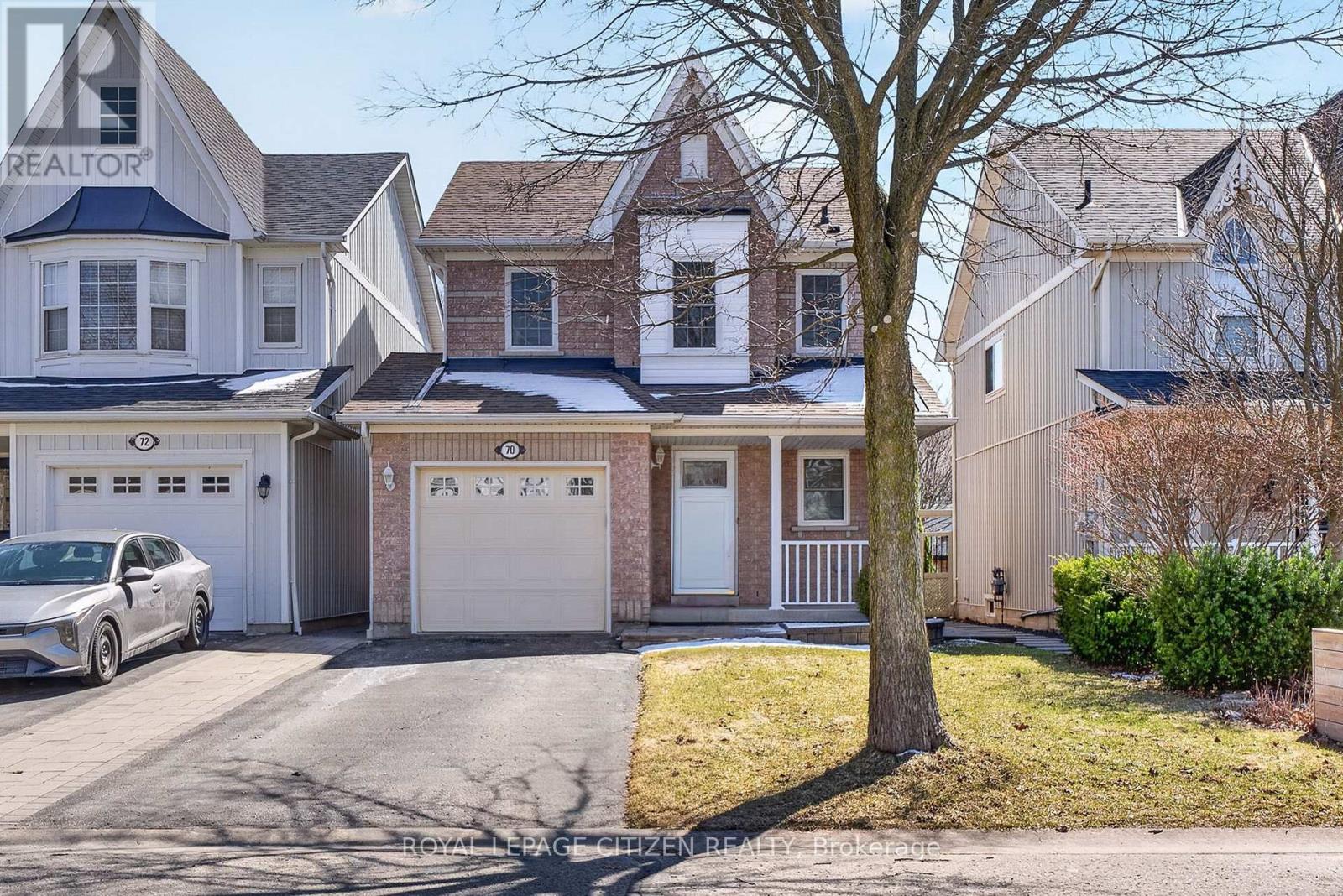
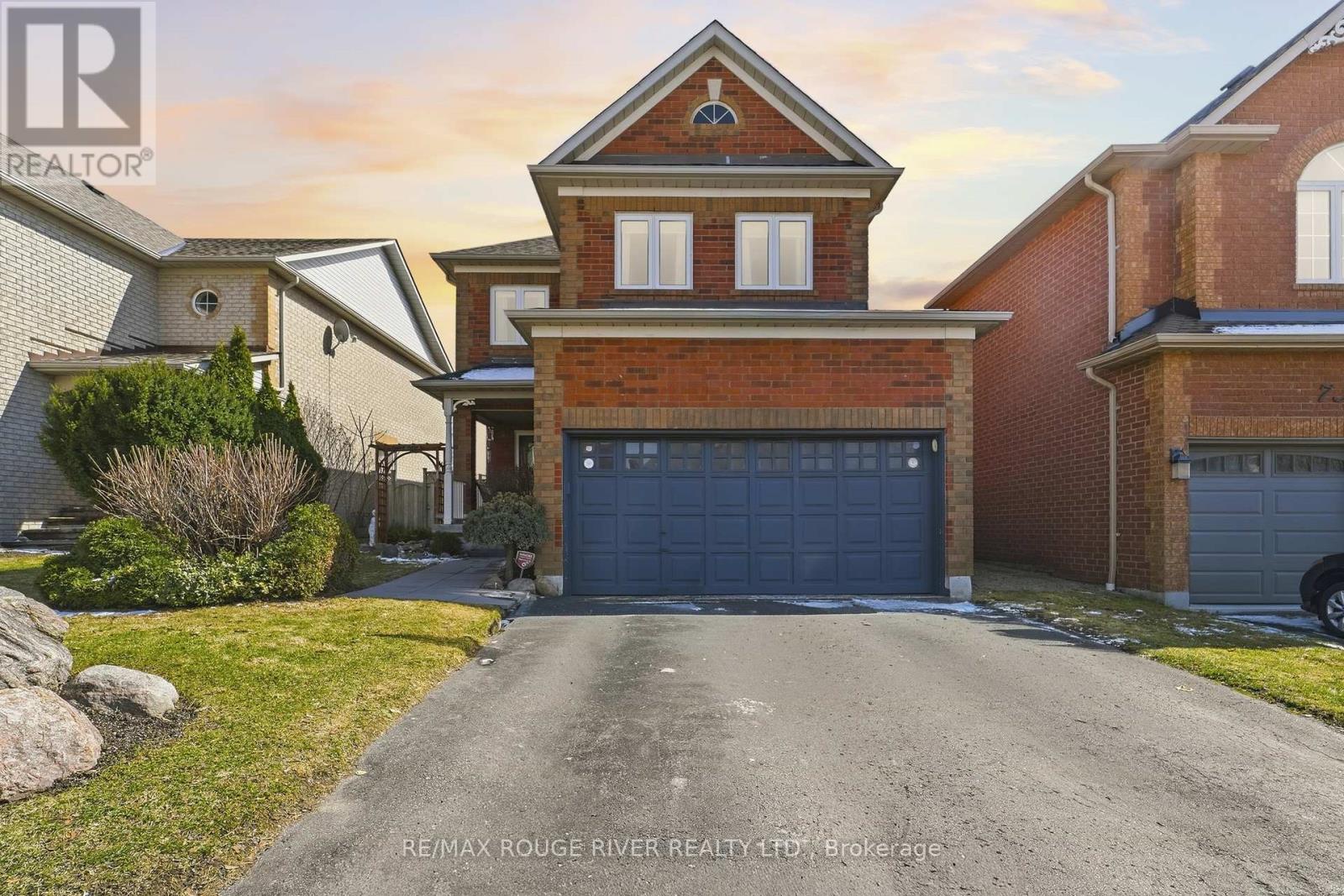
Newer detached homes in Brooklin’s subdivisions were trading in the range of $950,000 to $1.2 million in early 2025 for standard two-storey homes. Premium lots, corner properties, and larger square footage push above that range. Heritage or older homes in the core area are priced individually, with condition and character driving value rather than simple square footage comparisons.
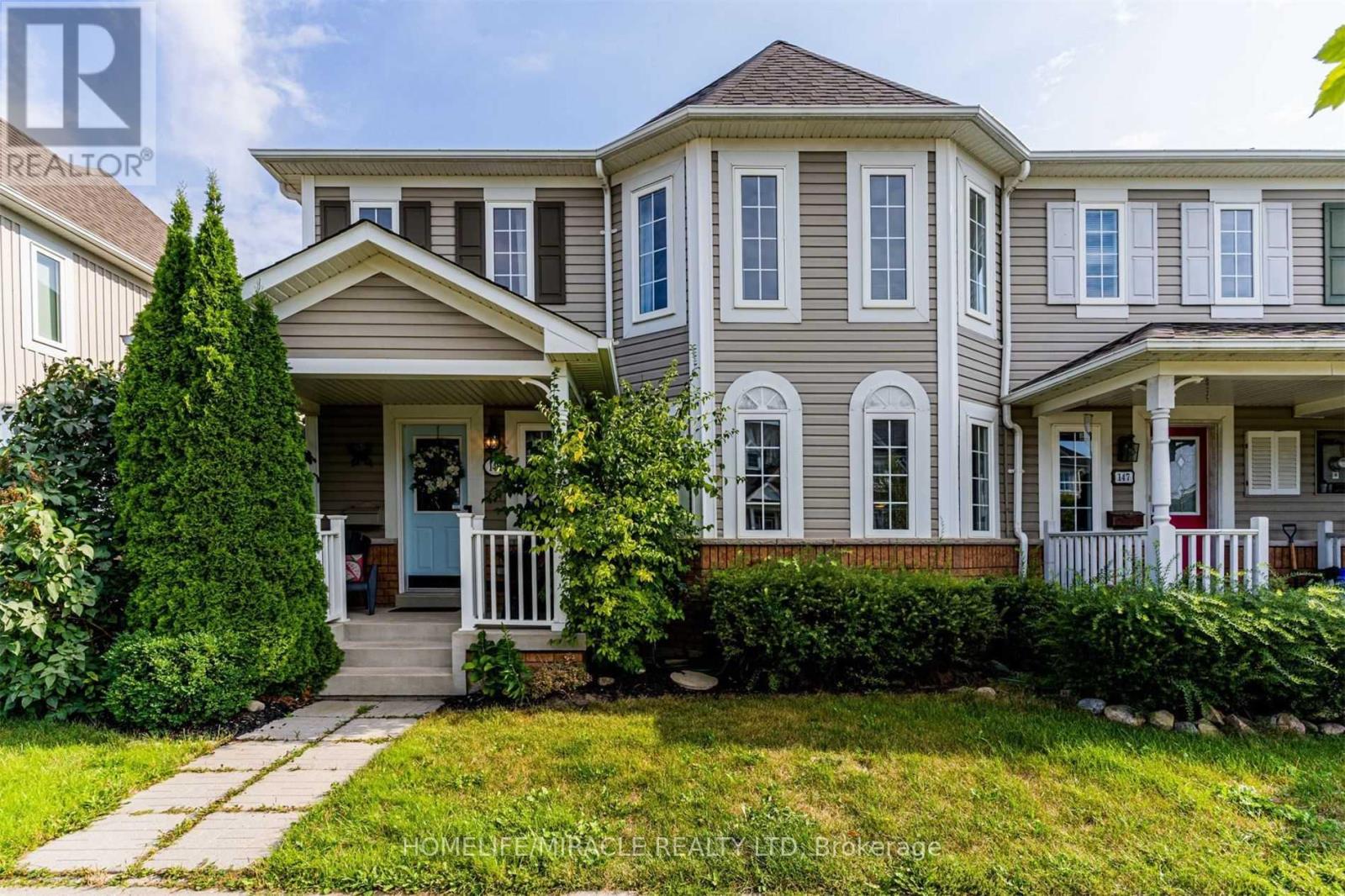
Semi-detached and townhouse inventory in Brooklin provides lower entry points. Townhouses in the newer subdivisions were selling in the $700,000 to $850,000 range depending on configuration and size. These represent the accessible end of the Brooklin market for buyers who want the community character without the full detached price commitment.
Lot sizes in Brooklin’s newer subdivisions are generally comparable to other post-2000 Durham subdivisions. Some of the newer streets have the tight lot spacing that characterises recent builder development. Buyers who want more generous lot dimensions should look at the older sections of the community or at specific streets within newer phases that were built to a less dense standard.
Relative to other Whitby communities, Brooklin prices are competitive. The community’s desirability and active social character support demand that is consistent across market cycles. The combination of newer construction, strong community identity, and family demographics creates a price floor that holds better than in some other Durham communities through softer market periods.
Brooklin attracts a specific type of buyer who values community character over urban convenience. This specificity creates a focused demand pool that is somewhat insulated from broad market swings because buyers here are making a deliberate lifestyle choice, not defaulting to the neighbourhood based on price alone. When the broader Durham market softens, Brooklin tends to hold better than areas that serve a less committed buyer pool.
Families with school-age children represent the dominant demand segment. The community’s active school communities, local sports leagues, and the Victoria Day parade tradition create social infrastructure that is attractive to families who want their children to grow up in a place with a genuine community identity. These families are prepared to pay for that quality and are reluctant to leave once they have invested in the community.
Turnover in Brooklin is lower than in more transient suburban communities. Residents who have committed to the community lifestyle, the schools, the local events, and the neighbourhood relationships tend to stay longer than residents of communities where the primary draw is price or convenience. This low turnover creates some inventory scarcity that supports prices through periods of lower demand.
The investor market in Brooklin is thin. The community’s price level, its distance from transit, and its owner-occupier character make it unattractive for yield investors. Most transactions are between owner-occupiers, and the rental market serves primarily corporate relocations and families in transition rather than a permanent renter population.
Multiple-offer situations are common in spring on well-priced properties. The combination of limited inventory and a focused, committed buyer pool can create competitive conditions that surprise buyers who expected a less heated market in northern Whitby. Buyers who are serious about Brooklin should be prepared to act decisively when the right property appears.
Families who have researched the community specifically rather than just the housing form the dominant buyer profile. They know about the Victoria Day parade. They have heard about the local schools from other parents. They have visited the main street and decided that the community character is something they want to live within rather than just visit. These buyers are committed before they write an offer, and their commitment produces the low-turnover, community-oriented neighbourhood character that then attracts the next cohort of similar buyers.
Buyers relocating from Toronto’s north end, particularly from communities like Thornhill, Markham, or North York, discover Brooklin as a community that has the small-town feel they are looking for at a price point considerably below equivalent communities in York Region. The Brooklin lifestyle comparison is often made to established small towns in Wellington County or Peel Region’s northern edge, but at Durham prices. This value comparison is compelling for families who have been priced out of their preferred York Region or Peel destinations.
Move-up buyers from other parts of Whitby or from Ajax and Pickering who want a neighbourhood with stronger community identity than the subdivisions further south are another consistent segment. They have been in Durham for a first purchase or two and have decided that Brooklin’s specific character is worth the longer commute that living in the northern community requires.
Empty nesters and retirees who want to stay in Durham but prefer a smaller community scale are occasionally present. Brooklin’s historic core has housing stock that suits downsizing moves, and the main street character provides walkable access to local services that is not available in most of Durham’s suburban neighbourhoods.
Buyers who are committed to specific school programs or extracurricular activities based in Brooklin’s schools round out the buyer pool. Parents whose children are in French immersion programs or who are involved in specific sports or arts activities based at Brooklin schools are making a practical decision about continuity as much as a lifestyle choice.
The Victoria Day parade is the most visible expression of Brooklin’s community character, but it is not the only one. The community maintains a local commercial street with genuinely local businesses alongside chains. Community events through the year, active minor sports associations, and the social infrastructure of small-town life make Brooklin feel categorically different from the subdivisions further south in Whitby, even when the housing itself is comparable.
The main street along Baldwin Street North functions as a genuine community gathering place rather than just a commercial strip. Residents patronise local businesses deliberately, partly from habit and partly from a conscious decision to support the character they have chosen to live in. This creates a self-reinforcing community economy where local businesses survive because the community values having them.
Agricultural land surrounds the community on multiple sides, giving Brooklin a semi-rural setting that most of Whitby’s suburban areas do not have. The edge of the community in several directions meets farm fields rather than the next subdivision, and this visual openness contributes to the small-town feel. Whether this persists as development pressure from the south continues northward is a relevant question for buyers with long-time horizons.
School communities in Brooklin are exceptionally active. The parent volunteer culture in the local schools is strong, school events are well-attended, and the sense of community investment in children’s education and extracurricular life is palpable. For families who want their children in an active school community, Brooklin delivers that more consistently than most suburban Durham neighbourhoods.
The trade-off for Brooklin’s community character is access to urban amenities. Restaurant options and shopping are limited locally. Healthcare access requires a drive into Whitby or Oshawa. The GO station is a longer drive than from other Whitby communities. Residents accept these trade-offs because they have made a deliberate choice about what matters most. Buyers who are ambivalent about the community character but want the housing at the price should think carefully about whether the lifestyle trade-offs will feel acceptable after the novelty of a new community wears off.
Brooklin is one of the more transit-challenging locations within Whitby for commuters who depend on GO service. Whitby GO Station is approximately 15 to 20 minutes by car from Brooklin, which adds time and cost (parking) to an already substantial GO journey. The combined commute time to downtown Toronto for a Brooklin resident using GO is typically 75 to 90 minutes door to door, which is at the outer range of what regular five-day commuters can sustain.
The Oshawa GO Station, accessible eastbound on Highway 7 and then south, is roughly comparable in distance to Whitby GO from Brooklin. Buyers who live in eastern Brooklin may find Oshawa GO closer in practice. The service pattern at both stations should be checked against the specific commuter schedule before relying on either.
Highway 7 runs east-west through Brooklin and provides direct access to Highway 407 east to the west, which connects to Markham and the York Region employment corridor. For buyers commuting to Markham technology companies or to the Highway 407 corridor employment area, the access from Brooklin via Highway 7 is considerably faster than a GO commute. This is a meaningful advantage for a specific segment of the buyer pool.
Highway 401 is accessible south via Baldwin Street and Brock Street, taking roughly 15 to 20 minutes from Brooklin. The access is adequate for car commuting to the 401 corridor, though the drive is longer than from communities in central or south Whitby.
Car dependence in Brooklin is total. There is no local transit network that provides alternatives to driving for daily life. Residents who move to Brooklin from transit-accessible environments should reckon with this clearly before purchasing. The lifestyle requires accepting that a car is necessary for all daily activities without exception.
Brooklin has neighbourhood parks throughout its residential sections that provide standard recreational amenities. The parks are appropriately scaled for a community of Brooklin’s size and serve the youth sports and family recreation functions typical of suburban Durham neighbourhoods. The community’s minor sports associations make active use of the park facilities, which gives them a livelier character than passive neighbourhood parks in communities with less organised sports participation.
The agricultural land surrounding Brooklin provides a visual and physical edge that most suburban communities lack. Walking along the boundary of the community brings you directly to farm fields and the open landscape of Durham’s rural area. For residents who value the proximity to farmland and the sense of a community with a defined edge, this is a meaningful quality. Formal trail access to the surrounding agricultural land is limited, but the character of the edge is present and visible.
The Heber Down Conservation Area is accessible within 15 to 20 minutes by car and provides hiking trails and natural habitat for residents seeking more substantial natural space than neighbourhood parks offer. This conservation area, managed by CLOCA, is a regular destination for Brooklin families who want trail use in a natural setting.
Whitby’s waterfront parks, including the harbour area and the lakefront trail, are accessible within 20 to 25 minutes by car. The distance makes them destination amenities rather than daily-use resources, but they are within a practical recreational drive for residents who want lake access on weekends or during summer.
The future development of green space within Brooklin’s planned expansion areas will add parkland as new phases are constructed. Whitby’s official plan requirements for parkland provision in new development mean that the expanding community will have additional parks integrated into its newer sections. Whether these additions maintain the quality and programming that existing parks have depends on community investment in managing them effectively over time.
Brooklin has a school community that is central to its identity. The local DDSB schools have strong parent communities, consistent programming, and the active engagement that reflects the community’s investment in its children’s education. This is not just institutional adequacy; it is a specific community culture that parents who have visited the schools often describe as distinctly different from larger schools in more urban Whitby communities.
Brooklin Public School serves the community for junior kindergarten through grade eight within DDSB. It has a long connection to the community and reflects the small-school character that Brooklin residents value. Class sizes and community engagement at Brooklin Public School are frequently cited by parents as a reason they chose the community. Sinclair Secondary School, the DDSB secondary school serving Brooklin, is a newer school with good facilities and an academic program appropriate for the community it serves.
The DCDSB Catholic system serves Brooklin through St. Leo the Great Catholic Elementary School and Monsignor Paul Dwyer Catholic High School, which is located in Whitby and serves a broader catchment including Brooklin. Parents committed to the Catholic system should confirm current catchment assignments and transportation arrangements with DCDSB.
French immersion is offered within the DDSB system and may be available at Brooklin Public School or at a designated school requiring a short drive. The specific program availability and registration requirements should be confirmed with DDSB before purchasing if French immersion is a priority for the family.
The school community is one of the primary reasons families choose Brooklin specifically over other comparable housing options in Whitby or Durham. Buyers who are purchasing primarily for school reasons should confirm current school capacity and any planned catchment changes with DDSB before committing, as growing communities can face enrollment management decisions that affect the small-school character families are seeking.
Brooklin is one of the growth areas identified in Whitby’s official plan and in Durham Region’s regional plan. The community is expected to grow significantly over the coming two decades as new residential subdivisions are approved and built in the area north and west of the existing community. This planned growth is the most significant change factor for current and future Brooklin residents.
The growth creates a dual concern for existing residents. Additional population will support expanded commercial services on the main street and potentially improve transit connections, which are currently limited. But the expansion of the community will also bring the suburban subdivision character that existing residents moved to Brooklin to escape, and may dilute the small-town identity that distinguishes the community from other parts of Whitby.
Highway 407 east extension improvements and potential future transit extensions to the Brooklin area are part of Durham Region’s long-term planning. If improved transit connections between Brooklin and the Whitby GO Station or other transit hubs materialise, they would substantially improve the commute situation for residents who currently accept the longer drive as a cost of community living. These improvements are in planning stages and buyers should not price them in as certainties.
The agricultural land surrounding Brooklin is under the Greenbelt and Oak Ridges Moraine conservation frameworks in some areas, which provides some protection from the most rapid development expansion. However, the specific boundaries of protected and developable land are subject to ongoing review and have been a matter of political contest in Ontario in recent years. Buyers who are purchasing partly on the assumption that Brooklin’s rural edge will remain permanent should review the specific designations for the land surrounding their target neighbourhood.
The community’s existing infrastructure, including its main street, schools, and community spaces, will need to scale with population growth. Whether that scaling maintains the community character that makes Brooklin distinctive is one of the central planning questions the community faces. Engaged residents and a strong community association are the primary mechanisms for influencing how that scaling happens.
Brooklin was established as a hamlet in the early nineteenth century, in the period when European settlement was spreading through Upper Canada’s Home District. The community grew around the intersection of roads that would become Highway 7 and Baldwin Street, which was a natural location for the services and commercial functions that a rural community needed: a general store, a blacksmith, a church, a school.
The community was incorporated as a village in 1858, reflecting its growth to a scale that warranted formal municipal status. It remained an independent village through the late nineteenth and early twentieth centuries, with its own local government and community institutions. The Ontario County context meant that Brooklin was part of a rural region where small towns and villages each maintained distinct identities within a broader agricultural economy.
The community’s independent status ended with the municipal amalgamations that created the Town of Whitby and later the current City of Whitby structure under Durham Region. Brooklin was absorbed into the larger municipality, but its geographic separation from Whitby’s downtown core and the strength of its local identity meant that the community continued to function with significant distinctiveness within the larger municipal framework.
The Victoria Day parade, which Brooklin has hosted for well over a century, is one of the most tangible expressions of the community’s historical continuity. The parade began as a celebration of Victoria Day in a small community where civic events were significant social occasions. It has grown into one of the largest Victoria Day celebrations in Ontario and draws visitors from across Durham Region and beyond. This continuity of tradition through growth and municipal change is unusual and is part of what gives Brooklin its distinctive character.
The residential growth of Brooklin accelerated in the late 1990s and 2000s as suburban development reached this far north in Durham Region. New subdivisions were built that substantially increased the community’s population while introducing the suburban housing forms that characterise Durham’s more recent growth. The challenge for Brooklin has been absorbing this growth without losing the community identity that made it an attractive destination in the first place.
Q: How far is Brooklin from Whitby GO Station?
A: Whitby GO Station is approximately 15 to 20 minutes by car from Brooklin depending on traffic conditions. The drive via Anderson Street or Brock Street southbound to the station is straightforward. Durham Region Transit provides bus connections that extend the journey time for those who prefer not to drive. Total door-to-door time to downtown Toronto using Whitby GO is typically 75 to 90 minutes for Brooklin residents. This is at the longer end for regular commuting, and buyers who need to be in Toronto daily should factor this commute time honestly into their assessment of whether the Brooklin lifestyle trade-off is workable for their household.
Q: Will Brooklin lose its small-town character as it grows?
A: This is the defining question for Brooklin’s future, and there is no certain answer. Whitby’s official plan designates the area for significant growth, and new subdivisions are being built and approved on the community’s periphery. How much this growth changes the community’s character depends on how development proceeds, how the existing commercial and social infrastructure responds to a larger population, and how engaged the community is in shaping the terms of growth. Buyers who are purchasing specifically for the small-town character should understand that the community is growing and that this growth may change some of the qualities that attracted them. They should also know that many growing small towns in Ontario have managed to retain community identity through growth. Brooklin’s strong civic culture is a genuine asset in managing this challenge.
Q: Are there good restaurants and shops in Brooklin itself?
A: Brooklin has a genuine main street with local restaurants, cafes, and small businesses, which is unusual for a Durham community of its size. The range is not comparable to a larger urban commercial district, but it provides a walkable local option for daily coffee, casual dining, and some retail. For a full range of shopping, residents drive into Whitby proper or to the Oshawa commercial areas. The main street is part of Brooklin’s identity and is patronised by community members who see supporting local businesses as part of living in the community. It is not a destination dining or shopping location by urban standards, but it provides more than most Durham suburban communities of comparable population.
Q: How does Brooklin compare to other Durham small communities like Port Perry or Uxbridge?
A: Brooklin sits closer to urban Durham services and the GO corridor than Port Perry or Uxbridge, which makes it more practical for commuters. Port Perry has a more established lakefront character around Lake Scugog. Uxbridge has the trail network and more genuinely rural setting of a smaller municipality. Brooklin is larger than Uxbridge but smaller in feel than the subdivisions of Whitby proper. The comparison depends heavily on the buyer’s commute requirements: Brooklin is the most transit-accessible of the three, while Port Perry and Uxbridge offer more genuinely rural character but at the cost of longer commutes to GO service.
Brooklin rewards buyers who work with an agent who understands the community specifically rather than just the Whitby market generally. The micro-market differences between the historic core, the 1990s subdivisions, and the newer phases require local knowledge to navigate accurately. Pricing in the historic core requires different comparable analysis than pricing in the newer subdivisions, and buyers who receive generalised Whitby comparables for a Brooklin heritage property are not getting the analysis they need.
The development context is more important in Brooklin than in more stable established neighbourhoods. Buyers should ask their agent about active development applications in the area surrounding their target property, planned road widening or infrastructure work associated with growth, and the specific designation of land adjacent to the community. An agent who understands Whitby’s planning documents and can interpret the Brooklin growth context is providing value that goes beyond standard real estate transaction support.
For buyers purchasing in Brooklin’s historic core with older homes, due diligence should address heritage designation status where applicable, the specific issues common to older Ontario construction (foundation, knob-and-tube wiring, chimney condition), and the restoration versus renovation trade-off that heritage properties present. An agent with experience in heritage property transactions is useful for this specific purchase type.
The commute situation should be addressed honestly with buyers who are relocating from more transit-accessible environments. An agent who allows buyers to minimise the commute implications of moving to Brooklin is not serving them well. The commute is real, it is long by GTA suburban standards, and it has implications for daily life quality that buyers should reckon with explicitly before committing. Many buyers find the trade-off worthwhile. Some do not. An honest conversation about this before purchase is more valuable than discovering the issue after moving in.
Community integration matters more in Brooklin than in most suburban neighbourhoods. An agent who can introduce buyers to the community’s social infrastructure, whether the local business association, the school parent community, or the sports associations, is helping them access the thing they came to Brooklin for. The transaction is a means to an end. The end is the community. An agent who understands that and facilitates the connection is providing genuine value beyond the standard real estate service.
Street-level knowledge is hard to find online. Our team works in Beaver Creek Business Park every day. They know which pockets hold value, where the school catchment lines actually fall, and what the market is doing right now. Talk to us before you make a decision about Beaver Creek Business Park.
Talk to a local agent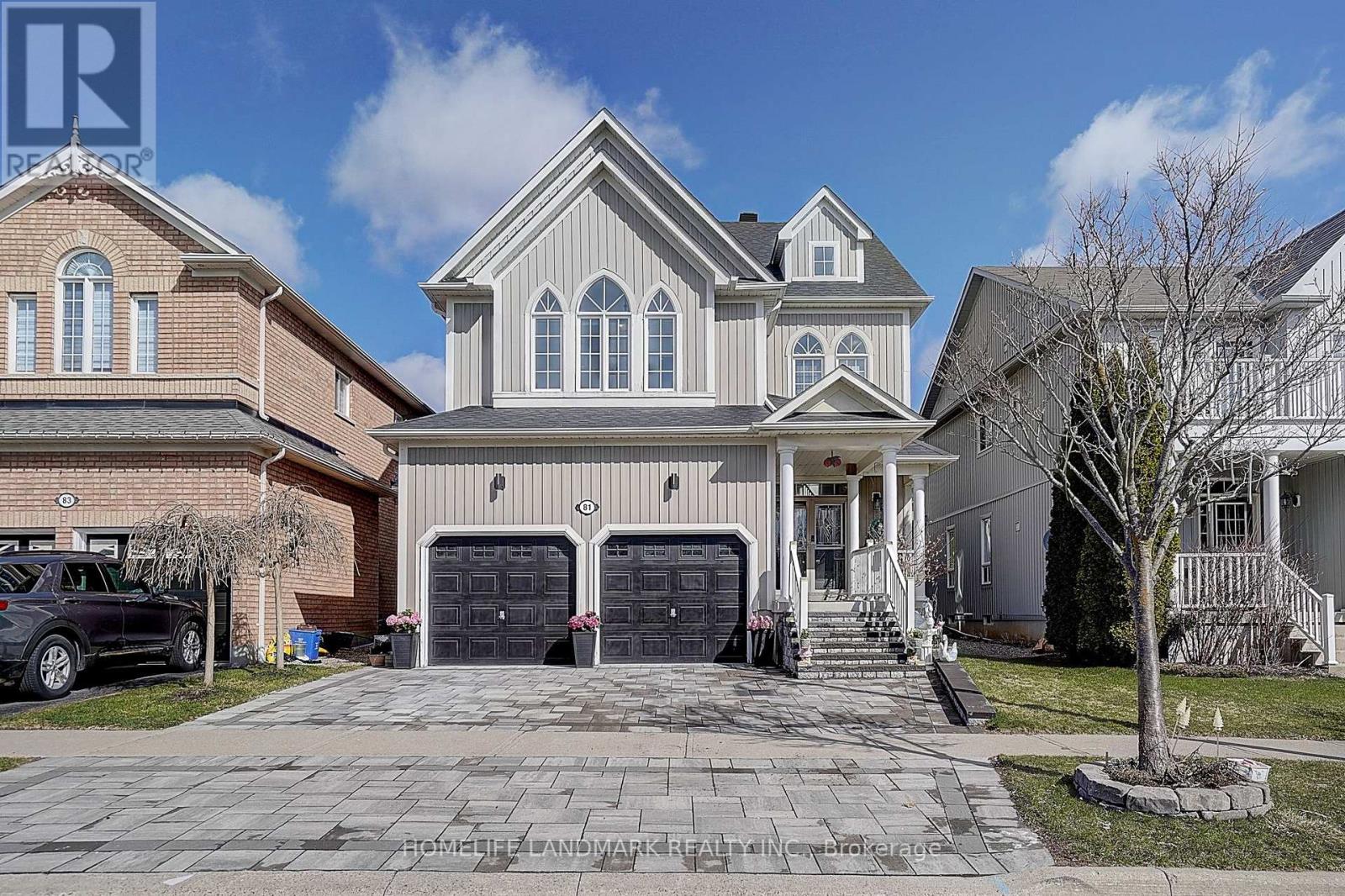 For Sale
 For Sale
 For Sale
 For Sale