
Beaverton sits on the eastern shore of Lake Simcoe in Brock Township, Durham Region, about two hours northeast of Toronto. The town offers affordable housing, genuine waterfront access at the marina and Beaverton Harbour Park, and a quiet small-town character that draws retirees and remote workers from the GTA.
Beaverton sits on the eastern shore of Lake Simcoe, about two hours northeast of Toronto by car. It’s a small town in Brock Township, Durham Region, with a population of roughly 3,500 people. The lake defines the place — the marina draws boaters through the summer, the waterfront park fills with families on weekends, and a good number of properties within walking distance of the water originally started as seasonal cottages before their owners decided to stay year-round.
The town has the compressed character of rural Ontario: a main street with a hardware store, a couple of diners, a library branch, and not much pretension. There’s no Starbucks, no chain pharmacies on every corner. Residents who need a broader range of services drive to Barrie, about 40 minutes north, or to the Newmarket and Aurora corridor about 50 minutes to the south. That self-sufficiency expectation is part of the deal here, and buyers who don’t understand it before they move tend to find it frustrating.
What Beaverton offers is something increasingly difficult to find within commuting range of southern Ontario: affordable housing with genuine waterfront access, a quiet pace of life, and a community that hasn’t been homogenized by suburban development. The fishing is taken seriously. The snowmobile trails connect through to a regional network. Summer weekends bring seasonal visitors from the GTA, and that influx has gradually raised the quality of a few local restaurants and shops without changing the underlying character of the place.
The real estate market here reflects both the appeal and the distance. Prices are a fraction of what comparable waterfront access would cost in Muskoka or the Kawarthas. That gap has been narrowing as more buyers — particularly remote workers freed from daily commutes — have recognized what Beaverton offers. The town is growing slowly but not being transformed. It’s worth understanding the specifics of what you’re buying here: the municipal services, the seasonal dynamics, and the community before committing.
Beaverton’s housing market sits well below the GTA average, which is its primary draw for buyers looking for affordability combined with a genuine quality of life. In 2024 and into 2025, detached homes in Beaverton have been trading in the $500,000 to $750,000 range for typical in-town properties. Waterfront or near-waterfront properties command significant premiums and can push past $1 million, though the supply of true lakefront in the townsite itself is limited — most lakefront is along the rural shoreline outside the village core.
Semis and townhomes are relatively rare here; the housing stock is predominantly detached, reflecting decades of low-density development. Older bungalows from the 1950s through 1970s make up a large portion of the inventory, and many were originally built as seasonal cottages that have been upgraded, insulated, and converted to year-round use over the years. Buyers should scrutinize these conversions carefully — the quality varies considerably, and some conversions were done economically rather than thoroughly.
Newer builds exist on the edges of town and command prices in the $700,000 to $900,000 range depending on size and lot. These are aimed at buyers relocating from the GTA who want modern finishes and better insulation without the premium pricing of urban markets. The new stock is modest by suburban GTA standards but represents good value on a price-per-square-foot basis.
The rental market is thin. Beaverton doesn’t have the employment base to sustain a large rental population, and most long-term rental properties are informal arrangements. Investors looking for predictable rental income from purpose-built product will find better options elsewhere. For buyers, the market rewards patience — inventory turns over slowly in a town this size, so the right property sometimes takes months to surface.
Beaverton’s real estate market is quiet by GTA standards, which is one of the reasons people move there. Transactions are measured in dozens per year rather than hundreds, and the absence of bidding wars is itself a selling feature for buyers exhausted by competitive urban markets. Properties sit on the market longer here — 30 to 60 days is common — and conditional offers on financing and inspection remain the norm rather than the exception.
The market picked up noticeably between 2020 and 2022 as remote work became widespread and GTA buyers started looking north for value. That period saw prices jump 30 to 40 percent in some property categories, driven primarily by demand from buyers who had sold in Toronto or the inner suburbs and were relocating rather than investing. The correction that followed in 2023 brought prices back somewhat, and the 2024-2025 period has been more stable — prices have held without much upward movement.
Seasonality plays a bigger role here than in the city. Summer listings draw more attention; properties listed in January often sit longer than equivalent properties listed in May. Waterfront and near-waterfront properties attract GTA weekend-buyer interest through the warmer months, which can accelerate some sales. Buyers who can look during the off-season sometimes find better pricing and less competition.
The Durham Region housing market broadly has seen more activity than Brock Township specifically, and Beaverton doesn’t fully benefit from the growth pressures affecting Whitby, Ajax, or Oshawa. That’s partly a function of distance — it’s genuinely far — and partly a function of limited commercial and employment development. Sellers who price realistically find buyers; sellers who price for peak pandemic valuations often wait. The market here is driven by genuine users, not speculators.
The buyer profile in Beaverton has shifted over the past five years. The traditional buyer was a retiree or near-retiree from the GTA selling a paid-off suburban home and moving to a town where the money would go further, ideally near the water. That buyer still exists and remains common, but a second wave has emerged: remote workers in their 30s and 40s who sold or rented out their GTA condos or townhomes and relocated for space, affordability, and a different pace of life.
Both groups are making a deliberate trade. They’re giving up proximity to employment nodes, transit, and the full range of urban services in exchange for property that they could never afford at equivalent quality closer to the city. The calculation works as long as either the buyer is retired, works fully remotely, or has a partner who works locally or can commute on their own schedule.
A smaller segment of buyers is made up of families with roots in the area — people who grew up in Brock Township, left for school or work, and have returned once they started having children or once aging parents became a factor. These buyers know the town’s limitations and choose it deliberately.
The seasonal cottage buyer also exists here, though many cottage-style properties have already been converted or sold to full-time residents. True seasonal buyers looking for a weekend retreat still appear in the market, but they compete with the full-time relocation buyers who have pushed prices up from where they were ten years ago. Anyone considering Beaverton should be honest with themselves about whether the distance is workable for their actual life, not their ideal version of it.
Beaverton’s streets run in a fairly simple grid through the town core, with the waterfront area at the northwest end being the most sought-after pocket. Simcoe Street is the main commercial artery, running through the centre of town with the older commercial blocks. Residential streets branch east and west from here, with the lots generally getting larger and the character more spacious as you move away from the core.
The waterfront area along Lake Simcoe’s eastern shore includes Harbour Street and the streets immediately adjacent to the marina and Beaverton Harbour Park. Properties here are the most expensive in the town and tend to sell quickly when they come up. Many of these were the original seasonal cottages and have been substantially renovated over the decades. The views across Lake Simcoe toward the far shore are genuinely appealing, and the park provides public waterfront access to the whole community.
The streets north and northeast of the commercial core — Mara Road heading out of town, the residential blocks around High Street — offer more typical Ontario small-town residential character. Lots here are generous by any urban comparison, and the housing stock is a mix of older bungalows and more recent additions. These are the streets where the money goes furthest for buyers who don’t need to be steps from the marina.
Rural properties outside the town core along county roads offer different opportunities: larger lots, agricultural land, and occasional properties on private shoreline outside the townsite. These require more due diligence on well and septic systems, road maintenance agreements, and the practical realities of rural living that in-town properties don’t face to the same degree.
Transit in Beaverton is minimal, and that’s the honest answer. There is no GO Transit service to Beaverton. The closest GO stations are in the Barrie corridor to the north (Barrie South GO) and the York Region corridor to the south (East Gwillimbury GO on the Barrie line). Neither is a convenient drive from Beaverton, and neither serves as a realistic daily commuting option for most people.
Durham Region Transit (DRT) provides some regional bus service, but coverage in Brock Township is limited and designed more for medical and essential trips than daily commuting. There is no local transit within Beaverton itself. If you need to get somewhere, you drive.
By car, the primary routes out of Beaverton are Highway 12 west toward Barrie and the Highway 400 connection, and Highway 48 south toward Newmarket and the Highway 404 corridor into Toronto. The drive to Toronto via Highway 48 and Highway 404 is typically 90 to 110 minutes depending on traffic and origin point. Morning and afternoon rush hours on Highway 404 can extend that considerably. The drive to Barrie via Highway 12 and Highway 400 is about 40 minutes.
This is a car-dependent community by necessity, and buyers should factor in vehicle costs, fuel, and the practical reality of two-hour commutes when they’re evaluating whether Beaverton works for their situation. The remote work calculation changes things significantly — for buyers who don’t commute daily, the distance becomes manageable. For buyers who commute to downtown Toronto five days a week, the math is punishing. That’s not a judgment; it’s arithmetic.
The waterfront is Beaverton’s most significant public asset. Beaverton Harbour Park sits at the edge of Lake Simcoe and includes a public boat launch, dock facilities, a beach area, a playground, and open green space. In summer, the park is the social centre of the community — people launch their boats here, kids use the beach, and the weekend farmers’ market draws people from the surrounding area. The lake itself extends the recreational season from May through September for boating and swimming, and into winter for ice fishing and snowmobiling on the frozen lake surface.
The Trans Canada Trail passes through the area, and the trail network in Brock Township connects to the provincial trail system for cycling, hiking, and in winter, cross-country skiing and snowmobiling. The Brock Trail provides a local connection for walkers and cyclists. These aren’t polished urban multi-use paths — they’re rural trails that require more independent navigation — but they’re genuinely used by the local community.
Lake Simcoe itself is one of southern Ontario’s most important recreational lakes, regulated by the Lake Simcoe Region Conservation Authority. The LSRCA manages several conservation areas in the broader watershed. The Brock Township portion of the Lake Simcoe shoreline is less developed than the western shore toward Barrie and Orillia, which has historically kept prices more moderate.
For year-round outdoor recreation, the combination of lake access, trail networks, and the relatively uncrowded rural landscape around Beaverton offers more than most people expect from a town of this size. It’s not Muskoka in terms of pure natural drama, but it’s genuinely good for people who build their lives around being outside.
Beaverton’s commercial offering is what you’d expect from a rural Ontario town of 3,500 people: functional rather than curated. The main street along Simcoe Street has a small number of local businesses — a grocery store, a pharmacy, a hardware store, a few restaurants and diners, and some seasonal shops that pick up in the summer months when the boating crowd arrives. The weekly farmers’ market at the harbour during summer brings local produce and some craft vendors into the mix.
For anything beyond basics, residents drive. Barrie is the nearest city with a full retail offering, about 40 minutes north via Highway 12 and Highway 400. It has a Costco, a full range of chain retailers, Barrie’s Allandale Waterfront area, and a genuine range of restaurant options. Newmarket and Aurora are about 50 minutes south and offer similar range with better GTA-adjacent services including specialty food stores, larger medical facilities, and more employment options.
The seasonal nature of some of Beaverton’s commercial life is something buyers should understand before assuming it will be a certain way year-round. Restaurants that are busy in summer may reduce hours or close entirely in January. Shops catering to the boating and cottage crowd are not open year-round. The community has enough permanent residents to sustain basic services, but it’s not self-sufficient in the way that a larger town would be.
That said, the town has improved over the past decade. A few independently owned restaurants and cafes have established themselves with year-round appeal, and the general trend has been toward slightly more service availability as the permanent population has grown. Buyers who arrive with modest expectations for walkable daily amenities tend to find the situation workable.
Beaverton falls within the Trillium Lakelands District School Board for English public schools and the Peterborough Victoria Northumberland and Clarington Catholic District School Board for Catholic separate schools. The local public school is Beaverton Public School, serving elementary students from the town and surrounding area. Secondary students attend Brock High School in Beaverton, which serves the whole of Brock Township.
Brock High School is a small secondary school with the advantages and limitations that come with small size. The school can offer a personal environment where students aren’t anonymous, but the range of electives, specialized programs, and extracurricular options is narrower than what a larger urban school can provide. Families with strong views on secondary education options should research what’s available carefully before committing to Beaverton as a long-term base, particularly if their children are approaching high school age.
The elementary schools in the area provide solid foundational education, and the smaller class sizes in a rural district have their own advantages. Parent involvement tends to be high in smaller communities, and the school community in a town like Beaverton often extends into the broader social fabric in a way that doesn’t happen in larger urban schools.
French immersion options are more limited in Brock Township than in the urban Durham Region municipalities to the south. Families who want French immersion should confirm availability and transportation arrangements before purchasing. Post-secondary options require commuting to Barrie (Georgian College), Oshawa (Ontario Tech University, Durham College), or the broader GTA — none of which is close by Ontario post-secondary standards.
Development activity in Beaverton is modest compared to the growth corridors further south in Durham Region. The town has seen some new residential development on its edges over the past decade, primarily single-family homes aimed at the relocation buyer market. These projects have been small in scale — a few dozen lots at a time — rather than the large planned communities that have transformed Whitby and Ajax.
Brock Township’s official plan and provincial growth targets direct the majority of development to the three main settlement areas: Beaverton, Cannington, and Sunderland. Beaverton, as the largest of the three and the one with the waterfront amenity, receives the most development attention. There has been ongoing discussion about expanding serviced areas within the town to accommodate more residential growth, though municipal fiscal capacity limits how quickly this can proceed.
Commercial development is limited. There’s no significant shopping centre development planned for Beaverton, and the town’s commercial base is unlikely to expand dramatically without a larger employment base to support it. The commercial opportunity here is organic — a business that serves the existing community and the seasonal visitors, not a location betting on population growth bringing retail density.
Infrastructure improvements have been a periodic topic at the municipal level, including discussions about road conditions on county routes, water and wastewater capacity, and the waterfront area. The municipality of Brock operates with a smaller budget than the urban Durham municipalities and that shapes what gets built and when. Buyers should factor infrastructure maturity into their assessment, particularly for properties that rely on well and septic rather than municipal water and sewer.
Q: Is Beaverton a realistic option for GTA commuters?
A: Only for people who commute infrequently or not at all. The drive to Toronto via Highway 48 south to Highway 404 runs 90 to 110 minutes in normal conditions, and rush-hour backups on Highway 404 can push that past two hours. There’s no GO Transit or regional rail service to Beaverton. The buyers who make this work are either fully remote, retired, or in a two-household arrangement where only one person commutes and does so on a flexible schedule. Anyone expecting to do a daily Toronto commute from Beaverton should model the actual time and cost before purchasing, including fuel, vehicle wear, and the hours involved. It’s a significant commitment that changes daily life considerably.
Q: What should buyers know about cottage conversions in Beaverton?
A: A large portion of Beaverton’s housing stock started as seasonal cottages and was converted to year-round use over the decades. The quality of those conversions varies enormously. Some have been done properly, with full insulation, updated mechanicals, municipal water and sewer connections, and structural upgrades. Others were converted economically, with minimal insulation, aging septic systems, original windows, and heating systems that struggle in a real Ontario winter. A thorough home inspection by an inspector with rural property experience is essential. Ask specifically about the heating system capacity, insulation values, window age, and whether the property is on municipal services or relies on well and septic. The inspection cost is small relative to what you can discover.
Q: How does Lake Simcoe water quality affect property near Beaverton?
A: Lake Simcoe is a managed recreational lake with ongoing water quality programs run by the Lake Simcoe Region Conservation Authority. Phosphorus levels and algae bloom frequency have been the main concerns over the years, and there are active management programs to address them. Beaverton’s harbour and beach area are monitored through the provincial Beach Management Program, and the beach is occasionally closed for brief periods following heavy rainfall when bacteria counts elevate. This is not unique to Beaverton — it affects most Lake Simcoe beaches at some point during summer. The LSRCA publishes current beach status information. For buyers considering a property with direct lake access, waterfront condition and any shoreline restrictions under provincial regulation should be reviewed as part of due diligence.
Q: What are property taxes like in Brock Township compared to the GTA?
A: Property taxes in Brock Township are generally lower in absolute dollar terms than in most GTA municipalities, reflecting lower assessed values. As a percentage of assessed value, the mill rate in Brock is comparable to rural Durham Region municipalities. On a typical in-town Beaverton home assessed at $500,000, annual property taxes would typically be in the $4,000 to $5,500 range depending on the property class and any applicable education levies. Waterfront properties with higher assessments pay proportionally more. The municipality of Brock provides a lower level of services than urban municipalities, which is reflected in the tax base. Buyers should also factor in higher vehicle costs, heating costs for older homes, and the cost of travel for services that are available locally in the GTA but require a drive from Beaverton.
Buying in Beaverton requires an agent who understands rural and small-town Ontario real estate, not just one who is licensed and available. The due diligence considerations here are different from the GTA: well and septic assessments, cottage conversion quality, shoreline regulations, rural road access, and the practical implications of purchasing in a market where comparable sales are few and pricing requires genuine local knowledge rather than algorithm-generated estimates.
A good buyer’s agent for Beaverton will have experience with rural properties in Durham Region or the broader Lake Simcoe area, will know which inspectors have the right rural property background, and will be honest about the lifestyle trade-offs involved in the purchase rather than simply facilitating a transaction. They’ll help you assess whether a converted cottage will be comfortable in January, whether a property’s well has consistent yield, and whether the price is reasonable given the thin comparable sales data that characterizes small-market real estate.
TorontoProperty.ca works with buyers considering the full range of GTA-adjacent and rural Ontario markets, including Brock Township. If you’re evaluating Beaverton as a potential home base, we can help you assess specific properties, understand the market dynamics, and connect with the inspection and legal professionals who have the right experience for this type of purchase. The goal is a transaction that holds up — not just on closing day but two years later when you’re living with the decision you made.
Reach out through the contact form to start a conversation about what you’re looking for and whether Beaverton is the right fit for your situation. There’s no obligation and no pressure — just a straightforward conversation about whether the numbers and the lifestyle make sense for you.
Street-level knowledge is hard to find online. Our team works in Beaverton every day. They know which pockets hold value, where the school catchment lines actually fall, and what the market is doing right now. Talk to us before you make a decision about Beaverton.
Talk to a local agent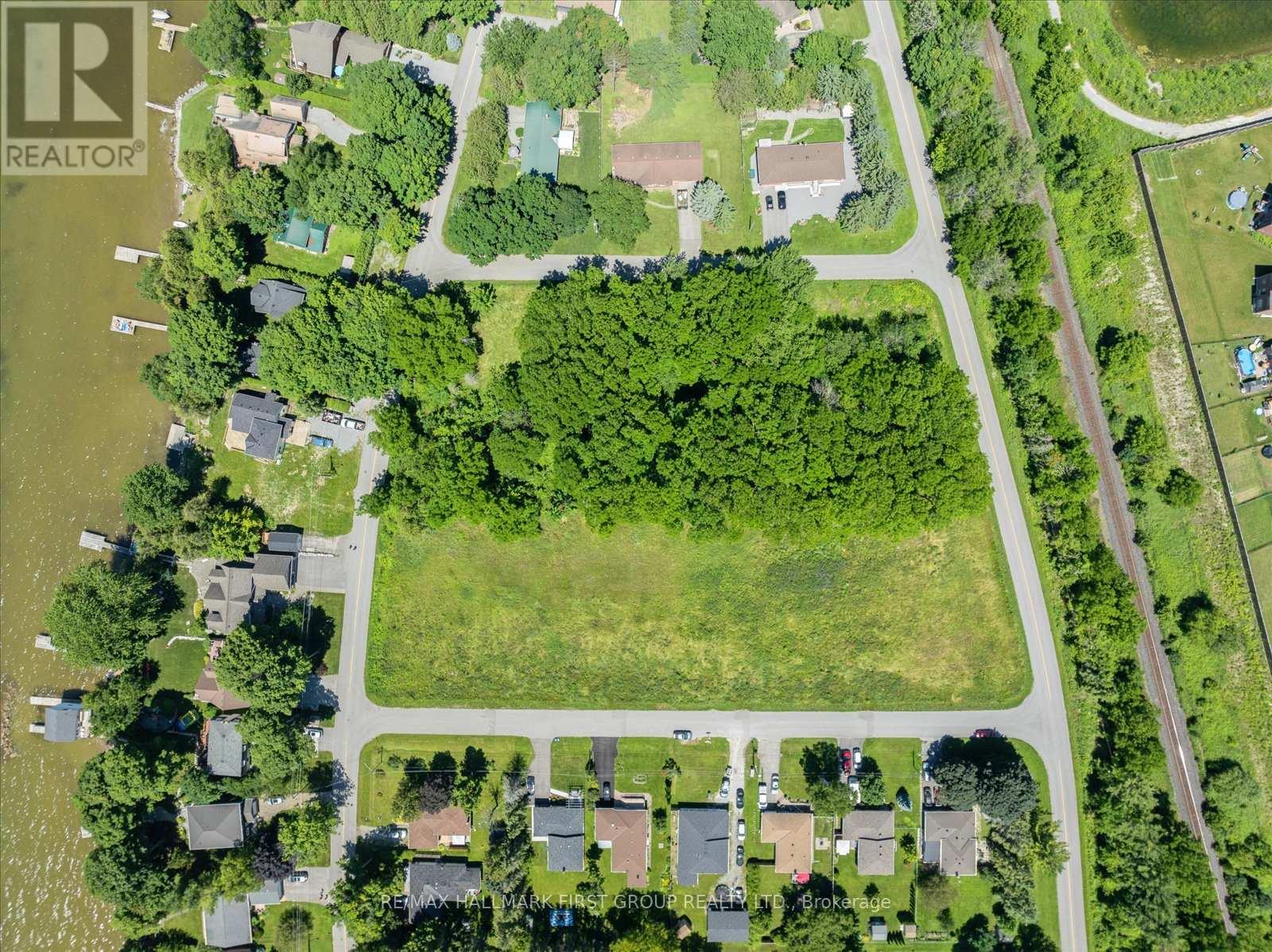 For Sale
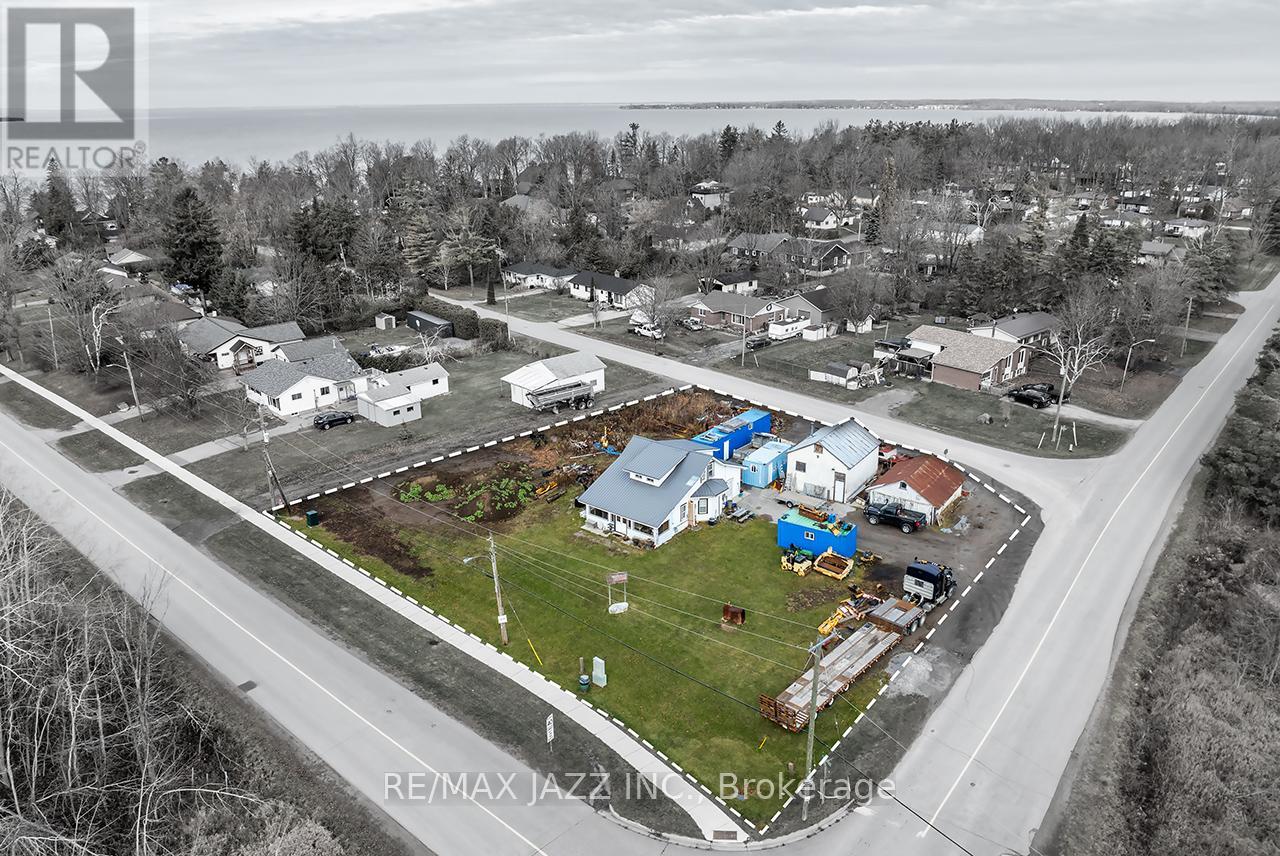 For Sale
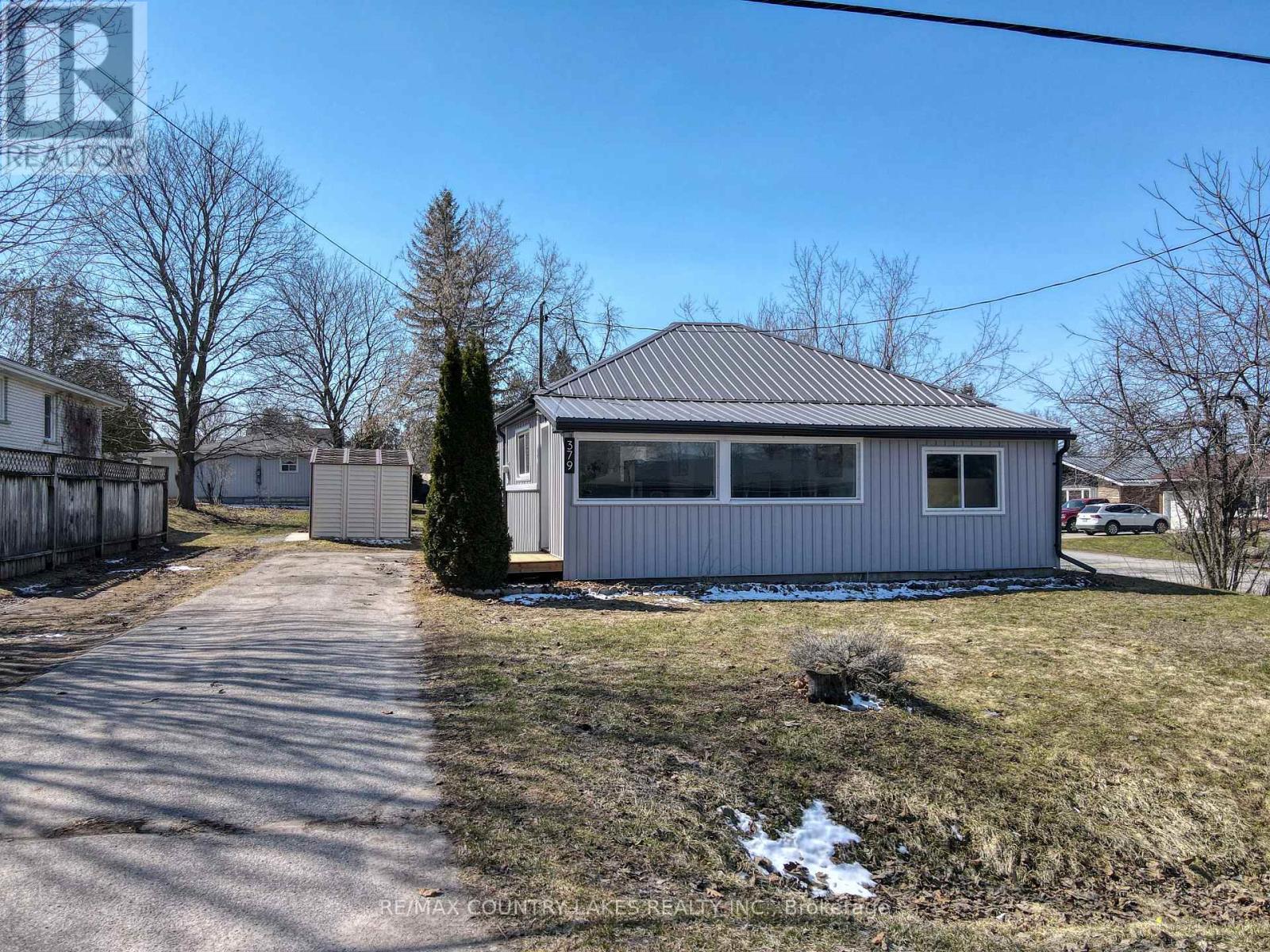 For Sale
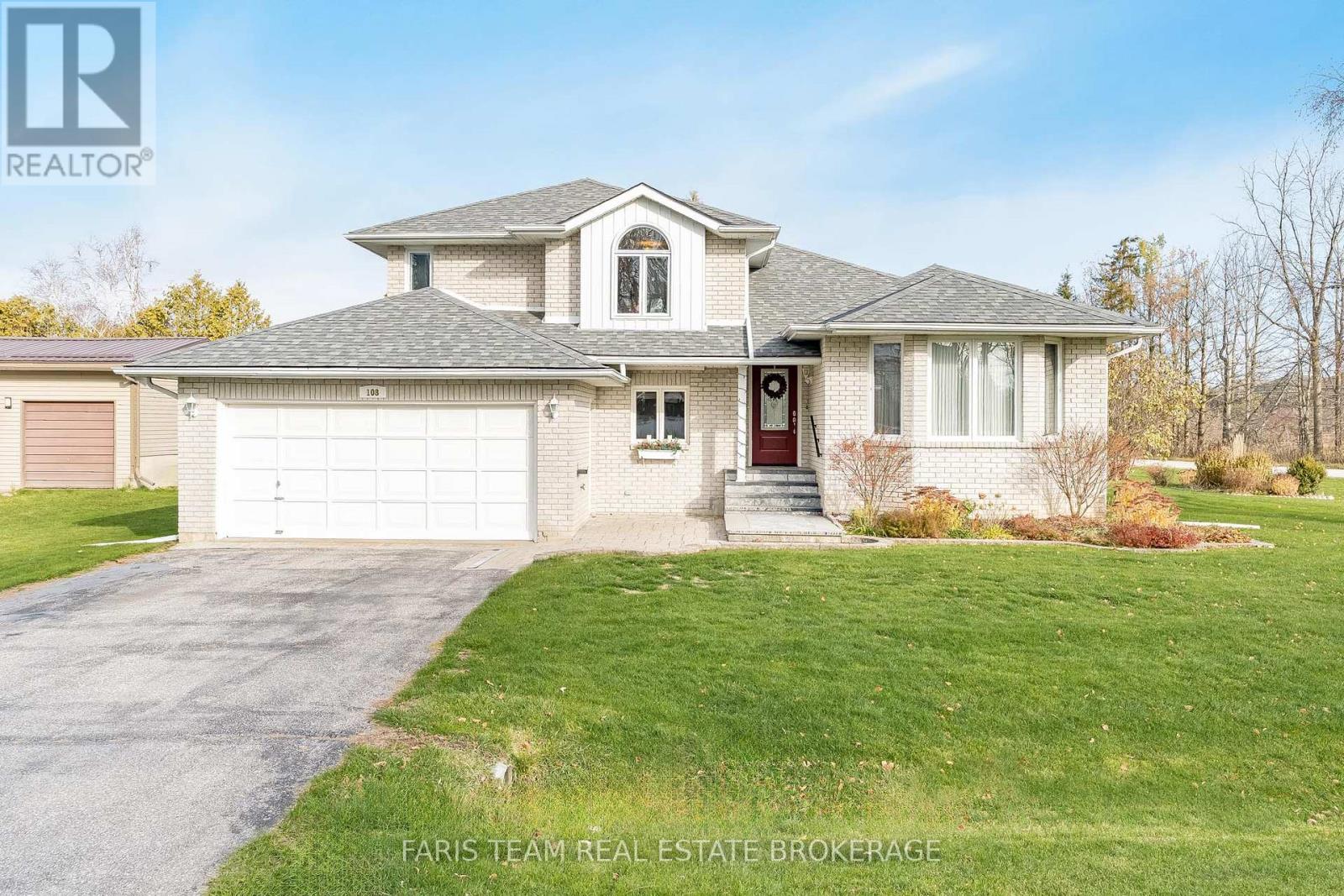 For Sale