

Bedford Park is a north midtown Toronto neighbourhood that families move to deliberately. The draw is specific: John Wanless Public School and Lawrence Park Collegiate Institute, both consistently regarded as among the strongest in the Toronto public system, combined with large detached homes on wide lots and streets that stay quiet enough that children actually use them. Detached houses traded between $2.5 million and $4.5 million in early 2026. The price reflects what the neighbourhood delivers: space, schools, and proximity to Lawrence subway station on the Yonge line.
Bedford Park sits on the east side of Avenue Road between Lawrence Avenue to the north and Eglinton to the south, running east to Yonge Street. The residential streets, Glengrove Avenue, Banff Road, Alexandra Boulevard, Cranbrooke Avenue, and Woburn Avenue among them, are lined with large detached homes built mostly between the 1920s and 1950s. The lots are wide by Toronto standards. Double garages are common. The streets stay quiet on a Tuesday afternoon in the same way that downtown neighbourhoods simply don’t.
Families move here with a specific purpose and they know what it is. John Wanless Public School on Burnaby Boulevard is the primary draw at the elementary level: it consistently ranks among the strongest public schools in Toronto, and proximity to it is a factor in which specific streets within Bedford Park command the highest prices. Lawrence Park Collegiate Institute on Lytton Boulevard serves the secondary school catchment, and it carries a similarly strong reputation. For families buying their last family home before the children finish school, this combination is the single clearest argument for Bedford Park over adjacent neighbourhoods.
The commercial strip at Lawrence and Avenue Road adds daily practicality: Pusateri’s Fine Foods, BUCA Osteria at Avenue, a strong coffee presence, and independent retailers give the strip a character that belongs to this part of the city specifically. It’s not Yorkville. It’s not Rosedale. It’s the kind of local shopping street that sustains itself because the people who live around it use it and can afford to, without the self-consciousness of a curated destination neighbourhood.
The dominant housing type in Bedford Park is the large detached, built predominantly between 1925 and 1955, in brick construction, on lots that run between 35 and 60 feet of frontage. These are genuine family homes: four bedrooms is standard, five is not uncommon in fully renovated properties. Rear additions have expanded many of them over the decades. Finished lower levels add usable square footage that makes the cost per livable foot more reasonable than the purchase price alone suggests.
Entry-level renovated detached homes on standard lots started around $2.5 million in early 2026. A well-renovated four-bedroom on a 40-foot lot with a finished basement and a functional rear addition trades in the $3 to $3.5 million range. The top of the market, homes on 50-foot-plus lots on Glengrove or Alexandra with professional renovation, runs $4 to $4.5 million and above for the best properties. These aren’t overpriced relative to what they deliver: the square footage, lot size, and school catchment combination is difficult to find anywhere closer to downtown at comparable prices.
The neighbourhood has almost no condo or townhouse product. Bedford Park is a freehold market, and buyers who want the neighbourhood but need to stay below $2 million won’t find much to work with. The entry price is what it is, and it reflects a genuine supply-and-demand reality: the school catchment creates a buyer floor that doesn’t disappear even when the broader market softens.
The school argument for Bedford Park starts at John Wanless Public School on Burnaby Boulevard. For families targeting the TDSB system, it’s one of a small group of elementary schools in Toronto where academic results, school culture, and community involvement converge reliably. That reputation has been consistent long enough that it’s priced into the surrounding streets, particularly those closest to the school’s catchment boundary.
Lawrence Park Collegiate Institute picks up the secondary school cohort. LPCI has a strong academic program and a consistent record of university placement. It draws students from across the catchment who are motivated academically, and the school culture reflects that. For families whose children will enter secondary school within a few years of purchase, LPCI is a meaningful part of the Bedford Park value proposition rather than an afterthought.
Catchment boundaries are not intuitive and don’t follow obvious geographic lines. The TDSB adjusts them periodically, and a two-block difference in address can place a child at a different school than a buyer expects. Buyers making a purchase decision based on school catchment should verify the specific address through the TDSB boundary tool before finalising any offer. Catholic school families have St. Edward Catholic School on Avenue Road serving the area. The private school corridor along Lytton and the surrounding streets, including Crescent School, Lawrence Park Collegiate’s athletic facilities, and access to several well-regarded independent schools, also makes Bedford Park a practical base for families using independent schools at the secondary level.
The Bedford Park buyer is usually making a deliberate north midtown choice after eliminating other options. The most common comparison is to Allenby, the neighbourhood south of Lawrence in the Eglinton corridor. Allenby has Allenby Junior Public School, which is well-regarded but a tier below John Wanless in perceived reputation among parents who research this specifically. Allenby homes are five to fifteen percent less expensive for comparable properties. Buyers who choose Bedford Park over Allenby are, in most cases, paying the premium specifically for the Wanless catchment.
The comparison to Lawrence Park North is different. Lawrence Park North sits immediately north of Bedford Park and has very similar housing stock at a slight discount. The distinction is primarily school catchment: different elementary schools, similar secondary access through LPCI. Buyers whose children are past the elementary school decision, or who have already enrolled in private schools, often find Lawrence Park North offers better value per square foot. Buyers in the elementary school decision window almost always choose Bedford Park.
The third comparison is to Lytton Park, immediately west of Yonge between Lawrence and Wilson. Lytton Park is smaller, has a slightly different character, and is very close to Lawrence station. It sits at comparable prices for equivalent homes. Buyers often split between the two based on which specific streets they prefer rather than any meaningful difference in access or schools. Both catchments are desirable. Both access Lawrence station readily. The choice often comes down to a specific house on a specific street.
The school catchment question must be resolved before any offer, not after. The TDSB boundary tool allows address-specific lookups, and a buyer should run the specific property address, not the general neighbourhood, before signing anything. Streets that appear to be solidly within Bedford Park can sit in a different catchment for elementary school, particularly near the Eglinton southern boundary and the Yonge eastern boundary. This is not a technicality: families who buy on this basis and then find the catchment doesn’t match the listing description have limited recourse after closing.
The housing stock here is old, and old well-maintained brick houses have specific inspection considerations. Knob-and-tube wiring survives in a meaningful number of homes in this era and affects insurance eligibility with some carriers. Clay tile drainage systems under many of these lots have a finite lifespan and a repair cost that surprises buyers who didn’t investigate. A thorough home inspection by an inspector experienced with 1920s to 1950s Toronto construction is worth the premium over a general inspector who hasn’t seen the specific failure modes of this era’s building methods.
Lot width matters more than the listing price suggests at this end of the market. The difference between a 35-foot lot and a 50-foot lot in Bedford Park isn’t just physical: it’s future flexibility. A 50-foot lot can accommodate a rear addition that a 35-foot lot makes more constrained. It supports a pool where a narrow lot makes one impractical. At the prices involved in this neighbourhood, buyers who are thinking about the property ten years forward should investigate what the specific lot permits under the zoning bylaw before committing.
Bedford Park sellers have a dependable advantage: a buyer pool that is specifically motivated by the school catchment and will pay for proximity to it. That motivation doesn’t disappear when the broader market softens, because the school calendar runs independently of market conditions. Families who need to be in the catchment by September will be searching from January onward regardless of interest rates or Toronto condo market sentiment. That buyer need creates a price floor in Bedford Park that doesn’t exist in neighbourhoods without an equivalent school driver.
What that doesn’t do is remove the need to present the house well. Bedford Park buyers are informed, have typically been through several rounds of house-hunting, and understand the difference between a well-maintained 1940s brick with original details respected and a house that has been renovated cheaply and quickly. Original hardwood in good condition, a kitchen that works with the proportions of the house, and mechanical systems that are documented and current matter more than a surface staging job with fresh paint over problems.
Spring is the optimal selling window, specifically February through April, when families with September entry in mind are actively searching and the seller’s market for well-presented homes in this catchment is at its most competitive. A well-priced property listed in March with a proper offer review process will, in most years, attract serious buyers who know the neighbourhood and are ready to move. The July through August period is slower because the families who needed to move before September have moved. September through November is the second window, with a smaller buyer pool.
The commercial concentration at Lawrence Avenue and Avenue Road is the neighbourhood’s primary retail and dining hub, and it earns its reputation. Pusateri’s Fine Foods at the corner of Lawrence and Avenue is a Toronto institution that predates the neighbourhood’s current price point: a high-quality independent grocer with a prepared foods counter and a product selection that consistently stocks things the Loblaws alternatives don’t. For residents who cook seriously, it’s a genuine neighbourhood asset.
BUCA Osteria at Avenue, on Avenue Road just south of Lawrence, operates at a level that would draw destination diners from across the city even if it weren’t in Bedford Park. The fact that residents can walk there on a Tuesday evening is the kind of thing that gets mentioned when people describe why they chose the neighbourhood. Independent coffee shops, a wine bar, a pharmacy, and service retail fill out the strip without the chain saturation that makes some commercial streets feel anonymous.
The strip at Yonge and Lawrence, a ten-minute walk east, provides the grocery anchor: a full-size Longo’s and a cluster of service businesses give the Yonge side a more utilitarian commercial character that complements the more curated Avenue Road strip. For daily life, the combination means most errands are walkable from anywhere in the neighbourhood, and the Lawrence subway station at Yonge provides the downtown connection that makes the north midtown location practical rather than isolating.
Lawrence station on the Yonge-University line is the neighbourhood’s primary transit asset. From most streets in Bedford Park, Lawrence station is a ten to fifteen-minute walk. The subway from Lawrence to Bloor-Yonge runs in about eight minutes, and from there it’s a few more stops to the Financial District stations at King and Union. For residents who work downtown and don’t need to carry much, the subway connection is practical and fast enough that many Bedford Park residents commute by transit rather than car despite the neighbourhood’s north midtown location.
The 52 Lawrence West bus runs along Lawrence Avenue and connects westward toward Hwy 401 and Lawrence West station on the Eglinton line. The 61 Avenue Road bus runs south down Avenue Road toward Davisville station, providing a second transit option for residents in the western portion of the neighbourhood. Neither of these surface routes is as fast as the subway, but they fill in the transit coverage for streets further from Yonge.
For drivers, Avenue Road and Yonge Street are the two main arteries north-south, and Lawrence Avenue runs east-west providing a direct route toward the 401 via either direction. The 401 is accessible in under ten minutes from most of the neighbourhood in off-peak hours. Mount Pleasant Road to the east and Allen Road to the west provide additional routing options during peak periods when Avenue Road and Yonge back up south of Lawrence. Parking is straightforward: most homes have a double garage and a private driveway, which is not a given in Toronto at any price point.
Allenby is the neighbourhood most Bedford Park buyers have seriously considered before landing here. Allenby sits south of Lawrence between Avenue Road and Yonge, closer to the Eglinton Crosstown line and the commercial strip at Eglinton and Avenue. Allenby Junior Public School is the neighbourhood’s elementary anchor, well-regarded in the TDSB system but consistently ranked a tier below John Wanless in the informal evaluation that Bedford Park buyers do before purchasing. The price difference for comparable homes runs five to fifteen percent, which is, for most families, exactly the premium being paid for the Wanless catchment. Buyers who don’t have children in the elementary school decision window often find Allenby delivers comparable neighbourhood quality at a more accessible price.
Lawrence Park North is the comparison for buyers who are focused on house size and quiet streets rather than elementary school. It sits directly north of Bedford Park, shares the same housing era and style, and accesses the same Lawrence Park Collegiate catchment for secondary school. The gap in elementary school reputation and the slight additional distance from Lawrence station are the two reasons Bedford Park commands a premium. For buyers whose children are in high school or who plan to use private schools, Lawrence Park North often represents the better value-per-dollar in this part of the city.
Lytton Park, on the west side of Yonge between Lawrence and Wilson, competes directly with Bedford Park for the same buyer. The housing stock is similar, the secondary school catchment overlaps, and Lawrence station is accessible from both. The practical difference between Lytton Park and Bedford Park is often a specific property rather than a neighbourhood-level argument: buyers typically have a house in mind in each and choose between them on the merits of those specific properties rather than any clear advantage one neighbourhood holds over the other.
The broader Toronto real estate market has been through a significant correction from the 2022 peak, and north midtown neighbourhoods have not been immune. Bedford Park prices have softened from their peak, but the school catchment creates a price resilience that pure investment-driven markets don’t have. Families who need to be in the Wanless catchment by September aren’t deferring that purchase indefinitely because interest rates are elevated. They’re buying when the life circumstance requires it, which provides a buyer base that keeps the neighbourhood active even when speculative demand has pulled back.
In early 2026, well-priced homes in the Wanless catchment core are still attracting multiple buyers. Properties that are overpriced relative to condition sit longer, but correctly priced, well-presented homes in the centre of the catchment don’t accumulate days on market the way that fringe-of-catchment or condition-challenged properties do. The neighbourhood has a two-speed market: the core streets and condition-ready homes move; the value homes and the ones that need work sit until the price reflects the work required.
The interest rate environment of 2025 and 2026 has pushed some buyers toward variable-rate mortgages or longer amortisations to manage monthly payments on Bedford Park prices. At $2.5 to $3 million, the carrying cost is significant, and buyers are stress-testing their finances more carefully than they were in 2021. That caution produces more conditional offers and longer due diligence periods. Sellers who understand this and price accordingly are transacting. Sellers who price to a 2022 comparator and expect unconditional offers in 24 hours are sitting.
What schools serve Bedford Park? John Wanless Public School on Burnaby Boulevard serves JK through Grade 6 for most of Bedford Park and is consistently among the most sought-after elementary schools in the Toronto public system. Fraser Institute scores are high and enrolment is strong enough that proximity to the school genuinely affects which homes buyers target within the neighbourhood. Secondary school catchment for most of the neighbourhood feeds to Lawrence Park Collegiate Institute on Lytton Boulevard, which carries a strong academic reputation and is among the more desirable TDSB secondary schools in north midtown. Catchment boundaries should always be verified directly with the TDSB before any purchase decision: streets within Bedford Park can sit in different catchments, and a block or two can place a child at a different school than the one a buyer expects. Catholic school families are served by St. Edward Catholic School on Avenue Road.
How does Bedford Park compare to Lawrence Park North? Lawrence Park North sits immediately north of Bedford Park, sharing similar housing stock of large detached homes built in the 1920s through 1950s. The main practical difference is school catchment: Lawrence Park North feeds to different elementary schools, which is the primary reason many families choose Bedford Park over Lawrence Park North despite Lawrence Park North’s slightly lower prices. Lawrence Park North has a quieter, more established feel and the Anglican church community around St. John’s York Mills gives it a specific character. Bedford Park sits slightly closer to the Lawrence subway station and the commercial strip at Lawrence and Avenue Road. For buyers whose children are past school age or who plan to use private schools, Lawrence Park North often offers comparable homes at five to ten percent less, making it worth serious consideration.
What are typical home prices in Bedford Park in 2026? Detached homes in Bedford Park traded between $2.5 million and $4.5 million in early 2026, with the range driven primarily by lot size, renovation quality, and proximity to the John Wanless school catchment core. An entry-level renovated detached on a standard 35-foot lot comes in around $2.5 million. Homes on larger 50-foot-plus lots on streets like Glengrove Avenue or Alexandra Boulevard, particularly those fully renovated in the last five years, regularly reach $3.5 to $4.5 million. Homes with rear additions, professional-grade kitchens, and finished lower levels that expand the usable square footage hold the upper end of that range. The neighbourhood has almost no condo or townhouse market; almost all transactions here are detached freehold.
Is Bedford Park walkable? Bedford Park is walkable for daily errands in a way that many Toronto neighbourhoods at this price point are not. The commercial strip at Lawrence Avenue and Avenue Road, roughly a ten-minute walk from most of the neighbourhood, has Pusateri’s Fine Foods, BUCA Osteria at Avenue, independent coffee shops, a wine bar, and a pharmacy. Lawrence subway station on the Yonge line is reachable on foot from most streets in the neighbourhood, making transit access to downtown practical without a car. The residential streets themselves are wide, quiet, and well-treed, which makes walking genuinely pleasant rather than just functional. By car, the neighbourhood sits between Avenue Road to the west and Yonge Street to the east, both providing fast access to the 401 and to midtown and downtown destinations.
Bedford Park developed as a residential suburb in the first decades of the twentieth century, following the extension of streetcar lines north along Yonge Street that made the area accessible from the city centre. The neighbourhood’s housing stock reflects that development window: most of the homes were built between 1920 and 1955, in the Arts and Crafts, Georgian Revival, and Tudor Revival styles that characterised upper-middle-class residential construction in Toronto during that period. The red brick, the generous lots, and the consistent setbacks from the street give the neighbourhood its visual coherence today.
The area was incorporated into the City of Toronto in stages, with the northern portions absorbed from the Township of North York as the city expanded through the mid-twentieth century. The schools that now anchor the neighbourhood’s real estate value, John Wanless and Lawrence Park Collegiate, were established during this same period of suburban growth and have maintained their reputations through decades of demographic and educational change in the broader school system.
Bedford Park remained a stable, upper-middle-class residential neighbourhood through the second half of the twentieth century without the dramatic cycle of decline and gentrification that reshaped many closer-in Toronto neighbourhoods. The homes that were well-maintained when they were built have largely remained well-maintained since: there was no era of neglect to reverse here, which is part of why the physical character of the neighbourhood has been so consistent. The most significant change in recent decades has been the renovation cycle, with buyers spending $300,000 to $700,000 to modernise kitchens, add rear extensions, and finish basements in homes that were solid but dated. That investment has pushed the upper end of the market to levels the original residents of these houses would not recognise.
Street-level knowledge is hard to find online. Our team works in Bedford Park (Yonge and Lawrence) every day. They know which pockets hold value, where the school catchment lines actually fall, and what the market is doing right now. Talk to us before you make a decision about Bedford Park (Yonge and Lawrence).
Talk to a local agent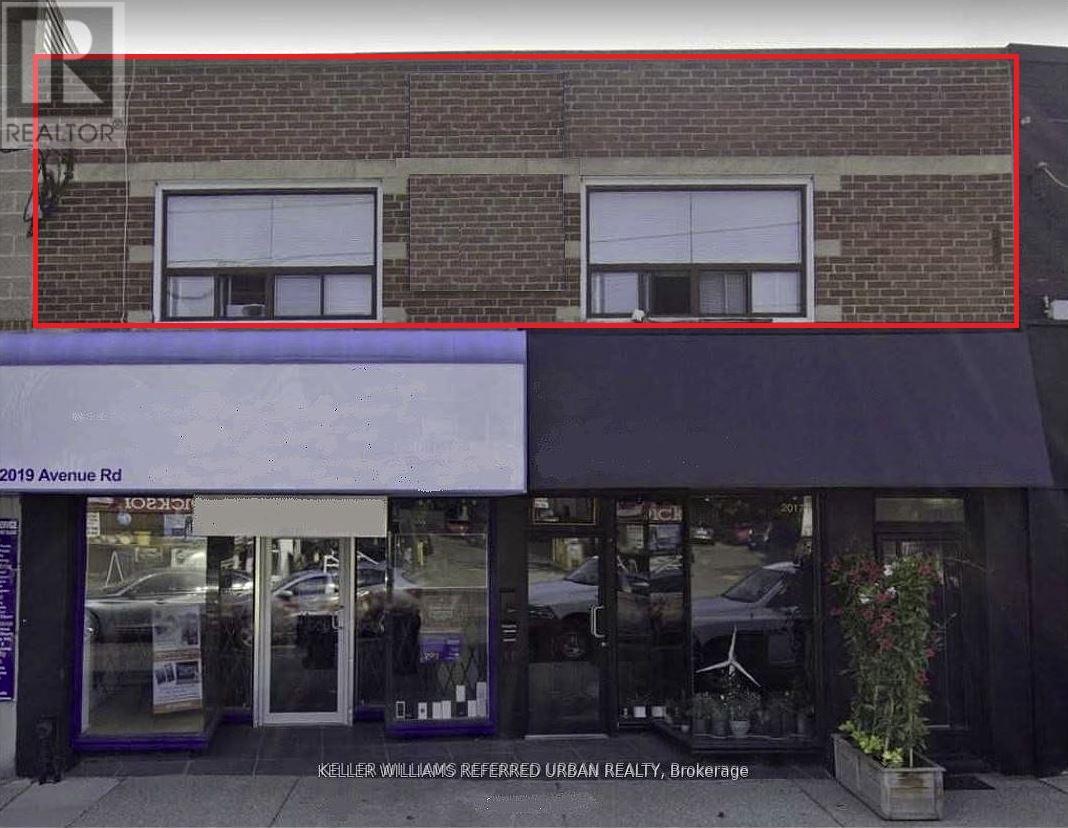 For Rent
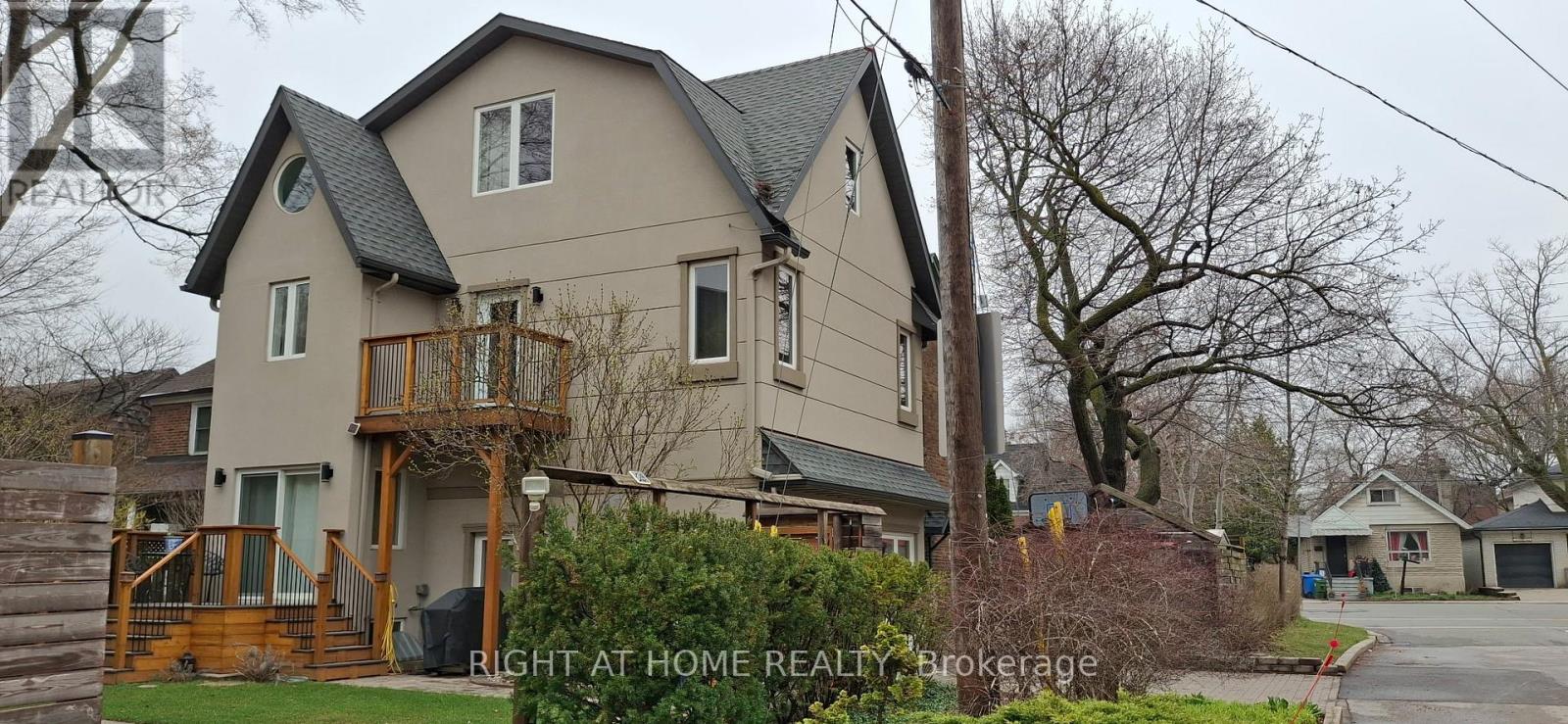 For Sale
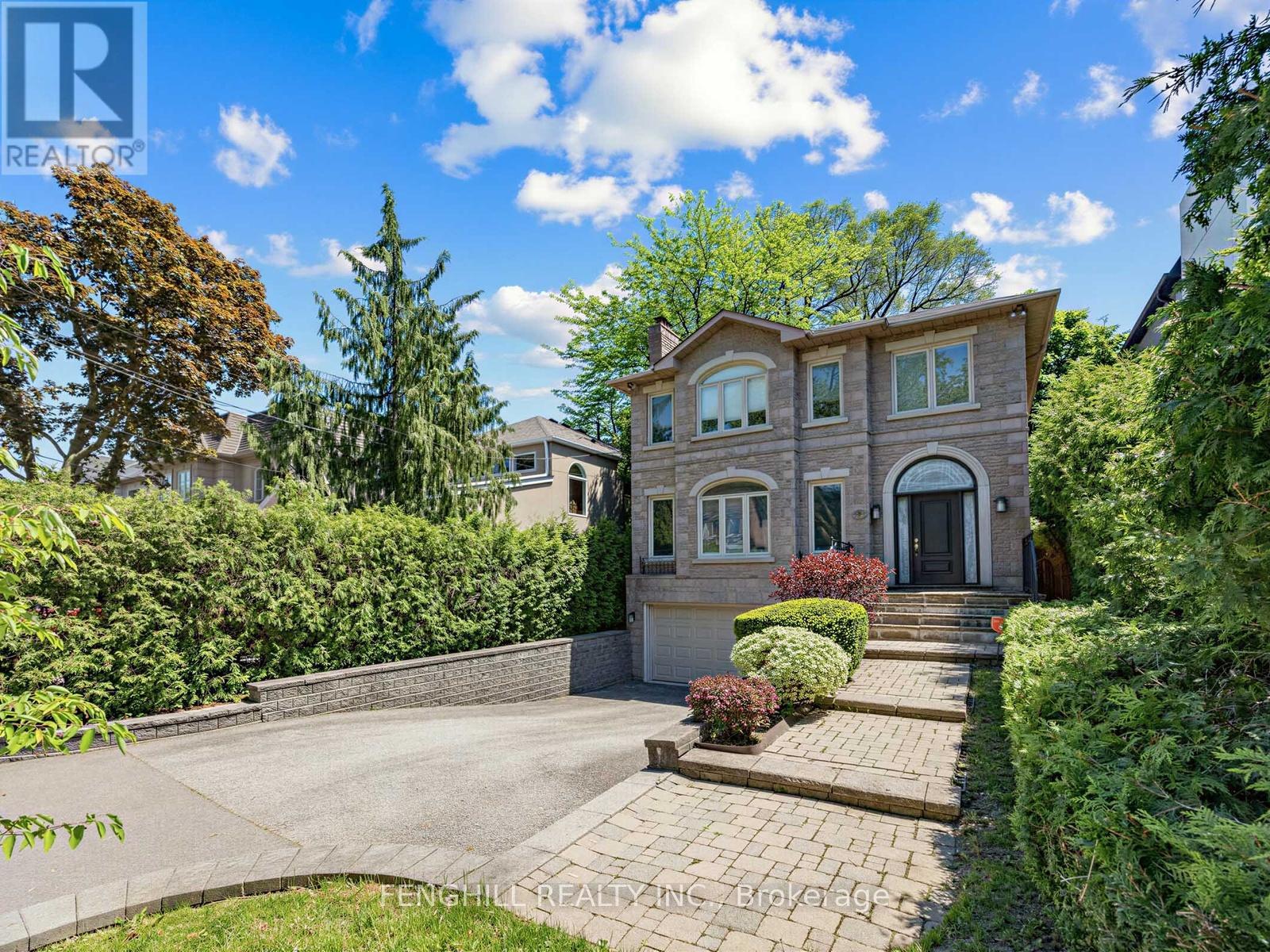 For Sale
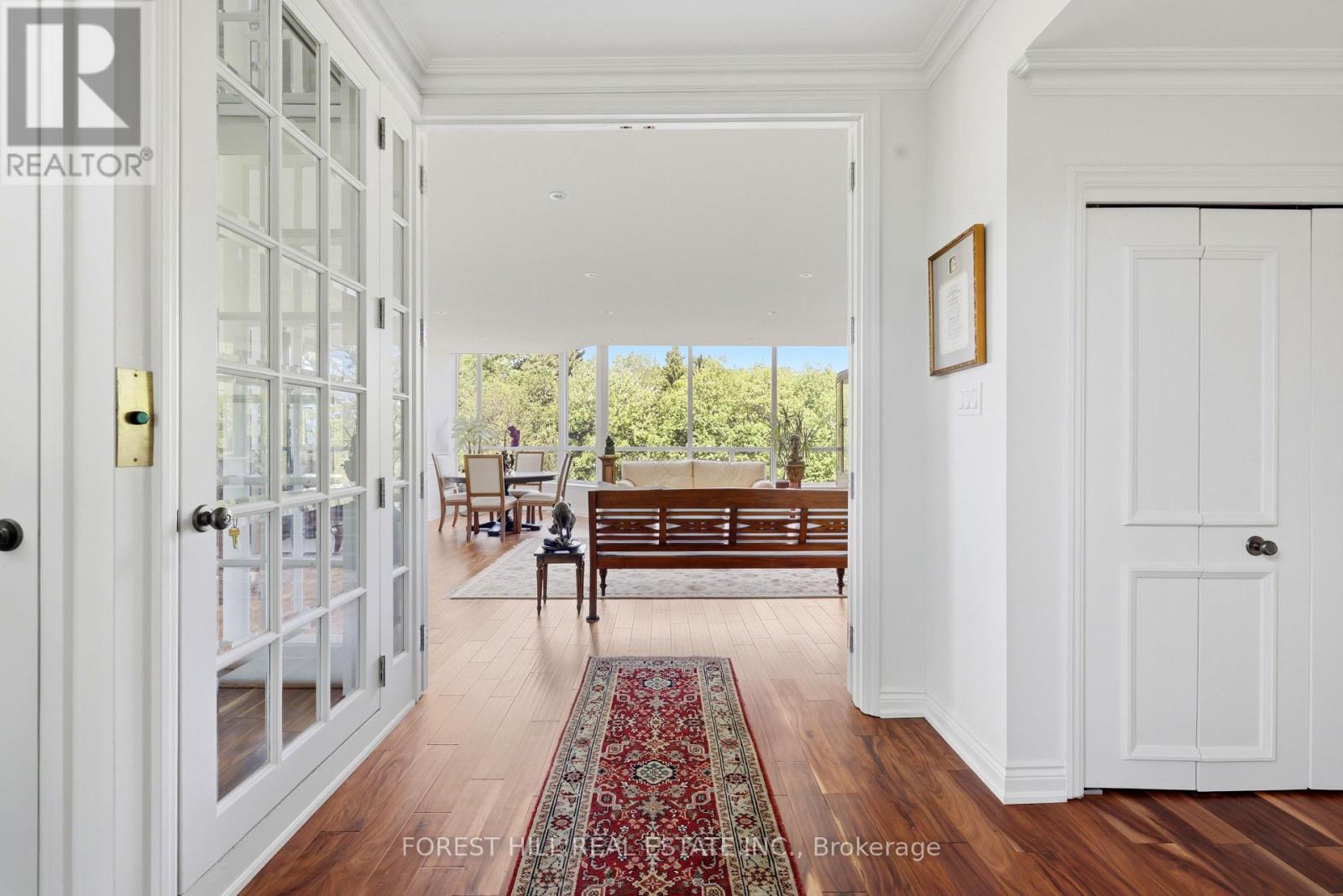 For Sale