
Beechborough-Greenbrook is an affordable, working-class neighbourhood near Jane Street and Lawrence Avenue West, with post-war bungalows and direct access to the Black Creek ravine trail. One of the few places in Toronto where a detached freehold house trades below $1.1M in 2026. Diverse, established community with bus connections to Line 2 at Jane station.
Beechborough-Greenbrook sits at the western edge of North York, near Jane Street and Lawrence Avenue West, along the Black Creek corridor. It’s one of Toronto’s more working-class and genuinely affordable freehold markets: post-war bungalows on real lots, detached houses that a household of moderate income can actually buy in a city where affordability has become a relative concept. Prices here were in the $800,000 to $1.1 million range for detached houses in 2026, a full $300,000 to $500,000 below comparable freehold properties in better-known North York neighbourhoods.
The neighbourhood is diverse in the way that older, affordable Toronto neighbourhoods tend to be: long-time residents, many of them families who bought decades ago and have stayed, alongside newer arrivals who found this corner of the city through price rather than preference. The population reflects successive waves of immigration that have passed through the neighbourhood over sixty years, leaving a genuinely mixed community without a single dominant cultural character. This is different from the distinct community identities of Willowdale East or Newtonbrook West, and buyers who value that kind of cultural plurality often appreciate it.
The Black Creek ravine corridor runs through and adjacent to the neighbourhood, providing green access that buyers in more expensive North York neighbourhoods would pay significant premiums for. Jane Street and Lawrence Avenue West are the main arterials, with bus service connecting to the subway system. The neighbourhood isn’t glamorous and doesn’t market itself as anything other than what it is: an affordable, functional, genuinely residential part of the city with reasonable transit connections and a ravine at its doorstep. For the right buyer, that’s exactly what’s needed.
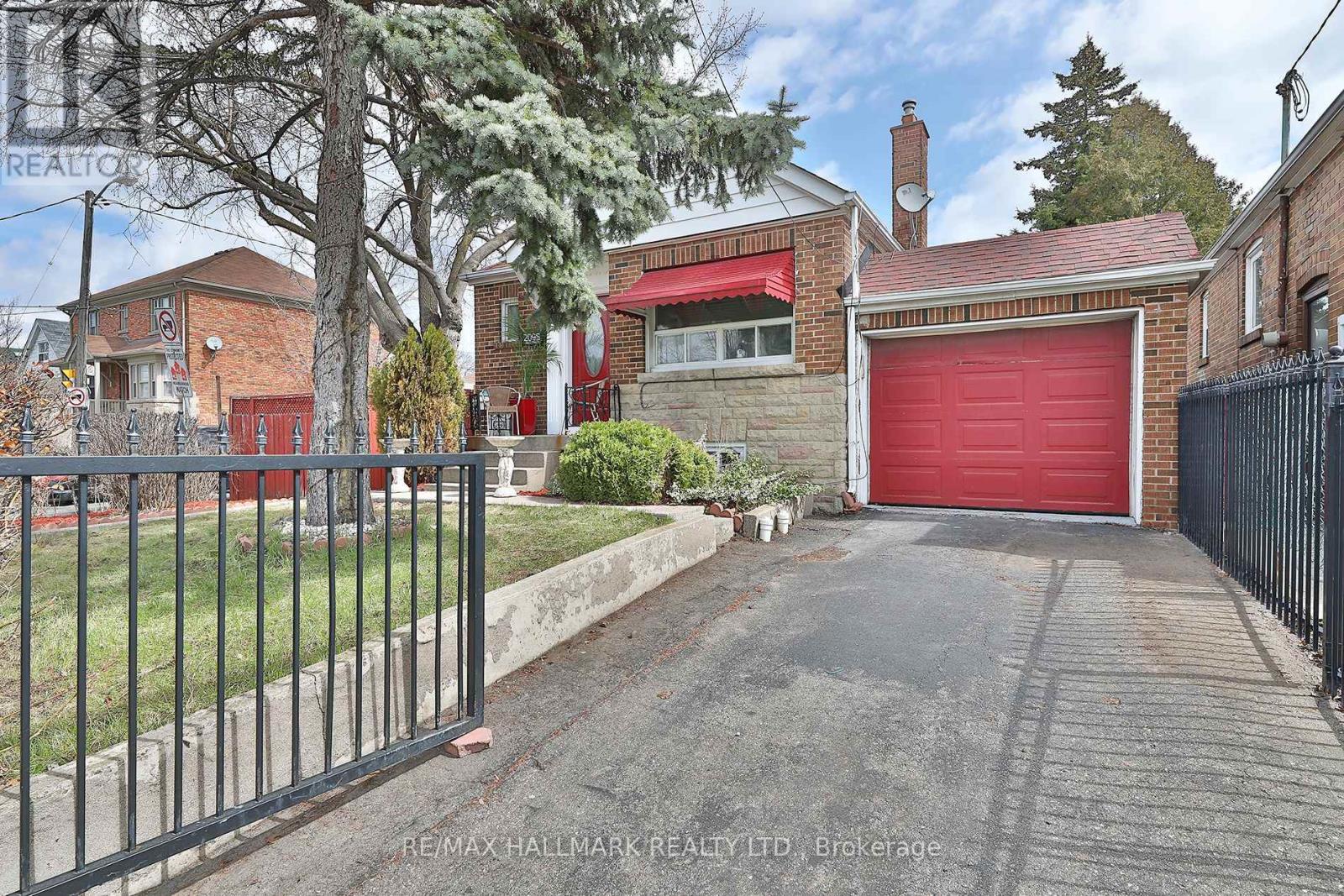
The housing in Beechborough-Greenbrook is primarily post-war bungalows and semi-detached houses, built through the late 1940s, 1950s and 1960s on the lots that were subdivided as the city expanded northwest from its older core. Detached bungalows are the most prevalent type, typically on lots of 35 to 50 feet wide, with the full brick construction and basement configuration standard to this era. These houses are smaller than comparable later construction in Scarborough or Agincourt North: the floor plates are modest, the rooms are smaller, and the bathroom counts reflect a time when one bathroom per household was the norm.
What compensates is lot size. The lots in Beechborough-Greenbrook are solid, and on some streets they’re genuinely generous. A 40-foot lot with a 120-foot depth is not uncommon here, and those dimensions matter for anyone thinking about a garden suite, an addition, or the future redevelopment of the property. The land is real, even if the house sitting on it is modest. For buyers who understand that they’re buying a lot with a house on it rather than a house on a lot, this framing helps clarify the value proposition.
Detached houses were trading from $800,000 to $1.1 million in 2026. Semi-detached houses were priced somewhat lower. The condition range is significant: original bungalows with 1970s kitchens and single-pane windows are priced at the lower end, while houses that have been maintained and updated over the years, with modern systems and functional finishes, sit higher. The neighbourhood has less custom renovation activity than North York markets further east, which means the unrenovated-to-renovated price gap may be smaller here than elsewhere. That’s worth confirming with current comparable sales before assuming a renovation premium that the market may not support.
Beechborough-Greenbrook is a market with lower transaction volume and longer days on market than most of the North York freehold markets. Properties here move more slowly, and the buyer pool is smaller and more specific. Conditional offers are routinely accepted. There’s rarely an offer date set, and the negotiation culture is more traditional: list, wait, negotiate. For buyers who’ve been conditioned by more competitive markets to expect offer dates and quick decisions, this pace can feel unfamiliar but is actually more comfortable for careful due diligence.
The teardown economics here are tighter than in the Willowdale or Newtonbrook markets. Land values are lower in absolute terms, and the cost of construction is the same, which compresses the margin for builders who might otherwise be active. Some builder activity does occur on larger lots where the numbers work, but it’s not a dominant feature of the market the way it is further east and south. This means the land value floor is present but lower, and the market here is more influenced by end-user demand than builder demand. That’s a meaningful difference: end-user demand is more cyclically sensitive than builder demand, which means prices in Beechborough-Greenbrook can move more in response to interest rate and economic conditions than markets with a stronger builder floor.
The affordability of the neighbourhood is its clearest market driver. As prices in adjacent North York neighbourhoods have risen, buyers who need to buy in this part of the city but can’t access the Willowdale or Newtonbrook price points flow into Beechborough-Greenbrook. This relationship makes the neighbourhood’s demand somewhat derivative of what happens in the North York market generally: when prices rise elsewhere, demand flows here and prices follow. When prices fall elsewhere, the same buyers who couldn’t afford North York can often access slightly better-positioned properties elsewhere at reduced prices, which reduces pressure on Beechborough-Greenbrook.
Beechborough-Greenbrook attracts buyers for whom price is the primary constraint. First-time detached home buyers who’ve saved enough for a down payment on an $850,000 to $950,000 house, but who can’t access the $1.2 to $1.5 million entry point in most of North York, find in this neighbourhood one of the few remaining places in the city where a detached freehold house is within reach on a moderate household income. This is genuinely uncommon in Toronto, and for many buyers it’s the only reason this neighbourhood is on their list.
There are also buyers who specifically want this neighbourhood: families who grew up here or who have social ties to the community and want to stay or return. Long-time residents who’ve lived in the neighbourhood for decades, whose children grew up there and whose social networks are embedded there, make up a portion of the market. This isn’t a neighbourhood where people move as a status choice. People who live here have typically made a clear-eyed decision that it works for their life and their budget, and they tend to stay.
Investors looking for detached rental properties at entry-level prices have been present in the neighbourhood, particularly at market peaks when other areas were priced beyond rental income support. The bungalow format works reasonably well for a main floor occupant and a basement tenant, and the rental demand in this part of the city is consistent given the neighbourhood’s transit access and affordable rents relative to central Toronto. Whether the investment numbers work depends on the specific purchase price and the rental configuration, and buyers targeting the neighbourhood for investment should run the numbers carefully on current rents and carrying costs before proceeding.
The residential streets in Beechborough-Greenbrook range from quiet internal streets with consistent bungalow stock to streets closer to Jane or Lawrence that carry more traffic and commercial activity. The best streets in the neighbourhood, from a livability standpoint, are those that run east-west away from Jane Street and offer a buffer from the arterial traffic and commercial activity. Streets like Beechborough Avenue and the internal residential streets feeding off it offer the quietest environment in the neighbourhood and the most consistent housing stock.
Streets adjacent to Black Creek Drive or backing onto the ravine system have the most interesting position in the neighbourhood: natural access to the creek corridor from the backyard or end of the street, at prices that don’t carry a ravine premium because the neighbourhood isn’t marketed that way. This is one of the neighbourhood’s genuinely underrecognised assets: ravine-adjacent lots here cost a fraction of what similar positioning would cost in Leaside or Don Mills. Whether the ravine access matters to you personally is a question only you can answer, but the financial gap between ravine access here and ravine access in more expensive areas is substantial.
The streets nearest to the Jane Street corridor have the most commercial and pedestrian activity, which some buyers appreciate for walkability and others find noisy. Jane Street itself has the bus route and the retail, and properties within a block of it are convenient but less quiet. Most buyers with families prefer the interior streets, while buyers who want walkability and don’t mind some noise are better served by the blocks closer to Jane. Walking both zones before deciding which you prefer is worth the time.
Transit in Beechborough-Greenbrook is bus-based, with connections to the subway system at Jane station on Line 2 (Bloor-Danforth) to the south and at various stations reachable via the Jane Street and Lawrence Avenue West bus routes. Jane station is accessible by the Jane Street bus from the neighbourhood in about fifteen to twenty minutes depending on the specific address. From Jane station, Line 2 runs east to Bloor-Yonge in about ten minutes and west to Kipling. For residents whose work destinations are on Line 2, this is workable. For residents commuting to downtown via Line 1, the connection requires a transfer at Bloor-Yonge and adds time.
The Lawrence Avenue West bus runs east-west along the southern boundary of the neighbourhood and connects to Allen Road, to the Lawrence subway stations on both the Yonge and University branches of Line 1, and to the rest of the Lawrence corridor. This route is useful for residents who work in mid-North York or who need to reach the Yonge subway line without going all the way south to Bloor.
A realistic downtown commute from Beechborough-Greenbrook by transit takes 45 to 60 minutes, which is toward the longer end of what Toronto transit can offer but is manageable for residents who’ve accepted it as part of the tradeoff for the neighbourhood’s affordability. For residents who drive, Black Creek Drive provides direct access to the 401 and the highway network. The 400 series highway system is accessible quickly from this part of the city. Residents who work in Mississauga, Brampton or other western and northwestern employment centres find the highway access from this neighbourhood a genuine advantage over more centrally located but more traffic-bound areas.
Black Creek ravine is the defining green asset of Beechborough-Greenbrook. The creek runs through or adjacent to the neighbourhood, with the Black Creek Trail providing a multi-use path along the ravine corridor. This trail connects north toward G. Ross Lord Park and south toward the Humber River trail system, eventually linking to the Lake Ontario waterfront trail. For cycling, running and walking, the ravine provides genuine off-road natural trail access that is unusual for a neighbourhood at this price point. The trail is used year-round by residents who have discovered what many people paying much more for addresses in ravine-adjacent Leaside or the Annex already know: ravine access is one of the most durable quality-of-life assets in Toronto’s residential landscape.
Within the neighbourhood itself, Beechborough Park and several smaller neighbourhood parks provide the community-scale green space that families with young children need. These parks have the standard complement of playgrounds, benches and open fields. They’re well-used and reflect a community that expects and uses neighbourhood parks as part of daily life. The parks are adequately maintained, though they don’t have the same investment level as parks in wealthier North York neighbourhoods.
The broader ravine system accessible via the Black Creek Trail provides trail running and cycling routes that can keep outdoor enthusiasts occupied for hours without repeating. The connection to Humber trails to the south is particularly good: the Humber River trail is one of Toronto’s best cycling routes, running from near Steeles all the way to Lake Ontario, and it’s accessible from Beechborough-Greenbrook without significant routing complexity. Buyers who want ravine trail access as part of their daily life will find this neighbourhood delivers it at a price point that the trail-access premium in other Toronto neighbourhoods simply doesn’t match.
Retail in Beechborough-Greenbrook is anchored by the Jane Street commercial strip, which has a functional mix of grocery stores, pharmacies, takeout restaurants, convenience stores and service businesses. It’s not a destination commercial strip and won’t be confused with the options available on Yonge Street in North York Centre, but it covers the basics without requiring residents to go far for routine needs. A No Frills and other supermarkets in the area handle grocery shopping at accessible price points that suit the neighbourhood’s demographic.
Lawrence Avenue West, along the southern boundary, connects residents to a wider range of retail including larger supermarkets, chain restaurants, banks and service businesses. Yorkdale Shopping Centre is a fifteen-minute drive east along Lawrence or via Allen Road, providing a major regional mall with comprehensive retail. Yorkdale is one of the better shopping centres in the city and is accessible from this neighbourhood without great inconvenience, which means the limited local retail doesn’t leave residents without options for larger purchases.
The neighbourhood doesn’t have the concentration of specialty food and ethnic retail that characterises some of the other North York communities in this guide. This reflects the neighbourhood’s more mixed, working-class demographic rather than any specific cultural concentration. What you’ll find on Jane Street and Lawrence is general-purpose retail serving a general-purpose community. For residents who want specialty food options, Kensington Market, Dufferin Mall and other west-end retail destinations are accessible by car or transit, and the density of options available across the broader west Toronto and North York corridor means most shopping needs are met within a reasonable distance.
Schools in Beechborough-Greenbrook serve a diverse community population and reflect the neighbourhood’s working-class, multicultural character. Secondary school students from the neighbourhood typically attend George Harvey Collegiate Institute or other North York secondary schools depending on specific address. These schools serve the neighbourhood adequately as community schools and have the programs and staff consistent with TDSB secondary schools generally. They don’t carry the brand recognition of Earl Haig or some of the Midtown collegiate schools, but for buyers who aren’t making a purchase decision based on secondary school reputation, this is not a disqualifying factor.
Elementary schools in the neighbourhood are community schools serving the local population. The TDSB has made investments in schools across the west end, and the schools in Beechborough-Greenbrook serve a student body that reflects the neighbourhood’s diversity. Parents who want to understand specific school performance data can access TDSB and EQAO information for the individual schools serving any address they’re considering. The TCDSB has separate school options in the area for families who want Catholic education.
Private supplementary education is less densely available in this neighbourhood than in the East Asian-community-dominated North York neighbourhoods to the east. There are some tutoring centres and after-school programs accessible on Jane Street and in adjacent areas, but the ecosystem is not as robust as what Willowdale East or Agincourt North offer. Families who rely heavily on enrichment programs may need to travel further to access the range of options they want. The Dufferin area to the south and the broader North York strip to the east both have more supplementary education options than the immediate neighbourhood provides.
Beechborough-Greenbrook has been subject to longer-term planning interest related to the Jane and Finch corridor to the north and the west end intensification that has been occurring along major arterials. Development in the immediate neighbourhood has been slow: the teardown economics don’t work as well here as in higher-value areas, and the neighbourhood hasn’t attracted the same level of builder interest as parts of the city where land values are higher. The result is a neighbourhood where the original housing stock has been largely preserved, for better and worse.
The City of Toronto’s planning priorities for the Jane Street corridor north of Lawrence include increased attention to housing supply and community investment. The Black Creek area has been the subject of various planning and community improvement initiatives over the years. These initiatives aim to improve infrastructure, parks and community services in one of Toronto’s lower-income corridors. The pace and impact of these programs varies, but the city’s policy attention to this part of the west end is real and represents a long-term commitment to neighbourhood improvement that has begun to produce visible results.
The construction of the Eglinton Crosstown LRT, now open, has improved transit connectivity across the middle of the city and connects some of the west end corridors to the broader network in ways that benefit riders in western North York and the Jane corridor area. Bus routes connecting to the Eglinton Crosstown improve access for Beechborough-Greenbrook residents to the east-west corridor. The Finch West LRT, under construction and planned for eventual completion, will further improve transit in the corridors north and west of the neighbourhood. These infrastructure investments represent a long-term transit improvement for the west end of the city that will benefit this neighbourhood over time.
Is Beechborough-Greenbrook safe?
This question comes up frequently about working-class Toronto neighbourhoods and deserves a direct answer. The neighbourhood has historically had higher rates of certain types of property crime than more affluent North York areas, and parts of the Jane Street corridor to the north have had intermittent community safety concerns that have received media coverage over the years. Beechborough-Greenbrook itself is quieter than the Jane-Finch area to the north and most residents experience it as a normal residential neighbourhood where they feel safe in daily life. That said, buyers who are sensitive to neighbourhood safety as a factor should walk the specific streets they’re considering at different times of day, speak with current residents if possible, and look at Toronto Police’s public neighbourhood crime data, which is available by area, rather than relying on general media impressions of the west end. The neighbourhood has been through community safety challenges and has also been the subject of sustained community investment and improvement. Where it is now is different from where it was in some earlier periods.
How realistic is the Black Creek Trail access from a daily use standpoint?
Very realistic. The Black Creek Trail runs through or immediately adjacent to the neighbourhood and provides direct access from the residential streets to a continuous trail corridor. Residents who cycle to the Jane subway station use sections of it. Residents who run use it for their morning and evening routes. Parents use it with young children on weekends. The trail is not a destination you have to drive to or plan a trip for: it’s accessible from your street in a five to ten minute walk from most addresses in the neighbourhood. The quality of the trail itself, in terms of surface condition and maintenance, is adequate rather than excellent: it’s a multi-use path maintained by the city rather than a premium recreational facility. For daily use by neighbourhood residents, it works well and is a genuine neighbourhood asset that’s reflected in the quality of life on the streets closest to the ravine.
What do unrenovated bungalows in this neighbourhood actually need?
The original post-war bungalows in Beechborough-Greenbrook typically need, at minimum, updated kitchen and bathrooms, new windows, improved insulation, a new roof if original or last replaced more than twenty years ago, and HVAC replacement if the furnace is more than fifteen to twenty years old. Many also have electrical panels that were fine for 1960s life but are inadequate for a modern household’s electrical load: a 100-amp panel that was standard fifty years ago may need upgrading to 200 amps if you’re adding appliances, EV charging or upgrading your kitchen. A plumbing inspection is worth paying for on any older bungalow in this neighbourhood: the original cast iron waste stacks in many of these houses are nearing the end of their service life. A realistic renovation budget for an unrenovated bungalow here to bring it to comfortable modern standard is $150,000 to $250,000 depending on scope, materials and whether you’re doing cosmetic work or a more structural intervention. Factor this into your purchase price calculation.
Is this neighbourhood going to appreciate over time?
No one can guarantee appreciation in any specific neighbourhood over any specific timeframe. What the fundamentals suggest is that Beechborough-Greenbrook is affordable relative to the city it sits in, has real transit connections, has genuine green space access through the Black Creek corridor, and is subject to policy attention from the city that has historically preceded investment and improvement in Toronto neighbourhoods. Neighbourhoods adjacent to Jane Street to the north and west have had complex histories. The long-term direction in Toronto has been toward increasing values across the city as supply constraints persist, and working-class neighbourhoods with genuine transit access and land prices that remain within reach of end-users rather than purely builder economics have generally held value over long holding periods. Whether this neighbourhood’s specific position on Jane and Lawrence translates into the kind of appreciation buyers in other parts of the city have experienced is not guaranteed and depends on factors that are genuinely uncertain. Buy here if the neighbourhood works for your life at the price it costs today. Don’t buy here primarily as a short-term investment play.
Beechborough-Greenbrook is a neighbourhood where a buyer’s agent’s value shows up most clearly in the inspection and due diligence process. The housing stock here is old, the condition range is wide, and the consequences of missing a significant defect, a failing plumbing stack, an undersized electrical panel, or a compromised foundation, are significant relative to the purchase price. An agent who insists on a proper inspection condition for any older bungalow in this neighbourhood and who has working relationships with inspectors who know what to look for in post-war construction is protecting your interests in a way that matters.
The pricing in this neighbourhood is less data-dense than in more active markets, because transaction volume is lower and the comparables can be thin. An agent who has done deals in Beechborough-Greenbrook and in the adjacent Jane Street and Lawrence Avenue West corridor will have a clearer read on what the market will bear for a specific property than an agent pulling generic North York comparable sales from a wider area. That neighbourhood-specific pricing knowledge is worth having when you’re deciding what to offer and what conditions to request.
The neighbourhood also has a population of long-term residents with established community ties, and some of the best transactions happen through word of mouth before a property is officially listed. An agent who is known in this neighbourhood and who has active relationships with other agents working here will sometimes find you properties before they hit the market, or get you information about a seller’s motivation and situation that makes your offer more competitive or better-structured. In a market with limited inventory and a small active buyer pool, those relationship advantages compound in ways that can meaningfully affect your outcome.
Street-level knowledge is hard to find online. Our team works in Beechborough-Greenbrook every day. They know which pockets hold value, where the school catchment lines actually fall, and what the market is doing right now. Talk to us before you make a decision about Beechborough-Greenbrook.
Talk to a local agent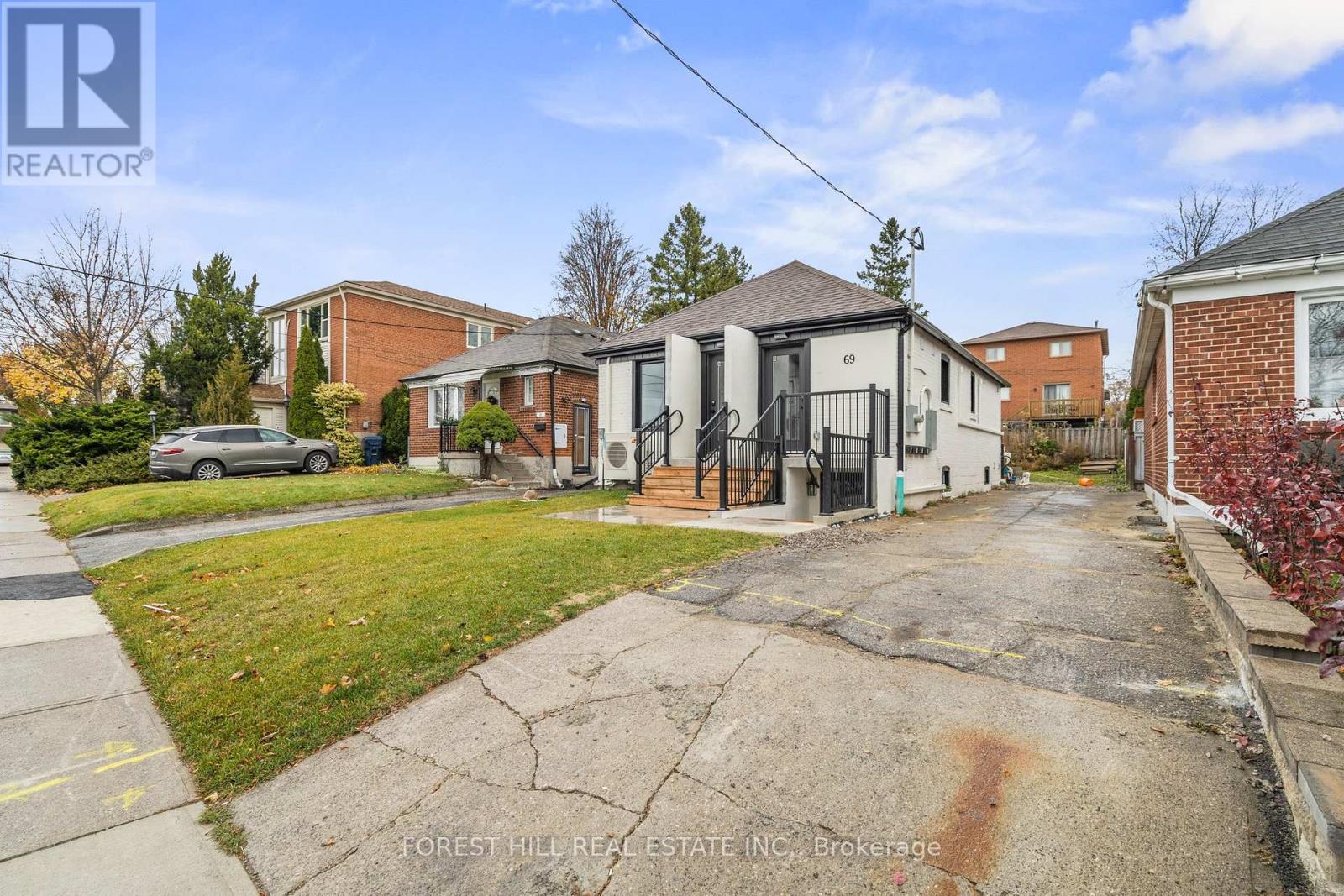 For Rent
 For Rent
 For Rent
 For Sale