
Belhaven is a small lakefront hamlet on Lake Simcoe's southern shore in Georgina Township, about 75 kilometres north of Toronto. Properties range from waterfront estates with private docks to more modest inland homes, drawing Toronto professionals, families making a primary-residence move from the GTA, and retirees seeking lake access without the Muskoka distance.
Belhaven sits on Lake Simcoe’s southern shoreline in Georgina Township, roughly 75 kilometres north of Toronto via Highway 404. It’s a hamlet in the truest sense: a handful of streets, a boat launch, and a cluster of properties pressed against the water. Most people who know Belhaven found it through a friend’s dock invitation rather than a real estate search.
The community occupies a narrow strip between Lakeshore Road and the lake itself, with a small extension of residential lots running inland toward Ravenshoe Road. There’s no commercial strip, no school, no medical office. What Belhaven offers is unobstructed lake access, reasonable highway distance for commuting, and a price point well below comparable Muskoka or Kawartha properties with similar water frontage.
Administratively, Belhaven is part of the Town of Georgina in York Region. That matters for buyers because Georgina delivers municipal water to some lakefront areas, though private wells and septic systems remain common on older lots. York Region transit connects to nearby Sutton, and the Barrie GO line at East Gwillimbury is approximately 30 minutes south, making year-round commuting possible even from this far north.
The area draws two distinct buyer types: those looking for a principal residence with lake views on a smaller budget, and Toronto-area families trading a Muskoka cottage for something closer and more usable on weekends. Both groups find what they’re looking for here, though they’re buying into a quiet community with few amenities of its own.
Belhaven’s housing stock is almost entirely detached, and almost entirely tied to lake proximity in one way or another. The most coveted properties sit directly on the water with private docks: four-season homes converted from original 1950s and 1960s cottages, now expanded and renovated to modern standards. These properties typically run from $1.8 million to $3.5 million depending on lot width, dock quality, and how thoroughly the original structure has been rebuilt.
A step back from the water, the price drops meaningfully. Lots on Lakeshore Road with deeded water access or shared dock rights come in at $800,000 to $1.3 million. These are typically bungalows and raised bungalows from the 1970s and 1980s, some updated with new kitchens and bathrooms, others in original condition. Buyers willing to do the work themselves can find genuine value here.
The inland lots along the side streets offer the lowest entry point in Belhaven, generally $600,000 to $900,000 for a three-bedroom detached home on a decent lot. These properties don’t come with water access, but they’re in the same postal code and offer more land than anything comparable in Keswick or Sutton at similar prices.
New construction is rare. Lot sizes are fixed and the area isn’t being developed further. What sells here is resale, which means condition varies significantly from property to property. A pre-purchase inspection is non-negotiable, particularly on any cottage-conversion that’s been winterized and upgraded over multiple decades by multiple owners.
Belhaven’s market moves slowly by design. There are only so many lakefront properties, and when one sells, it’s often to a buyer who has been watching that specific street for years. Days on market for waterfront listings routinely exceed 60 to 90 days because sellers price aggressively and buyers understand the scarcity well enough not to panic. Multiple-offer situations happen, but they’re not the norm.
Seasonality matters more here than in most suburban markets. Listings tend to come out in spring, buyers preview over May and June, and sales cluster in June through August when the property shows best and lifestyle appeal is easiest to demonstrate. Sellers who list in October frequently end up waiting until the following spring. Anyone buying a lakefront property in winter is buying largely on faith, which creates modest negotiating room for patient buyers willing to act off-season.
Interest rate sensitivity is real here because many buyers are carrying a principal residence elsewhere. A Belhaven purchase often sits alongside a Toronto or Newmarket mortgage, which means affordability calculations change quickly when rates move. The market softened noticeably in 2022 and 2023 as rates rose, and waterfront properties that couldn’t find buyers sat longer than owners expected. Values stabilized through 2024 but haven’t recovered to 2022 peak prices on the waterfront side.
Non-waterfront properties in Belhaven tend to be more stable because they compete against a broader set of alternatives in Keswick and Sutton. Buyers who don’t land a waterfront lot here often pivot to adjacent areas rather than overpaying for an inland Belhaven lot without lake access.
Toronto professionals in their late 40s and 50s account for a significant share of Belhaven waterfront buyers. These are typically dual-income households who have spent years attending friends’ Muskoka weekends and concluded that a four-season lake home an hour from the city serves them better than a seasonal cottage three hours away. They work from home at least part of the week, they want a dock for the boat, and they’re prepared to spend $2 million or more to get both.
The second group is families making a primary-residence move out of the GTA. They’re trading a semi-detached in East York or a townhouse in Richmond Hill for a detached home with a yard on or near the lake, and they’re surprised to find that Belhaven’s non-waterfront properties can still offer that trade at a price they can manage. Their kids enroll in Sutton District High School, they do their grocery shopping in Sutton or Keswick, and they adapt quickly to the quieter pace.
Retirees round out the picture, particularly those downsizing from larger Newmarket or Aurora homes who want to stay within York Region for medical services and family proximity. They value the relative tranquility, manageable lot sizes, and the fact that they can walk to the water without maintaining a large estate property.
What connects all three groups is a tolerance for self-sufficiency. Belhaven doesn’t offer much on its own. Buyers who’ve lived here for years describe it as a place where you organize your life around the lake and drive for everything else. Those who thrive here find that trade entirely worth it.
Lakeshore Road is Belhaven’s main artery and its most desirable address. The properties that front directly on the lake sit on lots ranging from 50 to 100 feet of water frontage, with most in the 60 to 75-foot range. Wider lots are rare and price accordingly. The road itself is a two-lane municipal road, not a private enclave, so there’s occasional through traffic, but it’s light enough that it doesn’t meaningfully affect the residential feel.
The side streets running perpendicular from Lakeshore Road toward Ravenshoe Road are where Belhaven’s more modest properties sit. Streets like Belhaven Beach Road and the short residential crescents off it offer well-treed lots, good setbacks, and the kind of quiet that makes the area attractive to people leaving suburban density behind. Properties here are mixed in age and condition, which keeps prices accessible relative to what you’d pay even a few kilometres east in Keswick’s newer subdivisions.
One pocket worth noting is the area closest to the municipal boat launch. Properties here get more foot traffic in summer, which bothers some owners and doesn’t register with others. Buyers who want maximum privacy should look at properties further along Lakeshore Road where the road curves away from the main access point.
Lot depth varies considerably throughout the hamlet. Some waterfront properties have generous rear gardens; others are narrow strips from road to water. Verifying the legal survey and understanding what’s actually usable land matters more here than it does in a standard subdivision where all lots follow a consistent template.
Belhaven has no transit of its own. A car is required for every errand, and that’s simply a fact of life here that buyers need to accept before they fall in love with a waterfront listing. The nearest practical transit is in Sutton, roughly eight kilometres west, where York Region Transit Route 501 connects southward through Newmarket.
For GO Train access, the East Gwillimbury GO Station on the Barrie line is approximately 30 kilometres south. Driving there takes about 30 minutes in normal conditions, and from East Gwillimbury, Union Station is roughly 65 minutes by train. That’s a long commute, but it’s a commute that some Belhaven residents do willingly, particularly those who work downtown two or three days a week and can absorb the travel time against the quality-of-life gain at the other end.
Highway 404 is the main corridor south. From Belhaven, the drive to the 404/Davis Drive interchange is about 20 minutes, and from there it’s a straightforward highway run to Toronto. In off-peak traffic, downtown Toronto is 75 to 85 minutes. During peak periods it extends considerably, which is why most full-time commuters from Belhaven work hybrid schedules rather than driving in daily.
Sutton covers the practical driving needs: a No Frills, a Foodland, a Canadian Tire, pharmacies, and a handful of restaurants. Newmarket’s Upper Canada Mall and full commercial services are about 35 kilometres south. For medical specialists and hospitals, Southlake Regional in Newmarket is the primary centre, approximately 40 minutes by car.
Lake Simcoe is Belhaven’s park. At roughly 720 square kilometres, it’s one of the largest lakes in southern Ontario, and the southern Georgina shoreline where Belhaven sits faces north across open water with views that don’t end at a far shore. In summer, that means sailing, power boating, kayaking, paddleboarding, and fishing for bass, pike, and walleye. In winter, it’s one of the most productive ice fishing destinations in Ontario, with hut communities that appear on the lake each January within view of the Belhaven shoreline.
The Lake Simcoe Region Conservation Authority manages shoreline health and water quality through programs that directly affect residents. Water quality in the southern lake areas has improved meaningfully over the past decade through phosphorus reduction programs, and that improvement is part of why the area has attracted more permanent residents rather than seasonal cottagers alone.
The municipal boat launch at Belhaven provides public access to the lake for residents without private docks. It’s a practical amenity for smaller watercraft and a popular launch point for fishing boats during walleye season in spring.
For land-based recreation, Sibbald Point Provincial Park is roughly 10 kilometres east along the shoreline, offering a beach, camping, and picnic areas on public land. Jackson’s Point to the west has a public beach as well. Belhaven itself has no dedicated parkland of its own, but the access to Lake Simcoe through both private lots and these nearby public parks means outdoor recreation options are better than the hamlet’s size would suggest.
Belhaven has no retail of its own. The nearest shopping is Sutton, eight kilometres west. Sutton’s main commercial area on High Street has a Foodland, No Frills, LCBO, pharmacy, hardware store, Canadian Tire, and several independent restaurants and cafes. It covers the weekly essentials for most households without requiring a drive to Newmarket.
The Sutton-Jacksons Point area, which merges somewhat with Belhaven’s western edge, has a few marinas, a small number of seasonal restaurants, and watercraft service businesses. During summer these are genuinely useful for boat owners, less so in winter when many scale back operations.
Georgina’s commercial hub in Keswick, about 12 kilometres east, offers more comprehensive retail: a Walmart, Loblaws, Winners, Home Depot, and a full range of chain services and restaurants. Most Belhaven households make a Keswick run at least once or twice a month for larger shops.
Newmarket, approximately 40 kilometres south, is the regional service centre for northern York Region. Upper Canada Mall, multiple grocery options, all major banking branches, medical specialists, and a wide range of professional services are available there. It’s not a daily destination from Belhaven, but it’s close enough that it fills in whatever Sutton and Keswick can’t provide.
Healthcare locally is limited. The nearest hospital emergency department is Southlake Regional Health Centre in Newmarket. There are family physician clinics in Sutton, and walk-in coverage is available there as well. Buyers with ongoing medical needs should verify they can establish care before committing to a Belhaven address.
Belhaven is served by the York Region District School Board and the York Catholic District School Board. The public elementary school for the area is Sutton Public School, roughly eight kilometres west in Sutton. It runs JK through Grade 6, after which students move to Keswick Public School or equivalent for Grades 7 and 8. The Catholic elementary option is St. Thomas Aquinas Catholic Elementary School in Sutton.
For secondary school, Sutton District High School serves the area. It’s a smaller school by York Region standards, offering core academic programming along with co-op and specialist programs. Graduates from the Belhaven area who pursue university typically apply through the same channels as the rest of York Region, with access to the full range of Ontario universities.
The school bus system covers the area, which matters practically because few families would be comfortable with children walking the route between Belhaven and Sutton along rural roads without transit support. York Region operates the transportation service and routes are established well enough that incoming families typically have no trouble confirming eligibility before they move.
Private school options require driving south. Newmarket has some private school options. For the full range of Toronto-area independent schools, the drive to the city is necessary, which is a consideration for families whose children are already enrolled in private school programs and don’t want to change.
French immersion programming is available in Sutton and Keswick within the York Region District School Board, giving families who want French language education access to it without relocating further south.
Belhaven isn’t growing in any conventional sense. The hamlet is essentially built out, with lot supply constrained by the lake on one side and the rural road network on the other. There’s no active subdivision or condominium development underway, and the planning policies governing Georgina’s rural and shoreline areas under the Greenbelt Plan and the Lake Simcoe Protection Act make significant intensification unlikely.
What is changing is the character of individual properties. The wave of cottage-to-home conversions that accelerated during the 2020 to 2022 period brought significant capital investment into aging properties. Buyers who purchased 1960s cottages are rebuilding them as four-season homes with modern insulation, updated electrical, new HVAC systems, and expanded footprints where the lot and setbacks permit. This raises the general quality of housing stock in the area even without new development.
The Lake Simcoe Protection Plan, administered by the province with the Lake Simcoe Region Conservation Authority playing a key regulatory role, continues to influence what property owners can do near the shoreline. Setback requirements, restrictions on impervious surfaces, and limitations on dock modifications all affect renovation scope on waterfront lots. Buyers should request a conservation authority consultation as part of due diligence before assuming a planned renovation will receive approval.
Connectivity is improving. Bell and Rogers have expanded fibre service into more Georgina rural areas over the past two years, and Belhaven has seen partial improvement in high-speed availability. For remote workers considering the area, verifying current service to a specific address before committing is worth the extra step.
What are the septic and water system considerations for Belhaven properties?
Most Belhaven properties rely on private wells and septic systems rather than municipal services. This is standard for rural Ontario lakefront communities but it creates specific due diligence requirements that urban buyers sometimes underestimate. A well water test for potability and a septic inspection conducted by a qualified inspector should be non-negotiable conditions of any offer. Septic systems on older properties may be undersized for year-round use if they were originally designed for seasonal cottage occupancy. Replacement systems on small lots near the shoreline can be expensive and complicated by conservation authority setback requirements. Budget for these inspections in your pre-offer research, and factor replacement costs into any negotiation if problems are found.
How does the Lake Simcoe Protection Plan affect what I can do on a waterfront property?
The Lake Simcoe Protection Plan, administered under provincial legislation and enforced with the Lake Simcoe Region Conservation Authority, governs development activity within the Lake Simcoe watershed. For Belhaven waterfront properties, this means setback restrictions on new structures from the high-water mark, limitations on hard surfacing near the shore, and requirements for permits before modifying docks or boathouses. The rules are stricter than what applies to properties away from the lake. Before making any offer where you intend to add a structure, expand a footprint, or significantly alter a dock, request a pre-consultation with the LSRCA. They will tell you what’s possible on that specific lot before you’re committed to the purchase.
Is Belhaven practical for year-round living as a primary residence?
Yes, but it requires deliberate planning. The road network is maintained by Georgina for winter conditions, so access is generally reliable even after heavy snowfall. Heating older cottages converted to year-round use can be costly if insulation upgrades haven’t been done. Internet connectivity has improved but still varies by provider and exact address. The nearest grocery shopping is Sutton, roughly 10 minutes, which most residents find entirely manageable. Medical care requires planning: Southlake Regional in Newmarket is 40 minutes away, and establishing a family physician in Sutton before moving is strongly recommended. Residents who make year-round living work in Belhaven typically describe the winter months as genuinely peaceful rather than isolating, particularly if they engage with ice fishing, snowmobiling on area trails, or cross-country skiing.
What’s the realistic commute from Belhaven to downtown Toronto?
Driving to downtown Toronto from Belhaven takes between 80 and 110 minutes depending on traffic, time of day, and exactly where downtown you’re headed. Most regular commuters drive south to the East Gwillimbury GO Station on the Barrie line, park there, and take the train. The train ride to Union Station is approximately 65 minutes, and with the drive added, door-to-door time is around 90 to 100 minutes each way. This works for people commuting two or three days per week, particularly those with flexibility about departure time. It’s difficult to sustain as a five-day-a-week daily commute. Most full-time Belhaven residents who work in Toronto have shifted to hybrid arrangements, use the commute time productively on the train, or have job situations where the trade-off makes sense given the lifestyle benefits at the other end.
Buying in Belhaven is different from buying in a suburban Toronto neighbourhood, and the differences matter enough to warrant working with someone who has genuine experience in rural lakefront transactions. The inspection process is more involved, the financing considerations are sometimes different for properties with well and septic, and the conservation authority permitting questions that arise on waterfront lots require local knowledge to navigate efficiently.
A buyer’s agent working this market needs to know which properties have undergone proper four-season conversions and which have been superficially staged without the underlying infrastructure work. They need to understand what the LSRCA will and won’t permit on specific lot configurations. They need contacts among local inspectors who specialize in well, septic, and older construction rather than standard suburban home inspection. These aren’t skills that transfer automatically from a condo-heavy downtown practice.
Representation costs the seller, not the buyer, under the current REBBA framework. Using a buyer’s agent in a transaction like this doesn’t add cost to your purchase, but it does give you someone whose legal obligation runs to your interests rather than the seller’s. In a market where properties often have complicated histories, where renovation permits may or may not have been pulled, and where environmental compliance questions are real, that obligation matters.
Our agents work the Georgina lakefront regularly. We know the streets, we’ve been inside a meaningful number of the properties that come to market here, and we have the professional network to get inspections and legal advice sorted quickly when the right property appears. Get in touch before you start making offers.
Street-level knowledge is hard to find online. Our team works in Belhaven every day. They know which pockets hold value, where the school catchment lines actually fall, and what the market is doing right now. Talk to us before you make a decision about Belhaven.
Talk to a local agent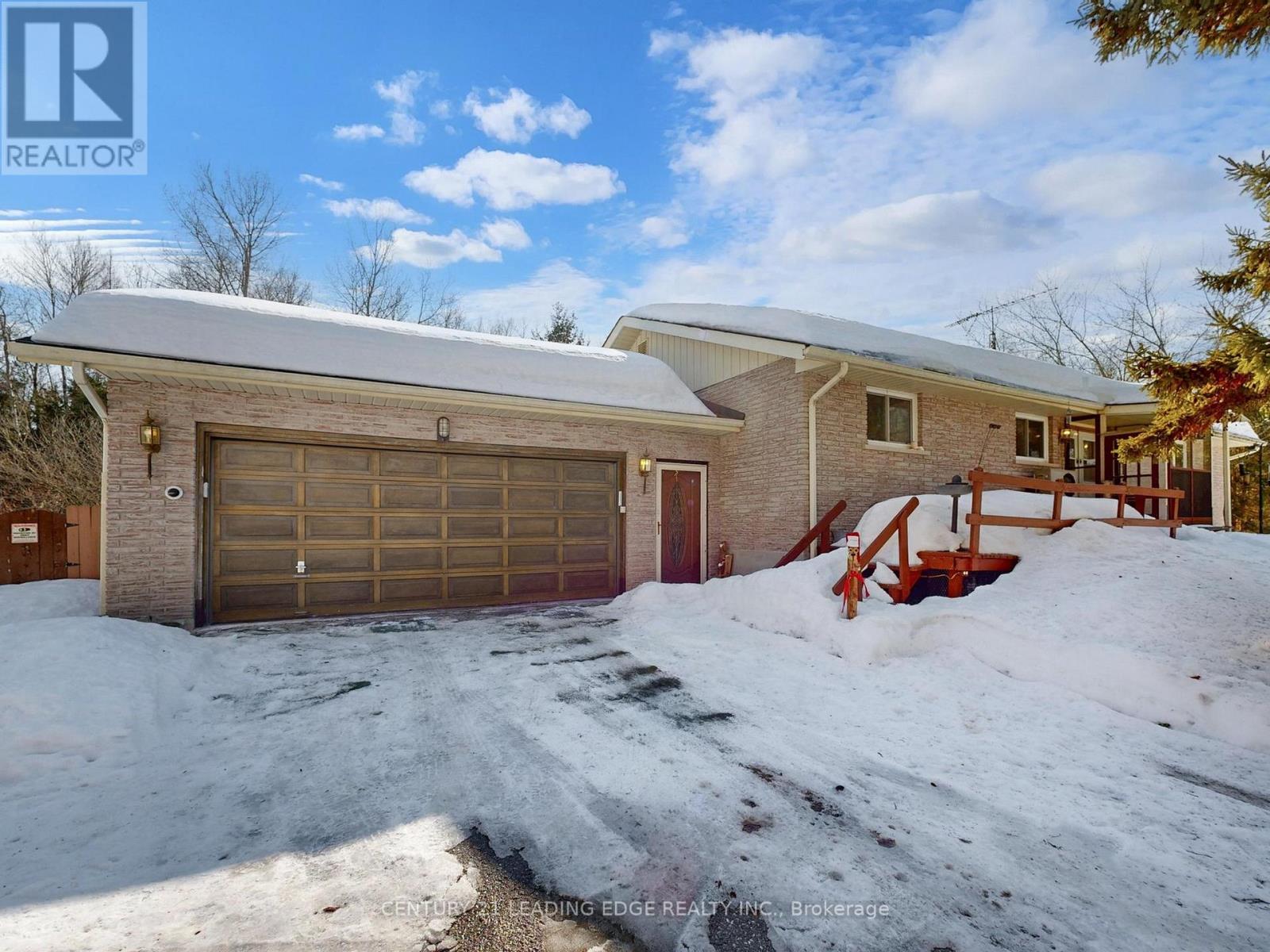 For Sale
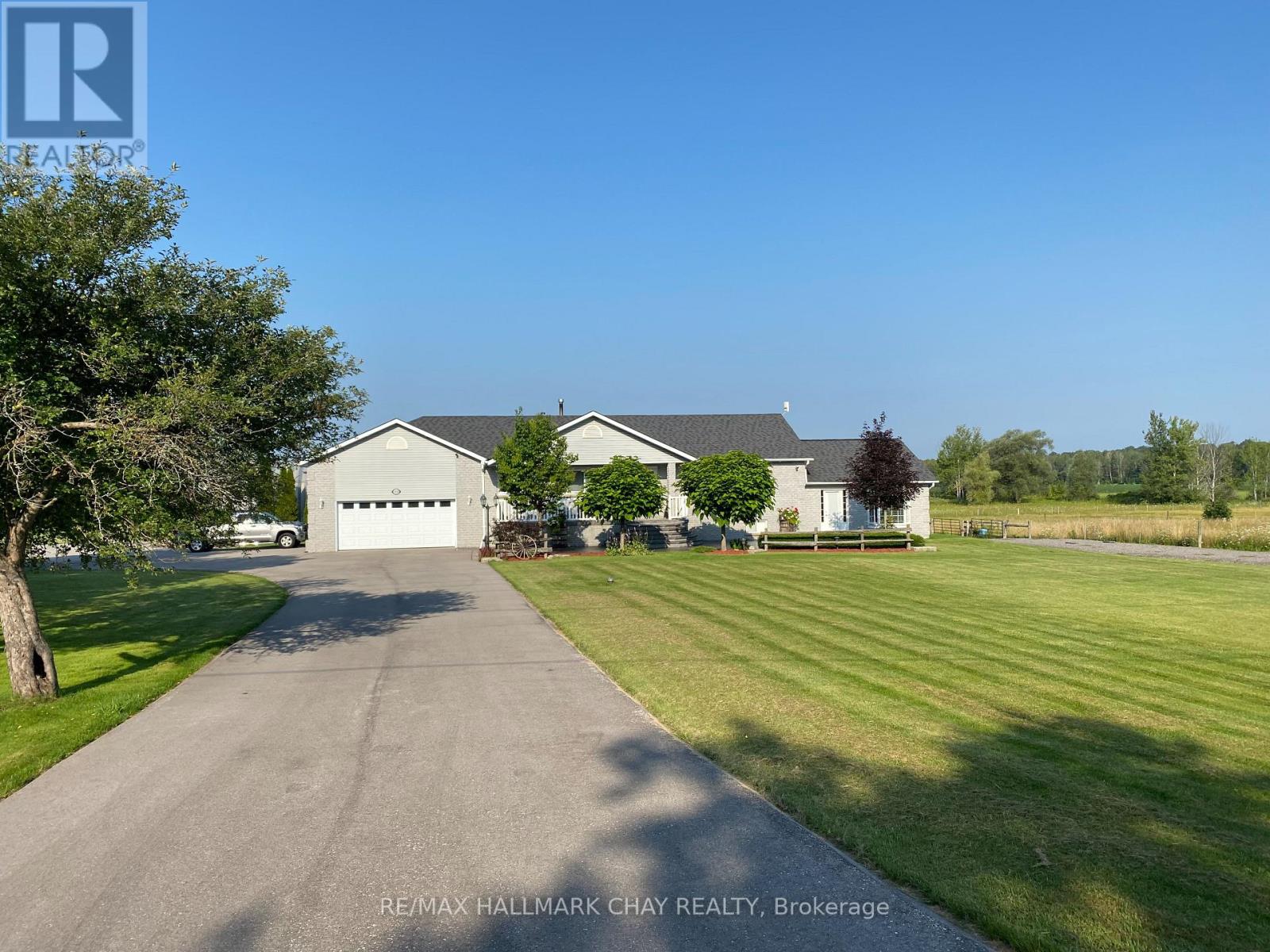 For Sale
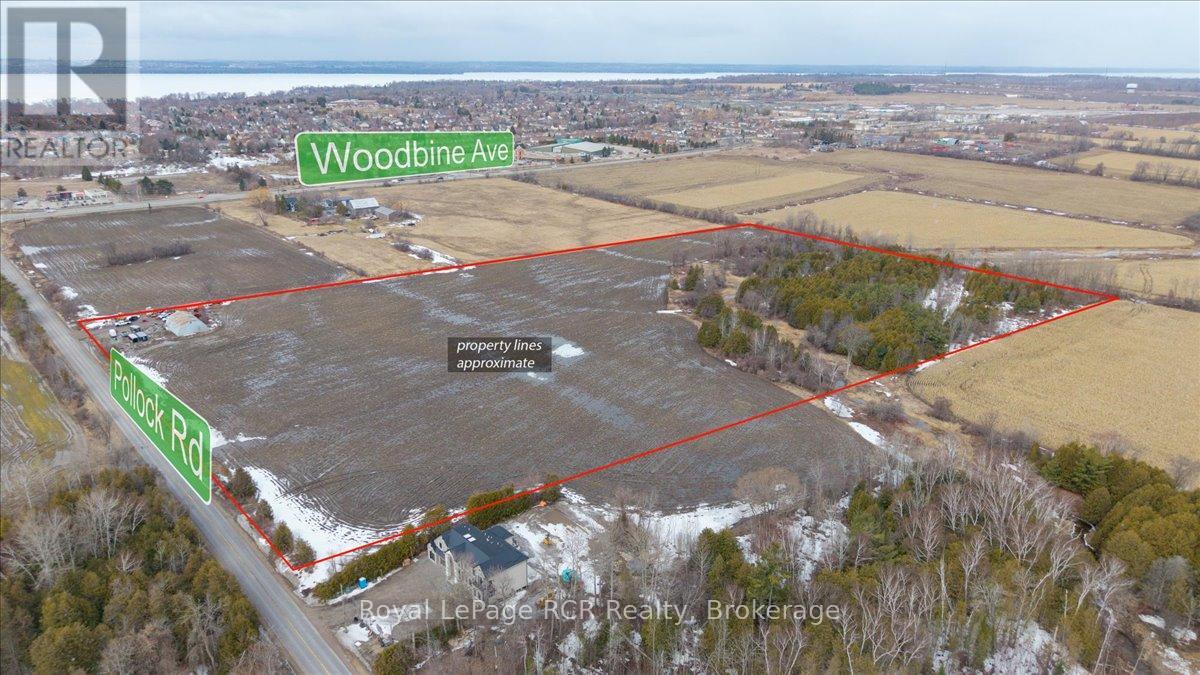 For Sale
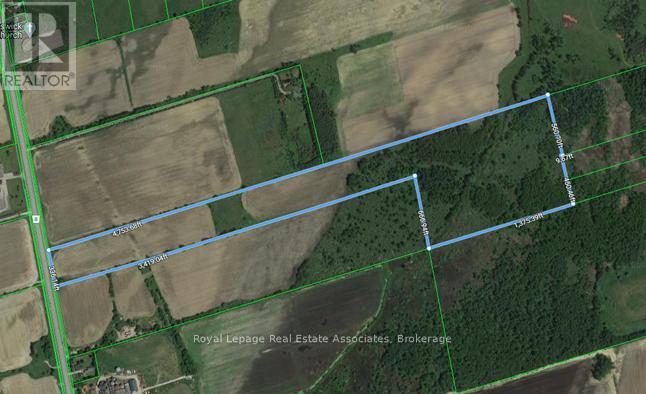 For Sale