
Berczy is a planned family neighbourhood in northeast Markham built primarily between 2000 and 2015. Detached homes trade from $1.3 million to $1.7 million. Pierre Elliott Trudeau High School and Bur Oak Secondary are the secondary school draws for families.
Berczy is one of the more successful master-planned communities in northeast Markham, developed predominantly through the 2000s and 2010s on land that had previously been rural or agricultural. The neighbourhood takes its name from William Berczy, the artist and early Upper Canadian settler whose historical significance to the region gives the community a sense of connection to place that many new subdivisions conspicuously lack. The planning that went into Berczy is visible in the way it functions: the parkland network is generous, the street layout allows for pedestrian movement without requiring every trip to go through a collector road, and the community amenities were built in alongside the housing rather than added as afterthoughts.
The housing stock in Berczy is predominantly detached single-family homes, with some semis and towns on the edges of the community. The detached homes range from modest four-bedroom layouts on standard lots to larger five-bedroom executive homes on premium lots, and the full range of this spectrum is present in the neighbourhood. The architectural vocabulary is consistent in the way that a planned community always is — brick and stone exteriors, attached garages, a predictable relationship between the homes and the street — but the execution is generally competent and the neighbourhood has held its visual quality over the years since construction.
Highway 407 access from Berczy via Ninth Line or Donald Cousens Parkway is one of the neighbourhood’s practical strengths, giving commuters in both directions a reliable highway option without a long surface road trip to get to the on-ramp. The community’s relative newness compared to south Markham means that the schools, parks, and commercial services have all developed within living memory of most residents, which gives Berczy a different psychological character from older neighbourhoods where the infrastructure preceded the current generation of residents.
Berczy sits in the mid-to-upper tier of the Markham residential market, reflecting its northeast location, newer construction, and the strong demand that has characterised family-oriented planned communities across York Region. In 2024 and into 2025, detached homes in Berczy have traded predominantly between $1.1 million and $1.8 million, with the most desirable properties on premium lots or with significant upgrades reaching $2 million or above. The entry point for the neighbourhood is a well-maintained four-bedroom detached on a standard lot, which starts around $1.1 million. Larger five-bedroom homes with finished basements and better lot configurations push well above $1.5 million.
The pricing in Berczy reflects the relative youth of the housing stock — these homes were built to a known standard, have predictable mechanical lifespans, and do not carry the renovation uncertainty that characterises older Markham neighbourhoods. Buyers in this price range appreciate that a home inspection on a Berczy property is unlikely to produce major surprises in the way that a 1970s bungalow in south Markham might. The trade-off is that there is less renovation upside available — the homes are already at a contemporary standard, and the incremental value that can be created through updating is smaller than in older stock.
Townhouses and semis in Berczy trade in the $800,000 to $1 million range and have attracted a consistent buyer pool of young families and first-time buyers who want the community’s amenities and school access at a lower entry price. The freehold townhouses in particular have been a popular product type because they provide freehold ownership without the maintenance overhead of a large detached home or lot. For buyers who are weight-conscious about lawn care and exterior maintenance, the Berczy town market offers a practical middle ground.
The Berczy market has behaved with moderate volatility over the past several years, reflecting its exposure to the broader Markham family housing market and the rate sensitivity of buyers in the $1 million to $1.8 million range. The spring market typically activates in late February and runs through May, and this is when competition is highest and the most properties change hands. The summer months slow significantly — families with children in school are less likely to move in summer in a community this age-structured — and the fall market provides a secondary window that generally runs at slightly lower price points than the spring equivalent.
Multiple offers in Berczy were common through the 2019-2022 period but became less frequent as rate increases in 2022-2023 reduced the pool of buyers who qualified at higher price points. The market in 2024 showed signs of stabilisation and modest recovery as buyers adapted to higher rates, and the spring 2025 market has seen improved competition for well-priced properties. The neighbourhood’s newer construction profile means that there is generally strong buyer demand for Berczy homes whenever market conditions are supportive — the combination of school quality, community amenities, and highway access is well matched to what the family buyer demographic is looking for.
Days on market for correctly priced Berczy detached homes has been in the two to four week range during active periods, with the upper range of the price spectrum taking longer to trade. Properties priced aspirationally for the premium pocket of the neighbourhood can sit for six to eight weeks before sellers adjust to the market reality. For buyers who are patient and tracking the market, properties that have been listed for more than three weeks in a functioning market are usually available at a negotiated price below the list price, particularly in the slower summer and winter periods.
Berczy is an almost archetypal family neighbourhood in the best sense of that description: the buyers who choose it have typically done a broad search of northeast Markham and have identified Berczy as the community that best balances school quality, community amenity, access to Highway 407, and price point relative to what you get. The dominant buyer profile is a family with one or two children between the ages of roughly four and twelve, making a long-term purchase with educational outcomes as a significant priority. These buyers are typically in professional or business occupations, are often dual-income, and are choosing Markham over alternatives in Richmond Hill or Vaughan because of specific factors in the Markham market — most commonly schools, community, and the Highway 407 east-west access for the work patterns of their household.
The Chinese Canadian and South Asian communities have been significant buyers in Berczy since the neighbourhood’s original development phase, and this demographic continuity has shaped the community’s social fabric. The community networks, cultural events, and commercial services available in and around Berczy reflect this demographic, and for buyers who are part of these communities, the social infrastructure is itself a draw. Buyers from outside these communities also choose Berczy in significant numbers and find that the neighbourhood’s amenities and planning quality stand on their own merits regardless of its demographic composition.
Investors and buy-to-rent buyers represent a smaller portion of the Berczy market than in some other Markham communities. The price point and the family orientation of the community mean that the rental yield calculation is challenging for investors, and the buyer pool is primarily owner-occupiers who plan to live in the neighbourhood rather than rent it out. Occasional basement suite rentals within owner-occupied homes are common, but the neighbourhood is not characterised by a high density of investor-owned properties.
Berczy’s street network reflects its planned community origins, with collector roads feeding into residential crescents and courts that minimise through traffic on the residential streets. The Donald Cousens Parkway is the main internal collector and provides north-south movement through the community connecting to the major arterials. Most of the internal streets are quiet enough that children playing in the road is common, which is a reliable indicator of a neighbourhood that has the traffic patterns it was designed to have.
The most desirable streets within Berczy tend to be those that back onto the parkland network or face one of the neighbourhood’s larger park spaces. Berczy Park itself is a significant community green space and the properties facing it or adjacent to it are consistently among the most sought-after in the neighbourhood. Similar premiums apply to homes backing onto the other parkland corridors that run through the community. Buyers who want the park-facing or park-backing premium should expect to pay five to ten percent above equivalent properties on interior streets, and this premium has historically been stable across market cycles.
The northern sections of Berczy, which were developed in the later phases of the community, tend to have slightly smaller lots and more recent construction than the original southern sections. The later phases also benefit from the infrastructure investments that were made as the community matured — the roads, utilities, and community facilities were all in place when these homes were built rather than being phased in. Buyers who prefer newer construction within Berczy should focus on the later phases while being aware that the lots may be somewhat narrower. The original phases have the advantage of slightly more mature street trees and the neighbourhood fabric that comes with a decade more of occupation.
Getting around from Berczy is primarily a car-based proposition, which is worth stating plainly for buyers who are accustomed to more transit-accessible urban or inner suburban environments. The neighbourhood was planned with car ownership assumed, and the street layout, parking provisions, and commercial placement all reflect this. For households with two cars and commutes that go in different directions, Berczy works well. For car-free households, the transit options require more planning and patience than most urban-accustomed buyers are used to.
By car, the key access points are Highway 407 ETR via Donald Cousens Parkway or Ninth Line to the interchange, which is reachable in under ten minutes from most parts of the neighbourhood. The 407 provides east-west highway access across the GTA, and for commuters heading west toward central Markham, Richmond Hill, or further toward Highway 400, it is the standard route. Highway 404 is accessible via Major Mackenzie Drive heading west to the interchange, providing the southward connection to the DVP and Toronto. The morning commute to downtown Toronto by car runs forty-five to sixty minutes under typical conditions, and the Highway 407 to 404 to DVP route is the most reliable option when surface roads are congested.
YRT bus service in Berczy connects to the broader network via the Donald Cousens Parkway corridor and links to the major transit nodes along Highway 7 and Major Mackenzie Drive. The Markham GO station on the Stouffville line is approximately fifteen to twenty minutes south by car or YRT bus, and the GO service to Union Station is the most practical transit option for downtown Toronto commuters. GO riders should budget seventy to ninety minutes for the total commute including the access trip to the station. York University has a significant Markham campus whose transit connections from northeast Markham are improving, which may be of specific relevance to households with students or faculty members.
Berczy’s parkland network is one of the neighbourhood’s genuine strengths and reflects the planning investment that went into the community’s design. Berczy Park is the main community park and provides significant open space, playgrounds, a splash pad, and the kind of multi-use recreational amenity that families with young children rely on heavily. The park was designed to serve the neighbourhood rather than to create a destination attraction, which means it is appropriately sized, well maintained, and genuinely used by residents rather than left as undeveloped open space that looks good on a plan but goes unused in practice.
The trail network within Berczy connects the internal parks and provides continuous pedestrian and cycling movement through the neighbourhood without requiring residents to walk along collector roads. These trail connections are a quality-of-life asset that matters particularly for families with children who are old enough to move independently through the neighbourhood but young enough that parents care about road safety. The ability to cycle from a residential street to the park and back without crossing a major road is a design feature that not all York Region communities have managed to provide, and Berczy’s trail network is one of the better examples of this type of pedestrian-priority planning in northeast Markham.
The Little Rouge Creek corridor forms the eastern edge of the Berczy area and connects into the Rouge National Urban Park system. This is a significant natural area that provides trail access along the creek through genuine forest and meadow habitat. The proximity to the Rouge corridor means that Berczy residents have access to one of the largest urban national parks in Canada within a short walk or cycle from their homes. For buyers who are choosing between Berczy and alternative northeast Markham communities, the Rouge corridor access is an asset that is specific to Berczy’s location and not reproducible in communities further from the creek.
Berczy’s retail and amenity access draws on both the neighbourhood’s own limited commercial development and the broader Markham commercial network accessible by car. Within the community itself there are convenience-oriented commercial nodes that provide basic daily needs, but for substantial grocery shopping, restaurants, and retail, residents drive to the commercial corridors along Major Mackenzie Drive, Highway 7, or the Kennedy Road corridor. This is not a neighbourhood where you can walk to a grocery store, and buyers who are accustomed to walkable retail should factor this into their lifestyle assessment.
The Highway 7 corridor, roughly ten to fifteen minutes south of Berczy, provides the full range of Markham’s commercial amenity: Chinese supermarkets, dim sum restaurants, professional services, home improvement retail, and the broad restaurant selection that reflects Markham’s diverse population. First Markham Place and the various commercial nodes along Warden, Kennedy, and Highway 7 are the primary shopping destinations. Markville Mall is roughly twenty minutes south and provides the full regional mall experience. Pacific Mall at Kennedy and Steeles is accessible in twenty to twenty-five minutes and remains the anchor for specialty Asian retail and electronics.
Markham Stouffville Hospital on Church Street in central Markham is the primary acute care facility for Berczy residents, at approximately fifteen to twenty minutes driving south. The York University Markham campus is also within the general area and is developing into an employment and educational destination that is drawing students and faculty to the northeast Markham area. For Berczy residents who are affiliated with York University, the proximity of the Markham campus is a meaningful convenience. The broader pattern of healthcare, education, and retail development in Markham has been consistently positive over the past decade and Berczy residents benefit from this investment without bearing the disruption of construction immediately within their neighbourhood.
The schools serving Berczy are one of the community’s primary selling points and have contributed significantly to the neighbourhood’s sustained buyer demand since its development. The York Region District School Board (YRDSB) elementary schools in the Berczy catchment have consistently produced strong EQAO results, and the culture of academic engagement within these schools reflects the neighbourhood’s demographics. Berczy Public School serves the community directly and has developed a strong reputation since the neighbourhood was established. The combination of a young school, active parent community, and motivated student body creates an environment that parents in this neighbourhood consistently rate positively.
Pierre Elliott Trudeau High School is the YRDSB secondary school serving most of Berczy, and its academic profile is among the strongest in York Region. The school has significant university placement rates, competitive science and math programs, and the kind of extracurricular depth that comes from a large student body and strong parental and community investment. For families whose children are heading toward university and who are choosing a neighbourhood partly on secondary school quality, Pierre Elliott Trudeau’s profile is a genuine asset that sustains demand for Berczy homes among informed buyers.
The York Catholic District School Board (YCDSB) serves the Catholic school stream in this area, with Father Michael McGivney Catholic Academy as the primary secondary option for Berczy families in the Catholic system. Father Michael McGivney has developed a strong academic profile and draws students from northeast Markham and the broader YCDSB catchment. Registration for the Catholic school system requires a baptismal certificate and is subject to capacity constraints, so families planning to use this stream should initiate contact with YCDSB early rather than assuming availability. Catchment boundaries for all schools should be verified using the specific address rather than relying on neighbourhood-level descriptions, as boundaries have been adjusted in response to Berczy’s ongoing population growth.
Berczy is a relatively young planned community that has largely been built out in its original residential form, but the area around it continues to develop in ways that affect the neighbourhood’s context and amenity picture. The Donald Cousens Parkway corridor and the northern Markham development zone continue to evolve, and Berczy benefits from being one of the more established communities in this part of Markham rather than being at the leading edge of development activity where infrastructure is still catching up with population.
The most significant development story affecting Berczy’s context is the continued growth of the Box Grove and rural northeast Markham areas further north and east, which is bringing more families into the general area and increasing the population base that supports commercial services and schools. As this broader northeast Markham population grows, the amenity options accessible to Berczy residents — stores, restaurants, healthcare facilities, community centres — continue to improve. The trajectory of development in this direction has been consistently positive for Berczy over the past decade and is expected to continue.
Within the neighbourhood itself, the development activity is primarily infill and renovation rather than new construction. Berczy was built in a compressed timeframe during the 2000s and 2010s, which means that homes throughout the community are approaching the age when major updates — kitchen and bathroom renovations, roof replacement, HVAC upgrades — become relevant. This creates a pattern of household investment that is generating visible neighbourhood improvement on many streets as owners update their homes to current standards. For buyers comparing Berczy properties, the condition and age of major systems are worth assessing as carefully as the cosmetic finishes, since the underlying mechanical infrastructure is reaching the fifteen-to-twenty year mark on earlier-phase properties.
Q: What are the typical prices for detached homes in Berczy, and how have they moved recently?
A: Detached homes in Berczy have been trading in the $1.3 million to $1.7 million range through 2024 and into 2025, with townhouses and semi-detached homes running from roughly $900,000 to $1.2 million. The neighbourhood saw the same correction as the broader Markham market after the 2022 peak, with detached values pulling back from highs above $1.8 million. The current range reflects a stabilised market rather than an ongoing decline. Berczy tends to hold value well compared to less family-oriented Markham communities because the school draw is consistent and the family demographic creates stable owner-occupier demand. Buyers who purchased in Berczy between 2020 and 2022 at peak prices are sitting on equity losses if they need to sell today, but buyers entering now are doing so at levels that represent a significant discount from the peak. The detached average across Markham ran approximately $1.47 million through late 2024 per TRREB data, and Berczy detached properties cluster around that average, with Kennedy Road-adjacent streets and backing-onto-park properties commanding premiums.
Q: How does Berczy compare to Wismer Commons for a family with two children in elementary school?
A: The two neighbourhoods are close enough that they share some infrastructure but serve somewhat different buyer profiles. Wismer has its own strong elementary school catchment and draws heavily from families seeking Bur Oak Secondary School, which is the secondary school serving that area. Berczy feeds into Pierre Elliott Trudeau High School instead. Both schools have strong academic profiles and both communities have similar price points, but the school differences mean that buyers who have done their research tend to have a specific preference for one or the other based on which secondary school they prioritise. Beyond schools, Berczy has a slightly more established commercial amenity picture, with the Berczy Park and community centre anchoring the neighbourhood’s communal identity. Wismer’s layout is somewhat more grid-based and feels slightly more open. For a family with young children who have not yet had to choose a secondary school, the two communities are genuinely comparable and the tiebreaker often comes down to a specific listing price and street character rather than a fundamental neighbourhood difference.
Q: Is Berczy well served by transit, or is a car essential?
A: A car is practical for most daily needs in Berczy. The neighbourhood is served by YRT bus routes on the major corridors including Major Mackenzie Drive and Kennedy Road, and those routes connect to the Unionville GO Terminal where the Stouffville GO line runs frequent service to Union Station. The GO commute from Unionville takes approximately 45 to 55 minutes during peak hours, which is manageable for downtown Toronto workers who do not need to be at their desks before 9am. Within the neighbourhood, the car dependency is typical of planned suburban communities: grocery shopping, school drop-off, and most retail needs are most easily done by car. The YRT service is useful for commuters who prefer not to drive to the GO station, but the frequency on local routes in Berczy is limited compared to the major corridors. Buyers who need frequent and flexible transit access throughout the day, rather than just peak commutes, should evaluate the specific routes serving any property they consider rather than relying on general neighbourhood-level transit descriptions.
Q: What is the age and condition of the housing stock in Berczy, and what should buyers inspect carefully?
A: The vast majority of Berczy’s housing was built between 2000 and 2015, which puts most homes in the 10-to-25-year range. This is a useful age band for buyers: the homes are not so new that they carry significant builder warranty concerns, but they are recent enough that the structural and design quality reflects modern standards. The inspection focus in Berczy should be on mechanical systems that are approaching or past their expected service life. Furnaces and air conditioners in 15-to-20-year-old Berczy homes are often at or near replacement age, as are hot water heaters and original roof materials. Kitchen and bathroom finishes from the early 2000s are increasingly dated and many owners have already renovated, but where they have not, factor renovation costs into your offer. The most common structural issue flagged in Berczy home inspections relates to grading and drainage around foundations, which is a general issue in York Region clay soil conditions rather than a Berczy-specific problem. Any home with visible foundation dampness or soft grading away from the foundation should be inspected carefully before purchase.
Berczy is a neighbourhood where buyer competition is real and moves quickly. The combination of strong schools, family-appropriate housing stock, and a recognisable community identity means that well-priced properties do not sit on the market long. Buyers who approach Berczy without preparation often find that they are making quick decisions on properties they have not fully evaluated, which is a poor foundation for a million-dollar purchase.
Working with a buyers agent who knows Berczy well reduces that pressure considerably. A good agent will have current data on which streets within the neighbourhood have sold above asking, which property types are drawing the most competition, and what the realistic bidding scenario looks like for any given listing. Berczy is not a market where the listing price and the sale price are reliably the same number, and understanding the gap between those two figures is essential for writing a competitive offer without overpaying.
The school catchment question deserves specific attention here. Berczy spans multiple elementary school catchments within the YRDSB and YCDSB systems, and the specific address determines the school assignment rather than the neighbourhood name. Buyers who are purchasing partly for a specific school should verify the catchment using the actual street address before committing, since boundary adjustments have occurred in response to population growth and the neighbourhood name alone does not guarantee a specific school assignment.
TorontoProperty.ca covers Berczy and the broader northeast Markham market with current transactional knowledge. If you are comparing Berczy to Wismer, Angus Glen, or other north Markham communities, we can give you an honest read on where each neighbourhood sits relative to your priorities. Contact us to start a conversation grounded in the actual current market rather than generalised market overviews.
Street-level knowledge is hard to find online. Our team works in Berczy every day. They know which pockets hold value, where the school catchment lines actually fall, and what the market is doing right now. Talk to us before you make a decision about Berczy.
Talk to a local agent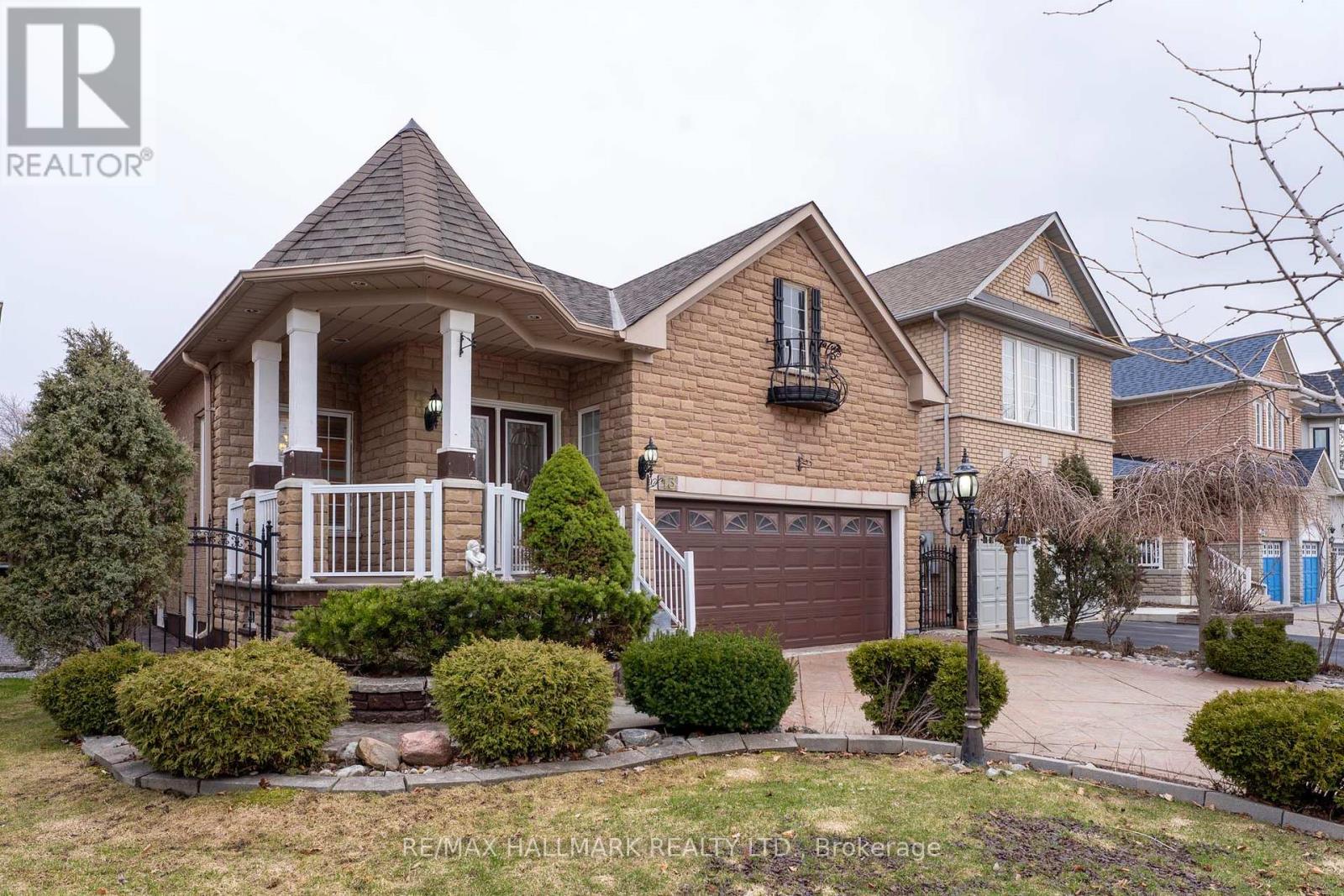 For Sale
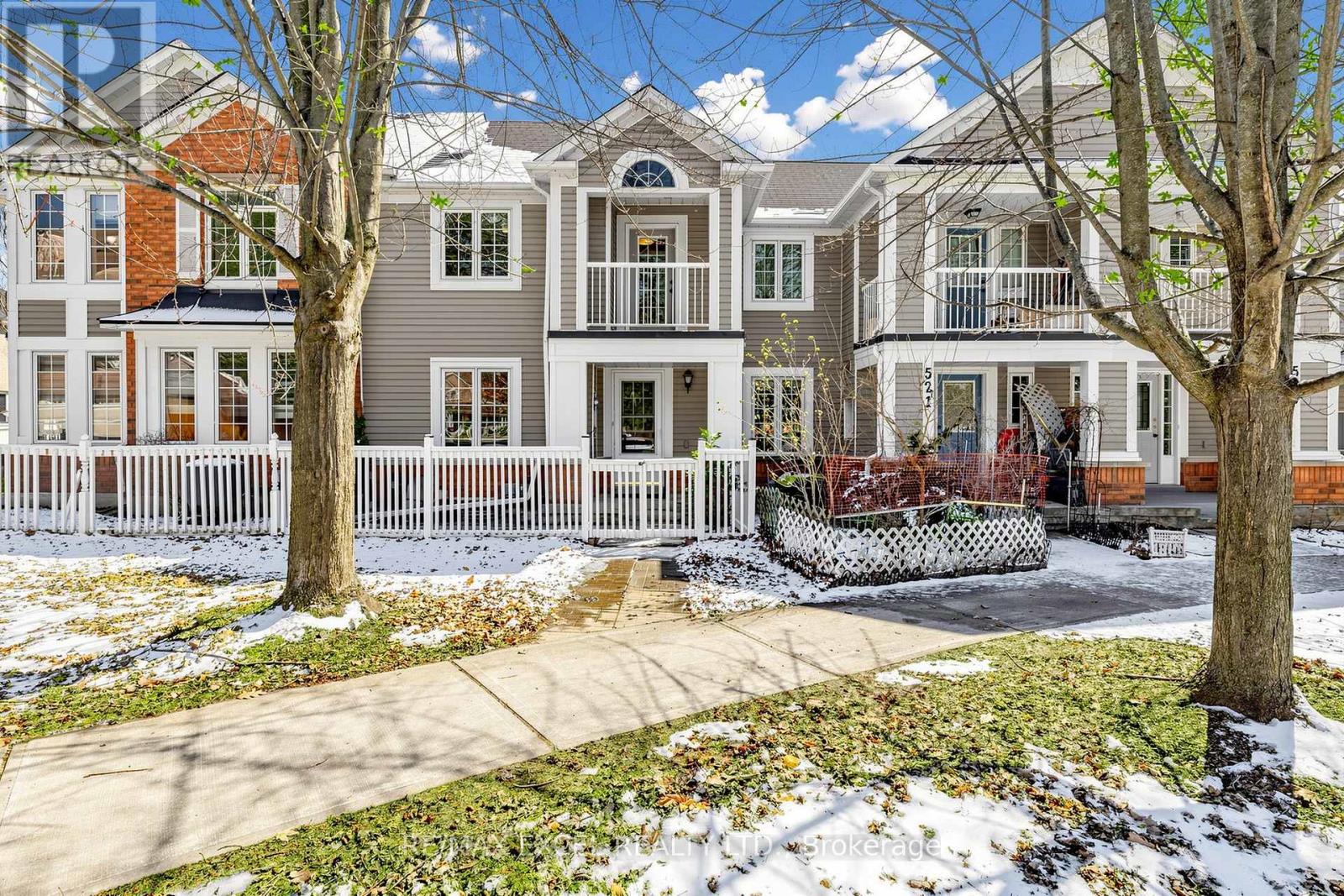 For Sale
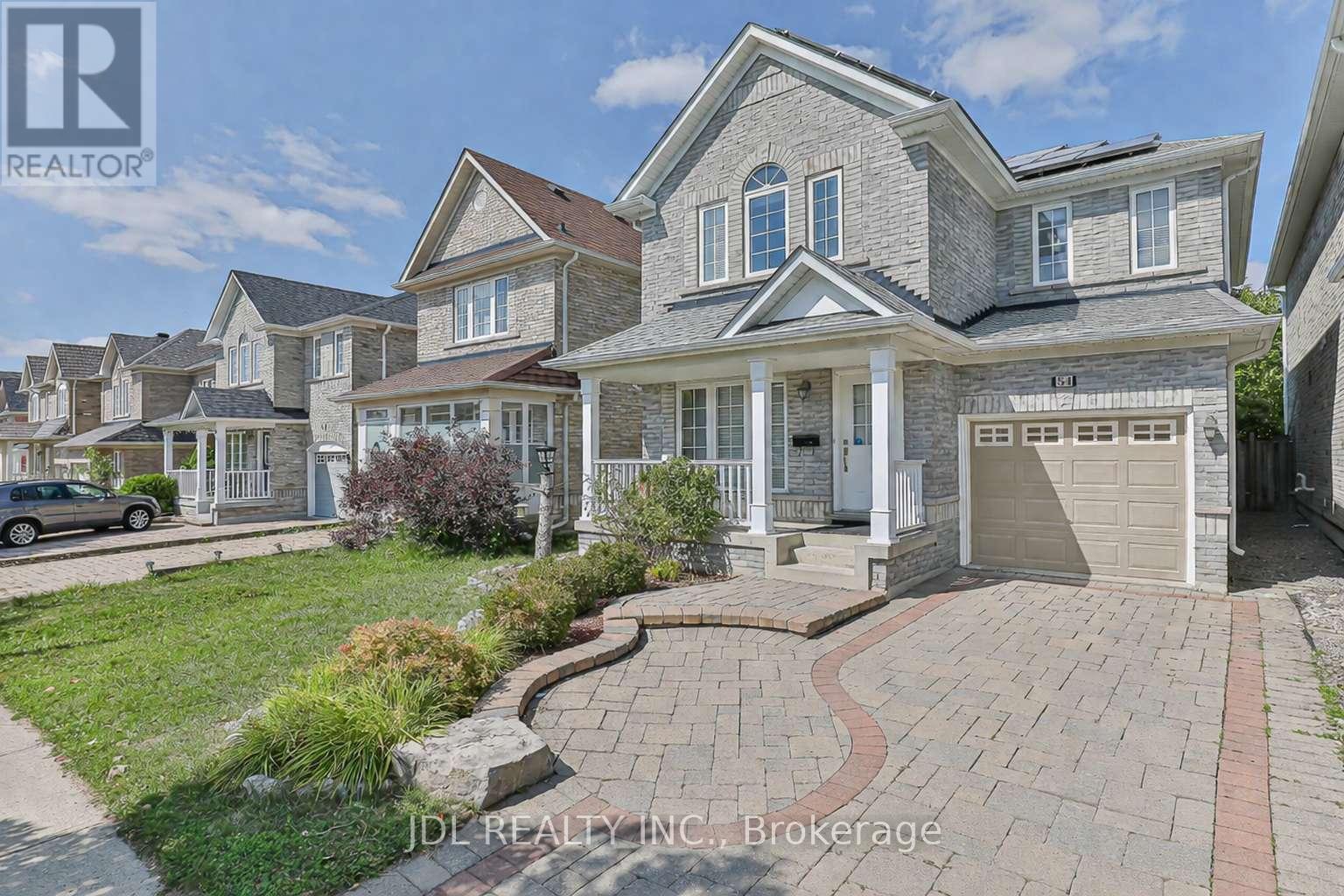 For Sale
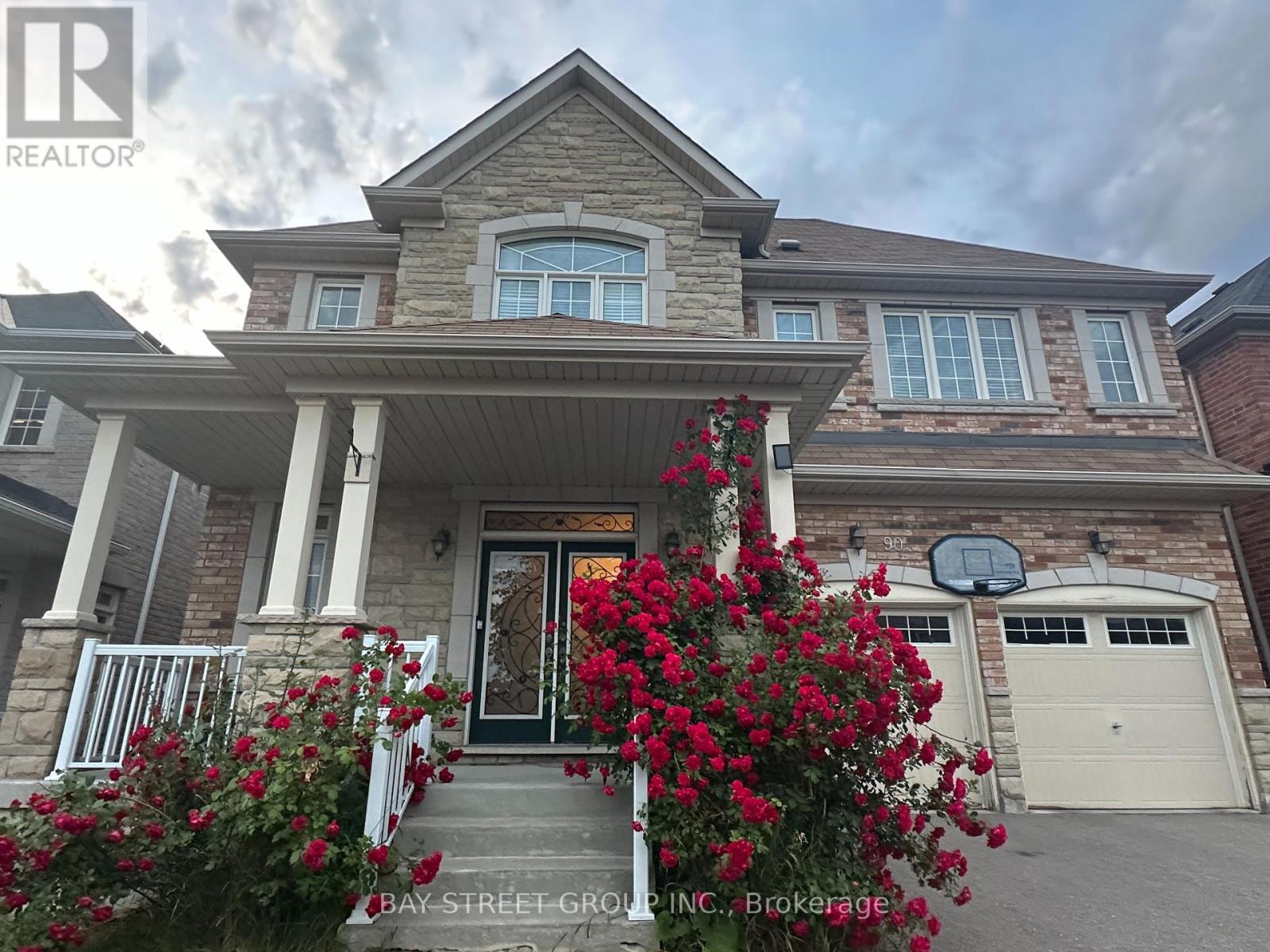 For Sale