
Blackstock is a small rural hamlet in Scugog Township, Durham Region, north of Port Perry in the agricultural interior of the township. Greenbelt Plan protection preserves the surrounding farmland permanently. A location for buyers who have chosen genuine rural character and are prepared for the full car-dependent rural lifestyle that distance from urban services requires.
Blackstock is a small rural hamlet in the Township of Scugog, Durham Region, located about 15 kilometres north of Port Perry and roughly 30 kilometres northeast of Oshawa. It sits on the drumlin-and-till plain of the Oak Ridges Moraine transition zone, in the agricultural interior of Scugog Township that has remained genuinely rural through the suburban expansion that transformed the western portions of Durham Region over the past generation. The hamlet is not on the 407 corridor, not on a GO Transit line, and not on the provincial highway network in any direct way: it is a rural community in the full sense, where the agricultural landscape is the defining character and where the residents are there because they chose rural life deliberately.
The hamlet itself is a small cluster of older homes, a few agricultural service businesses, and the remnants of the commercial life that once characterised Ontario’s rural service centres before consolidation drew retail and services to larger centres. The residential use of Blackstock extends beyond the hamlet core into the surrounding rural concessions, where farm properties, rural residential lots, and the occasional estate residential acreage make up the balance of the community’s population.
Port Perry, 15 kilometres to the south on Lake Scugog, is the practical service centre for Blackstock residents, providing grocery, medical services, schools, and the commercial range that a rural hamlet cannot support independently. The Scugog region generally, with Port Perry as its commercial core, is the relevant service geography for buyers considering Blackstock rather than any urban centre outside the region.
For buyers from the GTA who are considering Blackstock, the primary appeal is the combination of genuine rural character, larger agricultural or estate lots, and prices well below the GTA rural land market in York Region or Halton Hills. The trade is longer drives to services, no transit option of any kind, and the full commitment to rural life that comes with a purchase this far from the urban edge.
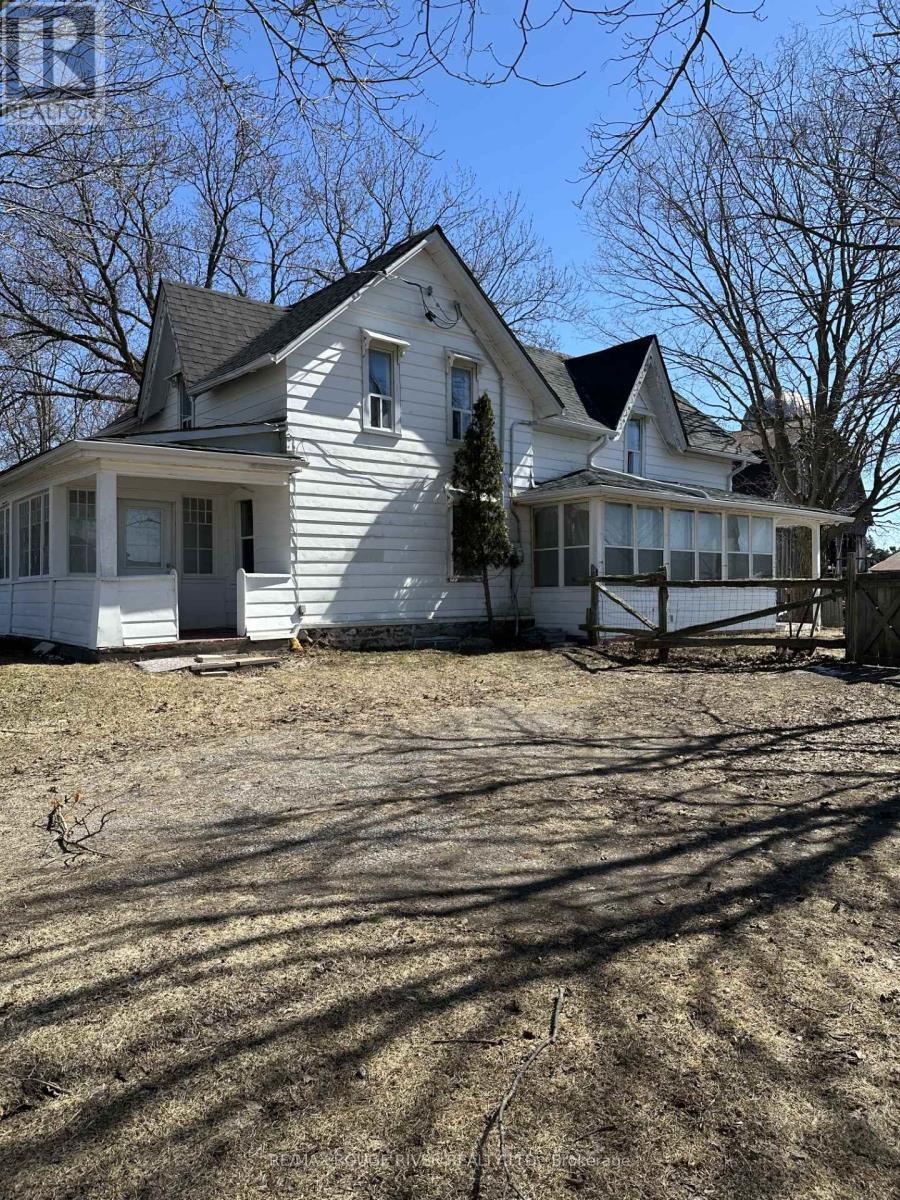
Blackstock’s housing stock is a mix of original hamlet housing from the late 19th and early 20th centuries and the rural residential development that filled in around the hamlet core over subsequent decades. The hamlet itself has older Ontario vernacular homes — the two-storey brick and wood-frame homes that characterise rural Ontario village development from the 1870s through the 1920s — that provide the architectural character of the settlement’s historic core. These homes are on relatively modest lots by rural standards, reflecting the village-scale development pattern of an era before large rural lots became the norm for non-farm residential use.
The surrounding rural properties include working farms, hobby farms, and rural residential lots on the agricultural concessions. These properties range from working cash crop and mixed farming operations on large acreages to rural residential properties that were severed from farm holdings decades ago and provide the private well and septic rural residential experience that the hamlet core doesn’t offer. The lot sizes vary considerably: some hamlet properties are on the standard village lot scale; rural properties outside the hamlet proper can range from one to fifty or more acres.
Property condition in Blackstock spans the full range from renovated and well-maintained to substantially deferred maintenance. The older hamlet housing, in particular, requires buyers who understand what older Ontario rural home ownership involves: older mechanical systems, foundations that may have settled, insulation standards that predate modern energy efficiency requirements, and the accumulated maintenance of 80 to 100 year old construction. A thorough home inspection from an inspector with older home experience is essential for any property in the hamlet core.
Rural properties on private well and septic systems require the standard rural Ontario inspection protocol: well water testing, septic condition assessment, and verification of utility location and condition. These are not barriers to purchase but are important steps that buyers new to rural property ownership may not have encountered in previous suburban or urban transactions.
The Blackstock market is thin by any urban standard. Transaction volume is low, and days on market can be measured in months rather than weeks for properties that are not priced precisely for the narrow buyer pool that a rural hamlet market supports. This is not a market with multiple offer competition; it is a market where patient sellers and informed buyers find each other over extended timelines, with prices reflecting the limited liquidity rather than the competitive tension of urban markets.
Prices in Blackstock are low relative to the urban and suburban GTA, which is part of its appeal for buyers who have budget constraints alongside a rural lifestyle preference. Farm properties, larger rural lots, and historic hamlet homes are all available at price points that would not be possible within 50 kilometres of Toronto in any direction west of Durham Region. The trade for these prices is the distance from urban services, the absence of transit, and the full commitment to rural living that the location requires.
The buyer pool for Blackstock consists primarily of buyers who have specifically sought rural character in Scugog Township: retirees who have sold GTA homes and are converting equity into a rural lifestyle with capital to spare, hobby farmers who want acreage for horses or small-scale farming, remote workers who have decoupled from daily commuting and are choosing location based on preference rather than commute constraint, and the occasional agricultural operator looking for productive land at prices competitive with the broader Durham Region farm land market.
Buyers who approach Blackstock from a GTA investment mindset — expecting quick appreciation and high liquidity — will be disappointed. This is a long-term hold market for lifestyle purchasers rather than a speculative market. The properties that sell here, at the prices they sell for, do so because they deliver rural character and space at prices that genuinely are not available closer to the city. That value proposition is real but requires the right buyer.
Blackstock draws a specific buyer type: people who have made a deliberate choice to live rurally in an area that is genuinely not suburban and not transitional. The dominant buyer segments are retirees converting GTA home equity into rural lifestyle, hobby farmers and equestrian households who need acreage and rural infrastructure, and remote workers who are geographically free and have chosen the rural Durham Region environment over closer but more expensive rural alternatives.
Retiree buyers are the most consistent segment in Blackstock and the broader rural Scugog area. Couples who raised children in the GTA, accumulated equity through decades of suburban home ownership, and have arrived at a stage where daily commuting is behind them find that selling a GTA home and buying in Blackstock leaves meaningful capital available for lifestyle, retirement planning, and family support. The equity release that the price differential enables is a genuine financial motivation alongside the lifestyle preference.
Hobby farm and equestrian buyers are drawn by the rural lot availability, the lower per-acre prices relative to King Township or Halton Hills, and the Scugog Township agricultural setting that provides the space and the rural infrastructure context they need. Durham Region’s rural areas are less celebrated in equestrian circles than King Township, but the land prices are substantially lower and the agricultural character is genuine. Buyers who are specifically seeking equestrian infrastructure find rural Scugog a viable alternative to the more expensive rural markets west of Toronto.
The community life in Blackstock is quiet, local, and centred on agricultural and rural pursuits. Buyers who want a vibrant social scene, regular access to urban cultural amenities, or the commercial variety of a larger community will find Blackstock unsuitable. Buyers who find deep satisfaction in the rhythms of rural community life — the local events, the agricultural calendar, the proximity to working farms and natural landscapes — will find Blackstock authentic in a way that many comparable communities have lost.
Blackstock does not have neighbourhood sub-divisions in any meaningful sense. The hamlet is small enough that any geographic distinction within it is about specific streets or properties rather than named areas. The basic spatial distinction buyers make is between hamlet core properties — older homes on village-scale lots with proximity to whatever commercial activity remains in the settlement — and rural properties on the surrounding concessions, which offer more acreage, private well and septic, and the full rural residential experience.
The hamlet core has the most concentrated settlement and the oldest housing. Properties here have the character of historic Ontario rural village architecture but are on smaller lots than rural residential buyers typically prefer. They appeal to buyers who want the hamlet address and community context without the lot maintenance of a larger rural property, and who accept the older housing stock as part of the authentic rural village character.
The rural concession properties surrounding the hamlet provide the larger-lot rural residential experience that most buyers targeting this area actually seek. Properties on the concession roads north, south, east, and west of the hamlet proper are the more typical purchase in this market: a rural lot with an existing house, possibly a barn or outbuildings, a private well and septic system, and the agricultural landscape of the Scugog Township interior as the daily environment.
Buyers purchasing specifically for the agricultural land value should assess soil quality, drainage, and agricultural capability rating through the Ontario agricultural land evaluation system. The Scugog Township agricultural land ranges from moderate to good quality, with some Class 2 and 3 agricultural land in the concessions. This land capability context is relevant for buyers with genuine farming intentions and for buyers who want to understand the agricultural value that underpins rural land prices in the area.
There is no transit service to Blackstock and none planned. The hamlet is not on any GO Transit line, not on any York Region or Durham Region Transit route, and not within any conceivable transit catchment area given its rural hamlet status. Two vehicles per household is the practical standard, and the concept of transit dependence is simply incompatible with a Blackstock address.
The drive to the nearest GO Transit station — Whitby or Oshawa on the Lakeshore East line — is approximately 40 to 45 minutes from Blackstock. For buyers who need to commute to Toronto by GO occasionally, this drive-to-station arrangement is the practical option, but the additional 40-minute leg makes the full Toronto commute a 2-hour or more round trip in each direction and is not practical as a daily commute for most buyers.
Highway access is via secondary roads to Highway 35/115, which connects south to Highway 407 and the highway network. The drive from Blackstock to Oshawa is approximately 30 to 40 minutes; to Toronto, plan on 90 minutes to 2 hours depending on conditions. Highway 407 access from the Scugog area reduces the Toronto drive somewhat for buyers who are willing to pay the toll, but Blackstock remains one of the more distant communities from the GTA core covered in this guide.
For daily life, Port Perry — 15 kilometres south — is the practical service destination for grocery, medical care, pharmacy, and the commercial services that a small city of roughly 12,000 residents can support. The Port Perry drive from Blackstock takes approximately 15 to 20 minutes, which is the daily logistics baseline for residents who need to leave the hamlet for any service beyond what the hamlet itself provides.
The agricultural landscape surrounding Blackstock is the primary outdoor amenity, and it is genuine. The Scugog Township interior has the rolling drumlin terrain, working farm fields, woodlot patches on field boundaries and on steeper slopes, and the agricultural character of a landscape that has been farmed for 150 years without suburban interruption. The visual quality of this landscape — particularly in spring planting season and autumn harvest — is a genuine rural aesthetic that buyers seeking rural character specifically want.
Lake Scugog is approximately 15 kilometres south, accessible in under 20 minutes. The lake provides boating, fishing, and the recreational waterfront that is the central outdoor amenity for the broader Scugog Township area. Port Perry’s waterfront, with its public boat launch and park, is the most developed public lake access point. The lake fishing is productive for bass, walleye, and pike, and it draws anglers from across the GTA and the broader eastern Ontario region. For Blackstock residents, the lake is a practical recreational resource rather than a remote occasional destination.
The Ganaraska Forest, managed by the Ganaraska Region Conservation Authority, is approximately 25 kilometres northeast of Blackstock and provides one of the largest forested recreation areas in southern Ontario. The forest has extensive trail systems for hiking, mountain biking, cross-country skiing, and horseback riding, and its size — over 11,000 acres — provides the kind of extended outdoor experience that is rare within a reasonable drive of the GTA. For residents of rural Scugog, the Ganaraska is a major recreational asset that distinguishes the region’s outdoor offering from the smaller conservation areas closer to the urban edge.
The rural concession roads around Blackstock are quiet enough for road cycling and gravel riding in a way that suburban roads are not. The combination of low traffic, varied terrain, and agricultural landscape makes cycling an attractive rural recreation option, and the gravel cycling culture that has grown nationally has specific application to the Scugog Township road network for riders who seek that experience.
Blackstock has no commercial services of practical scale within the hamlet itself. Residents drive to Port Perry for all significant shopping, medical care, banking, and professional services. The 15-kilometre drive to Port Perry takes approximately 15 to 20 minutes and is the daily service commute baseline for Blackstock residents. Port Perry provides grocery, pharmacy, a hospital, medical specialists through the Lakeridge Health network, and the commercial variety of a small Durham Region city of approximately 12,000.
Oshawa is approximately 35 to 40 kilometres southwest, accessible in roughly 40 minutes, and provides the full range of major retail, specialty services, and the Durham Region service centre infrastructure that Port Perry cannot supply. The Oshawa Centre mall, Costco, major grocery anchors, and the full range of national chain retail are available in Oshawa for Blackstock residents who need a more complete shopping trip than Port Perry provides. Most Blackstock residents make a bi-weekly or monthly trip to Oshawa for this fuller commercial access.
Lakeridge Health’s Uxbridge hospital site and the Oshawa Regional Medical Centre are the primary hospital resources for the Scugog Township area. Emergency hospital access from Blackstock requires a 30 to 45 minute drive, which is a practical consideration for households with elderly members or young children who may require emergency care. This is not unusual by rural Ontario standards, but it is a reality that buyers need to honestly assess rather than assume will not be relevant to their household.
The practical isolation of Blackstock requires the honest acknowledgment that every commercial errand, every medical appointment, every restaurant meal, and every social occasion that is not happening on the property requires a deliberate drive. Buyers who have lived their entire adult lives in urban or suburban settings and are considering Blackstock for the first time should spend multiple days driving the actual routes they would use before committing to a purchase. The rural lifestyle is genuinely satisfying for those who want it; it is genuinely difficult for those who discover they don’t after the fact.
Blackstock falls within the Durham District School Board for public schools and the Durham Catholic District School Board for Catholic families. Elementary students in the Blackstock area are assigned to schools in the township’s rural school network, which has been consolidated over the decades from the one-room schoolhouse model to the modern rural elementary school serving a larger geographic catchment. School bus service is the practical reality for all elementary students in a rural hamlet, with routes covering the concession road geography of the township.
Secondary school for Scugog Township students from the Blackstock area is at Scugog Community School or Port Perry High School in Port Perry, approximately 15 kilometres south. The bus route or parent driving requirement for secondary school is a practical logistics consideration for families with high school students, particularly for households managing activities, sports schedules, and the social calendar of teenagers who need more transportation flexibility than a school bus schedule provides.
The rural school experience is genuinely different from urban and suburban school experiences. Smaller class sizes, closer teacher-student relationships, and the community-character of a school serving a rural township population are the typical attributes of rural Ontario schools that parents who have experienced both tend to value. The range of extracurricular programming and the specialist course offerings at rural secondary schools are typically narrower than at large urban high schools, which is a consideration for families with specific academic or extracurricular requirements for their secondary students.
For families with post-secondary bound students, Durham College and Ontario Tech University in Oshawa are accessible, and the distance from Blackstock means that students typically live in residence or off-campus housing during their studies rather than commuting. This is not significantly different from the situation for students from most rural Ontario communities and is generally incorporated into family planning for post-secondary.
Blackstock is not changing in any structural way. The rural hamlet designation in Scugog Township’s Official Plan limits development within the hamlet to infill within the existing boundary, and the agricultural land on the surrounding concessions is protected under the Greenbelt Plan’s agricultural land policies. The rural character of the Blackstock area is not transitional; it is the permanent condition that the planning framework maintains. Buyers choosing Blackstock for its rural character are buying something that the planning environment is actively protecting rather than allowing to convert.
The most significant variable affecting Blackstock’s context is the broader Durham Region growth dynamic. The urbanising western portions of Durham Region in Whitby, Pickering, and Ajax are not directly relevant to Blackstock’s rural character, but they do affect property values and the buyer pool for Durham Region rural properties by drawing demand away from the more outlying rural areas. The growth of the GTA’s eastern corridor has kept Durham Region on GTA buyers’ radar while simultaneously raising prices in the more accessible parts of the region, which can make the rural hamlet areas look relatively affordable in comparison.
High-speed internet access in Blackstock is variable. The hamlet core has better coverage than some of the surrounding rural concessions, but coverage quality depends on proximity to infrastructure and on whether specific providers have extended service into the area. Bell and Rogers rural expansion has reached parts of Scugog Township, but some addresses remain on older cable or fixed wireless service. Starlink satellite internet has been widely adopted in rural Durham Region communities and provides reliable high-speed access for addresses where terrestrial options are inadequate. Buyers who require reliable high-speed internet — particularly remote workers — should verify specific service availability at any property of interest before purchasing.
The Community of Blackstock itself is stable and quiet. The population is small but consistent, the community social infrastructure that small rural Ontario hamlets have maintained — churches, community halls, agricultural associations — reflects the genuine rural community life that persists in the township. Buyers who value that type of community belonging will find it available in Blackstock; buyers who expect the social infrastructure of a larger community will need to drive to Port Perry or further to find it.
How far is Blackstock from Toronto, and is the commute practical?
Blackstock is approximately 90 kilometres northeast of downtown Toronto, with a drive of roughly 90 minutes to 2 hours depending on conditions and route. The nearest GO Transit station is approximately 40 to 45 minutes south in Whitby or Oshawa, making a GO commute to Toronto about 2 to 2.5 hours door-to-door in each direction. This commute is not practical on a daily basis for most people. Blackstock is appropriate for buyers who have fully eliminated the daily commute through remote work, who commute occasionally rather than daily, or who have retired from commuting entirely. Buyers who expect to commute regularly to Toronto from Blackstock should reconsider the location or be very honest with themselves about whether a 4 to 5 hour daily commute round trip is sustainable.
What conservation authority governs rural Scugog Township properties?
The Kawartha Conservation Authority and the Central Lake Ontario Conservation Authority both have jurisdiction over different parts of Scugog Township, depending on the watershed location of the specific property. The Nonquon River watershed, which drains much of the northern Scugog Township area including the Blackstock vicinity, falls within the Central Lake Ontario Conservation Authority. Properties near regulated watercourses, wetlands, or valley systems may be within CLOCA’s regulated area, which governs development near these features. Buyers should confirm the specific conservation authority jurisdiction and any regulated area designations on properties of interest as part of pre-offer due diligence.
Is Blackstock agricultural land or is it available for residential development?
The hamlet of Blackstock is designated as a rural hamlet in Scugog Township’s Official Plan, allowing residential infill within the existing hamlet boundary. The surrounding agricultural land is within the Greenbelt Plan’s agricultural designation, which protects it from conversion to non-agricultural uses and prevents significant fragmentation into residential lots. New residential lot creation through severance on agricultural land is highly restricted under both the Greenbelt Plan and the Province’s agricultural land protection policies. Buyers considering rural properties in the Blackstock area should verify the specific designation and any applicable severance restrictions before assuming that lot creation or subdivision is possible.
Is high-speed internet available in Blackstock?
Coverage is variable. The hamlet core has better terrestrial high-speed availability than some of the surrounding rural concessions, but specific address coverage depends on proximity to existing infrastructure and the specific provider. Bell and Rogers have been extending rural coverage in Durham Region, but Scugog Township’s rural areas remain inconsistently served by terrestrial providers. Starlink satellite internet has become the reliable backup and, for many rural addresses, the primary option for buyers who need consistently high-speed access. Remote workers should verify service availability at a specific address — not just within the postal code — before purchasing, and should have Starlink as a confirmed fallback option if terrestrial service is inadequate.
Blackstock transactions require an agent who understands rural real estate transactions, conservation authority regulated areas, private well and septic inspections, and the thin-market comparable analysis that low-transaction rural areas require. The agent who knows King Township rural properties well will have broadly relevant knowledge, but the Scugog Township context — different conservation authorities, different planning framework, different market dynamics — requires specific familiarity with the Durham Region rural market rather than generic rural real estate knowledge.
The conservation authority regulated area check is essential before any offer on a rural Scugog property. CLOCA’s regulated areas on the concession properties around Blackstock affect what can be built or altered near watercourses, wetlands, and valley features. This information is available from CLOCA’s online mapping and from the authority directly, and it should be obtained before making an offer on any property where regulated features are present on or near the lot.
The well and septic inspection protocol for rural Ontario properties is well established but must actually be followed rather than assumed. Well water testing for bacteriological and chemical quality, a review of the well construction report where available, a septic system assessment covering tank condition and age and system type, and a WETT certification for any wood-burning appliances are the standard rural due diligence steps. Buyers who have not purchased rural property before may be unaware of some or all of these steps; a rural-experienced agent will ensure they are completed before conditions are waived.
Buyers who approach Blackstock after genuine consideration of what rural hamlet life involves — the distances, the services, the seasonal road conditions, the self-sufficiency requirements of rural property maintenance — and who have decided those conditions are acceptable rather than hypothetically manageable are the buyers who succeed here. Rural property ownership rewards preparation and clear-eyed realism about the lifestyle. It is difficult for buyers who discover after the fact that the rural life they imagined was more romantic than the rural life they are actually living.
Street-level knowledge is hard to find online. Our team works in Blackstock every day. They know which pockets hold value, where the school catchment lines actually fall, and what the market is doing right now. Talk to us before you make a decision about Blackstock.
Talk to a local agent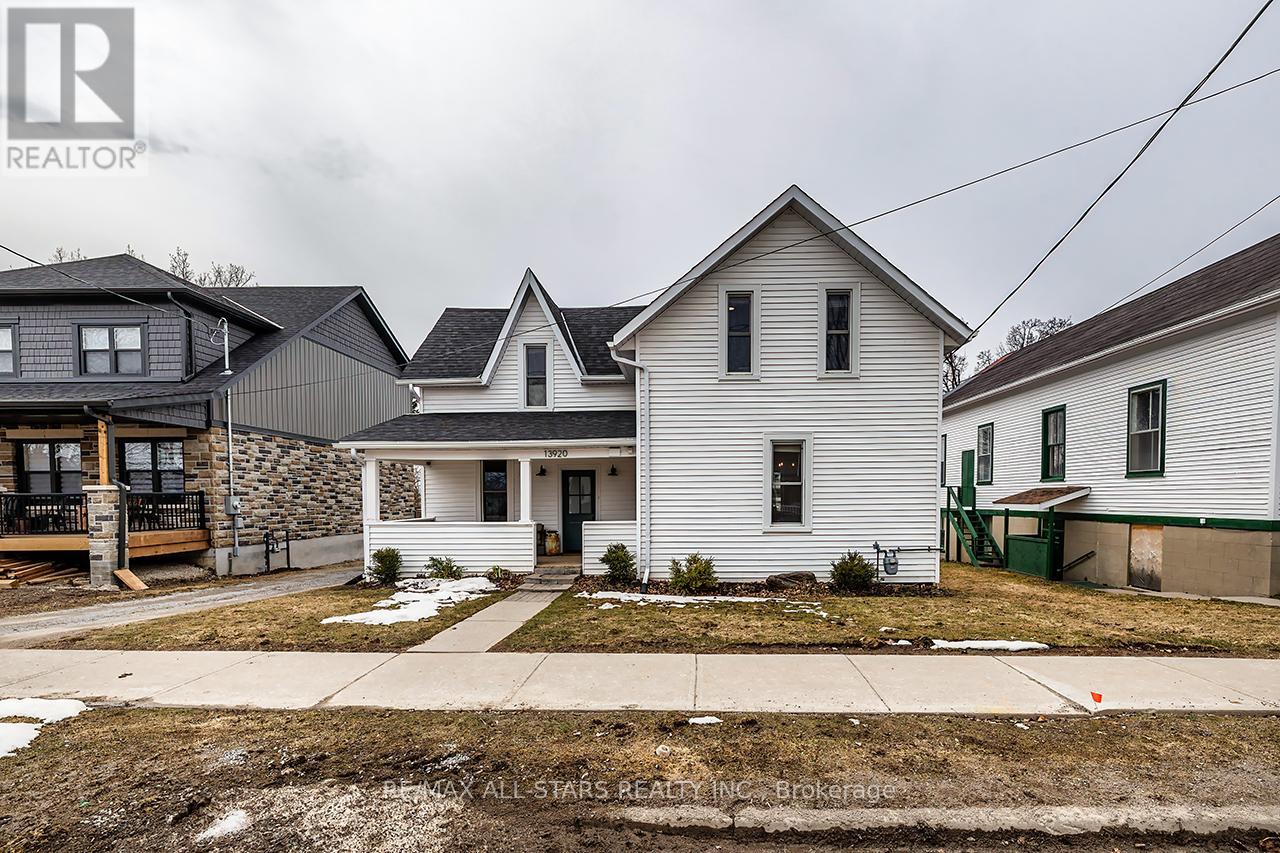 For Sale
 For Rent