
Bram East is a newer suburban neighbourhood in northeast Brampton along the Gore Road and Castlemore corridors. Post-1995 detached and semi-detached homes serve one of the GTA largest and most established South Asian communities.
Bram East occupies the northeastern quadrant of Brampton, a district that was largely farmland as recently as the early 1990s and is now one of the city’s most densely populated residential areas. The neighbourhood stretches along the Gore Road and Castlemore Road corridors, bordered roughly by Highway 427’s northern extension to the west and the Brampton-Vaughan boundary to the north and east. Its development came primarily in two waves — the late 1990s into the mid-2000s, and then again in the early 2010s — which means the housing stock is varied but consistently post-1995 in character: larger lot detached and semi-detached homes on curving suburban streets, with the occasional townhome complex filling in the corners.
The community is one of the most predominantly South Asian areas in the GTA outside of specific Mississauga corridors. Punjabi is widely spoken, and the commercial and cultural infrastructure — temples, South Asian grocery stores, Indian restaurants, community associations — reflects a community that is large enough and established enough to have built its own institutions rather than depending on what existed elsewhere. This is not a transitional community in demographic terms. Bram East has been predominantly South Asian for over two decades and has a settled, intergenerational character that shapes everything from the school environment to the retail mix.
What the neighbourhood offers buyers in practical terms is newer construction at prices that, while no longer bargain-level, remain lower than equivalent newer homes in Vaughan or north Mississauga. The housing stock is in generally good condition given its age, the streets are clean and well-maintained, and the parks and schools that were built as part of the development agreements are functional and reasonably well-staffed.
Bram East is a neighbourhood that works well on its own terms. It is suburban in character and unapologetically so: designed around the car, with cul-de-sacs and crescents that prioritise residential quiet over walkability. Buyers who understand that and value the cultural community, the newer housing stock, and the access to Highway 427 tend to find it a strong long-term choice.
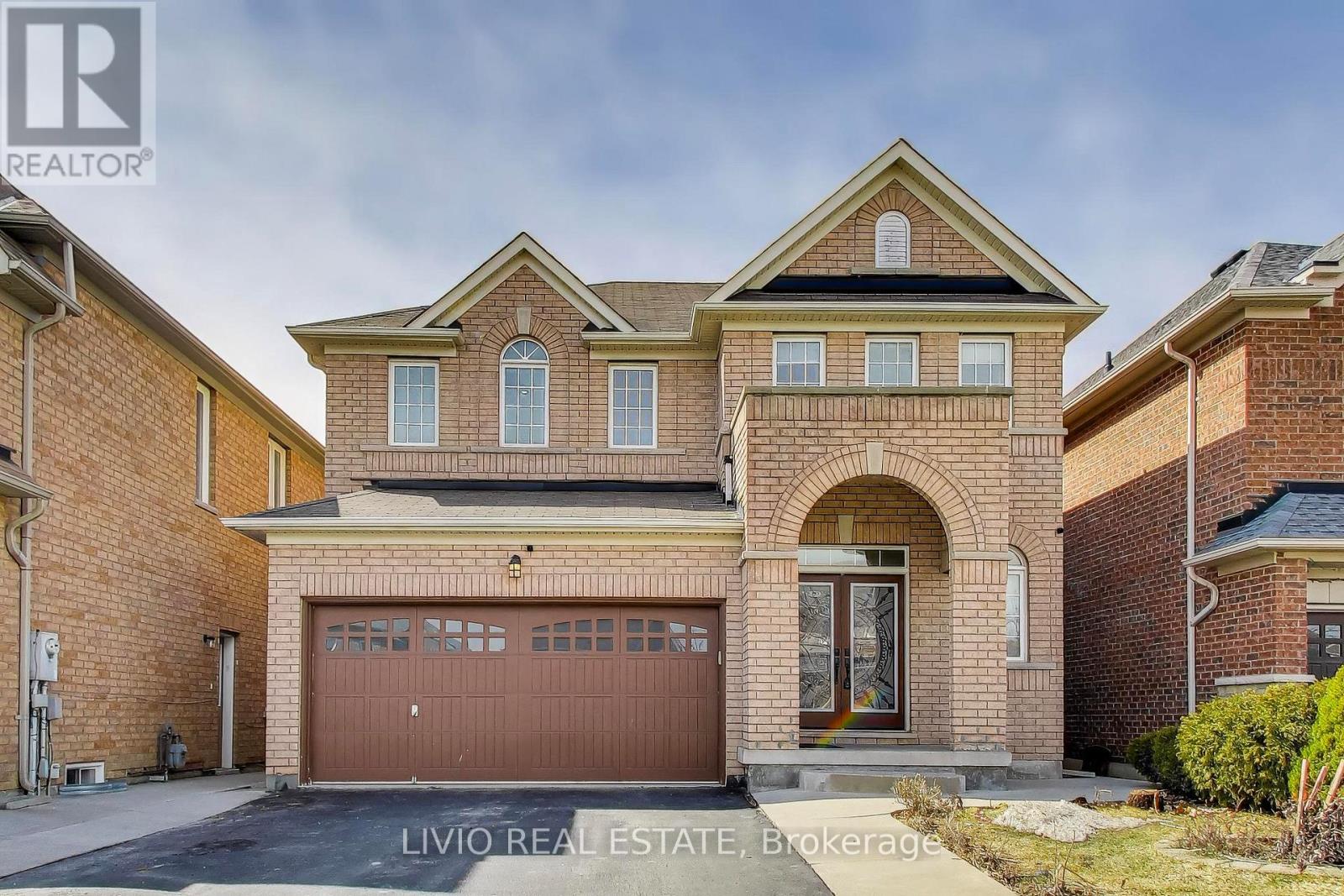
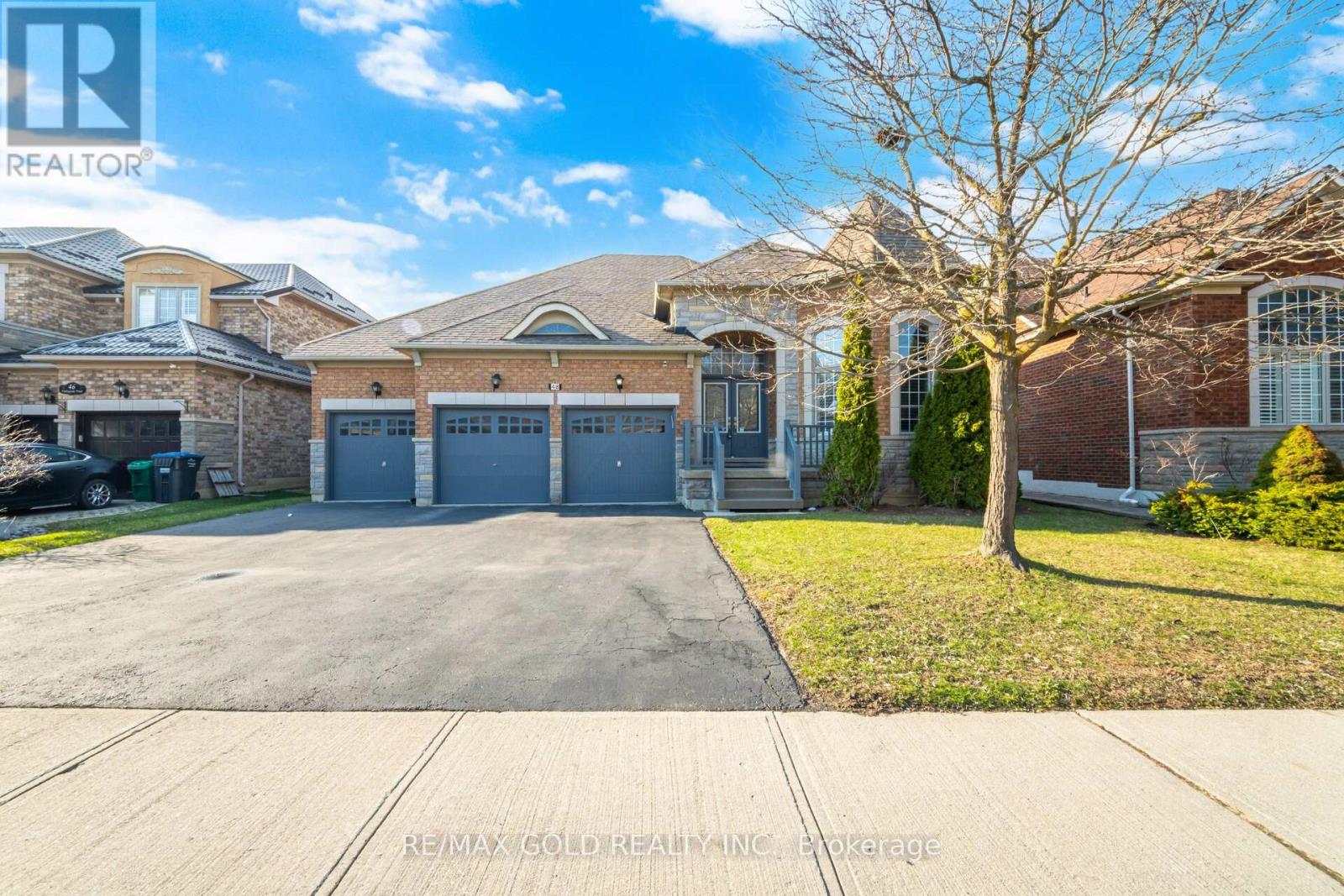
Bram East’s housing prices reflect the neighbourhood’s position as a newer, well-established suburban community with strong demand from a culturally cohesive buyer pool. In 2024 and into 2025, detached homes in Bram East have been selling in the $1.05 million to $1.35 million range, with larger four and five-bedroom homes on wider lots pushing toward $1.4 to $1.6 million. Semi-detached homes trade in the $800,000 to $950,000 range depending on size and finish. Townhomes where they exist in the area come in between $700,000 and $820,000.
The housing stock itself is post-1995 construction, with a meaningful proportion from the 2005-2015 window when the Castlemore and Gore Road corridors were actively building out. This means buyers are dealing with homes that are 10 to 20 years old — old enough to have gone through their first major system cycles (furnace, roof, water heater) but not so old that fundamental structural issues are common. Buyers should ask about roof age, HVAC condition, and whether any basement waterproofing has been required; these are the most common capital items in this era of Brampton suburban construction.
Lot sizes in Bram East vary considerably by street and phase of development. Earlier phases in the late 1990s produced somewhat larger lots, while the 2010s development pushed lot coverage ratios higher and left less outdoor space. A 30 to 40 foot frontage detached home is typical; some of the premium streets from the earlier development phases have 45 to 50 foot frontages with larger rear yards, and these command a premium.
The rental market in Bram East is active. Basement apartments in detached homes are almost universal, and rental demand from the broader South Asian community — extended family members, newcomers, young couples — keeps vacancy low. Buyers purchasing partly for the rental income should verify whether the basement apartment is legal (proper egress, ceiling heights, separate entrance) versus informal, as this affects insurance, liability, and the ability to advertise the income on a mortgage application.
The Bram East market operates within a buyer pool that is unusually concentrated and culturally cohesive, which gives it characteristics that differ from broader Brampton or GTA suburban markets. Demand is driven heavily by South Asian families — both those already in Brampton looking to upsize, and newcomers who arrive in Canada with specific destination communities in mind. This latter group creates a structural floor under demand that persists even when broader market conditions soften, because cultural preference for specific communities is relatively price-inelastic.
Through 2024 and into 2025, the Bram East detached market has shown moderate recovery from the 2022 peak correction. Prices in the detached segment gave back 12 to 18 percent from peak, and by late 2024 had recovered approximately half of that correction. The semi-detached and townhome segments showed less volatility in both directions, as the broader buyer pool for these property types is larger and more diverse. Days on market across all types averaged 22 to 35 days through most of 2024.
Supply in Bram East is constrained by the fact that the neighbourhood is built out — there are no large parcels of land left within its established boundaries for new development. New listings are resale only. This supply ceiling has historically supported prices relative to other Brampton areas where new development continues to add competing product. Buyers looking at Bram East are competing with each other for the existing stock, not with new construction.
One dynamic worth noting is the multigenerational home market. Properties designed or modified to house multiple generations under one roof — separate entrances, basement suites, legal second units — trade at a meaningful premium in Bram East relative to properties without that configuration. Buyers who can offer or adapt a home to multigenerational use have an advantage in both the purchase market (as sellers specifically seek them) and the future resale market (as this demographic driver is persistent).
The dominant buyer in Bram East is a South Asian family, often Punjabi, purchasing either their first detached home after years of renting or condo ownership, or upsizing from a smaller property in another part of Brampton or Mississauga. The multigenerational household is the standard unit in this community rather than the exception: buyers are often purchasing for parents, adult children, and the core nuclear family simultaneously, which drives the preference for larger homes with self-contained basement suites or accessible main-floor bedrooms.
First-time buyers in Bram East are typically in the semi-detached and townhome segment, often with family help on the down payment. The cultural expectation of homeownership as a milestone, combined with the family network support for initial purchases, means that first-time buyers here often move faster and with more certainty than first-time buyers in other markets. They have seen their parents buy, they understand the process, and they have a clear community they want to be part of. This is not abstract aspiration; it is a specific destination.
Investors are active in Bram East but less dominant than in some other Brampton neighbourhoods. The strong owner-occupier culture in the South Asian community means that turnover tends to go to owner-occupiers rather than investors. When investors do purchase, they typically do so for the basement rental income and intend to hold long-term rather than flip. Short-term rental activity is minimal — this is a residential suburban community and it functions as one.
Buyers moving from outside the GTA, particularly those relocating from other parts of Canada or internationally, are a growing segment. Brampton’s reputation as a South Asian cultural hub is strong enough now that it functions as a relocation destination in its own right, not just for people already in the GTA. These buyers often have specific neighbourhood preferences — Bram East, Brampton East, the Castlemore corridor — and arrive with cultural familiarity with the community even if they are new to the physical city.
The best streets in Bram East tend to cluster along the earlier development phases, particularly in the Castlemore Road and Ebenezer Road areas where the first subdivision plans were registered. These streets typically have wider lots, more mature street trees (planted 25 to 30 years ago and now providing real canopy), and established landscaping that later-phase streets lack. The crescents and closes off Castlemore in the area east of Airport Road are where buyers who have researched the neighbourhood tend to focus their search.
Gore Road itself is not a residential street — it is a collector road that runs north-south through the area and carries significant truck traffic from the employment lands to the south and east. Streets that back onto Gore Road or front onto it directly should be evaluated carefully for road noise. The residential streets running east-west off Gore tend to be quieter, particularly where they dead-end in courts or loop back on themselves.
The Ebenezer Road corridor has seen its own development, with a mix of larger detached homes and some townhome clusters near the commercial nodes. The streets between Ebenezer and Castlemore represent the heart of Bram East’s residential character: predominantly detached, well-maintained, and consistent in their suburban quality. Buyers who want the quintessential Bram East experience generally find it in these blocks.
Proximity to the Highway 427 north extension interchange matters for buyers who commute by car. Streets that are within a five-minute drive of the on-ramp — without requiring the use of highly congested arterials — carry a modest premium. The 427 connects south to the 401 and the Pearson Airport area, making it the most important highway link for Bram East’s employment-land commuters. Buyers should test the drive time from any specific address to the 427 on-ramp at their typical commute time before making assumptions.
Bram East is a driving neighbourhood. The street network was designed for the car, transit service is limited relative to the density of the area, and the distances from residential streets to the nearest transit stop are often greater than comfortable walking distance for daily use. Brampton Transit routes do serve the area — Routes along Castlemore Road and the 511 Zum along Queen Street to the south are the primary options — but the service frequency and coverage are not at a level that makes transit a realistic primary option for most residents’ daily needs.
GO Transit is the exception for commuters heading to Toronto. The Bramalea GO station, while not immediately adjacent to Bram East, is accessible by car in 10 to 15 minutes and provides GO Train service on the Kitchener line to Union Station. Peak service on the Kitchener line runs approximately every 30 minutes in the morning rush, with trains reaching Union Station in 50 to 65 minutes from Bramalea. This makes the Bram East-to-Union-Station commute feasible for Toronto workers, though it requires driving to the GO station unless you are close to a Brampton Transit connection that serves the station.
Highway 427 is the primary highway asset for Bram East. Its northern extension into Brampton, completed in stages through the 2010s, transformed the commuting calculus for east Brampton residents. The 427 connects south to the 401 near Humberline Drive, providing access to Pearson Airport employment lands, Etobicoke, and downtown Toronto via the Gardiner. Drive times to Pearson Airport are typically 20 to 25 minutes in off-peak conditions. Highway 410 is accessible to the west via Bovaird Drive or Castlemore Road, providing the north-south connection to Highway 401 at Brampton’s western edge.
For buyers who commute to employment in Vaughan or York Region, the proximity to the Brampton-Vaughan boundary at the north end of Bram East is an underrated advantage. The drive to Vaughan Mills or the Vaughan Metropolitan Centre is 15 to 20 minutes without highway use, and the connection to Highway 400 is accessible via Major Mackenzie Drive once you cross into York Region.
Parks in Bram East were built as part of the development agreements that governed the neighbourhood’s construction, which means they are generally adequate and well-distributed through the residential grid, but they were also designed to minimum standards for a suburban subdivision rather than as destination recreational amenities. Most of the neighbourhood parks feature standard playground equipment, open grass areas, and limited shade — the tree-planting programs have improved this over the past decade, but parks in the 2000s-era sections still feel exposed compared to the mature-canopy parks of older Brampton neighbourhoods.
The larger recreational asset for Bram East is the Claireville Conservation Area, which occupies a significant land area to the south and southwest of the neighbourhood. Claireville is managed by the Toronto and Region Conservation Authority and offers trail walking, wildlife viewing, and the kind of natural landscape that suburban parks cannot replicate. Access is primarily by car, but the proximity to a conservation area of this scale is a genuine quality-of-life advantage that Bram East residents should not take for granted. The Humber River watershed that runs through Claireville provides a greenbelt buffer that also protects the neighbourhood from development pressure to the south.
The Brampton Sports Garden and several recreational facilities near the Castlemore Road area serve organised sports programming for youth and adults. Soccer, cricket, and field sports are particularly well-represented given the community’s demographics. The City of Brampton runs programming at the Northeast Recreation Centre, which is the closest major City facility serving Bram East, offering swimming, fitness, ice time, and multi-use programming.
Overall, the park and recreation situation in Bram East is functional rather than exceptional. It meets the needs of families with young children and active adults who are connected to community sports programming. Buyers who prioritise access to high-quality natural parkland for hiking and trails should note that Claireville requires a car trip rather than being walkable from the neighbourhood’s residential core.
The retail landscape serving Bram East is concentrated in strip plazas along the main arterials — Castlemore Road, Ebenezer Road, and the Gore Road corridor — and reflects the neighbourhood’s South Asian demographic with unusual fidelity. South Asian grocery stores, Indian sweet shops, Punjabi clothing boutiques, South Asian jewellers, and Indian and Punjabi restaurants occupy the commercial plazas in numbers that are genuinely substantial. This is not a token cultural retail presence; it is the primary commercial character of the area. Buyers from within the South Asian community will find the retail environment exceptionally convenient for their regular shopping. Buyers who rely primarily on national chain retailers will need to plan longer trips.
Major grocery shopping for residents who use national chains means a drive to Bramalea City Centre or to the grocery stores along the Queen Street or Bovaird corridors. The national grocery chains — Walmart, Loblaws, Metro — have limited footprint within Bram East itself. This is not a gap so much as a reflection of the neighbourhood’s commercial orientation: the local grocery and specialty food needs of the dominant demographic are well-served by the existing South Asian retailers, and the national chains have concentrated their Brampton presence in higher-traffic locations with broader catchment areas.
Bramalea City Centre, accessible in 10 to 15 minutes by car, provides the full regional retail complement: major clothing retailers, electronics, banking, restaurants, and the enclosed mall experience for larger shopping trips. The transit connection from Bram East to Bramalea City Centre via Brampton Transit makes it accessible without a car, though the trip involves a transfer and is not fast.
The restaurant quality in the commercial plazas along Castlemore and Ebenezer is genuinely high within South Asian cuisines. Punjabi dhabas, South Indian spots, Indo-Chinese restaurants, and halal options are all present and well-patronised. The competitive density of South Asian restaurants in this corridor produces consistently good food at prices well below what comparable food would cost in downtown Toronto or Mississauga’s Hurontario corridor.
Schools in Bram East fall under the Peel District School Board (PDSB) and the Dufferin-Peel Catholic District School Board (DPCDSB). The neighbourhood was built out in a period when Brampton’s population growth was outpacing school construction, and some schools in Bram East have operated at or above capacity for extended periods. The PDSB has been working through a facility review and consolidation process that has affected Brampton schools broadly, and catchment boundaries should be verified directly with the board before any purchase decision.
The elementary schools serving Bram East have high ESL enrolment and significant newcomer student populations, which creates both resource pressures and a genuinely multicultural learning environment. Teachers in these schools are generally experienced with the specific demands of diverse language backgrounds, and the PDSB has support programs for English language learners at all grade levels. EQAO scores in some Bram East schools have historically been below the provincial average, which reflects the language acquisition challenges of the student population rather than inherent school quality — a distinction worth understanding when reading school rating data.
Secondary school students in Bram East are served by Heart Lake Secondary School and Castlebrooke Secondary School, both of which are comprehensive high schools with academic, applied, and co-op programming. Both have well-developed South Asian cultural student groups and the kind of extracurricular programming that reflects the community’s interests. Catholic families are served through the DPCDSB with access to schools including Our Lady of the Assumption and, at the secondary level, Cardinal Leger Secondary School.
Private and Islamic school options have grown in and around Bram East in response to community demand, particularly for families seeking a religious education framework. Several Islamic schools operate in the broader northeast Brampton area and have expanded their enrolment significantly over the past decade. Families for whom this is a priority should research specific school options and their current waitlist situations as part of their neighbourhood evaluation.
Bram East is essentially built out within its established boundaries. The development wave that created the neighbourhood has concluded, and large residential development parcels within the neighbourhood’s core are no longer available. Future residential growth in the area is more likely to occur through intensification — secondary units, additional residential units, and eventually the kind of mid-density infill that follows from provincial housing legislation — than through new greenfield construction.
The more significant development activity relevant to Bram East is occurring at its edges. The employment lands south of Castlemore Road and east of Airport Road continue to attract logistics, distribution, and light industrial users, which increases truck traffic on the arterials but also generates local employment. The intersection of Airport Road and Castlemore has seen commercial development applications advance, and additional retail and commercial service nodes are expected as the residential density in the area continues to support them.
The Highway 427 north extension was the most consequential infrastructure investment affecting Bram East over the past decade, and it is now in place. Future highway investment in the area is more speculative. The provincial government has discussed but not firmly committed to further expansion of the 427 north of Bovaird Drive, and the Bradford Bypass would create a new east-west connection north of Brampton that could affect commuting patterns for Bram East residents — though at a significant remove. Buyers should not factor speculative highway investment into their decision, but it is worth noting as a potential long-term positive.
The longer-term development story for Bram East is one of incremental densification within an established suburban fabric. The neighbourhood will not transform dramatically in the near term, but provincial and municipal housing policy changes are beginning to allow secondary suites, garden suites, and small-scale infill across the suburban GTA. Bram East’s large lots and established residential character mean it will absorb this gradually rather than experiencing the displacement-level change seen in some Toronto neighbourhoods.
Q: What are home prices like in Bram East in 2025?
A: Detached homes in Bram East have been selling in the $1.05 million to $1.35 million range through 2024 and into 2025, with larger four and five-bedroom homes pushing toward $1.4 to $1.6 million. Semi-detached homes trade between $800,000 and $950,000, and townhomes where available come in at $700,000 to $820,000. Prices pulled back from the 2022 peak by roughly 12 to 18 percent and have been recovering through 2024. The neighbourhood’s strong cultural community cohesion and limited new supply create structural support for prices that is somewhat independent of broader GTA market cycles. Buyers should verify current active listings and recent sold comparables through a buyer’s agent before forming price expectations.
Q: Is Bram East a good neighbourhood for South Asian families?
A: Bram East is one of the most established South Asian communities in the GTA outside of specific Mississauga corridors. The neighbourhood has a large, intergenerational Punjabi community that has been present for over 25 years. Cultural institutions including gurudwaras, Hindu temples, South Asian grocery stores, Indian restaurants, and community organisations are well-developed and genuinely embedded in the neighbourhood rather than being recent additions. Families relocating from other parts of Canada or from abroad with a preference for a South Asian community environment will find Bram East to be one of the strongest options in the GTA in terms of community depth, cultural infrastructure, and the familiarity of daily life. The multigenerational housing model that is standard in the community is well-served by the neighbourhood’s detached housing stock.
Q: How is commuting from Bram East to Toronto?
A: Commuting from Bram East to downtown Toronto by car takes roughly 45 to 60 minutes under normal conditions via Highway 427 south to the 401 east, though peak-hour congestion can extend this significantly. GO Transit is a better option for Union Station commuters: Bramalea GO station on the Kitchener line is a 10 to 15 minute drive from Bram East and provides train service reaching Union Station in 50 to 65 minutes. Peak GO trains run approximately every 30 minutes in the morning rush. Buyers whose primary commute destination is the Pearson Airport employment area have a clear advantage, as the drive to the airport lands via Highway 427 is typically 20 to 25 minutes. Transit commuting without a car from Bram East requires patience given limited local bus frequency.
Q: What should I check when buying a post-2000 detached home in Bram East?
A: Homes from the 2000s-2015 era in Bram East are entering the window when first major system replacements become likely. Check the age and condition of the furnace and air conditioner — original systems in a 2005 home are now 20 years old and approaching end of life. Ask about the roof: asphalt shingle roofs typically need replacement at 20 to 25 years, so homes built before 2005 may have had one replacement already or be due for another. Basement finishing and any waterproofing work should be documented. Basement apartments are common in this neighbourhood and should be verified as legal (proper egress, ceiling height minimums, smoke and CO detectors, separate electrical service). Any legal basement suite needs to be disclosed on the property’s documentation and may require an HVAC upgrade if the original system was not sized for a finished basement.
Bram East’s buyer pool is active and the inventory is constrained, which means buyers without preparation consistently lose to buyers who have done the work. The preparation that matters here is specific: knowing which streets have the better lot sizes, understanding the difference between legal and informal basement suites and what each means for your mortgage application and insurance, and having a realistic read on whether a property’s price reflects condition accurately or is optimistically positioned. These are not things you develop browsing listings — they come from transacting in the market repeatedly.
An agent with specific Bram East and northeast Brampton experience brings pattern-recognition that translates directly into better offer decisions. They know which builders’ construction quality holds up best, which basement apartment configurations are most likely to pass a legal inspection, and which streets have the noise or traffic issues that are not obvious from the listing photos. In a market where multigenerational household needs shape what a home is worth, an agent who understands those needs — rather than applying a generic suburban checklist — can identify value that others miss.
The cultural dimension matters in Bram East in ways that affect the transaction, not just the community assessment. Negotiating with sellers who have strong community relationships with their agent, who understand the value of a multigenerational layout, and who may have non-standard motivations for selling requires cultural familiarity and local relationship networks. An agent who has done this work in Bram East specifically is better positioned than one who knows the market from across a wider geography.
TorontoProperty.ca works with buyers across Brampton’s suburban communities with specific focus on the South Asian communities in northeast and east Brampton. We can help you identify the right property, structure an offer that works in this specific market, and connect you with the inspection, legal, and financing professionals who know this neighbourhood. Get in touch to start the conversation.
Street-level knowledge is hard to find online. Our team works in Bram East every day. They know which pockets hold value, where the school catchment lines actually fall, and what the market is doing right now. Talk to us before you make a decision about Bram East.
Talk to a local agent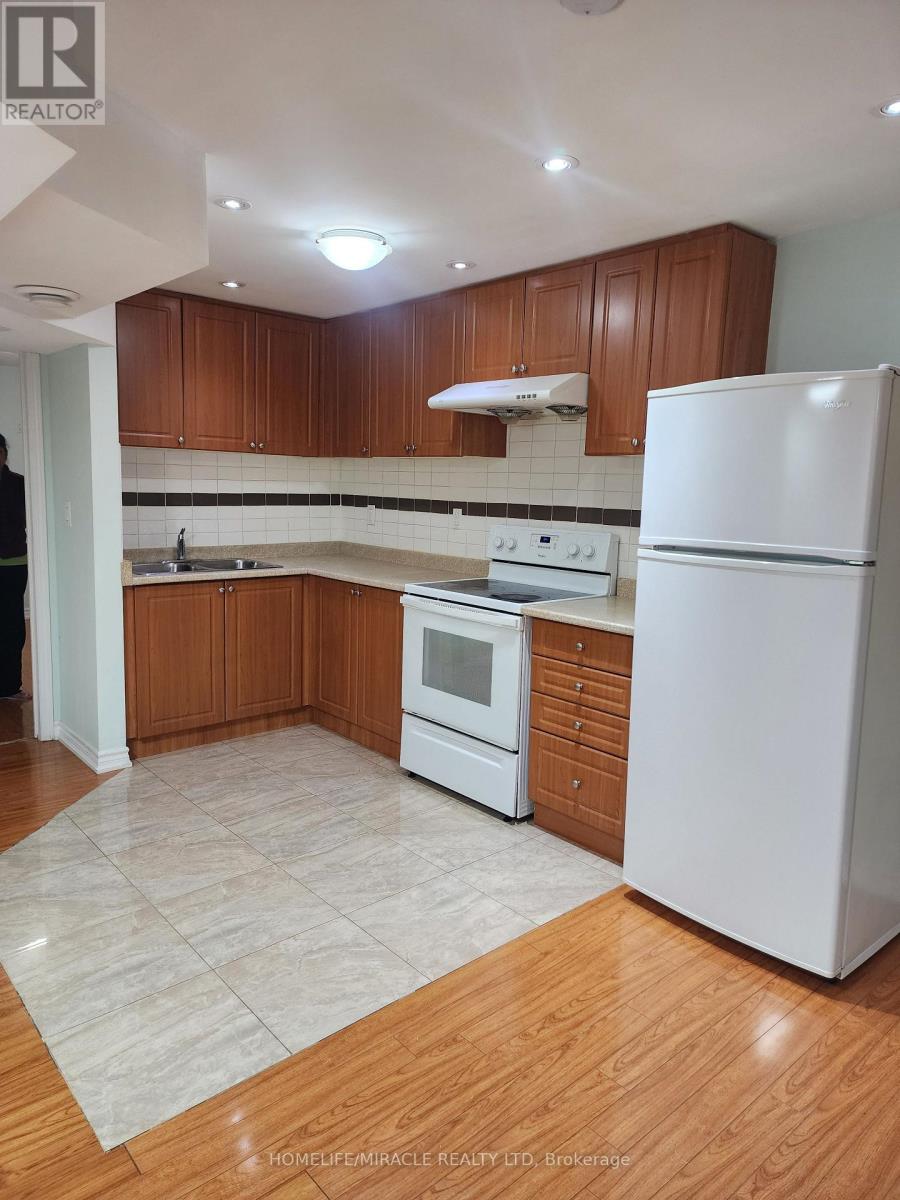 For Rent
 For Sale
 For Rent
 For Sale