
Brampton East is an established residential neighbourhood in central-east Brampton with detached homes from the 1970s and 1980s, good Highway 410 access, and proximity to Bramalea City Centre. Average prices around $1.1 million, above the city average, reflecting the quality of the housing stock.
Brampton East covers the residential area east of the downtown core, roughly bounded by Kennedy Road to the west, Torbram Road to the east, Queen Street to the south, and Bovaird Drive to the north. This is one of Brampton’s more established residential zones, built primarily in the 1970s and 1980s before the city’s major growth pushed further north and west. The housing stock here carries the characteristics of that era: brick detacheds, bungalows, and split-levels on generous lots with mature trees and established gardens.
Brampton East has been home to a significant South Asian and particularly Punjabi community since the 1980s, and that community character shapes the neighbourhood strongly. The commercial strips along Queen Street and Kennedy Road in this area are dense with South Asian restaurants, grocery stores, and service businesses. For buyers who are part of this community, or who value that kind of culturally specific retail environment, Brampton East is one of the most complete options in the city. The community infrastructure, including several Gurdwaras, is a practical factor in daily life for many residents here.
Brampton East is one of the higher-priced established neighbourhoods in Brampton. Detached two-storey homes in solid condition list in the $1.0 million to $1.3 million range. Well-renovated homes on larger lots can reach $1.5 million or more. The Brampton East average home price was approximately $1.1 million in early 2026, sitting above the city-wide average of around $895,000. That premium reflects the quality of the housing stock and the location relative to transit and amenities.
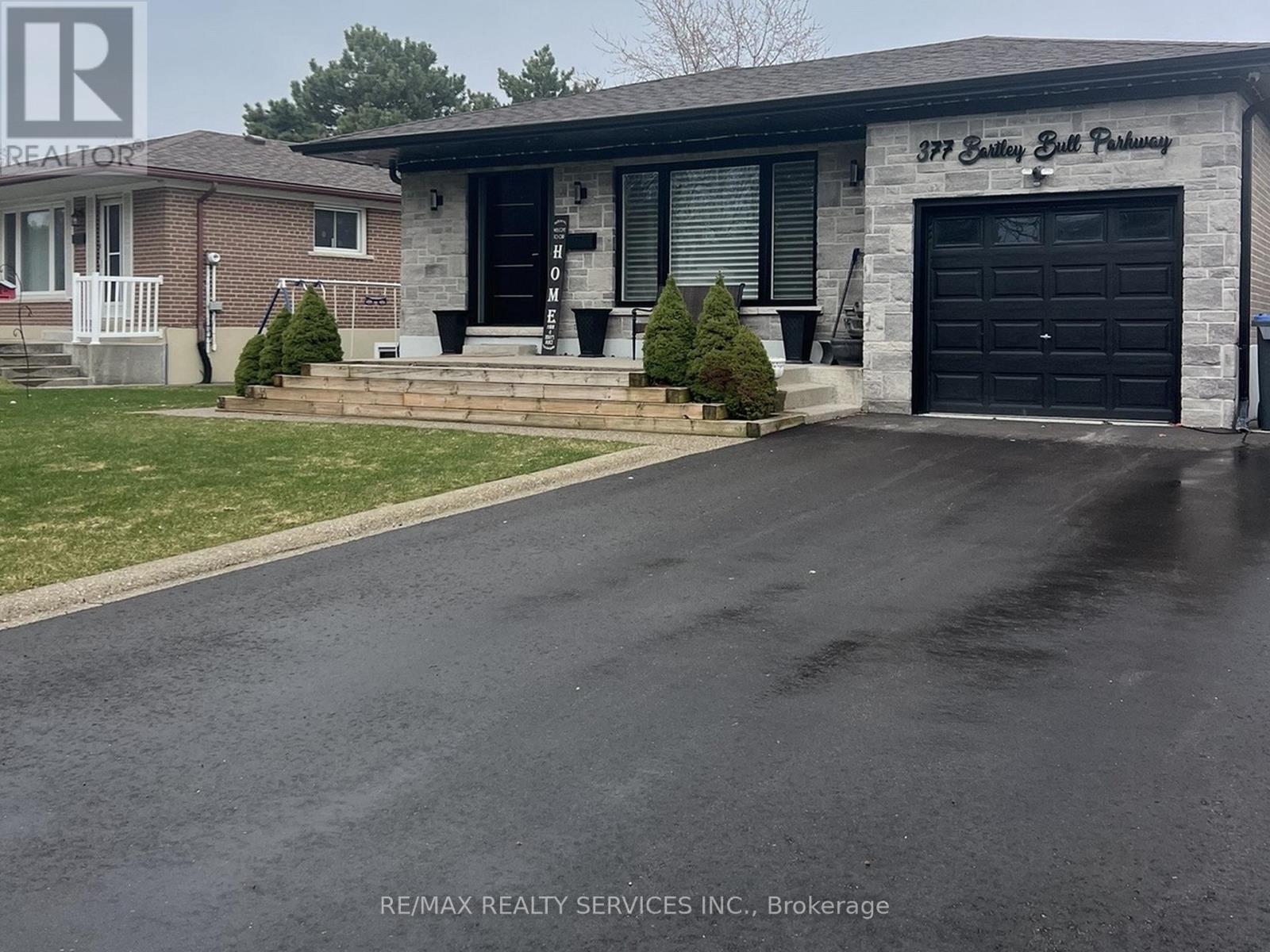
Bungalows in Brampton East are increasingly targeted for renovation or redevelopment. A wide bungalow on a 50-foot lot can be converted to a two-storey detached through a top-up, or severed where lot size permits. These opportunities attract developers and renovation-focused buyers who can recognise the land value underneath an original condition home. Townhouses and condos are not a significant part of this neighbourhood’s inventory.
The market in Brampton East has been consistently active because the buyer pool is broad: families who want to live in the South Asian community, buyers who value established housing over new builds, investors targeting the rental market, and move-up buyers from other Brampton areas. Multiple-offer situations on well-priced detacheds are common even in softer market conditions, because the supply of quality homes in this area is genuinely limited.
Investors are active here. The basement apartment market is strong, with many homes having established lower-level suites that generate $1,200 to $1,800 per month in rental income. That income support helps buyers qualify for mortgages and makes the purchase math more manageable at current price levels.
The dominant buyer profile in Brampton East is a South Asian family, typically Punjabi or Sikh, buying either their first detached home or upsizing from a townhouse in another part of Brampton. Proximity to the Gurdwara network, the South Asian retail corridor, and the extended family and community networks of this area is often the primary reason buyers choose this neighbourhood over cheaper or newer alternatives. That cultural gravity keeps demand in Brampton East stable in ways that purely economic analysis would not predict.
A secondary profile is the renovation investor or developer who sees the wide-lot bungalows as redevelopment opportunities. With construction costs rising, many of these buyers are finding that renovating to expand is more cost-effective than knocking down and rebuilding, which keeps older original-condition homes in demand for reasons beyond their current livability.
The blocks along Kennedy Road and McLaughlin Road have the best transit access and the most commercial noise, and they tend to attract buyers who are transit-dependent and willing to accept the corridor exposure. The interior streets, particularly those further north toward Bovaird Drive, are quieter and more residential in character with larger lot sizes. The blocks closest to Bramalea City Centre, reachable via Kennedy Road, have the most urban convenience. There is no weak pocket in Brampton East — variation is between condition of individual homes and proximity to the commercial corridors.
Highway 410 is the primary highway for Brampton East residents, providing north-south access that connects to the 401 corridor in the south and Highway 10 toward Caledon in the north. Kennedy Road serves as a north-south surface arterial. Bramalea GO Station on the Kitchener line is accessible from this neighbourhood, typically a five to ten minute drive, and provides downtown Toronto access in roughly 55 to 65 minutes. Brampton Transit routes along Queen Street and Kennedy Road serve the area, with the 501 ZUM Queen connecting to Downtown Brampton and the broader transit network. This is a reasonably well-served neighbourhood by Brampton standards for transit-dependent commuters.
Brampton East has a network of neighbourhood parks built into the residential fabric during the 1970s and 1980s planning. Professor’s Lake Recreation Centre and the lake itself are within a reasonable drive and provide the main significant outdoor amenity for this part of Brampton. The lake has a beach, fishing, and winter skating. Several smaller parks within the neighbourhood are actively used for soccer, children’s play, and community gathering, particularly by the South Asian families whose cultural events often extend into public green space during summer months.
Bramalea City Centre is the retail anchor for Brampton East, offering all major Canadian retailers, grocery, and a food court. The Kennedy Road and Queen Street East commercial strips are heavily oriented toward South Asian retail: grocery stores like Oceans Fresh Food Market and Punjab Superstore, dozens of Indian restaurants, sweets shops, and South Asian professional services. For residents whose food and household shopping aligns with this retail mix, Brampton East offers a practical day-to-day convenience that is difficult to match elsewhere in the GTA at similar housing prices.
Brampton East is served by the Peel District School Board (PDSB) and the Dufferin-Peel Catholic District School Board (DPCDSB). The main PDSB secondary schools serving this area are Chinguacousy Secondary School and Turner Fanshawe Secondary School, both of which draw from the broader northeast Brampton area. On the Catholic side, Cardinal Ambrozic Catholic Secondary School serves students from this neighbourhood. Elementary schools in Brampton East are well-established and serve diverse communities, with strong ESL programming reflecting the neighbourhood’s immigrant and first-generation population.
Brampton East is a fully built neighbourhood and will not see large-scale new development. The changes coming are infill: lot severances where oversized bungalow properties are divided, additions and second-storey pop-ups on single-storey homes, and garden suites as the City of Brampton’s as-of-right permission takes effect. The broader investment in Brampton’s transit network, including the 407 Transitway West planning with a Bramalea station option, could eventually improve east-west transit connections near this neighbourhood. The Bramalea GO station upgrades and service improvements on the Kitchener line are ongoing and will incrementally improve the commute experience for residents who use the GO.
Q: Is Brampton East a good area to buy for South Asian families?
A: Brampton East is one of the most well-established South Asian residential communities in Canada, with Punjabi and Sikh families who have been here for two and three generations. The community infrastructure is genuine and deep: multiple Gurdwaras, South Asian grocery stores, restaurants, community centres, and a social network that newcomers to the community can plug into. For families whose daily life, religious practice, and social connections are rooted in this community, Brampton East is not just convenient, it is difficult to replicate anywhere else in the GTA at a comparable price point. The premium over other Brampton areas is real but so is the community value.
Q: What is the rental market like for basement apartments in Brampton East?
A: The basement apartment rental market in Brampton East is consistently strong. A two-bedroom finished basement with a separate entrance typically rents for $1,400 to $1,800 per month depending on size, condition, and parking. One-bedroom units rent for $1,100 to $1,400. The tenant pool is deep, drawing from both the South Asian community and from workers at the nearby employment areas. Many homes in Brampton East have established suites, and buyers should factor the income potential into their purchase analysis. Buyers purchasing a home specifically to live upstairs and rent below should confirm the suite meets current building code and zoning requirements, as some older suites were created without permits.
Q: How does Brampton East compare to other Brampton neighbourhoods for price and value?
A: Brampton East sits above the city average at roughly $1.1 million average sold price in early 2026, compared to the Brampton-wide average of approximately $895,000. The premium reflects the quality of the housing stock, the lot sizes, the transit access to Bramalea GO, and the community character. For buyers who do not specifically value the South Asian community aspect, there may be comparable or better value in areas like Heart Lake West, Fletcher’s Meadow, or Sandringham-Wellington, which offer modern construction and similar price points. For buyers who value what Brampton East specifically offers, the premium is generally justified by the fundamentals.
Q: What should I look for in a home inspection in Brampton East?
A: Homes in Brampton East are primarily from the 1970s and 1980s, and the common issues in homes of that vintage are worth knowing before the inspection. Aluminum wiring appears in homes from the early 1970s and requires either replacement or connection devices that are acceptable to insurers. Older electrical panels, particularly fuse boxes and early breaker panels, often need upgrading. Poly-B plumbing appears in homes from the late 1970s through the 1990s and can be a concern for insurance coverage. Original windows and rooflines on unmaintained homes are often overdue for replacement. Basement water infiltration through original parging or block foundations is also common. None of these are reasons to avoid the neighbourhood, but each needs to be priced accurately into the offer decision.
Brampton East is one of those neighbourhoods where local knowledge matters more than the public listing data. The best homes sell quietly before they are widely listed, and knowing the difference between a home with genuine value and one that is coasting on community demand requires experience in this specific area. TorontoProperty.ca works with buyers across Brampton East. If you want to understand what your budget buys here, get in touch for a direct conversation.
Street-level knowledge is hard to find online. Our team works in Brampton East every day. They know which pockets hold value, where the school catchment lines actually fall, and what the market is doing right now. Talk to us before you make a decision about Brampton East.
Talk to a local agent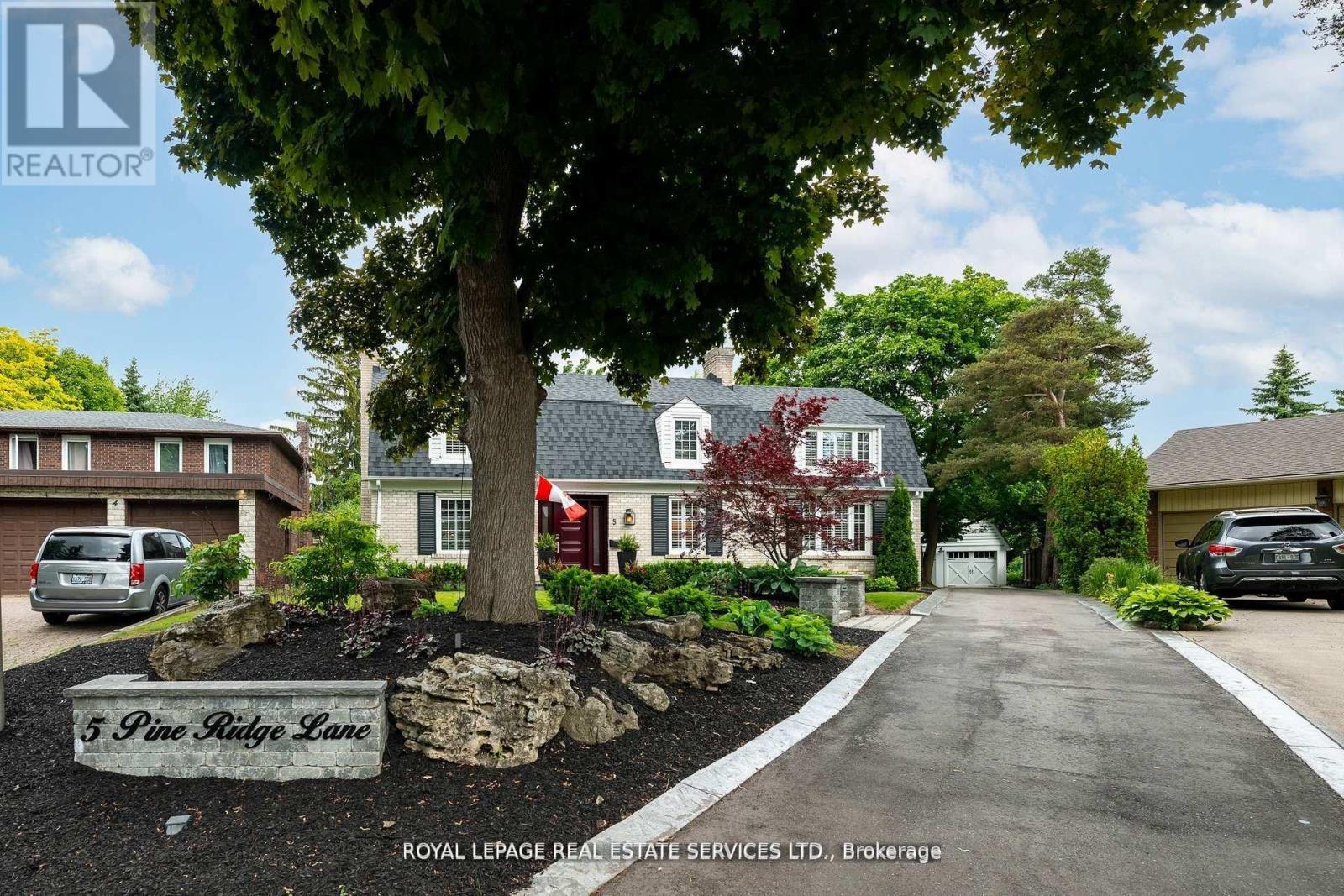 For Sale
 For Sale
 For Sale
 For Sale