
Brampton North is an established residential neighbourhood centred around the Highway 410 and Bovaird Drive corridor in central Brampton. Mix of 1980s and 1990s housing, good highway access, and proximity to Chinguacousy Park. Prices generally below the city average.
Brampton North covers the residential area north of downtown Brampton and south of Sandalwood Parkway, centred roughly on the Highway 410 corridor and the established streets that grew up around it in the 1980s and 1990s. This is mid-vintage Brampton: past the post-war bungalow era of the south end, not yet the post-2000 subdivision era of the northwest. The housing stock carries the hallmarks of the period, with two-storey detacheds on modest lots, attached garages, and the kind of builder-grade construction that has aged reasonably well where owners have maintained it.
The area has a practical, functional character. It is close to Highway 410, which connects south to the 401 and north toward Caledon, and it has access to Chinguacousy Park, one of Brampton’s largest and most used municipal parks, which provides a significant recreational amenity. The commercial strips along Bovaird Drive and Queen Street serve most daily needs. It is not a glamorous address but it is a sensible one for buyers who want to own a full detached house in a complete neighbourhood at a price below the Brampton average.
Brampton North offers detached homes in the $850,000 to $1.1 million range as of early 2026, with variation based on size, lot, and condition. Semi-detached homes and older townhouses are present in smaller numbers and list from $750,000 to $880,000. The neighbourhood generally trades below the Brampton city average, which reflects the age and modesty of the housing stock rather than any problem with the location. Buyers who want a full detached house and a complete neighbourhood at a lower entry point than Brampton East or the newer subdivisions will find Brampton North worth considering.
Homes here are predominantly 1,500 to 2,200 square feet above grade, with finished or partly finished basements. Many have had kitchen and bathroom updates from the 2000s renovation era. Original condition homes that have not been updated since the 1990s do appear on the market and represent renovation opportunities for buyers who can budget those costs accurately.
The market in Brampton North is steady without being hot. Turnover is driven by the natural movement of long-term residents, and the neighbourhood does not attract the speculative investor activity that some of the newer or more culturally concentrated parts of Brampton see. Well-priced homes sell in 20 to 30 days. Overpriced listings can sit for 60 days or more before being reduced. First-time buyers and move-up buyers from condos or rental are the primary demand driver, alongside some investors who see the below-average price point as an entry to the Brampton rental market.
Buyers in Brampton North are typically families or couples who prioritise affordability within a complete neighbourhood. The demographic is mixed, reflecting broader Brampton diversity, with South Asian, Caribbean, and Filipino families well-represented alongside long-term White Canadian residents who have been in the neighbourhood since it was built. The community character is functional and neighbourly without the strong cultural concentration of areas like Brampton East or Sandringham-Wellington. For buyers who want to be in a diverse but not predominantly ethnically concentrated community, Brampton North fits that description.
The streets between Bovaird Drive and Sandalwood Parkway to the north are the more sought-after pockets of Brampton North, slightly newer in construction and with better access to the Sandalwood Parkway commercial strip. Streets closer to the older downtown core to the south have smaller lots and more varied housing quality, but also closer proximity to transit and the GO station. There is no dramatically weak pocket in Brampton North. The variation is between streets with more or less tree cover and between homes of different vintage and condition.
Highway 410 is the main highway artery for Brampton North, with quick access to the 401 to the south and Highway 10 toward Caledon to the north. Bovaird Drive carries the 505 ZUM Bovaird rapid transit route, connecting west to Mount Pleasant GO Station. Brampton Transit routes on Main Street and Queen Street provide north-south connections to Downtown Brampton and the broader network. Brampton GO Station is accessible from this neighbourhood, providing Kitchener line service to Union Station in roughly 55 to 65 minutes. For transit-dependent commuters, Brampton North is reasonably served by Brampton standards, though better than the far northwest areas of the city.
Chinguacousy Park is the standout recreational amenity for Brampton North. It is one of the city’s largest parks, covering over 120 acres with sports fields, an outdoor skating rink, a splash pad, picnic facilities, and seasonal event programming including the annual Carabram cultural festival. The park is within easy cycling or driving distance of most of Brampton North and is heavily used year-round by families from across the surrounding communities. Neighbourhood parks within Brampton North provide smaller-scale green space for daily use.
The commercial strips along Bovaird Drive and Sandalwood Parkway serve most everyday needs. These include groceries, pharmacies, banks, and restaurants. The retail is diverse in the way that Brampton commercial strips generally are, with South Asian grocery options, Caribbean food, and mainstream Canadian retailers coexisting on the same blocks. Bramalea City Centre is a 10 to 15 minute drive and covers major retail categories. Trinity Common Mall at Torbram and Sandalwood is closer and includes a Canadian Tire, grocery, and additional retail.
Brampton North is served by the Peel District School Board and the Dufferin-Peel Catholic District School Board. The main PDSB secondary school for this area is Brampton Centennial Secondary School, one of the city’s larger secondary schools with a full program offering. On the Catholic side, St. Thomas Aquinas Catholic Secondary School serves students from this neighbourhood. Elementary schools in the area were built to serve the 1980s and 1990s residential growth and are well-established institutions with experienced staff and diverse student populations.
Brampton North is fully built out and will evolve through infill and intensification rather than new subdivision development. The Bovaird Drive corridor is a candidate for higher-density intensification as Brampton pursues its provincial housing targets, and some redevelopment of older commercial properties along Bovaird is possible over the next decade. The ZUM Bovaird route creates the transit context for that kind of corridor intensification. Near-term changes are modest, but the long-term trajectory for established corridors with transit is toward more density and more urban services.
Q: How does Brampton North compare to Northwest Brampton for value?
A: Brampton North offers older housing stock at lower prices than Northwest Brampton, where newer construction commands a premium. A detached home in Brampton North that lists for $900,000 would cost roughly $1.0 million to $1.1 million in comparable size in Northwest Brampton. The trade-off is that Northwest Brampton homes are newer, often larger, and have modern layouts and finishes. Brampton North homes are smaller on average but sit in a complete neighbourhood with established schools, transit, and park infrastructure, whereas some parts of Northwest Brampton are still working through the development of those services. For buyers who value lower entry cost and established neighbourhood character, Brampton North is the better choice. For buyers who prioritise new construction and modern layouts, Northwest Brampton makes more sense.
Q: Is Brampton North good for families?
A: Brampton North is a practical neighbourhood for families. The schools are established, the parks including Chinguacousy are excellent for children, and the neighbourhood has a quiet residential character that works well for families with young children. Transit access is reasonable for parents who commute by GO or Brampton Transit. The housing stock suits the extended-family model that many Brampton buyers prefer, with basements that can be used for grandparents or adult children. The neighbourhood is not as culturally specific as some parts of Brampton, which some families see as an advantage and others do not.
Q: What are the commute options from Brampton North to downtown Toronto?
A: Brampton North residents typically use one of two commute routes. By car, Highway 410 south to the 401 east to downtown Toronto takes 60 to 90 minutes in peak traffic. By GO train, the closest station is Brampton GO on the Kitchener line, reachable by Brampton Transit bus or a short drive, with trains running to Union Station in approximately 55 to 65 minutes. The GO option is meaningful for daily commuters and avoids the driving stress, though the connection from the neighbourhood to the station adds 15 to 20 minutes to the total trip time. For buyers who are daily downtown commuters, Brampton North is workable but not as convenient as living within walking distance of the GO station itself.
Q: Are there basement apartments available to rent in Brampton North?
A: Yes. Many homes in Brampton North have established basement suites or in-law apartments that rent at $1,100 to $1,600 per month depending on size and finish. The rental market here is active and tenants are relatively easy to find given the neighbourhood’s accessibility to transit and employment. Buyers purchasing a home in Brampton North who plan to use a basement rental income to help service the mortgage should verify the existing suite meets building code, has proper egress, and complies with the city’s secondary unit requirements before relying on that income in their financial planning.
Brampton North is a neighbourhood where the gap between listed price and actual value is worth analysing carefully before making an offer. Some homes here are genuinely priced well. Others are carrying premiums that reflect seller expectations rather than market evidence. A buyer’s agent who pulls the actual sold comps and can walk through the neighbourhood with you makes a real difference in avoiding an overpay. TorontoProperty.ca covers Brampton North. Get in touch for an honest look at what is available at your budget.
Street-level knowledge is hard to find online. Our team works in Brampton North every day. They know which pockets hold value, where the school catchment lines actually fall, and what the market is doing right now. Talk to us before you make a decision about Brampton North.
Talk to a local agent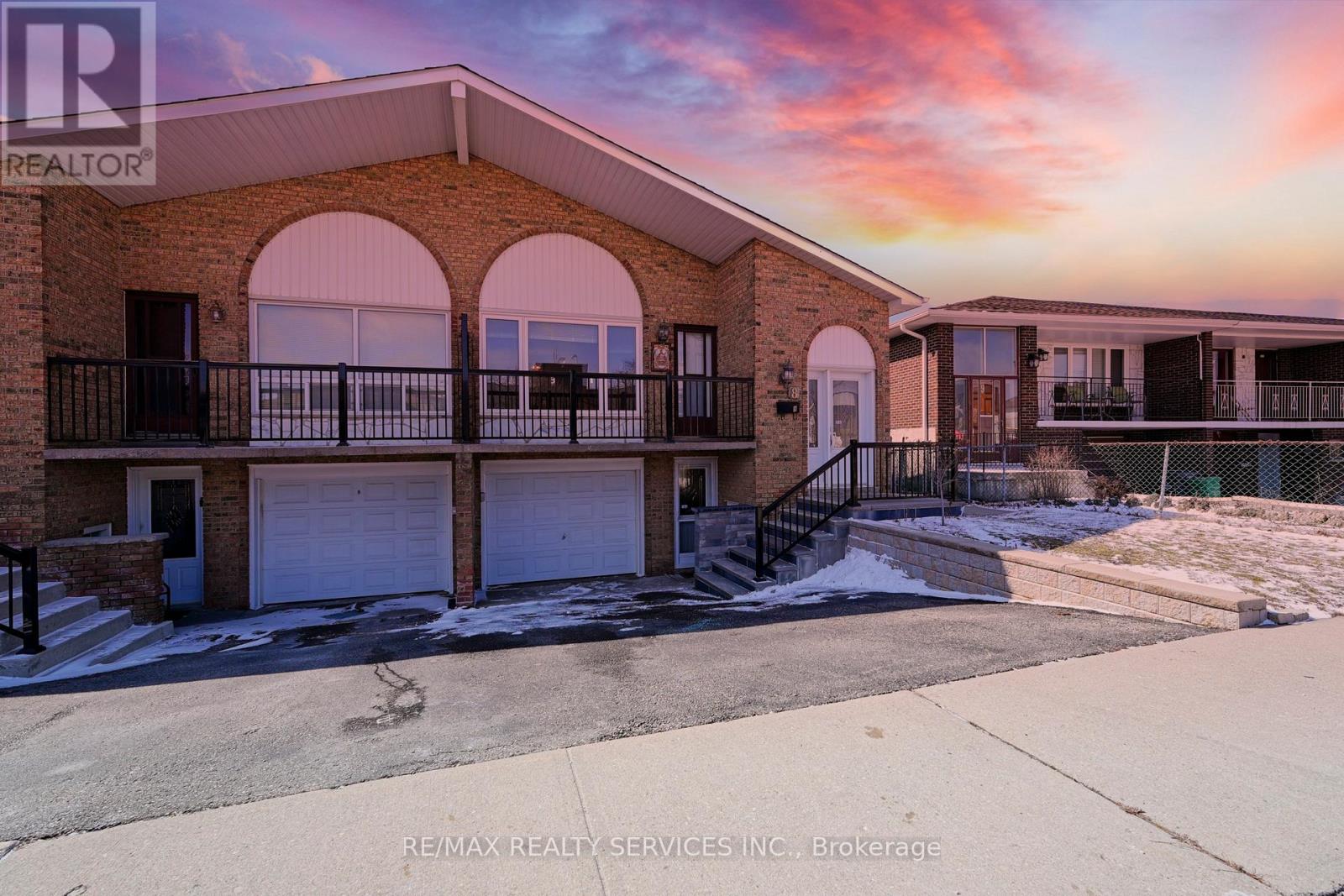 For Sale
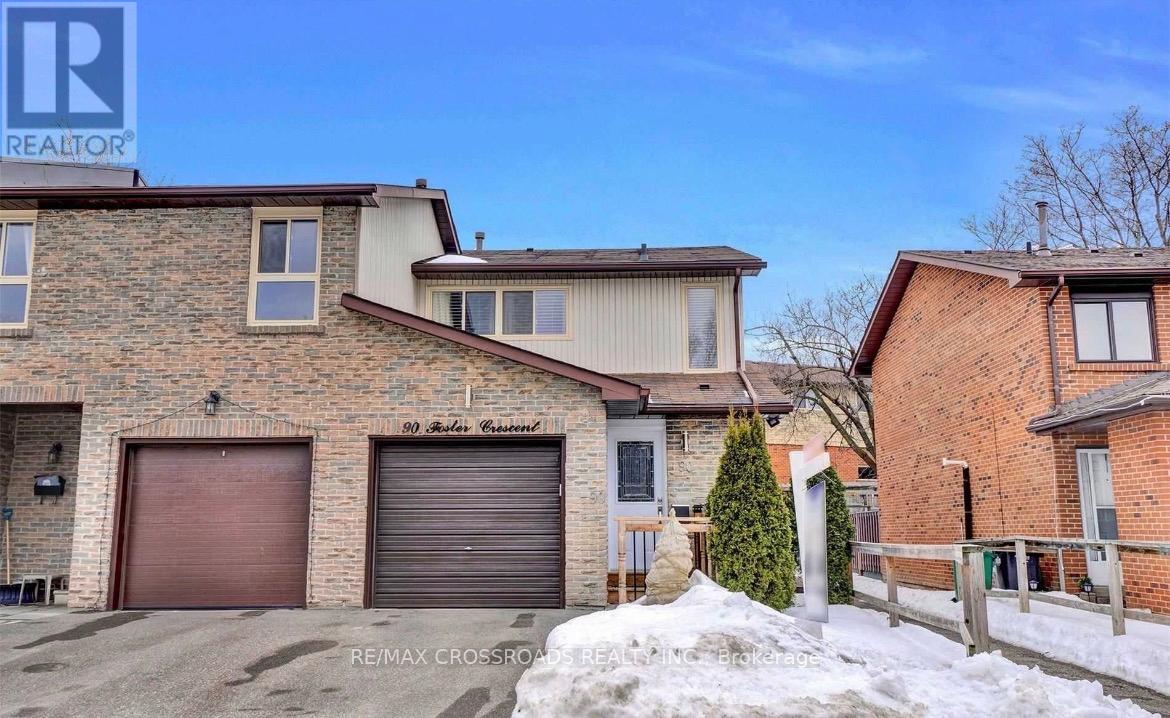 For Rent
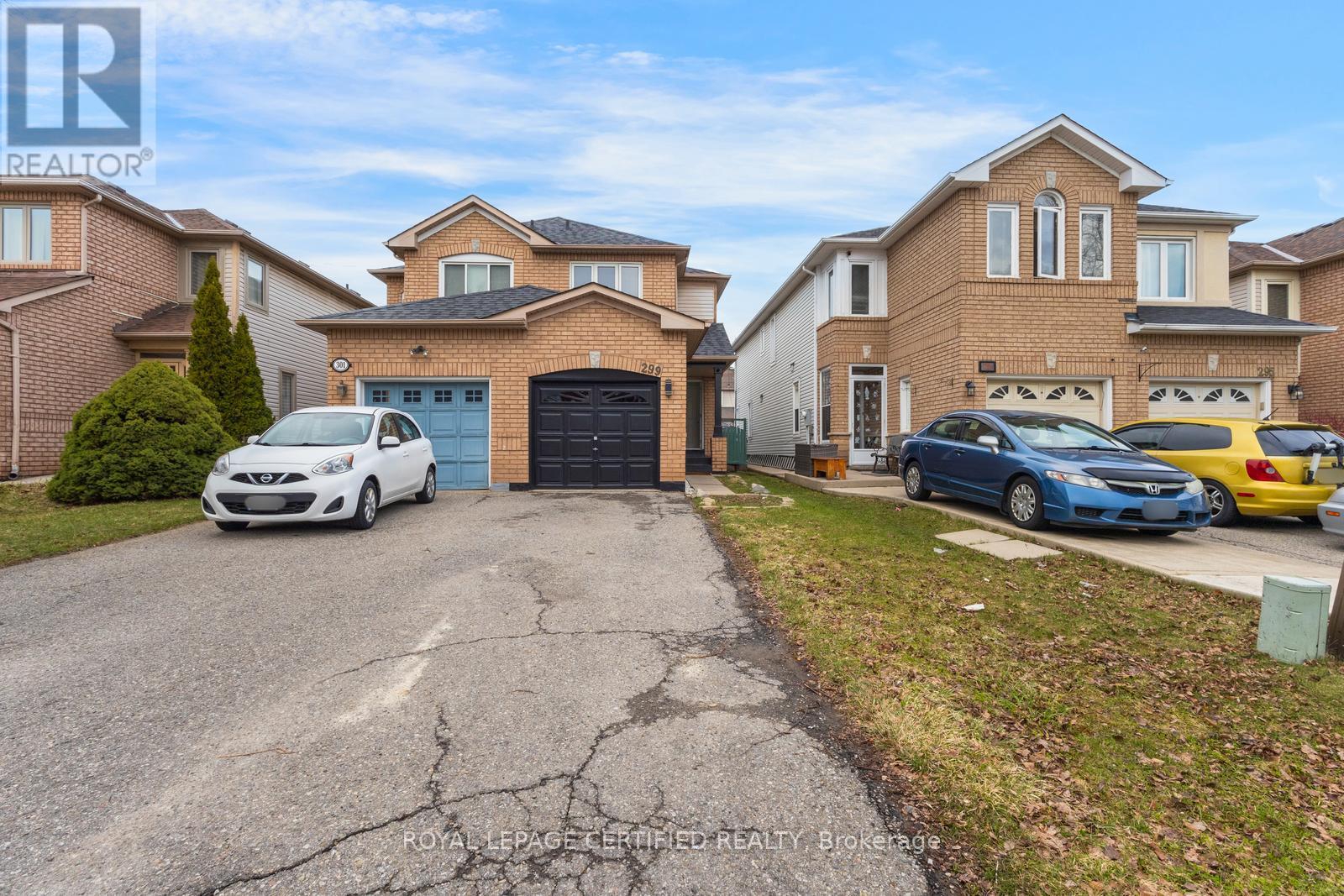 For Sale
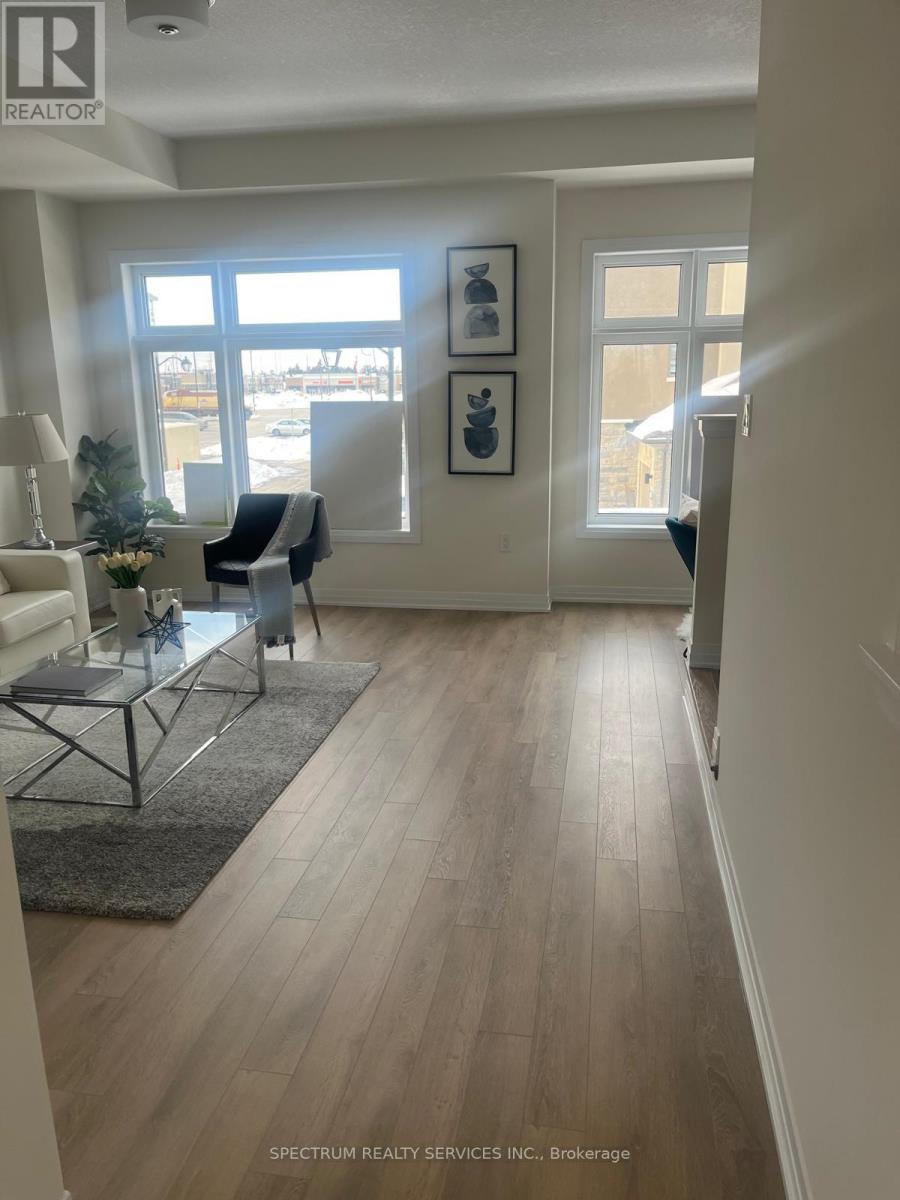 For Sale