
Brampton South sits at the city edge with Mississauga, anchored by Steeles Avenue to the south and Highway 410 through its middle. Older detached homes on generous lots, strong GO Train access, and prices that run well below comparable Mississauga product make this a consistent draw for family buyers and investors.
Brampton South sits at the city’s edge with Mississauga, anchored by Steeles Avenue to the south and Highway 410 running through its middle. It’s one of those neighbourhoods that reads as thoroughly suburban but rewards the buyer who takes the time to look closely. The housing stock dates mostly from the 1970s and 1980s, which means larger lots than you’d get in newer Brampton developments, mature tree canopy on the residential streets, and the kind of established neighbourhood rhythm that newer planned communities are still building toward.
The area has a working character. Families who’ve been here for two and three decades, newer arrivals drawn by relative affordability compared to Mississauga just across the street, and a growing South Asian and Caribbean community that has reshaped the commercial strips along Steeles and Kennedy Road South. It’s diverse in the way that Brampton’s inner neighbourhoods tend to be, without the self-consciousness about it that you find further south in Mississauga.
Bramalea City Centre, one of the larger regional malls in the GTA, sits a short drive north and serves as a practical anchor for the area. GO Brampton station is accessible along the Kitchener line corridor, giving residents a real option for downtown commuting. Highway 410 connects north into the rest of Brampton and south toward the 401 and beyond. The transit infrastructure here is better than the area’s reputation suggests.
What makes Brampton South worth understanding is the gap between perception and value. Because it sits in the older, less celebrated part of the city, prices run meaningfully below comparable family housing in northern Brampton or across the Mississauga border. For a buyer willing to invest in an older home or buy already updated, the entry points are among the more accessible in the whole GTA corridor.
Detached homes in Brampton South traded in a wide band through 2024 and into 2025, with the majority of sales landing between $850,000 and $1,050,000 depending on lot size, updates, and position within the neighbourhood. Bungalows on larger lots have been pulling attention from buyers who see renovation or lot-severance potential, with several examples clearing $950,000 in competitive situations. Standard two-storey detached homes in original or lightly updated condition tend to come in lower, often in the $850,000 to $950,000 range.
Townhomes and semi-detached properties fill in a more accessible tier. Semis have been moving in the $720,000 to $830,000 range, and freehold townhomes in the $680,000 to $770,000 range depending on end-unit status and lot depth. These numbers represent meaningful value relative to comparable product in Mississauga, where the same property type often costs $100,000 to $150,000 more for a similar interior and lot.
The 2024 correction that softened much of the GTA market gave buyers in Brampton South more leverage than they’d had in years. Days on market stretched out, conditional offers came back, and sellers adjusted expectations. That dynamic has partially reversed in early 2025, with spring inventory drawing more buyer activity, but the froth of 2021 and 2022 has not returned. It remains a market where patient buyers find opportunities, particularly on homes that need cosmetic updating and have sat past their initial list date.
Rental demand in the area is strong, driven partly by proximity to the employment corridors along Steeles and the 410, and partly by the large population of newcomers and young families who aren’t yet in a position to buy. Investors acquiring detached homes with basement suites are typically capturing gross yields in the 4.5 to 5.5 percent range, with the basement unit providing meaningful offset to carrying costs. This dual-income structure has made larger lots with separate-entry basements particularly competitive at offers.
Brampton South’s market behaves differently from the newer northern subdivisions because its inventory profile is different. Older homes on larger lots don’t turn over as frequently, and when they do, they often arrive in conditions ranging from original-and-tired to fully renovated. This creates a wider price spread per street than you’d see in a newer community where every house started from the same builder model. That spread is a feature for buyers who can accurately read what a renovation will cost and what a finished product will be worth.
Sales activity through 2024 tracked closely with the broader Brampton pattern: a slow first half as higher interest rates compressed buyer confidence, followed by a more active second half as the Bank of Canada began cutting and pre-approved buyers who’d been waiting moved. The Steeles corridor consistently draws both end users and investors because of its rental yield profile, and multiple-offer situations on well-priced entry-level detached homes have returned in selected pockets.
The market here is also influenced by Mississauga overflow. Buyers priced out of comparable neighbourhoods just across the border — Malton, Meadowvale, Applewood — look to Brampton South as the logical next option. This cross-border comparison shopping is a consistent feature of the buyer pool and provides a floor under prices that might otherwise soften further. As long as the Mississauga-side premium holds, Brampton South retains its relative value proposition.
Listing agents working this area consistently note that condition and presentation matter more here than in newer subdivisions. Buyers are comparing properties across a wide age and condition range, so a home that shows well commands a premium that a comparable home in poor condition won’t approach. Updated kitchens, finished basements, and newer mechanical systems are the three upgrades that reliably compress days on market and support higher prices in this particular neighbourhood.
The buyer coming to Brampton South is usually one of three types. The first is the family upgrading from a condo or townhome in Mississauga or west Toronto who needs more space and is willing to trade neighbourhood cachet for square footage and a lot. These buyers are typically in their mid-thirties, have one or two children, and are buying their forever-for-now home with a five to ten year horizon. They care about school quality, commute time, and whether the neighbourhood feels safe and maintained.
The second buyer type is the investor, usually someone already holding one or two GTA properties who’s looking for rental yield with long-term appreciation as a secondary goal. They’re attracted by the basement suite potential, the strong rental demand, and the relatively low entry point compared to comparable Mississauga stock. These buyers move quickly when a property is priced correctly and typically waive conditions in competitive situations, which means they sometimes beat out the family buyer on desirable properties.
The third type is the buyer moving from Mississauga or Brampton’s older west end who grew up in this part of the GTA and wants to stay. These tend to be second-time buyers who understand the neighbourhood intimately, have family nearby, and have a clear sense of which streets they want to be on. They’re less price-sensitive on specific properties and more focused on location within the neighbourhood. This buyer type often acts quickly and decisively when the right property appears.
New Canadians represent a meaningful portion of the buyer pool throughout Brampton South. Many are purchasing their first Canadian home after renting, and the South Asian and Caribbean communities that make up a large share of the area’s population have established the kind of neighbourhood support networks — temples, community organizations, cultural businesses — that make the area a natural destination for newcomers from the same backgrounds. This community infrastructure is a genuine draw and contributes to both demand stability and neighbourhood cohesion.
The residential streets south of Bovaird and north of Steeles, running roughly between Highway 410 and Kennedy Road South, form the core of what most people mean when they say Brampton South. Streets like Hansen Road North, Torbram Road, and the residential crescents feeding off Dixie Road South contain the older detached stock that defines the neighbourhood’s housing character. Lot depths here tend to be generous by GTA standards, and the mature trees on many blocks give streets a settled quality that newer subdivisions lack entirely.
The Kennedy Road corridor is a useful dividing line. East of Kennedy the neighbourhood transitions toward Bramalea proper, with its own distinct character and history. West of Kennedy and running toward the 410 corridor is where you find the more consistently residential character that defines Brampton South as most buyers understand it. This western pocket has seen more consistent investment from homeowners and tends to show slightly better on-street than the areas closer to the Steeles commercial strip.
Steeles Avenue itself is not a residential street, but it’s worth understanding for buyers because proximity to it affects both convenience and noise. Properties backing onto or adjacent to Steeles carry a small discount relative to interior residential streets, but they also offer easier access to the extensive commercial strip that runs along Steeles between Kennedy and the 410. For buyers who do most of their errands by car, this tradeoff is often acceptable.
The streets closest to the Highway 410 interchanges at Steeles and Bovaird are worth knowing. They’re not quiet neighbourhood streets, but they’re priced accordingly and they offer genuine access advantages. A buyer who doesn’t mind highway adjacency and is focused on commute flexibility will find that these pockets price meaningfully below the interior residential streets despite being functionally convenient. The gap between what these properties cost and what comparable properties a few streets deeper sell for often represents the best value in the neighbourhood.
Highway 410 is the defining transit infrastructure for Brampton South. It runs directly through the area, connecting south to the 401 at Mississauga and north through the rest of Brampton toward Caledon. For car-dependent commuters, this is a significant advantage: the 401 is reachable in under fifteen minutes in non-peak conditions, putting downtown Mississauga and the western GTA employment corridor within realistic daily commuting range. The 410 also connects to the 407 ETR to the north for buyers whose employment is distributed across the 400-series highway network.
Brampton Transit runs multiple routes along Steeles Avenue East and West, connecting the neighbourhood to Bramalea City Centre terminal, the Brampton GO station, and the broader Brampton network. The ZUM bus rapid transit service operates on Queen Street and Steeles, offering higher-frequency service than standard routes. For transit-dependent residents, the combination of ZUM and standard Brampton Transit routes makes the area reasonably well-served, though the service frequency on off-peak hours is a limitation compared to what you’d find in Mississauga’s Transitway corridor.
GO Transit access is the area’s strongest transit feature for downtown commuters. Brampton GO station on the Kitchener line sits within reach, providing direct service to Union Station in approximately 35 to 45 minutes during peak hours. This connection is what makes Brampton South viable for buyers who work in the financial core but need to afford a detached home. The GO fare represents a real cost, but the housing savings relative to comparable product near the Yonge-University corridor are substantial enough that most commuters find the math works.
Highway 407 ETR provides an alternative for buyers whose employment is in the suburban employment corridors of Mississauga, Oakville, or Burlington. The tolls are a carrying cost to factor in, but the time savings on the 407 versus the 401 during peak hours are real and consistent. Buyers from industries where time is genuinely valuable often treat the 407 toll as a professional expense rather than a lifestyle luxury.
Chinguacousy Park, one of Brampton’s largest and most-used recreational spaces, is accessible from Brampton South via a short drive north. It offers skating, splash pads, a mini-train, and extensive green space that serves as a genuine community gathering point across seasons. For families with young children, the park’s programming calendar through Brampton Parks and Recreation is substantial and worth knowing about before buying.
The local green space network within Brampton South includes a number of smaller parks and trail connections that run along the creek corridors cutting through the area. These aren’t signature destinations, but they provide the everyday green infrastructure that matters to families: safe walking routes, places to kick a ball, spots where neighbours meet. The trail connections running north-south through residential pockets are particularly useful for families with children in multiple schools who need reliable pedestrian routes.
Professors Lake, just north of the neighbourhood boundary, is worth mentioning for buyers who care about accessible urban waterfront. The lake offers swimming, fishing, and a beach area that attracts significant local use in summer. It’s the kind of amenity that doesn’t show up prominently in a neighbourhood’s reputation but shapes the quality of warm-weather living in meaningful ways. A family within cycling distance of Professors Lake has a summer amenity that many GTA neighbourhoods lack entirely.
The sports fields and community recreation facilities in the area are well-maintained and consistently used. Brampton has invested in recreation infrastructure across the city, and the southern areas benefit from that investment even if the most prominent facilities are slightly north. Indoor arenas, community centres, and programmed sport facilities are all within a short drive. For hockey families and those with children in organized sport, the facility access in this part of Brampton is a genuine selling point.
Bramalea City Centre, located just north of the neighbourhood, is the primary retail anchor. It’s one of the larger enclosed malls in the GTA, with a full complement of national anchors, a food court, and the kind of destination retail that means most household shopping can be done without leaving the general area. For families running errands across multiple categories on a weekend, this concentration of retail is genuinely convenient in a way that smaller strip-mall dominated areas can’t replicate.
The commercial strip along Steeles Avenue serves the neighbourhood’s day-to-day needs. Grocery stores, pharmacies, banks, and the dense concentration of South Asian restaurants, grocery shops, and service businesses that characterize much of Brampton’s retail landscape are all represented here. If your cooking runs toward South Asian, Caribbean, or African cuisine, the ingredients and prepared food options along Steeles are as good as anywhere in the GTA outside of specific Mississauga and Toronto pockets.
Kennedy Road South provides a secondary retail corridor with a more local character. Independent businesses, food shops, and service providers make up the bulk of the offering here. It’s not a destination, but it’s the kind of walking-distance commercial street that makes a neighbourhood feel self-sufficient for regular needs without requiring a car for every errand.
Costco, IKEA, and the larger-format retail that families tend to use regularly are accessible via the 410 and Steeles. The concentration of big-box retail in the Brampton-Mississauga border area is genuinely useful, and Brampton South’s position at that border means residents can access both the Brampton retail concentration and the Mississauga options along Dixie Road and the 401 corridor without significant driving. It’s a retail position that is better in practice than it looks on a map.
The Peel District School Board and the Dufferin-Peel Catholic District School Board both operate schools throughout Brampton South. Public elementary schools in the area include Earnscliffe Senior Public School and several feeder elementaries serving the residential streets between Steeles and Bovaird. Catholic school options through DPCDSB serve the significant Catholic families in the neighbourhood, and both boards have been managing capacity issues that affect much of Brampton as population growth has outpaced school construction.
Secondary school options are anchored by Chinguacousy Secondary School and Bramalea Secondary School, both within reasonable distance for students in the area. Chinguacousy has a solid academic reputation and offers French Immersion pathways for families who want bilingual education through secondary school. Both schools have the extracurricular program depth that comes with large student populations, including competitive sports teams, arts programs, and co-op placements that connect to the employment corridors nearby.
French Immersion availability is a priority for a meaningful portion of the buyer pool in Brampton South. PDSB operates French Immersion at designated schools rather than at every neighbourhood school, and families should confirm their specific address’s catchment and the immersion pathway before buying if this is a requirement. The catchment boundaries in this part of Brampton have been subject to review as enrollment patterns have shifted.
Private schooling is an option for families who choose it, with several independent schools operating in Brampton and accessible Mississauga options for families for whom this is a priority. The cost differential between private tuition and the public system is significant enough that it affects housing budgets, and buyers planning private schooling typically adjust their housing spend accordingly. For the majority of buyers, the public system’s quality in this area is adequate for their needs and the Catholic system provides a meaningful parallel option.
Brampton South’s development pipeline is more modest than the north end of the city, where greenfield land has driven the majority of Brampton’s residential growth over the past fifteen years. The south end is essentially built out in terms of residential land, which means development activity here takes the form of infill, intensification along arterial corridors, and occasional lot severances on the larger residential properties that were common in 1970s-era Brampton.
The Steeles Avenue corridor is the focus of the most significant development attention. Brampton’s official plan identifies Steeles as a major intensification corridor, and medium-density residential development in the form of stacked townhomes and low-rise apartment buildings has been proposed and approved at several nodes along the strip. This densification is gradual rather than rapid, but it’s a long-term signal that the Steeles corridor will look meaningfully different in fifteen years than it does today.
The commercial areas around the 410 and Kennedy interchange have seen ongoing retrofit and redevelopment activity. Older industrial and commercial properties are being converted or redeveloped for mixed uses, and the City of Brampton’s economic development office has been active in attracting employment uses that can operate in this highway-adjacent context. For residential neighbours, employment intensification in these areas is generally neutral to positive in terms of property values, particularly if it reduces vacancy and improves the visual character of the corridors.
Infrastructure investment by the City and Region of Peel continues in the area, including road improvements along key arterials and stormwater management work in the creek corridors. These are not the kind of announcements that generate headlines, but they represent the ongoing maintenance investment that distinguishes well-managed suburban municipalities from those that have neglected infrastructure. Brampton’s infrastructure spending, while under pressure from rapid population growth, has generally kept pace in the southern established areas.
Q: How does Brampton South compare in price to similar neighbourhoods in Mississauga?
A: The short answer is meaningfully cheaper for comparable product. A detached home in Brampton South typically trades for $100,000 to $180,000 less than a similar home on the Mississauga side of Steeles Avenue in neighbourhoods like Malton or the Applewood area. The homes are often the same age, built by the same developers, and sitting on similar lot sizes. The price difference reflects the municipal address rather than the physical property. For buyers who are flexible about which side of the Brampton-Mississauga border they land on, this gap represents genuine purchasing power that can be redirected toward a larger home, a renovation budget, or mortgage paydown.
Q: Is there a GO Train option from Brampton South, and how realistic is it for downtown Toronto commuters?
A: Brampton GO station on the Kitchener line is the relevant option, accessible from the neighbourhood by car or Brampton Transit bus. From Brampton GO to Union Station takes approximately 35 to 45 minutes on peak-hour trains. Service frequency is better during rush hours than midday or evenings, and the GO fare adds a real cost to the commute budget. For buyers who work in the financial core, King West, or the PATH-connected office towers downtown, this connection is realistic and used by many Brampton South residents. The combination of a lower housing cost and a GO commute is a defined lifestyle trade-off, and for the right buyer it makes strong financial sense.
Q: What is the basement suite situation in Brampton South, and does it affect property values?
A: Many of the 1970s and 1980s detached homes in Brampton South have finished basements, and a significant number have been converted to rental units, either formally with permits or informally. Homes with legal basement apartments command a premium, typically $30,000 to $60,000 above comparable properties without rental income. For investors and buyers who want rental offset on their mortgage, this income stream is a genuine draw. Buyers planning to occupy a full detached home without a tenant should understand that many of the properties they view will have basement suites in place, and factoring in renovation costs to reclaim that space is part of the budget calculation.
Q: What should buyers know about the older housing stock before making an offer?
A: Homes built in the 1970s and 1980s carry specific inspection considerations that newer buyers sometimes underestimate. Knob-and-tube wiring is rare in Brampton South but aluminum wiring and older electrical panels are not. Poly-B plumbing (a flexible plastic pipe used in many 1980s homes) is present in a portion of the housing stock and represents a known replacement cost when found. Older HVAC systems, original windows, and aging rooflines are common in homes that haven’t been updated. A thorough home inspection from a qualified inspector familiar with this era of construction is not optional. The inspection cost is trivial relative to the repair bills it can prevent, and buyers who waive inspections on older homes are taking on risks that are difficult to price accurately without professional assessment.
Buying in Brampton South requires an agent who understands older housing stock. The inspection issues that come up on 1970s and 1980s homes — aluminum wiring, Poly-B plumbing, older panels, aging rooflines — are not dealbreakers, but they need to be priced accurately. An agent who hasn’t worked this era of Brampton housing will either underestimate repair costs or cause a buyer to walk away from a property that was actually sound. Neither outcome serves the buyer.
The neighbourhood’s price relationship to Mississauga is one of the best tools a skilled agent can use on behalf of a buyer. If you’re comparing properties on either side of Steeles and you’re not being shown that the Brampton South option saves $100,000 to $150,000 for comparable square footage and lot size, your agent isn’t doing their job. That comparison isn’t always the right call depending on your priorities, but it should always be on the table.
The investor market in Brampton South moves fast on well-priced properties with rental income potential. A buyer who needs a home inspection and financing condition — which is most buyers — needs an agent who can move efficiently on paperwork, communicate clearly with the listing agent about timelines, and present an offer that is competitive without being reckless. In a market where investors sometimes move without conditions, a buyers agent who can’t articulate the value of a conditional offer or negotiate effectively on your behalf puts you at a real disadvantage.
We work in Brampton South regularly. We know which streets warrant a premium and which are priced to account for noise or proximity to commercial uses. We know the inspection issues to look for in this era of housing, the schools, the transit options, and the price comparison to Mississauga that every serious buyer in this area should be running. If you’re considering a purchase here, reach out and we’ll give you an honest read on the current market before you make any commitments.
Street-level knowledge is hard to find online. Our team works in Brampton South every day. They know which pockets hold value, where the school catchment lines actually fall, and what the market is doing right now. Talk to us before you make a decision about Brampton South.
Talk to a local agent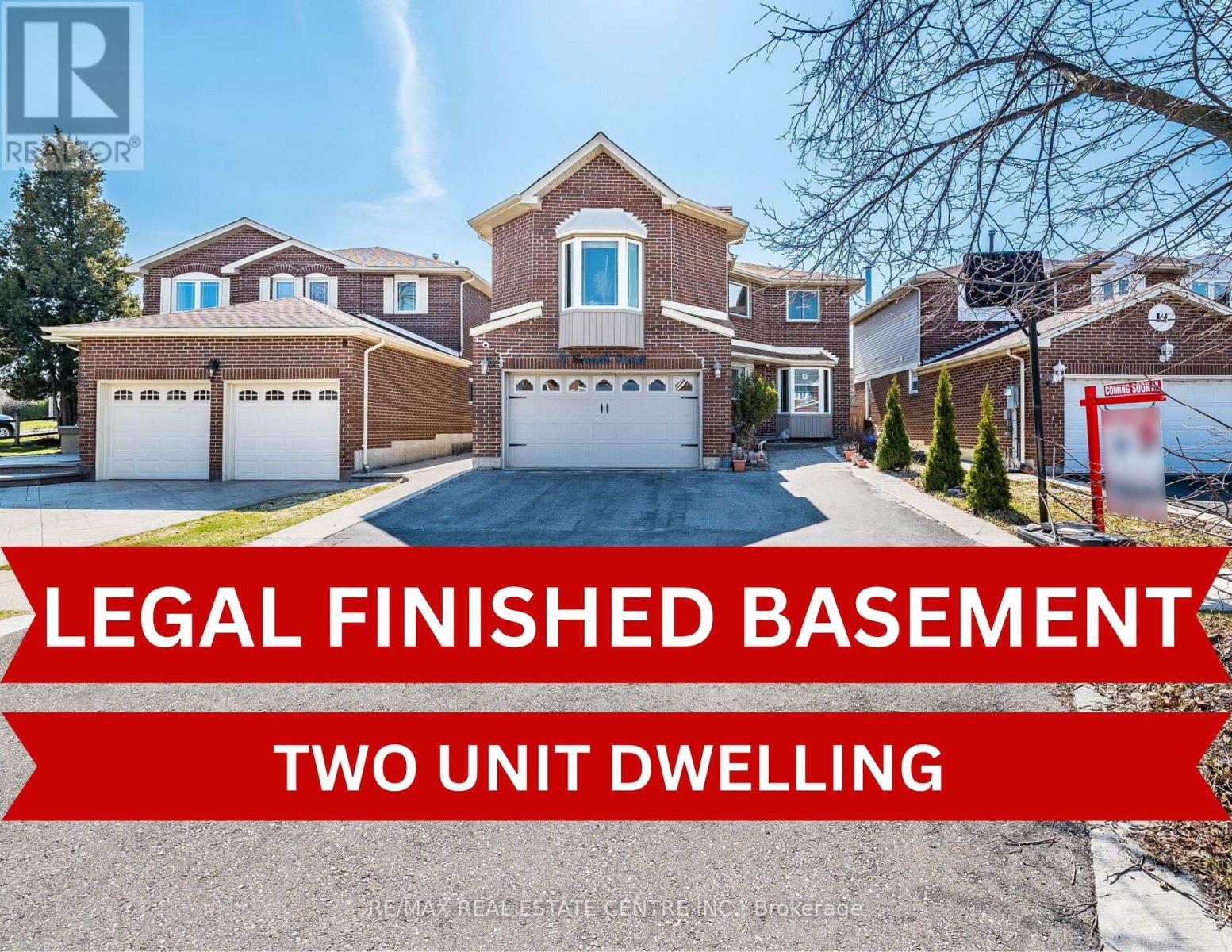 For Sale
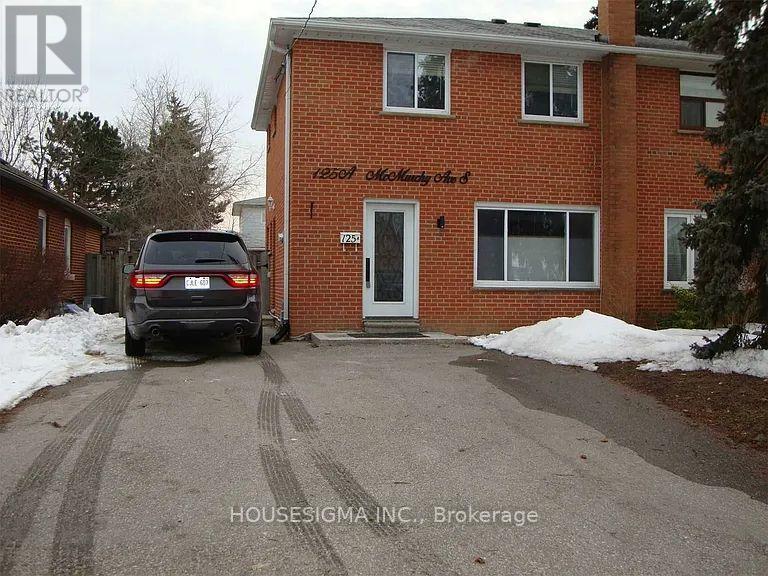 For Rent
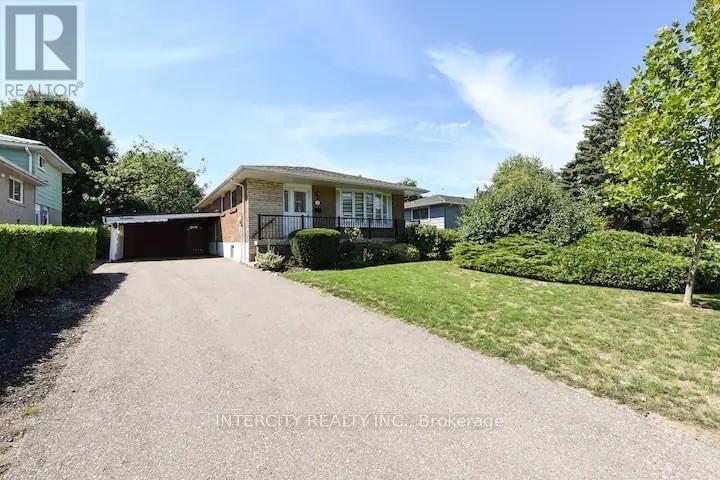 For Sale
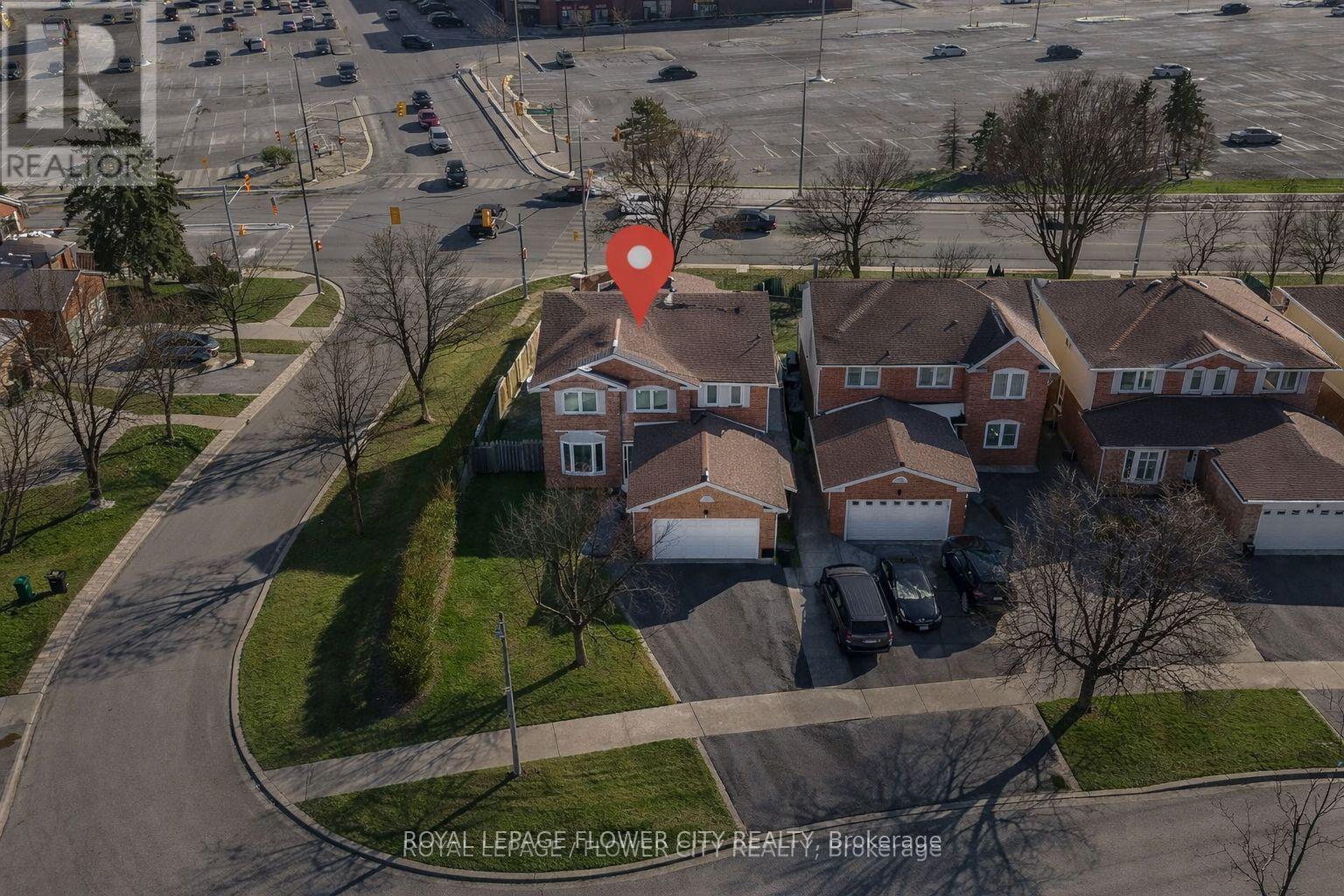 For Sale