
Brampton West runs along the Highway 10 corridor from downtown Brampton into the western expansion areas near Bovaird Drive. Older homes on large lots near the urban core, newer planned subdivisions further west, and strong access to Highway 410 and Brampton Transit ZUM.
Brampton West stretches along the Highway 10 corridor — known locally as Hurontario Street — north from downtown Brampton toward the outer edges of the city’s western expansion. It’s a neighbourhood that doesn’t have a single face. Parts of it are among the oldest established residential areas in the city, with housing from the 1960s and early 1970s on large lots with mature trees and decades of owner investment. Other parts reflect Brampton’s rapid growth over the past thirty years, with planned subdivisions from the 1990s and 2000s filling in the western expansion areas.
What ties the area together is the Hurontario corridor itself. Highway 10 is Brampton’s most important north-south artery, carrying the city’s commercial activity, transit routes, and redevelopment energy in a way that no other corridor in western Brampton matches. The commercial strip along Hurontario in the downtown-adjacent sections has genuine urbanism — real streets, heritage buildings, established businesses — while the sections further north transition to a more standard suburban arterial character with plazas and drive-throughs.
Highway 410 provides the east-west highway connection that the area needs for regional commuting. The 410 interchange at Bovaird Drive is the key access point for residents heading to the 401 or toward Caledon and Highway 400 to the north. This highway access, combined with the Hurontario corridor’s transit options, gives Brampton West commuters more options than many comparable suburban areas.
The buyer coming to Brampton West is typically looking at value within Brampton — older homes on larger lots for less than the premium northern subdivisions ask, or a well-located family home with access to the transit and commercial infrastructure that the Hurontario corridor provides. It’s a neighbourhood that rewards buyers who take the time to understand its geography rather than treating it as a single undifferentiated market.
Detached homes in Brampton West cover a wide price range because the housing stock itself is so varied. Older bungalows and two-storeys in the established sections along and near Highway 10 have been trading in the $850,000 to $1,000,000 range, with updated examples or properties on larger lots pushing higher. The newer subdivision homes further west, typically from the 1990s and 2000s, have been pricing in the $950,000 to $1,150,000 range depending on size and condition, as these tend to be larger homes on slightly smaller lots than the older stock.
Semi-detached homes represent a meaningful segment of the Brampton West market, particularly in the older established areas where semis were a common format in 1960s and 1970s residential development. These have been trading in the $730,000 to $850,000 range. Freehold townhomes, more common in the newer western sections, have been moving in the $680,000 to $800,000 range. Both property types have attracted buyers who need more space than a condo provides but are stretching to reach the detached market.
The Hurontario corridor has seen growing developer interest in higher-density residential, and while this hasn’t affected the established residential streets running east and west off Highway 10, it has begun to put upward pressure on prices for well-positioned properties that could appeal to both end users and developers watching for assembly opportunities. This dynamic is worth understanding for buyers, particularly those considering properties directly on or adjacent to Hurontario.
Market conditions through 2024 and into 2025 followed the broader GTA pattern: a softened first half with more inventory and buyer leverage, followed by tightening as rate cuts came through. Brampton West’s relatively accessible price points compared to the newer northern subdivisions have kept it steadily active, and it hasn’t seen the same degree of overbuilding that has created more acute price pressure in the high-growth areas of northern Brampton.
The Brampton West market has a dual character that experienced agents understand and inexperienced ones miss. The older established areas near Highway 10 and downtown Brampton trade on a different logic than the newer western subdivisions. In the older areas, buyers are paying for lot size, location, and the potential that comes with properties large enough to sever or significantly expand. In the newer subdivisions, buyers are paying for larger finished square footage on smaller lots in planned communities with more predictable physical character.
Activity levels in Brampton West have been relatively consistent through the market cycle because the neighbourhood serves a broad range of buyers and price points. Investor activity is present but less dominant than in some other Brampton markets, partly because the older homes command a renovation premium that makes straight yield calculations less attractive. The buyer pool here skews toward end users — families making long-term decisions about where to live — which tends to produce more stable price action than markets dominated by investor transactions.
The Highway 410 connection at Bovaird has been a significant factor in the western expansion areas. Access to the highway network from these subdivisions is direct and efficient, which has supported prices in the newer western sections even as commute costs have become a more prominent consideration in buyer decisions. Properties within a five to ten minute drive of the 410 entrance have consistently shown better days-on-market performance than comparable properties without this access.
Multiple offer situations returned to selected segments of Brampton West in spring 2025, particularly for well-priced detached homes in the $850,000 to $950,000 range that represent the accessible entry to the detached market. Above $1,100,000 the market has been more patient, with buyers taking more time and sellers needing to price carefully to move within a reasonable timeframe. The $950,000 to $1,100,000 range has been the most competitive segment, with inventory moving quickly when priced correctly.
Brampton West attracts a buyer profile that values the combination of established neighbourhood character and highway access. Families in their mid-thirties to mid-forties who have outgrown a condo or townhome and are ready for a detached home make up a consistent segment. These buyers often have children in or approaching school age, and they’re making a decision that will hold for five to ten years. They care about the quality of the residential streets, the school options, and how the community will feel for a family growing up in it.
Move-up buyers from within Brampton itself are a significant part of the market. A family that bought a townhome or semi in eastern or northern Brampton five years ago and has built equity is often looking at Brampton West as the next step — larger detached home, established area, better transit access. These local move-up buyers know Brampton’s geography well and move quickly when the right property comes up. They’re less likely to need education about the neighbourhood and more likely to have already identified specific streets or pockets they want to be on.
Highway 10’s transit corridor attracts buyers who work in Mississauga or whose employment is distributed along the Hurontario corridor. Brampton Transit’s ZUM service on Hurontario provides real transit access to Mississauga destinations, and for buyers who commute regularly into Mississauga’s employment areas, this is a genuine factor in neighbourhood selection. This group of buyers tends to be somewhat younger and more transit-aware than the broader Brampton buyer pool.
The older established sections of Brampton West near downtown attract a buyer who values walkability and urban character more than is typical in Brampton’s general market. Proximity to downtown Brampton’s amenities, the Rose Theatre, Garden Square, and the genuine neighbourhood texture of the old commercial streets makes the downtown-adjacent western residential areas appealing to buyers who want a less car-dependent lifestyle without paying Toronto prices. This buyer type is smaller in absolute numbers but consistent in demand.
The streets running east and west off Highway 10 between downtown Brampton and Bovaird Drive form the most established residential core of Brampton West. These tend to be shorter residential streets with bungalows, two-storeys, and semis from the 1960s and 1970s, many of which have been updated multiple times over the decades by successive owners. The lots are generally wider and deeper than what you find in post-1990 Brampton subdivisions, and the tree canopy on many blocks reflects sixty-plus years of growth. This is the pocket that attracts buyers who care most about physical neighbourhood character and lot quality.
The western expansion areas off Bovaird Drive West, particularly the subdivisions north and south of Bovaird between Highway 10 and roughly Creditview Road, represent the newer residential portion of Brampton West. Here the streets are planned crescents and courts with detached homes from the late 1990s through to the 2010s. The homes are larger in finished square footage than the older stock — typical two-storeys here run 2,000 to 2,800 square feet versus the 1,400 to 1,800 square feet common in 1970s builds — but on smaller lots. This area appeals to buyers who prioritize interior space over lot size.
Huttonville, a small historical community in the western reaches of this area, has a distinct character worth knowing. It sits along the Credit River and retains some heritage building fabric, though it’s largely surrounded by newer residential development on all sides. Properties in and adjacent to Huttonville attract buyers interested in the rural and heritage aesthetic within a suburban context, and they’re infrequently listed, which means significant competition when they do come up.
The streets north of Bovaird and west of Highway 10 represent the newest and most expensive residential sections of Brampton West, where builder homes from the 2000s and 2010s on planned streets have the most consistent physical presentation. These blocks are clean and well-maintained, and they appeal to buyers who want the predictability of a newer community. The trade-off is that you’re paying a premium for newer construction relative to what older stock in the same broad area provides.
Highway 10 (Hurontario Street) is the most important road in Brampton West and it shapes commuting decisions throughout the neighbourhood. North of Brampton, Highway 10 connects to Orangeville and Caledon. South, it runs through Mississauga all the way to Port Credit on Lake Ontario. For residents with employment distributed along this corridor — in Mississauga’s employment areas, or northward — Highway 10 provides a direct arterial route that doesn’t require highway ramps at all. In non-peak conditions it’s genuinely fast. In rush hour it congests, and buyers should drive it at commute time before deciding whether the corridor works for their specific employment location.
Highway 410 is the area’s controlled-access highway connection. The interchange at Bovaird Drive is the key entry point for western Brampton residents, providing access south to the 401 and north toward Caledon and eventually the 400. For downtown Toronto commuters, the 410 to the 401 to the Gardiner is a realistic if imperfect route in off-peak conditions. In peak hours, this route is genuinely congested and the GO Train becomes the more predictable option.
Brampton Transit’s ZUM service runs along Hurontario Street, providing higher-frequency bus rapid transit connection to the Brampton GO station and onward to the Mississauga Transitway. This route is one of Brampton’s better transit assets, with service frequency during peak hours that makes it a realistic daily commute option for transit-dependent residents. Regular Brampton Transit routes on Bovaird and the secondary arterials supplement ZUM service for residents not directly on the Highway 10 corridor.
GO Transit on the Kitchener line is accessible from Brampton GO station, a short drive or transit connection away for most Brampton West residents. Peak-hour service to Union Station runs in the 35 to 45 minute range. For buyers working in the financial core, this remains the most time-reliable downtown commute option. The combination of highway access, Brampton Transit ZUM, and GO connectivity gives Brampton West commuters genuinely more options than many comparable suburban addresses.
The Credit River valley is Brampton West’s most significant natural asset. The river runs through the western portions of the neighbourhood, and the Credit Valley Conservation trail system provides walking and cycling routes along the river corridor. For residents who use green space regularly, this trail network is genuine infrastructure rather than just a line on a map — it’s connected, well-maintained, and offers natural landscape within a few minutes of most addresses in the western part of the area.
Gage Park, just east in downtown Brampton, is technically outside Brampton West’s boundaries but serves as a practical green space anchor for residents in the eastern and central parts of the neighbourhood. It’s an established park with mature trees, a splash pad, a greenhouse, and regular programming through Brampton’s parks and recreation department. The park’s central location in the historic downtown makes it a gathering point for the broader western Brampton community in a way that newer suburban parks don’t replicate.
The local parks network within Brampton West’s residential areas includes numerous neighbourhood parks sized for children’s play and informal recreation. These are not destination parks, but they serve the daily function that families actually rely on — safe off-street space within walking distance for younger children. The planned subdivision areas in western Brampton have parks integrated into their designs, typically at the ends of crescents or along the central green corridors that many 1990s and 2000s subdivisions include as part of their layout.
Churchville, a small conservation-adjacent settlement in the western reaches of Brampton near the Credit River, provides a natural character that’s unusual in the broader Brampton suburban context. The Churchville Heritage Conservation District designation means the built character of this small community is protected. For residents who buy in its vicinity, this conservation proximity provides long-term assurance that the natural and heritage landscape won’t be replaced by subdivision development.
Downtown Brampton’s commercial core, centred on Queen Street and Main Street, is accessible from the eastern portions of Brampton West and provides a genuine urban retail and restaurant experience that distinguishes this part of Brampton from the purely suburban character of the northern growth areas. The downtown has independent restaurants, specialty shops, and the cultural amenities of the Rose Theatre and Garden Square. For residents who care about having a real downtown within reach, Brampton West’s proximity to the historic core is a meaningful advantage.
The Highway 10 commercial strip provides day-to-day retail along the main corridor. Grocery stores, pharmacies, banks, and the full range of service businesses line Hurontario from downtown through the northern portions of the neighbourhood. Major grocery chains and specialty food shops are both represented, and the South Asian food retail that characterizes much of Brampton’s commercial landscape is well-represented along this corridor. For residents whose daily grocery and errand needs can be met along Highway 10, car-free or low-driving routines are achievable in a way that is unusual for suburban Brampton.
The western expansion areas along and off Bovaird Drive have their own commercial nodes in the form of community-scale plazas. These provide grocery, pharmacy, and fast-casual food options within a short drive of the residential streets. They’re not urban retail in any meaningful sense, but they function well for families who do most of their shopping by car and want basic needs accessible without a highway drive. This type of retail infrastructure is standard for post-1990 Brampton subdivisions.
Bramalea City Centre and the retail concentration along Steeles Avenue East are accessible via Highway 410 for big-box and destination shopping. Shoppers World Brampton, a mid-size enclosed mall on Steeles Avenue West, provides an alternative regional retail destination that is slightly closer for western Brampton residents. The overall retail picture for Brampton West is well-covered, with multiple options at multiple scales accessible within a reasonable drive.
Schools in Brampton West are served by both the Peel District School Board and the Dufferin-Peel Catholic District School Board. The established areas near downtown have schools that have been in operation for decades, with stable enrolment and a track record that parents can research through PDSB’s school profiles and EQAO data. The newer western subdivisions have schools built more recently, some of which have been operating under capacity constraints as population growth has outpaced construction timelines in the Brampton context generally.
Brampton Centennial Secondary School and Sandalwood Heights Secondary School are among the secondary schools serving Brampton West students. Both offer standard Ontario curriculum alongside co-operative education and some specialized programs. Families interested in French Immersion should verify the specific school pathway for their address, as PDSB’s French Immersion program operates from designated sites and catchment placement depends on the specific elementary school your child attends.
The Catholic school system through DPCDSB serves Catholic families in the area with both elementary and secondary options. St. Marguerite d’Youville Secondary School is among the DPCDSB secondary options serving western Brampton. Catholic families who want to remain within the Catholic system from elementary through secondary should map the specific school pathway for any address they’re considering, as geographic catchments and program availabilities vary within the western Brampton area.
Private school options are available for families who choose them, with several independent schools in Brampton and additional options in accessible Mississauga locations. The decision to pursue private schooling involves both a tuition cost and an understanding of the commute logistics if the school is not nearby. Most buyers in Brampton West work within the public or Catholic systems, and the quality of schools in the established areas of the neighbourhood is adequate for the majority of buyers.
The Hurontario Light Rail Transit project, which will eventually extend north from Mississauga into Brampton, is the most significant planned transit infrastructure change affecting Brampton West’s future. The current approved extension runs to Brampton GO station at Main and Queen Streets. Further extension of the Hurontario LRT into Brampton’s west end has been discussed and planned at various stages, and the presence of LRT infrastructure on the Highway 10 corridor is a long-term factor that buyers evaluating Brampton West’s development trajectory should understand. Properties along Hurontario are watching this development carefully.
Downtown Brampton itself continues its gradual intensification. The area around the Brampton GO station has seen new condominium development, and the City has identified the downtown core as a priority intensification area in its official plan. This development pressure is gradual rather than rapid, but it represents a long-term direction that will change the urban character of the downtown-adjacent Brampton West areas over the coming decade and beyond. For buyers who believe in the long-term upside of downtown intensification, the current prices in the area are pricing in relatively little of that potential.
The western expansion areas along Bovaird have largely built out, with limited greenfield land remaining for new residential development. This effectively means that new supply in these areas will come through intensification of existing parcels rather than new subdivision construction. This dynamic supports price stability in the established western subdivisions by limiting direct competition from newly built product.
Infrastructure improvements along Highway 10 and Bovaird Drive have been ongoing, with the Region of Peel and City of Brampton investing in road capacity and intersection improvements to manage the traffic volumes generated by western Brampton’s growth. These improvements benefit residents directly in terms of commute reliability and intersection safety, and they signal continued public investment in the area’s transportation infrastructure.
Q: What is the difference between buying in the older established areas near Highway 10 versus the newer western subdivisions?
A: The older areas near Highway 10 offer larger lots, more tree canopy, and the urban proximity of downtown Brampton, but the homes are older and many require ongoing maintenance or updating. You’re typically getting more land for your money. The newer western subdivisions offer larger finished square footage on smaller lots, newer mechanical systems, and the cleaner physical character of planned communities. You’re getting more house for your money. The right choice depends on whether you prioritize lot size and location or finished interior space. Many buyers who grew up in suburban Toronto naturally gravitate toward the newer areas because they look familiar, but the older stock often represents better long-term value for buyers willing to invest in maintenance and updates.
Q: How will the Hurontario LRT extension affect Brampton West property values?
A: LRT infrastructure along arterial corridors generally supports property values over time, particularly for properties within walking distance of stations. The current approved phase terminates at Brampton GO station, and further northward extension into the Hurontario corridor in Brampton is a planned future stage. The timing of further extension is uncertain. Properties directly along Hurontario in Brampton West are not currently priced to reflect LRT-adjacent premiums because the infrastructure isn’t built. If and when the extension proceeds, a price premium for transit-adjacent properties along the corridor is a reasonable expectation based on how LRT projects in other Canadian cities have affected adjacent residential values.
Q: Is the Credit River or Credit Valley trail system usable year-round from Brampton West?
A: The Credit Valley Conservation trail network through western Brampton is accessible year-round for walking, and portions are maintained for winter use. The trails are most used in warmer months, but they’re a genuine four-season amenity for residents who make regular outdoor exercise a priority. The river valley sections provide a natural landscape buffer that is visually and functionally different from the typical Brampton suburban context. For buyers who factor green space access into neighbourhood selection, the Credit River corridor is one of the better natural assets in any part of Brampton, and its proximity genuinely affects quality of daily life for residents who use it regularly.
Q: How does Brampton West handle parking and the car-dependence that characterizes most of Brampton?
A: Brampton West is predominantly car-dependent, as is most of Brampton outside the immediate downtown core. Most homes come with garage and driveway parking for two or more vehicles, and the commercial infrastructure along Highway 10 and Bovaird is designed around car access. The exception is the downtown-adjacent areas where the walkable commercial character of Queen Street and the proximity of services means some residents genuinely reduce their car usage. Buyers moving from denser urban neighbourhoods and expecting to replicate that lifestyle in Brampton West will need to adjust expectations outside of the downtown pocket. Transit is improving but the area remains functionally car-dependent for most daily activities.
Brampton West covers enough geographic and price range that the wrong agent will send you to the wrong part of it. An agent who knows the city primarily from the northern growth areas will default to showing you the newer subdivisions off Bovaird because they know that inventory. They won’t necessarily frame for you what the older areas near Highway 10 offer, or when the lot size and location premium in those blocks is worth paying. Getting that comparison right before you make a decision is a basic part of what a knowledgeable buyers agent does.
The Hurontario LRT extension and downtown Brampton intensification are factors that a good agent should be explaining to you, not leaving you to research independently. If you’re buying in the downtown-adjacent Brampton West areas, your agent should be able to tell you what the current planning approvals look like along the corridor and what that means for your property’s long-term context. That’s not predicting the future — it’s accurately describing what’s been approved and what’s in progress.
For buyers looking at the older housing stock, having an agent who knows what to look for in 1960s and 1970s construction makes a difference. Wiring, plumbing, mechanical condition, and foundation details on older homes are not things an inspection report alone can help you evaluate if you don’t have the context to weigh what you’re reading. An experienced agent who’s been through dozens of older Brampton homes will know which issues are routine and which are genuine concerns before you get to that report.
We work across Brampton West regularly. We understand the older stock near the Highway 10 corridor, the newer western subdivisions, and the downtown-adjacent market. We can show you the full geographic range of what this neighbourhood offers, explain the price differences between pockets, and help you evaluate whether any specific property is well-priced for its condition and location. Get in touch and we’ll start with an honest conversation about where you are in your search.
Street-level knowledge is hard to find online. Our team works in Brampton West every day. They know which pockets hold value, where the school catchment lines actually fall, and what the market is doing right now. Talk to us before you make a decision about Brampton West.
Talk to a local agent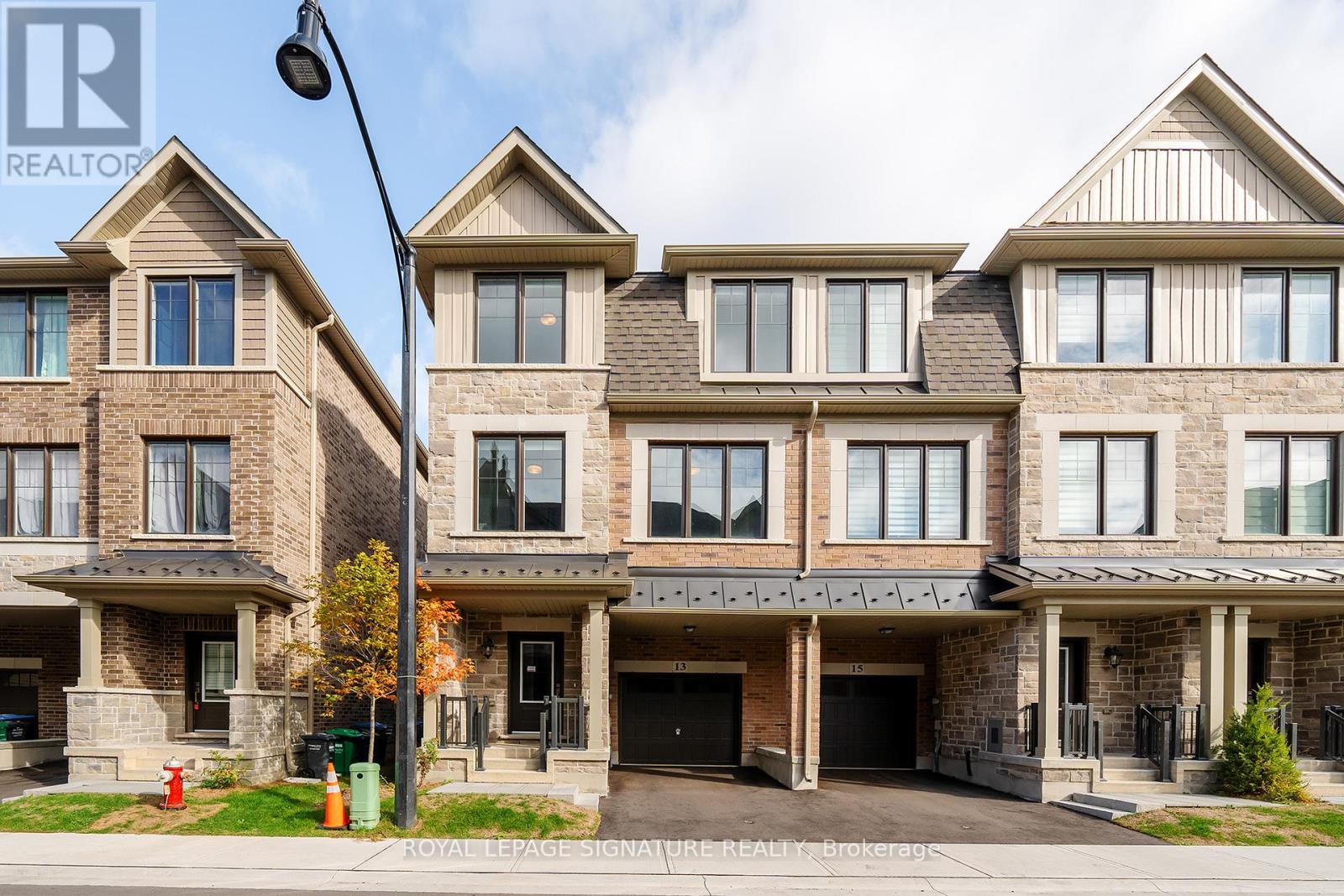 For Sale
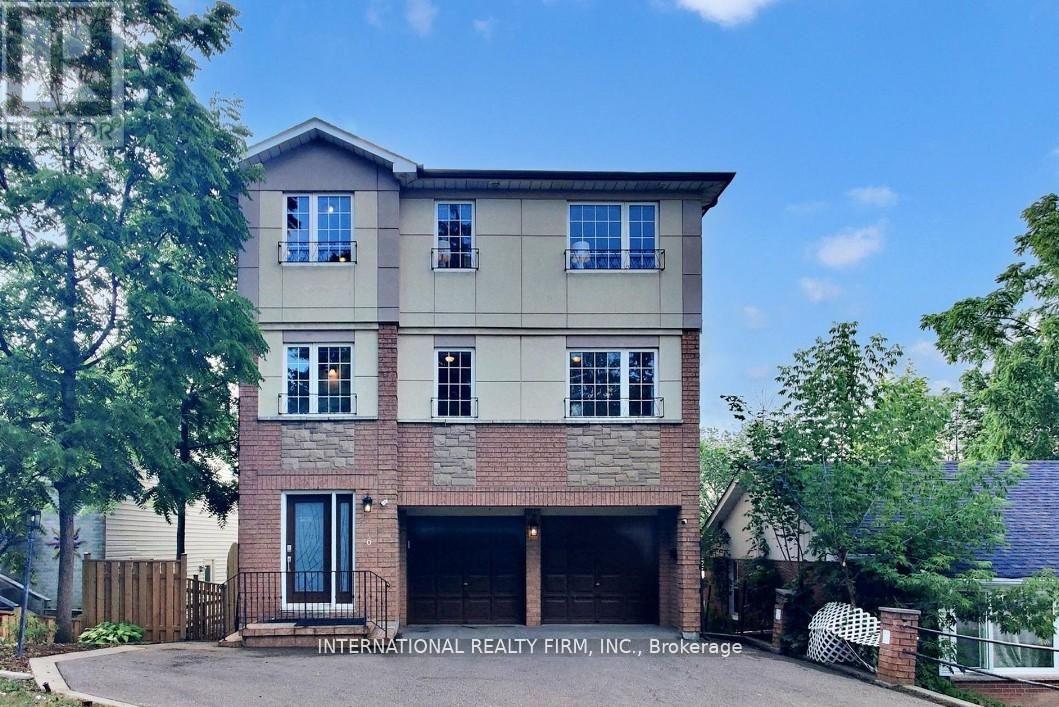 For Rent
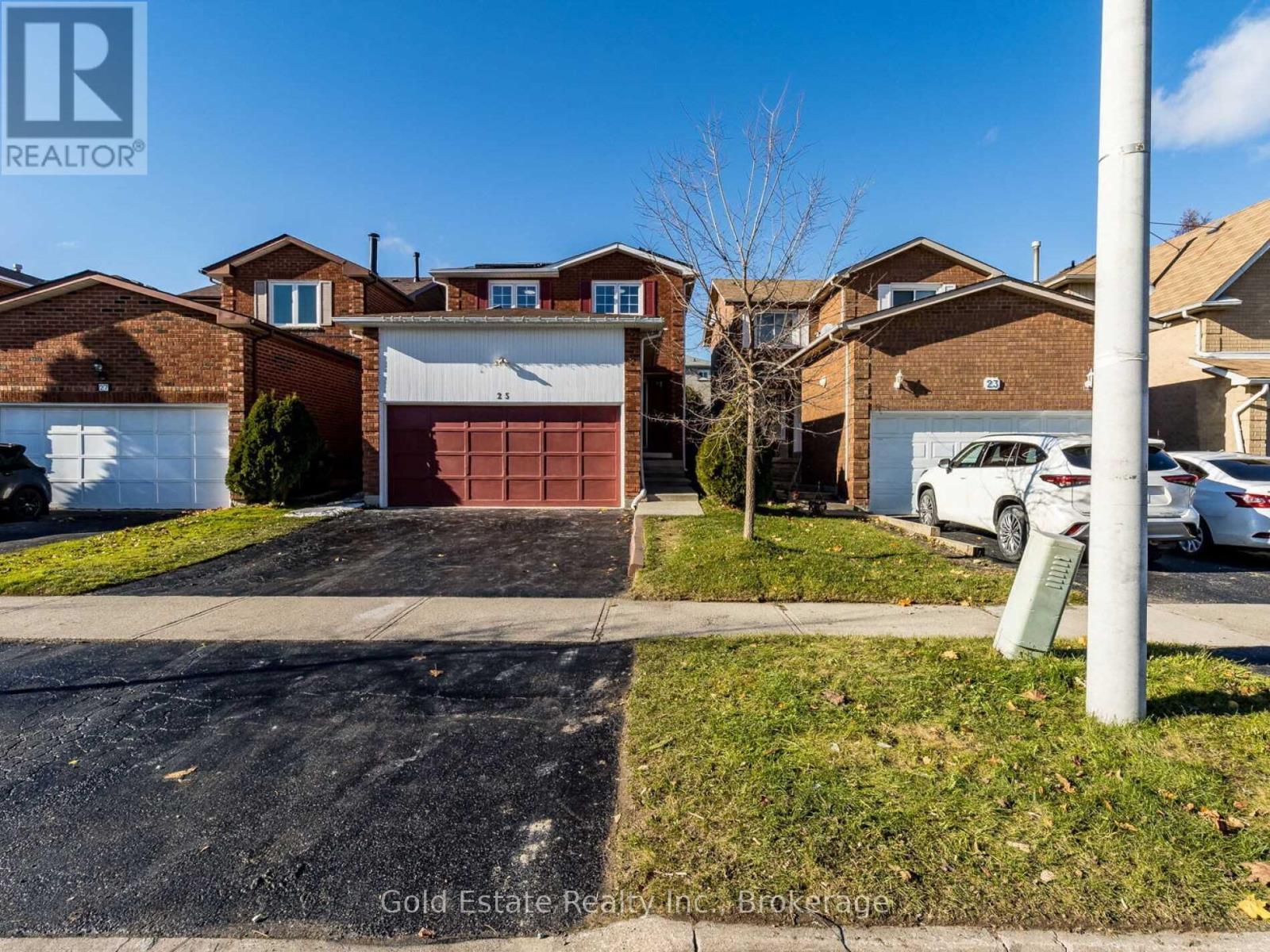 For Rent
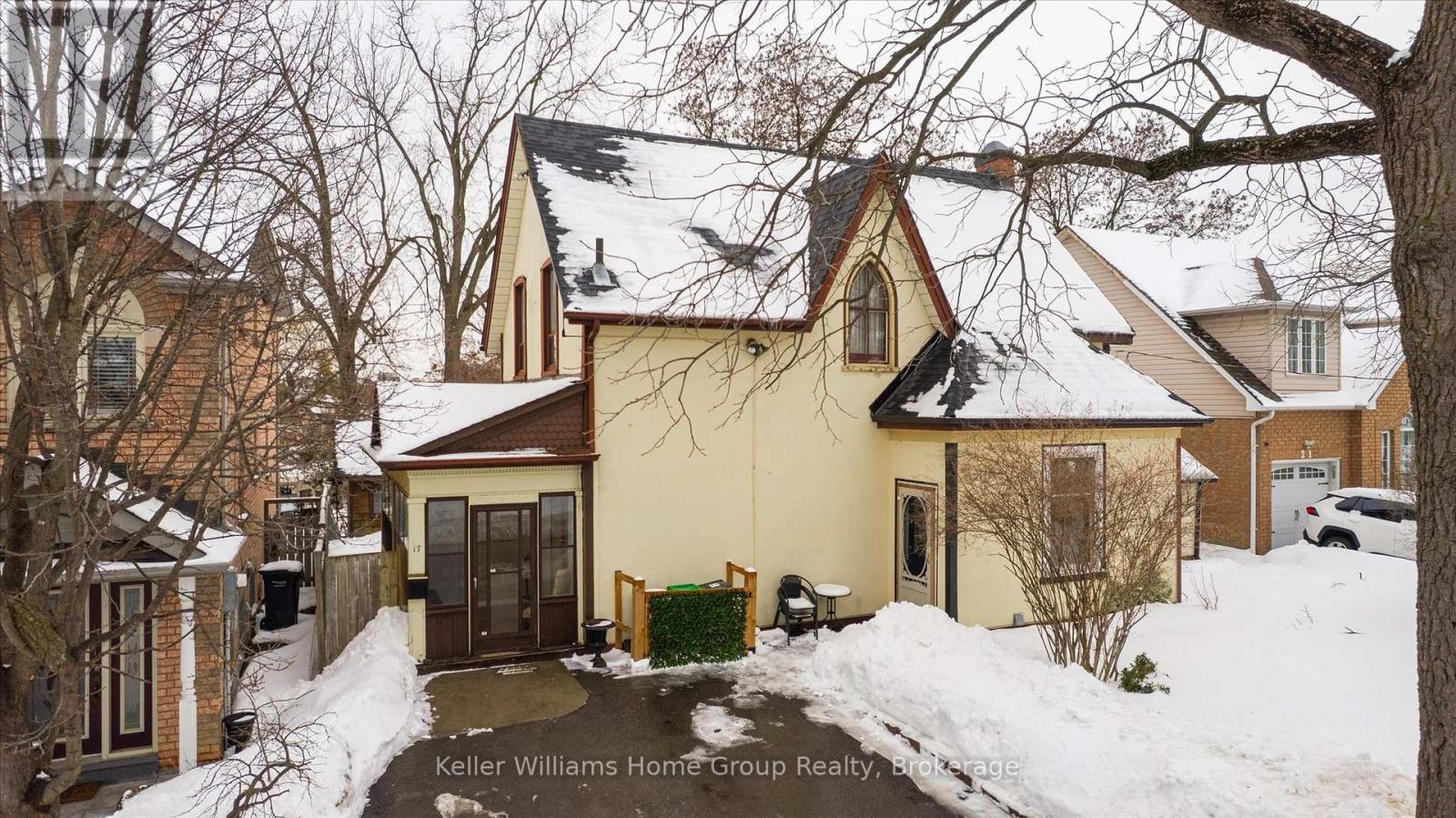 For Sale