
Brant Hills is a north Burlington neighbourhood on the Niagara Escarpment with 1970s-1980s detached homes, Bruce Trail access, and long views over Burlington Bay. Detached homes trade from $900K to $1.2M in 2025. M.M. Robinson High School catchment.
Brant Hills is a north Burlington neighbourhood on the Niagara Escarpment, sitting above the rest of the city on elevated terrain between Brant Street and Walkers Line. The escarpment setting gives Brant Hills a physical distinction that most Burlington neighbourhoods don’t have: elevated streets, long westward views toward Hamilton and the bay, and a greenbelt presence that is felt throughout the community. The housing was built primarily through the 1970s and 1980s, and the neighbourhood has a well-settled character that reflects four decades of family life.
The neighbourhood is primarily detached single-family homes on streets that work with the escarpment topography, creating a variety of lot configurations and orientation that adds visual interest to what might otherwise be a standard suburban grid. The lots tend to be larger than in the comparable 1970s Burlington communities at lower elevations, and many have extensive rear-yard decks that exploit the elevated views. The natural setting — mature trees, escarpment edge, and the green buffer of the conservation areas adjacent — gives Brant Hills a character that buyers from outside Burlington sometimes find surprising given its suburban construction era.
Detached homes in Brant Hills were trading in the $900,000 to $1.2 million range in 2025. The neighbourhood sits at a price point that is competitive with the mid-range south Burlington communities but offers larger lots and the escarpment setting as distinguishing attributes. Its distance from the GO stations is the main commuter trade-off relative to the south Burlington transit-accessible neighbourhoods.
The housing in Brant Hills is primarily 1970s and 1980s construction, which means buyers are looking at homes with 40 to 50 years of age on their systems and finishes. The construction quality is typical of its era — good structural bones, but original kitchen and bathroom finishes that are generally due for replacement, mechanical systems that are aging, and building envelopes that were insulated to 1970s standards rather than current ones. Buyers should budget for renovation investment rather than expecting move-in condition at the list price.
The lots in Brant Hills are generally larger than the standard Burlington suburban lot, with many properties on 50 to 60-foot frontages and substantial rear yards. The topography creates some irregular lot shapes in the escarpment-edge sections of the neighbourhood, with some properties having steep rear yards that limit usable outdoor space despite generous lot size on paper. Buyers should walk the lot and assess usability before relying on the total lot area figure.
Detached homes with updates trade in the $1.0 to $1.2 million range. Properties with original finishes and systems are available in the $900,000 to $1.0 million range. The escarpment-edge properties with long views command premiums within the neighbourhood, though the range is tighter than you would expect given the view advantage — Burlington buyers who have not specifically discovered Brant Hills are a smaller pool than in the more prominent south Burlington markets.
The Brant Hills market is steady and not particularly competitive. The neighbourhood attracts a specific buyer who has either grown up in Burlington or discovered the escarpment setting through active searching, rather than being the first result that comes up for the general Burlington family-home buyer. Days on market tend to be longer than in the south Burlington markets, and negotiation dynamics are generally more relaxed.
The view premium for escarpment-edge properties in Brant Hills is real but not dramatically priced. Comparable homes on the escarpment edge typically trade 5 to 10 percent above comparable interior Brant Hills homes, which is a modest premium given the genuine difference in the living experience. Buyers who are open to the escarpment setting often find the value here more compelling than in the premium view streets of south Burlington or Oakville.
The renovation market in Brant Hills is active. Many buyers purchase properties specifically to renovate, either undertaking the work themselves or hiring contractors immediately after closing. This has improved the overall condition of the housing stock relative to what was typical 15 years ago, and it means that buyers who are looking at original-condition properties are buying in competition with investors who see the renovation opportunity as well.
Brant Hills draws buyers who value natural setting and lot size over transit access and walkable urban amenity. The core buyer is a family that has made a conscious choice to prioritize the outdoor living environment — the views, the mature treed lots, the escarpment trail access — over the shorter commute that south Burlington provides. These are buyers who typically have at least one car in the household and are not GO commuters by default.
Move-up buyers within Burlington who are ready to trade a smaller south Burlington house for more land and the escarpment setting are a consistent segment. These buyers know the city well, have often rented or owned in Burlington before, and are making a deliberate upgrade to what they perceive as a more interesting and natural living environment.
Buyers from Hamilton who are priced out of the escarpment neighbourhoods on the Hamilton side, or who want to be on the Burlington side of the municipality boundary, are a smaller but consistent segment. The Hamilton-Burlington border area on the escarpment shares natural character and access patterns, and buyers who are specifically looking for escarpment living sometimes consider both sides of the boundary.
Brant Hills sits on the Niagara Escarpment, and the topography shapes its street pattern in ways that flat-land Burlington communities don’t have. The main access roads climb the escarpment from Brant Street (on the east) and Walkers Line (on the west), and the interior streets work with the contour of the land. This creates some genuinely dramatic streetscapes on the escarpment-edge sections and a more conventional suburban pattern on the plateau streets.
The most sought-after streets in Brant Hills are on the escarpment edge with westward views toward Hamilton Mountain and Burlington Bay. These streets command modest premiums over equivalent properties on the plateau. Interior streets on the plateau have a more standard suburban character without the view attribute, but they often have more usable lot area because the terrain is flat.
The conservation areas adjacent to Brant Hills on the escarpment — including sections of the Bruce Trail — give the neighbourhood direct trail access from residential streets in the escarpment-edge sections. This trail access is a genuine amenity that is difficult to replicate in lower-elevation Burlington communities and is a meaningful part of the lifestyle proposition for outdoor-oriented buyers.
Brant Hills has no direct GO station access, and the drive to the nearest Burlington or Appleby GO stations runs 20 to 30 minutes from most parts of the neighbourhood, depending on traffic and the specific location within the escarpment area. This is the neighbourhood’s main transit disadvantage and it is a real one for daily GO commuters. Buyers who commute to Toronto by GO five days a week should price the additional commute time honestly before choosing Brant Hills over a south Burlington address that is closer to the Lakeshore West line.
Driving from Brant Hills to the QEW runs 15 to 20 minutes via Brant Street south or Walkers Line south. The highway connections serve both the eastbound QEW for Toronto commuters and the 403 west for Hamilton and Mississauga commuters. The elevation of the neighbourhood means that the drive down the escarpment is a notable feature of the daily commute — perfectly manageable in good weather, requiring more attention in winter conditions on the steeper access roads.
Local transit access from Brant Hills is limited. Burlington Transit routes serve the main arterials at the base of the escarpment, but the escarpment streets themselves have limited bus service frequency. Most Brant Hills residents are car-dependent for virtually all daily transportation, which is the baseline expectation for anyone considering this neighbourhood.
The Bruce Trail is Brant Hills’ primary outdoor amenity, and it is exceptional. The trail runs along the Niagara Escarpment directly adjacent to the neighbourhood, giving residents direct access to one of Ontario’s great long-distance trails from residential streets. Day hikes along the escarpment, access to the escarpment-edge lookouts with long views over Burlington and Lake Ontario, and seasonal wildflower displays in the escarpment forest are all accessible without driving to a trailhead.
The conservation areas along the escarpment also include several smaller trail systems and lookout points. The Brant Hills area of the escarpment has some of the more dramatic views on the Burlington section of the trail, looking west over Hamilton Harbour and north along the escarpment face. Buyers who are outdoor and trail users will find Brant Hills substantially better served by accessible trail infrastructure than any of the flat-land Burlington communities.
Parks within the Brant Hills neighbourhood itself are spread through the community, with several neighbourhood parks on the plateau providing green space and playground facilities. The scale of these parks is typical of Burlington’s suburban park system. The escarpment access and conservation area adjacency are the outdoor amenities that genuinely differentiate this neighbourhood from others at a similar price point.
Brant Hills is not close to Burlington’s main retail corridors, which is a practical consideration for daily household shopping. The Brant Street commercial strip south of the escarpment and the upper Middle Road commercial nodes are accessible by car in 15 to 20 minutes. There is no walkable grocery store from Brant Hills, and most daily shopping requires driving. Buyers who are moving from a neighbourhood with walkable grocery access should adjust their expectations accordingly.
The commercial nodes on Walkers Line at various intersections provide some convenience retail for residents of the western Brant Hills streets, with a grocery anchor and surrounding service retail accessible at a shorter driving distance. The further east in the neighbourhood you live, the more convenient the Brant Street commercial strip becomes as an alternative.
The restaurant and dining options that bring Burlington residents to the Brant Street downtown are a 15 to 20-minute drive from Brant Hills. For a neighbourhood that attracts outdoor-oriented buyers, the trade-off between natural setting and walkable urban amenity is an explicit part of the community’s character. Most Brant Hills residents who want Burlington’s downtown dining experience drive there specifically and treat it as a destination rather than a daily habit.
Brant Hills falls within the Halton District School Board and is served by several elementary schools in the area, with M.M. Robinson High School being the primary secondary school serving the community. M.M. Robinson is a large Burlington high school with a strong academic reputation and a broad range of programs including Advanced Placement and International Baccalaureate offerings. The school’s reputation is one of the reasons Brant Hills attracts buyers with school-aged children who are willing to accept the longer commute to south Burlington’s GO stations in exchange for the school catchment.
Elementary school assignments in Brant Hills depend on the specific address, as the neighbourhood spans multiple elementary catchments. The HDSB operates a Find My Local School tool that confirms the catchment school for any specific address, and buyers should use this tool rather than assuming uniformity across the Brant Hills area. French Immersion program availability varies by school, and buyers with specific language program requirements should confirm program availability and transport arrangements for their specific address.
The Halton Catholic District School Board also serves Brant Hills families, with Catholic elementary options in the area and Catholic secondary students typically attending Notre Dame Catholic Secondary School in Burlington. Catholic secondary options in Burlington are well-regarded and accessible from Brant Hills.
Brant Hills is not in the trajectory of major new development given the escarpment and conservation land protections at its edges. The neighbourhood is expected to continue in its current form, with gradual renovation and renewal of the 1970s and 1980s housing stock the primary change over the coming years. There are no significant intensification pressures on the residential streets given the escarpment land constraints.
The conservation area and Bruce Trail network adjacent to Brant Hills are permanently protected. The Niagara Escarpment is a UNESCO World Biosphere Reserve, and the provincial planning framework provides strong protection for escarpment lands. This means that Brant Hills’ natural adjacency and trail access are attributes that buyers can rely on as a permanent feature of the neighbourhood, not a temporary circumstance that could be developed away.
Infrastructure investment in Burlington’s north end has generally focused on road capacity and transit service improvements along the main arterials. Brant Street south of the escarpment has seen some changes, and the transit service in north Burlington has been a topic of city planning discussions. Neither of these changes significantly affects the residential character of Brant Hills itself, which is likely to remain as it is through the foreseeable planning horizon.
Q: Is the drive down the escarpment a practical concern in winter?
A: The main access roads onto the escarpment from Brant Street and Walkers Line do require more care in winter than the flat Burlington streets below. The City of Burlington prioritizes main arterials for snow clearing, and the escarpment access roads are generally treated, but they still present the challenge of a steeper grade that icy conditions amplify. Most Brant Hills residents manage this without significant difficulty: proper winter tires rather than all-seasons, adjusted speed on icy mornings, and an acceptance that the occasional severe ice event means leaving a few minutes earlier. Buyers who have never driven in Ontario winters at all, or who are particularly uncomfortable with winter driving, should visit Brant Hills on a typical winter morning before deciding. Most buyers from Ontario are used to managing the same conditions and consider them a non-issue once they have established their winter driving habits.
Q: How does Brant Hills compare to the Mountain neighbourhood across the Hamilton border?
A: Brant Hills and the Hamilton Mountain (specifically the Burlington Heights and Ancaster corridor on the Hamilton side of the escarpment) share escarpment character and similar housing eras but fall in different municipalities with different tax rates and different access to city services. Hamilton property taxes are generally higher than Burlington’s for comparable assessed values. The Hamilton Mountain has its own established communities with their own strengths, but Burlington’s school system, municipal services, and address carry their own premium. Buyers who are genuinely considering both should run the specific financial numbers and visit both communities rather than assuming the Burlington address is automatically worth the price difference. For buyers whose primary concern is the escarpment setting and trail access, both deliver that; the municipal context is the differentiating factor.
Q: Is the M.M. Robinson High School catchment a significant driver of home prices in Brant Hills?
A: M.M. Robinson’s strong reputation within the HDSB system does generate some demand specifically for the school catchment, and buyers who are actively researching Burlington secondary schools will often have Robinson on their shortlist. This school premium is real but not as pronounced as the Oakville school catchment premiums (like E.J. James or White Oaks) because Burlington’s secondary school system is more uniformly strong than some comparable systems. The premium for the Robinson catchment in Brant Hills is probably 3 to 5 percent over a hypothetical identical property outside the catchment, which is meaningful over a $1.0 million purchase but not dramatic. Buyers who are choosing Brant Hills primarily for the school catchment should confirm the current catchment boundary for their specific address, as boundaries do get adjusted.
Q: What does a typical renovation budget look like for a 1970s Brant Hills bungalow or two-storey?
A: A full kitchen and bathroom renovation on a 1970s Brant Hills home typically runs $80,000 to $150,000 depending on scope and finish level. Adding that cost to a purchase price in the $900,000 to $950,000 range positions you at $1.0 to $1.1 million all-in for a fully updated home, which is in line with what updated Brant Hills properties sell for in the current market. If you also need a furnace, air conditioning, updated electrical panel, and roof, those systems add another $20,000 to $40,000. The renovation math in Brant Hills generally works out because the post-renovation value typically exceeds the purchase plus renovation cost by a modest margin, and you get a home updated to your specific taste rather than someone else’s choices. The risk is a renovation that is more expensive than budgeted, which happens more often than buyers expect on older homes where surprises in walls and under floors are common. Budget a 20 percent contingency over your initial renovation estimate.
Brant Hills benefits from agents who know north Burlington and have worked in the escarpment communities specifically. The neighbourhood is well-covered by Burlington generalists, but an agent who specifically understands the escarpment-edge value premium, the topographic lot variation, and the M.M. Robinson school catchment dynamics will give you a more precise picture of value within the neighbourhood than one who treats it as equivalent to any north Burlington community.
The home inspection on a 1970s or 1980s Brant Hills home should be conducted by an inspector with strong experience in homes of this specific era. The issues on these homes are predictable but require an inspector who knows where to look: the condition of the original HVAC system and whether it has been properly maintained, the roof and attic insulation standards relative to current codes, the state of any original windows and their weatherproofing, and the foundation drainage on lots with topographic variation. On escarpment-edge lots, foundation drainage and any potential for moisture intrusion from the slope above the property are worth specific attention.
Buyers purchasing in Brant Hills with a renovation plan should get contractor estimates before submitting offers rather than after. The general sense of renovation cost from the internet or previous renovation projects in different house types is not reliable enough to bet a six-figure renovation budget on. Bring your contractor to a walkthrough if the inspection allows it, or build a sufficient contingency into your renovation budget and timeline that a 30 percent cost overrun does not wreck your financial position.
Street-level knowledge is hard to find online. Our team works in Brant Hills every day. They know which pockets hold value, where the school catchment lines actually fall, and what the market is doing right now. Talk to us before you make a decision about Brant Hills.
Talk to a local agent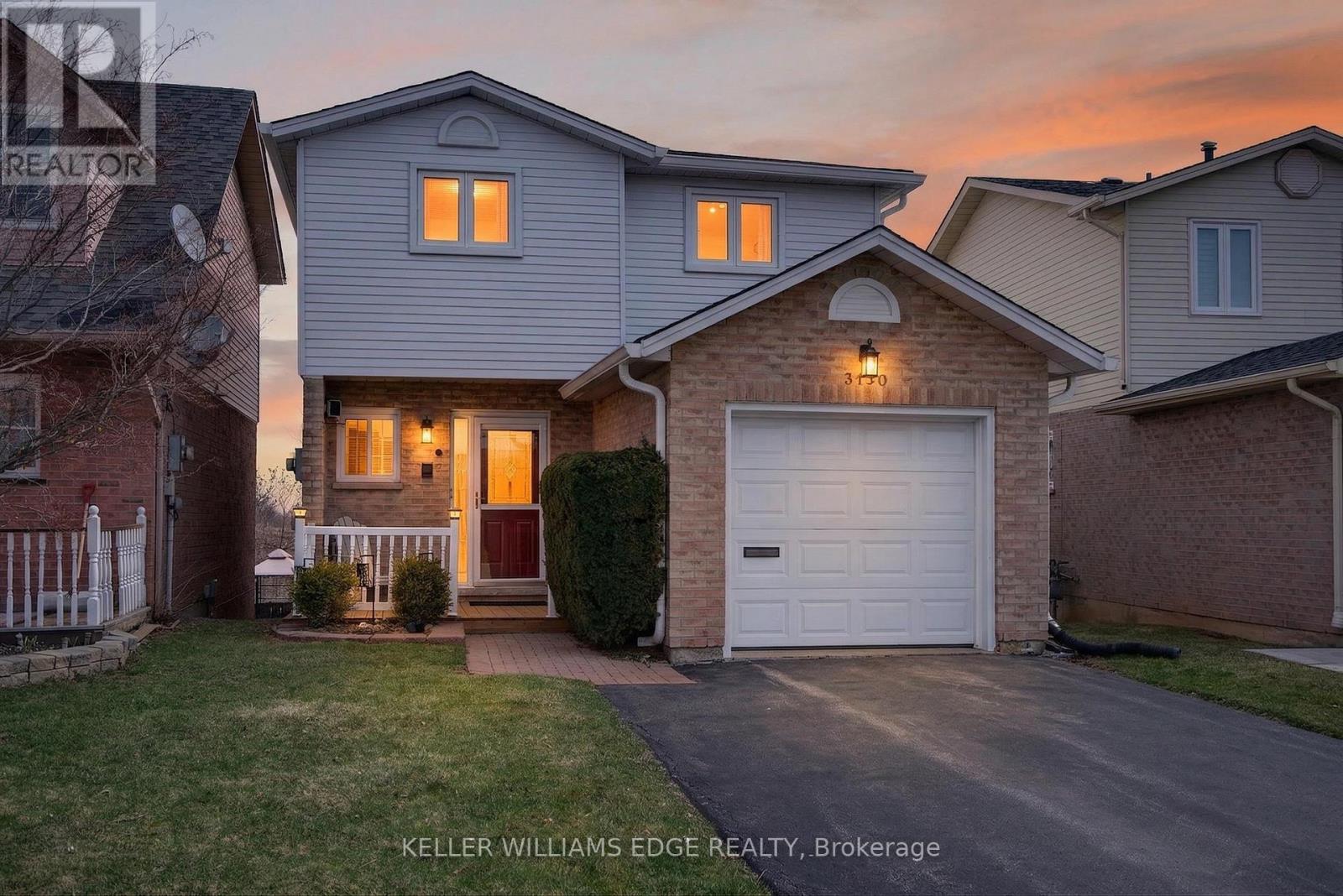 For Sale
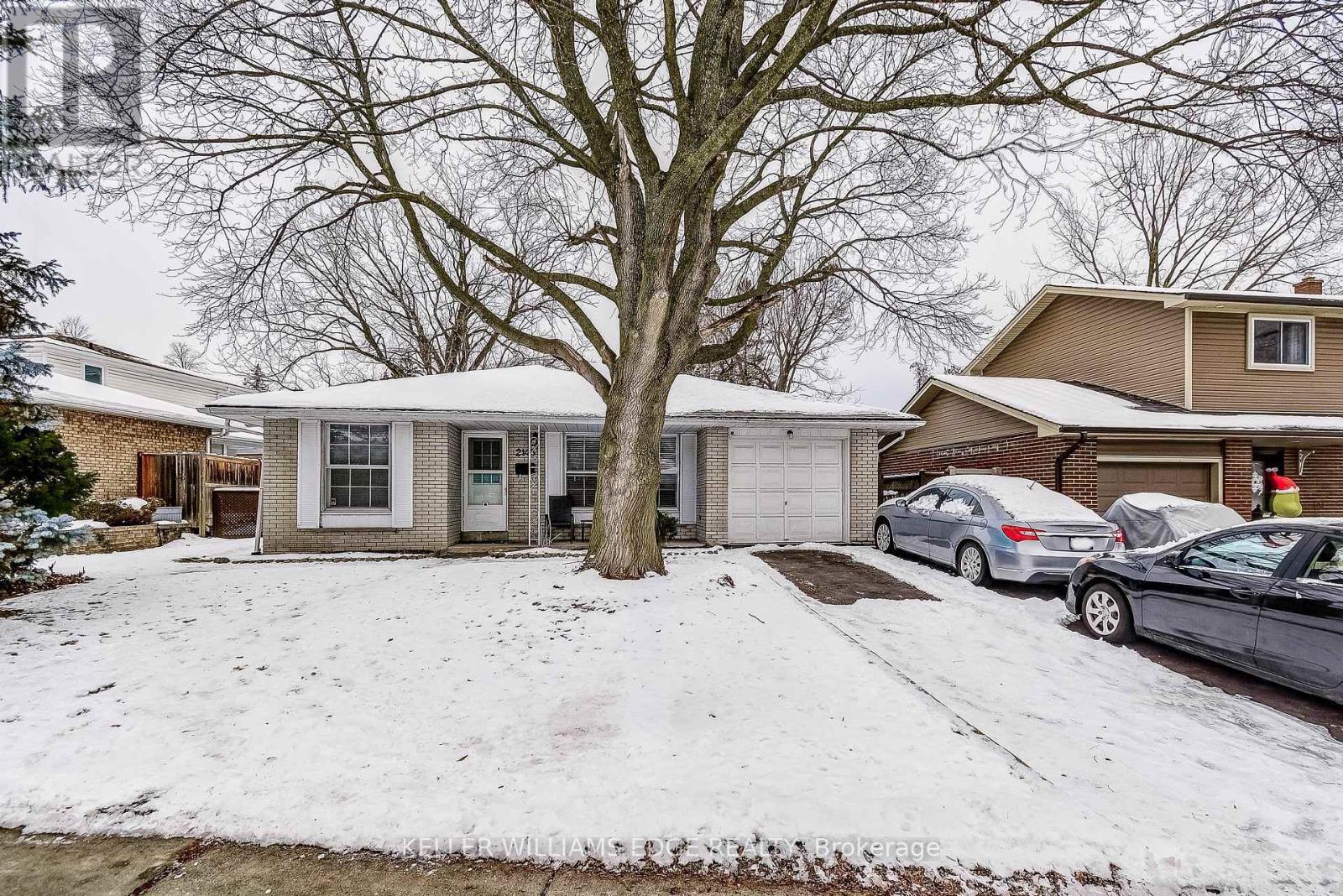 For Sale
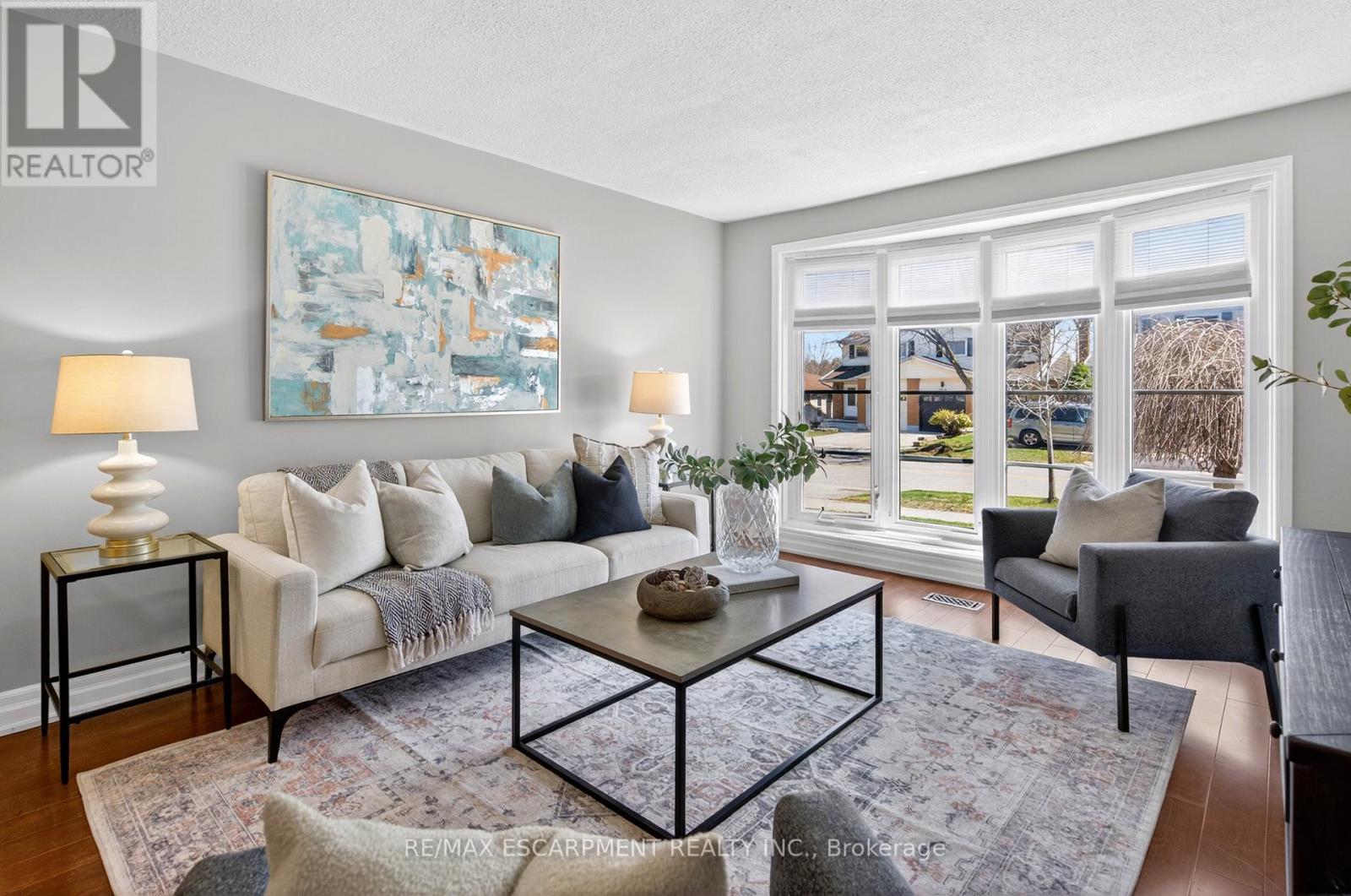 For Sale
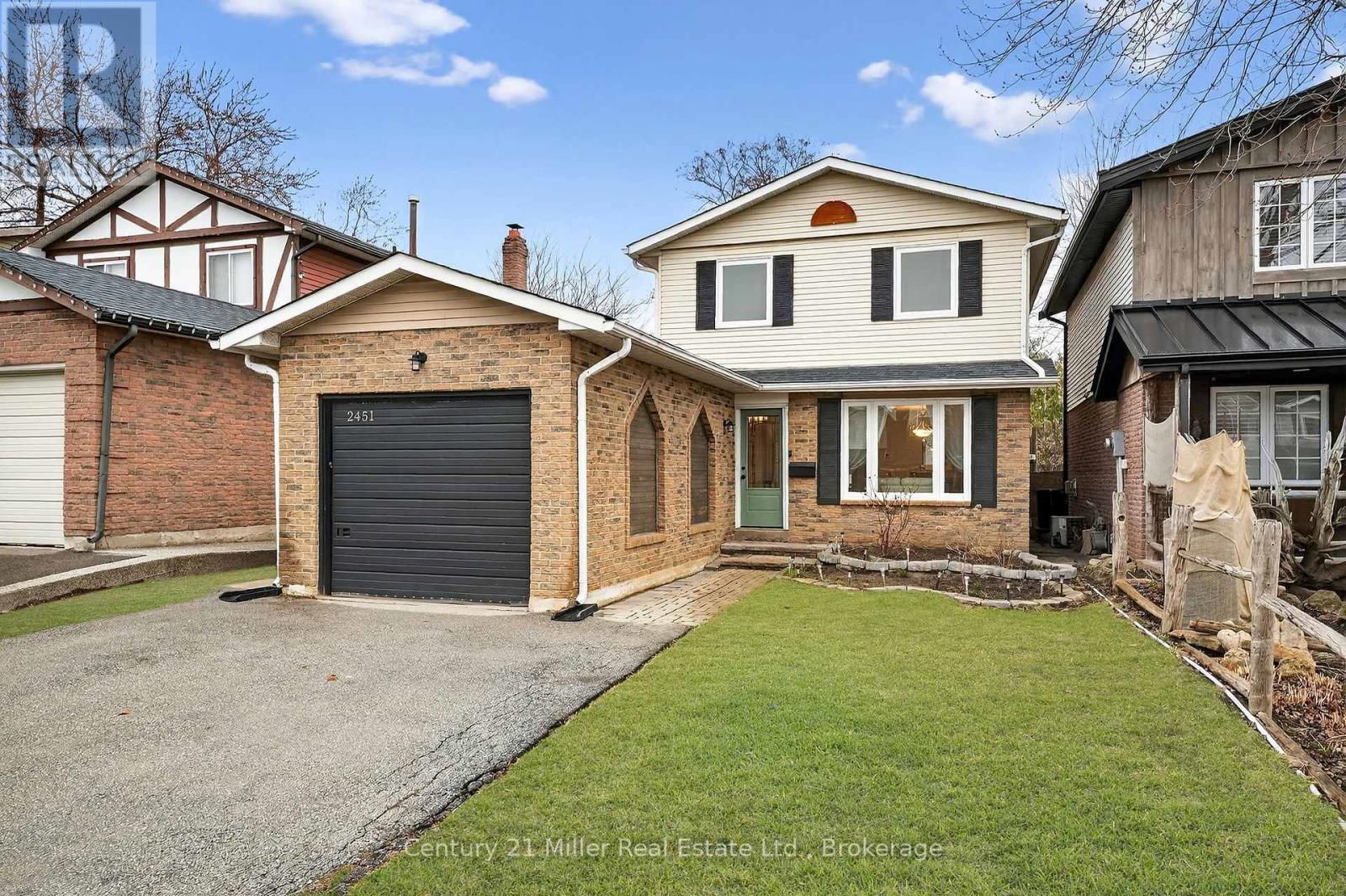 For Sale