
Bristol-London is an established northwest Newmarket neighbourhood developed in the 1980s and 1990s, offering mature tree-lined streets, proximity to the Yonge Street Viva rapid transit corridor, and walking distance to Upper Canada Mall and Southlake Regional Health Centre. A practical mid-market choice for families and transit-oriented buyers.
Bristol-London is a residential neighbourhood in the northwest part of Newmarket, sitting west of Yonge Street and north of Davis Drive. It developed primarily in the 1980s and 1990s, creating a mature suburban fabric of detached and semi-detached homes on the established street grid that characterises the areas of Newmarket built during that era’s residential expansion. The neighbourhood is one of the more settled and stable in the city, with a demographic that reflects the aging of the households who arrived during those decades of growth.
The neighbourhood’s position west of Yonge Street and north of Davis Drive puts it within easy reach of the Yonge Street Viva rapid transit corridor, which is one of its most significant transit assets relative to the more easterly Newmarket neighbourhoods. The Viva rapid bus service along Yonge connects north toward East Gwillimbury and south toward Richmond Hill and the York-Spadina subway extension at Vaughan Metropolitan Centre. For households who use rapid transit rather than the GO rail network, Bristol-London’s proximity to the Yonge Viva corridor is a meaningful advantage.
The neighbourhood is defined by its residential calm rather than any commercial or transit landmark. Interior streets have low through-traffic, there are park connections throughout, and the overall character is the mature suburban environment of a neighbourhood that was built for families and has remained one. Commercial uses are on the arterial edges — Yonge Street to the east, Davis Drive to the south — rather than within the neighbourhood interior.
Southlake Regional Health Centre is approximately 2 to 3 kilometres from Bristol-London, one of the closer Newmarket neighbourhoods to the hospital. For families with medical needs or older household members, this proximity is a practical consideration. The concentration of medical offices and specialist clinics that has grown in the Southlake area over the years adds to the medical service density accessible from the neighbourhood.
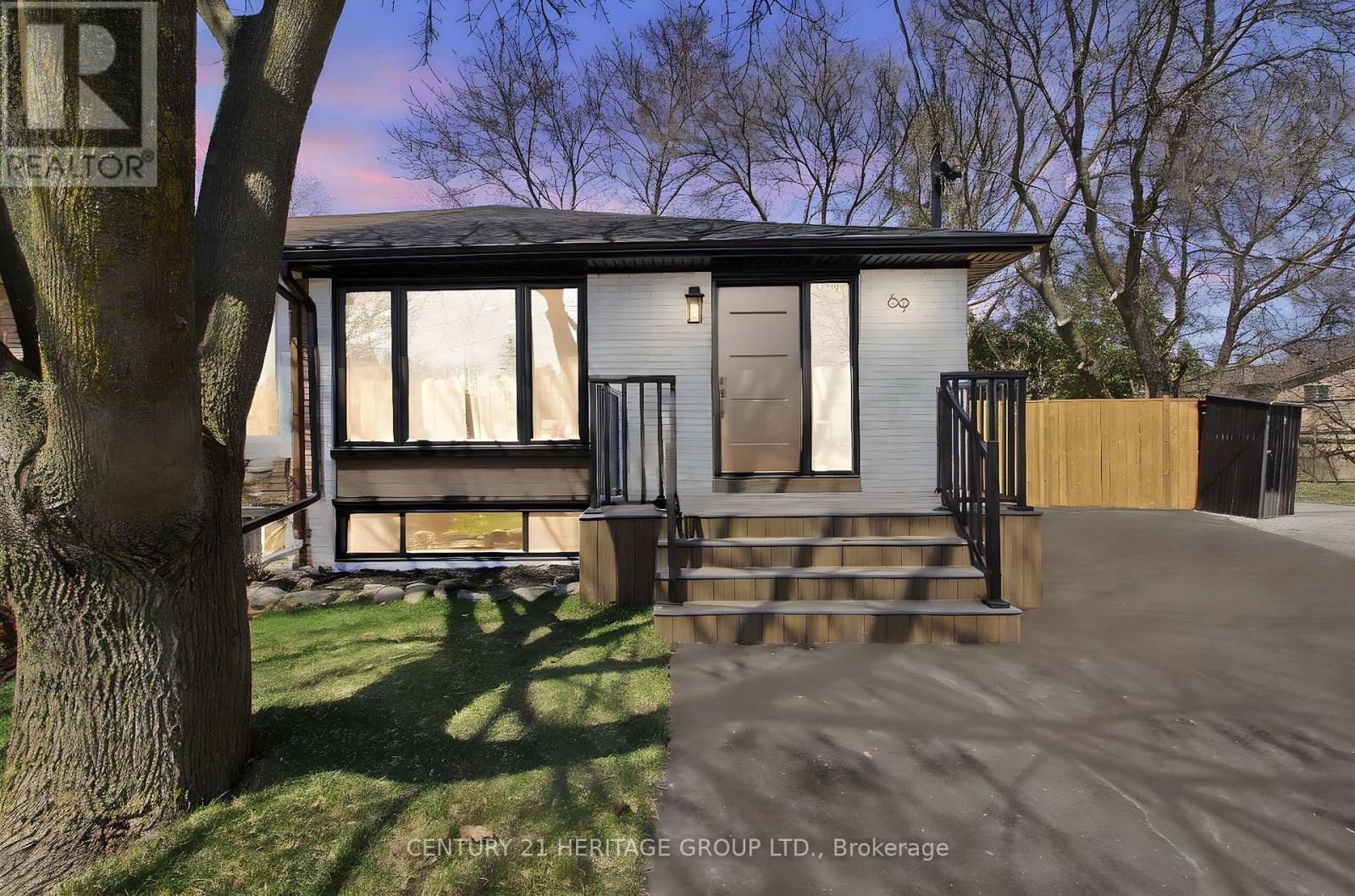
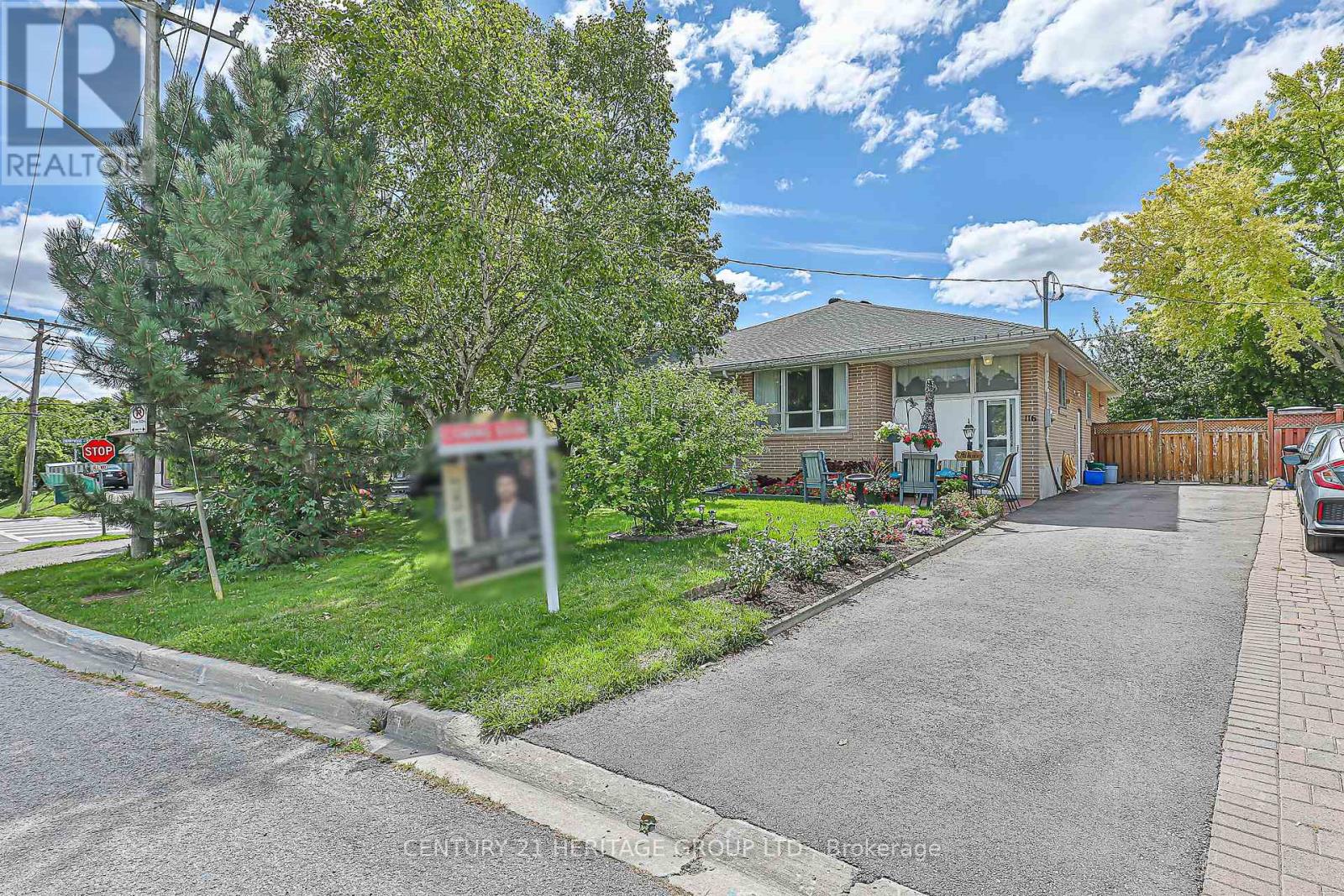
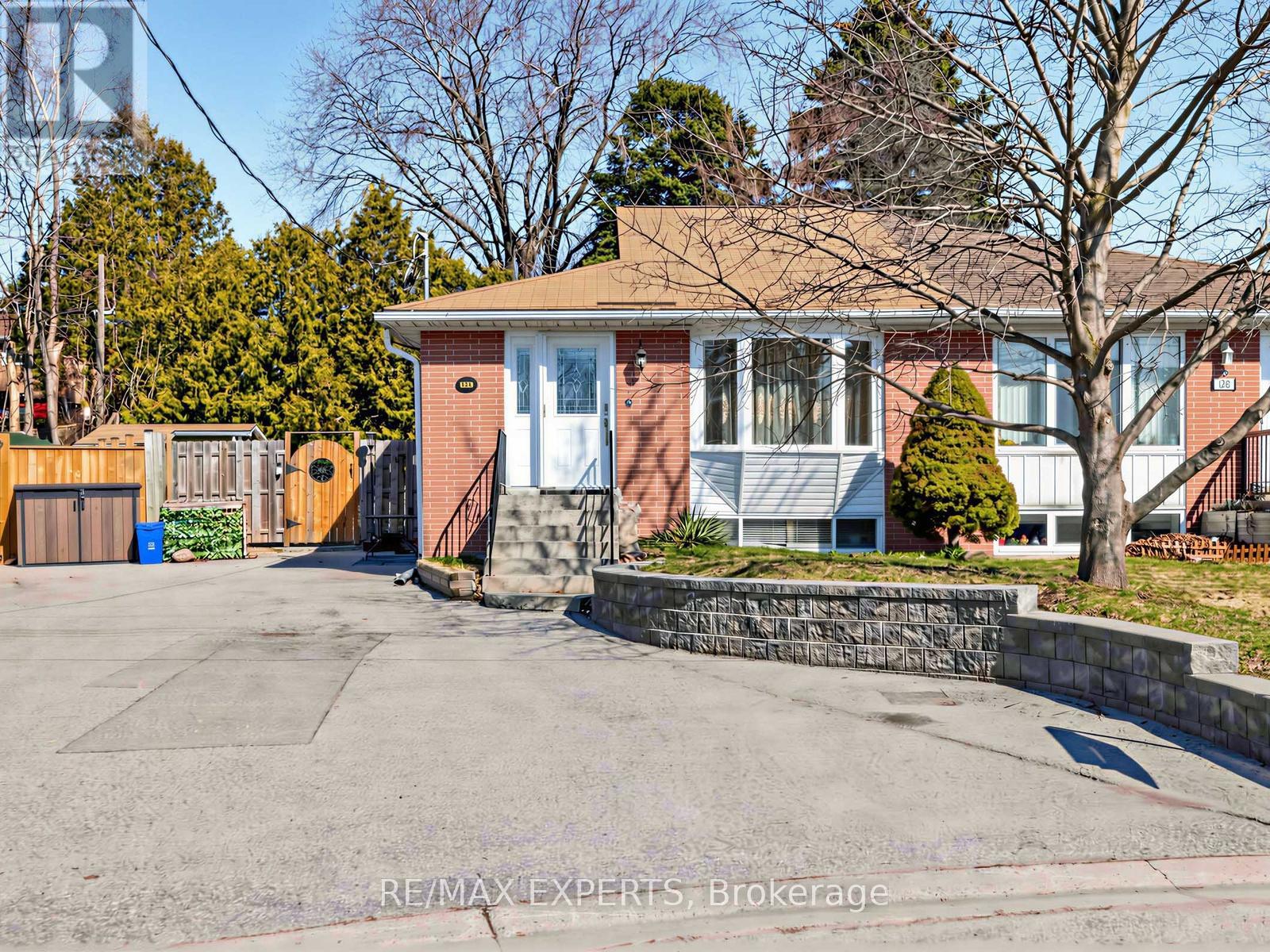
Bristol-London’s housing stock is predominantly 1980s and 1990s detached two-storey homes, with a segment of semi-detached housing providing the lower price tier. The 1980s homes reflect that decade’s construction preferences: brick exteriors, more compact floor plans than the 1990s McMansion style, and single-car garages on the older end of the inventory. The 1990s homes are generally larger, with two-car garages, four-bedroom plans, and the brick-and-vinyl construction that defines York Region suburban development of that period.
Lot sizes are consistent with their era: 35 to 45 foot frontages with reasonable depth are typical, providing functional backyards without the larger lots that some of the more outer suburban areas from the same era produced. The neighbourhood density reflects the York Region planning approach of the time, which was suburban without being aggressively dense, creating streets with clear separation between homes and mature tree planting that has grown in over 30 to 40 years.
The mature tree canopy throughout Bristol-London is one of its most visually distinguishing features compared to newer Newmarket developments. Trees planted when the neighbourhood was built are now substantial, creating the kind of shaded streets and established garden settings that new construction simply cannot provide. Buyers from more recently developed suburbs notice the difference in streetscape quality immediately, and it is a consistent reason given for choosing older Newmarket neighbourhoods over newer options in East Gwillimbury or the outer Newmarket growth areas.
Homes in Bristol-London at the 35 to 40 year age mark require the same maintenance budgeting as any housing of that vintage: roofs, windows, HVAC, and cosmetic updates to kitchens and bathrooms are the typical categories. Well-maintained examples are in sound structural condition and provide solid bones for buyers who want to customise; deferred maintenance examples are available at discounts that reward buyers who are prepared to invest in the work.
Bristol-London trades as an established mid-market Newmarket neighbourhood, with prices that reflect its location west of Yonge, its housing vintage, and the competition from comparable product across central and northwest Newmarket. It is not the premium neighbourhood in the city — that distinction goes to the Glenway area and parts of Stonehaven — but it sits comfortably in the middle tier with a price range accessible to the broadest segment of Newmarket move-up buyers.
The neighbourhood benefits from the Yonge Street Viva access in its market appeal, particularly for buyers who rely on transit for some portion of their commute. The willingness to pay for proximity to rapid transit has increased in Newmarket as the Viva service has matured, and Bristol-London captures some of that premium relative to comparable vintage housing in the more easterly parts of the city where the Yonge Viva service requires a bus transfer to reach.
Turnover in Bristol-London reflects the life-stage cycling of a family neighbourhood that was built 30 to 40 years ago. The original buyers are now in their 60s and 70s in many cases, and the outbound movement of downsizers creates inventory. Inbound buyers are typically younger families moving up from townhouses or condos in Newmarket and the surrounding region, or families relocating from within the GTA. This outbound-inbound cycle keeps the neighbourhood’s demographic mix moving without creating the instability of a transitional area.
Renovated homes sell quickly and at premiums that justify the investment in most cases. Unrenovated homes create opportunities for buyers who can do the work. The spread between renovated and unrenovated comparables in this neighbourhood is wide enough that a buyer who correctly assesses a fixer-upper and executes the renovation well can create meaningful equity, though the margin for overpaying on the purchase or overestimating on the renovation budget is thin in a market where renovation costs have increased substantially.
Bristol-London’s buyer profile is primarily families with children at the move-up stage and households relocating to Newmarket from within the GTA. The combination of mature neighbourhood character, Yonge Street Viva proximity, and Southlake access makes it appeal to a slightly different buyer mix than the more highway-adjacent east Newmarket neighbourhoods: buyers here weight transit access and walkable neighbourhood quality more heavily than raw highway convenience.
Downsizer buyers from larger Newmarket homes are a consistent inbound segment. Households that raised children in four-bedroom detached homes and are now reducing to three bedrooms or less find that Bristol-London’s semi-detached and smaller detached inventory offers the right sizing at a price that makes sense after decades of equity accumulation. Staying within Newmarket for proximity to established social networks, medical services at Southlake, and familiar shopping is a strong motivator for this segment.
Transit-dependent commuters are well served by Bristol-London’s position. Viva rapid transit on Yonge Street provides a usable commute option for riders heading south toward the Richmond Hill Centre subway station, and the combination of Viva and subway puts downtown Toronto destinations reachable without driving. This makes Bristol-London more interesting to buyers who are actively reducing car dependence, a growing segment in the broader GTA housing market.
The neighbourhood also draws buyers who specifically value mature trees and established landscaping as quality-of-life factors. This is not a small segment: buyers who have lived in areas with mature canopy and experienced the temperature, noise, and aesthetic differences that trees create tend to weight it as a genuine preference, and Bristol-London’s mature streetscape is one of the things the neighbourhood has that cannot be replicated by building newer houses nearby.
Within Bristol-London, the micro-location distinctions buyers make are primarily about distance to Yonge Street, proximity to schools, and whether a specific block has older 1980s or newer 1990s housing. The streets closest to Yonge Street have slightly more through-traffic noise from the arterial, with the tradeoff of shortest walking distance to the Viva stops. The interior streets further west are quieter and more insular, with the tradeoff of a longer walk to transit.
The streets in the northern part of Bristol-London are closest to the residential development that transitions toward East Gwillimbury, while the southern streets back onto or are near the Davis Drive arterial. Davis Drive has commercial development along its edges, and properties closest to Davis will hear more arterial traffic than those set back further into the interior. Buyers who are noise-sensitive should drive the specific streets at different times of day before committing to a purchase.
The park network within Bristol-London provides distributed green space throughout the neighbourhood, with connections to the broader Newmarket trail system at multiple points. The specific park closest to a target property is a practical consideration for families with young children, and a short reconnaissance of the neighbourhood’s park infrastructure is worthwhile for any buyer for whom backyard size plus nearby park access is the outdoor equation they are trying to solve.
School assignment within the neighbourhood can vary at the micro-level depending on the specific address and the York Region District School Board boundary configuration. Buyers with strong school preferences should confirm their specific address assignment with the school board rather than assuming that geographic proximity to a preferred school translates to catchment membership. The boundary configurations in established Newmarket neighbourhoods have been adjusted over the years and are not always intuitive.
Bristol-London has better transit access than most Newmarket neighbourhoods because of its proximity to the Yonge Street Viva corridor. Viva rapid bus service on Yonge Street provides frequent service connecting north to East Gwillimbury and south through Richmond Hill to the Vaughan Metropolitan Centre subway station, where the York-Spadina subway line connects into the Toronto network. Walking to a Yonge Street Viva stop from the eastern streets of Bristol-London is a realistic option; residents on the western streets typically drive or cycle to the Viva stops.
Newmarket GO Station on the Barrie line is roughly 2 to 4 kilometres from Bristol-London, accessible by car or by YRT bus connection. The GO rail service provides direct service to Union Station in approximately 55 minutes at peak periods, with adequate frequency for standard commuter schedules. For residents who prefer GO rail over the Viva-to-subway connection, the station is close enough to make both options genuinely available depending on destination and schedule preference.
Car commuting to Toronto via Highway 400 is the alternative for residents who need the flexibility of driving. Highway 400 is accessible from the western side of Newmarket via Davis Drive, and the drive to downtown Toronto typically takes 50 to 70 minutes in normal conditions. Rush hour performance on Highway 400 varies significantly and peak-period drivers should account for the 400’s congestion patterns in their planning.
Local cycling within Bristol-London and to the Yonge Street corridor is practical. The street network and the neighbourhood’s scale make cycling to Viva stops and to local errands on Yonge a reasonable option for riders comfortable on suburban streets. Newmarket has been improving its cycling infrastructure incrementally, and the connections from Bristol-London to the Yonge corridor are among the more bikeable in the city.
The park and open space network in Bristol-London is distributed through the neighbourhood in the pattern typical of York Region residential development of its era: neighbourhood parks providing playground and open field space at intervals throughout the residential streets. The parks are functional and well maintained, serving the families and dog walkers who use neighbourhood parks on a daily basis without aspiring to be destination parks that draw visitors from outside the immediate area.
The Fairy Lake conservation area and the broader park network along the East Holland River are the primary natural outdoor assets accessible from Bristol-London. Fairy Lake, a small lake in central Newmarket, has a park and trail system around it that provides a genuine natural setting within the urban area, something rare in York Region suburban communities. The surrounding Holland River East walking trails extend the natural trail network through the Newmarket green space corridor.
The Newmarket trail system connects through Bristol-London and westward toward the forested areas at the edge of the urban boundary. The connection to the natural areas managed by the Lake Simcoe Region Conservation Authority provides access to more ecologically diverse landscapes within a 15 to 20 minute drive, useful for residents who want forest hiking, birding, or more rugged outdoor recreation than the urban trail network delivers.
Ray Twinney Complex and the Newmarket Recreation Centre provide indoor sports and swimming facilities that supplement the neighbourhood’s outdoor park network. Newmarket’s investment in public recreation infrastructure has been consistent over the years, and the indoor recreation options available to Bristol-London residents are above the York Region average for similar suburban communities.
The Yonge Street corridor adjacent to Bristol-London provides the most accessible retail and services of any Newmarket neighbourhood. The Yonge Street commercial strip through central and south Newmarket is among the better suburban commercial streets in York Region, with a mix of independent retailers, restaurants, professional offices, and medical services alongside the national chains and grocery anchors that define suburban commercial activity. For Bristol-London residents, the walkability or short drive to Yonge Street shopping is a genuine daily convenience asset.
Upper Canada Mall at Yonge and Davis Drive, the major enclosed regional mall, is effectively adjacent to Bristol-London. The mall’s department stores, specialty retail, and food court services are reachable in minutes from the neighbourhood, which gives Bristol-London residents access to a retail destination that residents of more outlying Newmarket neighbourhoods treat as a major trip. For households who value proximity to mall retail and the amenities it provides, Bristol-London’s location is one of the best in the city.
Southlake Regional Health Centre is accessible from Bristol-London in under 10 minutes by car. The hospital’s emergency, specialist, and diagnostic services are the regional health resource for a large north York Region catchment, and proximity to it is a meaningful asset for households with medical needs, young children, or older family members. The cluster of medical offices and specialist clinics that has grown in the Southlake area over the decades adds to the medical service depth accessible from the neighbourhood.
Restaurant and food options on Yonge Street near Davis Drive include a genuinely diverse mix of independent and chain options reflecting Newmarket’s varied demographics. The concentration of Korean, South Asian, and Chinese restaurants alongside traditional Canadian options on this stretch of Yonge makes Bristol-London one of the more culturally varied food environments in the city, which matters to the growing segment of buyers who treat restaurant variety as part of neighbourhood quality assessment.
Bristol-London falls within the York Region District School Board for public schools, with Catholic schooling under the York Catholic District School Board. The neighbourhood’s elementary schools are within or adjacent to its boundaries, serving students in the York Region public and Catholic systems through grade 8 before secondary school transition.
Newmarket High School and Dr. John M. Denison Secondary School are the main secondary destinations for public board students from Bristol-London. Both schools are within driving or busing distance of the neighbourhood. The York Catholic secondary system serves Bristol-London students through its Newmarket area schools. The overall secondary school quality in Newmarket is consistent with York Region’s generally strong public education system, which benefits from the region’s tax base and the stable, family-oriented demographic that has characterised these communities.
The neighbourhood’s proximity to the York Region education system’s administrative infrastructure and the concentration of schools in central Newmarket means that Bristol-London students have reasonable access to specialty programs — French Immersion, arts programs, technology streams — that are available across the York Region system but may be located at specific schools requiring travel. Families pursuing specialty programs should investigate the specific locations and transportation requirements before assuming the program is locally accessible.
The proximity to the Newmarket Public Library branch is a practical asset for school-age children and their parents. The library is reachable from Bristol-London by the Yonge Street pedestrian network, providing access to a resource that becomes particularly useful during the school year for research, study space, and supplementary reading that the home collection doesn’t provide.
Bristol-London is a stable established neighbourhood rather than a changing one. The residential fabric is complete and mature, and the development activity affecting the neighbourhood is at its commercial edges rather than in its residential interior. The Yonge Street and Davis Drive corridors are subject to ongoing commercial development and, increasingly, the mid-rise residential intensification that Newmarket’s Urban Growth Centre designation anticipates, but this intensification is concentrated on the arterials rather than in the residential neighbourhood proper.
The Upper Canada Mall property at Yonge and Davis has been the subject of long-term redevelopment planning, with proposals over the years for mixed-use intensification on the mall site. Any significant redevelopment there would have implications for the Bristol-London area, potentially bringing more residential density adjacent to the neighbourhood and changing the commercial character of the Davis Drive and Yonge intersection. This is a medium to long-term consideration rather than an imminent change, but buyers in the streets closest to the mall site should be aware that the planning environment for that commercial area is not static.
The Yonge Street Viva rapid transit corridor is subject to ongoing service improvements as York Region continues to invest in the Viva network. The planned Higher Order Transit connection from the York-Spadina subway at Vaughan northward along the Yonge corridor remains a long-term planning discussion in York Region, and any upgrade from bus rapid transit to light rail or subway on this corridor would significantly increase the transit value of Bristol-London’s Yonge Street proximity. This is planning speculation rather than committed infrastructure, but the direction of investment has consistently been toward improving the Yonge corridor’s transit performance.
High-speed internet access in Bristol-London is reliable, with Bell and Rogers service available throughout the neighbourhood’s residential streets. This is the expected condition for an established urban Newmarket neighbourhood, and connectivity is not a variable that requires investigation in the way it does for rural King Township addresses.
Is Bristol-London walkable compared to other Newmarket neighbourhoods?
Bristol-London is among the more walkable Newmarket neighbourhoods, specifically because of its proximity to the Yonge Street commercial corridor. Residents on the eastern streets can walk to grocery, pharmacy, restaurants, and the Upper Canada Mall area within 10 to 15 minutes. Interior and western streets require a short drive to reach the same amenities. By York Region suburban standards, this qualifies as good walkability, though buyers accustomed to urban Toronto neighbourhood walkability will find it modest.
How does Bristol-London compare to Gorham-College Manor and Central Newmarket for buyers?
Bristol-London is newer and more suburban than the historic central Newmarket areas but offers better transit access and commercial proximity than most other Newmarket neighbourhoods. Central Newmarket and Gorham-College Manor have older, more architecturally varied housing with a more village-like commercial street, but Bristol-London has larger lots and more typical suburban space. The choice generally comes down to whether a buyer prioritises historic character and walkability to Main Street Newmarket versus larger lots, newer construction, and Upper Canada Mall proximity.
What is the noise environment in Bristol-London?
Interior residential streets are quiet with low through-traffic. Properties adjacent to Yonge Street or Davis Drive will experience typical arterial road noise. The Upper Canada Mall area creates traffic noise and commercial activity near the Davis Drive boundary. Most buyers targeting interior streets find the neighbourhood genuinely quiet; buyers sensitive to noise should visit the specific street at different times, particularly during peak commercial hours near the Yonge and Davis intersection.
Are there stacked townhouses or condos in Bristol-London?
Bristol-London is predominantly single-family and semi-detached. There is some townhouse product at the edges of the neighbourhood, particularly near the Davis Drive and Yonge Street arterials where higher-density residential was permitted adjacent to the commercial zones. The neighbourhood does not have significant condo tower development in the residential interior, though the Yonge Street corridor immediately adjacent has seen and will continue to see mid-rise development as Newmarket intensifies its Urban Growth Centre.
Bristol-London is a well-traded neighbourhood with good comparable data and an active buyer pool. Agents who work central and west Newmarket regularly will know the streets, the school boundaries, and the micro-location variables within the neighbourhood that affect which specific blocks command premiums. Buyers benefit from working with someone in this category rather than someone who covers a broader geographic territory without depth in the specific neighbourhood.
The home inspection on 1980s construction requires attention to the systems and materials characteristic of that decade. Aluminium wiring in some 1980s homes is a known concern that affects insurability and requires either rewiring or an electrician’s certification of the system’s condition. Polybutylene plumbing, used in some 1980s construction, is another material that has a known failure history and whose presence in a home should affect the buyer’s offer price and conditions. A competent inspector will check for both. A buyer who discovers these conditions after waiving inspection has a much harder problem to solve than one who knew before the offer.
The Yonge Street commercial development adjacent to the neighbourhood is worth understanding before buying on the streets nearest to the arterial. Existing commercial uses and the potential for intensification over the medium term can affect property character and value in ways that buyers should account for. This is not a reason to avoid those streets, but it is information worth having before deciding whether a specific price and location combination makes sense.
Buyers who do their homework on Bristol-London consistently report satisfaction with the combination of mature neighbourhood character, transit access, and commercial proximity. The neighbourhood delivers what it appears to offer. The buyers who struggle are those who underestimated maintenance costs on older homes, overestimated walkability relative to urban benchmarks, or bought nearest to the arterials without thinking about noise. None of these are surprises with proper due diligence.
Street-level knowledge is hard to find online. Our team works in Bristol-London every day. They know which pockets hold value, where the school catchment lines actually fall, and what the market is doing right now. Talk to us before you make a decision about Bristol-London.
Talk to a local agent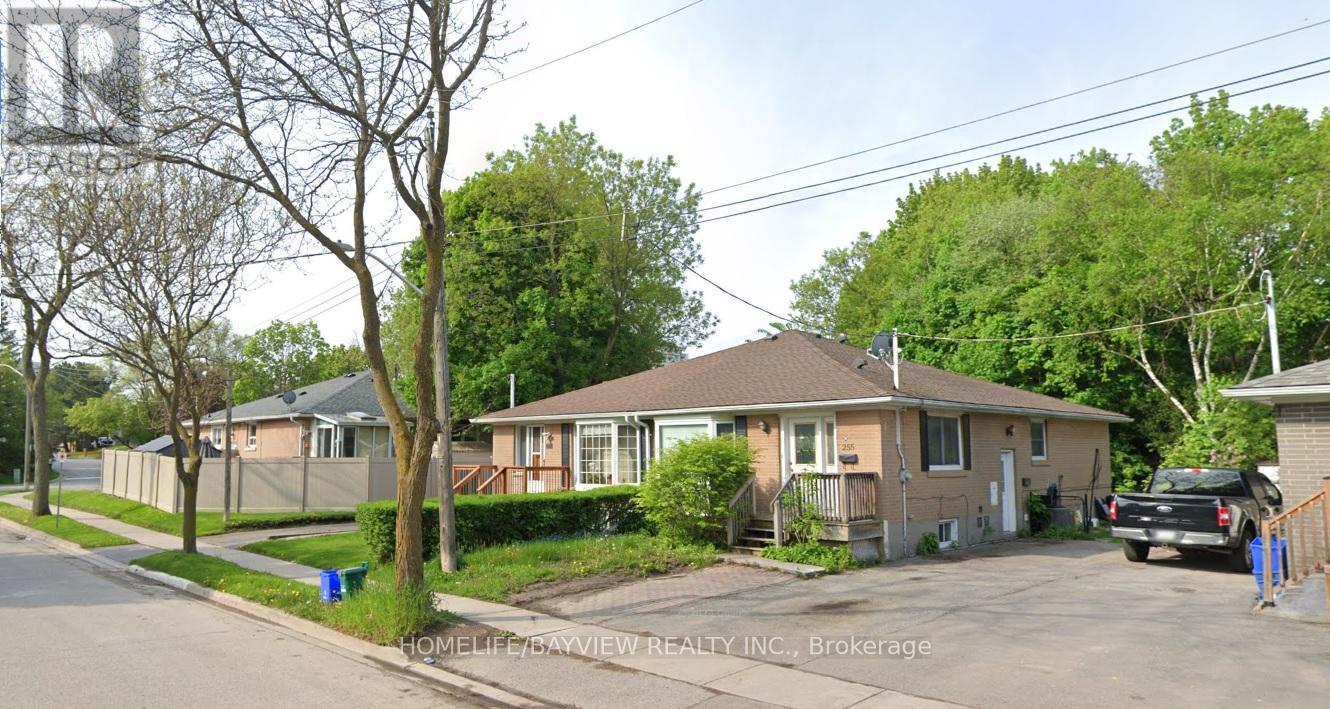 For Rent
 For Sale
 For Sale
 For Sale