
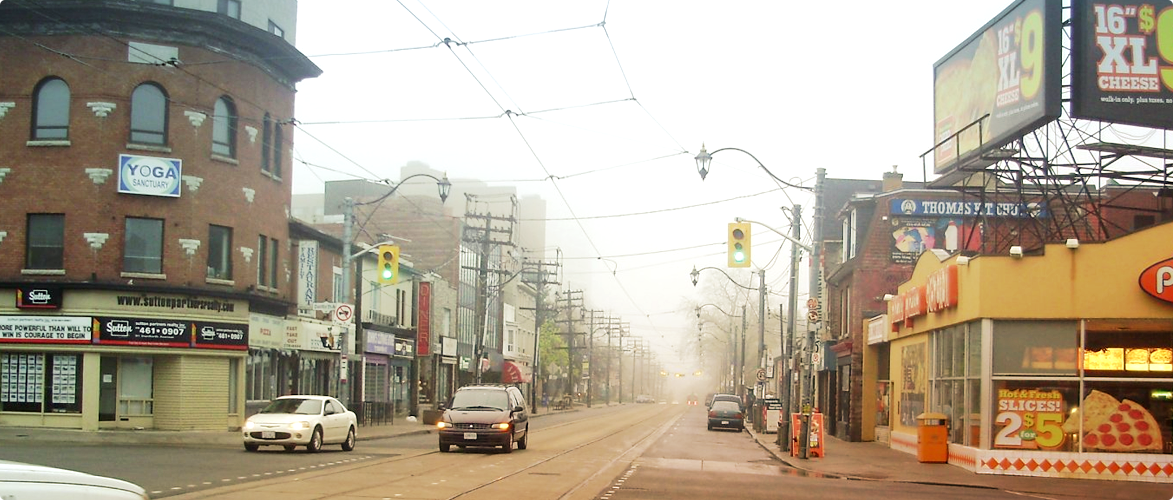
Broadview North is a family-oriented residential neighbourhood in east Toronto, roughly bounded by Broadview Avenue to the west, Mortimer Avenue to the north, the Don Valley Parkway to the east, and O'Connor Drive running through the middle as its commercial spine. Brick semis and detached homes from the 1920s through 1950s sit on streets that are quieter than the Riverdale blocks to the south, and the price reflects it: in early 2026, three-bedroom semis were trading between $900,000 and $1.15 million, making this one of the more accessible freehold markets within walking distance of the Bloor-Danforth line.
Broadview North sits in a geographic position that shapes its character and its price: north of the Danforth, east of Broadview Avenue, and against the western edge of the Don Valley. The streets are residential in the way that much of Toronto aspires to be and rarely achieves at this address. Brick semis and detached homes from the 1920s through 1950s line Pape Avenue, Mortimer Avenue, Sammon Avenue, and the quieter east-west streets between them. The neighbourhood is not the Danforth. It doesn’t have the restaurant strip or the immediate subway access that Riverdale commands its premium for. What it has is those same brick houses, the same era, the same lot sizes, and a meaningful price discount for everyone who can walk 12 minutes instead of 5.
O’Connor Drive runs east-west through the northern portion of the neighbourhood and functions as its commercial spine. The strip is practical: a pharmacy, a grocery store, a few coffee shops, dry cleaning, a hardware store. It is not a destination strip in the way that the Danforth is, and buyers who want a curated restaurant scene within walking distance will not find it here. What they will find is a neighbourhood that functions efficiently for families, where the schools are local and accessible, where the Don Valley trail is reachable on foot, and where a three-bedroom brick semi is still available under $1.1 million in early 2026.
The Don Valley forms the eastern boundary of the neighbourhood, with the Don Valley Parkway running below it. This is the trade-off that comes with the valley proximity: the noise from the DVP is audible on streets close to the eastern edge of the neighbourhood, particularly on Pape Avenue north of O’Connor and on the streets that dead-end against the valley. Buyers who visit during the week should note that the DVP operates around the clock, and a Saturday afternoon visit won’t capture the full picture of what living on a valley-adjacent street sounds like during the Monday morning commute. The closer to the valley, the more this matters.
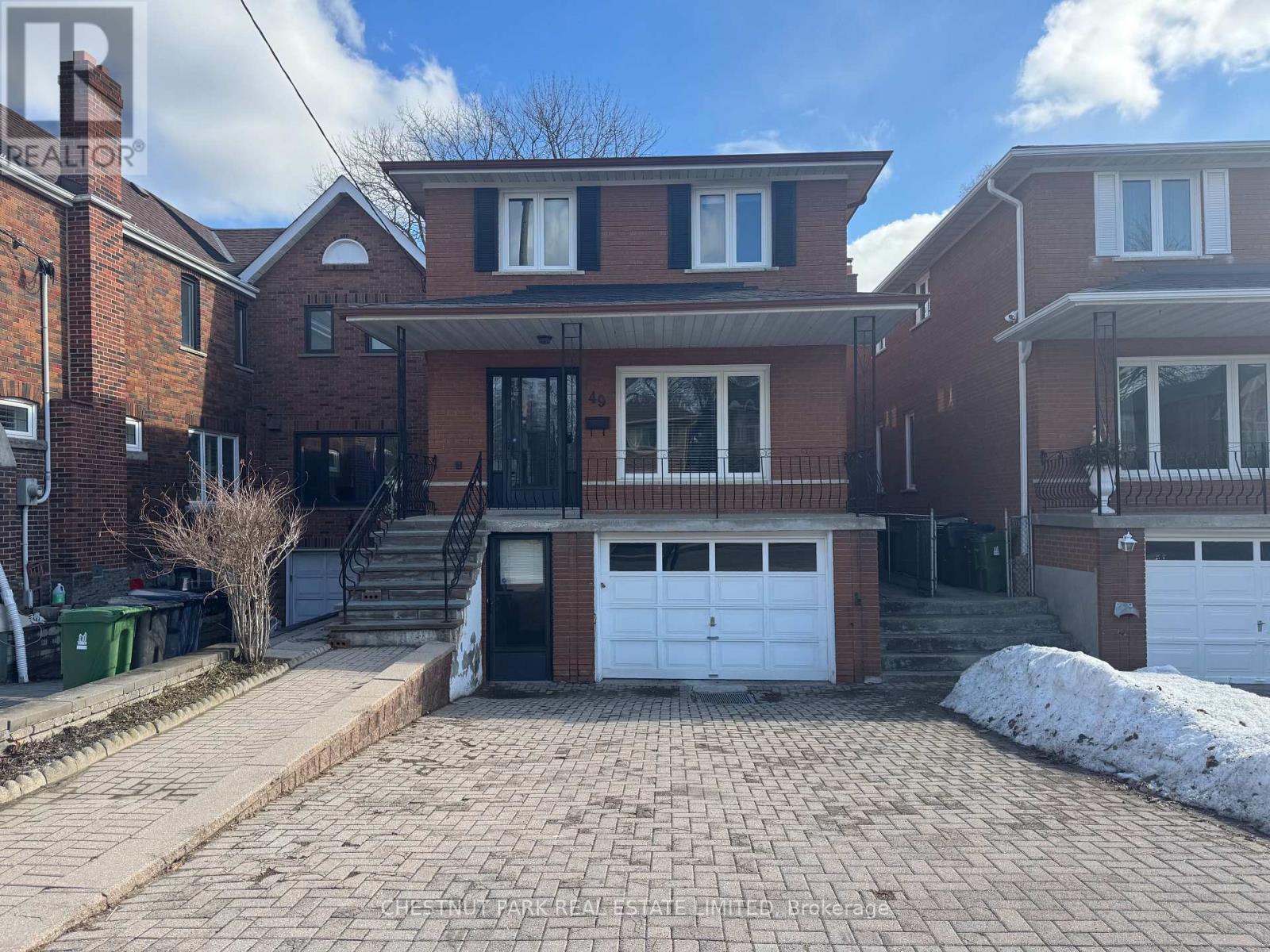
The dominant property type in Broadview North is the red brick semi-detached home built between 1920 and 1950. These are typically two and a half storeys: three bedrooms, one main bathroom, a narrow lot of 18 to 22 feet, a small backyard, and a basement that was originally unfinished and has been converted to varying degrees by successive owners. The footprint is modest by suburban standards but functional for a family of four that is accustomed to urban density. Lot depths are typically 100 to 120 feet, which gives a meaningful backyard for the east end of the city at this price point.
In early 2026, a three-bedroom brick semi in good condition, with an updated kitchen and bathroom, was trading between $950,000 and $1.1 million. Properties that were still original or required significant work were coming in $100,000 to $150,000 below that. Detached homes exist on certain streets, particularly on the blocks between Broadview Avenue and Pape Avenue, and on some of the wider lots along Sammon Avenue. Detached properties in reasonable condition were trading between $1.1 and $1.4 million, reflecting both the scarcity of detached freehold at this price and the premium for not sharing a wall. The gap between a maintained semi and a detached home is wider here than in Riverdale because detached supply is genuinely limited.
There is no meaningful condo market in Broadview North. A handful of small apartment buildings exist on O’Connor Drive and Broadview Avenue, but they are rental stock rather than condo-tenure buildings. Buyers looking for a condo as a first purchase in this part of the east end typically look at the Danforth corridor itself, where older purpose-built conversions and newer developments closer to the subway provide options from $550,000 upward. Broadview North is fundamentally a freehold neighbourhood, and buyers who want the option of a condo should look at adjacent areas rather than expecting to find one here.
Broadview North is a secondary market relative to Riverdale and Playter Estates, which means it behaves with less competitive intensity but also with less predictability. When Riverdale prices rise and buyers who can’t afford it start looking north, Broadview North absorbs some of that demand. When the broader market cools, the neighbourhood cools a bit more than the premium addresses south of the Danforth because the buyer pool is shallower and more price-sensitive. Buyers treating this neighbourhood as a pure investment in the way they might treat Riverdale should understand that distinction: Broadview North doesn’t have the floor that a prestige address provides.
In early 2026, the market was operating without consistent offer date pressure. Well-priced semis in good condition attracted multiple looks and sometimes multiple offers, particularly in late February through April. Properties with deferred maintenance or that needed a full kitchen update were sitting longer, giving buyers time to do proper due diligence. The window between listing and accepted offer on a typical property was five to ten business days, compared to two to four days in comparable Riverdale product. Buyers with conditions, including inspection and financing, could get them accepted on most properties if their overall price was competitive.
The seasonal pattern here follows the broader Toronto market closely. Spring is the primary window, with the highest inventory and the most buyer activity. October is a second, smaller period of activity. Listings from November through January sit with reduced buyer interest, and sellers who list in that period typically accept a discount from spring prices. One nuance specific to Broadview North: because a portion of buyers come from Riverdale overflow, the market here can be a few weeks behind Riverdale in seasonal timing. Buyers who miss out on a Riverdale property in early March sometimes show up in Broadview North in late March with the same urgency, and the market reflects that sequencing in most years.
Most buyers who end up in Broadview North considered Riverdale first and found it outside their budget. The neighbourhoods share enough physical character, transit access, and valley proximity that the comparison is natural, and the price difference is large enough that Broadview North becomes the serious alternative for a specific buyer profile: families who need three bedrooms in freehold housing, want to stay on or near the Bloor-Danforth line, and have a budget in the $950,000 to $1.2 million range. These buyers are typically first-time freehold purchasers coming from a rented apartment or a condo, often with young children, and the decision to buy here rather than rent further east or buy a condo closer to the subway is a deliberate choice about neighbourhood character over address prestige.
A second group comes from East York to the north, families who have owned or rented in the Danforth and O’Connor area and want to move closer to the Don Valley trails, the Danforth amenities, and the Riverdale community character. These buyers often have existing roots in the broader east-end neighbourhood network and choose Broadview North because it feels like the same kind of community at a price point that makes sense for their budget. They’re not compromising on location so much as accepting that the premium address is Riverdale and they’re happy to be one neighbourhood north.
Some buyers come specifically for the Don Valley access. The trail network via Pottery Road is a genuine draw for cyclists and runners who want off-road access without owning a car. These buyers often prioritise the eastern streets, particularly those close to Pape Avenue north of O’Connor, for their proximity to the valley descent. They’re typically younger buyers, often without children yet, who are choosing a physical lifestyle that the valley makes possible, and they find the Broadview North price point works better than trying to access the same trails from Riverdale or Playter Estates at significantly higher cost.
The brick semis and detached homes in Broadview North date from the 1920s through 1950s, and that age range presents a specific set of inspection priorities that buyers should understand before they hire an inspector. Knob-and-tube wiring was standard in homes built before roughly 1945, and a portion of the housing stock in this neighbourhood still has it in the walls even when the panel has been updated. Knob-and-tube is not automatically unsafe, but its presence affects insurance eligibility and premium in ways that can be significant. Confirm with your insurer before making an offer whether they will write a policy on a property with knob-and-tube present, and at what premium. Some buyers discover this after the fact, which is not the right time.
The lot depths here are good by inner-city standards, and the backyards of most semis are usable space. Check the rear of the lot for any structures: sheds, garages accessed from the lane, or additions that were built without permits. The City of Toronto’s permit records are searchable online via the permit and application lookup tool, and pulling the history for any property you’re serious about is 20 minutes of research that can reveal whether a rear addition or garage conversion was properly permitted. Unpermitted structures create complications for financing, insurance, and future sale, and they’re more common in this vintage of housing than buyers expect.
The streets on the eastern edge of the neighbourhood, closest to the Don Valley Parkway, have highway noise exposure that varies by proximity and prevailing wind. Visit the specific street at different times if you’re considering a property within two blocks of the valley. The noise situation is not consistent across the neighbourhood: Sammon Avenue and the streets west of Pape are genuinely quiet. The blocks east of Pape Avenue north of O’Connor are where the DVP noise becomes a legitimate consideration. The real estate listing will not mention this, and your agent may not volunteer it. Listen for yourself.
Sellers in Broadview North are selling into a market where buyers have done the Riverdale comparison and found it out of reach. That means the buyer arriving at your door is financially constrained and research-literate. They know what the equivalent property in Riverdale costs and they’ve accepted that Broadview North is the trade-off they’re making. What they will not accept is paying a Riverdale price for a Broadview North address, and sellers who try to price based on what their neighbours to the south are getting typically sit longer and sell lower than those who price honestly for the neighbourhood.
What moves well in this market is a properly maintained property where the seller can document what’s been done. An updated electrical panel with permits, a new roof with a transferable warranty, a kitchen that was redone in the last ten years rather than the last forty: these things matter to a buyer pool that is getting one chance to buy at this price point and doesn’t want to walk into an immediate renovation obligation. The inspection contingency is standard in this market, and sellers who have deferred maintenance should price it in rather than waiting for the inspector to find it and the buyer to renegotiate.
Spring is when this market performs. Listings from mid-February through April capture the buyers who have been watching inventory through the winter and are ready to act. A well-presented three-bedroom semi listed in early March with professional photos and a competitive price will typically see multiple showings in the first week and a decision within ten days. That same property listed in November will take three to six weeks and likely needs a price adjustment to find a buyer. The gap between spring and fall results in this neighbourhood is larger than in Riverdale, where demand is deep enough to keep the market active year-round. Sellers who have a choice of timing should make it.
O’Connor Drive is Broadview North’s commercial street, and it serves the neighbourhood’s practical needs without being a destination for anyone who doesn’t live here. The strip runs east-west through the northern part of the neighbourhood, connecting Broadview Avenue on the west to O’Connor Drive’s continuation into East York on the east. You’ll find a pharmacy, a grocery store, a few coffee spots including the well-regarded Broadview Espresso, a laundromat, a hardware store, and the mix of independent services that a working residential strip requires. For a sit-down dinner with range and choice, residents drive or take the bus to the Danforth, which is 15 minutes south. That’s the honest description of O’Connor Drive: functional and pleasant, not something you’d seek out from another neighbourhood.
The Don Valley trail system is the more distinctive amenity, and it’s one that a surprising number of buyers don’t fully investigate before purchasing. Pottery Road descends from O’Connor Drive into the Don Valley floor, a drop of about 30 metres in less than a kilometre. At the bottom, the Lower Don Trail picks up and runs south toward Riverdale Park and the Corktown waterfront, and north toward Sunnybrook Park, Serena Gundy Park, and eventually the E.T. Seton trail system in the northeast of the city. The entire Don Valley trail network is accessible from the Pottery Road entry point without touching the DVP or any arterial road. For cyclists commuting downtown, the trail connects to the Martin Goodman Trail along the lakefront, making a full off-road route from Broadview North to the financial district possible on a bicycle in about 35 minutes.
Riverdale Park is a 20-minute walk south from the centre of Broadview North, reachable via Broadview Avenue. The park sits on the escarpment above the Don Valley and offers one of the best views of the downtown skyline available from any park in the city. Riverdale Farm at the bottom of the park is a working city farm that draws heavily from the surrounding neighbourhood, and it functions as a community gathering point for families with young children in a way that strengthens the east-end neighbourhood network as a whole. Broadview North residents use Riverdale Park regularly and consider it part of their neighbourhood’s extended amenity set, even though it’s technically in Riverdale.
The Pape subway station on the Bloor-Danforth line is the primary transit connection for Broadview North, and the walking time is the central fact buyers need to assess honestly. From the middle of the neighbourhood, around Sammon Avenue and Pape, it’s a 10 to 12 minute walk south to Pape station. From addresses on Mortimer Avenue, the northern boundary, the walk is 15 to 18 minutes. That range is the difference between a transit commute that works easily and one that requires genuine commitment, particularly in January. The 72 Pape bus runs along Pape Avenue and connects to Pape station, which reduces the effective transit time for addresses on the east side of the neighbourhood by 5 to 8 minutes. Broadview station on the western side of the neighbourhood is accessible via Broadview Avenue for residents on that edge.
For drivers, O’Connor Drive connects east to the Don Valley Parkway at O’Connor Drive and Mortimer, giving relatively quick access to the DVP for downtown or 401 commutes. The DVP runs close enough to the neighbourhood’s eastern edge that on-ramp access is 3 to 5 minutes from most addresses, which is a genuine advantage for car commuters. Kingston Road and the Lakeshore are reachable via the DVP south. Broadview Avenue connects south to the Gardiner via Eastern Avenue. The overall driving connectivity is good, and drivers who can tolerate the DVP congestion at peak hours are reasonably well served by this location.
The Don Valley cycling route is the specific transit advantage that no other neighbourhood at this price point can match in the same way. Riders who are comfortable on the Lower Don Trail can reach the financial district in 30 to 40 minutes by bicycle, with most of the route off-road and away from traffic. The Pottery Road descent into the valley is steep enough that some riders walk it rather than brake the whole way down, and the climb back up at the end of the day is a real effort, but the overall cycling accessibility of this neighbourhood from a commuting perspective is significantly better than the transit walking times alone suggest. Buyers who commute by bicycle should put this near the top of their due diligence rather than treating it as a secondary consideration.
Riverdale is the most natural comparison and the most instructive one. The housing stock in Riverdale is the same era and the same type: red brick semis and detached homes from the 1910s through 1940s, on similar lot widths and depths. The streets on either side of the Danforth between Broadview and Pape are the closest physical match to what you find in Broadview North. The price difference in early 2026 was roughly $150,000 to $250,000 for equivalent properties, reflecting Riverdale’s subway proximity, its commercial strip character on the Danforth, and the premium attached to a neighbourhood name that has been established for decades. For buyers who can absorb that premium, Riverdale delivers it. For buyers who can’t, Broadview North delivers most of the physical neighbourhood attributes for a price that makes the purchase possible.
Playter Estates, immediately west of Broadview North and south of Danforth Avenue, is an even more direct comparison in housing type. Playter Estates commands a premium over Broadview North of $200,000 or more for comparable semis, based on its walkability to Pape and Chester stations and its established reputation as one of the best-maintained streetscapes in the east end. The bungalows and semis on Playter Boulevard are genuinely beautiful blocks, and buyers who can afford them tend to stay for a long time. Buyers who cannot find that Broadview North provides the same housing type in the same neighbourhood network at a price that doesn’t require stretching the budget dangerously.
East York, north of O’Connor Drive and east toward Donlands, provides a different comparison. The housing stock there is similar and the price is broadly comparable, but the transit access is somewhat worse: Coxwell station is the nearest subway, and walking distances from most East York addresses are longer than from Broadview North to Pape. East York also lacks the Don Valley trail access that Pottery Road provides to Broadview North. For buyers who are genuinely weighing the two neighbourhoods, the transit advantage and the trail access are both real points in Broadview North’s favour, and they’re worth putting in the comparison explicitly rather than assuming East York and Broadview North are interchangeable.
Broadview North is a neighbourhood that rewards walking before you buy. The character varies considerably by block, and a general description of the neighbourhood undersells the specific quality of certain streets while obscuring the limitations of others. Sammon Avenue between Broadview and Pape is one of the better residential streets in the east end: wide sidewalks, mature trees, well-maintained semis, and a settled neighbourhood quality that you’d normally expect to pay Riverdale prices for. Pape Avenue north of O’Connor is more mixed: commercial uses on the ground floor of some buildings, older apartment blocks from the 1960s alongside the semis, and the DVP noise audible on the eastern end. The street-level experience between those two addresses is different enough that a buyer shortlisting properties in this neighbourhood should not assume that a common postal code tells the whole story.
The schools in Broadview North are a significant factor for families with children, and the local options are reasonable. Monarch Park Collegiate is the main secondary school for the neighbourhood, and it has a well-regarded arts program alongside its standard academic curriculum. At the elementary level, Earl Haig Public School and Jackman Avenue Public School are the main TDSB options, both with solid local reputations. Families who use the Catholic system have access to St. Monica Catholic School on Felstead Avenue. Verify current catchment boundaries via the TDSB tool before assuming any address places a child in a specific school, as the boundaries in this part of the east end have been adjusted in recent years.
The neighbourhood has a functioning community association and active neighbourhood networks that reflect the settled character of the area. Many residents have been here for 10 to 20 years, and the turnover rate is lower than in some of the more aggressively gentrifying east-end neighbourhoods. That settled character means you’re less likely to be living next to a renovation project for the first three years, and more likely to find that people on your street know each other. The community is not a selling point you’ll find in a listing description, but it’s one of the things that makes Broadview North retain residents who arrived primarily for the price and stayed for the neighbourhood.
What is the average home price in Broadview North in 2026? Three-bedroom brick semis were trading between $900,000 and $1.15 million in early 2026, depending on condition and whether the basement was finished. An unrenovated semi with original kitchen and bathroom in sound structural condition would land at the low end of that range. An updated property with a contemporary kitchen, renovated bathroom, and finished lower level would be at or above the midpoint. Detached homes, which appear less frequently on the market here, were trading between $1.1 and $1.4 million. The neighbourhood is priced meaningfully below Riverdale for equivalent housing stock, and the gap has remained consistent even as prices in both areas have shifted, reflecting a persistent premium for the Riverdale address rather than a physical difference in the housing.
Is Broadview North a good investment? The neighbourhood has appreciated steadily over the past decade alongside the broader east-end market, and there is no particular reason to expect that to reverse given the structural supply constraints in Toronto freehold housing. The qualification worth being honest about is that Broadview North doesn’t have the floor that an established prestige address like Riverdale or Playter Estates provides. When the market softens, secondary neighbourhoods tend to soften more, and buyers who purchase at peak prices in a rising market can find themselves underwater in the short term if conditions change. For a buyer planning to hold for 7 to 10 years or longer, the price relative to comparable product makes the neighbourhood a reasonable buy. For someone planning to sell in 3 years, the lack of a prestige address premium creates more exposure to market timing risk than exists in Riverdale.
How far is the walk to Pape station? From most addresses in Broadview North, the walk to Pape station is 10 to 15 minutes on foot. The northern edge of the neighbourhood near Mortimer Avenue is at the longer end of that range: a 16 to 18 minute walk to Pape, or a short ride on the 72 Pape bus which runs along Pape Avenue and cuts the trip to under 10 minutes including the wait. Broadview station is accessible from the western side of the neighbourhood and is a comparable walk from Broadview Avenue. Neither station is immediately adjacent to the neighbourhood, and buyers for whom a 5-minute walk to the subway is a firm requirement should look at Riverdale or Playter Estates instead. The walking distance is manageable for most buyers when honestly assessed, but it should be walked in person before making a purchase decision, ideally on a cold morning in February.
What are the best streets to buy on in Broadview North? Sammon Avenue between Broadview Avenue and Pape Avenue is consistently the most desirable address in the neighbourhood: wide, tree-lined, with maintained semis and a residential quality that outperforms the neighbourhood median. Mortimer Avenue has similar character on the blocks away from the commercial uses. Streets on the western side of Pape Avenue, particularly those between Sammon and O’Connor, are quieter than the eastern blocks and benefit from the slightly shorter walk to Pape station. Buyers should avoid the blocks immediately east of Pape Avenue north of O’Connor if DVP noise is a concern, and should walk any specific street at different times of day before committing. The variation within the neighbourhood is real and significant enough to make street selection matter as much as the broader neighbourhood decision.
The honest case for Broadview North is this: for $950,000 to $1.1 million in early 2026, you can buy a three-bedroom brick semi with a 100-foot deep lot, 10 to 15 minutes from the Bloor-Danforth subway, adjacent to the Don Valley trail network, in a settled residential neighbourhood with functioning schools. That combination does not exist anywhere else in the City of Toronto at that price point in 2026. The equivalent in Riverdale costs $200,000 more. The equivalent in Leslieville or Roncesvalles costs $200,000 to $400,000 more, with worse lot depth and no valley access. The price is the point, and buyers who understand what they’re getting are not compromising in any meaningful way on the substance of the purchase.
What you’re accepting is a 12-minute walk to the subway instead of a 5-minute walk. You’re accepting O’Connor Drive as your commercial strip instead of the Danforth. You’re accepting that your street address won’t carry the immediate recognition that Riverdale does when you mention it to colleagues. These are not trivial trade-offs for every buyer, and buyers for whom address prestige is a real factor in the decision should name that honestly rather than convincing themselves it doesn’t matter. For buyers who genuinely don’t care about the address name and care primarily about the house, the lot, the schools, and the transit, Broadview North is one of the better-value addresses on the Bloor-Danforth corridor.
The neighbourhood’s trajectory is worth considering too. Broadview North has been absorbing east-end demand from buyers who couldn’t afford Riverdale for at least 15 years, and the quality of the housing stock is gradually rising as those buyers renovate. The commercial strip on O’Connor Drive has improved modestly over the same period, and there is no particular reason to think that improvement has stopped. The neighbourhood isn’t going to become Riverdale in five years, and buyers who are buying on that expectation are probably pricing in something that won’t fully materialise. But it’s also not a neighbourhood in decline, and the long-term owners who have been here since the 1990s have done reasonably well by it.
Street-level knowledge is hard to find online. Our team works in Broadview North every day. They know which pockets hold value, where the school catchment lines actually fall, and what the market is doing right now. Talk to us before you make a decision about Broadview North.
Talk to a local agent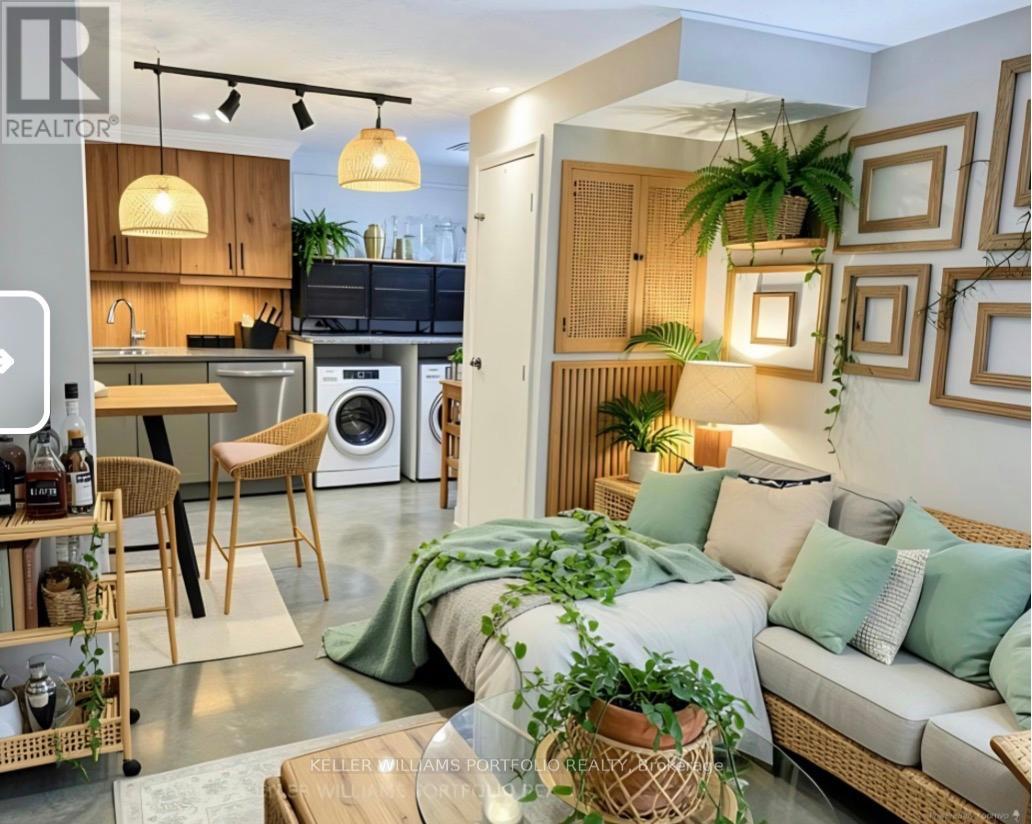 For Rent
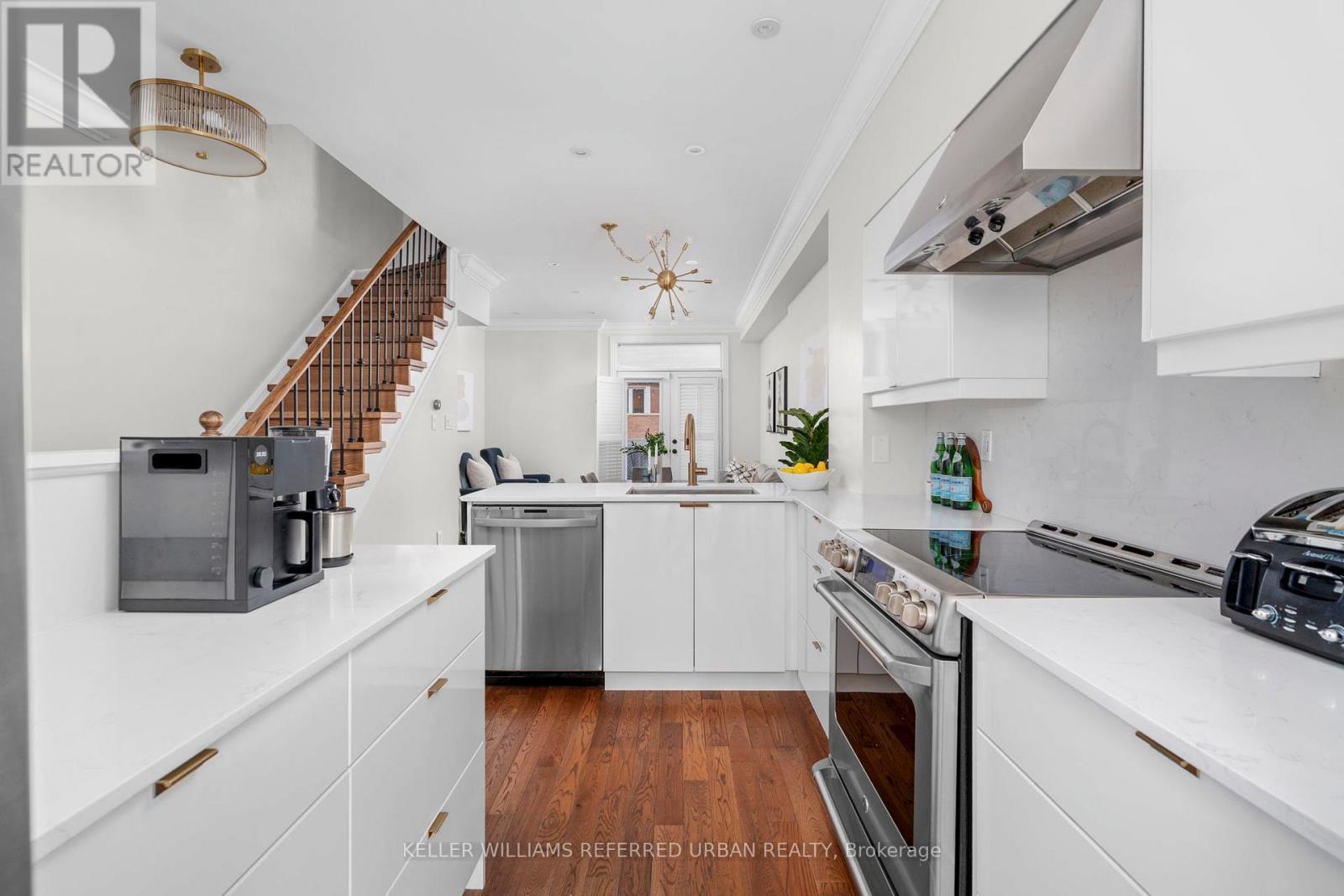 For Sale
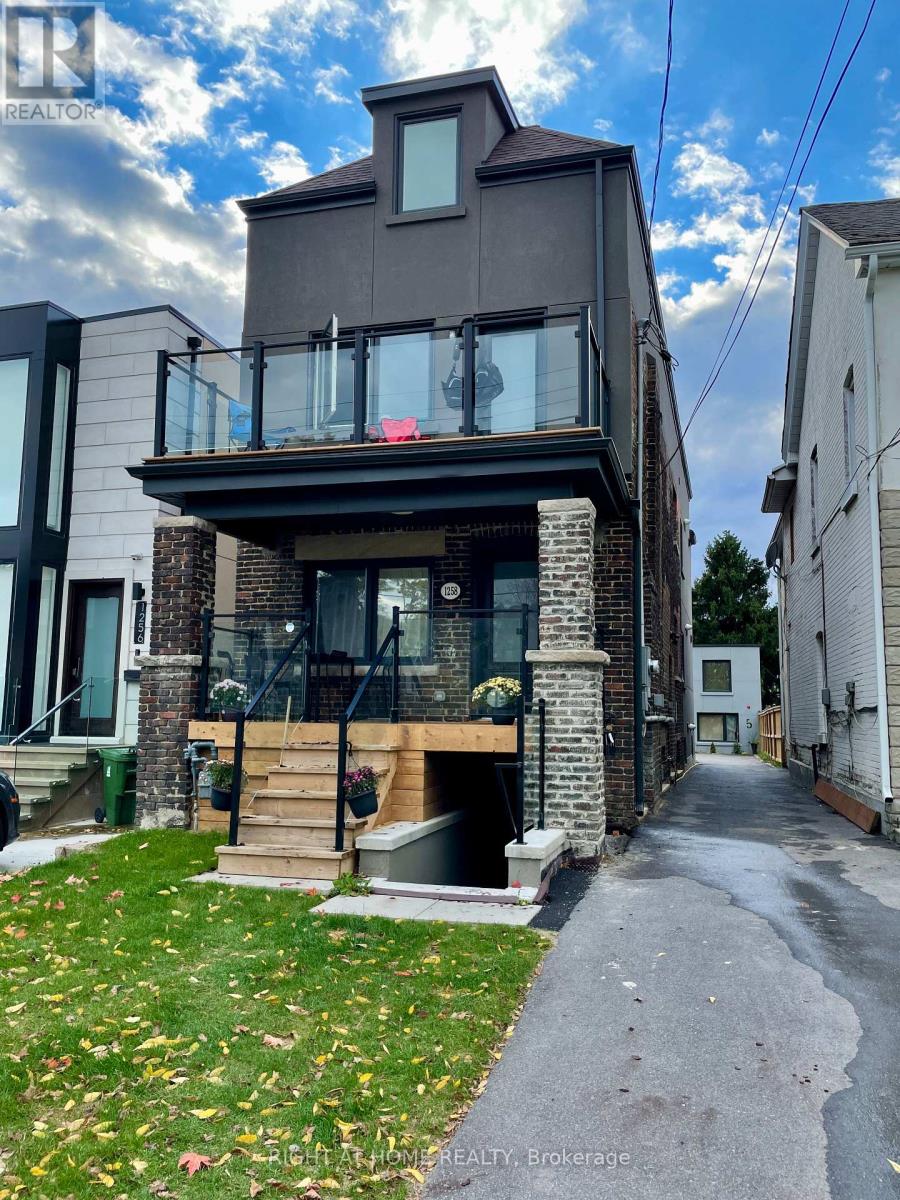 For Rent
 For Sale