
Brock Ridge is a mid-Pickering neighbourhood with established detached homes from the 1980s and 1990s, positioned between Kingston Road and the Taunton corridor with good access to Pickering GO Station.
Brock Ridge is a mid-Pickering residential neighbourhood sitting in the northern section of the city, generally between Finch Avenue to the south, Major Oaks Road and the railway corridor to the north, Brock Road to the west, and Altona Road to the east. It developed primarily through the 1990s and 2000s as Pickering’s residential footprint expanded northward from the more established neighbourhoods near Highway 401. The result is a practical suburban neighbourhood of detached two-storeys and townhouses that serves the Pickering family buyer market at mid-range prices.
The neighbourhood takes its name from Brock Road, the north-south arterial that defines its western edge and connects south toward the 401 and Highway 407 interchange. Sir Isaac Brock, the British general who defended Upper Canada in the War of 1812, is the historical figure behind the road name. The neighbourhood’s naming follows the area it’s in rather than any significant local history of its own.
Brock Ridge’s primary appeal is its position in the mid-price tier of Pickering’s residential market: above the Town Centre condos and the more affordable Village East addresses, but below the premium of Rosebank or Rougemount. It’s the family neighbourhood format at a price that’s accessible to the dual-income professional household that makes up the primary Pickering buyer profile.
Detached two-storeys from the 1990s and early 2000s are the core product. A typical Brock Ridge home is 1,700 to 2,400 square feet on a 30 to 40 foot lot with a full basement, three to four bedrooms, and an attached garage. In early 2026, these homes are priced from approximately $900,000 to $1.2 million depending on condition, size, and specific location. Updated homes with renovated kitchens, baths, and recent mechanicals are at the top; properties with original finishes and deferred maintenance are at the lower end.
Townhouse product in Brock Ridge provides a more accessible entry point. Freehold townhouses run $700,000 to $900,000. Condo townhouses are lower due to monthly fees. The townhouse market is relevant for buyers who want to be in Pickering’s northern residential neighbourhoods but can’t reach the detached price range.
The Pickering premium over comparable Oshawa product is real and consistently present. A Brock Ridge detached home at $1 million competes with a Windfields or Kedron home in the same price range, and the Pickering buyer who chooses Brock Ridge is paying partly for the Pickering address, partly for the established character of the neighbourhood, and partly for the shorter commute to the Pickering GO station.
Families who want to be in Pickering rather than Oshawa but whose budget doesn’t reach the Rosebank or Liverpool premium consistently end up in Brock Ridge. The neighbourhood delivers the Pickering address, the established subdivision character, and the access to Pickering’s schools and highway connections at a price that’s below the most desirable parts of the city. It’s a middle ground that serves a consistent buyer profile.
Buyers from Scarborough and Markham who are moving east for price accessibility sometimes evaluate Pickering’s northern neighbourhoods before deciding whether to go further into Ajax or Oshawa. Brock Ridge, with its Pickering address and Brock Road highway access, is often part of that comparison. Buyers who choose Pickering over Oshawa for the perceived quality difference will typically find Brock Ridge the accessible end of that decision.
GO commuters are well served by Brock Ridge’s proximity to both the Pickering and Ajax GO stations. The Pickering GO station is accessible south on Brock Road in approximately 10 to 15 minutes. Peak trains to Union Station run in 45 to 50 minutes from Pickering. The total commute from Brock Ridge to Union Station is approximately 60 to 70 minutes — meaningfully shorter than from north Oshawa and competitive with comparable Whitby neighbourhoods.
Pickering GO station on the Lakeshore East line is Brock Ridge’s primary transit connection. The drive south on Brock Road to the station is approximately 10 to 15 minutes. Peak trains run to Union Station in approximately 45 to 50 minutes. This is one of the better commute profiles available in Durham Region for downtown Toronto employment: the total door-to-Union-Station time from Brock Ridge is approximately 60 to 70 minutes, comparable to many Etobicoke or North York residential areas and significantly shorter than from north Oshawa or Whitby’s northern subdivisions.
Highway 401 is accessible at Brock Road south of the neighbourhood. The 407 east connects from the Brock Road interchange. The highway access is good for Brock Ridge residents: the north-south orientation of Brock Road aligns directly with both major highway access points, and the drive to either is straightforward. For residents commuting to employment along the 401 or 407 corridors rather than downtown, the highway access makes Brock Ridge practical for a range of employment destinations.
Ajax GO station is also accessible from Brock Ridge, slightly to the west along Kingston Road. For residents who find the Ajax GO service pattern more convenient, having two GO stations within reasonable driving distance provides scheduling flexibility that residents of more remote Durham Region locations don’t have.
School catchments in Brock Ridge are within the Durham District School Board (DDSB) for public schools and the Durham Catholic District School Board (DCDSB) for Catholic schools. Secondary school catchment for most Brock Ridge addresses flows to Dunbarton High School or Pine Ridge Secondary School depending on the specific address. Confirm the current catchment for any specific address using the DDSB school locator at ddsb.ca. Elementary school catchments are served by a set of DDSB schools in the northern Pickering area; the specific school for any address should be confirmed with the DDSB.
Pickering has historically had a strong family buyer profile that values school quality, and the DDSB secondary schools in Pickering including Pine Ridge SS and Dunbarton High have good reputations within the board. School catchment is a factor in Pickering purchasing decisions in a way that’s more pronounced than in Oshawa, though it doesn’t approach the intensity of Toronto’s premium school catchment markets.
The Green River PS school community and the Brock Ridge Elementary School serve some of the neighbourhood’s elementary population. Confirm specific school assignments for any address as catchment boundaries in Pickering have been reviewed as the northern residential areas have grown.
Brock Road is the primary commercial corridor accessible from Brock Ridge, running south toward Kingston Road and the main commercial cluster of south Pickering. Kingston Road carries a full range of chain retail including grocery, pharmacy, hardware, and the restaurant and fast-food options that serve the residential population. The Pickering Town Centre mall at Highway 401 and Liverpool Road is accessible in approximately 15 to 20 minutes and provides the full enclosed mall retail, Canadian Tire, and department store options that the strip malls don’t carry.
The northern Pickering commercial development on Kingston Road and Brock Road has grown substantially as the residential population has expanded northward. Grocery options, big-box retail, and the service retail categories are well represented without requiring a drive to the Town Centre for most routine needs. The commercial infrastructure north of Highway 2 in Pickering has matured over the past decade in a way that makes the northern residential neighbourhoods more functionally complete than they were when first built.
The Seaton community to the north of Brock Ridge, one of Ontario’s major planned growth communities, is adding population and commercial development to the Brock Road corridor north of the established residential areas. The growth of Seaton will add commercial services accessible to Brock Ridge residents and improve the overall commercial density of the northern Pickering area over the coming decade.
Seaton is a major planned community north of the existing Pickering urban area, designated under the Growth Plan for the Greater Golden Horseshoe. The development of Seaton represents tens of thousands of new residential units to be built over the next 10 to 15 years north of Brock Ridge’s current northern boundary. For Brock Ridge residents, Seaton’s development means a growing population to the north, new commercial development along the Brock Road corridor, and continued evolution of the northern Pickering landscape.
Seaton development also means continued construction activity and traffic on Brock Road and other connecting corridors for years. Buyers in Brock Ridge who are sensitive to construction traffic and the visual character of active development zones should be aware that the northern horizon is an active construction environment that will persist through the late 2020s and into the 2030s.
The long-term effect of Seaton on Brock Ridge property values is a subject of genuine uncertainty. More population to the north supports more commercial development and better transit service. The Pickering address benefits from being in a growing municipality with an improving commercial and infrastructure base. At the same time, more supply of comparable housing in Seaton creates competition for the same buyer. The balance of these effects is impossible to predict precisely, but the direction for the broader Pickering market is growth.
Brock Ridge Community Park is the neighbourhood’s primary outdoor recreation facility, with sports fields, playground equipment, a splash pad, and community pavilion. The park is well maintained and actively programmed through the City of Pickering’s recreation department. It serves the immediate residential community and draws families from across northern Pickering. The park’s facilities are the standard for a well-funded Durham Region suburban neighbourhood park and represent a genuine daily amenity for families with children.
The Altona Forest and the natural areas to the east of the neighbourhood provide access to green space and trails that the street grid doesn’t offer. The Altona Forest is a significant natural feature for Pickering, a woodland area with walking trails that gives residents in the eastern parts of Brock Ridge access to a nature experience that’s unusual for a suburban neighbourhood. Buyers near the forest boundary have a genuine natural amenity that contributes to the premium for those specific streets.
The Pickering Recreation Complex on the Liverpool Road corridor is accessible from Brock Ridge for indoor recreation: arena ice, a fitness centre, swimming pool, and the programming that a full municipal recreation complex provides. The drive is approximately 15 to 20 minutes. The complex serves northern Pickering residents as the primary indoor recreation destination.
Brock Road runs north-south through the western edge of the neighbourhood, providing direct access south to Highway 401 and the Pickering GO station, and north toward the Seaton development area. Finch Avenue runs east-west along the neighbourhood’s southern boundary and provides connections east toward Altona Road and west toward Liverpool Road. The arterial grid around Brock Ridge is well structured for car travel in multiple directions.
Durham Region Transit has routes on the Brock Road and Kingston Road corridors connecting north-south and east-west. For residents who use transit, the Brock Road bus connects south toward Kingston Road and the Pickering GO station area, providing an alternative to driving to the station. The frequency is typical of Durham Region Transit — useful for the trip it covers but not frequent enough to replace car ownership for most households.
Cycling from Brock Ridge to the Pickering GO station is possible on a reasonable day, approximately 15 to 20 minutes by bike on the road network. The City of Pickering has been developing cycling infrastructure along the main corridors, though the complete network remains in progress. For cycling commuters, the route to the GO station is feasible in good weather conditions.
Brock Ridge trades in the mid-range of the Pickering market. In early 2026, the Pickering market is softer than the 2021-2022 peak, with more inventory, longer days on market, and buyers who have time to include conditions and negotiate properly. The average sold price in Pickering overall is approximately $1.1 million across all home types, and Brock Ridge’s detached product is positioned in the $900,000 to $1.2 million range that constitutes the core of that market.
The Pickering premium over comparable Oshawa and Ajax product is consistent and real. Buyers who value the Pickering address and the shorter GO commute will consistently pay $100,000 to $200,000 more than for comparable product in north Oshawa. Whether that premium is justified depends on the buyer’s commute priorities and employment location. For downtown Toronto employment via GO, Pickering’s shorter commute is worth something tangible. For local Durham Region employment, the Pickering premium is purely an address preference.
The Seaton development’s long-term effect on values in established Pickering neighbourhoods like Brock Ridge is difficult to predict with precision. More supply in Seaton creates competition; more population supports commercial development and service improvements that benefit established neighbourhoods. The net effect over a ten-year holding period is likely modest in either direction.
Q: What are home prices in Brock Ridge Pickering in 2026?
A: Detached two-storey homes in Brock Ridge are priced from approximately $900,000 to $1.2 million in early 2026 depending on condition, size, and specific location. Updated homes at the upper end of the range; properties needing work at the lower end. Freehold townhouses run $700,000 to $900,000. The 2026 Pickering market is softer than 2021-2022 conditions and buyers have room to include conditions and negotiate. Brock Ridge prices reflect the Pickering premium over comparable north Oshawa product — typically $150,000 to $200,000 above Windfields or Kedron for equivalent product — which reflects the shorter GO commute, the established Pickering address, and the proximity to Highway 401 and the 407 interchange.
Q: How long is the GO commute from Brock Ridge to Union Station?
A: The drive to Pickering GO station is approximately 10 to 15 minutes south on Brock Road. Peak trains run from Pickering to Union Station in approximately 45 to 50 minutes on the Lakeshore East line. Total door-to-Union-Station time from Brock Ridge is approximately 60 to 70 minutes — one of the better commute profiles in Durham Region. Ajax GO station is also accessible from Brock Ridge for residents who find the Ajax service pattern more convenient. The Lakeshore East line has been adding service as part of the GO Expansion program, which will improve frequency and potentially reduce travel times over the next several years.
Q: What secondary school serves Brock Ridge?
A: Secondary school catchment for Brock Ridge addresses flows to either Dunbarton High School or Pine Ridge Secondary School depending on the specific address. Both are DDSB secondary schools serving northern and central Pickering. Confirm the specific catchment for any address using the DDSB school locator at ddsb.ca. Both schools have comparable general academic programs with the standard DDSB pathways. Extracurricular programs and school culture vary; families who are making a secondary school choice should visit the specific schools.
Q: How does Brock Ridge compare to Duffin Heights for a buyer?
A: Duffin Heights is the newer development area in northwest Pickering, north of Finch Avenue and west of Brock Road. Brock Ridge is the established 1990s-2000s residential area east of Brock Road. The comparison is similar to the new construction versus resale comparison in any market: Duffin Heights offers newer homes from active builders with builder warranty coverage at prices that are often above Brock Ridge resale. Brock Ridge offers established character, mature trees, and resale prices that may be below equivalent Duffin Heights new construction. Buyers who want a warranty and new systems without the renovation discussion will find Duffin Heights compelling; buyers who want established neighbourhood character at potentially better value will look at Brock Ridge.
Brock Ridge’s residential development was part of Pickering’s northward expansion through the 1990s and early 2000s. The land was agricultural before subdivision approval, and the development proceeded as Pickering’s population grew in response to the same forces that drove Durham Region’s broader expansion: the relative affordability of Pickering compared to the GTA west, the Lakeshore East GO line providing downtown Toronto access, and the highway grid at Highway 401 and later the 407 east extension.
Brock Road, which gives the neighbourhood its name, is named for Sir Isaac Brock, the British general who commanded the defence of Upper Canada at the beginning of the War of 1812 and died at the Battle of Queenston Heights in October 1812. The road naming follows a convention common across Durham Region and southern Ontario of honouring figures from the early colonial and military history of the province. Major roads named for Brock exist across the GTA; Pickering’s Brock Road is one of several in the region.
The Seaton urban area, which now defines the northern context for Brock Ridge and the rest of north Pickering, was a long-planned provincial growth area that spent decades in planning and review before receiving final approvals and beginning active development. The Duffins Creek watershed and the Seaton Lands were the subject of environmental review, First Nations consultation, and planning process that extended over more than 20 years. The current development activity in Seaton represents the resolution of that long planning history.
Street-level knowledge is hard to find online. Our team works in Brock Ridge every day. They know which pockets hold value, where the school catchment lines actually fall, and what the market is doing right now. Talk to us before you make a decision about Brock Ridge.
Talk to a local agent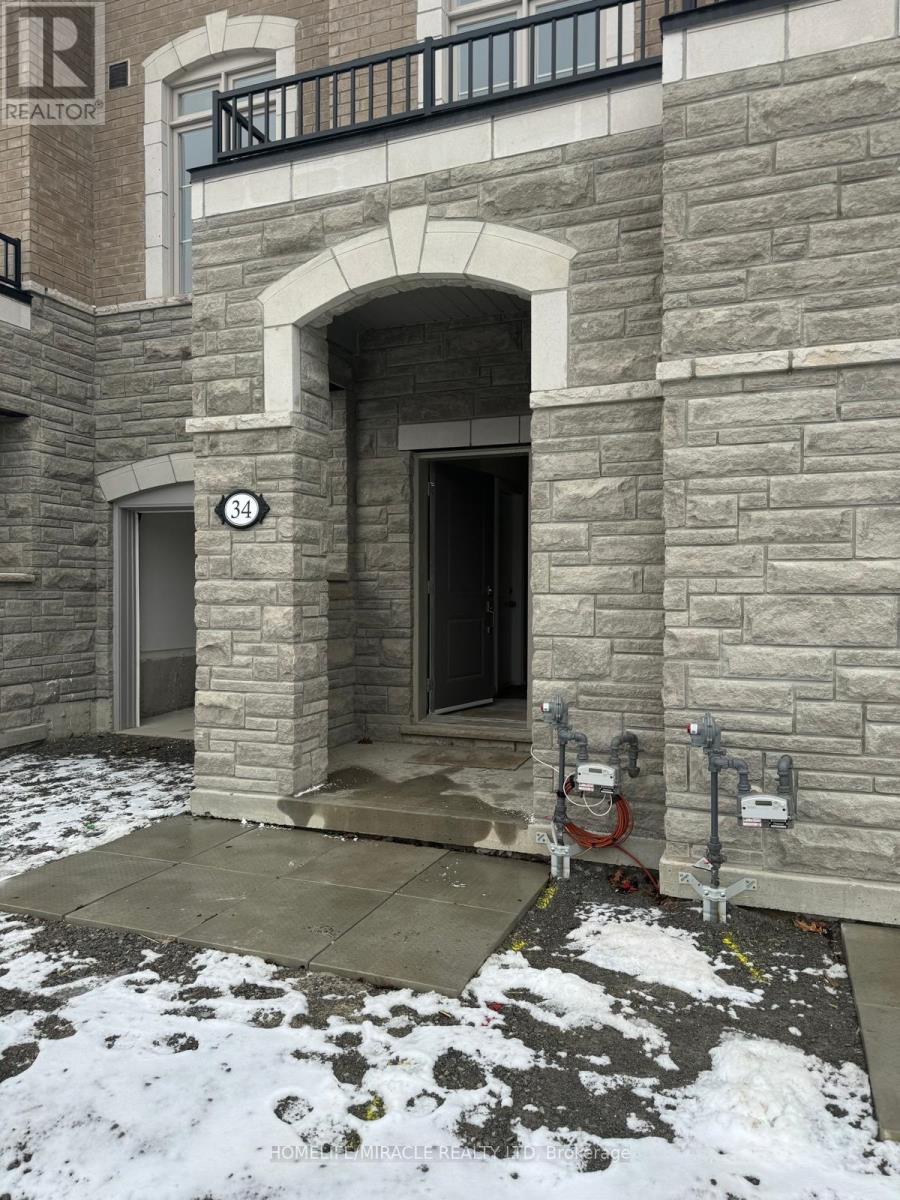 For Sale
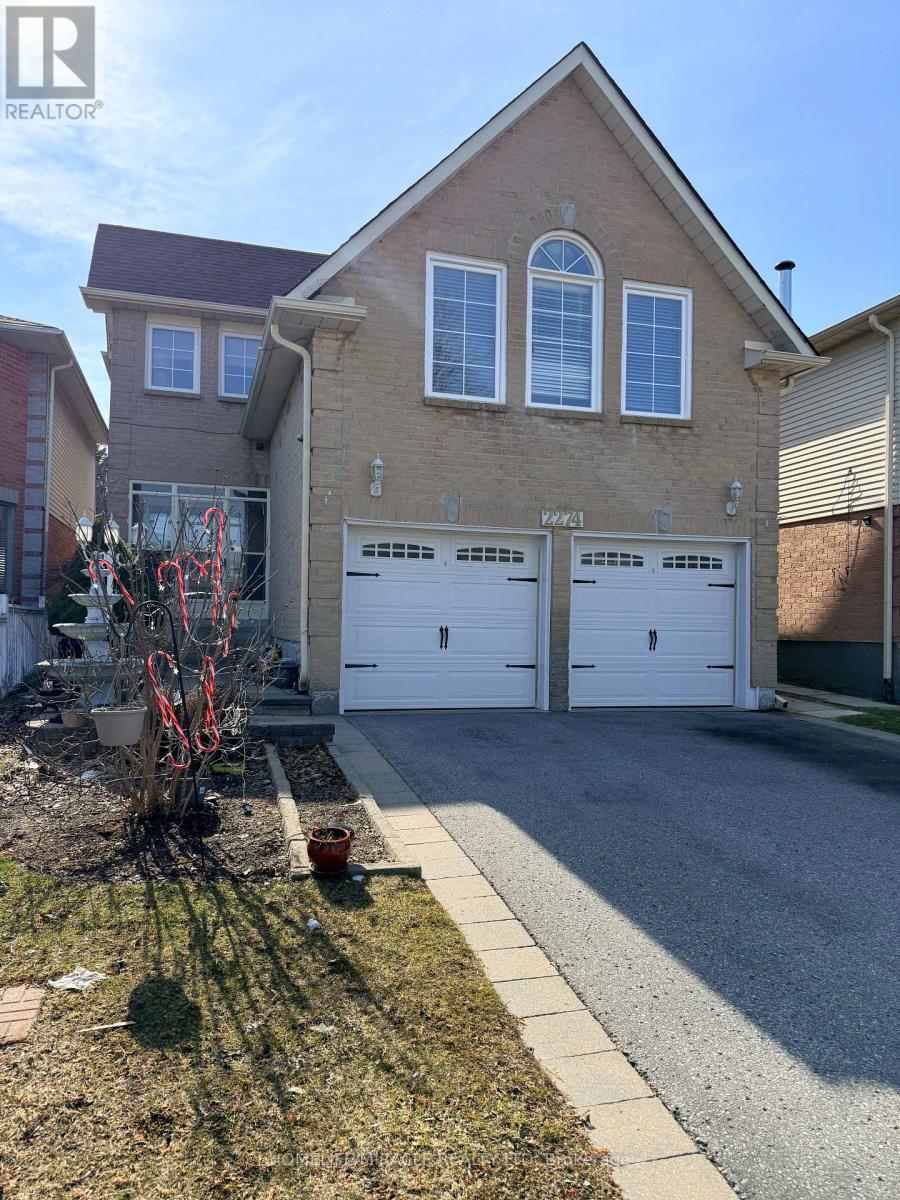 For Sale
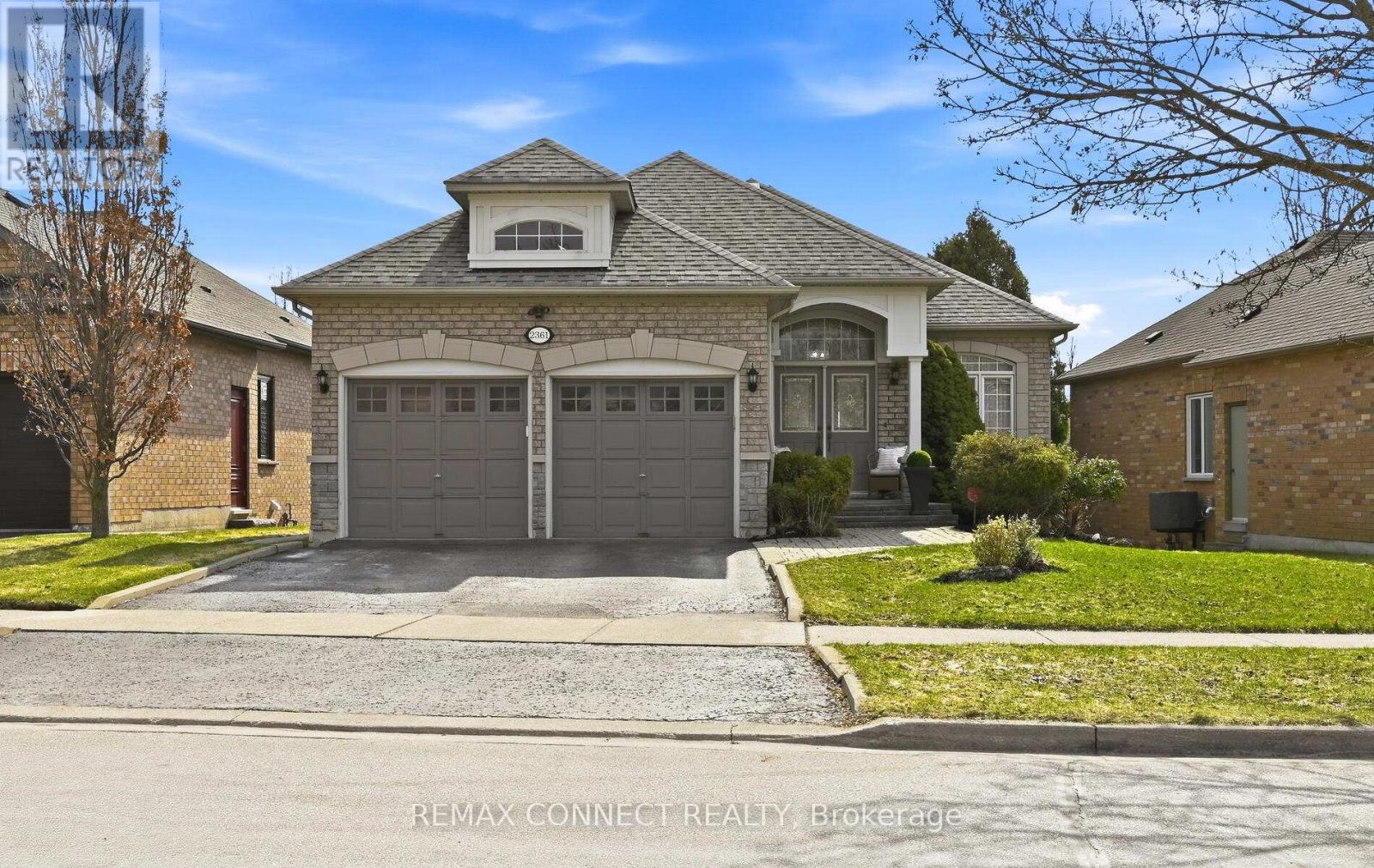 For Sale
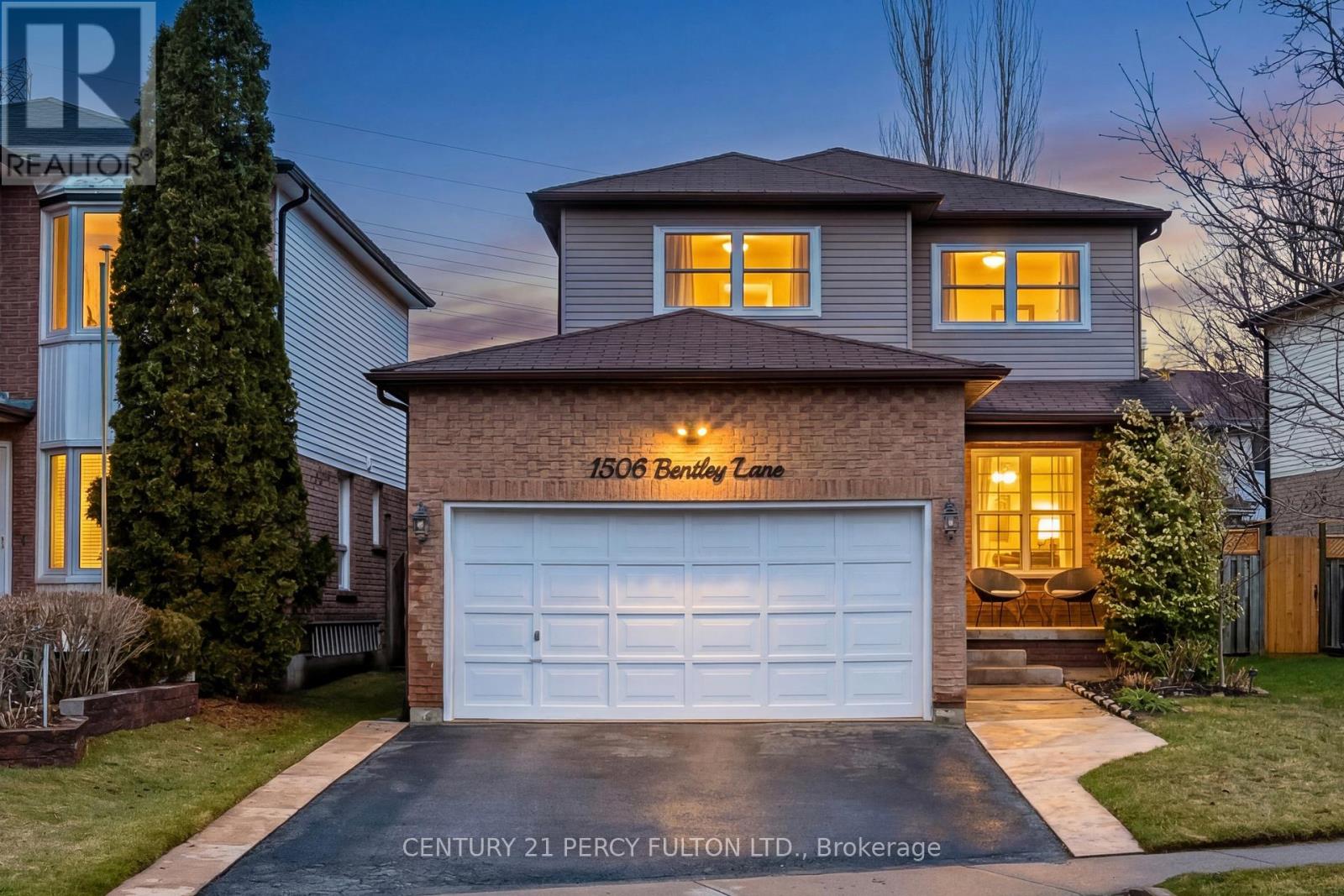 For Sale