
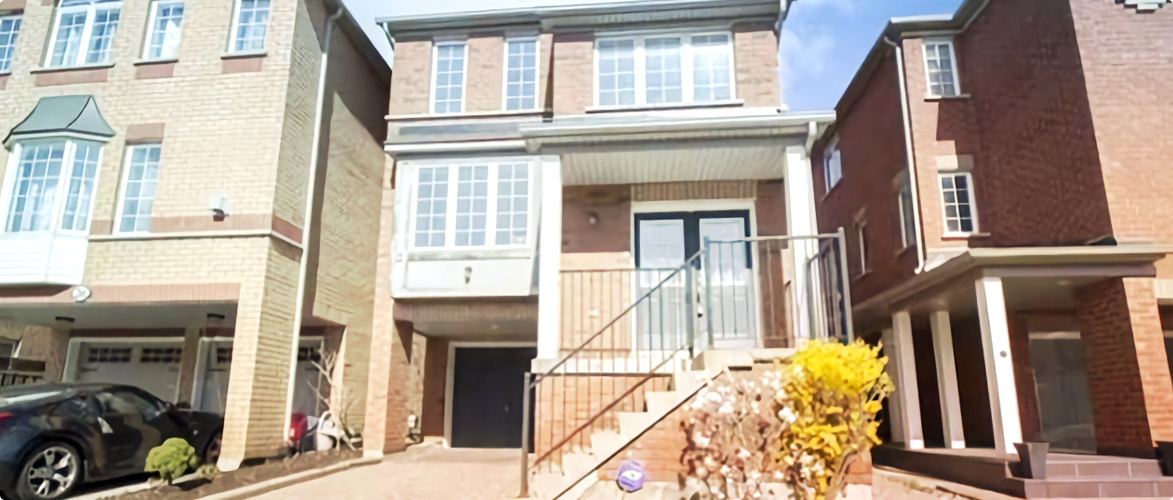
Brookhaven-Amesbury is a diverse northwest Toronto neighbourhood near Jane Street and Wilson Avenue, offering some of the most affordable freehold housing within the city. Post-war bungalows and semis on modest lots are the dominant property type, with detached homes priced from $800K to $1.1M in 2026. The Black Creek ravine runs along the eastern edge and the neighbourhood has a strong multi-generational community character built by Italian, Portuguese, South Asian, and Caribbean families.
Brookhaven-Amesbury sits in the northwest of Toronto, roughly bordered by Jane Street to the west, Wilson Avenue to the south, Black Creek Drive to the east, and Sheppard Avenue West to the north. It’s a neighbourhood that doesn’t often come up in mainstream Toronto real estate conversations, which is partly why it offers what it does: detached houses on real lots at prices that remain accessible by Toronto standards, in a city where accessibility is increasingly rare.
The neighbourhood developed in the post-war period, like much of North York, with bungalows and side-splits built for working-class and lower-middle-class families through the 1950s and 1960s. The housing character hasn’t changed dramatically since. What has changed is the population: Brookhaven-Amesbury is now one of the more ethnically diverse areas in the city, with large Italian, Portuguese, South Asian, and Caribbean communities present in the neighbourhood and reflected in the small businesses and community gathering places along Jane Street and Wilson Avenue.
The Black Creek ravine runs through the eastern portion of the neighbourhood, providing a green buffer that softens the urban character and gives parts of Brookhaven-Amesbury a quality that surprises people who have written the area off without visiting. The streets adjacent to the ravine, with mature trees and the sound of moving water in spring, are genuinely pleasant in ways that the price point alone doesn’t suggest.
The neighbourhood carries the association with the Jane-Finch corridor to the north, and that association affects both its reputation and its pricing. The reality is more nuanced. Brookhaven-Amesbury is geographically distinct from Jane-Finch, the demographics and property types are different, and buyers who make the distinction and understand what they’re actually getting often find value that the reputation discount has created. It’s a neighbourhood that rewards research over reputation.
The housing stock in Brookhaven-Amesbury is a mix of detached bungalows, detached side-splits, and semi-detached homes built primarily in the 1950s and 1960s. Lot sizes are modest by North York standards: fronts of 25 to 40 feet with depths in the 100 to 130 foot range. The typical bungalow has two to three bedrooms on the main floor, a full basement, and a single-car garage. Many have finished basements that are used as in-law suites or rental units, which is a common feature of the neighbourhood’s housing stock and worth factoring into purchase calculations.
The condition of the housing stock varies more than in more homogeneous neighbourhoods. Some properties have been well-maintained and selectively updated over decades of owner-occupation. Others haven’t been touched in 30 years and need significant work to meet current standards. The gap between a renovated home and an unrenovated one on the same street is meaningful, running $100,000 or more in many cases.
Semis are more prevalent here than in the more expensive North York neighbourhoods, and they represent a genuine entry point into freehold ownership. A semi in good condition in Brookhaven-Amesbury was pricing in the $700,000 to $950,000 range in 2026, depending on the street, condition, and whether a basement unit was present. Detached bungalows in comparable condition ran $800,000 to $1.1 million, with occasional outliers in both directions.
There are no significant new construction or purpose-built infill developments within the neighbourhood’s core. The townhouse and stacked townhouse projects that have appeared in nearby Jane-Finch and along the Black Creek corridor are not a major feature here, which means buyers are working primarily with resale stock rather than competing with new builds for attention. Purpose-built rentals in the form of older apartment towers exist along some of the main roads, but freehold resale is the relevant market for buyers looking to own.
The market in Brookhaven-Amesbury is active but not frenetic. It attracts a specific buyer and the buyer pool is narrower than in more sought-after North York neighbourhoods, which keeps the market from running with the intensity you’d find around Willowdale or Lawrence Park. Multiple offer situations do happen on well-priced properties at the lower end of the range, particularly in spring, but they’re less common than in mid-market neighbourhoods and the margins above asking tend to be smaller.
Properties that are priced correctly sell in two to four weeks. Properties that are priced optimistically tend to sit, attract price reductions, and ultimately sell below what they would have achieved with accurate initial pricing. The lesson for sellers is familiar but particularly relevant here: the buyer pool is price-sensitive and will not stretch to justify an inflated ask. For buyers, this means that properties with meaningful time on market are genuinely worth examining, as price reductions can create real value.
Investor activity is a feature of this market. The neighbourhood’s lower price points, the prevalence of basement suite configurations, and the demand for affordable rental housing in the area make it an attractive destination for buy-and-hold investors who are buying for rental yield rather than appreciation. This investor competition is most visible at the lower end of the price range, where entry costs are lowest and cash flow calculations are most favourable relative to acquisition price.
Turnover is higher than in the more affluent North York neighbourhoods because a larger share of owners here are cost-sensitive and respond to market conditions, financial changes, or life circumstances that push them to sell. Estate sales are present in the market as the original owner cohort ages, and these often represent the better value opportunities, particularly when the estate is priced to sell quickly rather than to maximize the last dollar.
The primary buyer profile for Brookhaven-Amesbury is families looking for their first detached or semi-detached home within Toronto who are priced out of the Wilson Heights, Bathurst Manor, or Downsview areas. At $800,000 to $1.1 million for a detached bungalow, this neighbourhood is accessible for buyers with a reasonable down payment and household income, in a city where most freehold options at that price range have moved to the inner suburbs or further.
A second significant buyer profile is the immigrant family purchasing in proximity to an established community. The Italian and Portuguese communities along Jane Street, the South Asian community in the Weston Road and Wilson corridors nearby, and the Caribbean community presence in the neighbourhood all generate buyer demand from within those groups. Cultural familiarity, proximity to community institutions, and the existing pattern of family ownership in the area make Brookhaven-Amesbury a known destination for buyers arriving from these communities who have reached the point of purchasing rather than renting.
Investors represent a consistent third buyer profile, as noted above. They’re buying for income, and the neighbourhood’s profile of older homes with basement suite potential suits that calculation. First-time buyers should be aware that they’re often competing with investors who move quickly, waive conditions, and have straightforward financing. Being prepared to move fast without sacrificing due diligence matters here.
What buyers are trading to be in this neighbourhood, relative to more expensive alternatives, is school quality, neighbourhood prestige, and the kind of retailsocial infrastructure that wealthier neighbourhoods accumulate. What they’re gaining is freehold ownership within Toronto at a price that is actually achievable, and a neighbourhood with genuine community character rather than the generic feel of newer suburban builds. For the right buyer that trade is entirely rational, and the buyers who make it knowingly tend to be satisfied with it.
The streets in the interior of Brookhaven-Amesbury, away from the main arterials, are quieter and more residential in character than the area’s overall reputation suggests. Amesbury Drive, Gosford Boulevard, and the crescent streets that run between them are well-established residential streets with mature trees and the settled feel of a neighbourhood where people have lived for a long time. These streets represent the core of Brookhaven-Amesbury’s freehold stock and are where most of the serious buying activity focuses.
The streets closest to Black Creek Drive are the least desirable within the neighbourhood. Black Creek is a busy road, traffic noise is constant, and the transition to the industrial and commercial uses along Black Creek Drive changes the character of the adjacent blocks. Properties on these streets are priced to reflect the exposure, and buyers who don’t need to be on these specific streets will generally find better value elsewhere in the neighbourhood.
Jane Street on the western edge carries significant traffic and has a commercial strip character that is functional but not pleasant for residential use immediately adjacent to it. Streets that back onto Jane or front it directly are priced lower than comparable interior addresses. The commercial strip on Jane does serve the neighbourhood’s daily needs, which makes proximity to it a convenience, but most buyers prefer a block or two of separation.
Wilson Avenue on the southern edge has a similar character to Jane: busy, commercial, and not ideal for residential frontage. The advantage is that Wilson connects efficiently to the rest of the city and puts you closer to the transit options and services along that corridor. Streets just north of Wilson that are set back enough to avoid the traffic noise are actually some of the more practical addresses in the neighbourhood for daily living.
The ravine edge properties near Black Creek ravine in the eastern portion of the neighbourhood are worth specific attention. The ravine provides natural buffer and visual depth that the standard streets don’t have, and properties that back onto the ravine can feel substantially different to live in than their addresses and price points would suggest. They’re worth seeking out if you’re doing a thorough search of the neighbourhood.
Brookhaven-Amesbury is bus-dependent. There is no subway station within the neighbourhood, and residents commute to the rest of the city primarily via bus connections to subway stations further south or east. The 35 Jane bus runs north-south along Jane Street from Bloor-Danforth station to Steeles, and is the main transit spine for the western portion of the neighbourhood. At peak hours, it runs frequently enough to be usable, but journey times to downtown from this neighbourhood are significant: 45 to 60 minutes on a good day by transit.
The 96 Wilson bus runs east-west along Wilson Avenue and connects to the subway at Wilson station on the Yonge-University line. For residents in the southern part of Brookhaven-Amesbury, this is the most practical transit connection. The ride to Wilson station from the central neighbourhood takes about 10 to 15 minutes by bus, and from Wilson station to St. George or Bloor-Yonge adds another 20 to 25 minutes. The total commute to downtown is achievable by transit but requires planning and tolerance for the journey.
Driving is the default for most households here. Jane Street connects south to the 401 via the Black Creek Trail and Weston Road corridor, and north to Finch and Steeles. The 400-series highways are accessible within 15 to 20 minutes in reasonable traffic. For drivers commuting to Vaughan, Brampton, or the western 401 corridor, Brookhaven-Amesbury’s position is actually reasonable, given that it’s well north of downtown and closer to those destinations than midtown Toronto addresses would be.
There is no practical cycling infrastructure in the neighbourhood. Jane Street and Wilson Avenue are hostile for cycling, and the residential streets, while low-traffic, don’t connect efficiently to the city’s cycling network. The Black Creek trail system provides a recreational off-road option that connects south toward the Humber River trail and eventually the waterfront, but as a utility cycling route it’s indirect and not suited to daily commuting.
The Black Creek ravine is the neighbourhood’s most significant natural asset. It runs along the eastern edge of Brookhaven-Amesbury and connects to a larger trail network that extends both north and south. The creek and the ravine vegetation are in better condition than the neighbourhood’s industrial neighbours along Black Creek Drive might suggest, and the trail access from the ravine paths is a genuine amenity for residents who use it for walking, running, or cycling.
Amesbury Park sits near the centre of the neighbourhood and serves as the main local green space. It has baseball diamonds, a playground, and field space that’s used for community recreation through the warmer months. It’s not a destination park, but for families with young children in the immediate area it’s a useful everyday resource.
G. Ross Lord Park, a few minutes northeast by car, is the large park serving this part of North York with extensive trail networks, ravine walking, and a reservoir. It’s a substantial natural asset that is underused relative to its quality, in part because access requires a car from most of Brookhaven-Amesbury. Residents who discover it often become regulars.
Humber River Regional Park and the trail system extending from it are accessible to the south through the Black Creek connector trail. The full Black Creek-Humber route is one of Toronto’s longer off-road cycling routes and connects to the waterfront trail network, which gives residents with time and interest in cycling a substantial recreational system accessible from the neighbourhood without a car.
The street-level tree canopy in Brookhaven-Amesbury is more developed than in newer subdivisions, with 60-year-old trees on many residential streets providing shade and a quality of streetscape that contributes to the neighbourhood’s livability. It’s not as consistently impressive as the more affluent North York neighbourhoods, but it’s meaningfully better than many comparable price-point options in the 905 suburbs.
Jane Street is the neighbourhood’s commercial spine, with a strip that reflects the area’s diversity and working-class character. Portuguese bakeries, Italian grocers, Caribbean restaurants, South Asian food shops, and halal butchers make up much of the street-level retail between Wilson and Sheppard. The strip is practical and priced for residents rather than visitors, which means it’s genuinely useful for daily needs rather than being primarily a destination for people coming from outside.
For larger grocery shopping, a FreshCo and a No Frills are both accessible along the Wilson and Jane corridors. These cover weekly grocery needs without requiring a drive to a larger supermarket. The ethnic grocery options along Jane Street are strong enough that residents who cook South Asian, Italian, Portuguese, or Caribbean food find an unusual depth of ingredient availability at reasonable prices.
The Wilson Avenue strip to the south has chain restaurants, pharmacies, banks, and the kind of everyday services most households use. It’s not a destination, but it’s a functional complement to the Jane Street options for residents who need a wider range of services.
For a more significant dining or shopping trip, Yorkdale Shopping Centre is about 15 minutes by car via the Allen Expressway. It’s far enough away that it’s a deliberate trip rather than a spontaneous one. The Jane-Finch Mall and Yorkgate Mall, both close to Finch and Jane, are closer but more limited in their retail offering and more oriented toward discount and value shopping than the kind of full-service retail a wider range of buyers expects.
The neighbourhood doesn’t have a cafe culture or the kind of independent food and retail scene that has developed in gentrifying Toronto neighbourhoods. Buyers moving from areas like Danforth East, Roncesvalles, or the Junction who rely on that environment as part of their daily experience will find Brookhaven-Amesbury’s retail quite different. That’s a genuine adjustment, and worth thinking about before committing.
Brookhaven Public School and Amesbury Middle School serve the neighbourhood’s core. Both are Toronto District School Board schools and reflect the neighbourhood’s diverse population. Neither school carries the academic reputation of schools in the more affluent North York neighbourhoods, but both provide stable, well-staffed education with the range of programs the TDSB offers across its system.
Amesbury Middle School covers Grades 6 through 8 and is the primary transition point before secondary school for most neighbourhood children. The school has the typical middle school range of programs and extracurricular activities, and the size of the school reflects the density of the community it serves.
Westview Centennial Secondary School is the main public secondary school for the area, located on Jane Street. It’s a large school with a diverse student population and the full OSSD program offering. It also has a Specialist High Skills Major in several areas, which provides students with sector-specific pathways alongside their academic courses. The school’s overall academic profile is lower than secondary schools in wealthier North York neighbourhoods, which is a factor families who are making decisions based on school outcomes need to weigh honestly.
For the Catholic board, St. John the Baptist Catholic School and St. Gabriel Catholic School serve elementary students. St. Michael’s College Secondary School is a Catholic independent school that some families in this area use, though it involves fees and a commute south. The TCDSB secondary option for this area is typically Father Henry Carr Catholic Secondary School, though catchment should be verified.
Buyers who are purchasing in Brookhaven-Amesbury with children’s education as a primary consideration should be realistic about the school profile and explore what programs, applications, and alternatives are available within the TDSB system. Students who qualify for the Gifted program or arts-focused programs can apply to schools beyond their home catchment, which gives academically strong students more options than the local school alone would provide.
The Black Creek corridor east of Brookhaven-Amesbury is the site of the most significant adjacent development activity. The city and Toronto Community Housing have been involved in various redevelopment plans for the Jane-Finch area and the broader Jane-Sheppard corridor, and while those plans don’t directly cover Brookhaven-Amesbury’s core freehold streets, they affect the character and infrastructure of the broader area over the long term.
The Finch West LRT line is the transit project most relevant to the area. Running from Finch West station on the Yonge-University line along Finch Avenue West to the Humber College terminal, the Finch LRT is under construction and expected to open through 2026 and 2027. Its primary route is along Finch, north of Brookhaven-Amesbury, but it will improve transit connectivity to the broader northwest Toronto area and may support some increased development activity along Finch Avenue that could eventually affect surrounding neighbourhoods.
Within the neighbourhood itself, development change is slow. The freehold residential streets have not attracted significant redevelopment interest beyond individual property rebuilds and additions. The economics of land assembly in a neighbourhood of 25 to 40 foot lots don’t typically generate the returns that would attract a developer to pursue a block-scale project, which means the residential character of the core streets is likely to remain intact for the foreseeable future.
Infrastructure investment in the neighbourhood has historically lagged behind more affluent North York areas. Road resurfacing, sidewalk repair, and streetscaping have not received the same attention as in areas further east on Wilson or further south in the city. This is a city-wide priority issue and one that the neighbourhood’s community associations have been vocal about. Buyers should inspect specific streets and their infrastructure quality before purchasing, as the variation within the neighbourhood is meaningful.
Q: Is Brookhaven-Amesbury safe? Crime statistics for the neighbourhood are higher than in North York’s wealthier communities, which is factually true and worth acknowledging rather than glossing over. The specific streets and character of the freehold residential core, however, are different from the apartment tower clusters that generate most of the reported incidents. Buyers should visit the specific streets they are considering at different times of day and evening, talk to residents, and draw conclusions from direct observation rather than from the neighbourhood’s broader reputation. Many residents live here for decades without issue and value the community strongly. The honest answer is that it requires more attention to specific address than in lower-crime neighbourhoods.
Q: Can I rent out the basement as a secondary suite? Many of the bungalows in Brookhaven-Amesbury have existing finished basements that are used as in-law suites or rental units. The legality of these suites varies: some were set up with permits and comply with the city’s requirements for secondary suites (separate entrance, minimum ceiling height, egress windows, fire separation, interconnected smoke alarms). Many were not. If rental income from a basement unit is part of your purchase calculation, verify whether the existing suite is permitted, and if not, what would be required to bring it into compliance. The cost of doing that properly can range from a few thousand dollars to $30,000 or more depending on what needs to change. The city’s secondary suite requirements are available online and worth reviewing before you make an offer.
Q: How does this neighbourhood compare to Weston or Mount Dennis as an entry-level Toronto buy? All three are in the same conversation for buyers looking for freehold under $1 million within Toronto. Weston has the advantage of GO Train access via Weston station, which is significant for commuters to Union Station who can avoid the subway slog. Mount Dennis has the Eglinton Crosstown connection, which is a material improvement in transit. Brookhaven-Amesbury’s advantage is generally slightly larger lots and a more established community character compared to Mount Dennis, at a similar price. None of these is a straight winner over the others. The right choice depends on commute needs, community fit, and which specific properties are available when you are buying.
Q: What are the realistic renovation costs on an unrenovated bungalow here? An unrenovated bungalow in Brookhaven-Amesbury bought in the $800,000 to $900,000 range will typically need $80,000 to $180,000 in work to bring it to a standard most owner-occupants would be comfortable with. This covers the common items found on inspection: updated electrical panel (and knob-and-tube replacement where present), kitchen and bathroom refreshes, flooring, painting, and potentially plumbing updates. A full gut renovation to a high standard on a bungalow this size would cost more and needs to be considered against what the renovated comparable properties are selling for on the same street before committing to a scope that won’t be recovered in resale value.
Buying in Brookhaven-Amesbury rewards buyers who are thorough rather than buyers who move fast without looking carefully. The neighbourhood has genuine value, but it also has real variation in property quality, street character, and condition of the housing stock. A buyer who visits ten properties, understands what good condition looks like versus what needs work, and has a realistic budget for renovations will make a better decision than one who buys on price alone.
Home inspections are not optional here. The housing stock is 60-plus years old across most of the neighbourhood, and the inspection findings on a typical unrenovated bungalow will be substantive. Electrical, plumbing, insulation, roofing, and foundation items all need to be assessed. If you are in a competitive offer situation and feel pressure to waive inspection conditions, consider scheduling a pre-inspection during the showing period instead. It adds a day of lead time but gives you the information you need to offer with confidence.
For buyers planning to use a basement suite for rental income, the due diligence on permit status and compliance is essential, as covered in the FAQ above. Beyond that, confirming zoning and secondary suite eligibility for the specific address is worth doing before you commit to a price that assumes rental income.
A buyer’s agent who has worked in this neighbourhood specifically is worth finding. The variation in street quality and the local knowledge about which blocks have more investor concentration versus stable owner-occupancy, which streets have had infrastructure problems, and where the better value pockets are relative to the asking prices, all of this requires someone who has done transactions here rather than someone who covers North York generally.
Finally, don’t let the neighbourhood’s price point push you into rushing. The fact that properties here are more affordable than in many Toronto alternatives doesn’t mean the stakes are lower. For most buyers, this is still the largest purchase of their lives. The due diligence should match the commitment, regardless of whether the purchase price is $900,000 or $2 million.
Street-level knowledge is hard to find online. Our team works in Brookhaven-Amesbury every day. They know which pockets hold value, where the school catchment lines actually fall, and what the market is doing right now. Talk to us before you make a decision about Brookhaven-Amesbury.
Talk to a local agent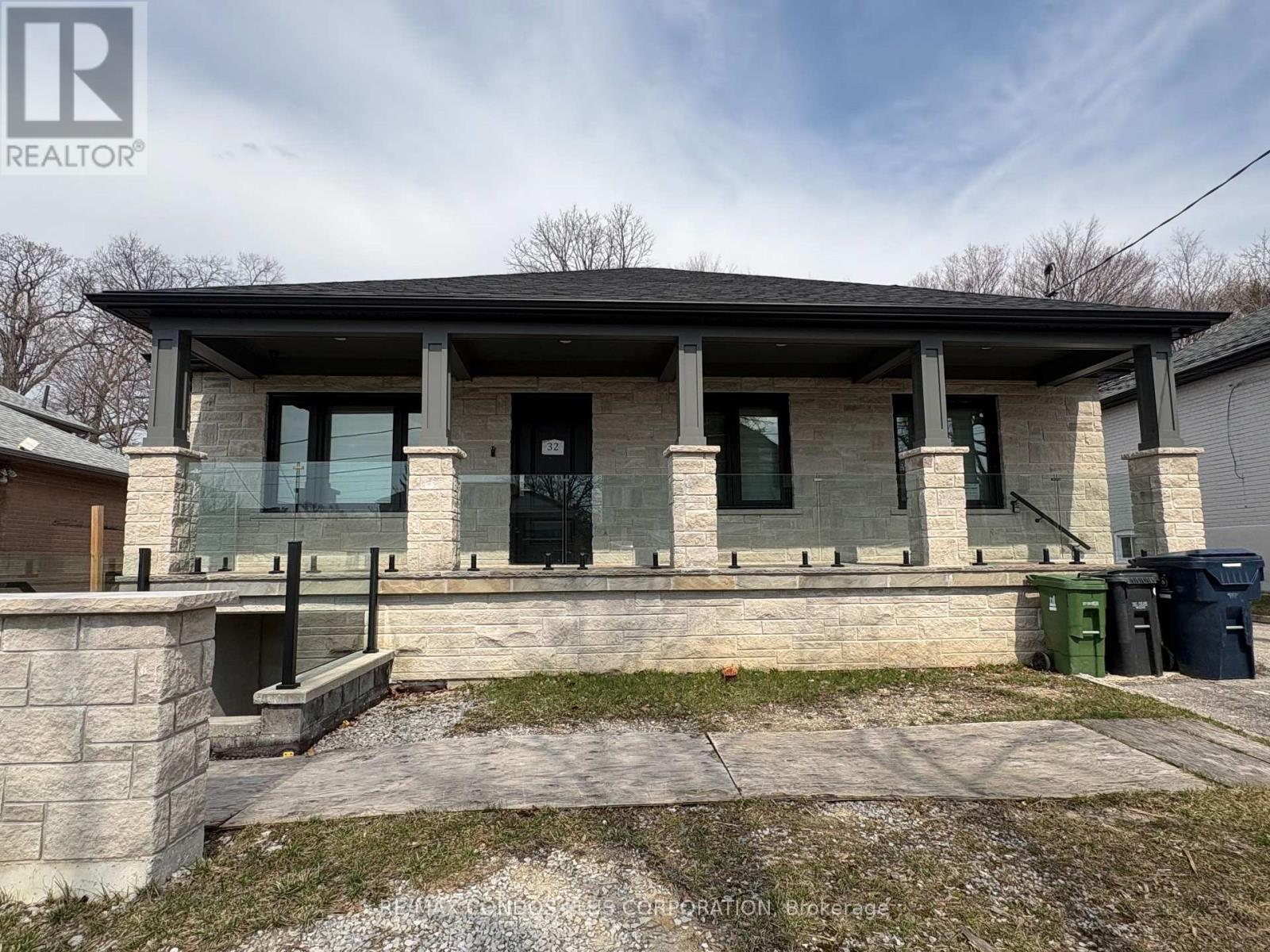 For Rent
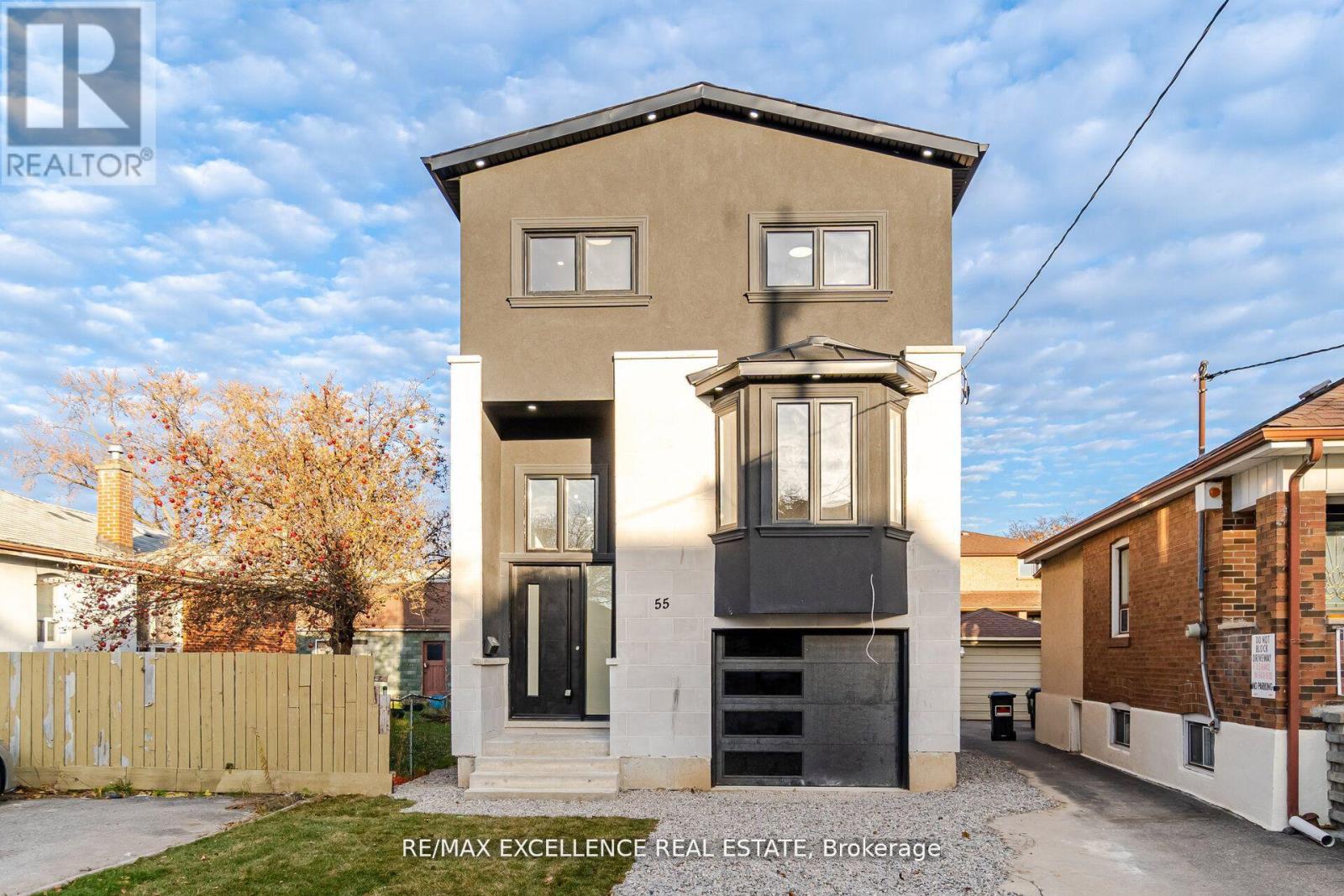 For Sale
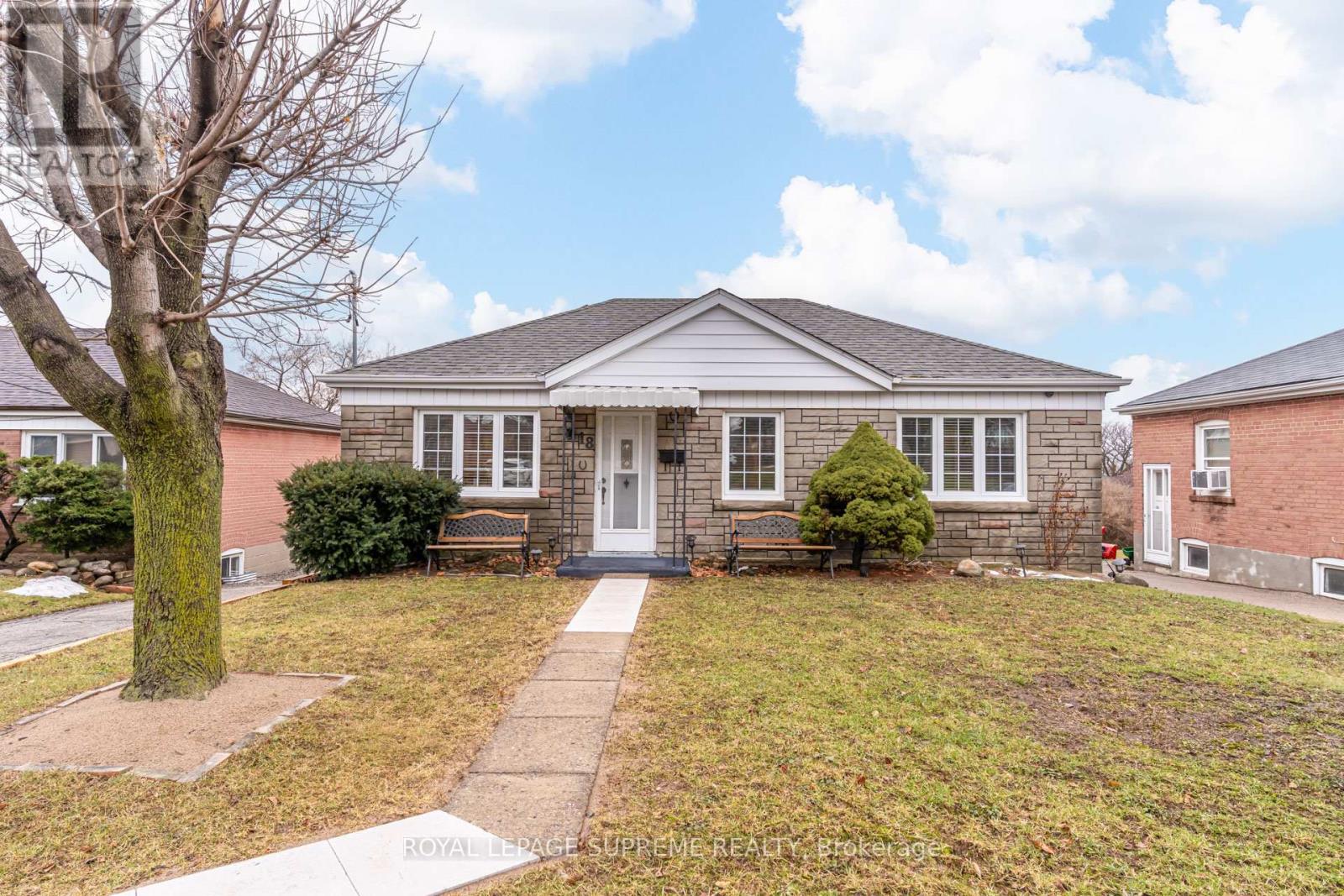 For Sale
 For Sale