
Caledon East is a historic village community in Caledon, with century homes in the village core and newer subdivisions on the edges. It attracts families and remote workers who want rural village character, local schools, and excellent trail access, while staying within 25 minutes of Brampton by car. Average detached prices run $1.25M to $1.35M as of 2026.
Caledon East is a small village about 10 kilometres northeast of Bolton, sitting at the intersection of Airport Road and Old Church Road. It is an incorporated community with a distinct village character, its own local services, and a mix of longtime residents and newer families who have moved north from the GTA over the past decade. The village sits on slightly elevated terrain with views of the rolling Caledon countryside.
Caledon East has grown significantly since 2000, with new subdivisions extending from the historic village core. The older parts of the community have larger lots and more established landscaping; the newer subdivisions have the typical GTA layout of 30 to 40 foot lots and double garage frontages. The two characters coexist without too much friction.
Housing in Caledon East runs from century homes and older stone cottages in the village core to 1990s and 2000s detached homes in the surrounding subdivisions. The newer stock dominates numerically, but the older village properties attract buyers looking for character and history. Lot sizes in the older village are generous, often 60 to 100 feet wide. Subdivision lots are smaller.
Average prices in Caledon East have been running in the $1,250,000 to $1,350,000 range for detached homes as of early 2026. Executive homes on larger rural lots on the village edges run considerably higher. Entry-level product in the newer subdivisions starts closer to $900,000. There is essentially no condo or townhouse supply.
Caledon East trades on a thin volume of sales relative to suburban GTA communities, typically under 100 transactions per year across the whole community. This means individual sales influence the average price data significantly. Buyers and sellers should work from a careful analysis of recent comparables rather than relying on aggregate figures, which can be skewed by one or two outlier sales in a small pool.
The market here is not driven by investment or rental activity to any meaningful degree. Most buyers intend to live in the property long-term, which means pricing is grounded in what people are genuinely willing to pay for a home they plan to stay in, not in speculative upside. That makes for a relatively rational market where condition and location within the village determine outcome.
Buyers choosing Caledon East over Bolton are typically after more village character and a quieter setting. The older parts of the community have a genuine small-town feel that is hard to find this close to the GTA. Families with children are drawn by the schools, the lower density, and the outdoor access. Remote workers have become a meaningful cohort since 2020 and have largely stayed.
Some buyers are specifically looking for the equestrian lifestyle that is more accessible in this part of Caledon. The airport road corridor has numerous horse properties and riding facilities. Buyers who want a home in a settled community within 20 minutes of Palgrave and the Caledon Equestrian Park find Caledon East a natural fit.
The village core around the old church, cemetery, and main street intersection retains the built form of the original 19th-century settlement. Older brick homes and fieldstone structures sit alongside modest infill from the mid-20th century. These streets have a scale and character that is genuinely different from anything built in the past 30 years.
The subdivisions east and north of the village core off Patterson Sideroad and Old Church Road are newer and more uniform. They are family-friendly, well-maintained, and have neighbourhood parks. The contrast between the two halves of Caledon East is part of what makes the community interesting. Buyers should walk both areas and understand which one they are actually buying in.
Caledon East has no local transit service. It is entirely car-dependent. Airport Road provides the main north-south connection, running south to Brampton in about 25 minutes. Highway 410 extends Airport Road into Brampton and connects to the 410 expressway. The drive to downtown Toronto takes 60 to 75 minutes depending on conditions.
There is no GO train service and no practical GO bus access from Caledon East. Buyers who work in the GTA full-time and do not have a car-accessible option need to think seriously about this. Remote workers and those who commute two or three days per week have absorbed the drive without significant complaint. Daily commuters should factor a full round-trip drive into their lifestyle calculations.
Caledon East sits within one of the most trail-rich parts of Caledon. The Bruce Trail passes within a short drive, and there are multiple access points to the greenbelt land east and north of the village. The Albion Hills Conservation Area is about 10 minutes west, offering swimming, camping, hiking, and mountain biking on 700 hectares.
The village has a small community park and sports fields that serve the local population. Residents who want more structured recreation drive to the Caledon Centre for Recreation and Wellness in Bolton. The trade-off is that natural, unstructured outdoor access here is genuinely excellent, which is what draws many buyers to this part of Caledon in the first place.
Caledon East has a small commercial area on Airport Road with a few convenience stores, a gas station, a pizza place, and some professional services. For grocery shopping, Bolton is about 15 minutes west on Highway 50. The commercial strip in Bolton covers most daily needs including Sobeys, pharmacy, and the main chain services.
The community has a library branch, a community centre, and a few local restaurants. This is not a neighbourhood where you walk to a coffee shop or a restaurant strip. Residents who want that experience drive to Bolton or south to Brampton. Buyers need to honestly assess how much they value walkable amenity access, because Caledon East does not offer it.
Caledon East has its own elementary school: Caledon East Public School, which serves the local community within the Peel District School Board. Secondary students travel to either Bolton District High School or Robert F. Hall Catholic Secondary School in Bolton. The drive to secondary school is approximately 15 to 20 minutes each way.
Catholic elementary education is provided through the Dufferin-Peel Catholic District School Board. The small school size at the local elementary level is part of what attracts families: class sizes tend to be smaller, teacher-student relationships more personal, and community involvement higher than in large urban schools. Families considering Caledon East for schooling reasons should visit the school before buying.
Caledon East has been under moderate growth pressure as buyers seek alternatives to Bolton and the larger Caledon subdivisions. Several new residential phases have been approved and partially built on the north and east edges of the village. The town is trying to maintain the village scale while accommodating provincial housing targets, which creates ongoing tension in the planning process.
Airport Road is being widened and improved as part of Caledon’s longer-term infrastructure plan, which will improve drive times to Brampton. No GO rail service is planned for the Caledon East area specifically. The main change affecting value over the medium term is the gradual buildout of the approved subdivisions and the improved road connectivity south.
Is Caledon East a good place to raise a family?
Caledon East works well for families who have consciously chosen rural village life over suburban convenience. The schools are small and community-oriented. The outdoor access is genuine. The streets are quiet and safe. The thing families give up is the urban infrastructure that makes independent teenage life possible: transit, walkable retail, nearby entertainment. Families where parents drive and kids are driven to activities generally find it works very well. Teenagers who want to navigate independently without a car will find Caledon East genuinely isolating until they have their licence.
How far is Caledon East from Brampton and Toronto?
Caledon East is approximately 25 kilometres from Brampton and about 55 kilometres from downtown Toronto. The drive to Brampton on Airport Road takes 25 to 30 minutes in normal conditions. The drive to downtown Toronto takes 60 to 75 minutes during typical morning commute hours via Airport Road to Hwy 410 and the 427 or 401. The absence of GO rail service means there is no practical alternative to driving for work commuters. Remote workers and those commuting two to three days per week manage the drive comfortably. Full-time downtown commuters should budget significant time and fuel cost into the decision.
What makes Caledon East different from Bolton?
Bolton is a functioning small city with full commercial services, schools, recreation facilities, and a growing population. Caledon East is a village that has grown around its historic core. Bolton East buyers get walkable access to groceries, a rec centre, and commercial services. Caledon East buyers get village character, older home stock with history, and a more rural setting. Prices in Caledon East average slightly lower than comparable product in Bolton, partly because of the amenity deficit and the longer drive south for work. Buyers who have visited both areas and prefer the Caledon East feel are typically clear about why they chose it.
Are there properties with acreage available in Caledon East?
Yes, although the village core itself is on standard residential lots, the surrounding area around Caledon East has estate properties and hobby farms on 1 to 10 acre parcels. These come to market infrequently and range widely in price depending on acreage, improvements, and proximity to the village. Buyers looking for a home with some land have more options here than in Bolton, though prices for quality properties with significant acreage run from $1.5M and up. The Airport Road corridor north and east of the village has several equestrian properties that have sold to buyers coming out of the horse community in Palgrave.
Caledon East is a market where local knowledge matters more than in larger suburban communities. The variation between the village core properties and the subdivision product is significant enough that an agent working from raw comparable data without understanding the area will misprice in either direction. A century home on a large lot in the historic part of the village needs to be valued differently from a 2005 build in the subdivision, even if they are technically in the same postal code.
Sellers in Caledon East do best when their agent reaches the specific buyer who is looking for village character north of the GTA. That buyer is often coming from Toronto or the inner suburbs and is specifically seeking what Caledon East has. Marketing in those buyer pools, not just within Caledon or Peel Region, tends to yield better outcomes than treating this as a local residential listing.
Street-level knowledge is hard to find online. Our team works in Caledon East every day. They know which pockets hold value, where the school catchment lines actually fall, and what the market is doing right now. Talk to us before you make a decision about Caledon East.
Talk to a local agent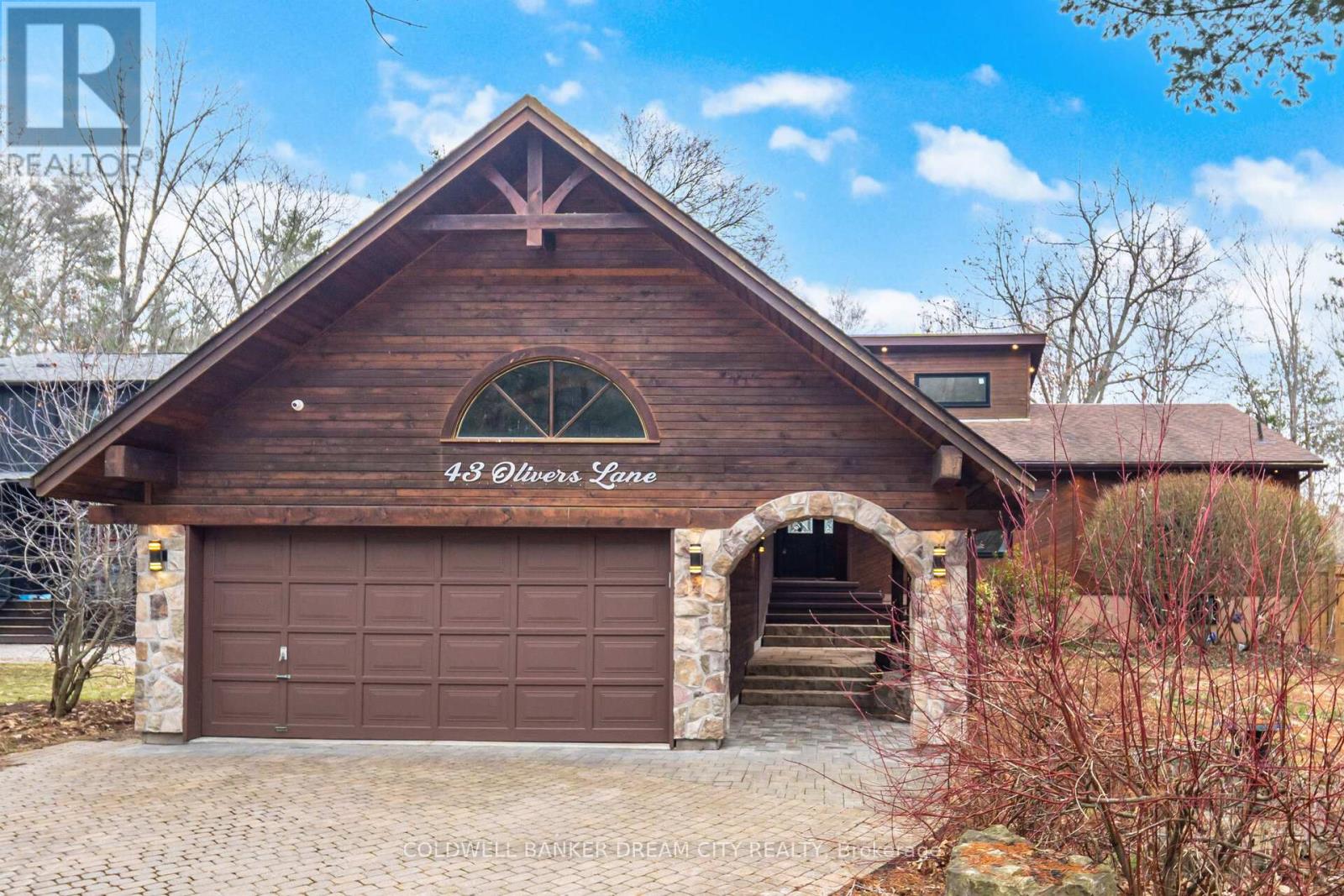 For Sale
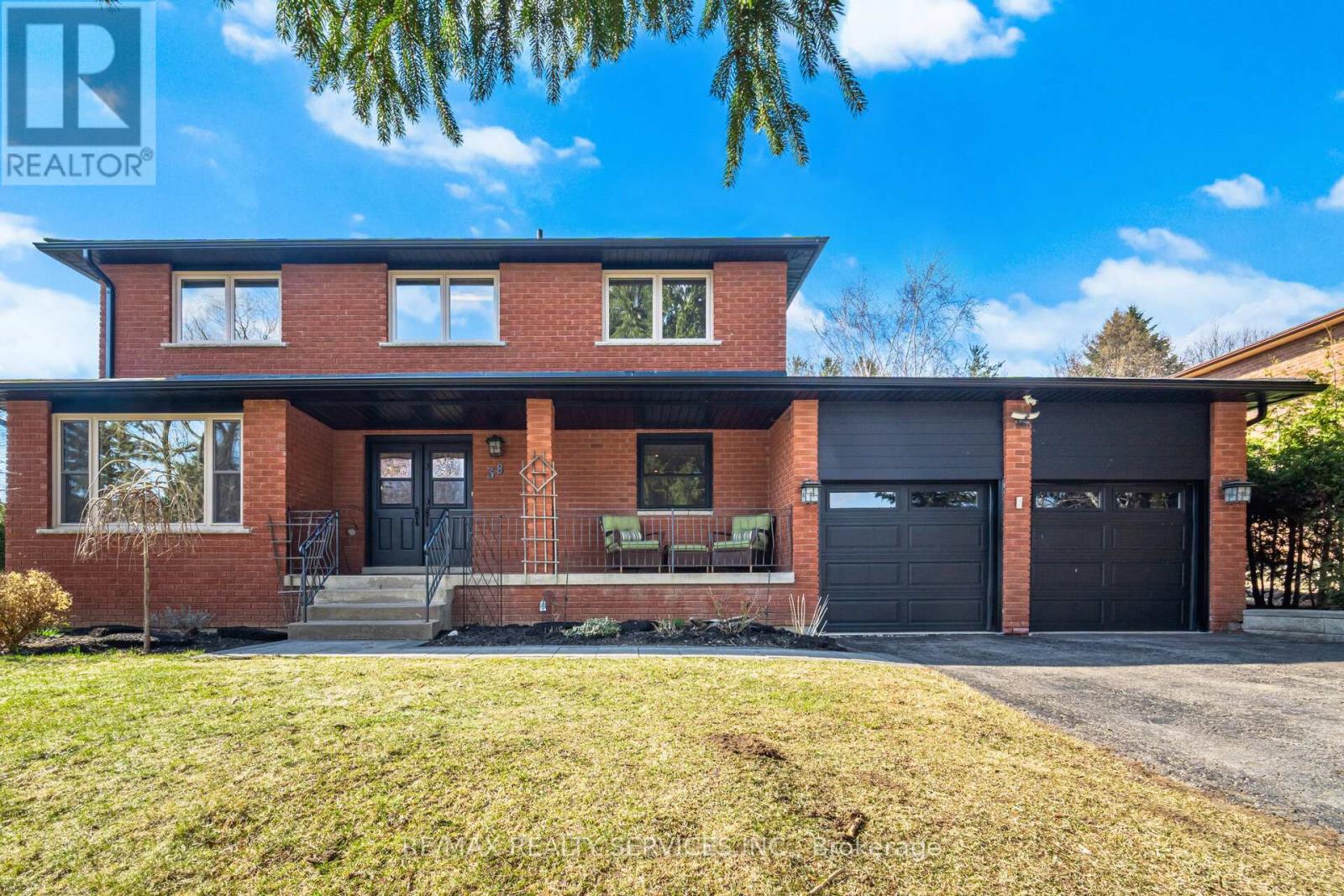 For Sale
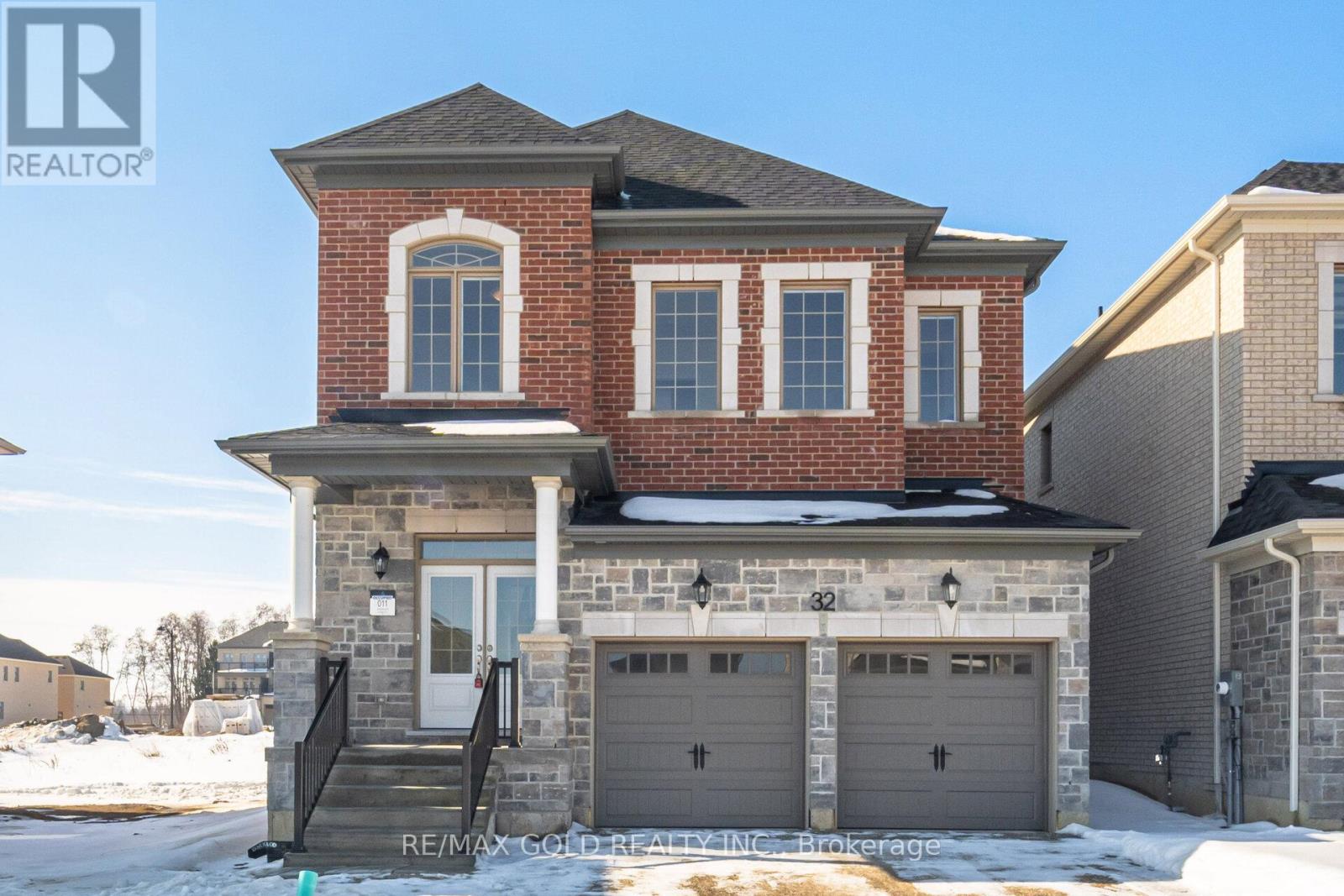 For Sale
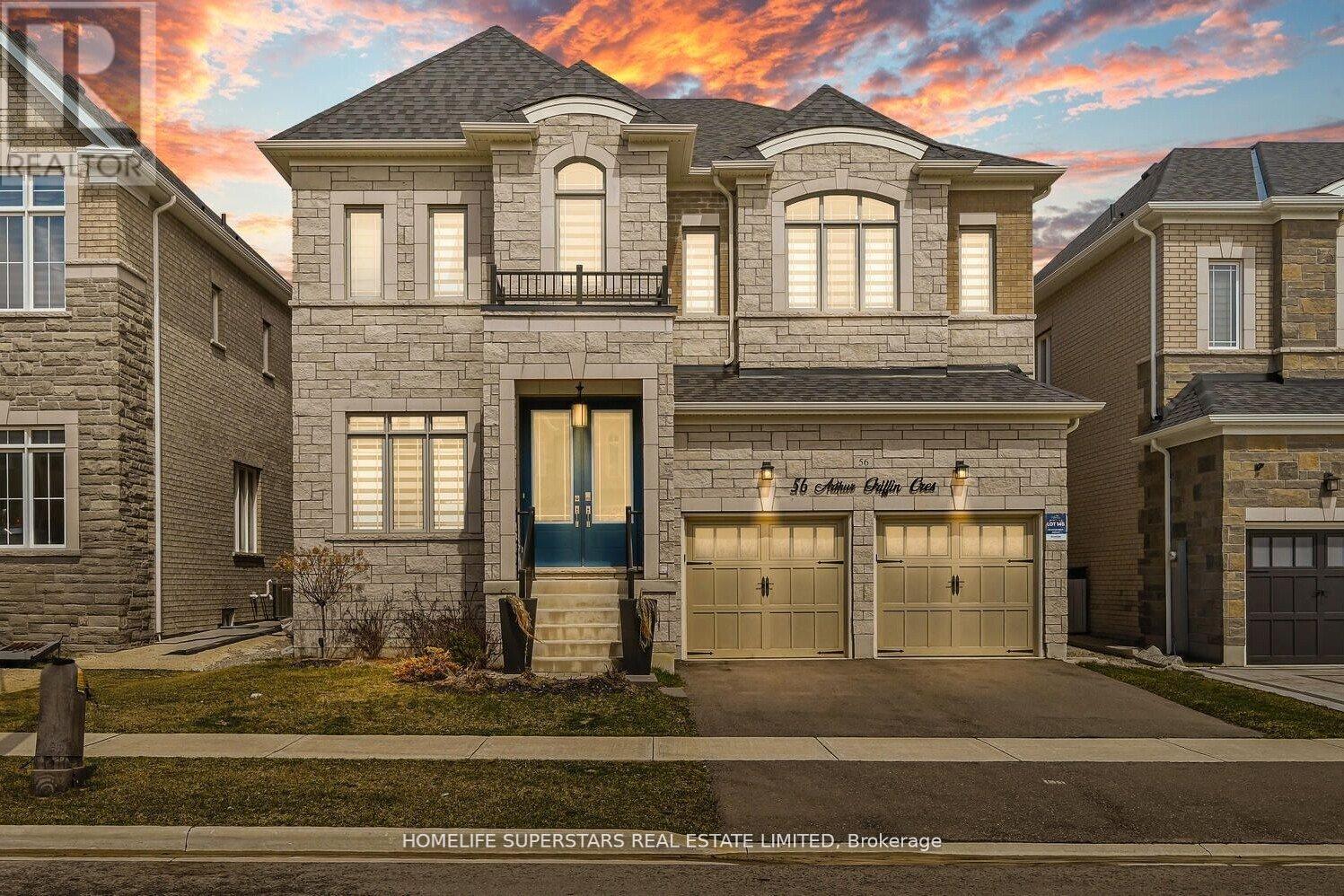 For Sale