
Caledon is the countryside half of Peel Region, 689 square kilometres of escarpment, moraine and farmland north of Brampton with about 77,000 people in a dozen villages and one town, Bolton. Buyers come for land: a house on an acre or more, a village main street, and the Credit River or the Humber at the bottom of the hill. Most of Caledon costs more than Toronto, and Bolton, the one part of it that was built as a suburb, costs about half what the rural areas do. The properties for sale across Caledon today are below.
Caledon runs from Mayfield Road, its border with Brampton, north to Highway 9 and the Dufferin County line, with Halton Hills and Wellington County to the west and Vaughan and King to the east across Highway 50. It covers about 689 square kilometres, more than Brampton and Mississauga put together, and the 2021 census counted 76,581 people, up 15 percent in five years. Most of them live in three places: Bolton in the southeast, with about 27,000 people; Mayfield West, the subdivisions on Hurontario just over the Brampton line, with about 15,000; and Caledon East on Airport Road, where the town hall is, with about 6,000. Everyone else lives in a village or on a rural lot between them.
The town was formed in 1974 by joining Caledon and Albion townships, the villages of Bolton and Caledon East and the northern part of Chinguacousy Township. The villages are older than the town by a century and a half. James Bolton’s family built a flour mill on the Humber around 1822; Alton, Inglewood and Cheltenham grew up around mills on the Credit in the same century; and Palgrave was a railway stop from 1877 until the passenger trains stopped in 1960. Most of the land between them is inside the provincial Greenbelt, on the Niagara Escarpment or the Oak Ridges Moraine, and that is why Caledon has stayed open while Brampton filled in to its border.
The 2021 census put the median age at 40.8, older than Brampton, and about a third of residents belonged to a visible minority group. One resident in five was South Asian.
A freehold house in Caledon costs about a sixth less than the Toronto average, and that single figure hides two different markets. The rural lots, which make up more than half of everything for sale in the town, price above the Toronto average; Palgrave’s estate properties run to roughly three-quarters above it. Bolton’s three neighbourhoods and Alton price at about half the rural figure, close to the Brampton average for a house, and Caledon East about a quarter above them. There are almost no condos. The town’s live figures are alongside this text, updated every day.
Houses outnumber condominiums for sale in Caledon by about 30 to one. If you want an apartment with a lobby, this isn’t the place.
The four-bedroom detached is the most common house on the market, followed by the three-bedroom and then the five-bedroom. A four-bedroom costs about half again what a three-bedroom does, and a five-bedroom about three-quarters more, a steeper climb than in Brampton, because the bigger houses here come with bigger lots. More than half of the listings in the town sit outside any village, in what the listings call Rural Caledon. Those are the properties on concession roads and sideroads: a farmhouse on 10 acres, a 1980s bungalow on two acres of moraine hillside, a custom build on an estate lot off Highway 10, a horse farm with a barn and paddocks. They price on the land, the outbuildings and the view as much as on the house, and two properties a kilometre apart can be far apart in price.
Bolton is the suburb inside the town. Its three neighbourhoods, Bolton West, Bolton East and Bolton North, are 1970s to 2000s subdivisions on the hills above the Humber and the older village streets along Queen Street at the bottom, and a house there costs about what a house in Brampton does. Mayfield West is newer again, 2000s and 2010s subdivisions on Kennedy Road and Hurontario built as the overflow from Brampton.
The villages sit in between. Caledon East has 1990s and 2000s subdivisions around a nineteenth-century main street and prices about a quarter above Bolton. Alton, with the old mill, prices with Bolton. Mono Mills on Highway 9 is a little above. Inglewood, Cheltenham, Caledon Village and Palgrave are estate and rural markets with a village core, and they price with the rural lots or above them.
Renting is a small market. Houses for rent are a few dozen at any time, mostly in Bolton and Mayfield West, and a house rents for about a third more here than in Brampton. If you want to try Caledon for a year before you buy, expect to compete for a short list of rentals.
Caledon’s suburban half moves with Brampton and Toronto. Bolton and Mayfield West respond to the same interest rates and the same buyers, and a Bolton house costs about what a Brampton house does today. If Bolton starts to cost noticeably more than Brampton, the premium is for the smaller town and the Humber valley, and you should decide whether that’s worth it to you.
The rural half moves more slowly in both directions. A house on five acres has a smaller pool of buyers than a four-bedroom in Fletcher’s Meadow, so it takes longer to sell, and the price moves less month to month. No part of the town has more listings than Rural Caledon. A patient buyer has choice, and a seller is competing with a dozen other properties that are each different from theirs, so an overpriced rural listing can sit for a season.
Rural listings run on a different calendar. Country properties show best from May to October, when the land is green and the laneway isn’t ice, and many of them list in spring. A property still listed in February often has a reason, and that is when there’s room to negotiate.
Palgrave, Cheltenham, Inglewood and the estate lots around Caledon Village are the top of the market, above Toronto’s freehold average, and they trade on acreage, privacy and the condition of the barn as much as the house.
Highway 413 is under construction across the south of the town, and the Future Caledon Official Plan the province approved in October 2025 puts most of the town’s growth to 2051 in a new urban area along the Brampton border. The next Mayfield West and the next Bolton will be built there. Don’t pay for it yet: the plan has secondary plans still to write, and the highway has no opening year.
Brampton supplies a large share of Caledon’s buyers, and Bolton itself supplies another. Children who grew up in Bolton buy in Bolton, or in Mayfield West when Bolton is too dear. Brampton families who want more than a subdivision lot look at Caledon East and the villages. Fewer come from Toronto, and they come for a specific reason: land, horses, a workshop, a view, or a village where the kids can walk to school and the arena.
The trade is the car. No GO train stops in Caledon. The nearest stations are Mount Pleasant and Bramalea in Brampton, and both are a drive from anywhere in the town. Peak-hour GO buses run from Bolton to Malton and down Highway 10 to Brampton, and Brampton Transit runs into Bolton and Mayfield West, but most Caledon households run two cars. A Toronto job means driving to a GO station or down the 410 and 401.
People here work in Brampton, at Pearson, in the logistics and manufacturing plants of Bolton’s industrial parks, or in Orangeville and Vaughan. Caledon’s own economic development office lists transportation and logistics, advanced manufacturing, construction and agriculture as its main sectors: the employers along Highway 50 and the farms between the villages. Others work from home and chose Caledon because the commute stopped mattering.
Caledon is also where the GTA’s horse people live. Palgrave and the roads around the Caledon Equestrian Park, host of the equestrian events of the 2015 Pan American Games, have many of the region’s horse farms, and the market for a property with a barn, paddocks and a sand ring is its own market with its own buyers.
This site has a page for 11 Caledon communities. Here they are, from the Brampton border north.
Bolton has three pages. Bolton West is the subdivisions west of Queen Street on the hills above the Humber, 1970s to 2000s detached and townhouses, the largest supply in the town after the rural lots, and the only Bolton neighbourhood with a handful of condos. Across Queen Street, Bolton East is the same era and price, and Bolton North is the newer streets toward King Street and the older village core, a little dearer than the other two. All three price close to the Brampton average for a house and about half the Caledon rural average.
Caledon East on Airport Road is the town’s administrative centre, with the town hall, a community centre opened in 2023, the Caledon Trailway running through it on the old railway bed, and 1990s and 2000s subdivisions around the village. It prices about a quarter above Bolton and well below the rural lots. Mono Mills at Highway 9 and Airport Road, on the Dufferin border, is a small village with houses on larger lots, priced a little above Bolton.
Palgrave on Highway 50 north of Bolton is the most expensive community in Caledon, estate homes and horse farms on the Oak Ridges Moraine around the Caledon Equestrian Park, with the Albion Hills Conservation Area and the Humber Valley Heritage Trail at its edges. Rural Caledon is everything between the villages: the concession roads, farms and estate lots across the whole town, more than half of all Caledon listings, and priced above the Toronto freehold average.
West of Highway 10, the Credit River villages are the old Caledon. Inglewood sits where the Trailway crosses the Credit, a mill village with estate lots on the hills around it, priced close to the rural average. Cheltenham north of it on Mississauga Road is a nineteenth-century mill village beside the Cheltenham Badlands, priced with Inglewood. Caledon Village at Highway 10 and Charleston Sideroad is the crossroads village in the middle of the town, with estate subdivisions on its edges and the Forks of the Credit to its south, priced with the rural lots. Alton on the Credit in the northwest corner is the mill village with the Alton Mill Arts Centre, and the one western village that prices with Bolton rather than the estates.
Mayfield West, Belfountain, Terra Cotta and Tullamore have no page of their own; their listings show in the town search and under Rural Caledon. A community page takes in its streets, its schools, the roads out and the prices properties there have fetched.
Caledon has no GO train. A line to Bolton on the CPKC track that runs through the town toward Toronto has appeared on long-range maps for years, and there’s no date for it. GO buses fill some of the gap: route 38 runs from Bolton to Malton GO at peak hours on weekdays, and route 37 runs from Orangeville down Highway 10 through Caledon Village and Snelgrove to Brampton, also at peak hours. There’s no midday or weekend service.
The trains are in Brampton. Mount Pleasant GO at Bovaird and Creditview is the closest station for most of the west and centre of the town, with hourly trains to Union in both directions and a ride of about 50 minutes. Bramalea GO in east Brampton has trains every 30 minutes all day and a ride of 37 to 39 minutes, and it’s the station Bolton commuters drive to down Highway 50 or Airport Road. If the train is part of your week, measure the drive to the station before you buy, because from Palgrave or Alton it can be as long as the train ride.
For drivers, the routes are Highway 10, which is Hurontario Street continued north through Caledon Village to Orangeville; Highway 410, which ends at Mayfield West and feeds into Highway 10; Airport Road through Caledon East to Pearson and the 427; and Highway 50 through Bolton to the 427 and the 407. Highway 413, under construction since August 2025, crosses the south of Caledon on its way from the 401 and 407 in Halton Hills to the 400 in Vaughan, and the province asked for proposals in December 2025 to extend the 410 north to meet it near Mayfield West. When it opens, Bolton and Mayfield West will have a highway that bypasses Brampton. There’s no opening year.
Inside the town, Brampton Transit’s route 41 serves Bolton, route 81 serves Mayfield West and route 30 reaches Tullamore, all connecting to the Brampton network. On 14 September 2026 the town started Caledon Argo, a 15-month on-demand pilot with electric vehicles booked by app or phone, serving Bolton, Caledon East and Mayfield West on weekdays from 5:30am to 8pm and weekends from 7am to 7pm. It runs to the end of 2027. Outside those three places there is no local transit.
Caledon is where the Niagara Escarpment and the Oak Ridges Moraine meet, and the Credit River cuts through both on its way to Lake Ontario. The Forks of the Credit Provincial Park, 282 hectares south of Belfountain, is the centrepiece: the river drops through a gorge past the ruins of the Cataract power station, which lit Caledon from 1885 to 1947, and the Bruce Trail runs along the rim. The Cheltenham Badlands on Olde Base Line Road are 37 hectares of bare red Queenston shale, exposed by farming a century ago. Closed by the Ontario Heritage Trust in 2015 to stop the erosion, they reopened in 2018 with a boardwalk and a parking lot.
The Albion Hills Conservation Area north of Bolton is 446 hectares on the headwaters of the Humber, opened in 1955 as the first conservation area in Ontario, with 234 campsites, a mountain bike trail network and cross-country ski trails. The Humber Valley Heritage Trail follows the river from Bolton to Palgrave. Terra Cotta Conservation Area on the Halton Hills line, run by Credit Valley Conservation, holds more of the Bruce Trail and about 13 kilometres of its own paths.
The Caledon Trailway is the town’s spine for walkers and cyclists: a rail trail on the bed of the 1877 railway that crosses the Humber, the Credit, the moraine and the escarpment, through Inglewood, Caledon East and Palgrave. With the Bruce Trail and the Oak Ridges Trail it is part of more than 260 kilometres of trails the town counts inside its borders.
The point of living here is the land itself. Most properties outside the three built-up areas back onto a field, a woodlot or a valley, and the Greenbelt rules that stopped the subdivisions are the reason that view will still be there.
Bolton’s Queen Street is the one main street in Caledon with a full run of shops, and the plazas at its south end along Highway 50 carry the groceries and the big-box basics. Mayfield West has its own plazas on Kennedy Road and, just over Mayfield Road, all of north Brampton: Trinity Common at Bovaird and the 410, and the Hurontario corridor. Caledon East has a village centre on Airport Road. For everything else, Caledon drives: to Brampton, to Orangeville from the north and west villages, and to Bolton from the east. Alton’s old mill is an arts centre, and the smaller villages have a store or two at the crossroads.
Caledon has no hospital. South Caledon, including Bolton and Mayfield West, is in Brampton Civic Hospital’s catchment, the 608-bed William Osler hospital at Bovaird and Bramalea Road, with a busy emergency department. The north and west villages use Headwaters Health Care Centre in Orangeville. Peel Memorial in downtown Brampton is adding a 250-bed tower with a 24-hour emergency department, under early construction since spring 2025 with no opening date, and Brampton’s 2026 budget carries a one percent levy toward it. If a hospital’s distance matters to you, measure it from the property, because from Palgrave or Alton it is a long drive either way.
Work is mostly outside the town or in Bolton’s industrial parks. The town’s economic development office names transportation and logistics, advanced manufacturing, construction, agriculture and food, and professional services as Caledon’s main sectors, and the Humber Station Employment Area, now approved southeast of Bolton beside the Highway 413 corridor, is planned to add more of the same. Brampton, Pearson and Vaughan are a drive from most of the town, and that drive is part of the price of living here.
Caledon’s English public schools are run by the Peel District School Board and its English Catholic schools by the Dufferin-Peel Catholic District School Board. MonAvenir, the French Catholic board, has an elementary school in Mayfield West, Saint-Jean-Bosco.
There are four high schools. Mayfield Secondary at Highway 10 and Mayfield Road is the Peel board’s regional arts school for the north of the region, taking students into its arts program by application from Brampton as well as Caledon, and it is the local public high school for Mayfield West. Humberview Secondary in Bolton is the public high school for the east. On the Catholic side, Robert F. Hall in Caledon East and St. Michael in Bolton split the town between them. Students in the north villages travel: Caledon has no high school north of Caledon East, and long bus rides are normal.
Elementary schools sit in each of the three built-up areas and in the larger villages. Mayfield West has SouthFields Village and Tony Pontes public schools and St. Evan Catholic. The board sets the boundaries and resets them when a school opens, as it has in Mayfield West. Both boards publish an address lookup. Verify any school the listing names before you offer, and ask about the bus, because a rural address a few kilometres from a school can be assigned to a different one.
There is no college or university in Caledon. Sheridan College’s Davis campus in Brampton, the college’s largest, is the nearest, and Toronto Metropolitan University’s School of Medicine, open in Brampton since September 2025, and Algoma University’s downtown Brampton campus are a short drive from Mayfield West.
The Future Caledon Official Plan, approved by the provincial minister on 22 October 2025, is the document that decides where the town grows to 2051. It carries forward the Region of Peel’s “2051 New Urban Area” along the Brampton border, where most of Caledon’s new housing and jobs will go, and names the secondary plan areas that come next: Mount Hope West, Alloa, Tullamore North West, Healey Gore, Inglewood and the Humber Station Employment Area. Each needs its own plan before a shovel goes in, and most of those plans are still being written.
Two expansions are already approved. Mayfield West Phase 2 Stage 2 adds about 260 acres of developable land north of Mayfield Road between Hurontario and Chinguacousy Road, under a provincial zoning order from July 2020 and a town plan amendment from October 2021, and it extends the subdivisions that already run along Kennedy Road. Bolton’s residential expansion, argued over for years and settled by a tribunal decision in November 2020 and a provincial zoning order in March 2021, adds the next phase of Bolton. The Humber Station Employment Area, approved in 2025, sets aside land for warehouses and plants beside the Highway 413 corridor.
Highway 413 crosses the south of the town, and the land on either side of it is where the 2051 growth is drawn.
None of this touches the Greenbelt, the escarpment and the moraine, which cover the rest of the town. A buyer who wants Caledon as it is should look north of the Greenbelt line, in the villages and the rural lots, where the plan is for things to stay as they are. A buyer who wants a new house in Caledon at a Brampton-style price should watch Mayfield West and Bolton, where the next phases are coming.
Is Caledon cheaper than Toronto?
Taken as a whole, a house in Caledon costs about a sixth less than the Toronto freehold average, but that average is made of two markets that have little to do with each other, and the answer depends on which one you mean. The rural lots, which are more than half of everything for sale, price above the Toronto average. Palgrave, with its estate homes and horse farms, runs to about three-quarters above it, and Cheltenham, Caledon Village and Inglewood are above it too. You are not buying a cheaper version of a Toronto house there; you are buying several acres, a barn and a view that no Toronto address has, and the price reflects it.
Bolton is the other market. Its three neighbourhoods price at about half the Caledon rural average, roughly the Brampton average for a house and about half of Toronto’s, and Alton and Mono Mills sit in the same range, with Caledon East about a quarter higher. Set against Toronto, a Bolton four-bedroom with a garage is a large saving.
The costs that run the other way are the ones Toronto households don’t carry: a second car, a well and septic system to maintain on most rural properties, a longer drive to a hospital, and heating a bigger house. Caledon’s own 2026 tax increase was 3.27 percent, made up of a 2.27 percent levy increase and a one percent infrastructure levy, on top of the Region of Peel’s 3.31 percent. Every community page carries its own live figures, updated each day.
How do you commute from Caledon to Toronto?
By car to a Brampton GO station, or by car all the way, because Caledon has no train. Mount Pleasant GO at Bovaird and Creditview in northwest Brampton has hourly trains to Union in both directions, a ride of about 50 minutes, and it’s the station for Caledon Village, Inglewood, Cheltenham, Alton and the west of the town. Bramalea GO in east Brampton has trains every 30 minutes all day in both directions and a ride of 37 to 39 minutes, and it’s where Bolton and Caledon East commuters go, down Highway 50 or Airport Road. Brampton Innovation District downtown has hourly service and a 43-minute ride.
GO buses run at peak hours only: route 38 from Bolton to Malton GO, where the Kitchener line trains stop, and route 37 from Orangeville down Highway 10 through Caledon Village to Brampton, with nothing midday or at weekends. If you drive all the way, Bolton to downtown Toronto is Highway 50 to the 427 and the Gardiner, and from the west of the town it’s Highway 10 to the 410 and the 401. It’s a long drive at peak from anywhere in Caledon. Highway 413, under construction since 2025, will connect Bolton and Mayfield West to the 400 and the 401 without going through Brampton, with no opening year yet. A line to Bolton on the CPKC track is on long-range maps and has no date. Households that need Union five days a week tend to buy in Bolton or Mayfield West and drive to Bramalea.
Which part of Caledon is best for families?
Bolton, Mayfield West and Caledon East are the three places with schools, arenas and shops within walking or short driving distance, and the choice between them is budget and commute. Bolton is the full small town: a Queen Street with shops, the Humber valley, Humberview Secondary and St. Michael Catholic, arenas and a pool, and 1970s to 2000s subdivisions on the hills, at about the Brampton average for a house. Mayfield West is newer, 2000s and 2010s houses and townhouses on Kennedy Road and Hurontario, with three elementary schools of its own, Mayfield Secondary at its door, and the 410 and all of north Brampton just over Mayfield Road. Caledon East is the village option, with the town hall, the recreation centre, the Trailway and Robert F. Hall Catholic Secondary, and 1990s and 2000s houses on larger lots at about a quarter above Bolton.
Families who want more land than a subdivision gives look at the rural lots around Caledon East and Inglewood, and accept a school bus and a drive to everything. School boundaries matter more than the village name, and in Mayfield West they have moved as new schools opened; both boards publish an address lookup, so check the house, not the neighbourhood. Ask about the bus route for any address outside the three built-up areas. For a family with horses, Palgrave and the rural lots are the place, at a price above Toronto’s.
What should I know before buying a rural property in Caledon?
You are buying land with a house on it, and the land carries rules and costs that a subdivision lot doesn’t. Most rural Caledon properties have a private well and a septic system rather than municipal water and sewers, so have both inspected: the well for flow and water quality, the septic for its age, its tank and its bed, because replacing a septic system is expensive. Almost all of rural Caledon is inside the provincial Greenbelt, and large parts of it are on the Niagara Escarpment or the Oak Ridges Moraine, each with its own planning rules. On the escarpment, building, additions and even some landscaping need a development permit from the Niagara Escarpment Commission. On the moraine and in the Greenbelt, severing a lot to sell part of it is generally not allowed, and new houses go only where the plan says they can. Credit Valley Conservation and the Toronto and Region Conservation Authority regulate anything near a watercourse, a wetland or a valley slope, which on a Caledon property is often most of it.
Ask the listing agent for the zoning and for any conservation authority mapping on the parcel before you offer, and if you plan to build a barn, an addition or a second dwelling, get the answer in writing first. Check the road: a property on an unassumed or seasonally maintained road is plowed and graded on a different schedule. Check who farms the fields, because a lease to a neighbouring farmer may run with the land.
Caledon has no train, and its GO buses run only at peak, so every household here is planned around a car and a drive to Bramalea or Mount Pleasant GO; a Toronto agent won’t have measured that drive from Palgrave at 7am. They also won’t know that a Bolton house costs about what a Brampton house does, so the real question is whether the Humber valley and the smaller town are worth the extra distance. Nor will they know that Rural Caledon carries the most listings in the town, each one different from the next.
The agent we refer Caledon buyers to has walked those rural lots in February. Give them a brief such as a Bolton four-bedroom within half an hour of Bramalea GO, or 10 acres near the Equestrian Park with a barn you’d actually use, and they’ll tell you which concession roads to drive first. They read the conservation mapping and the Escarpment Commission rules before you fall for a view.
Begin with the 11 community pages above, then contact us for the introduction.
Street-level knowledge is hard to find online. Our team works in Caledon every day. They know which pockets hold value, where the school catchment lines actually fall, and what the market is doing right now. Talk to us before you make a decision about Caledon.
Talk to a local agent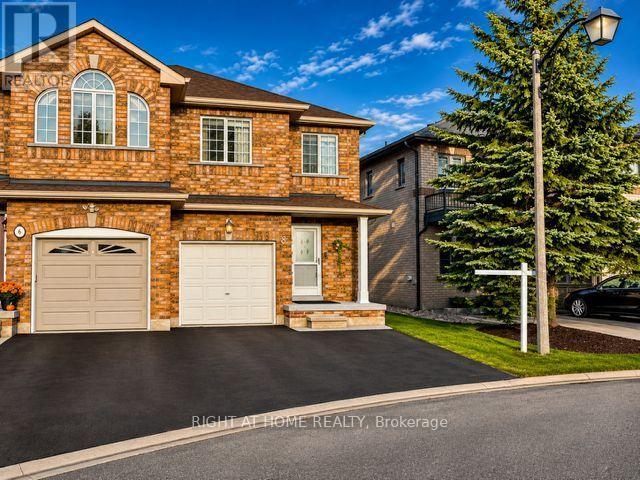 For Sale
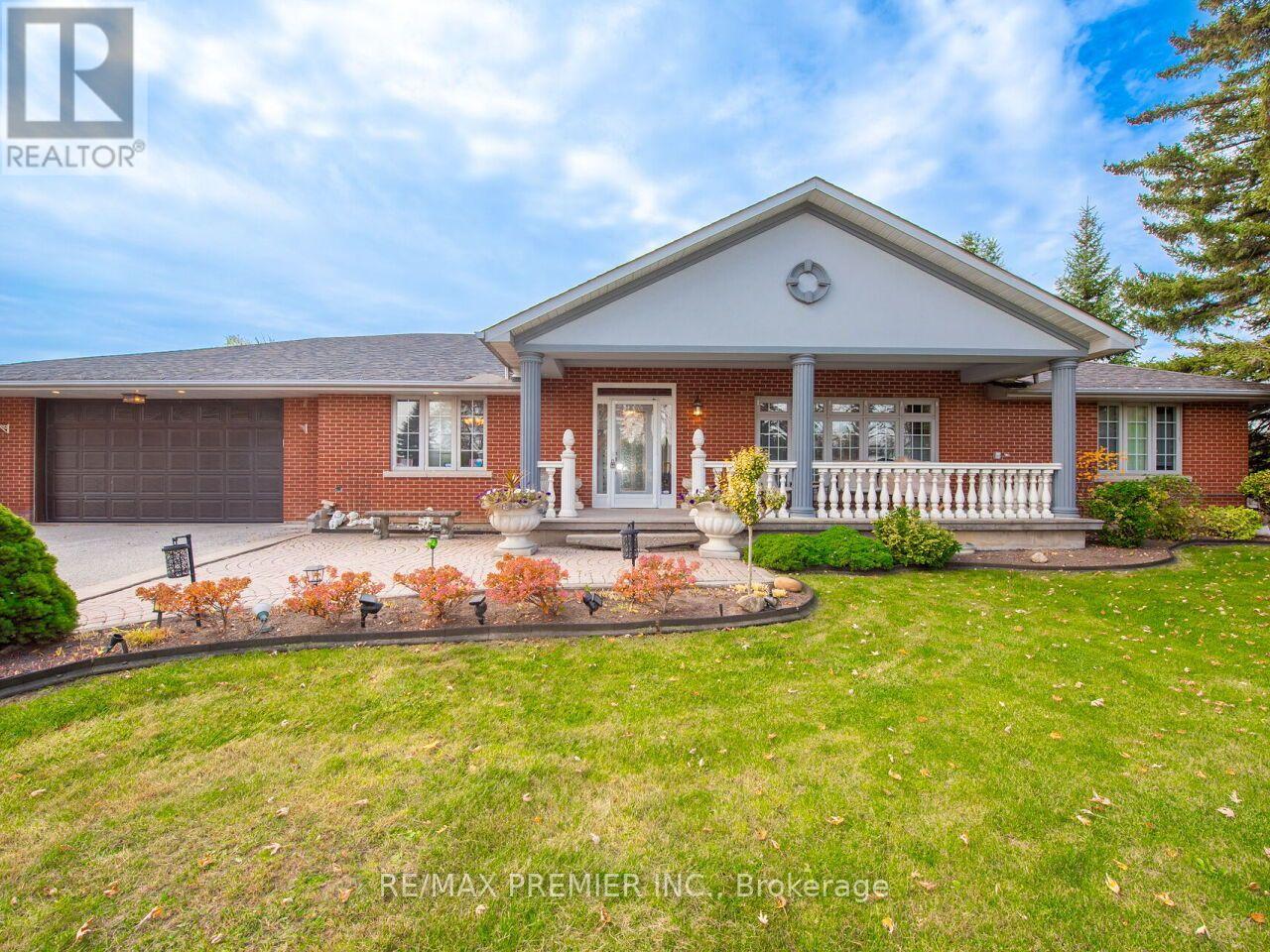 For Sale
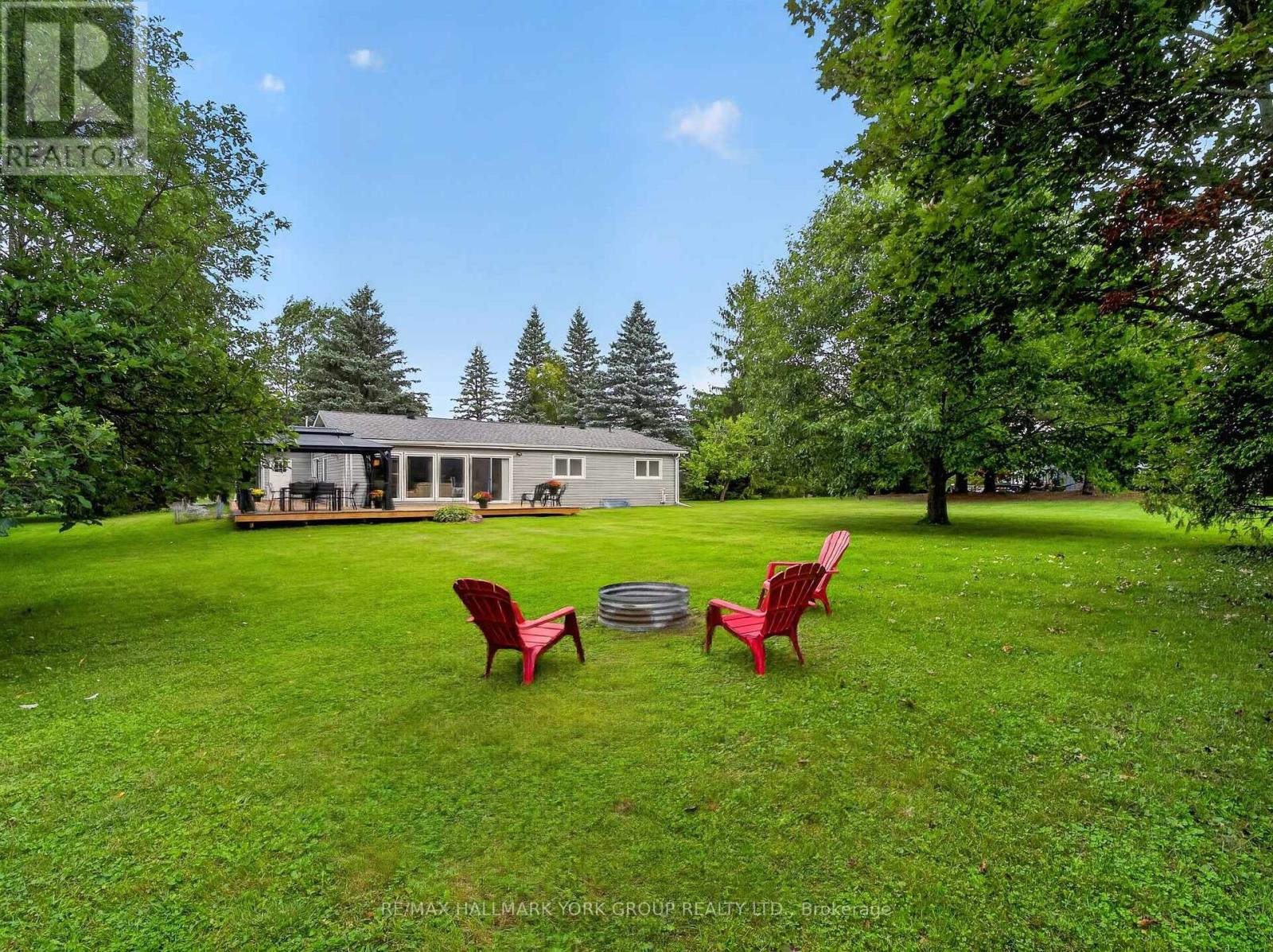 For Sale
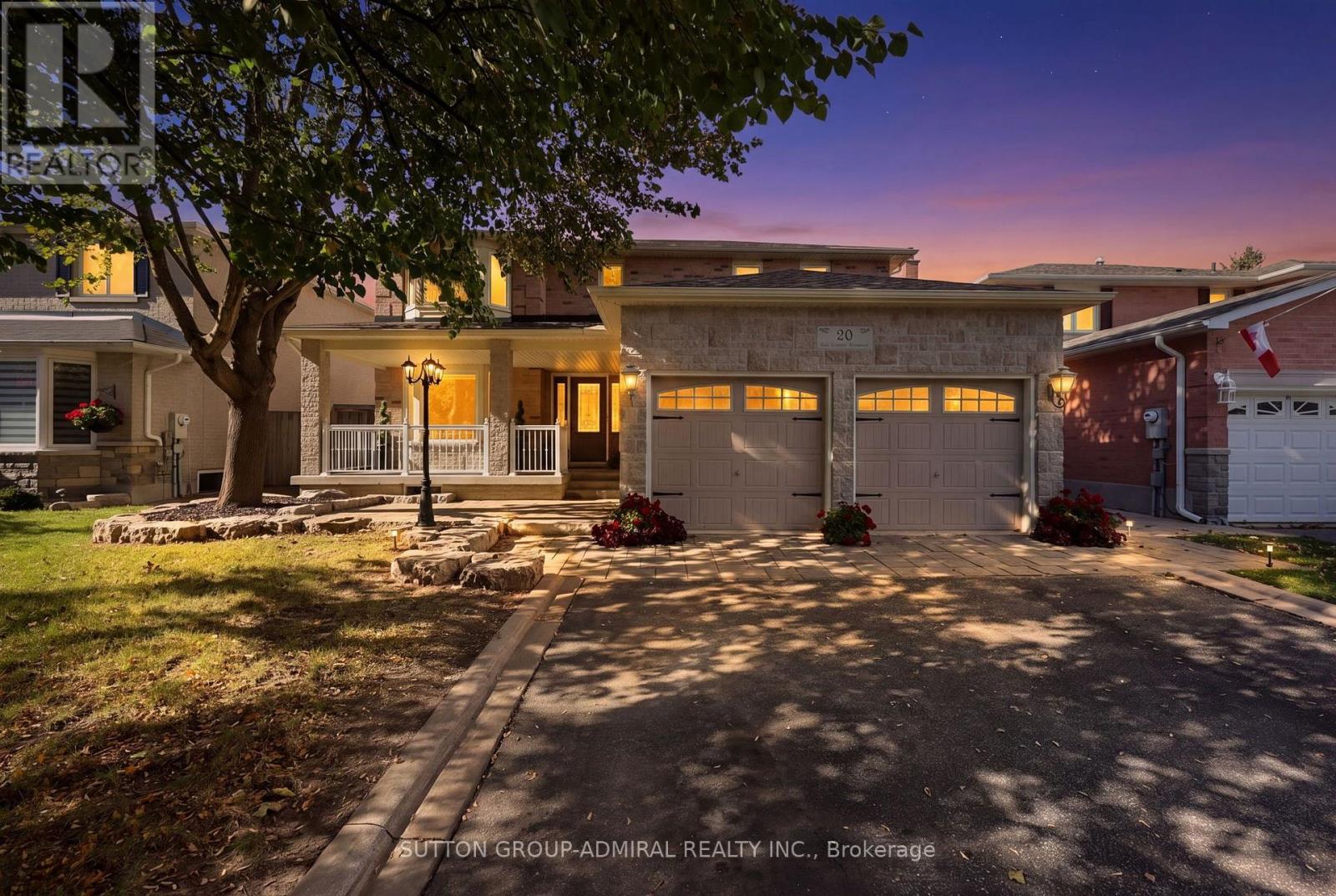 For Sale