
Campbellville is a small heritage village on the western edge of Milton at the foot of the Niagara Escarpment, known for Victorian-era homes, large mature lots, and proximity to Rattlesnake Point and Crawford Lake conservation areas. Its population is under 700 and its market is as much about lifestyle as location.
Campbellville is one of those Ontario communities that has not been suburbanized because the geography would not allow it. Sitting at the base of the Niagara Escarpment on the western edge of what is now the City of Milton, the village is hemmed in by protected land on multiple sides: Conservation Halton owns large parcels immediately to the south and west, and Greenbelt designation covers the agricultural land to the north. The result is a community of fewer than 700 people that has largely looked the same for several decades while everything around it has changed.
The village was founded in the early 1800s and grew as a mill town along Limestone Creek. The Victorian-era architecture from its commercial peak is still present on Campbell Street East and in the residential streets running off it. These are not heritage facades maintained for aesthetic tourism. They are the actual buildings, privately owned and lived in, that happen to be 130 years old. The preservation is a function of Campbellville’s size rather than any formal heritage program, though some properties do carry heritage designation.
The escarpment is the dominant geographic feature and the primary reason buyers seek out this specific village. Rattlesnake Point, one of the most striking conservation areas in southern Ontario, is three minutes by car. Crawford Lake, with its reconstructed Iroquoian village and rare meromictic lake, is five minutes. The Bruce Trail crosses through the escarpment just south of the village. If you want trail access, dramatic terrain, and genuine natural beauty within an hour of Toronto, Campbellville delivers in a way that most communities do not.
Campbellville’s housing stock is genuinely varied, ranging from century-old Victorian homes to postwar bungalows, 1970s and 1980s custom builds, and the occasional newer estate home on a large lot. The village’s small size means that total annual sales are low, sometimes fewer than 20 transactions per year, which makes precise pricing harder to establish than in a higher-volume market.
Entry-level properties are older bungalows and semi-detached homes in the $900,000 to $1.1 million range, though condition varies significantly and some of these properties require meaningful updating. The Victorian and Edwardian homes on the main streets can trade anywhere from $1.2 million to $2 million depending on lot size, restoration quality, and interior condition. A fully restored four-bedroom Victorian on a double lot with a detached garage has sold above $2 million.
The high end of the market is estate homes on large escarpment-edge lots with views. These are genuinely scarce and when they come available they attract buyers from across the GTA who specifically want escarpment proximity. The premium for view and lot quality is substantial and not always reflected in conventional price-per-square-foot analysis. Buyers valuing the land and setting pay for it regardless of the house size.
Campbellville’s market is thin by nature. With fewer than 20 sales per year on average, there are periods where no comparable for a specific property type has sold in the past 12 months. This means pricing requires judgment beyond comparables and an agent who understands what buyers in this specific market are paying for. Getting this wrong in either direction costs money.
The 2020-2022 price surge hit Campbellville hard in the upward direction, driven by Toronto buyers who suddenly discovered they could work from anywhere and wanted to live somewhere beautiful. Properties that had been stagnant for years moved to asking price or above in days. The correction in 2022-2023 was also felt, though less dramatically, because the buyer pool for a place like this is not purely investors and speculators. Many buyers here are making a permanent lifestyle change and are not looking to flip.
Properties in Campbellville that are priced accurately for their condition and the current market typically sell within 30 to 60 days. Overpriced properties can sit for six months without attracting serious interest because the buyer pool is small and determined. Buyers who have done their research know what Campbellville should cost and are not easily persuaded by an aspirational asking price.
The consistent buyer profile in Campbellville is the GTA professional who has made a lifestyle decision. They are typically in their late 30s to mid-50s, have the financial stability to absorb a longer commute or remote work arrangement, and have consciously chosen natural beauty and village character over suburban convenience. Many have visited Rattlesnake Point or Crawford Lake and realized they could live ten minutes from the trailhead instead of making a day trip.
There is a meaningful cohort of buyers who are specifically drawn to the Victorian architecture. These are people who have been looking for a genuine 1880s or 1890s house in livable condition for years and know how rare that is within an hour of Toronto. They are prepared to accept the maintenance reality of a century-old house and often have the renovation experience or tradesperson connections to handle it. For them, Campbellville is one of a handful of places in southern Ontario where this property type exists at a price below Hamilton’s equivalent premium neighbourhoods.
Retirees and semi-retirees from the GTA are a growing buyer segment, particularly those who want to be close enough to visit family in Toronto but far enough to feel genuinely removed from urban life. The escarpment setting, the trail access, and the small-town social fabric that a village of 700 people can sustain make Campbellville work well for this group.
The village is organized around Campbell Street East, which is the main street through the historic core. The heritage homes are concentrated here and on the side streets running north and south: Guelph Street, Leslie Street, and the short residential streets that branch off them. The original commercial strip is small, just a few buildings, but it gives the street a distinct character that purely residential streets lack.
Properties on the southern edge of the village, where the land begins to slope toward the escarpment, are the most sought-after. The escarpment edge properties in this pocket have views across the lowlands toward Lake Ontario on clear days, and the immediate sense of the geological feature beneath the village is stronger here than anywhere else. These properties do not trade frequently and when they do, the asking price reflects scarcity.
The streets north of the main village core, extending toward Campbellville Road and the agricultural land beyond, have a mix of older rural properties and the occasional newer build on a large lot. These are quieter in character and more agricultural in setting, with less immediate trail access than the southern edge properties. The price premium for the southern escarpment-edge location is real and persistent.
Campbellville has no transit service. Every daily trip requires a car. This is not a critique of the community; it is a factual description of how life here works and anyone considering a purchase needs to plan around it honestly. Two reliable vehicles per household is not optional. Vehicle maintenance becomes a larger part of the household budget than it would be in a transit-accessible area.
Milton GO Station is approximately 20 minutes by car along Campbellville Road and then north to Laurier Avenue. The Milton Line serves commuters heading to Union Station on weekday rush hours, taking approximately 65 minutes. For buyers who work in downtown Toronto but are willing to drive to the GO station, the total commute is long but predictable. The scarcity of Campbellville properties and the appeal of the lifestyle mean that buyers accept this trade-off knowingly.
Highway 401 is accessible via the Campbellville Road interchange directly, which is one of Campbellville’s genuine practical advantages. The on-ramp is a short drive from the village and connects to both the eastbound Toronto direction and the westbound Hamilton and Cambridge direction. For buyers who drive to work rather than taking GO, the 401 access is better from Campbellville than from many parts of Milton proper.
Campbellville’s outdoor access is among the best of any community in the greater Toronto area. Rattlesnake Point Conservation Area, one of Conservation Halton’s flagship properties, is accessible within a three-minute drive. The conservation area features dramatic limestone cliffs overlooking the Milton lowlands, 10 kilometres of trail, and views that extend to Toronto on clear days. Rock climbers use the cliffs year-round and the trail system is varied enough for both casual walkers and serious hikers.
Crawford Lake Conservation Area is five minutes east along Conservation Road. The lake is one of a small number of meromictic lakes in Canada, meaning its layers do not mix seasonally, which has preserved thousands of years of sediment record. The reconstructed Iroquoian longhouse village is the most visible attraction and is well maintained and educational. The trails around the lake are shorter and more accessible than Rattlesnake Point and are popular with families with younger children.
The Bruce Trail passes directly through the escarpment south of Campbellville, connecting the village to the 900-kilometre trail running from Niagara to Tobermory. Accessing the Bruce Trail from Campbellville puts you on one of the most varied and scenic sections of the trail, through mixed forest and over exposed limestone pavements. For residents who run trails or hike regularly, this level of access defines how they experience their neighbourhood in a way that no park in a subdivision can replicate.
Campbellville has minimal retail. The village has a small number of businesses in the historic commercial core, none of which handle the full range of weekly household needs. There is no grocery store, no pharmacy, no large hardware store, and no bank branch in the village. All of these require a drive to Milton, which is 15 to 20 minutes east along Campbellville Road.
The nearest full grocery options are in Milton, with the Zehrs at Milton Mall and the FreshCo on Steeles Avenue being the main options. Burlington’s large retail concentration on Appleby Line is about 35 minutes east along the 401 and offers more variety in specialty groceries and home goods. Some Campbellville residents do a larger shop in Burlington every two weeks rather than driving to Milton more frequently.
The absence of retail within the village is entirely consistent with how Campbellville residents live. Consolidating errands, keeping a well-stocked pantry, and accepting a weekly drive to town are the practical adaptations. These are not significant hardships for buyers who have chosen this lifestyle deliberately. They are predictable adjustments that buyers make before they move rather than complaints they file after.
Campbellville children attend schools in the Milton system, with bussing provided by the school boards. The bus ride can be 25 to 35 minutes depending on routing along the rural roads between Campbellville and the Milton town schools. Public elementary students attend a Milton town school assigned by address, with secondary students going to Milton District High School or Bishop Reding Catholic Secondary School depending on the board.
The schooling situation is typical for rural communities at this distance from a town centre. Children who grow up in Campbellville adapt to the bus ride as part of their school day. Parents who have come from Toronto or Mississauga sometimes find the logistics more demanding than what they were used to, particularly for after-school activities and sports programs that run late. Building relationships with other village families to share driving is a practical adaptation that most Campbellville parents develop within the first year.
Private school in Oakville is accessible for families willing to manage the commute. Appleby College in Oakville is about 35 minutes from Campbellville, which is not dramatically different from the distance to Milton GO Station. Some families in the escarpment communities do choose private secondary education specifically because the driving time and the quality difference justify the tuition.
Campbellville is protected by Greenbelt designation and Conservation Halton land holdings from any large-scale development. The village boundaries are effectively fixed. There will not be a new subdivision on the south side of town or a commercial strip added to the main street. This protection is both the village’s defining characteristic and its primary long-term value driver. The supply of Campbellville properties is genuinely constrained in a way that almost no suburban community can claim.
The most common form of change in Campbellville is renovation and restoration of existing properties. Heritage homes that have been maintained or restored carefully command the best prices and there is a steady market for buyers willing to undertake restoration work. The visible improvement of a previously neglected Victorian home raises the character of the street and tends to have a positive effect on adjacent property values, though the village is small enough that everyone knows when a significant restoration is underway.
Conservation Halton has ongoing land acquisition programs in the escarpment area and has added to its holdings around Campbellville over the past decade. This is net positive for property values in the village because it deepens the buffer between the community and any future development pressure. The escarpment itself is a World Biosphere Reserve designation and this protection is unlikely to be weakened regardless of provincial government.
What is it actually like to live in Campbellville day to day, given the lack of retail and transit?
The daily reality is a 15 to 20 minute drive to Milton for any significant errand. Residents keep a well-stocked pantry, do a weekly consolidated grocery run, and use Amazon and online grocery pickup for items that do not require a trip to the store. The drive is along a pleasant rural road and most residents describe it as not feeling like a burden after the first few months. The adjustment is real but it is not the grind that a long urban commute is. The trade-off that makes this acceptable is that you come home to something genuinely beautiful rather than to a subdivision. Whether that trade-off works for you is a personal calculation, but the residents of Campbellville who have been there for five or more years are rarely the ones complaining about the drive to the grocery store.
Are the Victorian homes in Campbellville structurally sound and what do they typically need?
The better-maintained ones are structurally sound and have been updated for modern living while retaining their period character. The ones that have not been updated require a realistic assessment of what you are taking on. Common issues in 19th-century Ontario houses include knob-and-tube or early aluminum wiring that requires replacement, galvanized plumbing past its service life, older heating systems, insufficient insulation in walls and attics, and foundations that range from solid rubble stone to poured concrete of varying quality. A good inspector with rural and heritage property experience will give you a clear picture. Budget $50,000 to $150,000 for a meaningful update on a house that has been maintained but not comprehensively renovated. A property that has already been renovated will price that work into the asking price and the premium is typically less than the cost of doing the work yourself, though you accept someone else’s choices in renovation quality and aesthetic.
What is the commute reality for someone working in Toronto from Campbellville?
Driving to Milton GO Station takes about 20 minutes. The GO ride to Union Station takes 65 minutes. You are looking at 90 minutes door to downtown Toronto in the morning with a reasonably early departure from the village. The Milton Line runs weekday rush-hour service with peak-direction frequency of approximately every 30 minutes. This is a real trade-off. Buyers who have decided Campbellville is where they want to live have made peace with this commute, often because they are working fewer days in office, because one partner works remotely, or because they have accepted that the lifestyle difference justifies the travel time. If you need to be in downtown Toronto five days a week before 8:30 AM and back by 6 PM, Campbellville is a challenging commute. If you have more flexibility, it is entirely workable.
How does the heritage designation affect what you can do to a home in Campbellville?
Heritage designation in Ontario applies to specific properties, not to the entire village as a zone. If a specific property has a heritage designation, changes to the exterior that affect the heritage attributes require approval from the municipality’s heritage committee. Interior work is generally not subject to heritage restrictions. The designation process for Campbellville properties varies: some have been formally designated under Part IV of the Ontario Heritage Act with documented heritage attributes, while others are in the heritage registry but not formally designated. For a buyer considering a property, confirming the exact heritage status with the Town of Milton heritage planner before purchase is straightforward and important. An agent with experience in heritage properties in small Ontario towns can help you understand what the practical constraints are for a specific address.
Campbellville is a market where the difference between a good transaction and a poor one is almost entirely about preparation and patience. The properties are varied, the comparable sales are sparse, and the buyer pool is narrow. Getting the price right requires understanding what this specific community means to buyers, not just running a formula based on price per square foot.
Buyers who succeed in Campbellville typically start with a clear picture of exactly what they are looking for: Victorian architecture and historic character, escarpment proximity and trail access, a specific lot size, a maximum commute tolerance. The narrower the brief, the faster you can act when the right property appears, because competition in this market, when it materializes, is intense. Properties that genuinely fit the profile of what escarpment buyers want do not sit for 60 days.
We cover Campbellville as part of our work across Halton Region’s rural and escarpment communities. We know the trails, we know the properties, and we know which agents price accurately and which ones are fishing. If you are serious about Campbellville, get in touch and we will tell you what is worth looking at and what is not.
Street-level knowledge is hard to find online. Our team works in Campbellville every day. They know which pockets hold value, where the school catchment lines actually fall, and what the market is doing right now. Talk to us before you make a decision about Campbellville.
Talk to a local agent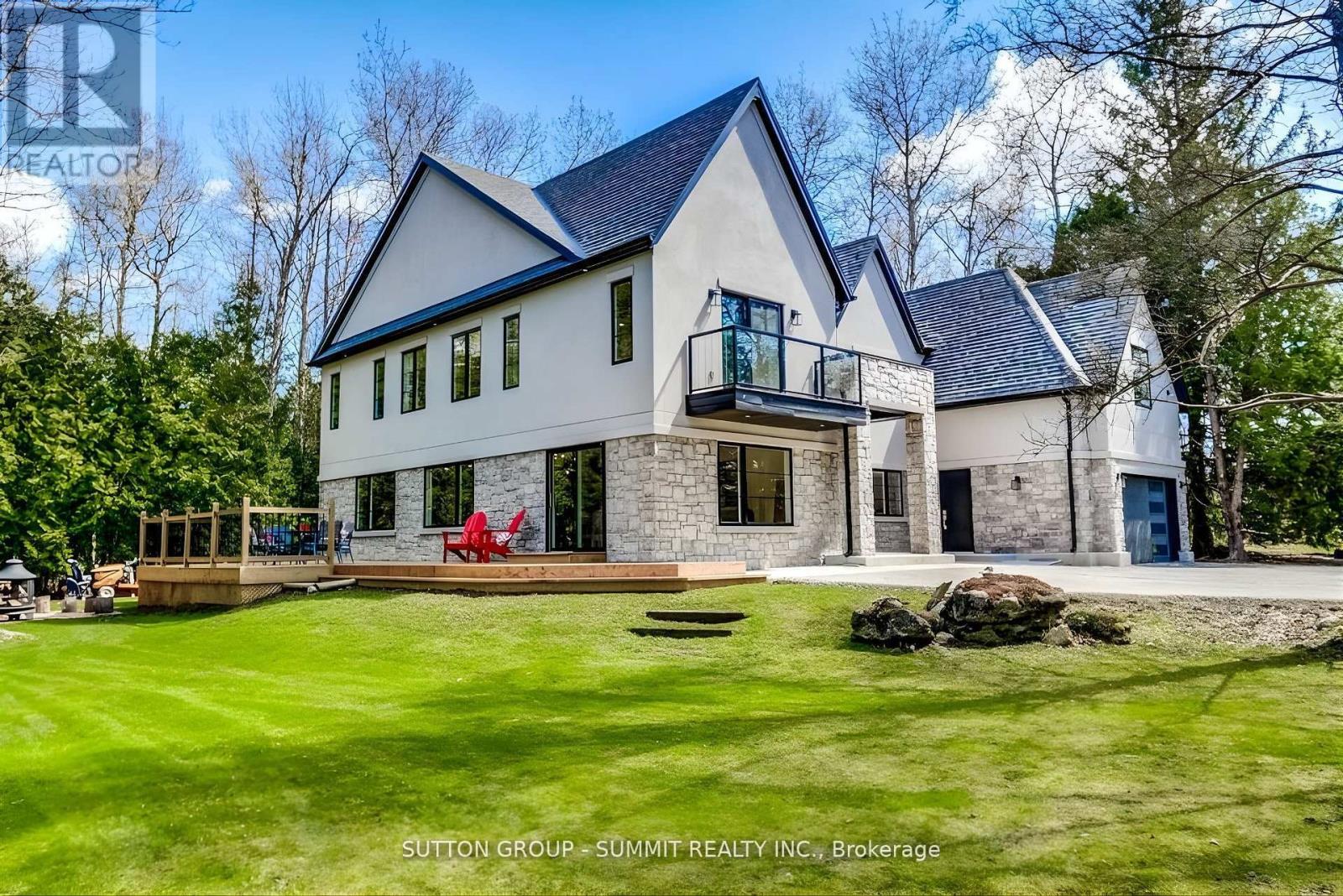 For Sale
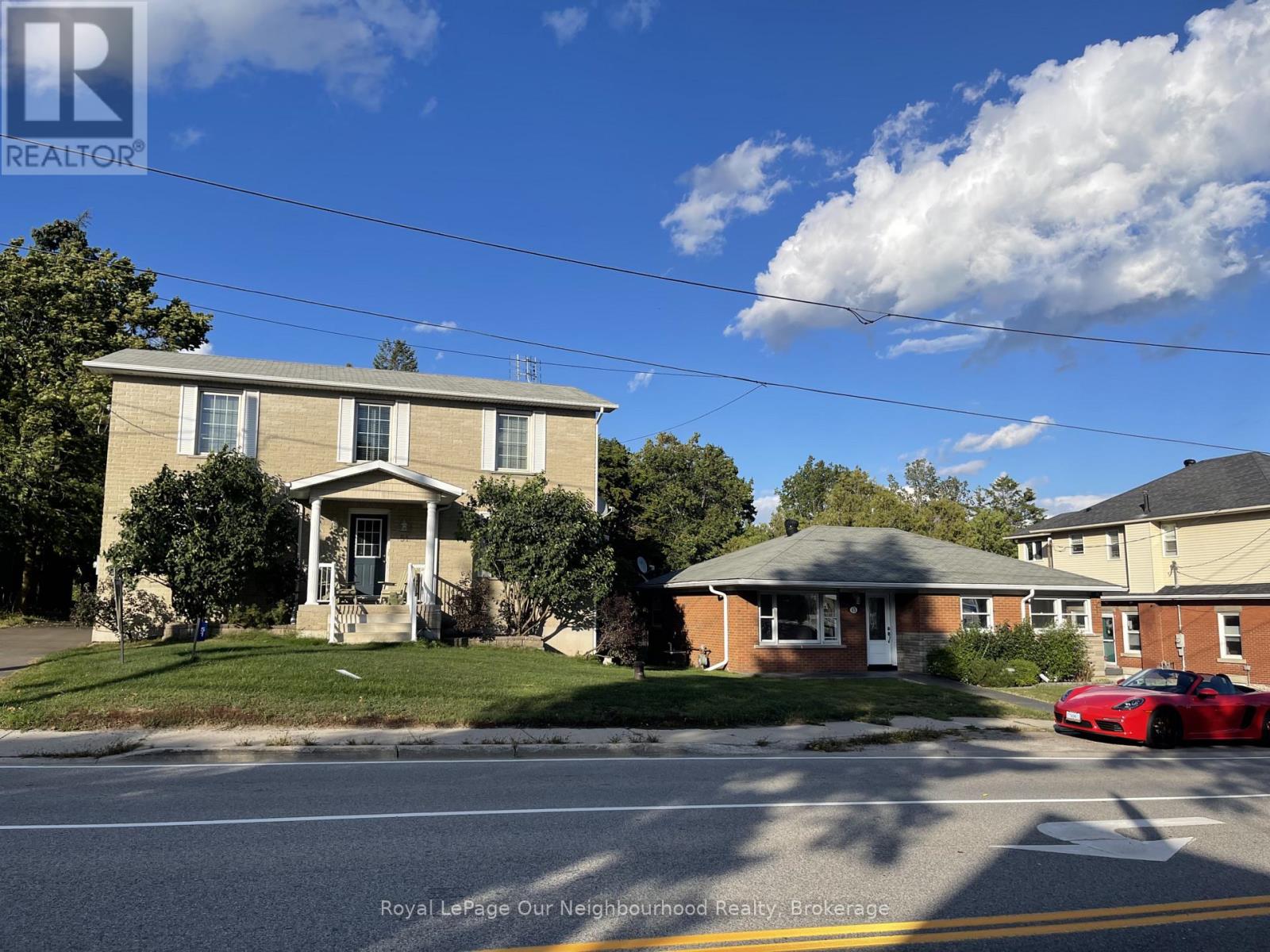 For Sale
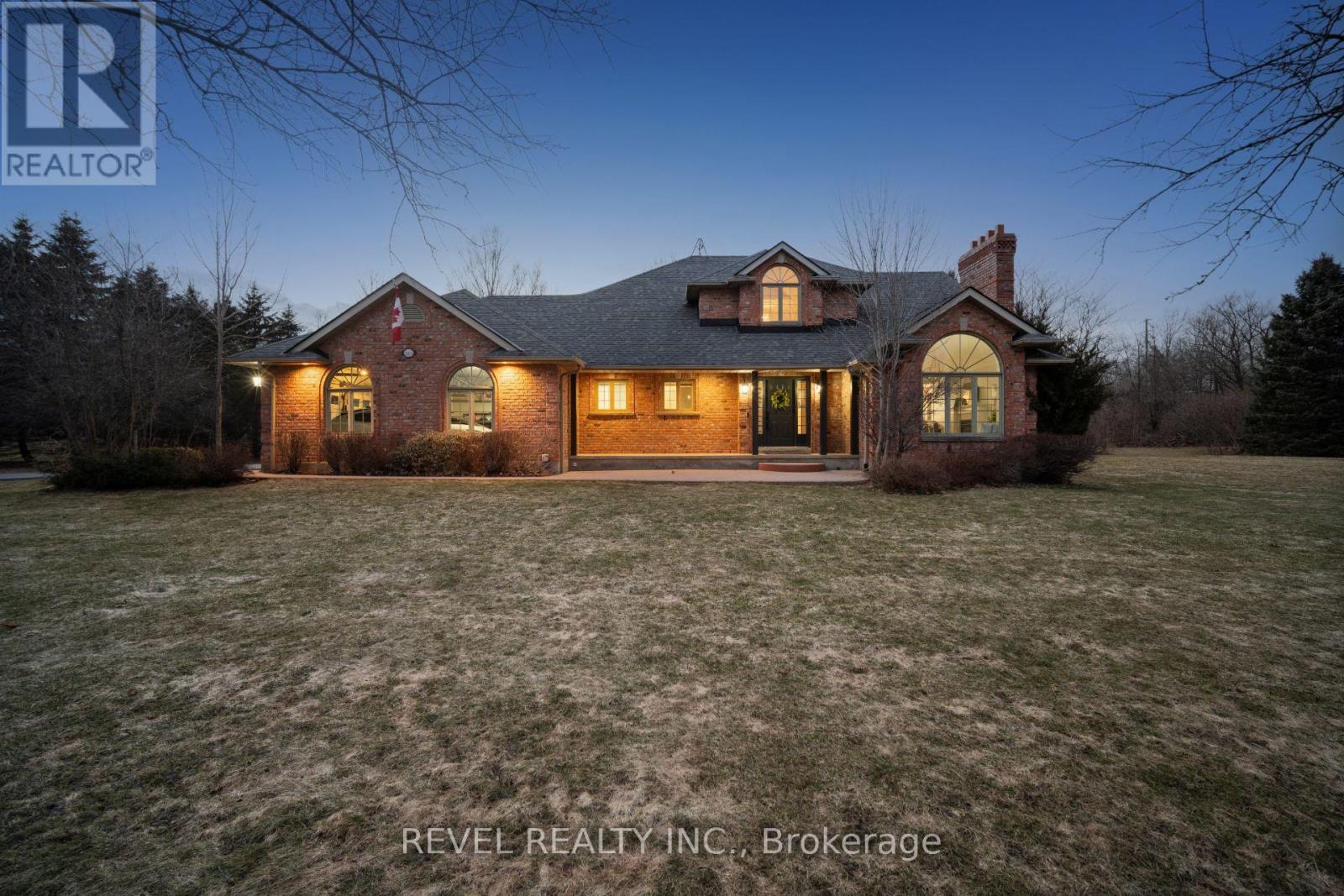 For Sale
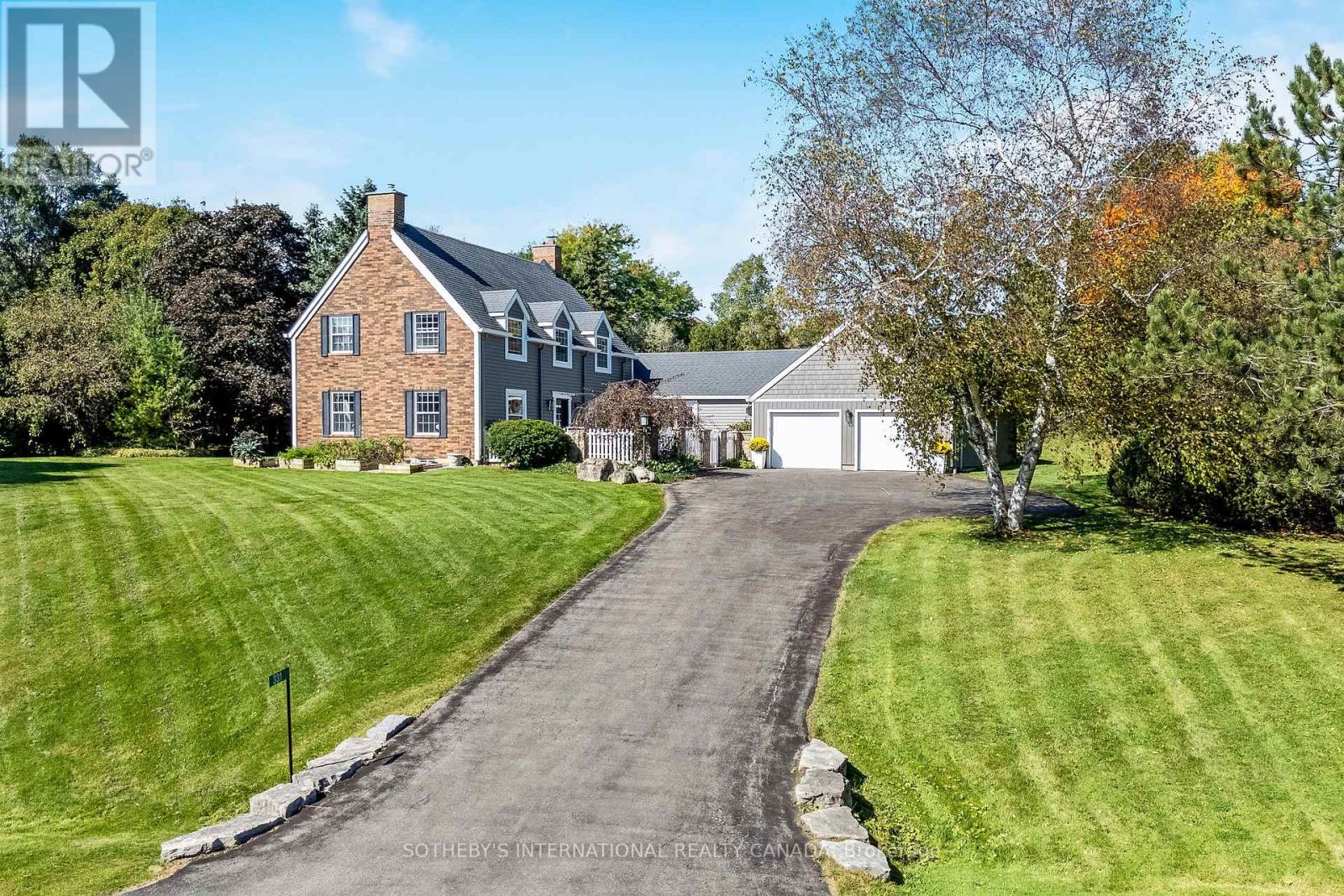 For Sale