
Central Erin Mills is a planned family community in west Mississauga built primarily in the 1980s and 1990s, with detached homes, semi-detached properties, and townhouses along the Credit River valley. Detached homes trade between $1.15 million and $1.5 million, with valley-backing lots commanding premiums. Credit Valley Hospital, Erin Mills Town Centre, and direct Highway 403 access anchor the neighbourhood.
Central Erin Mills is a planned community in west Mississauga that was built primarily in the 1980s and 1990s, when the city was expanding rapidly westward and developers laid out entire subdivisions from scratch on former agricultural land. The neighbourhood has an organized quality that distinguishes it immediately from the postwar areas of east Mississauga: streets curve, parks are integrated into the grid, and the housing stock was built with a range of product types from the beginning rather than evolving over decades. The result is a community that feels designed rather than grown, with the advantages and limitations that description implies.
The Credit River valley runs along the western edge of Central Erin Mills, providing a natural boundary and a green corridor that gives the neighbourhood something that purely interior suburban communities lack. The trail network along the Credit connects south toward Port Credit and north through Brampton, and residents with children or dogs use it constantly. The river valley is one of the reasons that the western streets of Central Erin Mills hold their value reliably, with backing onto the valley commanding a meaningful premium over interior lots.
Credit Valley Hospital sits just north of the neighbourhood and its presence anchors significant medical employment that benefits local residents seeking convenient access to healthcare. The hospital has grown substantially over the past two decades and now represents a major regional medical centre serving west Mississauga and parts of Brampton and Halton. For families with health concerns or frequent medical needs, this adjacency is a genuine practical advantage rather than an abstract location benefit.
Erin Mills Town Centre provides the neighbourhood’s primary retail anchor, covering grocery, banking, mid-range fashion retail, and dining in a format typical of suburban malls of its era. Highway 403 is directly accessible, making downtown Mississauga at City Centre about 10 minutes away and Toronto accessible without using surface streets for most of the journey. The combination of planned community quality, valley greenspace, hospital proximity, and highway access has made Central Erin Mills consistently popular with families and healthcare workers across multiple real estate cycles.
Central Erin Mills offers a genuine range of housing types within a relatively compact area. Detached homes from the 1980s and 1990s, typically three or four bedrooms with double-car garages and finished basements, form the core of the market. These homes were built in waves as the neighbourhood filled in, and the quality of construction and the size of the lots vary across different phases. The older 1980s stock tends to sit on slightly more generous lots than the late-1990s fills, and buyers should check lot dimensions carefully rather than assuming consistency within the neighbourhood.
Detached homes in Central Erin Mills trade between $1.15 million and $1.5 million in 2024 and 2025, with the range driven by lot size, backing condition (valley lots command premiums of $100,000 to $150,000), renovation status, and bedroom count. Four-bedroom homes with finished basements and updated kitchens at the higher end of this range represent the neighbourhood’s aspirational family purchase, while three-bedroom originals in good but unrenovated condition sit at the lower end.
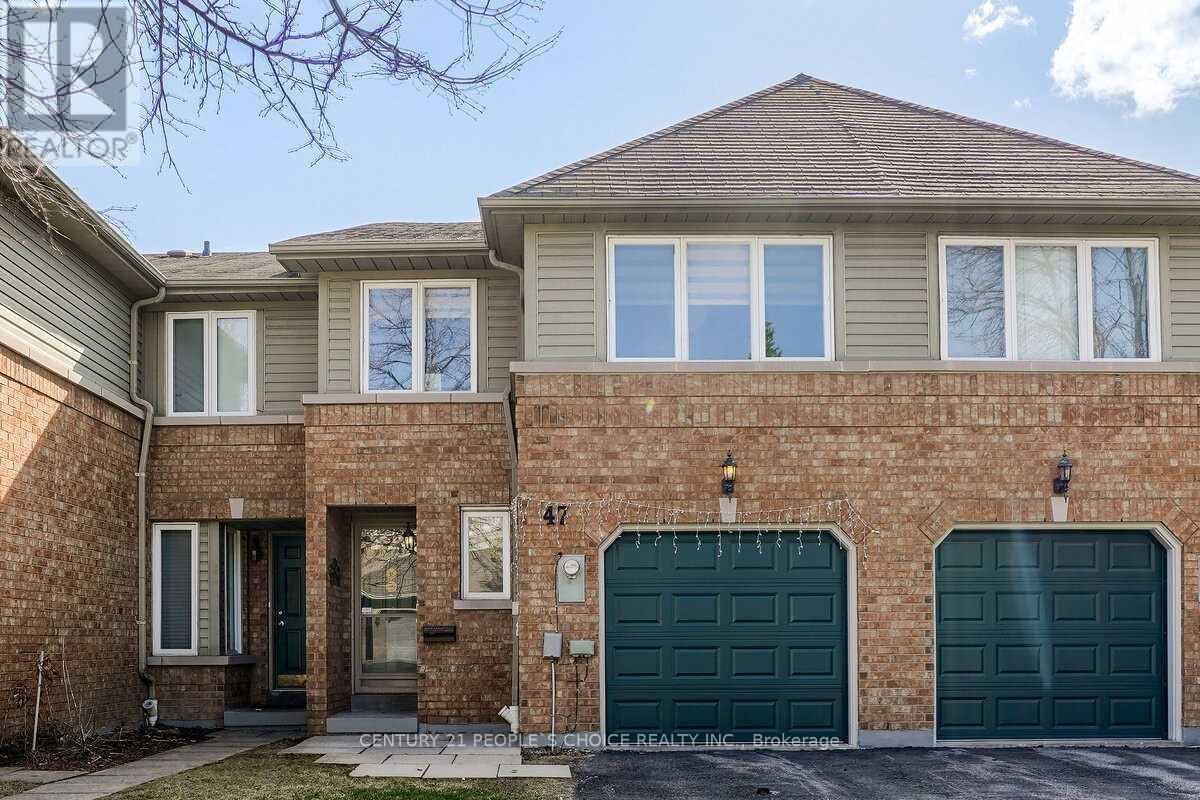
Semi-detached homes make up a portion of the housing stock and typically trade between $900,000 and $1.1 million. They offer a more accessible entry into the neighbourhood for buyers who cannot stretch to a detached price but want to own in this community. Townhouses are also present, both freehold and condo-format, running from $750,000 to $950,000 depending on size and whether they are freehold or maintained under a condominium structure.
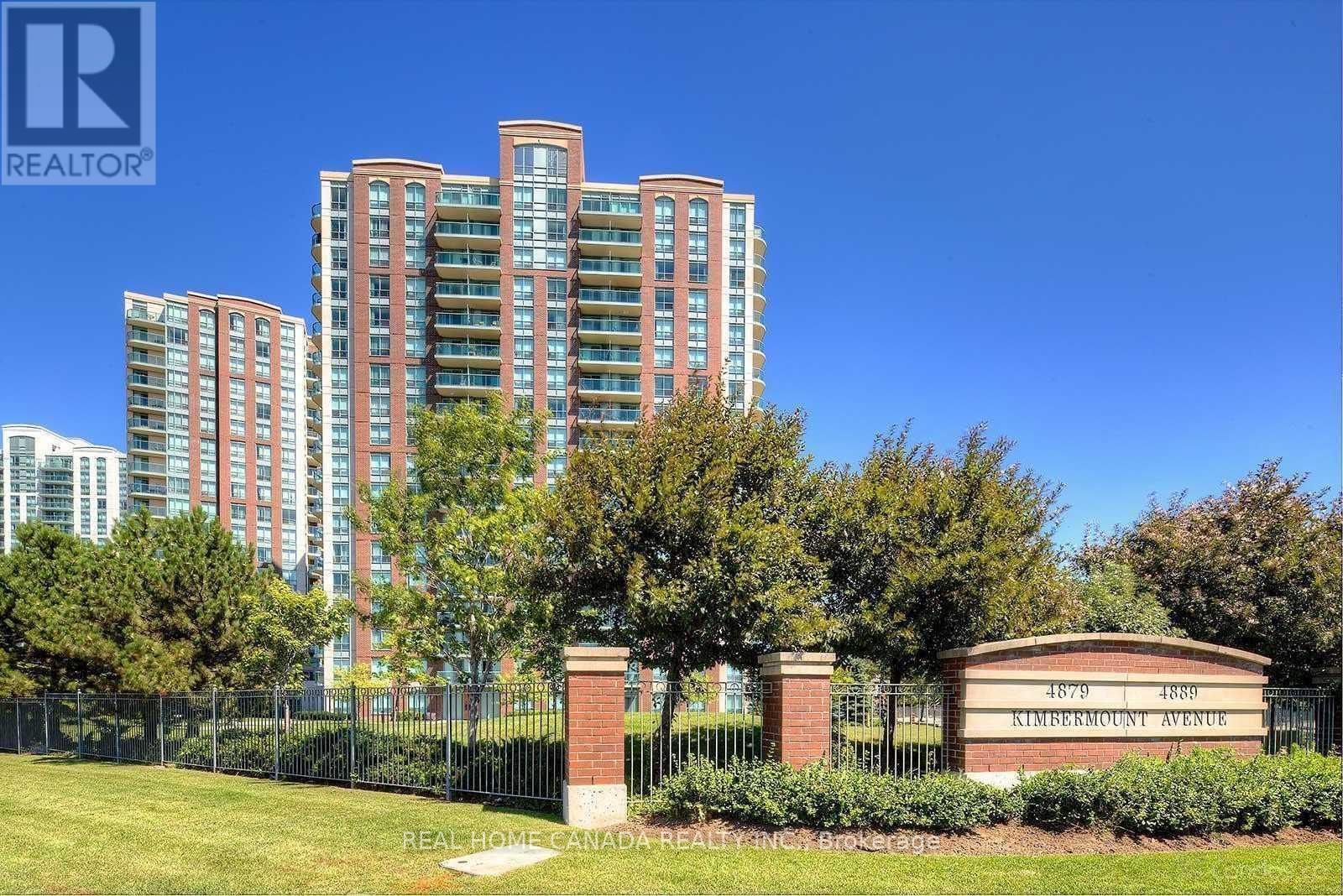
Condominium apartments exist in the neighbourhood though they are less dominant than in the City Centre or Cooksville areas. Low-rise and mid-rise buildings along the major arterials offer units in the $550,000 to $750,000 range for one and two-bedroom configurations. These attract first-time buyers, investors, and downsizers who want to remain in the community without maintaining a house and yard. The condo stock here is older and therefore more affordable than equivalent square footage in newer Mississauga developments.
Central Erin Mills runs a competitive market for detached homes, particularly in the $1.1 million to $1.4 million range where family demand is concentrated. The neighbourhood draws consistent interest from buyers with established incomes, typically dual professional households, who have clear criteria about what they want and the financial qualification to act when the right home appears. This buyer profile produces a market where well-prepared, pre-approved buyers do well and hesitant buyers lose properties to competitors who moved faster.
Days on market for well-priced detached homes typically run 10 to 20 days in a balanced market, compressing to under 10 days during the active spring window. Multiple offer situations are common for homes priced strategically at the lower end of the market range, and less common for homes priced above $1.4 million where the buyer pool narrows. The valley-backing premium homes in the $1.4 to $1.6 million range tend to take slightly longer to sell simply because the buyer who can and will pay that number is a more specific buyer.
The neighbourhood’s market is notably less volatile than the condo markets in Mississauga’s City Centre. During the 2022 to 2023 rate-driven correction, detached home prices in Central Erin Mills pulled back in the 10 to 15 percent range before stabilizing, while condo prices saw more significant softening due to the investor-heavy nature of that market. Families buying detached in Central Erin Mills tend to be long-term holders who are less sensitive to short-term valuation movements.
Spring remains the peak listing season, with the February through May window generating the bulk of annual transaction volume. The fall market from September through November is secondary but genuine. Listings in Central Erin Mills are well-staged on average, reflecting sellers who understand that presentation affects both speed of sale and final price. Buyers should be prepared with financing confirmed and offer terms thought through before beginning active showings, as good properties here rarely stay available for second visits.
The dominant buyer in Central Erin Mills is the dual-income professional family, typically with one or two children already in school or approaching school age, who has outgrown a condo or semi-detached home and is making a deliberate move to a neighbourhood they have researched carefully. Credit Valley Hospital draws healthcare professionals who want a short commute to work. Highway 403 access draws technology and financial services workers who commute to downtown Mississauga or Toronto. The neighbourhood has built a reputation for schools and community stability that draws families specifically because of that reputation.
South Asian professional families, particularly those with roots in India, represent a significant and growing share of buyers in Central Erin Mills. The area’s schools, community infrastructure, and sense of established family orientation align with what many of these buyers are actively seeking. Several community and cultural organizations serve the south Mississauga and west Mississauga South Asian community, and the proximity of places of worship along the Mississauga Road and Erin Mills Parkway corridors adds to the appeal.
Move-up buyers from Mississauga’s condo market, people who bought a one or two-bedroom condo at City Centre or Cooksville three to seven years ago and are now looking for their first detached home, form another consistent buyer cohort. For these buyers, Central Erin Mills represents the detached home they have been working toward, and they often arrive with equity from appreciated condo sales and clear priorities about yard size, bedroom count, and school quality.
Empty nesters and downsizers occasionally buy into Central Erin Mills’ townhouse and condo segment, attracted by the neighbourhood’s safety, established community ties, and ease of access to Credit Valley Hospital. This group is less interested in school quality per se and more focused on maintenance burden, walkability to amenities, and proximity to medical care. Their presence in the townhouse and semi market adds depth to the demand picture and supports pricing at all levels of the product spectrum.
The streets backing onto the Credit River valley along the western edge of Central Erin Mills, including sections of Creditview Road, Erin Centre Boulevard, and the courts and crescents that push toward the valley edge, represent the neighbourhood’s most desirable addresses. Valley-backing homes sit on elevated ground with conservation land behind them, providing unobstructed natural views, wildlife sightings, and a sense of separation from the suburban density that defines the neighbourhood’s interior. These lots command $100,000 to $150,000 premiums over identical-sized homes on interior streets.
The area near Credit Valley Hospital along the north part of the neighbourhood has a denser character, with some townhouse complexes and multi-unit buildings built to serve the healthcare workforce. Streets here are more utilitarian and less premium than the valley-adjacent areas, but they offer excellent proximity to the hospital and to the commercial strip along Erin Mills Parkway. Buyers who work at Credit Valley and want a 5-minute commute find this pocket the most practical choice in the neighbourhood.
The streets closer to Erin Mills Town Centre along Erin Centre Boulevard and Thomas Street carry a mix of housing types and price points that reflects the transition between the mall’s commercial edge and the residential interior. These streets are more convenient for families who want walkable retail access but the ambient noise and traffic from the Town Centre parking areas is somewhat higher. Homes here tend to be mid-range in the neighbourhood’s pricing structure.
The interior streets of the neighbourhood, the crescents and courts that sit away from the valley, the hospital, and the mall, represent the broad middle of Central Erin Mills real estate. Well-maintained four-bedroom detached homes on 40-by-100-foot lots in these pockets trade in the $1.15 million to $1.3 million range and form the bulk of annual transaction volume. These are the homes that generate the most competition from families working to the same budget, and they tend to transact quickly when priced accurately.
Highway 403 runs along the eastern edge of the neighbourhood and is the primary commute route for most Central Erin Mills residents. Ramps at Erin Mills Parkway provide direct access, and from there westbound travel to Hamilton takes about 40 minutes in light traffic, while eastbound the 403 connects to Highway 401 and the QEW, reaching downtown Toronto in 35 to 45 minutes depending on traffic. The 407 ETR is accessible a short distance north and provides a tolled but consistently faster alternative for drivers willing to pay.
The Mississauga Transitway, a dedicated bus rapid transit corridor, has a station at Erin Mills that provides fast bus service east toward Mississauga City Centre and connecting service toward Square One. This is a genuinely useful option for riders heading into Mississauga’s commercial core, with travel times that are predictable in a way that regular surface routes are not. From the Transitway, connections to GO Transit services at Cooksville and Hurontario are available for those commuting to Toronto.
MiWay bus service on routes along Erin Mills Parkway, The Collegeway, and Mississauga Road provides local connectivity to Erin Mills Town Centre, Credit Valley Hospital, and connections to the broader transit network. The bus service here is functional for riders without cars who have flexible schedules, but the neighbourhood’s design reflects its car-centric origins, and most residents drive for most trips.
For GO Transit, the closest stations are Streetsville GO on the Milton line, reachable in about 10 minutes by car to the north. Milton line trains provide service into Union Station in Toronto with a travel time of approximately 45 to 55 minutes. This is a longer commute than what Lakeshore West users in east Mississauga experience, but the Milton line has seen service frequency improvements in recent years and represents a viable option for those working in downtown Toronto who prefer train over highway driving.
The Credit River valley trail system is Central Erin Mills’ most significant natural asset. The trail runs along the valley floor and connects north through Brampton and south toward Port Credit and Lake Ontario, covering significant distance in both directions. The valley is wide enough at this point to feel genuinely natural rather than like a managed greenway through development, with mature trees, exposed limestone outcroppings in sections, and the river running clear enough for wildlife to use. Residents regularly see deer, foxes, and various migratory birds from the valley trails.
Sawmill Valley Park and the associated trail network provide access to the Credit from several points within the neighbourhood, with parking areas and trail head connections along Creditview Road and Erin Centre Boulevard. The trails are well-maintained by Credit Valley Conservation and the City of Mississauga, and they are particularly popular for cycling given the paved surface in the main trail sections and the relatively flat valley floor. This is not a wilderness experience but a genuinely high-quality urban trail system that sees year-round use.
Neighbourhood parks integrated into the subdivision design include several smaller green spaces that serve the local streets well for casual use. The parks closest to the Credit valley provide views down into the natural corridor and create transition points between the built neighbourhood and the conservation land. These spaces have picnic areas, playground equipment, and open lawn, and they fill with neighbourhood life during warm months in a way that speaks to the community’s family orientation.
The Credit Woodlands area on the west bank of the river, accessible from Central Erin Mills trail connections, provides a more wooded experience than the paved main trail. This section of the valley has older tree cover and a quieter character that residents use for slower walks and bird observation. The combination of active paved trails and quieter natural segments gives the valley corridor real range as a recreational asset, serving joggers, cyclists, and nature walkers equally well.
Erin Mills Town Centre on The Collegeway serves as the neighbourhood’s primary retail hub. The mall has a Walmart anchor, Cineplex movie theatres, a good range of chain restaurants, a food court, and the standard mix of fashion, home goods, and service retail that makes a regional mall useful for regular shopping. It is not a destination mall on the scale of Square One, but it handles the practical needs of the community without requiring a drive to City Centre for most purchases.
Grocery options are good. Erin Mills Town Centre includes a Fortinos, which is Loblaw’s full-service banner in west Mississauga and the GTA west end, with a wide produce section, a proper bakery, and the specialty items a food-focused household needs. Additional grocery options along Erin Mills Parkway include a No Frills for budget shopping. South Asian grocery stores and specialty food retailers have established themselves in the commercial plazas along Erin Mills Parkway and Mississauga Road, reflecting the neighbourhood’s demographic character and making ingredient access straightforward for a wide range of cuisines.
The Credit Valley Hospital campus itself contributes to the amenity picture in an indirect way: the concentration of medical professionals and staff creates demand for quality food options near the hospital, and the commercial area along Erin Mills Parkway near the hospital has responded with a range of café, restaurant, and quick-service options that serve both hospital workers and neighbourhood residents. This creates a commercial node with more variety than typical suburban mall-adjacent retail.
For major shopping beyond what Erin Mills Town Centre offers, Square One in Mississauga City Centre is about 10 minutes east via Highway 403, providing access to Nordstrom-level retail, a broader restaurant selection, and the full range of big box retail along the Hurontario corridor. IKEA is also accessible via the 403 in a short drive, making furniture and home goods acquisition straightforward for the families and new homeowners who make up a significant share of the neighbourhood’s population.
Schools are a primary reason families choose Central Erin Mills, and the neighbourhood has a reputation within the Peel District School Board and the Dufferin-Peel Catholic District School Board for strong community involvement and consistent academic results. As with any neighbourhood, the specific school assigned to a given address matters more than the neighbourhood’s general reputation, and buyers should verify catchment boundaries for both elementary and secondary schools for any property they are seriously considering.
Erin Mills Middle School and the elementary schools feeding into it provide the PDSB public stream. Secondary students from much of Central Erin Mills attend Erin Mills Secondary School, which offers a standard Ontario curriculum with co-op and specialist options. The school’s EQAO results have historically been above the provincial average, reflecting both the school’s programming and the community context in which it operates. Parents who are engaged with school events and academic programming find Erin Mills Secondary responsive and well-resourced for a public school.
French immersion is available within the PDSB for families pursuing bilingual education, with program availability subject to current enrollment and boundary policies. The demand for French immersion spots in this part of Mississauga is competitive, and families who prioritize this option should investigate current wait list conditions and the specific schools offering the program in the Central Erin Mills catchment before purchasing.
The Catholic school system under the DPCDSB serves families who prefer faith-based education. St. Aloysius Gonzaga Secondary School is the primary Catholic high school for west Mississauga and draws students from Central Erin Mills and surrounding communities. The school has a strong community reputation and extracurricular depth typical of DPCDSB schools in this part of the region. Elementary Catholic options include several schools along the Erin Mills Parkway and Mississauga Road corridors, and parents should verify the specific catchment for their address directly with the board.
Central Erin Mills is not undergoing dramatic residential redevelopment, but the area around it is changing in ways that will matter to residents over the coming decade. Credit Valley Hospital has announced long-term expansion plans to increase capacity and add specialized services, which will further consolidate the hospital as a regional employment anchor and maintain strong demand for housing within commuting distance. The hospital’s growth trajectory has been sustained over 20 years and shows no sign of reversing.
The Hurontario LRT, currently under construction, has its northern terminus at Brampton Gateway Terminal and its southern at Port Credit, passing through Mississauga City Centre. This does not run through Central Erin Mills directly, but the LRT will improve transit connectivity in the broader west Mississauga corridor and create better connections between the Erin Mills area and the City Centre commercial core. Residents who currently drive to the Transitway station will see improved end-destination options as LRT service matures.
Erin Mills Town Centre itself is the subject of long-term intensification discussions. The mall’s large surface parking footprint and single-storey retail format represent underutilized land by current planning standards, and Mississauga’s official plan supports mixed-use intensification around major retail nodes. What this means practically in the 5 to 10 year horizon is likely the addition of residential towers at the mall’s edges rather than the replacement of the mall itself, which would add population density and potentially bring improved transit service to the Erin Mills node.
The Credit River valley conservation lands that back the neighbourhood’s western streets are permanently protected and will not be developed. This is one of the clearest advantages of purchasing a valley-adjacent home in Central Erin Mills: the view and the natural space behind the property are secure in a way that a neighbour’s private lot or a commercial parcel would not be. Buyers who pay the valley premium are buying a permanent feature, which justifies the price differential from a long-term perspective.
Q: Is paying a premium for a Credit River valley-backing home worth it?
A: For the right buyer, yes. Valley-backing lots in Central Erin Mills offer views of permanently protected conservation land, direct trail access without needing to drive, and a sense of space and natural separation that interior suburban lots cannot match. The premium currently runs $100,000 to $150,000 over comparable non-valley homes on similar-sized lots, which is meaningful but not disproportionate given the permanence of the benefit. The key question is whether you will actually use and value the outdoor access over the long term. Families with active outdoor lifestyles who walk or cycle the Credit trail regularly will extract full value from the premium. Buyers who spend most of their time indoors or traveling for work may find the premium hard to justify. There is also a practical consideration: valley-backing properties can experience drainage issues, and the moisture environment near a river valley requires attention to grading, foundation waterproofing, and basement conditions. A thorough inspection is important for any valley-adjacent purchase.
Q: How has Central Erin Mills held its value through recent market cycles?
A: Reasonably well compared to higher-volatility parts of the GTA. The detached home market here pulled back approximately 10 to 15 percent from its February 2022 peak during the 2022 to 2023 rate-driven correction, which is somewhat less than the corrections seen in more speculative fringe markets. The stable employment base from Credit Valley Hospital, the consistent family demand for the neighbourhood’s schools, and the lack of significant speculative investor activity in the detached segment all contributed to that relative stability. Since mid-2023, prices have recovered most of the correction. The segment most affected by rate sensitivity was the condo and townhouse market, where investor presence is higher and buyer pools are more rate-dependent. Detached home buyers in Central Erin Mills tend to be longer-term holders with established income, which produces more stable demand than speculative segments.
Q: What are the realistic commute options to downtown Toronto from Central Erin Mills?
A: The honest answer is that downtown Toronto is not particularly close, and buyers should assess the commute realistically before purchasing. By car via Highway 403 east to the QEW or 401, the drive takes 45 to 65 minutes in typical morning rush hour conditions. By transit, the best option involves taking MiWay or the Transitway east to a GO connection, which adds total travel time to 75 to 90 minutes from door to desk. GO Transit via Streetsville station on the Milton line provides a train to Union Station in about 50 minutes, but the drive or bus to Streetsville adds another 15 to 20 minutes to the commute start. Central Erin Mills is genuinely better suited to buyers commuting within Mississauga, to Brampton, or to highway-accessible employment nodes than to daily downtown Toronto commuters who value their time.
Q: What should buyers know about homes built in the 1980s in this neighbourhood?
A: The 1980s detached homes in Central Erin Mills were built to the construction standards of their era, which are adequate but show their age in specific ways. HVAC systems in original homes from this period are well past their useful life and should be budgeted for replacement if the home has not been updated. Roof coverings on 1980s homes have typically been replaced at least once but may be due for another replacement. The exterior, which in this neighbourhood is often brick veneer over wood frame, is generally in reasonable condition, but inspectors should check weep holes and the brick-to-foundation junction for any moisture intrusion issues. Interior finishes in unrenovated 1980s homes, including original kitchens, bathrooms, and flooring, are dated but functional. The bones of these homes are solid, the lots are good, and the floor plans, while less open than modern preferences, are practical for families. Budget for mechanical updates and cosmetic renovation as separate line items from the purchase price.
Central Erin Mills attracts deliberate, financially capable buyers, and your agent needs to match that level of preparation. Come to the market with your financing confirmed at a specific approval amount rather than a pre-qualification estimate, understand the difference between what you are approved for and what you are comfortable carrying, and be clear about your non-negotiable criteria before you begin active showings. In a market where well-priced four-bedroom detached homes can attract competing offers in spring, hesitation costs you properties.
The valley lot premium deserves specific scrutiny during any offer on a valley-backing property. Your agent should pull sold comparables specifically for valley versus non-valley lots on the same or adjacent streets to verify that the listed premium is consistent with what the market has actually supported. Sellers of valley-backing homes sometimes price aspirationally, and an agent who can demonstrate the actual premium with data is providing real value in negotiations.
School catchment verification is a critical step in any Central Erin Mills purchase if schools are part of your decision. The boundaries between elementary schools, and between high school catchments within the PDSB system, shift periodically and are not always intuitive based on proximity alone. Your agent should help you confirm the current catchment for any address you are seriously considering rather than relying on the seller’s representations or neighbourhood assumptions.
Finally, for homes at the lower end of the price range in Central Erin Mills, the ones that need updating or have deferred maintenance issues, your agent should help you develop a realistic renovation budget before you write an offer rather than after. The renovation cost environment in Mississauga has changed significantly in recent years, and the gap between what a project costs and what it returns in resale value is not always positive. An agent who can connect you with reliable contractors for pre-offer consultations, and who is honest about the renovation economics of specific properties, is an agent worth keeping.
Street-level knowledge is hard to find online. Our team works in Central Erin Mills every day. They know which pockets hold value, where the school catchment lines actually fall, and what the market is doing right now. Talk to us before you make a decision about Central Erin Mills.
Talk to a local agent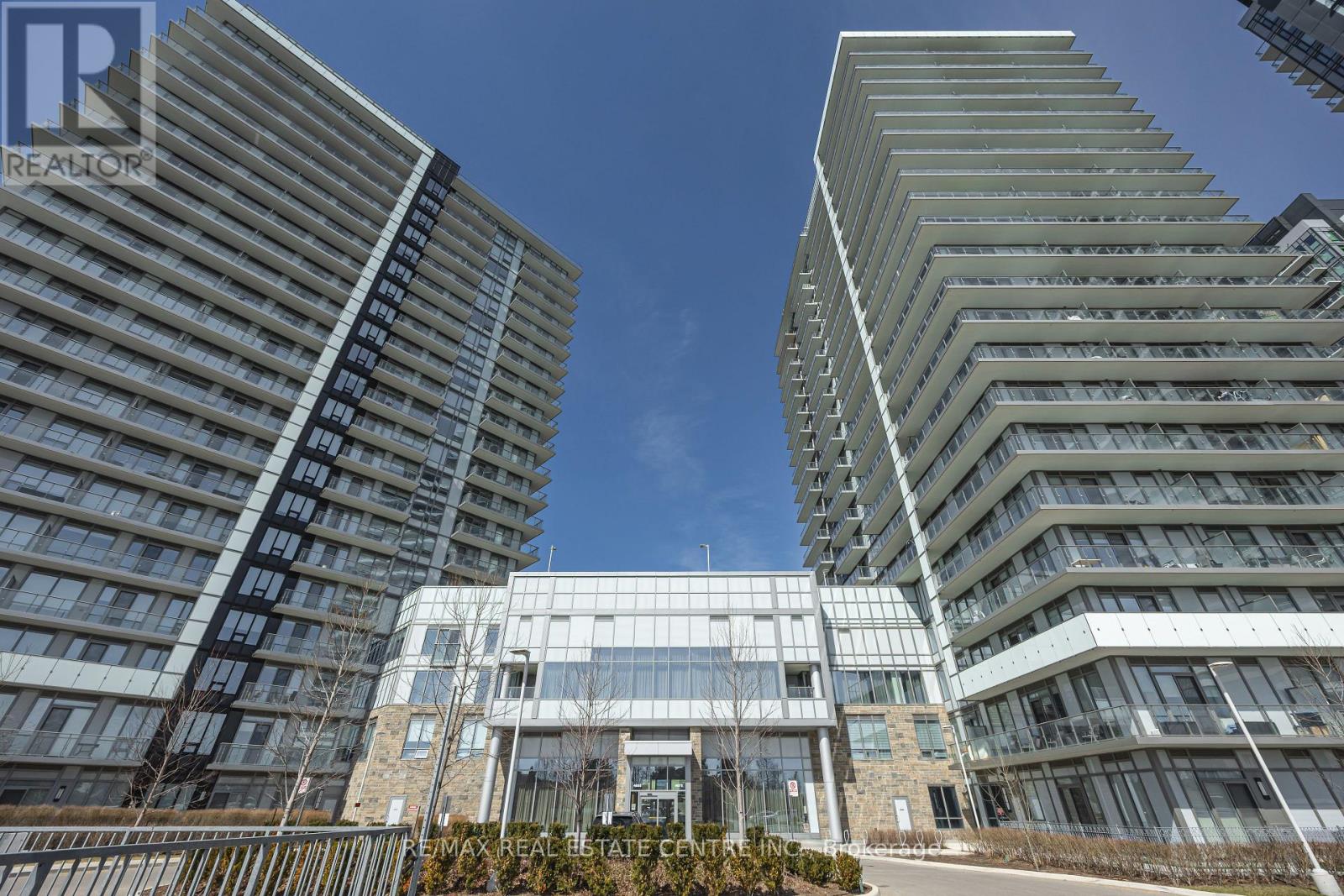 For Rent
 For Rent
 For Rent
 For Sale