
Central Newmarket is the historic core of the city, centred on Main Street South with its heritage commercial district, Victorian and Edwardian homes, Fairy Lake park system, and the Newmarket GO Station on the Barrie line. It offers the most walkable daily environment in Newmarket for buyers who choose neighbourhood character over suburban convenience.
Central Newmarket is the historic core of the city, centred on Main Street South and the heritage commercial district that has given Newmarket its identity as one of the more intact small-city main streets in the GTA region. It covers the area roughly bounded by Mulock Drive to the north, Bayview Avenue to the east, Eagle Street to the south, and the western residential streets approaching D’Arcy Street. This is the part of Newmarket that predates the suburban expansion, and its residential and commercial character reflects a genuine small-city history rather than a planned suburban development pattern.
Main Street South in central Newmarket is genuinely one of the better historic main streets within commuting distance of Toronto. The 19th-century commercial buildings, the canopy of mature trees, the independent retailers and restaurants, and the pedestrian scale of the street create an environment that is functionally distinct from the arterial strip commercial and power centre retail that defines most of the rest of Newmarket and most of York Region. Buyers who prioritise walkable neighbourhood character over suburban convenience pay the premium that central Newmarket commands relative to the outer residential areas.
The residential areas within central Newmarket are a mix of original Victorian and Edwardian housing from the late 19th and early 20th centuries, infill development from the mid-20th century, and more recent townhouse and small-lot development that has been added as the urban core has intensified incrementally. The older housing has the character that older Ontario housing reliably delivers: detailed woodwork, varied facades, mature gardens, and the accumulated patina of a neighbourhood that has been lived in continuously for over a century.
Fairy Lake, a small natural lake at the heart of the park system, is one of central Newmarket’s most distinctive features. The lake and its surrounding park create a natural centrepiece for the community that most comparable GTA suburban municipalities simply don’t have, and the trails around it provide a genuine daily recreation resource within walking distance of the central residential area.
The housing stock in central Newmarket is more varied than in any other part of the city. The oldest homes date to the 1860s and 1870s, Victorian and Edwardian detached homes on narrow lots with deep gardens, bay windows, and the decorative woodwork that the builders of that era applied to modest residential structures. These homes have been updated to varying degrees by successive owners, some with careful restorations that preserve their character, others with updates that reflect changing tastes over the decades.
The inter-war and post-war housing from the 1920s through the 1950s fills in the gaps between the Victorian stock with the simpler bungalows and 1.5-storey homes that defined residential construction in smaller Ontario cities during those decades. These homes are generally well built for their era, on somewhat larger lots than the Victorian fabric, and represent the affordable end of the central Newmarket market.
Townhouse and semi-detached infill from the 1990s through the 2010s has been added along the residential streets nearest to the commercial core and in redevelopment sites where older structures were replaced. This newer product within the central area has smaller lots and more compressed footprints than the original housing, but it benefits from the walkable context of the central neighbourhood in the same way that all central Newmarket housing does.
Older homes require buyers who understand what older home ownership involves. Knob and tube wiring, galvanised or lead pipes, older insulation standards, and foundations that were built before modern concrete practices are all conditions that competent inspectors find and that buyers need to price accurately. Heritage designation applies to some properties in the central area and affects permissible exterior modifications. None of these conditions make the homes unpurchasable, but they require buyers who are informed rather than surprised after the fact.
Central Newmarket commands a premium over comparable square footage in the suburban neighbourhoods, and has for decades. The premium reflects what the central location delivers: walkable Main Street access, Fairy Lake, neighbourhood character that cannot be replicated by new construction, and the identity of living in the part of Newmarket that everyone knows. Buyers who pay it are typically choosing it deliberately rather than arriving at central Newmarket because it was the most convenient or affordable option.
The range within central Newmarket is wide. A Victorian detached home on the streets closest to Main Street with a renovated interior commands prices at the upper end of the Newmarket market. A post-war bungalow on a residential street with a dated interior is at a price point accessible to first-time buyers and investors. The central neighbourhood’s heterogeneity means that buyers across a range of budgets can find something appropriate, though the competition for the most desirable properties at the upper end is genuine and fast-moving.
Investment properties are a consistent part of the central Newmarket market. The rental demand from Newmarket’s working population, students attending Upper Canada College’s proximity, and the generally tight York Region rental market supports rental properties in the central area. Buyers who are purchasing for investment alongside personal use benefit from the central location’s rental appeal, which is stronger than in the outer suburban neighbourhoods where the rental pool is narrower.
Heritage-designated properties have specific market dynamics. The designation restricts exterior changes but doesn’t prevent interior renovation, and well-renovated heritage properties in desirable central Newmarket locations sell at premiums that reflect both the renovated condition and the irreplaceable character. Properties where the heritage designation has been misunderstood as a burden rather than an asset may be priced incorrectly, which creates occasional opportunity for buyers who understand what the designation actually restricts.
Central Newmarket draws buyers who have specifically chosen main street walkability, neighbourhood character, and the identity of the historic core over the larger-lot, newer-construction options available in the suburban parts of the city. This buyer group is distinct: they have typically experienced urban living, know what they want, and have made a deliberate trade rather than an accidental one. Young professional couples, arts-and-culture-oriented households, and buyers relocating from Toronto’s inner neighbourhoods who want more space and lower prices without losing walkable neighbourhood access all find central Newmarket appealing.
The neighbourhood also draws buyers who are specifically interested in the older housing stock as an architectural and historical interest. Buyers who have the skills and inclination to restore older homes, who understand what they are taking on, and who find the process rewarding rather than daunting are well served by central Newmarket’s inventory of properties that need varying degrees of updating work.
Downsizers from larger suburban homes are a consistent segment. Households who raised children in four-bedroom detached homes in the outer Newmarket suburbs often find that the central area delivers a retirement lifestyle that their suburban home couldn’t: walkability to restaurants and services, the Fairy Lake trails, and the village-scale social environment of a functioning main street. The trade of square footage and lawn maintenance for walkability and central character is a trade that many Newmarket downsizers have made with satisfaction.
Buyers for whom the school question is primary tend to look at central Newmarket carefully for the elementary school options, and some specifically target addresses within particular school boundaries. The heritage schools serving central Newmarket have their own identity and community character that attracts buyers who are choosing a specific school experience alongside a specific neighbourhood, rather than treating the school as a secondary consideration after the house.
Within central Newmarket, the streets that command the most consistent attention are those closest to Main Street South and Fairy Lake. Prospect Street, Timothy Street, Eagle Street, and the residential streets immediately behind the commercial facades on Main Street South are the most sought-after addresses in the central area, combining proximity to the main street’s commercial life with the residential character of the Victorian and Edwardian streetscape.
The residential area west of Yonge Street and south of Davis Drive represents a different character pocket within the central designation: slightly further from the historic commercial core, with a mix of older and mid-century housing, but benefitting from the proximity to the Yonge Street commercial concentration and the broader central Newmarket identification. Properties here trade at modest discounts to the most central streets while delivering a comparable neighbourhood experience.
The streets closest to the Newmarket GO station area have seen more commercial activity and some mid-rise residential development as the station precinct evolves. This area is more transitional in character than the Main Street South historic core, with the investment and density implications that transit-oriented development brings to station areas. Buyers who want the most stable historic residential character should look to the streets between the GO station area and the Main Street core rather than immediately adjacent to the station.
Fairy Lake and its surrounding park are a specific micro-location premium driver. Properties within walking distance of the lake’s trail system and park areas command measurable premiums over comparable properties that require a short drive to reach the same amenity. This is the central Newmarket equivalent of the waterfront premium: not dramatic, but consistent and supported by buyer demand for the specific asset.
Central Newmarket has the best transit access in the city. Newmarket GO Station on the Barrie line sits on the eastern edge of the central area, with service to Union Station in approximately 55 minutes at peak periods. The station is within walking distance of the Main Street South area and cycling distance from most central residential streets, making it the most transit-friendly neighbourhood in Newmarket for GO rail commuters.
Viva rapid transit on Yonge Street is also accessible from central Newmarket, providing the north-south rapid bus connection toward Richmond Hill and the subway at Vaughan Metropolitan Centre. Central Newmarket residents can use either the Barrie GO line for downtown Toronto destinations or the Yonge Viva for destinations along the Yonge corridor, which gives them the most transit optionality of any Newmarket neighbourhood.
Walkability within the central area is the feature that most clearly distinguishes it from the rest of Newmarket. Main Street South, the specialty food stores, restaurants, the Newmarket Public Library, and the Fairy Lake park system are all accessible on foot from the central residential streets. This is not full urban walkability by Toronto standard, but it is genuine walkability by York Region suburban standard, and for buyers who have accepted that they are moving to a suburban municipality, the central Newmarket pedestrian environment delivers more than any other Newmarket neighbourhood.
Car ownership remains practical even from central Newmarket, with Highway 400 accessible via Davis Drive and Highway 404 accessible via Green Lane or Mulock Drive. The combination of GO rail access, Viva rapid transit proximity, and highway convenience makes central Newmarket one of the most multimodal residential locations in the north York Region area, giving residents flexibility that the outer suburban neighbourhoods cannot match.
Fairy Lake is the centrepiece of central Newmarket’s outdoor amenity, and it is one of the genuine natural assets that distinguishes the city from comparable York Region suburban municipalities. The lake sits within a park system along the East Holland River corridor, with trails around the lake and extending along the river that provide multi-use path access for walking, running, and cycling. The lake itself supports waterfowl, and the park setting is maintained to a standard that reflects Newmarket’s consistent investment in its central green space.
The East Holland River trail system connects through the Fairy Lake area and extends northward and southward through the Newmarket green space corridor, providing linked trail access that goes well beyond the lake itself. The trail system is one of the more substantial urban trail networks in York Region, long enough to provide real training routes for runners and cyclists and natural enough to deliver an outdoor experience that doesn’t feel entirely urban even within the city boundary.
The conservation lands managed by the Lake Simcoe Region Conservation Authority are accessible within 15 to 20 minutes of central Newmarket for residents who want the larger-scale natural environments that the urban trail system can’t provide. Forest hiking, fishing, and the ecological diversity of the LSRCA conservation areas supplement the urban outdoor network for residents who want both daily accessible parks and periodic access to more substantive natural areas.
The civic park spaces associated with central Newmarket’s heritage commercial district — the town square areas, the parks adjacent to the main street, and the formal green space of the civic core — provide an urban outdoor environment that is more intentional and civic in character than the suburban-format parks of the outer neighbourhoods. These are spaces designed for gathering and daily use in a pedestrian context, and they function as such for residents who use the Main Street area regularly.
Main Street South is central Newmarket’s primary retail and dining destination, and it remains one of the more functionally active historic main streets in the GTA region. The combination of heritage commercial buildings, independent retailers, multiple restaurant options ranging from casual to more formal, coffee shops, and specialty food providers creates a main street environment that residents use regularly rather than just occasionally. The commercial health of Main Street South has been more resilient than many comparable Ontario small-city main streets, which have hollowed out as big-box retail drew customers away.
Upper Canada Mall at Yonge and Davis Drive, roughly 2 kilometres from the central area, provides the full range of enclosed mall retail, department stores, and food court services that Main Street South doesn’t offer. For residents who want both independent main street character and national chain access, the combination of Main Street and Upper Canada Mall proximity delivers both within a short drive.
The Yonge Street commercial corridor provides grocery, pharmacy, and everyday convenience services that complement the Main Street South independent retail. Residents of central Newmarket can walk to some of their daily needs on Main Street and drive to the Yonge Street anchors for the balance, which creates a more varied daily commercial environment than any of the outer suburban Newmarket neighbourhoods offer.
Southlake Regional Health Centre is approximately 2 kilometres from the central area, accessible in under 10 minutes by car. The medical office cluster that has grown in the Southlake area provides specialist, diagnostic, and allied health services that are the practical healthcare infrastructure for the entire north York Region population. For central Newmarket residents, this proximity is a significant quality-of-life asset, particularly for households with regular medical needs.
Central Newmarket falls within the York Region District School Board for public schools, with the York Catholic District School Board serving Catholic families. The schools serving the central area reflect the neighbourhood’s historical settlement: they are among the older schools in the Newmarket system, with the community character of schools that have served the same neighbourhoods for generations rather than the clean-slate newness of schools built for recent subdivisions.
The elementary schools in the central Newmarket area are generally well regarded in the context of the York Region system. The stable residential demographic of the central area, the engagement of parents who have chosen the central neighbourhood deliberately, and the school community identity that develops over decades in a stable neighbourhood all contribute to the school culture in this area. Secondary school students attend Newmarket High School or Dr. John M. Denison Secondary School, both within the city.
The Newmarket Public Library’s main branch is in the central area, providing a library system resource that supplements the school experience and gives students access to research materials, study space, and broader reading options beyond the school library. The library’s programming for children and youth is active, and its proximity to the central residential area makes it a genuinely useful community resource rather than an occasional destination.
For families interested in private schooling, the central Newmarket location is among the better Newmarket positions for private school access. The drive to King Township private schools (St. Andrew’s College, Country Day School) is approximately 20 to 25 minutes, and the Aurora private school options are similar in travel time. This is not private school proximity by Toronto inner-city standards, but it is reasonable by York Region suburban standards.
Central Newmarket is changing more than the outer residential neighbourhoods, primarily because of the intensification that the province’s Growth Plan directs toward Newmarket as an Urban Growth Centre. The area around the GO station is the primary focus of this intensification, with mid-rise residential and mixed-use development approved and under construction. This is bringing new residents into the central area and changing the character of the station precinct from a transit facility surrounded by parking into a more walkable mixed-use environment.
Main Street South has been the subject of ongoing heritage and commercial planning discussions that reflect the municipality’s interest in maintaining the street’s character while allowing appropriate investment and evolution. The balance between protecting the heritage fabric and allowing the investment that keeps commercial streets viable is an ongoing tension in all Ontario main street heritage areas, and Newmarket has generally navigated it more successfully than many comparable municipalities, maintaining higher commercial occupancy rates than many comparable Ontario main streets while controlling the scale and character of new development.
The Fairy Lake park system has received municipal capital investment over the years and continues to be a priority for Newmarket’s parks and recreation planning. The trail connections are being extended and improved as part of the city’s active transportation strategy, which gradually increases the utility of the Fairy Lake system as a commuter cycling and recreational walking resource rather than a destination-only park.
The intensification around the GO station will bring changes to the streets immediately adjacent to the station over the next decade. Buyers in the central Newmarket area who want maximum stability should look to the streets between the station and the Main Street core rather than to the blocks directly on the station’s access roads, where the planning environment anticipates higher-density mixed-use development over time.
What makes Main Street South Newmarket different from other York Region commercial streets?
Main Street South in Newmarket retains a concentration of independent retailers, restaurants, and heritage commercial buildings that most York Region suburban commercial streets lost a generation ago. The heritage designation of the commercial district has helped prevent the wholesale redevelopment that occurred in similar small-city main streets. The pedestrian scale, the tree canopy, and the building continuity create an environment that feels genuinely different from the power centre and strip mall format that dominates York Region commercial activity. This is not a manufactured main street — it is a functioning one with genuine commercial life.
Are there heritage restrictions on central Newmarket homes?
Some properties in the central area are subject to heritage designation under the Ontario Heritage Act and Newmarket’s municipal heritage register. Heritage designation restricts alterations to the exterior of the property visible from a public street; interior renovations are generally not restricted. Buyers should confirm the heritage status of any specific property they are considering before making an offer, and should understand what alterations they intend to make and whether those alterations require heritage approval. Heritage-designated properties are not uncommon in the market; a competent agent familiar with the central area will know the designated properties and can advise on the implications.
How is the flooding situation near Fairy Lake?
Fairy Lake and the East Holland River corridor are managed by the Lake Simcoe Region Conservation Authority, which has regulated areas along the watercourse and its valley system. Properties adjacent to the lake or the river corridor may be within LSRCA regulated areas subject to development restrictions. Newmarket has experienced flooding events historically in low-lying areas adjacent to the Holland River system, and the LSRCA’s floodplain mapping is the relevant resource for assessing flood risk on specific properties. Buyers should confirm flood risk and regulated area status before purchasing properties near the waterway.
Is central Newmarket a good investment rental?
Central Newmarket has consistent rental demand from working professionals, healthcare workers at Southlake, and households who want the main street lifestyle without ownership. The combination of GO station proximity, walkable commercial access, and the Newmarket identity drives rental demand. Rental properties in the central area have performed well historically relative to outer Newmarket neighbourhoods because the location is specifically sought rather than merely convenient. Buyers considering investment properties should model the specific property against current rental rates for the type, which a local agent familiar with the rental market can provide.
Central Newmarket requires an agent who understands the specific characteristics of older home transactions, heritage property considerations, and the micro-location variation within the central area. The main street proximity premium, the heritage designation implications, the older mechanical and structural systems in the Victorian and Edwardian housing stock, and the intensification activity near the GO station are all variables that affect specific transactions differently. An agent who covers central Newmarket regularly will know which properties are designated, which blocks are subject to the most intensification pressure, and what the realistic cost of bringing an older home to current standard looks like.
The home inspection for an older central Newmarket property is one of the most important due diligence steps in the entire purchase process. Victorian and Edwardian homes built before modern construction standards have known issues that require specific knowledge to assess: knob and tube wiring and its implications for insurance and modernisation cost, galvanised or lead pipes, older foundations, and the envelope performance of older wood-frame construction. Buyers should use an inspector with specific experience in older Ontario homes, not a generalist who primarily inspects suburban post-war houses.
Buyers who have done their homework on older home ownership, who have a realistic maintenance budget, and who understand the heritage implications tend to be very happy with central Newmarket. The neighbourhood delivers genuine character and walkable daily convenience in a York Region context, which is a real and relatively scarce combination. Buyers who arrived with incomplete information about what older home ownership entails, or who expected suburban maintenance demands and found heritage-era demands instead, have struggled.
The investment in buying well in central Newmarket is in the research and preparation, not in the price. The premium over comparable suburban square footage is real but not irrational; the location delivers something the suburbs don’t. The buyers who pay it successfully are those who understand what they are buying, not those who discovered the characteristics after the deal closed.
Street-level knowledge is hard to find online. Our team works in Central Newmarket every day. They know which pockets hold value, where the school catchment lines actually fall, and what the market is doing right now. Talk to us before you make a decision about Central Newmarket.
Talk to a local agent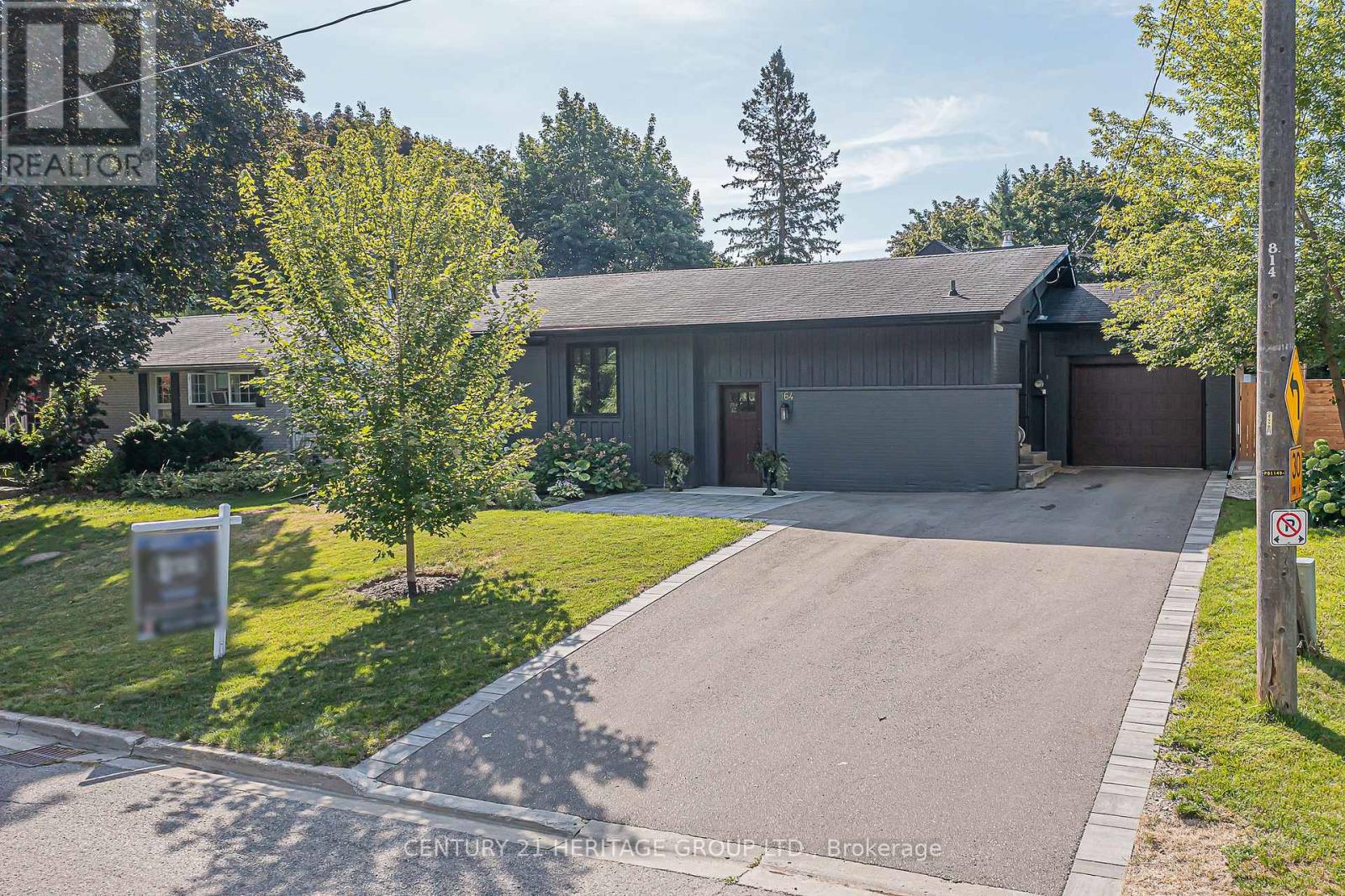 For Sale
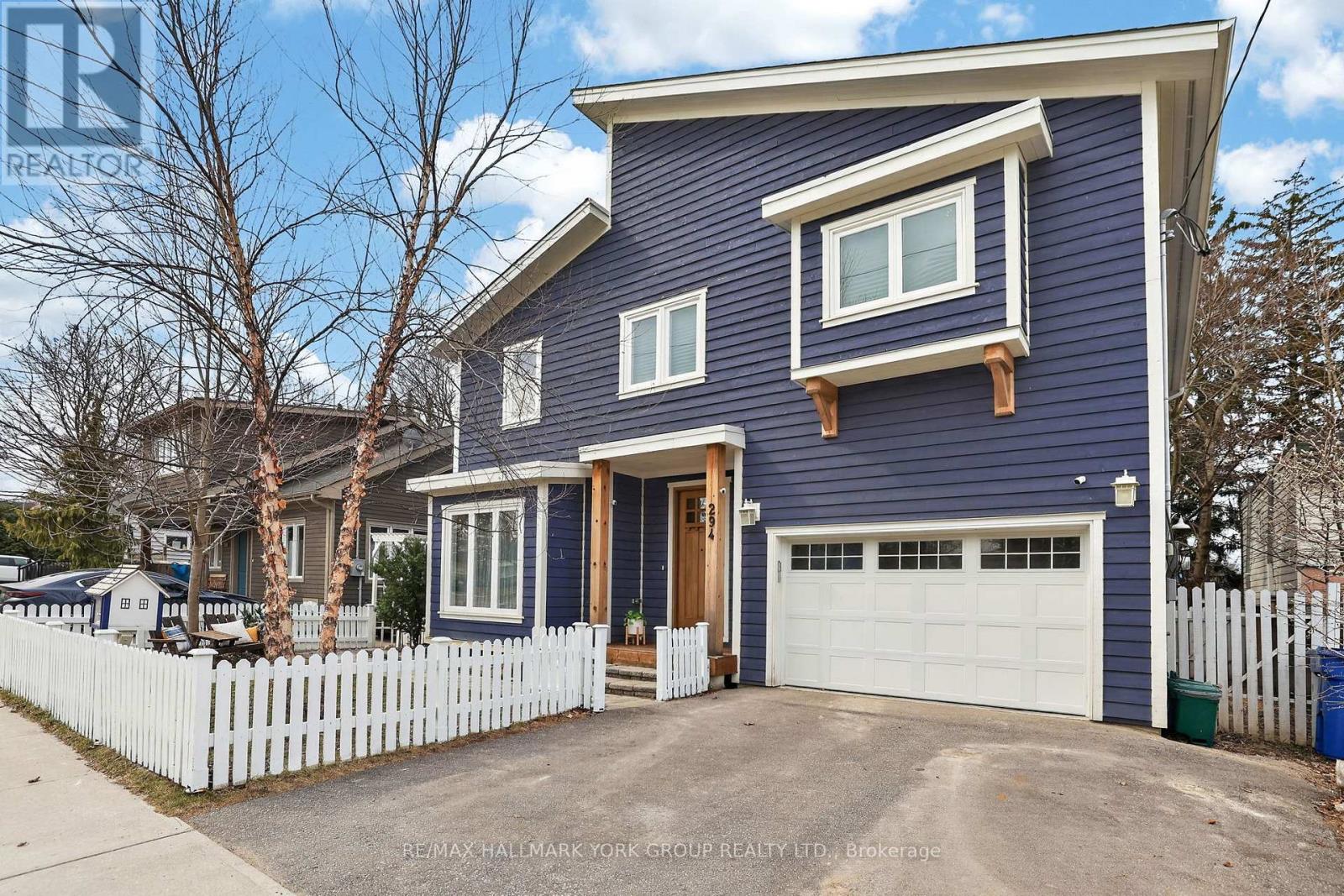 For Sale
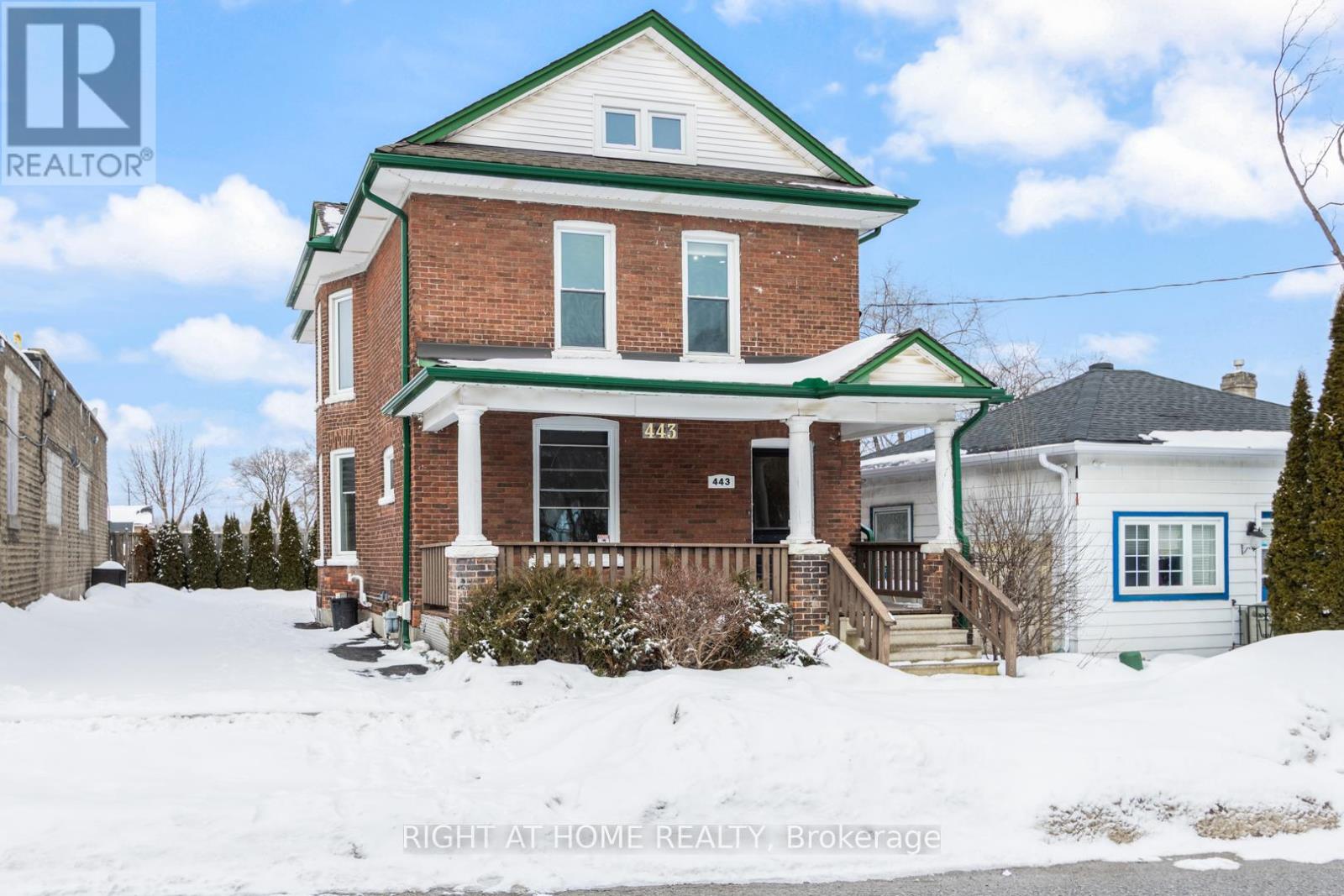 For Rent
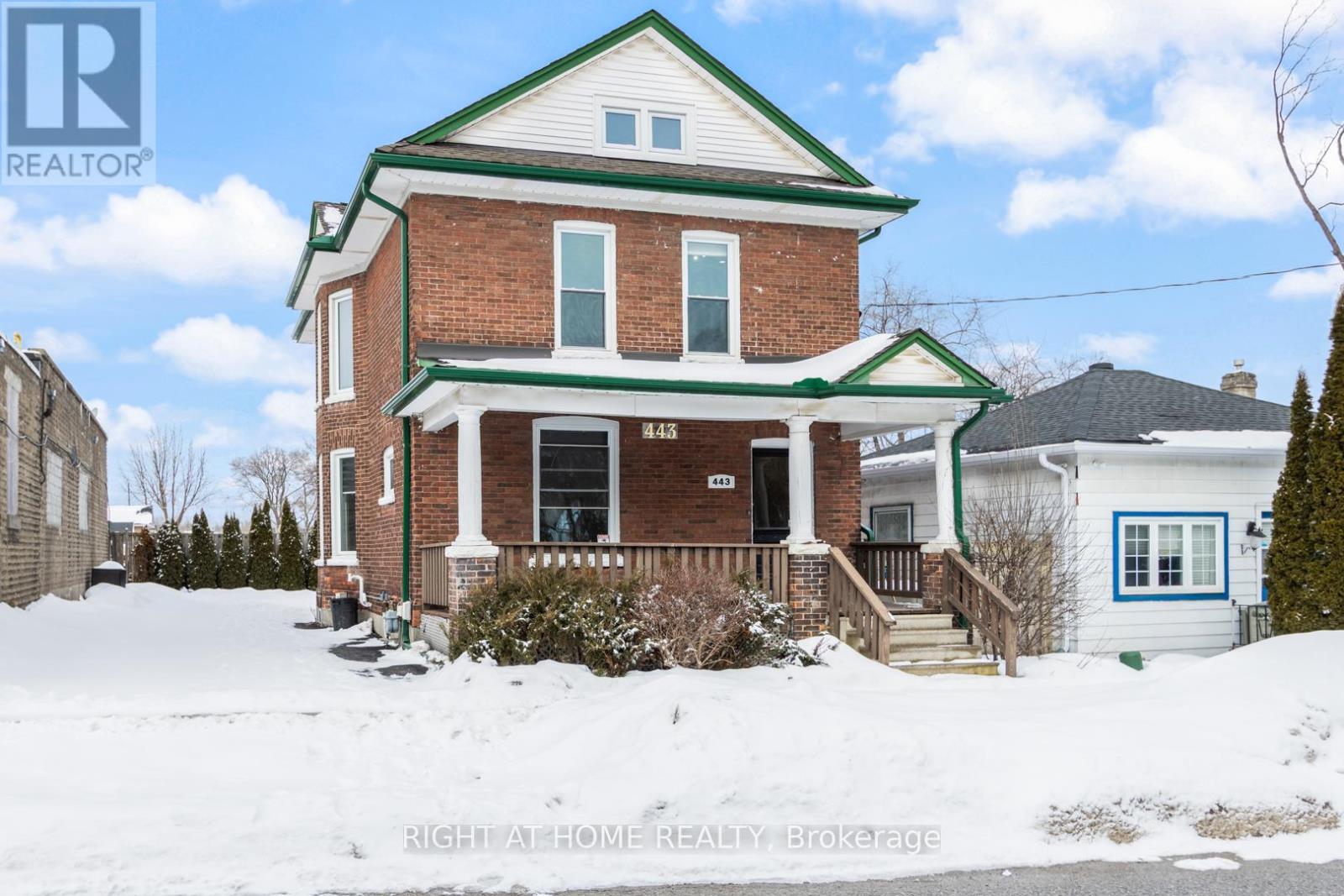 For Rent