
Clarkson is a south Mississauga neighbourhood spanning from the QEW to Lake Ontario, with Lakeshore West GO access, the Rattray Marsh conservation area, and established residential streets ranging from affordable postwar homes to premium lakeside properties.
Clarkson sits in south Mississauga along the Lake Ontario shoreline, roughly between Sheridan in the north and the Rattray Marsh in the south, with the QEW cutting through the middle. It is one of Mississauga’s older residential communities, with its roots as a village predating the city itself. That history shows in the built environment: the area south of the QEW toward the lake carries mature trees, established lots, and a range of housing forms that reflect different eras of development across more than a century.
The QEW divides Clarkson practically and psychologically. South of the highway, toward Lakeshore Road and the lake, the streets are quieter, the lots larger, and the character closer to the lakeside village origin. North of the QEW, the residential streets extend into larger suburban development from the postwar decades, with detached homes on standard lots giving way to more recent subdivisions as you move toward Mississauga Road and the Sheridan boundary. Both areas carry the Clarkson name but they are different experiences.
Clarkson GO station on the Lakeshore West line is the neighbourhood’s primary transit connection and one of the key reasons the area attracts commuters. The station sits at the Clarkson Road and QEW interchange, making it accessible from most of the residential area by a short drive or MiWay bus connection. Lakeshore West trains reach Union Station express in approximately 30 to 35 minutes during peak periods. This GO access is a major factor in Clarkson’s sustained buyer demand and has cushioned the neighbourhood against the sharper price corrections that hit condo-heavy markets harder.
The Rattray Marsh Conservation Area at the south end of Bexhill Road is Clarkson’s most distinctive natural asset. The marsh is one of the last remaining coastal wetlands on the north shore of Lake Ontario in the GTA, and the trails through it provide a walking experience that is entirely unlike anything in the surrounding suburbs. Clarkson’s lakeshore addresses, and the proximity to the marsh, give the south end of the neighbourhood a character that buyers consistently pay a premium for.
Clarkson’s housing stock spans more price points and building eras than almost any other south Mississauga community. At the top end, large custom homes on generous lots in the south Clarkson area between Lakeshore Road and the lake list and sell in the $2 million to $4 million range, commanding premiums for lot size, lakeview proximity, and the established street character of Bexhill Road, Truscott Drive, and similar addresses. These properties are rare and infrequently available, which means when they do come to market they can move quickly or sit for an extended period depending on condition and pricing relative to recent comparable sales.
The more active part of the Clarkson market is the detached homes on the streets north of Lakeshore Road and south of the QEW, where detached bungalows, sidesplits, and two-storey homes from the 1950s through the 1980s trade in the $1,200,000 to $1,800,000 range depending on lot size, renovation state, and proximity to the GO station. These homes represent the core Clarkson buyer experience: a freehold detached house within GO commuting distance to Toronto, with mature neighbourhood character and a price point that reflects the south Mississauga premium without reaching Lorne Park territory.
North of the QEW, prices moderate as you move further from the lake and the GO station. Detached homes in the $900,000 to $1,300,000 range are more common in the northern Clarkson residential streets, and the housing stock includes more postwar and 1970s construction that offers larger square footages at lower prices per square foot than the more updated south Clarkson properties. Semi-detached homes and older townhomes in this zone bring entry-level Clarkson ownership within reach of buyers who cannot stretch to the south-end detached price tier.
According to 2024 transaction data, the average detached sale price in Clarkson was approximately $1,670,000, placing it in the mid-range of south Mississauga communities, above Sheridan and Erindale, below Lorne Park and Mineola. The market in 2025 saw some softening from 2024 levels consistent with the broader Mississauga market trend, though Clarkson’s detached freehold inventory remained in demand from GO commuter buyers who prefer this area specifically.
Clarkson’s market behaves like a GO Transit commuter neighbourhood with a secondary layer of lifestyle buyers attracted by the lakeshore character and the Rattray Marsh. This combination creates two overlapping demand pools. The commuter buyers are rate-sensitive and respond to changes in mortgage carrying costs relatively quickly, so they drove some of the volatility in 2022 and 2023 when rates rose. The lifestyle buyers are typically equity-rich move-up purchasers or people relocating from Toronto who have capital to deploy and are less rate-sensitive in their purchasing decision.
The result is a market that held values more firmly than many parts of Mississauga during the 2022-2023 correction but that also showed limited explosive upside in the 2020-2022 peak compared to the areas that saw condo or entry-level bidding wars. Clarkson’s detached freehold market has been consistently in demand through different rate environments because the combination of GO access, south Mississauga location, and established neighbourhood character is not easily replicated at lower price points elsewhere.
Days on market in Clarkson tend to run longer than in some western Mississauga communities because the price tier is higher and the buyer pool is narrower. Properties priced accurately for current market conditions typically sell within 30 to 45 days. Properties that test the upper range of the market or that have specific condition or location issues can sit for 60 to 90 days or longer. Buyers should not interpret days on market alone as a signal of problems in Clarkson, where the normal pace is simply slower than in the $800,000 to $1 million range.
The south Clarkson premium, the gap between south-of-QEW and north-of-QEW properties, has widened over time as buyers compete more aggressively for the limited supply of properties with lake proximity and the marsh-adjacent character. This gap is self-reinforcing: as prices rise in the south end, sellers there are less inclined to move, reducing supply and maintaining upward pressure on prices.
Clarkson attracts three distinct types of buyers in overlapping but distinguishable patterns. The first is the GO commuter household, typically a couple or family where one or both partners work downtown Toronto or in the Financial District and want to own a detached home in a genuine neighbourhood at a price that Toronto proper no longer makes possible. They choose Clarkson specifically for the direct Lakeshore West service and the established south Mississauga character that other Lakeshore West stops further west do not consistently offer.
The second buyer type is the downsizer or equity-rich move-up buyer from within Mississauga, who has sold a larger home in a western Mississauga community and is seeking a smaller footprint in an area with walkable access to the GO station and a more pedestrian-friendly environment than the car-dependent northwest communities. These buyers typically have significant equity from their previous property and can compete for well-presented south Clarkson homes without requiring maximum mortgage leverage.
The third type is the lifestyle buyer seeking a lakeshore-adjacent property in south Mississauga without the full Lorne Park or Mineola price premium. Clarkson’s proximity to the Rattray Marsh, the Waterfront Trail, and Lake Ontario’s shoreline parks, combined with prices significantly below Lorne Park and Mineola, makes it attractive for buyers who value natural environment access over estate home scale. These buyers often come from Port Credit where they were priced out of similar-sized properties.
What Clarkson buyers have in common is a preference for freehold over condo and a degree of patience for the specific available inventory, since the south Clarkson market has limited turnover. Many Clarkson buyers take six months to a year from beginning their search to completing a purchase, partly because they are selective about location within the community and partly because suitable properties don’t appear on MLS at high frequency.
The streets between Lakeshore Road West and Lake Ontario in south Clarkson are the most sought-after addresses in the community. Bexhill Road, Truscott Drive, Bromsgrove Road, and the short crescents that run down toward the waterfront carry the premium south Clarkson properties on lots that are larger and deeper than anywhere north of Lakeshore. These streets are quiet, heavily treed, and close enough to the Rattray Marsh that residents can walk to the marsh trails from their front door. Properties on these streets rarely come to market and when they do, they attract buyer attention across a wide geographic area.
Immediately north of Lakeshore Road, the streets between Truscott Drive and Clarkson Road North carry much of the mid-tier Clarkson detached market. Cawthra Road West, Lakeshore Road West, Northmount Drive, and the residential streets parallel to the QEW include a range of detached homes from the postwar era through the 1980s, many of them updated but retaining original footprints. These are the streets that represent the core Clarkson buyer experience: a proper detached house in south Mississauga within a short drive of Clarkson GO station.
Clarkson Village, the small strip of independent shops along Lakeshore Road West centred near Clarkson Road, is a modest but genuine village commercial node. The scale is small, several blocks of businesses including a coffee shop, a pub, a handful of restaurants, and service retail. It is not Port Credit’s village in terms of depth or pedestrian draw, but it provides a local-feeling retail anchor that distinguishes Clarkson from the purely car-dependent strip mall commercial of northern Mississauga communities.
North of the QEW, the streets running off Mississauga Road, Erin Mills Parkway, and the Sheridan boundary carry the more affordable end of the Clarkson price range. These are family streets with the standard suburban detached and semi-detached character of Mississauga’s postwar residential development. They offer GO station proximity without the lake adjacency premium and represent a different value proposition from the south end of the community.
Clarkson GO station on the Lakeshore West line is the neighbourhood’s primary transit connection. The station sits at the corner of Clarkson Road North and the QEW access road, with a large commuter parking lot and MiWay bus connections. Lakeshore West trains run frequently during peak periods, with express service to Union Station taking approximately 30 to 35 minutes. Off-peak service is available though less frequent, making Clarkson workable for commuters with flexible hours as well as standard 9-to-5 schedules. For downtown Toronto commuters, Clarkson GO is one of the most well-regarded stations on the Lakeshore West line.
MiWay routes along Lakeshore Road West and Clarkson Road provide local transit connectivity within Mississauga. Route 23 along Lakeshore Road West connects Clarkson to Port Credit and westward toward Oakville Transit at the boundary. The local service level is adequate for errands and connections to GO, though most Clarkson residents own and regularly use cars for the majority of their trips. Transit dependency is possible but uncommon in this neighbourhood.
By car, the QEW is the primary highway connection. The Clarkson Road interchange on the QEW provides direct eastbound access toward Toronto and westbound toward the 403 and 401 interchange. Highway 403 is accessible in a few minutes north via Mississauga Road. The QEW through south Mississauga carries heavy commuter traffic during peak periods, but the access point at Clarkson Road is a relatively smooth on-ramp compared to some of the more contested QEW entries further east. Weekend and off-peak driving times to downtown Toronto are typically 35 to 50 minutes.
The Waterfront Trail runs along Lake Ontario through the south Clarkson area and provides a continuous active-transportation connection east to Port Credit, Mississauga Valleys, and the Lakeview area, and west toward Oakville. For cyclists commuting to Port Credit GO or heading to amenities in Port Credit village, the trail offers an off-road route that avoids Lakeshore Road entirely. This trail connection is one of the practical benefits of south Clarkson addresses that does not show up in a highway access description but matters to residents who use it regularly.
Rattray Marsh Conservation Area is the crown jewel of Clarkson’s natural environment and one of the most significant natural areas in the entire City of Mississauga. The marsh is a 38-hectare coastal wetland at the mouth of Sheridan Creek on Lake Ontario, accessible from Bexhill Road and from the Waterfront Trail. Walking trails wind through the marsh, along the creek, and to the lake edge, with boardwalk sections through the wettest portions of the property. The mix of marsh, creek, upland forest, and lake beach within a single conservation area creates a naturalist experience that is exceptional for an urban setting.
Jack Darling Memorial Park, immediately east of Rattray Marsh along Lakeshore Road West, is one of the most popular parks in Mississauga. The park includes a beach, picnic areas, a spray pad, a leash-free dog area, and broad grassy sections that extend down to the lake edge. The views across Lake Ontario from Jack Darling are among the best accessible from a public park anywhere in Mississauga. The park generates significant weekend crowds in summer, which means south Clarkson residents should factor in the parking and pedestrian traffic around their addresses on Saturday and Sunday afternoons in July and August.
Sheridan Creek Parklands runs north from the Rattray Marsh area through the interior of the Clarkson neighbourhood, providing a green corridor with walking and cycling trails that connects the lake to the residential streets further north. This corridor gives the south Clarkson residential area a level of pedestrian connectivity to natural space that most south Mississauga communities cannot match. The trails are well-maintained and well-used by residents of the adjacent streets.
The Waterfront Trail is the primary east-west active-transportation connection along the south Clarkson lakeshore. It connects to the full trail network running east to Toronto and west to Oakville and beyond, providing cycling and walking infrastructure that makes the Clarkson waterfront genuinely accessible on foot or bike from adjacent communities. For residents of the south Clarkson streets, this trail is an everyday amenity rather than a special-occasion destination.
Clarkson Village along Lakeshore Road West between Lorne Park Road and Clarkson Road North carries a small collection of independent businesses that give south Clarkson its village character. The Clarkson Village BIA represents a strip of businesses including Lemongrass Thai restaurant, The Clarkson Village Pub, several cafes, a butcher, and service retail. The scale is deliberately village-scaled rather than trying to replicate Port Credit’s density of dining options. For residents who live within walking distance along Lakeshore Road, these businesses represent a genuine neighbourhood-serving amenity rather than a destination for the broader city.
For comprehensive grocery shopping, Clarkson residents typically use the larger stores on the Lakeshore Road commercial strip or Mississauga Road, where a Real Canadian Superstore, a No Frills, and several other chains are accessible within a short drive. The nearby Port Credit area also has a well-stocked Loblaws and specialty food stores. Grocery access is entirely adequate without requiring a significant trip.
Oakville Town Centre and the various retail plazas along Kerr Street and Trafalgar Road in Oakville are accessible in 10 to 15 minutes via the QEW or Lakeshore Road, providing shopping options that many Clarkson residents use when Square One is too distant or too crowded. The position at the western edge of Mississauga means Clarkson residents have retail options in two cities with comparable drive times.
The south Clarkson area’s distance from Square One and the main Mississauga commercial corridor is a genuine trade-off of the location. Residents who use Square One regularly will make a 15 to 20 minute drive. For most day-to-day needs, the village strip, the nearby plazas on Lakeshore and Mississauga Roads, and the Oakville options provide adequate coverage. The neighbourhood is not trying to compete with Port Credit or Clarkson Village in terms of dining depth, and that honesty sets expectations appropriately for buyers considering south Clarkson properties.
Clarkson is served by the Peel District School Board (PDSB) for public schools and the Dufferin-Peel Catholic District School Board (DPCDSB) for Catholic schools. The public elementary schools most associated with the Clarkson area include Whiteoaks Public School and Hillcrest Public School, both within the south Clarkson catchment. Secondary students in Clarkson typically attend Clarkson Secondary School on Bromsgrove Road, which has a generally solid reputation and an established arts and academic program. The school draws students from both the north and south Clarkson catchments.
On the Catholic side, the DPCDSB operates St. Helen Catholic Elementary School and St. Clement Catholic Elementary School, which serve parts of the Clarkson community. St. Peter Catholic Secondary School in Mississauga serves as a secondary Catholic option for some Clarkson catchments, with Our Lady of Mercy Catholic Elementary School also serving addresses in the broader south Clarkson area. Both boards offer French Immersion programs within the Clarkson zone.
Clarkson Secondary School has been a respected secondary option in south Mississauga for decades. Its relative lack of the media profile that John Fraser Secondary or Cawthra Park Secondary carry does not accurately reflect its quality, and buyers should not discount it on the basis of name recognition alone. The school has produced strong post-secondary outcomes for its students and its proximity to the GO station and south Clarkson residential area is an advantage for students who commute by transit to extracurricular activities elsewhere in the city.
For families with school rankings as a primary selection criterion, the Lorne Park and Mineola catchments to the east carry a higher concentration of top-ranked elementary schools by Fraser Institute metrics. Clarkson’s school options are solid rather than exceptional by these rankings. Buyers who are flexible about specific school rankings and value the physical neighbourhood character of Clarkson will generally find the schools serve their children well.
Clarkson is not a neighbourhood with major active development projects in the way that City Centre or Cooksville are, which is part of its appeal. The established low-rise residential character south of the QEW is protected by a combination of planning designations, existing lot patterns, and the sheer land values that make teardown and infill a complex proposition. The incremental change in Clarkson happens through individual home renovations, occasional additions, and the gradual replacement of smaller postwar homes with larger custom builds on the same lots.
The Clarkson GO station area has been identified as a potential future node for transit-oriented development. The provincial and regional planning framework encourages higher-density development within 800 metres of major GO stations, and Clarkson station falls into this category. Current zoning allows for some mixed-use and higher-density residential development near the station, and while no major project is under construction as of early 2026, the long-term planning direction is toward more density near the station rather than less. This is worth understanding for buyers purchasing properties in the immediate station catchment.
The QEW widening and interchange modifications that affect the Clarkson area have been discussed in regional planning documents for some time. Any highway expansion near the QEW at Clarkson has direct implications for the properties closest to the highway corridor and for traffic management on connecting streets. Buyers near the QEW should review the current status of any provincial highway planning that affects the Clarkson interchange before finalising a purchase decision.
The broader south Mississauga lakefront corridor, from Port Credit through Clarkson to the Oakville boundary, is unlikely to see major character-changing development given the established residential land use and the protection of natural areas like the Rattray Marsh. Clarkson’s future looks more like a continuation of gradual enhancement than a transformation, which suits the buyers who choose it precisely because it is not transforming.
Q: What do homes actually sell for in Clarkson and what drives the price variation?
A: Clarkson has one of the widest price ranges of any Mississauga neighbourhood because it spans from modest postwar semis north of the QEW to large custom homes on deep lots near Lake Ontario. The 2024 average detached sale price was approximately $1,670,000, but this average conceals enormous variation. Entry-level detached bungalows north of the QEW have sold below $1,000,000 in soft market conditions. Renovated sidesplit homes in mid-Clarkson trade in the $1,200,000 to $1,600,000 range. South Clarkson properties within a few blocks of the lake, particularly on Bexhill Road, Truscott Drive, and Bromsgrove Road, regularly exceed $2,000,000 and custom lakefront-adjacent homes can reach $4,000,000 or more. The three factors that drive position within that range are: south versus north of the QEW, proximity to Rattray Marsh and lake trails, and renovation state. Understanding where any specific property sits on those three axes explains most of its relative price.
Q: How does the Clarkson GO station commute actually work and is it reliable?
A: Clarkson GO on the Lakeshore West line runs express trains to Union Station in approximately 30 to 35 minutes during peak periods. Service is frequent enough during morning and evening rush that missing one train means a 15 to 20 minute wait rather than an hour. The station has ample parking, though the commuter lots fill up by mid-morning on weekdays, which means residents who arrive after 8:30am need to use the paid parking overflow or secure a reserved space. Off-peak service runs but is less frequent, typically every 60 minutes outside rush periods. For residents who work standard office hours, Clarkson GO is one of the most reliable and fastest GO options in Mississauga. For people with variable or late hours, the off-peak schedule limits the transit utility somewhat.
Q: Is Clarkson better for families than Lorne Park or Port Credit and how do the neighbourhoods compare?
A: Clarkson offers many of the same physical qualities as Lorne Park and Port Credit at lower price points: established residential streets, proximity to Lake Ontario, GO station access, and south Mississauga character. The differences are real: Lorne Park has larger lots, higher-ranked elementary schools, and a more consistent prestige address profile. Port Credit has a more walkable village centre, more dining and retail options, and the harbour. Clarkson has the Rattray Marsh, a genuine village strip on a smaller scale, and prices that are meaningfully lower. For families who value natural environment access and want a freehold home with south Mississauga character without the Lorne Park or Port Credit premium, Clarkson is the most logical comparison. The school question is the primary driver of the price gap, and families for whom school rankings are the key variable will generally find the premium for Lorne Park justified by the catchment school quality.
Q: What is the Rattray Marsh and how accessible is it for Clarkson residents?
A: Rattray Marsh Conservation Area is a 38-hectare coastal wetland at the mouth of Sheridan Creek on Lake Ontario, managed by Credit Valley Conservation. It is one of the last remaining undisturbed coastal marshes on the north shore of Lake Ontario in the GTA and is designated as a Provincial Nature Reserve. The trails through the property are open year-round and include boardwalk sections through the wetland and beach access along the lake. Entry is free and the area is accessible on foot from the south Clarkson residential streets, particularly from Bexhill Road. For residents of the immediately adjacent streets, it is a ten-minute walk from their front door to the marsh trail head. For residents further north in Clarkson, it is a short drive or a longer bike ride via the Waterfront Trail. The marsh is genuinely exceptional in the context of urban southern Ontario and is a primary reason why south Clarkson real estate carries the premium it does.
Clarkson rewards buyers who take time to understand the micro-geography of the community rather than treating it as a uniform neighbourhood. The price and character variation between south and north Clarkson, and the further variation between the specific streets near the Rattray Marsh versus the streets closer to the QEW, means that equivalent list prices in different parts of the neighbourhood represent genuinely different long-term value positions. A buyer’s agent who has worked Clarkson specifically understands these distinctions at the street level rather than having to infer them from satellite images.
The GO commuter buyer population in Clarkson creates a specific buying pattern. Most GO-driven buyers arrive with a strong preference for south of the QEW and within a reasonable drive of the GO station. When a well-presented property in that zone hits the market at the right price, it moves quickly. When conditions are softer, the same buyer profile becomes selective, and properties that have any notable issue in location, condition, or pricing sit longer. A buyer’s agent tracking the Clarkson market day-to-day knows the current absorption rate and can advise on whether a specific property is priced for a competitive offer or positioned for negotiation.
For buyers comparing Clarkson to Port Credit, the price gap between similar properties in the two communities has historically been $200,000 to $500,000 depending on property type and location within each neighbourhood. Part of this gap is school catchment. Part is the Port Credit village walkability premium. Part is simply that Port Credit has been a more actively marketed neighbourhood and carries a higher brand recognition. For buyers who assess the actual day-to-day experience of the two communities rather than the name recognition, Clarkson’s value proposition is often underappreciated.
The south Clarkson teardown market is a specific opportunity for buyers who can assess the value of a large lot with an older structure. The lots on the lake-facing streets, some running to 100 feet wide and 200 feet deep, carry significant land value regardless of the structure on them. Buyers who can hold a property through a rebuild or major renovation find that south Clarkson lot values provide a floor that limits downside risk. This is not a strategy for every buyer, but a buyer’s agent who has navigated Clarkson teardown transactions can help buyers evaluate whether this approach fits their situation and timeline.
Street-level knowledge is hard to find online. Our team works in Clarkson every day. They know which pockets hold value, where the school catchment lines actually fall, and what the market is doing right now. Talk to us before you make a decision about Clarkson.
Talk to a local agent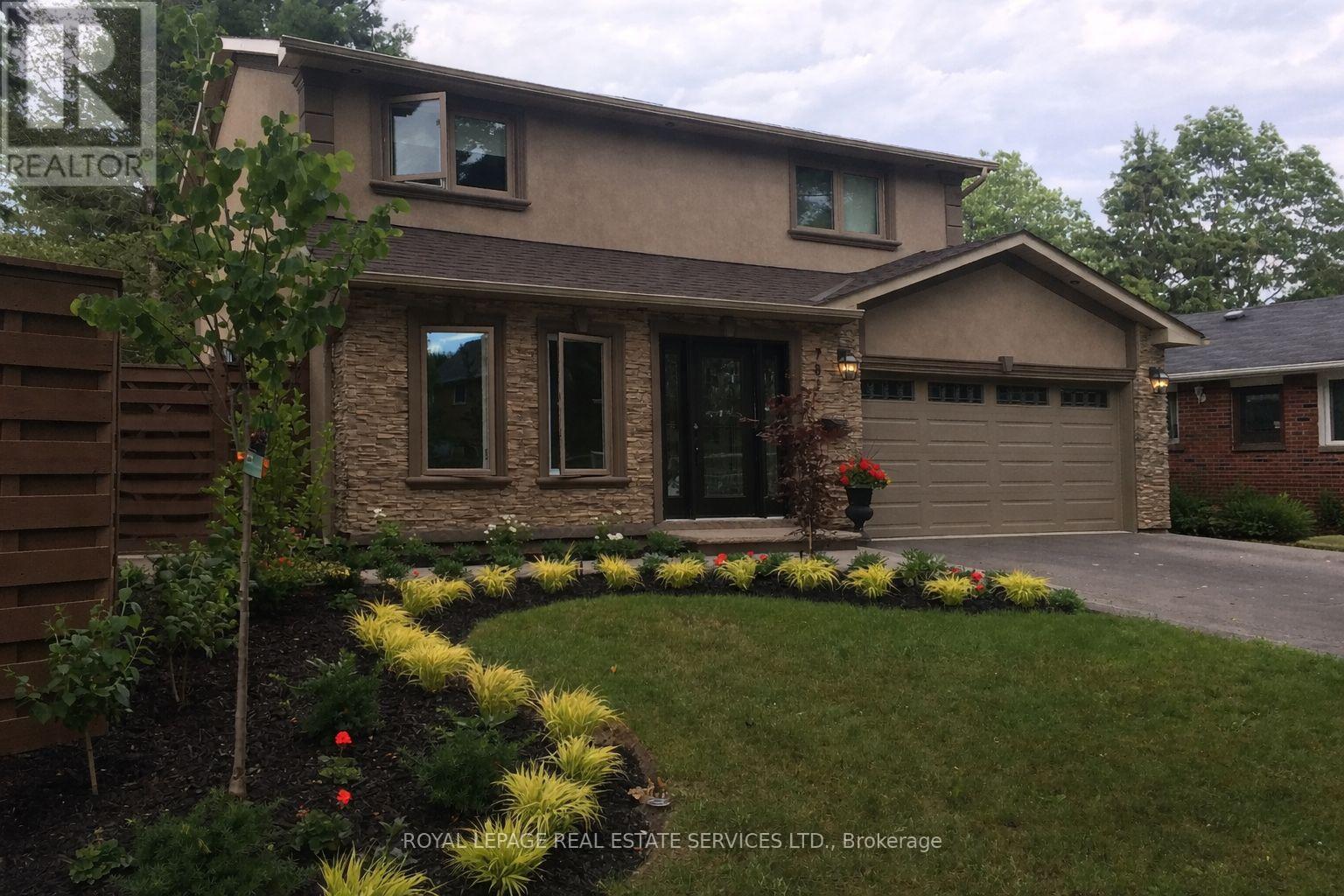 For Sale
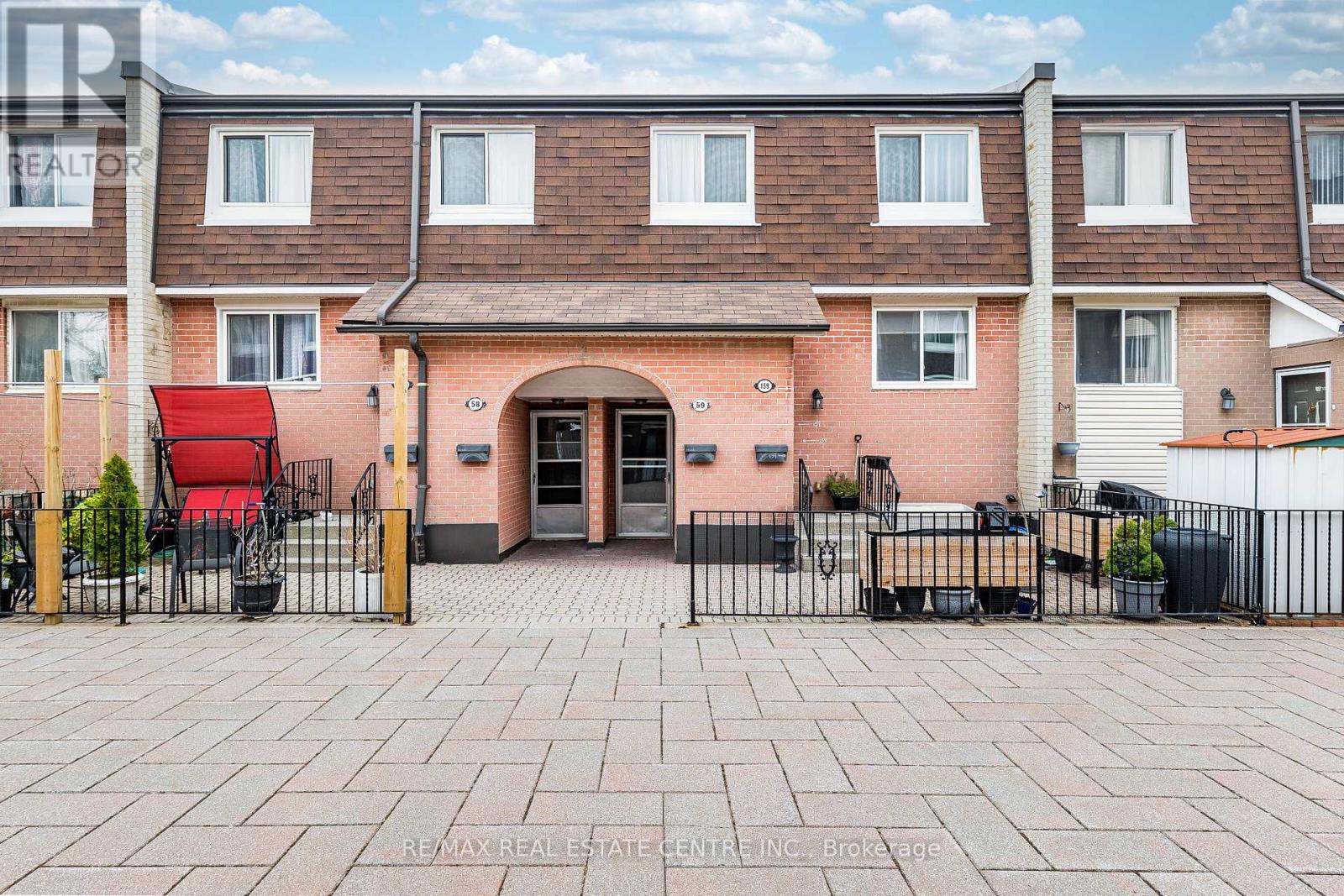 For Sale
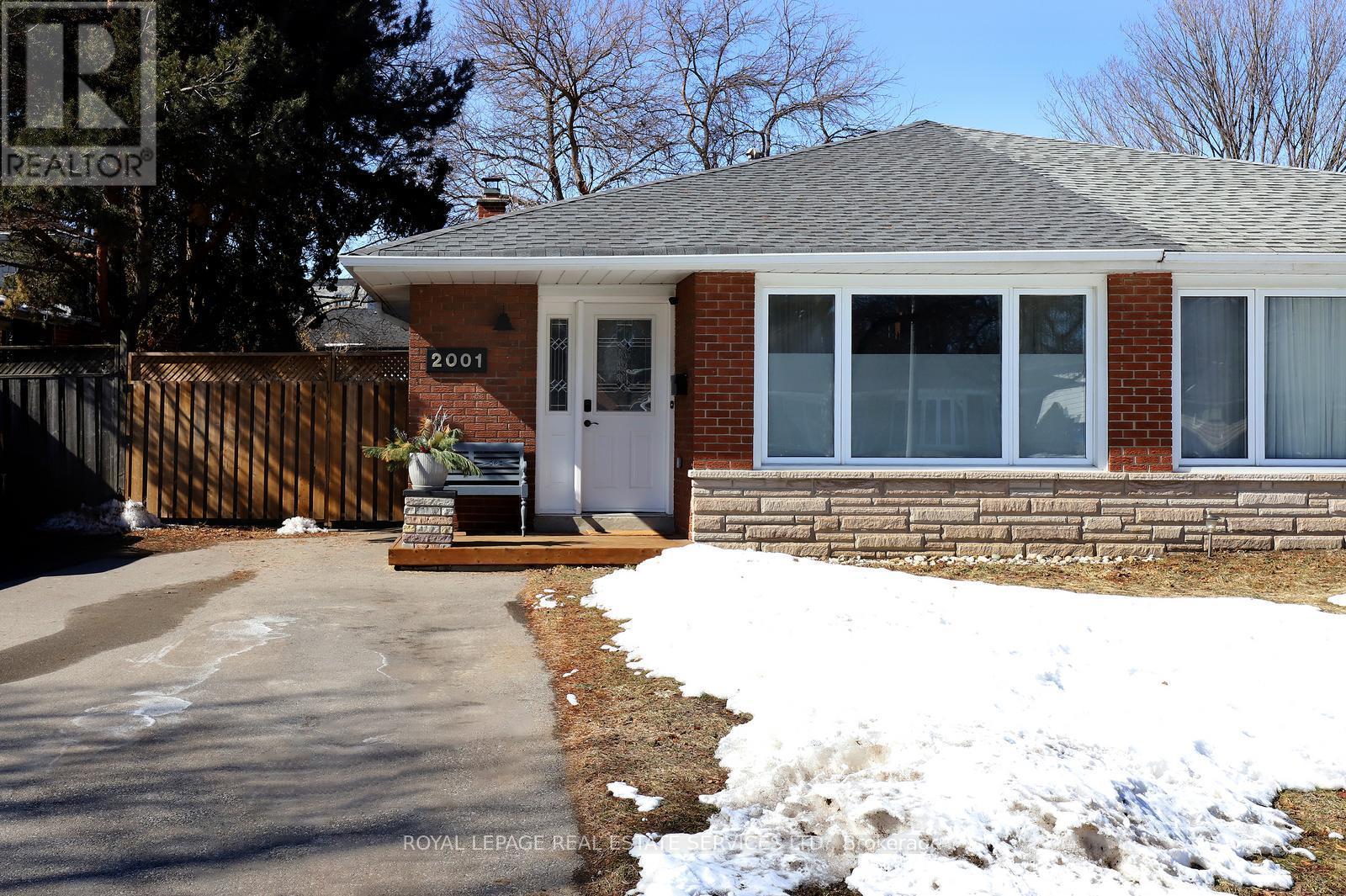 For Sale
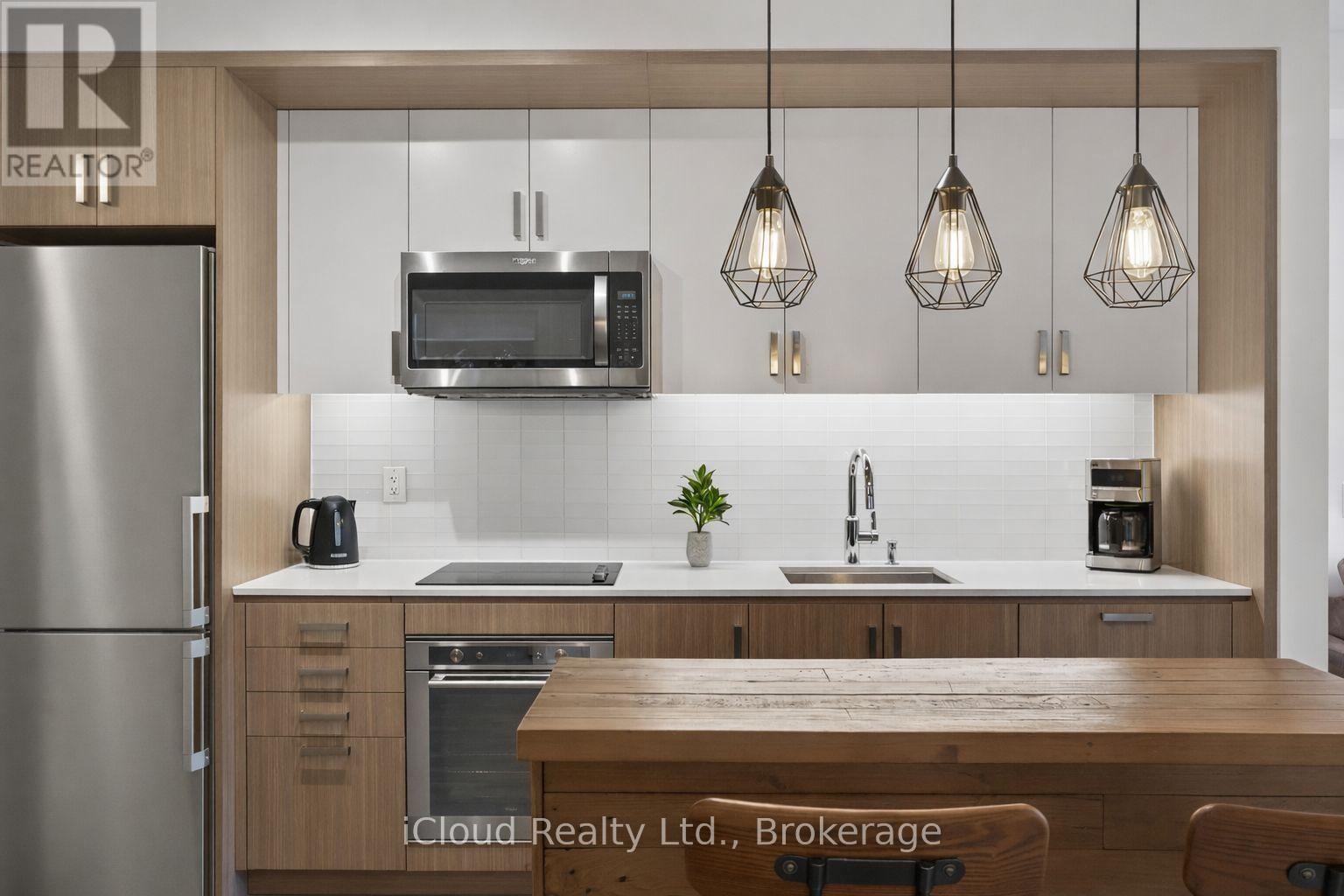 For Sale