
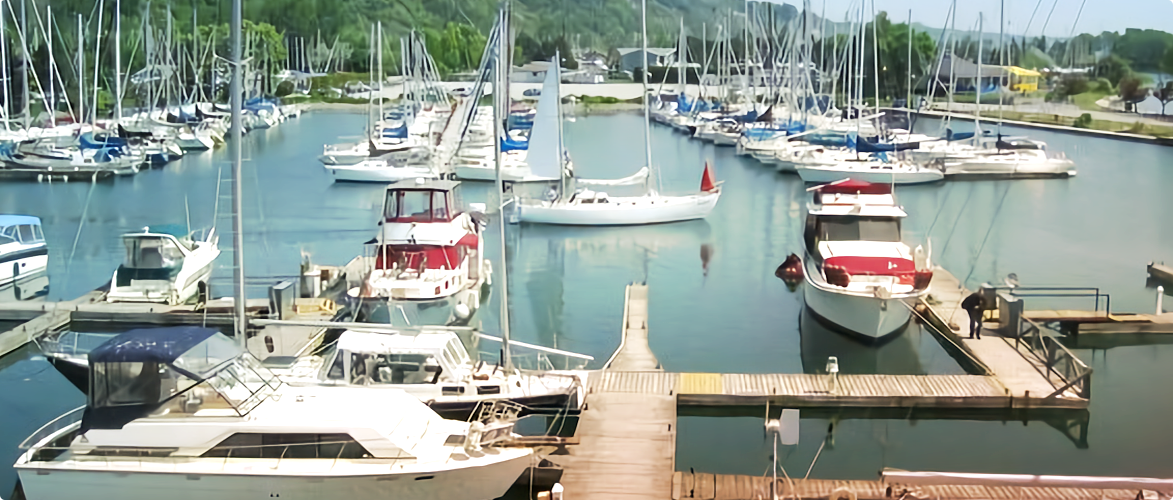
Birchcliffe-Cliffside is a Scarborough neighbourhood running along Kingston Road between Midland and Birchmount Avenue, with the Scarborough Bluffs to the south and a walkable Kingston Road commercial strip. It draws buyers looking for the Bluffs lifestyle at a fraction of the cost of comparable Beaches properties.
Birchcliffe-Cliffside, usually called Cliffside in everyday conversation, occupies a stretch of Kingston Road from Midland Avenue east toward Birchmount, with the Scarborough Bluffs to the south defining its character as distinctly as any street or building within it. This is a neighbourhood that has been steadily discovered by buyers priced out of the Beaches, drawn by a similar natural setting, a walkable strip along Kingston Road, and home prices that remain substantially lower than the equivalent in the west end. Whether that gap closes further is the investment question that surrounds every purchase here.
The housing mix is more varied than in adjacent Cliffcrest to the west. Post-war bungalows and semis dominate, but there’s a meaningful presence of later builds from the 1970s and 1980s, and the occasional two-storey that’s been added to or rebuilt outright. Kingston Road’s commercial strip adds an urban layer that Cliffcrest lacks: a mix of independent restaurants, coffee shops, a hardware store, and neighbourhood services that give the area a more animated daily texture. Residents of Birchcliffe-Cliffside have a walkable main street that Cliffcrest buyers don’t, which is a meaningful quality-of-life difference.
Bluffer’s Park is accessible to residents of Birchcliffe-Cliffside in the same way it is from Cliffcrest, via trails that descend the bluff face or the access road. The difference is that in Cliffside, the bluff-top trail network is accessible from the neighbourhood itself without needing to drive, and several streets in the southern part of the neighbourhood back directly onto the Bluffs parkland. This creates a tier of properties with direct natural access that are among the most sought-after in this part of Scarborough.
The neighbourhood has a slightly more established independent retail culture than most comparable Scarborough areas, with Kingston Road through this stretch having more character than the typical arterial strip. A number of long-running local businesses, some independent restaurants with genuine reputations, and a neighbourhood pharmacy and hardware store that have been on the strip for decades. It’s not the Danforth, but it’s a more interesting street environment than most of Scarborough can offer.
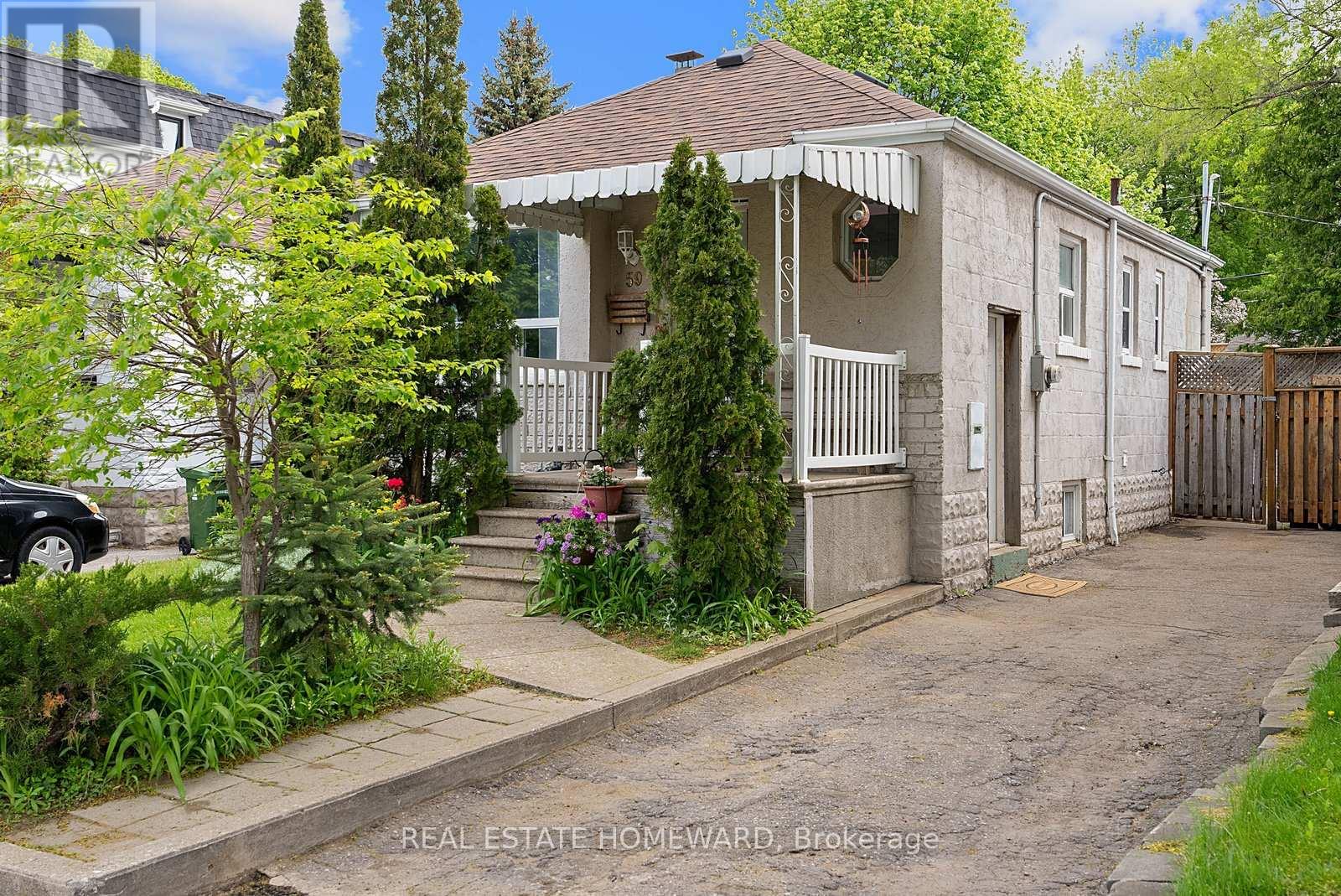
The housing stock in Birchcliffe-Cliffside spans a wider range than most Scarborough post-war neighbourhoods. The original fabric is the standard Scarborough bungalow and semi on lots of 35 to 50 feet wide and 100 to 125 feet deep, but the neighbourhood has seen more infill activity over the past two decades as buyers have recognised the location value and invested in replacing or substantially expanding the original structures. Two-storey detacheds built since 2000 sit alongside untouched post-war originals, and the variety gives the neighbourhood a less uniform feel than Cliffcrest or Bendale.
In 2026, detached homes in Birchcliffe-Cliffside range from approximately $950,000 for a modest bungalow on a standard lot, to $1.5 million or more for larger, well-renovated or newer properties in the bluff-adjacent southern pocket. The Beaches comparison is relevant here: detached homes along the Kingston Road corridor west of Midland are trading at roughly half the price of equivalent properties on comparable streets in the Beaches proper. For buyers who want the natural setting and are flexible about the specific address, the gap represents real value.
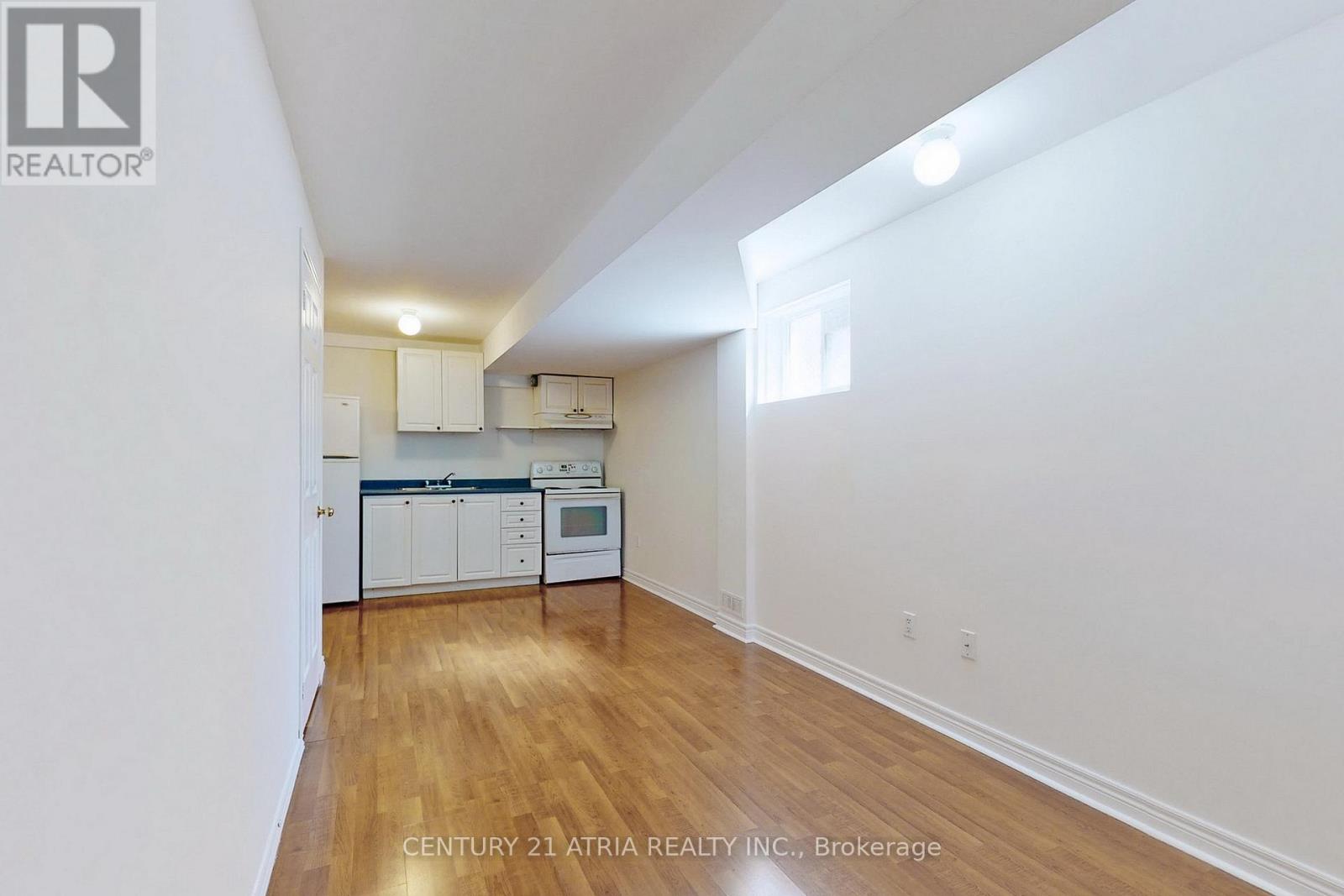
Semi-detached homes trade in the $800,000 to $1.1 million range depending on condition, size, and location. The semis on the quieter residential streets north of Kingston tend to be well-maintained and sensibly priced given the bluffs access, and they attract buyers who want to enter the neighbourhood at a lower price point than a detached requires. Basement apartments are common across both detacheds and semis, providing the secondary income that many buyers in this price range need to make the numbers work.
Condominiums exist along the Kingston Road corridor and in a few mid-rise buildings, but they’re a small component of the overall housing mix. The neighbourhood’s appeal is fundamentally about freehold ownership with access to the natural environment, and the condo inventory serves a different buyer profile. Buyers who are weighing condos against freeholds in this neighbourhood are usually making a budget-driven decision rather than a lifestyle preference, and most of them ultimately decide the freehold is worth stretching for if they can manage the financing.
Birchcliffe-Cliffside has been in a multi-year appreciation trend that reflects both the neighbourhood’s intrinsic quality and the broader repricing of Scarborough relative to the rest of Toronto. As buyers have exhausted the affordable options in East York and the upper Beaches, they’ve followed Kingston Road east and discovered that Cliffside offers a comparable natural and residential experience at a substantial discount. That discovery has been ongoing for several years, and it’s reflected in a market that moves more quickly and competitively than comparable Scarborough areas without the bluffs location advantage.
Good listings in the bluff-adjacent southern pocket of the neighbourhood, particularly on streets with trail access or bluff views, generate strong interest and typically sell with multiple offers in spring markets. Buyers who arrive without preparation and clear pricing knowledge find themselves consistently outmanoeuvred by the buyers who’ve been watching the neighbourhood and know what comparable properties have sold for. The competitive dynamic here is closer to what you’d see in East York than to what you’d see in more affordable Scarborough neighbourhoods further north and east.
Properties north of Kingston Road and in the more standard residential grid of the neighbourhood’s interior are less competed-over, moving at a slower pace with more room for negotiation. The buyer for these properties is typically comparing Cliffside to adjacent Cliffcrest and to the Eglinton East corridor, and the competition, while present, is less intense than on the bluff-side listings. A buyer with clear criteria and good preparation can find value in this tier without being caught in bidding situations.
The Beaches comparison affects how listing agents set prices in the southern pocket. Some sellers and their agents price with one eye on the Beaches market, testing whether Cliffside’s appreciation story will support Beaches-level prices. It sometimes does and sometimes doesn’t, which creates occasional overpriced listings that sit and eventually correct. Buyers who know the market can identify these, wait out the price correction, and negotiate from a more comfortable position than the spring bidding-war environment provides.
Birchcliffe-Cliffside draws three reasonably distinct buyer profiles. The first is the Beaches-adjacent buyer: someone who wants the bluffs and lake proximity, a walkable neighbourhood with some independent retail character, and has a budget that works here but not in the Beaches proper. These buyers are often coming from East York rentals or condos and are making their first freehold purchase. They’ve done the comparison and decided that owning a detached home with access to Bluffer’s Park is more valuable to them than a condo in a trendier postal code.
The second profile is families from the broader Scarborough community who’ve moved up from smaller homes or more affordable Scarborough pockets and are choosing Birchcliffe-Cliffside for its relative prestige within Scarborough, its better retail environment on Kingston Road, and its bluffs access. These buyers know Scarborough well and are making an informed choice about where the best residential experience in the area is available at their budget. They’re not comparing to the Beaches; they’re comparing to Cliffcrest, Eglinton East, and Dorset Park, and finding Birchcliffe-Cliffside worth the premium.
The third profile is the longer-term resident who’s been in the neighbourhood for years and is upgrading within it: buying a larger property or a better-located one as their financial situation has improved. This group understands the neighbourhood intimately and makes precise decisions about which streets and which pockets represent value relative to price. They’re the most informed buyers in the market and the hardest to compete against on specific properties that they’ve been waiting for.
What buyers are giving up relative to the Beaches is considerable: less transit connectivity, longer commutes, a smaller and less varied independent retail scene, and less of the social scene that urban neighbourhood life can provide. Birchcliffe-Cliffside is quieter, more suburban in pace, and less connected to the city’s nightlife and cultural offerings. For buyers who’ve decided that daily access to trails and a waterfront park matters more than proximity to bars and gallery openings, this is a clear and defensible choice. For those who aren’t sure, the Beaches is worth considering even at the higher price, because the lifestyle gap is real.
The most sought-after pocket in Birchcliffe-Cliffside is the southern tier, the streets south of Kingston Road that back onto or approach the Bluffs parkland. Midland Avenue South, Cliffview Road, and the streets running east-west between them toward the bluff edge are where the neighbourhood’s top prices are concentrated. Properties on these streets with rear yard access to the ravine or bluff-top trails carry a premium that’s been growing as the neighbourhood’s profile has risen. If Bluffs proximity is the primary reason you’re buying in Cliffside, these streets are the target.
The Birch Cliff Heights area, roughly the streets between Birchmount Road and Warden Avenue in the eastern part of the neighbourhood, has a slightly more modest price profile than the bluff-adjacent southern streets but offers comparable residential quality. The lots here tend to be consistent in size, the housing stock is well-maintained, and the distance from Kingston Road provides a quieter residential environment. This pocket is particularly well-regarded among buyers who want the neighbourhood’s character without paying the full bluff-adjacent premium.
Kingston Road itself is the commercial spine, and the streets immediately fronting or very close to Kingston carry some noise and traffic that reduces their residential appeal relative to the interior streets. One or two streets north of Kingston, the residential environment is substantially quieter. Buyers should be clear about which side of Kingston a property sits on, since addresses in the same postal codes can vary significantly in residential experience depending on their relationship to the arterial.
The area around Birchmount Park on the eastern edge of the neighbourhood is worth noting for families. The park is well-used and sits within easy walking distance of the surrounding residential streets. Homes within a few minutes’ walk of Birchmount Park have a practical advantage for families with young children that goes beyond what a map conveys. These properties compete well in the market, particularly with families who make their shortlisting decisions partly around park access.
Transit in Birchcliffe-Cliffside is bus-dependent, and the commute to downtown is not quick. The 12 Kingston Road bus runs along Kingston Road and connects to Kennedy station on Line 2, from which the subway continues downtown. The door-to-subway-to-downtown journey runs approximately 50 minutes from central Cliffside addresses and somewhat longer from the eastern parts of the neighbourhood near Birchmount. This is a commute that most people who buy here accept consciously as the price of the neighbourhood’s lifestyle advantages.
The Lakeshore East GO line is an important alternative for downtown commuters. GO stations on this line are accessible by bus or a short drive from Birchcliffe-Cliffside, and the GO train to Union Station runs 20 to 30 minutes. For buyers who can comfortably make the connection to a GO station, the downtown commute becomes substantially more competitive. The Scarborough Junction GO station on Kingston Road is the most relevant stop for many Cliffside residents, though Eglinton GO to the east is also used depending on specific address.
The 12 Kingston Road bus also connects westward toward the Beaches and the rest of the east end, which matters for residents who work or socialise west of the neighbourhood. For non-downtown trips, the TTC surface network is workable, if not fast. Cycling west along Kingston Road toward the Beaches is done by residents willing to share the road with traffic; the stretch is not separated but is reasonably wide, and recreational cycling to the Beaches on quieter days is practical if not ideal.
Car ownership is the default for most Birchcliffe-Cliffside households. The 401 is accessible via Midland or Birchmount in about 10 minutes. The DVP is 20 to 25 minutes west, depending on traffic. Most properties have driveways, and street parking on residential streets is generally available. For families with two workers commuting in different directions or at different times, having a car is essentially a requirement for daily functioning in this neighbourhood.
Bluffer’s Park is the neighbourhood’s principal natural amenity and, for many residents, the primary reason they live here. The park at the base of the Scarborough Bluffs has a beach that’s swimmable in summer, a marina, a restaurant, and the kind of expansive water view that is simply not available from anywhere else within the city at this price point. Residents of Birchcliffe-Cliffside treat the park as an extension of their backyard in a way that residents of inland neighbourhoods can’t replicate. Morning walks on the beach in summer, evening visits for the lake light, weekend hiking on the bluff-top trails — these are everyday options from this neighbourhood.
The bluff-top trail system runs east-west along the top of the escarpment and is accessible from multiple entry points within the neighbourhood. Scarborough Bluffs Park and Cudia Park provide maintained trail access with bench seating, lookout points, and views across Lake Ontario that are genuinely spectacular on clear days. The trail network connects to Cathedral Bluffs Park further west and can be extended into a multi-hour walk for those who want the distance. This is not urban trail infrastructure in the park-bench sense; the bluff-top terrain is varied and the views are earned.
Birchmount Park sits within the eastern part of the neighbourhood and provides the community-scale green space that the larger bluffs parks can’t substitute for in daily family use. The park has sports fields, a playground, a splash pad, and open grass, and it functions as the neighbourhood gathering space for the residential streets around it. For families with young children, Birchmount Park’s proximity to their specific address is often a factor in which side of the neighbourhood they choose to buy in.
East Point Park, accessible to the east along Kingston Road, is a large TRCA-managed natural area at the eastern end of the Scarborough Bluffs that provides additional trail access, naturalist programming, and a quieter alternative to the busier Bluffer’s Park beach. Residents of Birchcliffe-Cliffside have access to this park by car in about 10 minutes, and it’s a valued secondary option for those who want a more natural, less developed park experience than the Bluffer’s Park facilities provide.
Kingston Road through the Birchcliffe-Cliffside stretch has more independent retail character than most of Scarborough’s arterial commercial strips. A few long-running restaurants and cafes, a hardware store, an independent pharmacy, and a handful of service businesses that have been on the strip for years give this stretch of Kingston more personality than the generic chain-dominated strips further north and east. It’s not the Danforth or the Beaches strip in terms of variety or density, but for a Scarborough arterial, it’s notably better.
For grocery shopping, the neighbourhood is served by a mix of independent and chain options within a short drive. A Real Canadian Superstore is accessible along Kingston Road, and smaller independent grocers serve day-to-day needs. The South Asian and Caribbean grocery stores accessible along the broader Kingston Road corridor stock specialty products relevant to the neighbourhood’s diverse community. Full-service grocery options require a car ride but are within 10 minutes in most directions.
The proximity to the Beaches creates an unusual situation where some Birchcliffe-Cliffside residents with cars regularly drive west to the Beaches strip along Queen Street East for dining and shopping, treating the 15-to-20-minute drive as a reasonable trade for access to the Beaches’ more varied independent restaurant and retail scene. This blurring of the neighbourhoods’ commercial catchments is increasingly common among Cliffside residents who came from the Beaches or who work in that area, and it reflects a social geography that doesn’t always match the postal code boundaries.
The Kingston Road strip in Cliffside is also a decent option for quick lunches and casual dining. A few good independent pizza and Greek restaurants, a Thai place that draws customers from beyond the neighbourhood, and a scattering of other independent options are enough to sustain a varied dining rotation without driving far. For residents who don’t expect a Leslieville-density restaurant scene and are happy with a smaller, curated set of decent local options, Kingston Road in Cliffside delivers adequately.
Birch Cliff Public School is a well-regarded TDSB elementary school serving the neighbourhood, known for its strong community culture and consistent academic outcomes. The school offers both English and French Immersion programming, and the French Immersion stream is popular enough that families in the neighbourhood who want it should investigate enrolment timelines carefully, as competition for spots in the French program is real. The school community is active and the parent involvement is high, which reflects the demographic profile of the neighbourhood’s families.
At the secondary level, Scarborough Collegiate Institute (R.H. King Academy) and other TDSB secondary schools in the east Scarborough catchment serve students from Birchcliffe-Cliffside. R.H. King is the most prominent public secondary option in the area and has a strong academic reputation alongside a variety of specialty programs. Wexford Collegiate School for the Arts is accessible to students in the broader catchment who have an interest in arts-focused education, with an application process rather than a geography-based admission. Both schools draw students who’ve selected them deliberately rather than defaulting to a nearest-neighbour placement.
The Toronto Catholic District School Board serves Birchcliffe-Cliffside families through its own elementary network, with Our Lady of Fatima Catholic School and others serving the area’s Catholic students. Secondary Catholic education is available through the TCDSB secondary schools in east Scarborough, including St. Patrick Catholic Secondary School which has historically served this part of the board’s east-end catchment.
School catchment verification is important in Birchcliffe-Cliffside because the neighbourhood sits at a point where several catchment boundaries converge. The specific school assigned to a given address depends on fine-grained boundary geography that isn’t always obvious from a street-level review of the area. Buyers with strong school preferences should pull current boundary maps from the TDSB and TCDSB websites or contact the boards directly before finalising their neighbourhood decision.
Birchcliffe-Cliffside has been seeing quiet but steady infill activity as owners on well-located lots capture the land value by building larger homes. The occasional original bungalow has been replaced by a two-storey detached on the same lot, particularly on streets in the bluff-adjacent southern pocket where the land value justifies the construction cost. This infill is gradual enough not to alter the neighbourhood’s character but is a visible indicator that the market views this location as appreciating enough to support investment in new construction.
Kingston Road through this stretch has been identified in city planning as a potential intensification corridor. Mid-rise mixed-use development proposals have been advanced at various points along Kingston, and some projects are at different stages of the approval process. The most immediate impact of any new mid-rise development on Kingston would be improved ground-floor retail and additional residents who support the local commercial strip, which is a net positive for neighbourhood vitality. Residential streets set back from Kingston are buffered from any significant density impact.
The broader Scarborough Bluffs area has TRCA conservation easements and heritage overlays that limit development near the bluff edge, which protects the natural character of the southern part of the neighbourhood. These restrictions are a feature for buyers who value stability in the natural environment, even if they occasionally create complications for property owners who want to add structures near the back of their lots. The TRCA process for any construction near ravine or bluff adjacency is worth understanding before purchasing.
Relative to the Beaches and East York, Birchcliffe-Cliffside remains at an early stage of its appreciation cycle. The neighbourhood has been discovered but not yet fully priced. Buyers who move in the next few years are likely buying ahead of the full Beaches-comparison repricing that could occur as transit options improve and the east end continues to be absorbed into the broader urban residential market. That said, this kind of appreciation is never guaranteed, and buyers should be purchasing for the lifestyle they want now, not for a speculative outcome.
Is Birchcliffe-Cliffside really comparable to the Beaches, and is the price gap closing? The natural setting is genuinely comparable in some respects: Bluffer’s Park gives Cliffside residents waterfront access and trail hiking that the Beaches also offers, and the residential quiet on the interior streets is similar. What’s different is the urban amenity layer: the Beaches has more walkable retail and restaurants, better transit, more cultural activity, and more of the social infrastructure that urban neighbourhood life implies. Whether the price gap closes depends on how much buyers value those urban amenities relative to the natural ones. The gap has been narrowing as the east has become more desirable broadly, but Cliffside still trades at a substantial discount to the Beaches, and that discount reflects real differences in lifestyle, not just geography.
What’s the parking and street situation like in Birchcliffe-Cliffside? Residential streets have good on-street parking availability, and most properties have single-car driveways. The neighbourhood is not permit-parking controlled on most streets, which means you can park a second car on the street without a permit. Kingston Road has some metered parking in the commercial sections and the standard mix of private lots associated with larger retail. Bluffer’s Park has a large parking lot that fills up on summer weekends but is accessible for most visits without significant wait. If you’re planning to own two vehicles, Birchcliffe-Cliffside is manageable without a second garage, unlike some denser Toronto neighbourhoods where street parking has been significantly restricted.
How does the Bluffer’s Park access actually work day-to-day? The park is at the base of the bluffs, which means access from the top of the escarpment involves either driving down the winding access road from Kingston Road or hiking down and up on the trail. The trail descent is a meaningful climb in both directions and takes about 20 minutes each way on foot. In practice, most residents drive to the parking lot at the base of the bluffs for beach visits and swim outings, but walk the bluff-top trails from street level for their regular walking and running. The combination gives residents access to both the waterfront and the elevated views without requiring the car for the trail component, which is how most people integrate the park into their daily routine.
Are there TRCA restrictions that affect what I can build or renovate on a Cliffside property? If your property backs onto the ravine or sits within the TRCA’s regulated area along the bluff edge, then yes, there are restrictions that affect additions, outbuildings, and landscaping near the rear of your lot. The TRCA’s regulated area along the Scarborough Bluffs is mapped and available online, and your agent should check this before you finalise an offer on any bluff-adjacent property. Properties on standard residential streets set back from the ravine are typically outside the regulated area and can proceed with normal city building permit processes. Garden suites, additions, and deck construction on these properties follow standard city rules without TRCA involvement.
Buying in Birchcliffe-Cliffside requires a clear understanding of what you’re paying for at any given price point, because the neighbourhood’s internal geography creates price differences that look identical on a listing sheet but feel very different in person. A bluff-adjacent property with trail access is a different purchase than a comparable bungalow three streets north on the interior grid, even at the same headline price. An agent who knows the neighbourhood’s geography and can walk you through the specific value drivers on the streets you’re considering is doing you a meaningful service.
The TRCA regulated area check is a specific due diligence item that applies to bluff-adjacent properties in Cliffside and doesn’t come up the same way in most other Toronto neighbourhoods. Before making an offer on any property with rear yard adjacency to the ravine or bluff, your agent should verify the TRCA status and understand what it means for your future use of the property. This is a simple check that occasionally reveals significant constraints, and it’s worth doing before you’re emotionally committed to a purchase.
The competition dynamic in the bluff-adjacent southern pocket is closer to what you’d see in East York or the Beaches than to typical Scarborough markets. Being prepared with a current pre-approval, having done your comparables research, and being ready to move when a property that meets your criteria comes available will put you in a position to compete effectively. Arriving without preparation and expecting to negotiate at leisure will result in missed opportunities on the properties that matter most.
For buyers coming from outside Scarborough, the Kingston Road strip’s retail and restaurant quality is worth exploring before you commit to the neighbourhood. Walk it on a weekday and a weekend at different times and decide honestly whether it meets your daily living needs. The strip has character and some genuinely good independent options, but it’s not a dense urban amenity environment. Buyers who know and accept that going in, and who are primarily here for the bluffs access and the freehold value, tend to settle into Birchcliffe-Cliffside well and stay for a long time.
Street-level knowledge is hard to find online. Our team works in Cliffside every day. They know which pockets hold value, where the school catchment lines actually fall, and what the market is doing right now. Talk to us before you make a decision about Cliffside.
Talk to a local agent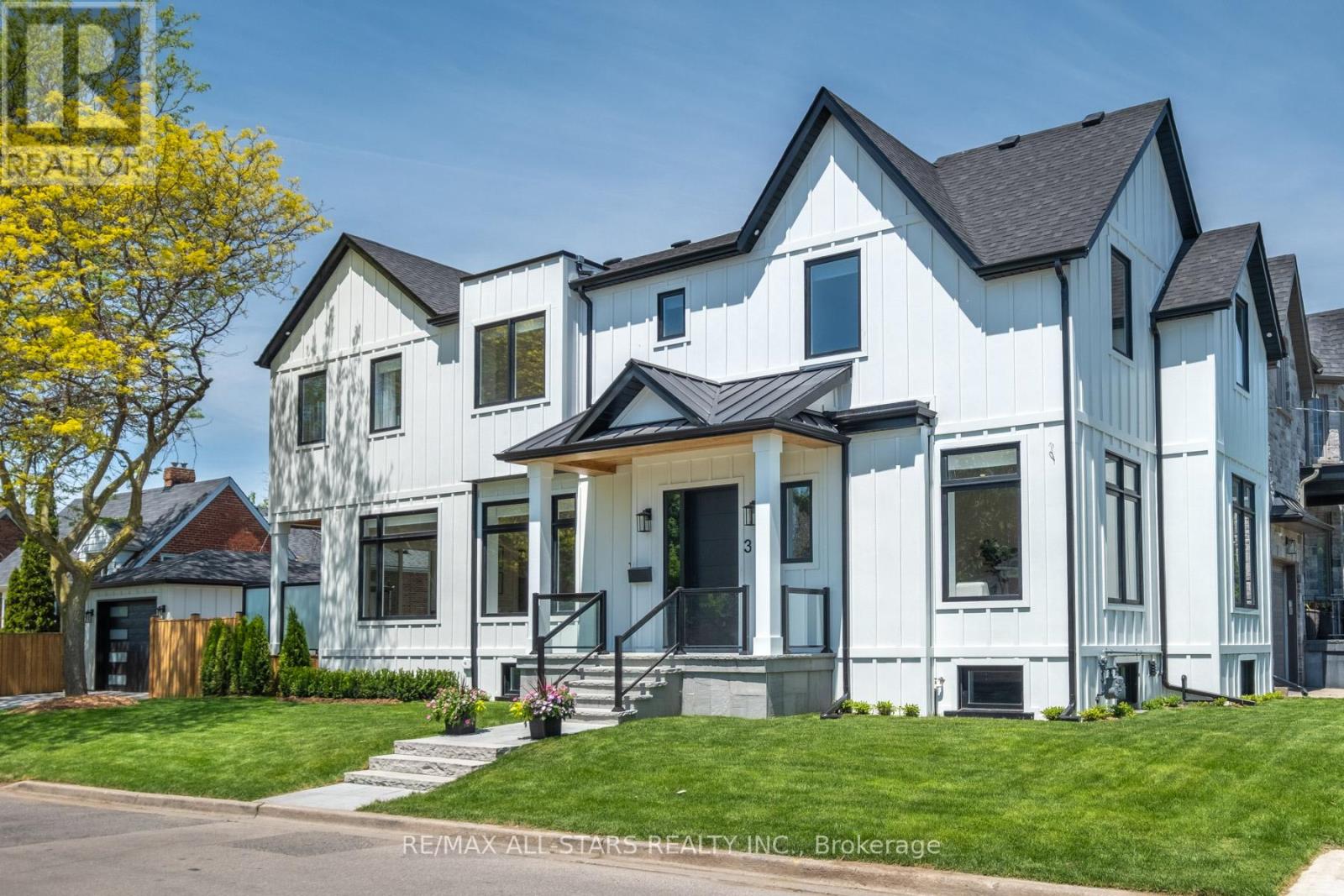 For Sale
 For Rent
 For Sale
 For Sale