
Columbus is a rural hamlet within Oshawa in Durham Region, offering estate-sized properties and agricultural land at prices well below comparable rural properties west of Durham. Highway 407 access opens commute routes to Markham and Scarborough.
Columbus sits on the northern fringe of Oshawa, technically within the city’s boundaries but operating more like the rural hamlet it has always been. The houses here are spaced widely apart. Properties run to estate-sized lots and working agricultural land. The pace is different from the subdivisions that define most of Oshawa, and that distinction is the point for most people who choose it.
The hamlet sits near the Highway 407 east extension corridor, which has slowly drawn buyer attention northward. Commuters who once looked only at Oshawa’s established core have followed the highway east, and some have ended up in Columbus and its surrounding area. The highway connection means Scarborough and Markham are accessible without necessarily sitting in 401 traffic, which changes the calculus for buyers with jobs in those directions.
What Columbus offers is land. Buyers who need space for a workshop, horses, a large garden, or simply room between themselves and their neighbours will not find a better combination of price and property size anywhere within reach of Toronto. The same acreage in King Township or Caledon would cost three to four times more. In Columbus, the cost reflects where it actually is: a quiet hamlet at the edge of a mid-sized Durham city, more than an hour’s drive from downtown Toronto.
The character here is genuinely rural. There is no commercial strip, no community centre drawing a crowd on Saturday mornings. Neighbours know each other because the population is small enough that knowing people is inevitable. For buyers moving from a dense urban environment, that transition requires adjustment. For those coming from a rural or semi-rural background, Columbus will feel immediately familiar.
The buyer who fits this neighbourhood is usually someone who has made a deliberate choice about how they want to live. They are not priced out of something better. They have decided that a large property with privacy and quiet is worth more to them than walkability, transit access, or proximity to amenities. Columbus delivers on that specific set of priorities as well as anywhere in the eastern GTA.
Columbus represents the most affordable end of estate-property pricing in the eastern GTA. Acreage parcels with older homes typically trade between $900,000 and $1.4 million depending on lot size, condition, and the presence of outbuildings. Newer custom builds on larger lots push higher, occasionally reaching $1.8 million or more for well-finished properties with serious acreage. These numbers look significant in isolation, but measured against comparable properties in Whitby, Ajax, or anywhere west of Durham, they represent genuine value.
The market here is narrow. There are relatively few properties, and they turn over slowly. In any given year, only a handful of Columbus-area listings will appear on MLS. That illiquidity is both a feature and a risk. Buyers who find the right property may wait a long time before something comparable appears again. Sellers who time the market poorly can sit for months without the volume of showings that a higher-density neighbourhood would generate.
Prices in the Columbus area have followed the broader Durham Region trajectory since 2020, rising significantly through the pandemic years and correcting moderately in 2022-2023. By 2024-2025, values have stabilized at levels well above pre-pandemic benchmarks. The correction hit rural and estate properties somewhat harder than urban subdivisions, simply because the buyer pool is smaller and more discretionary. When mortgage rates rise, the rural estate buyer is often the first to step back and wait.
There is no condo market here, no townhouse supply, no entry-level attached product. The minimum buy-in is a detached house on a large lot, which means Columbus self-selects for buyers with meaningful equity or strong incomes. First-time buyers in Oshawa will look elsewhere. Move-up buyers and those relocating from higher-priced markets find Columbus compelling when they run the numbers on what a dollar buys here versus anywhere west of Ajax.
The Columbus market moves slowly by design. Listings are few, buyers are specific, and transactions happen when the right match occurs. This is not a neighbourhood where properties sell in multiple-offer situations over a single weekend. More often, a well-priced property attracts one or two serious buyers over several weeks, and negotiation is more measured than in the competitive urban markets nearby.
Demand has grown steadily since the Highway 407 extension opened new commute routes to the north and east. Buyers who work in Markham or Scarborough have discovered that Columbus sits within reasonable driving distance via the 407, and that the price difference from the communities they would otherwise consider justifies the extra travel time. This has added a layer of demand that did not exist a decade ago.
Days on market for rural and estate properties in the north Oshawa area typically run longer than the Durham Region average. Forty to seventy days is common. Properties priced accurately for condition and land area move within that window. Overpriced listings can sit for months, and in a thin market, sitting too long creates its own stigma. Buyers notice when a property has been relisted or has accumulated a long history on the platform.
The selling season here follows a different rhythm than the urban market. Spring remains the dominant listing season, but the rural market also sees a late-summer and fall window that can be productive. Buyers shopping for estate properties often want to see how the land presents in summer, how the drainage looks, whether the outbuildings are usable year-round. Sellers who list in June and July can capture this motivated segment effectively.
Competition from within Columbus is limited simply by the low inventory. The broader competition comes from comparable rural listings in Scugog, Clarington, and the rural pockets of Whitby. Buyers shopping this segment will almost certainly be comparing properties across multiple municipalities before committing.
Columbus attracts a specific kind of buyer, and knowing who that is clarifies whether it fits your situation. The most common profile is a family or couple in their late thirties to fifties who have accumulated equity elsewhere and want land, privacy, and quiet as their primary criteria. They have often sold a house in Scarborough, Markham, or inner Durham, pocketed the difference, and built a property in Columbus with money to spare.
The second profile is the rural-to-rural buyer. These are people coming from farming communities in Northumberland, Kawartha Lakes, or Haliburton who want to stay near a city for work or family reasons without giving up the rural lifestyle they have always had. Columbus offers them that compromise. They can drive to Oshawa’s employment areas in fifteen minutes while keeping chickens and a vegetable garden large enough to actually matter.
A smaller but growing segment is the remote worker. Since 2020, the calculation for remote or hybrid workers changed permanently. Someone who commutes twice a week rather than five days can tolerate a much longer drive to the office. Columbus, which was marginal for a daily commuter, becomes reasonable for someone going in on Tuesdays and Thursdays. That shift expanded the viable buyer pool measurably.
Investors and developers occasionally look at Columbus for land assembly or future development potential as Oshawa’s urban boundary eventually pushes north. That kind of speculative buying is a minor part of the market and requires long time horizons and tolerance for uncertainty about municipal planning decisions. It is not a primary use case but it does come up, particularly when the 407 extension made the corridor look more strategically interesting.
Columbus does not suit the buyer who wants walkability, regular transit, or proximity to urban amenities. There is no version of Columbus that delivers those things. The buyer who tries to compromise on that usually ends up looking at Kedron or Samac instead, where subdivisions are newer and services are closer.
Columbus Road itself is the spine of the hamlet, running east-west through the area and connecting to Simcoe Street north and Townline Road. The addresses along Columbus Road carry the most traditional hamlet character. Older farmhouses sit close to the road on large parcels, with mature trees and the kind of settled look that comes from properties that have been in families for generations. These are the homes that capture buyers looking for authentic rural character rather than a newer build dropped onto a large lot.
Townline Road north of Taunton carries a different character. This corridor has seen more recent estate residential development, with custom builds from the 2000s and 2010s occupying subdivided farm parcels. The homes are larger, the finishes are more contemporary, and the properties are generally more uniform in their presentation. Buyers who want a newer house with substantial land tend to focus here.
The area east of Simcoe Street and north of Taunton has drawn attention from buyers watching the Highway 407 extension’s long-term implications. Properties in this zone sit closer to the highway corridor and are occasionally the subject of development speculation, though the timeline for any meaningful rezoning is long and uncertain. Buyers purchasing here primarily as a residence should not factor development upside into their decision.
There are no commercial nodes within Columbus proper. The nearest concentration of services is along Taunton Road to the south, where gas stations, fast food, and small retail serve the northern Oshawa subdivisions. For groceries, hardware, and most daily needs, Columbus residents drive south toward the established commercial corridors on Simcoe Street or Harmony Road. This is a fifteen to twenty minute drive, which most residents accept as part of the rural bargain.
Columbus is a car-dependent community with no meaningful transit access. Durham Region Transit does not serve the hamlet directly. Residents drive for everything, including the commute to Oshawa, Durham transit hubs, or GO stations. This is not a neighbourhood where transit access figures into the purchase decision, and buyers who need it should look elsewhere.
For drivers, the highway access is the primary consideration. Highway 407 east is accessible relatively quickly from the Columbus area, which connects to the 400-series highway network and opens up commutes to Markham, Scarborough, and Toronto. The 407 is a toll highway, and the tolls are meaningful for daily commuters. Buyers should calculate the annual toll cost as part of their total housing cost when evaluating affordability.
Highway 401 access via Simcoe Street or Harmony Road is a fifteen to twenty minute drive south from Columbus. From the 401, Oshawa GO station is the relevant rail connection. Oshawa GO is the eastern terminus of the Lakeshore East GO line, and trains to Union Station run throughout the day on weekdays, with the trip taking approximately 70 minutes. Weekend service also runs, though less frequently. For Columbus residents commuting by GO, the drive to the GO station adds roughly twenty minutes each way to the total journey.
Within Oshawa, the drive from Columbus to the city’s commercial and employment areas is manageable. Taunton Road provides a direct east-west route connecting to most of the city’s northern commercial development. Simcoe Street north runs south directly into the urban core. Residents who work within Oshawa itself will find the drive shorter and simpler than those commuting west toward Toronto.
Green space in Columbus is less about municipal parks and more about the land itself. Properties here are large enough that outdoor recreation happens on-site rather than requiring a drive to a park. The agricultural and natural landscape that surrounds the hamlet provides informal space for walking, cycling, and outdoor activity that no park system could replicate at this scale.
The Oak Ridges Moraine is the dominant natural feature of the broader northern Oshawa region. The Moraine’s southern edge is close to this area, and its protected lands include forests, wetlands, and creek systems that provide habitat and a buffer against development pressure from the south. The Moraine’s trails and conservation areas are accessible within a short drive, particularly via Simcoe Street north and Highway 7 east toward Clarington.
Farewell Creek and its tributaries flow through parts of north Oshawa and connect to natural areas that extend into the Columbus area. The creek system offers informal walking and nature access for residents willing to explore on foot. The Conservation Authority manages certain corridor lands and provides some formal trail access, though the network is less developed than what Whitby or Ajax offer further west.
For organized sports and recreational facilities, Columbus residents use Oshawa’s city-wide system. Arenas, community centres, and sports fields are distributed across the urban area, with the drive from Columbus typically running fifteen to twenty minutes depending on which facility is needed. The Delpark Homes Centre on Harmony Road north is the main recreation complex for north Oshawa and handles most ice time, swimming, and fitness needs for this part of the city.
Columbus has no retail of its own. The hamlet’s commercial life happens entirely in the broader Oshawa market, accessed by car. This shapes how residents shop and live, and buyers who depend on walking to amenities should understand what that means in practice before committing to a property here.
The nearest everyday retail sits along Taunton Road south, where the northern Oshawa subdivisions have accumulated the usual fast food, pharmacy, and convenience retail typical of a suburban arterial. Grocery shopping at this level is a ten to fifteen minute drive from most Columbus properties. For a larger shop, residents typically go to Oshawa Centre or the commercial clusters along Simcoe Street south and Harmony Road, which add another five to ten minutes.
Oshawa Centre is the dominant regional mall for Durham Region east of Whitby. Located at King Street and McMillan Drive, it carries most major Canadian retailers, a food court, and enough anchors to handle most shopping needs without going to Scarborough or Pickering. The drive from Columbus is roughly twenty to twenty-five minutes. Residents use it regularly for clothing, electronics, and anything that requires a physical retailer.
Harmony Road north has developed as a mixed commercial corridor with grocery, pharmacy, home improvement, and restaurant options spread across the strip mall format typical of north Oshawa. For Columbus residents, this corridor handles most weekly needs efficiently. The drive is under twenty minutes and the traffic on Harmony Road is manageable outside of rush hour.
Simcoe Street north has commercial nodes at multiple intersections between Taunton and the 401, with more density as you move south. Residents who work near this corridor often do their errands on the way home, which makes the apparent remoteness of Columbus more manageable than it looks on a map.
Columbus falls within the Durham District School Board (DDSB) for public schools and the Durham Catholic District School Board (DCDSB) for Catholic schools. Given the hamlet’s low population, there are no schools within Columbus itself. Children travel south to schools in the northern Oshawa subdivisions, typically by bus.
The DDSB schools serving the north Oshawa and Columbus area include several newer elementary schools built to serve the Kedron and Samac developments. These schools are more modern than the older buildings in central Oshawa and have generally received positive reviews from families in the area. Secondary school students feed into the larger high schools in Oshawa’s north end, including schools on Taunton Road and the Simcoe Street corridor.
Ontario Tech University and Durham College both sit in north Oshawa, making the broader area increasingly relevant for families with post-secondary children. Ontario Tech has grown significantly since its founding in 2002 and now offers programs across engineering, science, business, and health. Durham College’s main campus is adjacent and offers practical trades, technology, and business programs. The proximity to both institutions gives north Oshawa a post-secondary presence that distinguishes it from other Durham communities.
Private school options exist in Oshawa and the broader Durham area, though the selection is more limited than in the western GTA. Families with strong private school requirements may find the available options narrow compared to what they might have access to in Markham or Whitchurch-Stouffville. DDSB and DCDSB public schools serve the vast majority of families in the Columbus area without issue.
Columbus sits in an interesting position relative to Oshawa’s long-term planning. The city’s official plan designates a significant portion of north Oshawa for eventual urban development, and the boundary between what will one day be subdivided and what will remain rural is not always obvious to buyers. The Columbus hamlet area has portions that are protected from development and portions that are not, and understanding which applies to a specific property requires looking at the relevant planning documents before purchasing.
The Highway 407 east extension has reshaped what buyers and developers think about the north Oshawa corridor. Land that was previously too remote for serious development interest has moved closer to the edge of plausibility as the highway connection improved access times. The 407 has not yet triggered large-scale development applications in the Columbus area, but it has changed the long-term conversation.
Oshawa’s broader development story over the past two decades has been shaped by the GM Canada legacy. The Oshawa Assembly Plant closures and partial reopenings changed the economic character of the city significantly. The north end developments in Kedron and Windfields were partly a response to the city’s need to diversify its economy beyond manufacturing, attracting new residents and new demographics that did not depend on a single employer. Columbus has been insulated from the direct effects of this, but the city’s economic evolution has shaped the tax base, municipal services, and infrastructure investment that affects all Oshawa neighbourhoods.
For buyers purchasing in Columbus today, the development timeline for surrounding lands is a legitimate consideration. Properties on the edge of future urban expansion zones may see their rural character disrupted by construction activity within a ten to fifteen year horizon. The municipality’s secondary plans for north Oshawa are worth reviewing before committing to a specific location within the hamlet area.
Q: Is Columbus actually part of Oshawa, or is it a separate community?
A: Columbus is a hamlet within the City of Oshawa’s municipal boundaries, so residents pay Oshawa property taxes and receive Oshawa municipal services. It is not a separate municipality. The hamlet predates Oshawa’s municipal expansion and retains its rural character despite technically being part of the city. For property tax and municipal service purposes, you are buying in Oshawa. For character and density purposes, Columbus feels nothing like the subdivisions that most people associate with Oshawa. The distinction matters when you are comparing tax rates across Durham Region municipalities.
Q: How realistic is a commute from Columbus to Toronto?
A: It depends entirely on where in Toronto and how often. A daily drive to downtown Toronto from Columbus is roughly 90 minutes each way in normal traffic and significantly longer in peak commute conditions. That is a difficult daily commitment. For hybrid workers commuting two or three times a week, it becomes much more manageable. The more realistic option is to use Oshawa GO station, which adds a 20-minute drive to the station and a 70-minute train ride to Union Station. For commuters to Markham or Scarborough, the Highway 407 east connection shortens the drive considerably and makes Columbus more viable for daily travel to those employment centres.
Q: What should I know about well and septic systems before buying in Columbus?
A: Most properties in Columbus rely on private wells and septic systems rather than municipal water and sewer. This is standard for rural properties in Ontario and manageable, but it requires due diligence that urban buyers do not encounter. Before purchasing, you should have the well tested for flow rate and water quality, and have the septic system inspected and pumped if not recently done. The age and condition of both systems should factor into your offer price. Replacing a failing septic system costs $15,000 to $30,000 depending on the technology required. Well systems vary widely in age and condition. Neither issue is a dealbreaker, but both require proper inspection before closing.
Q: Are there any restrictions on what I can do with a Columbus property?
A: Rural properties in Oshawa are subject to zoning bylaws, Oak Ridges Moraine Conservation Plan policies where applicable, and the Durham Region Official Plan. What you can build, how many structures are permitted, and whether agricultural uses are allowed all depend on the specific zoning designation of a given property. Some parcels have additional restrictions related to environmental features, floodplains, or heritage designations. Before purchasing and certainly before planning any construction or land use changes, confirm the applicable zoning and any site-specific restrictions with Oshawa’s planning department or a local land use lawyer. The Conservation Authority also has jurisdiction over properties near watercourses and wetlands.
Buying a rural or estate property in Columbus is a different transaction than buying a subdivision house in Oshawa’s established residential areas. The due diligence is more involved, the property-specific variables are greater, and the number of agents with genuine experience in rural Durham is smaller than the number who will take the listing without that background.
An agent who knows this market will understand well and septic inspection processes, be familiar with the relevant zoning designations and what they permit, know which Columbus-area properties have been relisted or have had price reductions and why, and be able to compare value accurately against rural listings in Clarington, Scugog, and Whitby’s rural pockets. They will also have relationships with inspectors who regularly work rural properties rather than defaulting to home inspectors whose experience is entirely suburban.
On the offer side, rural transactions allow more time for due diligence than suburban multiple-offer scenarios. Buyers should use that time. A proper well test, a full septic inspection, a boundary survey review, and a title search for easements or encumbrances are all standard and reasonable conditions for a Columbus purchase. An agent who discourages these conditions is not acting in your interest.
The agent you want understands Durham Region’s rural planning context, has sold properties in the Columbus and north Oshawa rural area, and can walk you through what the official plan designations mean for specific parcels. They will also be realistic about resale timelines. Rural estate properties in Columbus do not sell quickly. Buyers with hard timelines should factor that into their planning.
TorontoProperty.ca works with buyers across Oshawa and Durham Region, including the rural and estate markets. If Columbus is on your list, get in touch and we will walk through what is available and what each property actually represents as a purchase.
Street-level knowledge is hard to find online. Our team works in Columbus every day. They know which pockets hold value, where the school catchment lines actually fall, and what the market is doing right now. Talk to us before you make a decision about Columbus.
Talk to a local agent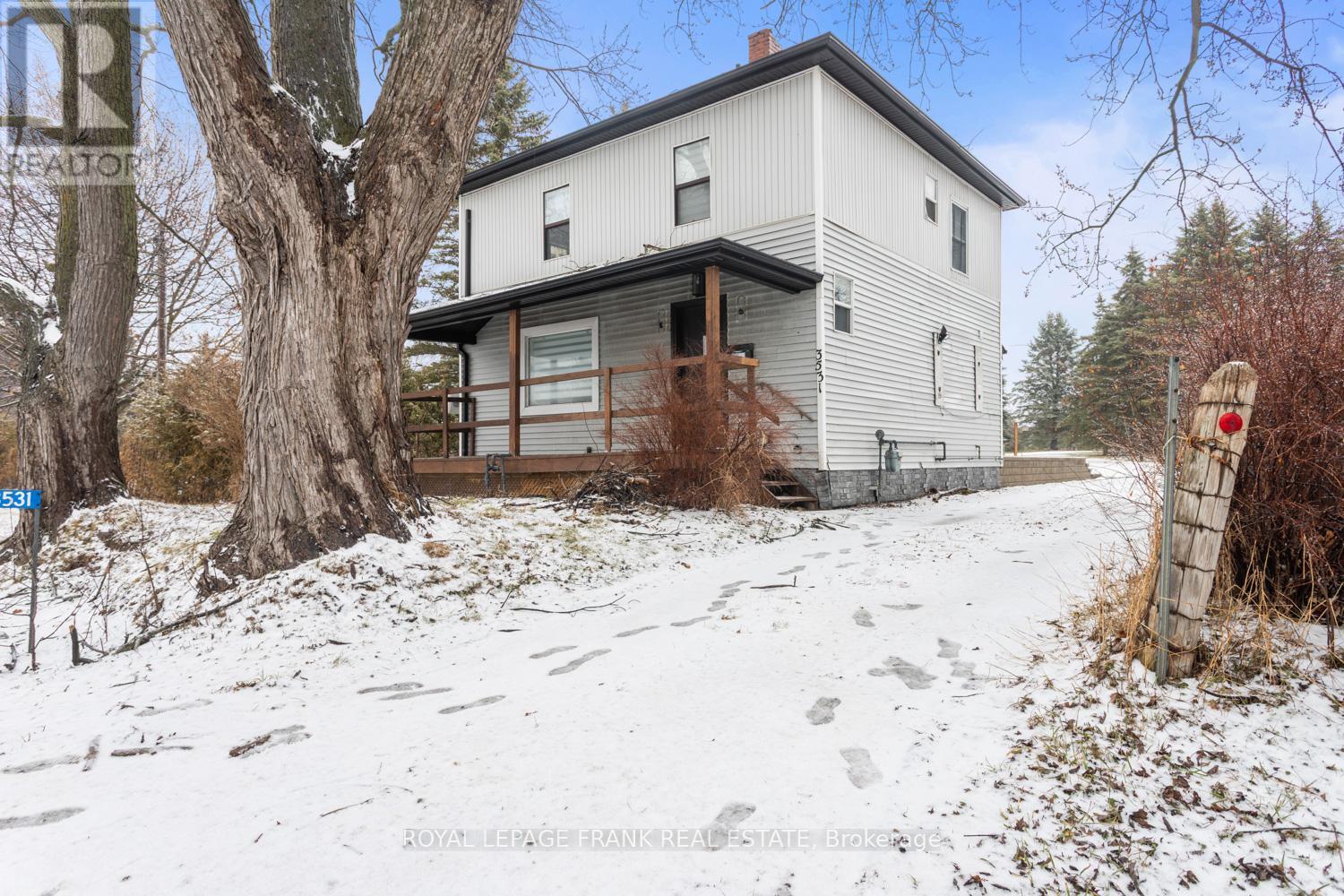 For Sale
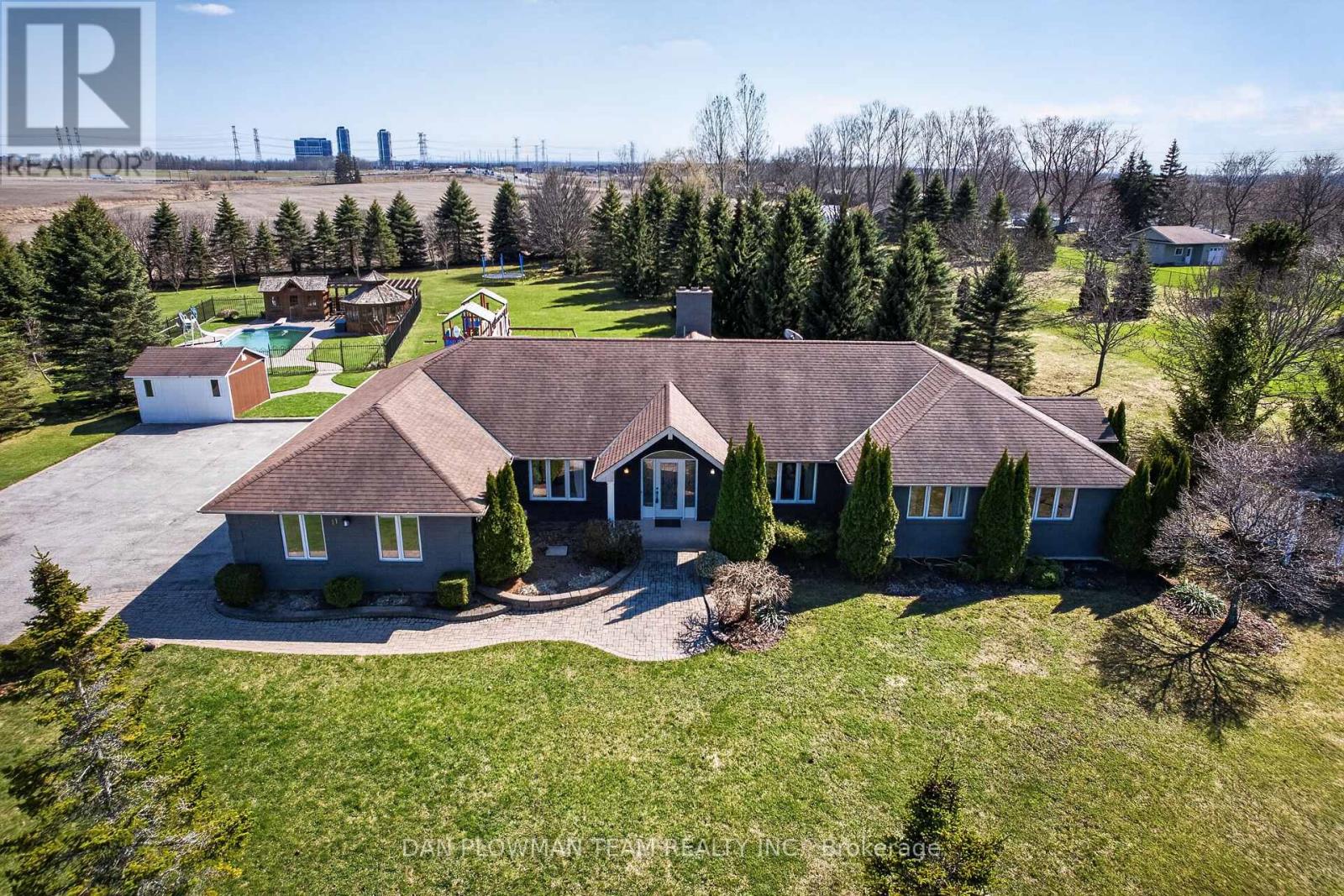 For Sale
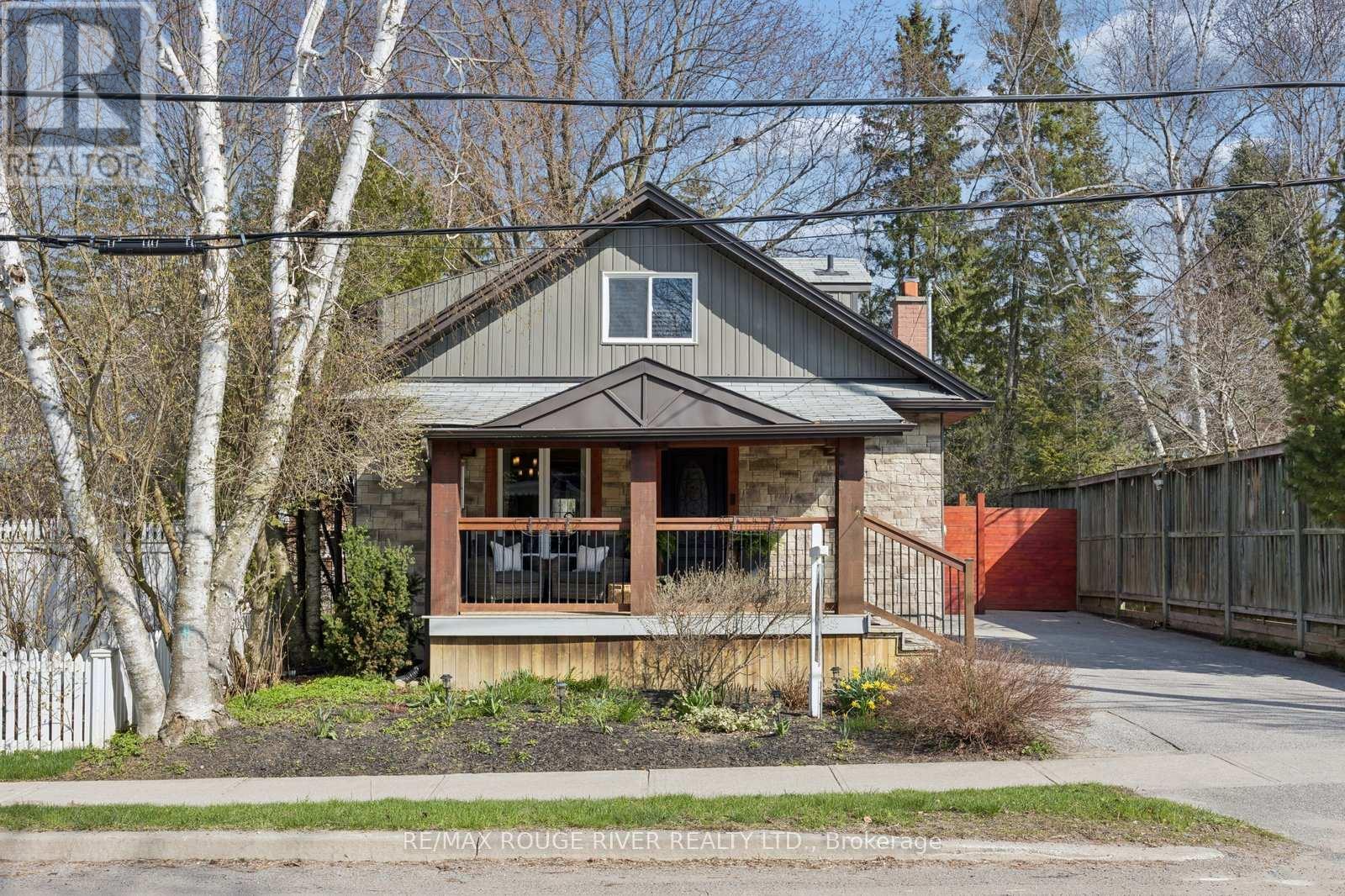 For Sale
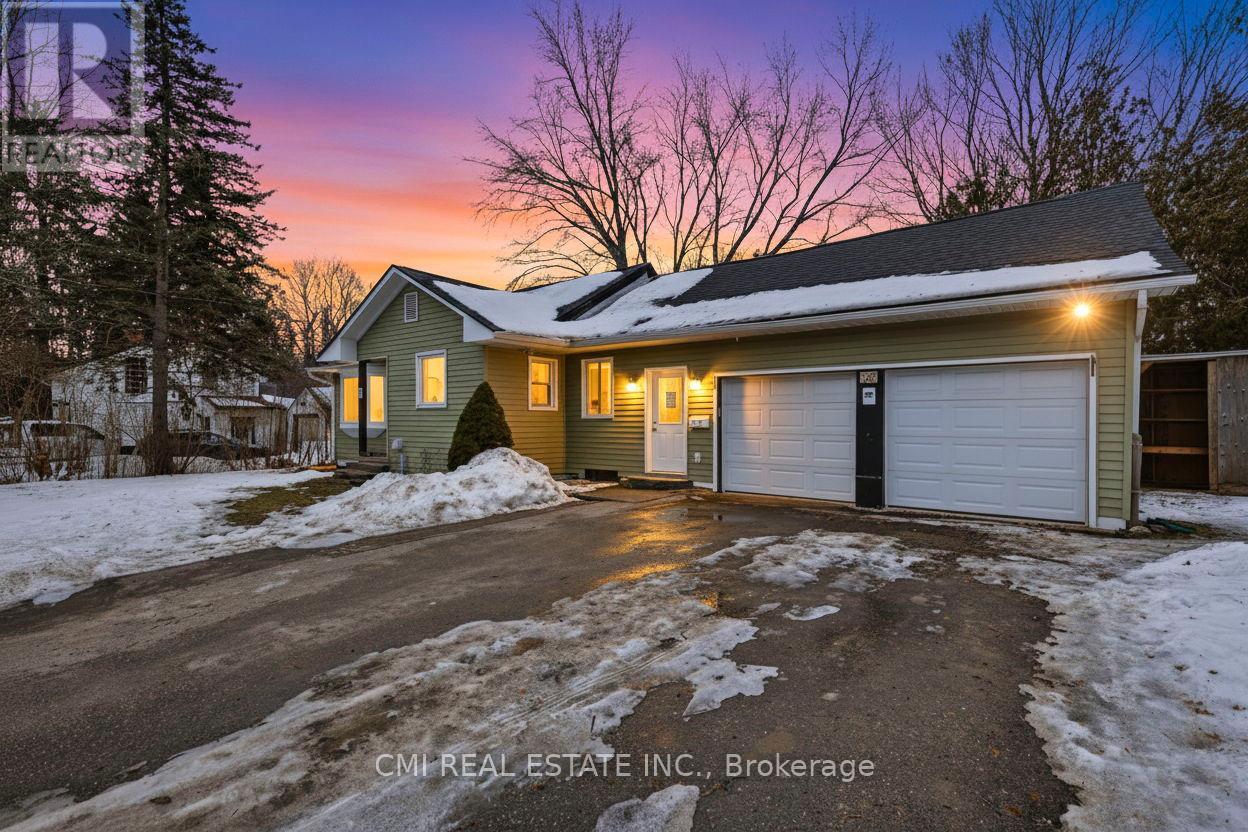 For Sale