
Concord is a south Vaughan neighbourhood near Jane Street and Highway 7 offering the most accessible ownership prices in the city. A mix of townhomes, older detached homes, and purpose-built rentals sits alongside light industrial land, giving the area a working-class character and strong highway connectivity.
Concord sits in the southwest corner of Vaughan, straddling Jane Street near the Highway 7 corridor. It’s one of the older sections of the city in terms of development character, and it reads differently from the prestige subdivisions that define Vaughan in most people’s minds. Where East Woodbridge is polished and Maple is aspirational, Concord is working-class in the most straightforward sense: it grew up around light industrial land, it has a mix of housing types at a wide range of price points, and it doesn’t try to be something it isn’t.
The neighbourhood’s industrial legacy is visible in the landscape. Warehouses and light manufacturing operations share the area with apartment buildings and townhome complexes, which gives Concord a mixed-use character that’s more reminiscent of older inner suburbs than of the residential enclaves that dominate most of Vaughan. Jane Street carries significant commercial and industrial activity, and Rutherford Road to the north marks the boundary beyond which the residential character takes over more completely.
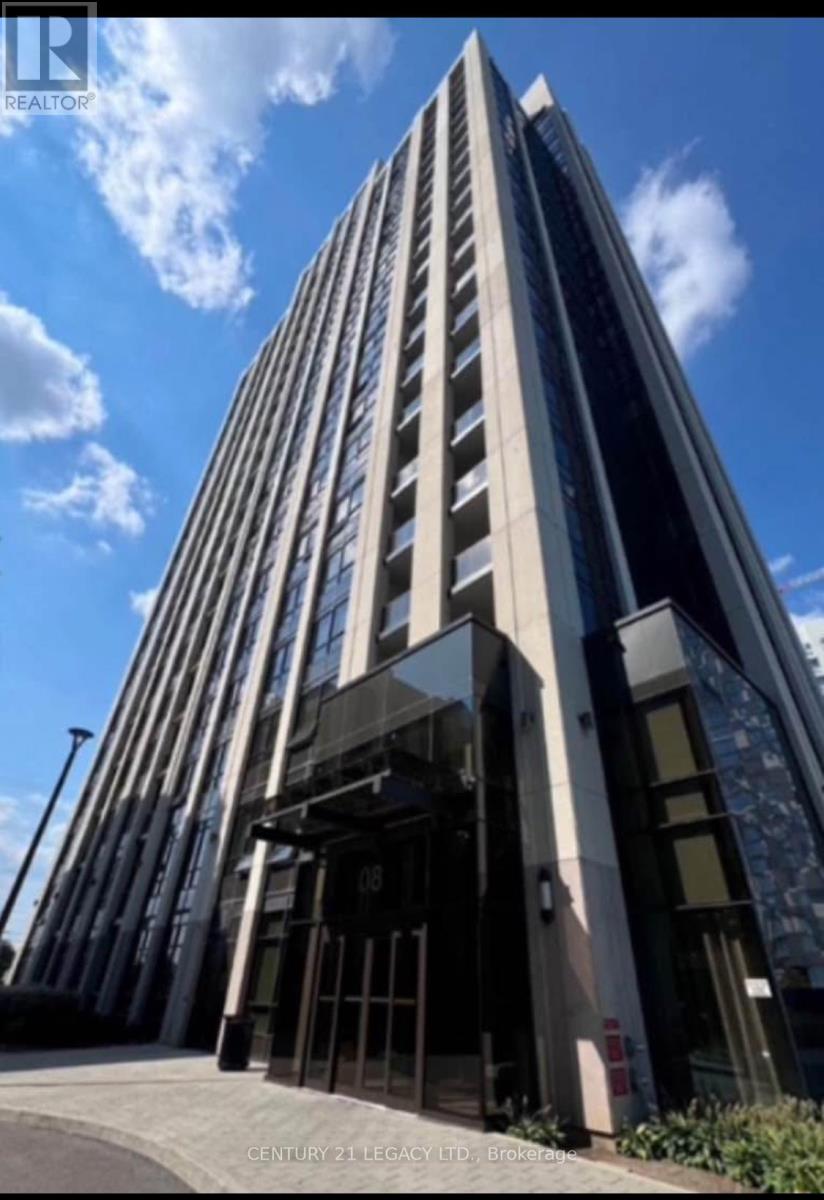
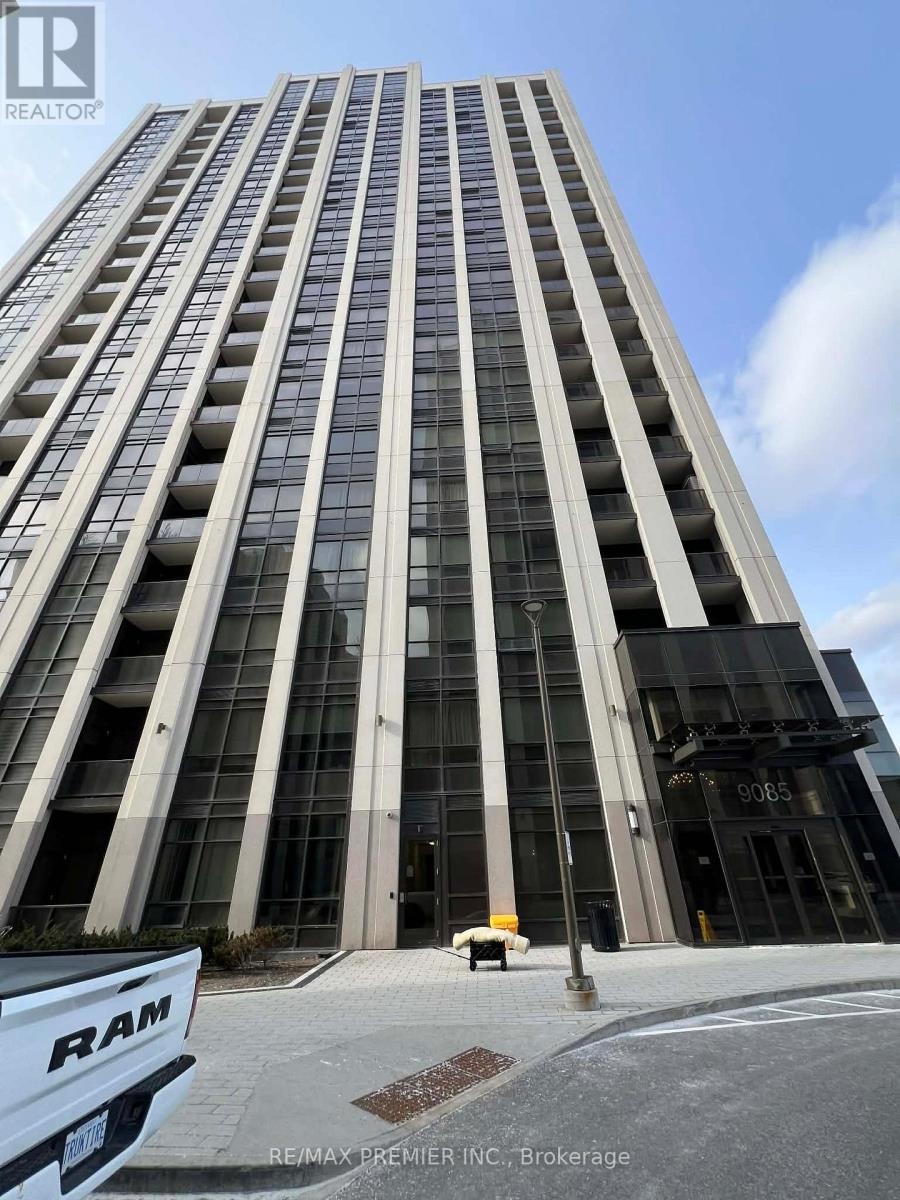
High-rise rental buildings, some of them among the older purpose-built rental stock in Vaughan, sit in the neighbourhood’s commercial core. These buildings serve a range of residents — recent immigrants, young singles, lower-income households — and give Concord a population diversity that most of Vaughan’s owner-occupied subdivisions lack. The rental stock is aging but functional, and it fills a genuine gap in York Region’s housing supply.
For buyers, Concord’s value proposition is straightforward: it offers Vaughan’s postal code and York Region school access at a price point that is meaningfully lower than any comparable area in the city. That combination draws buyers who have been priced out of neighbouring areas and are willing to accept a less polished neighbourhood character in exchange for getting into the market at a manageable entry point.
Concord offers some of the lowest entry points for ownership in Vaughan. Townhomes, which make up a significant portion of the ownership stock, have been trading in the $750,000 to $950,000 range through 2024 and into 2025. Older townhome complexes with dated finishes sit toward the lower end; well-maintained or recently updated units push toward $950,000. This is a meaningful $200,000 to $400,000 discount compared to townhome product in Maple or Vaughan’s newer north end neighbourhoods, and it’s the core of Concord’s market proposition.
Semi-detached homes, where they exist in the residential pockets, have been trading in the $900,000 to $1.1M range. Detached homes are less common, but when they come to market in the residential sections they attract strong interest and have traded in the $1.0M to $1.35M range. The detached stock is mixed in age and condition, with some older properties that require significant investment and others that have been maintained carefully over decades of family ownership.
The rental market is a separate layer. The older high-rise buildings in Concord offer some of the lowest rents in York Region for a two-bedroom unit, which keeps the neighbourhood accessible to lower-income households and gives it a social diversity that’s economically significant. These buildings aren’t traded frequently; they’re typically held by institutional or family investors who are managing long-term income properties.
Buyers considering Concord for owner-occupation rather than investment need to assess the neighbourhood character honestly against their expectations. The price discount is real and the school and highway access are genuine assets, but the industrial land adjacency and the rental density in parts of the neighbourhood are factors that affect liveability in ways that pure price comparison doesn’t capture.
Concord’s resale market is active at the townhome level, which is where most of the transaction volume sits. Days on market for townhomes runs longer than in Vaughan’s more desirable neighbourhoods, reflecting a buyer pool that is partly local upgraders, partly investors, and partly first-time buyers who need time to work through their decision. Properties that are priced correctly and show well typically find a buyer within four to six weeks; overpriced product can sit considerably longer.
The investment market in Concord is meaningful. Investors who buy townhomes for rental purposes are a consistent presence, attracted by the lower acquisition cost and the stable tenant demand from a neighbourhood that houses essential workers, new Canadians, and households that want York Region access at a price point they can manage. Cap rates are low by national standards, as they are across the GTA, but cash flow neutral or slightly positive positions are achievable in ways they’re not in more expensive parts of Vaughan.
The detached segment is thin and irregular. When a detached home comes to market in the residential pockets, it attracts attention from buyers who’ve been watching the area and recognize that genuine detached ownership at Concord pricing is rare. These transactions often happen quickly relative to the neighbourhood’s broader days-on-market average.
Industrial land values in Concord have been rising with the broader York Region industrial market, which has seen significant investor and user demand over the past decade. That industrial appreciation doesn’t directly translate to residential values, but it does signal the underlying economic strength of the area and supports the case that Concord’s residential discount relative to nearby neighbourhoods is a gap that will narrow over time rather than persist indefinitely.
First-time buyers who’ve been priced out of Toronto and out of Vaughan’s better-known subdivisions are the dominant ownership buyer in Concord. They’re typically couples in their late 20s or early 30s, often with one or both partners commuting to work in the GTA highway corridor, who have hit the limit of what they can spend and are evaluating what they can get at their price ceiling. Concord’s townhomes answer that question with a practical answer: a freehold property in York Region, school access, and highway connectivity, at a price point that works for a first purchase.
New Canadians and recent immigrants make up another significant ownership buyer segment. The neighbourhood’s existing diversity, its access to Jane Street’s multicultural commercial strip, and its price accessibility make it a logical first purchase destination for households that have been renting in Toronto’s northwest end and are ready to own. These buyers often move decisively when they find a property that fits their criteria, which contributes to the speed of transactions at the lower end of the market.
Investors who are building portfolios of income-producing properties find Concord’s price point and tenant demand profile attractive as a buy-and-hold play. They’re not expecting rapid appreciation; they’re looking for stable cash flow and a foothold in the York Region market at a manageable cost of entry. Townhome investors buying in the $750,000 to $850,000 range and renting at $2,400 to $2,800 per month are running thin margins but holding real assets.
Renters in the high-rise buildings are a different population entirely — lower-income, often longer-term residents of the neighbourhood who value the stability of their existing housing situation and aren’t looking to transact. They’re part of the neighbourhood’s social fabric but not the ownership buyer profile.
Concord’s residential geography is shaped by the industrial land that occupies a significant portion of the broader area. The residential pockets worth buying into are concentrated north and east of Jane Street, where the streetscape is more uniformly residential and the industrial activity is further removed. Conifer Drive and the streets off Rutherford Road on the neighbourhood’s northern edge represent the cleanest residential character available in Concord, with townhome complexes and older bungalows that back onto residential land rather than commercial or industrial properties.
Jane Street itself is commercial and industrial rather than residential, and properties fronting it or with immediate rear backing onto industrial land carry a discount that reflects the lived reality of that adjacency. Buyers who are viewing a property that backs onto a commercial or industrial neighbour should assess the current and permitted uses of that parcel carefully, since industrial zoning allows activities that can change the character of an adjacent residential street significantly.
The apartment buildings in the neighbourhood’s commercial core are a different product entirely from the ownership townhomes. They sit along the Highway 7 corridor and on Jane Street, and their immediate surroundings are defined more by commercial and transit infrastructure than by residential streetscapes. Buyers evaluating ownership product should avoid conflating the character of these buildings’ surroundings with what the ownership side of the neighbourhood feels like on the ground.
The areas approaching the border with Woodbridge to the west start to show the influence of that neighbourhood’s character. Pine Valley Drive and its approaches have a different feel than the Jane Street corridor, and buyers who are drawn to Concord’s pricing but want a more established residential feel should look at the western edge closest to the Woodbridge boundary, where the transition in character is most noticeable.
Highway access is one of Concord’s genuine strengths. Highway 400 is immediately accessible via Jane Street or Rutherford Road, and it’s one of the fastest on-ramp access points in south Vaughan. The 407 ETR is similarly accessible, with interchanges that put most of the GTA’s highway network within a short drive. For households where one or both commuters work along the 400 series highway corridor — in Vaughan, Brampton, Mississauga, or the industrial parks of north York — Concord’s location is genuinely convenient in a way that’s hard to replicate at this price point.
York Region Transit routes on Jane Street connect south to York University and Finch station. The Jane Street bus corridor is one of YRT’s busier routes in this part of Vaughan, with service frequent enough to be a practical daily option for commuters who can tolerate the travel time. From Concord to Finch subway station takes roughly 25 to 40 minutes by YRT, and from Finch to downtown Toronto another 25 to 30 minutes. It’s a long trip but it’s an available one, and it reduces the two-car household dependency that characterizes most of Vaughan.
The Vaughan Metropolitan Centre subway station is roughly a 10 to 12 minute drive from most addresses in Concord. Getting there by bus involves the Jane Street corridor to Highway 7 and then a transfer, which is time-consuming. Most Concord residents who use the VMC subway drive to the station and park. The VMC station provides direct subway access to downtown Toronto, Yorkdale, and the Spadina corridor.
Highway 27 to the west provides an alternative route south into Etobicoke and toward Pearson International Airport, which matters for households that travel frequently or commute to airport-area businesses. Pearson is roughly 20 to 25 minutes from Concord via Highway 427 south from 400, which is competitive with most GTA municipalities at this distance from the city centre.
Concord’s park situation reflects its mixed residential and industrial character. The neighbourhood has functional parkland in its residential pockets, with a number of smaller parks and green spaces that serve the townhome communities. These are well-maintained community parks with playgrounds, open field areas, and walking paths, sufficient for family use but not destination parks that draw people from other neighbourhoods.
The most significant nearby natural feature is the Humber River valley, which forms the western and southern edge of the broader area and is accessible from Pine Valley Drive and the park connections off Jane Street heading south toward Woodbridge. The Humber River trail system runs through the valley, and the stretches near the Woodbridge golf course area are genuinely pleasant. From most of Concord’s residential pockets, reaching the Humber trail requires a short drive or a 15 to 20 minute bike ride.
Boyd Conservation Area, managed by the Toronto and Region Conservation Authority, sits north of the city along the Humber and is accessible in roughly 20 minutes by car from Concord. Boyd offers swimming in a protected lake, hiking trails through the Humber valley, and camping facilities that draw significant summer traffic from across York Region and the northwest GTA. For families who want legitimate outdoor recreation close to home, Boyd is the answer, and Concord’s location gives reasonable access to it.
Rutherford Community Park north of the neighbourhood, and the larger regional parks accessible via Highway 400 toward Kleinburg, expand the green space options for residents who want more than what the neighbourhood’s immediate parkland provides. The infrastructure improves as you move away from the industrial core and into the more residential north Vaughan territory, and Concord residents are close enough to benefit from those facilities without requiring long drives.
Jane Street between Highway 7 and Rutherford Road carries a commercial strip that is among the more diverse in Vaughan. The retail mix reflects the neighbourhood’s demographic variety: Caribbean grocers, Vietnamese restaurants, Indian sweets, Latin American bakeries, and standard chain pharmacy and fast food operations sit alongside each other in the plazas off Jane. It’s not a curated retail experience, but it’s a functional and genuinely multicultural one that covers most daily needs at accessible price points.
Highway 7 at the southern boundary adds the larger commercial layer, with chain grocery stores, pharmacies, and national fast-casual restaurants concentrated in the plazas along the corridor. The big-box options on Highway 7 west of Jane include home improvement and general merchandise stores that handle most major purchase categories without requiring a trip to Vaughan Mills.
For groceries specifically, the Jane Street corridor has both chain and independent options. The independent ethnic grocery stores along Jane serve communities that often can’t find their specific products in chains, and they’re a genuine asset to the neighbourhood for residents who cook from diverse traditions. Prices in these stores are typically lower than chain grocery equivalents for staple items.
Woodbridge’s commercial strip along Islington Avenue and the Vaughan Mills retail corridor at Highway 400 are both within a 10 to 15 minute drive, expanding the practical retail catchment considerably. For furniture, appliances, and specialty retail, Vaughan Mills and the associated big-box development covers most categories. The combination of Jane Street’s accessible local retail and the highway-adjacent larger formats means Concord residents rarely need to travel far for any routine purchase.
Concord falls within the York Region District School Board for public schools and the York Catholic District School Board for the Catholic stream. Elementary schools serving the residential pockets are neighbourhood schools with communities that reflect Concord’s demographic diversity, and they tend to benefit from the engaged parent communities that often form in diverse lower-income neighbourhoods where education is seen as a primary path to advancement. Class sizes and curriculum follow the Ontario provincial standard across both boards.
High school students from Concord typically feed into Vaughan Secondary School or Father Bressani Catholic High School depending on board choice and specific address. Vaughan Secondary is one of the larger comprehensive high schools in the city, offering a full range of academic, applied, and specialized programs including co-op placements that take advantage of the industrial and commercial activity in the surrounding area. Father Bressani serves the Catholic community and has a strong athletics and community program record.
Private and independent school options exist in the broader York Region area, and families with specific educational priorities may choose to drive to institutions in Woodbridge or south toward the Thornhill corridor. The range of private options accessible from Concord within a 20-minute drive is consistent with the broader York Region offer, covering both faith-based and academically selective independent schools.
York University is roughly 15 to 20 minutes south, making it more accessible from Concord than from most Vaughan neighbourhoods. The university’s Glendon College bilingual campus in North York is accessible via highway in under 30 minutes. Seneca College’s York campus is similarly close. For families where post-secondary access is a factor in housing decisions, Concord’s south Vaughan location provides better access to the corridor of colleges and universities along the Keele-Jane axis than most of the city’s northern reaches.
Concord is in the path of significant long-term change, driven by the combination of industrial land conversion pressure, transit investment, and the broader intensification agenda for the Jane Street corridor. The City of Vaughan’s official plan designates parts of the Jane/Highway 7 corridor for higher-density mixed-use development, and as land values rise and older industrial properties reach the end of their economic life, conversions to residential and commercial use will accelerate. The pace is slow by developer standards, but the direction is clear.
The Jane Street bus corridor improvement program, coordinated between the City of Vaughan and York Region Transit, is intended to increase service frequency and eventually support a higher-order transit connection. Improved transit on Jane Street would significantly raise the neighbourhood’s accessibility value and is likely to be a positive catalyst for residential property values when it materializes. The timeline for major transit upgrades in this corridor has moved repeatedly and should be treated as a long-term factor rather than an imminent one.
Industrial land in the Concord area has been among the most actively traded industrial real estate in York Region over the past five years. The shift toward logistics and distribution uses has driven strong demand for the warehousing and large-bay industrial properties in the area, and several older industrial parks have been redeveloped or are under study for conversion. As industrial parcels transition to residential or mixed-use zoning, the neighbourhood’s character will change in ways that are broadly positive for existing residential owners.
For buyers making a 10-year holding decision, Concord’s trajectory is more positive than its current character suggests. The industrial-residential mix that is currently a liability will become less pronounced as land uses evolve, transit investment closes the access gap, and the price discount relative to neighbouring areas narrows. Buyers who can live with the current conditions while that transition unfolds are positioning themselves for a meaningful uplift.
Q: Why are homes in Concord cheaper than the rest of Vaughan?
A: The price discount reflects the neighbourhood’s mixed character. Industrial and commercial land sits alongside residential streets, the housing stock is older than in most of Vaughan’s better-known subdivisions, and the rental apartment buildings in the commercial core give the area a density and demographic mix that differs from the owner-occupied residential neighbourhoods nearby. Buyers who want the Vaughan postal code, York Region school access, and highway connectivity at the lowest available entry point find that Concord delivers all three at a meaningful discount. The trade-off is a neighbourhood that reads as more urban and less polished than Maple, Thornhill Woods, or East Woodbridge. For buyers whose priority is value and access over prestige address, the trade-off is rational.
Q: Is Concord a good investment?
A: It depends on what you mean by investment. As a buy-and-hold rental property, Concord townhomes offer stable tenant demand, low vacancy risk, and an acquisition cost that generates better cash flow than most of Vaughan. As a long-term appreciation play, the industrial-to-residential transition underway in the area and the planned transit improvements on Jane Street suggest that the price discount relative to neighbouring areas will narrow over the next decade. As a short-term speculation, Concord is not the right pick. The neighbourhood moves slowly and doesn’t respond quickly to market enthusiasm the way that prestige subdivisions do. Investors with a five-to-ten year horizon and comfort with the current neighbourhood character have a reasonable case.
Q: What are the schools like in Concord?
A: Public schools in the YRDSB catchment and Catholic schools in the YCDSB catchment serve the neighbourhood, following Ontario provincial curriculum standards. Elementary schools in Concord tend to be diverse and well-staffed, and the parent communities are engaged. High school students feed into Vaughan Secondary School or Father Bressani Catholic High School, both of which offer comprehensive academic programs. The school situation is solid rather than exceptional. Families for whom a specific academic program or school ranking drives the purchase decision will find better options in Thornhill or the Crestwood-Springfarm-Yorkhill area, but for most families the schools in Concord’s catchment are appropriate and functional.
Q: How do I get to downtown Toronto from Concord?
A: Most residents drive or take YRT buses. The Jane Street YRT route connects south to York University and Finch subway station, and from Finch the TTC subway runs downtown. Door-to-door, the trip takes 60 to 75 minutes during peak hours. Driving via Highway 400 south to the Allen Expressway or through Jane Street directly takes 30 to 45 minutes off-peak but can stretch to 50 to 60 minutes or more in morning and evening rush. The Vaughan Metropolitan Centre subway station is a 10 to 12 minute drive from Concord and provides direct subway service to the Spadina corridor and downtown, which is often the fastest option for trips to the west side of downtown or Yorkdale. Two-car households in Concord typically find the commute manageable with a combination of driving and occasional transit.
Buying in Concord requires a clear-eyed assessment of the trade-offs. The price advantage is real, and so is the neighbourhood’s industrial-residential mix. An agent who helps you understand exactly what you’re buying — the specific residential pocket, what’s on the adjacent parcels, what the planning framework says about future land use nearby — is doing their job. An agent who just puts you in the cheapest property in Vaughan without that context is not.
The townhome market in Concord has enough variation between complexes and specific addresses that buyer research at the street level matters. Some complexes have well-run condo corporations with reserve funds in good shape; others are approaching deferred maintenance situations that will result in special assessments. A status certificate review before any purchase is essential, not optional.
For buyers who are approaching Concord as an investment, the due diligence on rental income assumptions should be done against actual listings in the building or complex, not against what a landlord reports or what an agent estimates. Vacancy rates, maintenance costs, and property management overhead in Concord’s aging stock require specific inputs rather than general rule-of-thumb calculations.
If you’re buying in Concord, contact TorontoProperty.ca. We cover south Vaughan’s full price range, we know which parts of Concord represent genuine value and which require more caution, and we’ll help you navigate the due diligence process so you’re buying with full information. Use the contact form or call to get started.
Street-level knowledge is hard to find online. Our team works in Concord every day. They know which pockets hold value, where the school catchment lines actually fall, and what the market is doing right now. Talk to us before you make a decision about Concord.
Talk to a local agent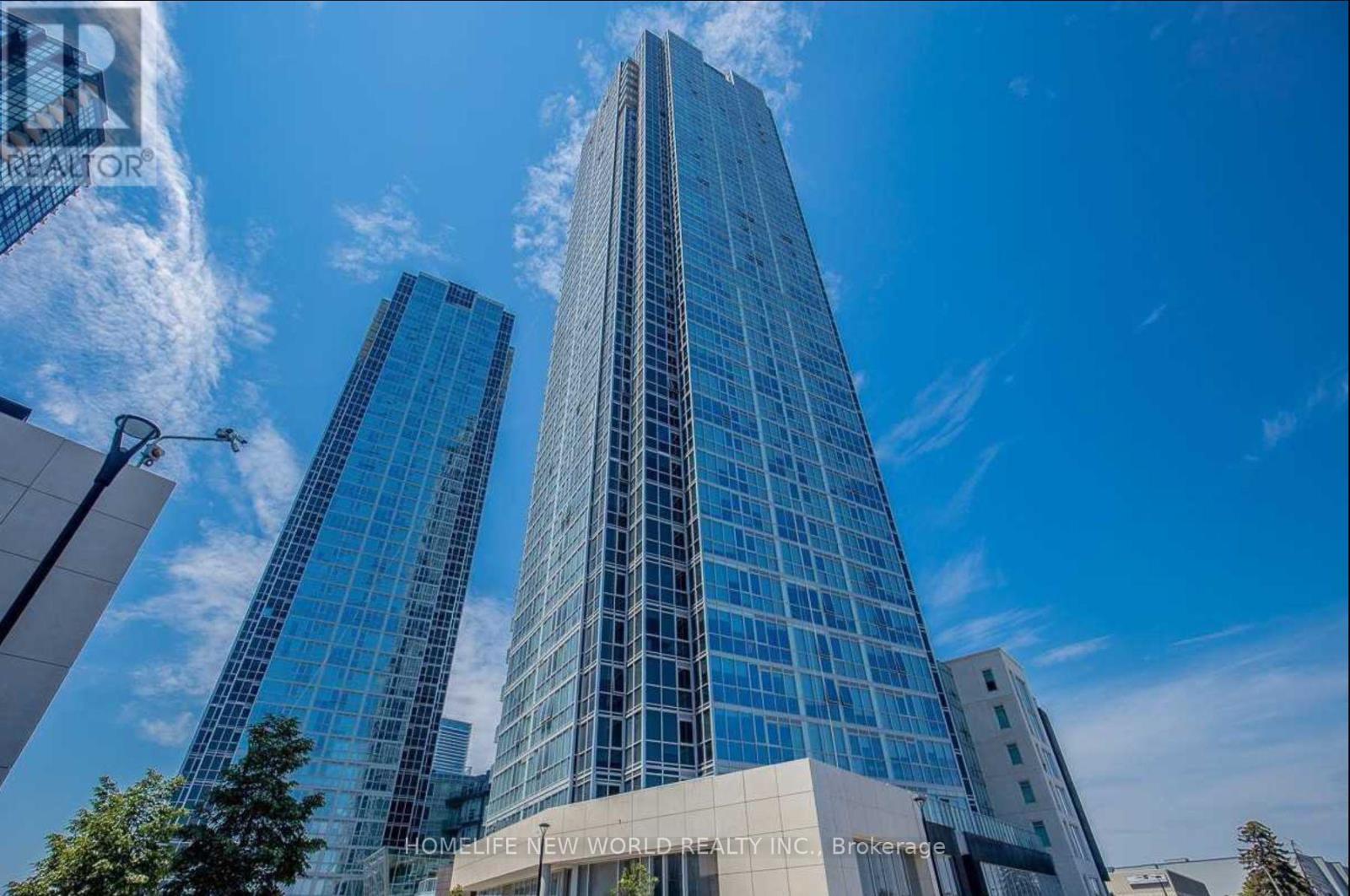 For Rent
 For Rent
 For Rent
 For Sale