
Cooksville is a central Mississauga neighbourhood with GO Transit Milton line access and the coming Hazel McCallion LRT, offering established detached homes and affordable condos at prices below the City Centre average.
Cooksville sits near the geographic centre of Mississauga, straddling the Hurontario Street corridor between the QEW to the south and Burnhamthorpe Road to the north. It is one of the older established residential communities in the city, with a housing stock that reflects several decades of development overlaid on what was once a village settlement predating Mississauga’s incorporation. The neighbourhood name comes from the village of Cooksville that existed at the intersection of Hurontario and Dundas Street West before Mississauga absorbed it into the larger city fabric.
The character of Cooksville today is genuinely mixed. The Hurontario Street spine carries commercial development, the Cooksville GO station, and the coming Hazel McCallion LRT infrastructure. Immediately adjacent to this transit corridor, detached and semi-detached residential streets from the 1950s through the 1980s sit alongside newer condo and townhome development that has been intensifying the corridor over the past decade. Moving further from Hurontario, the residential streets become more conventional suburban fabric with detached homes on standard lots.
Cooksville GO station on the Milton line is the neighbourhood’s primary public transit connection to downtown Toronto. The station is one of the busiest on the Milton line given its central location in Mississauga. The planned Hazel McCallion LRT will also run directly through Cooksville along Hurontario Street, creating a two-line transit hub that will significantly improve connectivity within Mississauga and to Port Credit GO on the Lakeshore West line. This transit investment is the central development story for Cooksville and is driving both residential intensification and commercial renewal along the corridor.
Cooksville’s position in the middle of Mississauga means it is close to Square One, to Highway 403, and to the full range of mid-city amenities without the premium price that City Centre condos command. For buyers who want to be central in Mississauga rather than at the western edge, Cooksville offers proximity at prices below the City Centre average.
Cooksville’s housing stock divides clearly between the older detached and semi-detached homes on the residential streets away from Hurontario, and the newer condo and townhome development concentrated near the transit corridor. Average home prices in Cooksville sit around $956,000 for all property types, which is approximately 24% below the overall Mississauga average, making it one of the more accessible entry points for freehold ownership in a well-located Mississauga community. Detached homes on the quieter residential streets east and west of Hurontario typically list and sell in the $900,000 to $1,300,000 range depending on size, condition, and specific location.
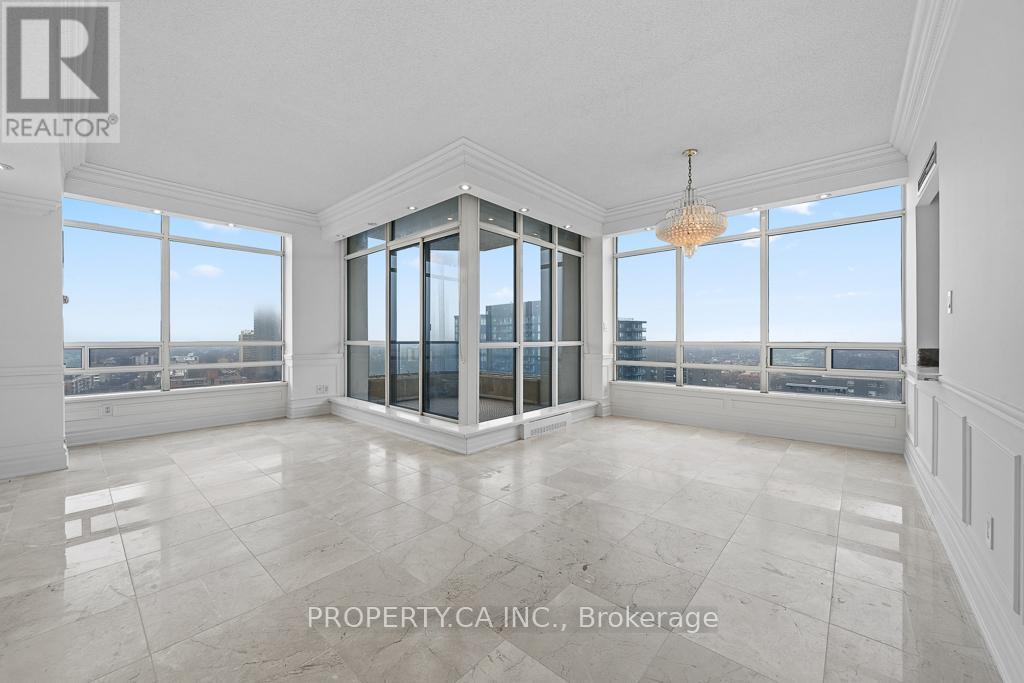
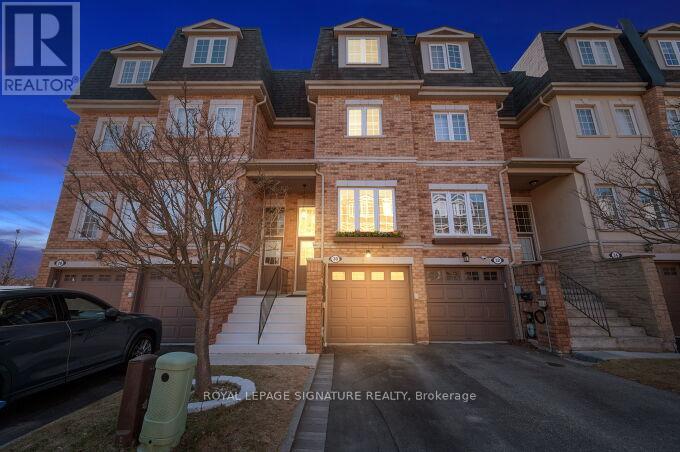
Condos in the Cooksville area average around $495,000, reflecting the older condo stock along Hurontario and the newer purpose-built developments near the GO station. The condo market here is more affordable than City Centre but also involves older buildings in many cases, which means maintenance fee histories and reserve fund studies deserve careful review. Townhomes average around $772,000 and represent a middle path between condo convenience and freehold space for buyers who cannot stretch to the detached market.
The postwar detached homes in Cooksville are often described by agents as “bones buyers” properties: original-condition houses on good lots in established neighbourhoods that attract buyers willing to renovate. A solid brick bungalow in good structural condition on a 50-foot lot in mid-Cooksville can be more cost-effective than a comparable square footage in a newer condo building when total carrying costs are factored in. This value calculus has driven a consistent stream of renovation activity in the Cooksville detached stock over the past decade.
The most price-sensitive zone in Cooksville is the immediately surrounding the Cooksville GO station, where transit-oriented development has introduced newer mid-rise condos and townhomes at prices above the older surrounding stock. Buyers drawn specifically to the GO access and willing to pay for newer construction will find this zone active. Buyers seeking maximum space for dollar should look at the detached homes on the residential streets a few blocks from Hurontario, where the same transit access applies at lower price points.
Cooksville’s market is shaped by its transit infrastructure in a way that few other Mississauga communities are. The combination of the existing GO station and the coming LRT has sustained demand for properties in the Hurontario corridor even as broader market conditions softened from the 2022 peak. Investors and owner-occupiers alike have been purchasing with a view to the transit premium that is still working its way into Cooksville prices as the LRT approaches completion.
The detached market in Cooksville has been relatively stable compared to the condo correction. Detached freehold properties in well-located Cooksville streets held their values better through the 2022-2023 rate increase cycle than condo buildings did, reflecting the general pattern across Mississauga where freeholds outperformed condos in the correction period. Entry-level detached buyers competing in the $900,000 to $1,100,000 Cooksville range found that this tier stayed active with genuine owner-occupier demand even when condo buyers retreated.
Days on market in Cooksville have been running approximately 55 days on average for some property types in the current softer market, above the levels seen in 2021-2022 but below the distressed levels that were briefly seen in late 2022. Sellers who price accurately for current conditions are transacting within a reasonable timeframe. Sellers who are testing peak prices are sitting and eventually reducing. This pattern is consistent across Mississauga but is somewhat more pronounced in Cooksville’s condo segment, where supply has remained elevated.
The Cooksville GO transit-oriented community development, which received planning approval for approximately 3,000 new residential units around the station, will increase housing supply in the immediate station area over the next decade. This supply addition will need to be absorbed by population growth and pent-up demand, and its pricing impact on the surrounding established residential market is one of the questions that shapes long-term investment calculations in this neighbourhood.
Cooksville attracts buyers who want to be central in Mississauga without paying City Centre condo prices. The GO station access and eventual LRT connection draw commuters who work downtown Toronto but want a freehold property with a garden rather than a condo unit. These buyers often compare Cooksville specifically to the City Centre condo market and choose Cooksville for the detached home experience at a similar or lower total price point once parking and maintenance fees are factored in.
First-time buyers who have been priced out of the more prestigious south Mississauga communities find Cooksville’s detached housing accessible. A renovated three-bedroom detached home in mid-Cooksville is buyable below $1,200,000 in the current market, which is unachievable in Lorne Park, Mineola, or Port Credit. The school catchments and transit access that come with the Cooksville location are solid without being exceptional, which keeps prices from reaching the premium tier but leaves them well-supported by genuine demand.
Investors have been active in the Cooksville area precisely because the transit infrastructure investment is clear and documented. The Hazel McCallion LRT station on the Hurontario corridor will be within walking distance of a significant portion of the Cooksville housing stock, and the transit-oriented community development around Cooksville GO station represents a direct policy commitment to increasing density and amenity near the transit nodes. Investors who bought in this corridor in 2019 or 2020 have seen their thesis start to play out, and those who are considering the area now are deciding whether the remaining uplift is sufficient to justify current prices.
Families with young children find Cooksville’s schools adequate and the park infrastructure near Cooksville Creek and Applewood Hills useful for everyday recreation. The neighbourhood is not a top-tier family destination in the way that Churchill Meadows or Erin Mills are, but it functions well for families who value central location and transit access over estate home scale and premium school rankings.
The residential streets in Cooksville east and west of Hurontario Street form the core of the established neighbourhood. To the west, streets off Old Carriage Road, Fieldgate Drive, and the crescents near Dundas Street West carry older detached homes from the 1960s and 1970s, many on good lots with mature trees and the established feel of a neighbourhood that has been lived in for generations. These streets are not impressive on a surface pass but reward buyers who look past the dated exteriors at the lot sizes, the structural quality of the older brick construction, and the neighbourhood stability.
East of Hurontario, the streets near Burnhamthorpe Road East and around Applewood Hills park include some of the more attractive Cooksville residential addresses. The proximity to the park, the consistency of home quality on these streets, and the relative separation from the commercial intensity of the Hurontario corridor give these blocks a more residential feel than the transit corridor zone. Buyers who identify the best streets in east Cooksville often find they represent better long-term value than the transit corridor properties at similar price points.
The Dundas Street corridor in Cooksville carries older commercial development, including some mid-rise residential buildings from the 1970s and 1980s and a mix of strip retail. These buildings are functionally located but dated, and their character has been slowly improving as the broader neighbourhood has attracted investment. The intersection of Dundas and Hurontario is the historical heart of the old Cooksville village and, while little of the original village character is visible, it retains a degree of commercial density and accessibility that benefits the surrounding residential streets.
New development along the Hurontario corridor has introduced mid-rise condo buildings at various points from Dundas to Burnhamthorpe. These buildings are modern, well-amenitised, and positioned for the LRT access that will arrive when the Hazel McCallion Line opens. Their character is different from the established residential streets a few blocks away, and buyers choosing between the two Cooksville experiences, corridor condo versus established neighbourhood detached, should tour both thoroughly before deciding.
Cooksville GO station on the Milton line is the primary transit connection for the neighbourhood. The station was substantially upgraded with a new six-level parking structure that added over 750 spaces, bringing total capacity to over 2,500. Peak service on the Milton line takes approximately 35 to 45 minutes to Union Station, with morning rush trains running frequently enough that missing one means a 15 to 20 minute wait rather than a long interval. The Milton line has fewer peak trains than the Lakeshore lines, which is a relevant comparison for buyers deciding between Cooksville and a Lakeshore West station community like Clarkson or Port Credit.
The Hazel McCallion LRT, running north-south along Hurontario Street, will have multiple stops in Cooksville when it opens, expected around 2027 to 2028 based on current construction progress. The LRT will provide a direct connection south to Port Credit GO on the Lakeshore West line, which offers faster and more frequent service to Union Station than the Milton line. For Cooksville residents, the LRT opening will effectively give them access to both the Milton and Lakeshore West GO lines via a transfer, significantly improving their downtown Toronto transit options.
Highway 403 is the primary highway for Cooksville residents heading north, connecting to Highway 401 and the broader 400-series network at the major interchange near Erin Mills. The QEW is accessible south via Hurontario Street in about 10 minutes. For Highway 427 or the Pearson Airport corridor, Highway 403 north to 401 west is the standard route. MiWay bus routes on Hurontario and Dundas provide local connectivity within Mississauga, with the central bus terminal at Square One accessible via a short ride north on Hurontario.
For residents who work within the Mississauga employment corridor along Highway 403, Cooksville’s central position means reasonable commuting distances in any direction. This multi-directional accessibility is one of the neighbourhood’s strongest practical features and explains why buyers who work in diverse parts of the GTA choose it over communities at the geographic extremes of the city.
Cooksville Creek runs through the neighbourhood and its valley provides the primary continuous green corridor. The creek-valley parks along the watercourse offer walking trails that connect the residential streets to a natural environment that is modest in scale but genuinely accessible from most Cooksville addresses. The trail system follows the creek south toward the lake and north toward Burnhamthorpe, providing an off-road walking option for residents who want to exercise without dealing with arterial road traffic.
Applewood Hills Park, located in the eastern part of the neighbourhood near the Applewood boundary, is one of the larger active recreation parks serving Cooksville. It includes sports fields, a playground, and open green space that handles the recreational needs of the families in the surrounding residential streets. The park is well-used and generally well-maintained by the City of Mississauga parks department.
Frank McKechnie Community Centre on Hurontario Street North provides indoor recreation facilities for Cooksville residents, including pools, a gym, and program space. This is a full-service City of Mississauga recreation centre with programming for all ages, and its proximity to the residential areas of Cooksville makes it more useful for day-to-day recreation access than a facility that requires a long drive. The community centre is a practical asset that many buyers underweight when comparing Cooksville to other Mississauga communities.
The proximity to Kariya Park and Celebration Square in the City Centre area means that the more developed civic park infrastructure of the downtown core is accessible to Cooksville residents by a short bus or car trip along Hurontario. Residents who want the urban park experience of the City Centre plazas without paying City Centre prices find that Cooksville’s proximity provides reasonable access to those assets.
The Dundas Street corridor provides Cooksville’s primary everyday retail. A No Frills, a Freshco, and other grocery options are located along Dundas or within a short drive on Hurontario. For a mid-Mississauga neighbourhood, grocery access is above average given the commercial density along the two main arterials. The Dixie Outlet Mall, a short drive east, carries discount retail and an assortment of brand-name outlet stores. Heartland Town Centre in the Hurontario and Eglinton area is accessible in under 15 minutes and provides Home Depot, Costco, and the full format of big-box retail that Cooksville residents use for major shopping.
Dining in Cooksville is primarily ethnic restaurant-driven, reflecting the neighbourhood’s diverse population. The Dundas and Hurontario corridors have a well-established collection of South Asian restaurants, Caribbean food, Chinese food, and Middle Eastern options. Independent restaurants rather than chains define the dining character here. This variety is a genuine strength of the neighbourhood’s food culture and is one of the things long-term Cooksville residents consistently mention as a reason they stay.
Square One, Mississauga’s main shopping centre, is accessible in 10 minutes by car or MiWay along Hurontario. For residents who want the full retail and dining variety of Square One without living in a City Centre condo tower, Cooksville’s proximity is a practical benefit. The balance between central location and lower prices is the core Cooksville value proposition, and the retail access along Hurontario is central to that balance.
Medical services, pharmacies, dentists, and general service businesses are concentrated along the Dundas and Hurontario corridors in a density that reflects the established urban character of the neighbourhood. This level of service retail is better than what many newer Mississauga communities at the western edge offer, where the commercial infrastructure has not yet fully developed to match the residential population.
Cooksville is served by the Peel District School Board (PDSB) and the Dufferin-Peel Catholic District School Board (DPCDSB). The public elementary schools in the Cooksville catchment include Sir John A. Macdonald Public School and St. Andrew Public School, with Applewood Hills Public School serving parts of the eastern neighbourhood. Secondary students typically attend Cawthra Park Secondary School, which has an outstanding reputation including its Regional Arts Program, or Mississauga Secondary School for students in different catchment zones.
On the Catholic side, DPCDSB schools serving Cooksville include St. Martin of Tours Catholic Elementary School and St. Clement Catholic Elementary School. St. Marcellinus Catholic Secondary School at 730 Courtneypark Drive West is the primary Catholic secondary option for much of the Cooksville catchment. Both boards run French Immersion programs within the Cooksville zone.
Cawthra Park Secondary School is the standout secondary option for this part of Mississauga. Its Regional Arts Program, which accepts students from across the region through a competitive audition process in drama, dance, music, and visual arts, is one of the most distinctive and well-regarded secondary programs in the GTA. Students in Cooksville who qualify and audition successfully for this program have access to a secondary school experience that is genuinely different from the standard Ontario curriculum. This is a practical asset for artistically inclined families that is often underweighted in neighbourhood school assessments focused solely on academic rankings.
The elementary school picture in Cooksville is solid without reaching the top-tier rankings of communities like Lorne Park or Churchill Meadows. Buyers for whom elementary school Fraser Institute rankings are a primary decision driver will find stronger concentrations of high-ranked schools in the western Mississauga communities. Buyers who are flexible on this question and prioritise transit access, central location, and price accessibility will find the Cooksville school options serve their children well.
Cooksville is one of the most actively developing neighbourhoods in Mississauga, driven primarily by the transit infrastructure investment on the Hurontario corridor. The Cooksville GO transit-oriented community (TOC), approved for approximately 3,000 new residential units plus 550 jobs in commercial and office space, is the largest single development project in the neighbourhood. Infrastructure Ontario is the lead developer, with phased delivery expected over the next decade and beyond. The GO TOC will substantially transform the immediate area around Cooksville station, bringing new housing density and commercial activity to a corridor that has historically been underutilised given its transit advantages.
The Hazel McCallion LRT stations along Hurontario are catalysing mid-rise condo and mixed-use development at and near the station locations through the neighbourhood. Several development proposals for mid-rise buildings of six to fifteen storeys have been approved or are in various stages of planning approval along the Hurontario corridor. These buildings are adding housing supply to the immediate corridor while the surrounding established residential streets remain lower-density and stable in character.
The overall direction of Cooksville’s development trajectory is toward more density, better transit, and greater mixed-use character along the Hurontario spine, with the established residential streets remaining relatively stable. This dual character, active transit corridor plus established residential neighbourhood, is likely to persist for the next decade rather than converging into a single uniform character. Buyers who understand this duality make better location decisions within Cooksville than buyers who assess the neighbourhood from the corridor alone or from the residential streets alone.
Long-term, Cooksville’s position at a multi-line transit node, the only neighbourhood in Mississauga with both a GO rail station and direct LRT access, positions it for sustained demand from transit-oriented buyers in a way that few other Mississauga communities can match. The specific price trajectory will depend on how quickly the LRT opens, how the GO TOC develops, and how broader GTA housing market conditions evolve, but the transit fundamentals supporting demand are stronger than they have ever been.
Q: What do homes actually cost in Cooksville Mississauga and what types are available?
A: The Cooksville market sits around a $956,000 average across all property types, which is approximately 24% below the overall Mississauga average. Detached homes on the established residential streets typically sell in the $900,000 to $1,300,000 range depending on size, lot, and renovation state. Semi-detached homes and older townhomes come in below $900,000 in some cases. Condos in the Cooksville corridor average around $495,000, significantly more affordable than City Centre condos. New purpose-built condos near the GO station come in higher, often $550,000 to $750,000 for one and two bedrooms. The range is wide because Cooksville has genuinely different property types, from 1950s original-condition bungalows to brand-new transit corridor condos, and each segment has its own pricing logic. A buyer comparing a $950,000 older detached home to a $550,000 new condo in Cooksville is making very different decisions on space, maintenance, and long-term cost structure.
Q: When will the Hazel McCallion LRT open and how will it change commuting from Cooksville?
A: As of early 2026, the LRT is expected to open around 2027 or 2028, delayed from the original 2024 projection due to construction issues. When it opens, it will run from Port Credit GO station on the Lakeshore West line in the south through Cooksville and City Centre to Brampton Gateway Terminal in the north. For Cooksville residents, this means direct rail transit access to Port Credit GO, which offers frequent express service to Union Station in approximately 28 minutes. Currently, Cooksville residents commuting downtown use the Milton line at Cooksville GO, which takes 35 to 45 minutes. The LRT connection to Port Credit GO will add a faster downtown option. Within Mississauga, the LRT will allow car-free trips from Cooksville to City Centre in under 10 minutes and to Port Credit in about 15 minutes.
Q: Is Cooksville a good area to invest in before the LRT opens?
A: The transit infrastructure investment is real and documented, which makes the underlying thesis for Cooksville investment credible. Properties within walking distance of confirmed LRT station locations have historically benefited from transit openings, and Cooksville’s dual GO and LRT access once the line opens will be unique in Mississauga. The honest counterpoint is that the LRT premium has already been partially priced in over the years of planning and construction, and buyers purchasing today are buying into an already-elevated market relative to where Cooksville was priced before the transit plans were confirmed. The remaining uplift at opening and in the years following is uncertain. The better investment argument for Cooksville is the long-term demand fundamentals of a central, transit-accessible, affordable-relative-to-nearby-communities location rather than a specific short-term price catalyst event.
Q: How do the schools in Cooksville compare to nearby Mississauga communities?
A: Cooksville’s schools are adequate for a mid-Mississauga community but do not carry the consistently high Fraser Institute rankings that drive premium pricing in Lorne Park, Churchill Meadows, or Erin Mills. The standout secondary option is Cawthra Park Secondary School, particularly its Regional Arts Program, which is genuinely exceptional and worth researching for families with artistically inclined children. Elementary schools in the catchment are solid and well-staffed but score below the top tier by published rankings. For families who prioritise transit access, central location, and price accessibility alongside reasonable schools, Cooksville works well. For families who are choosing a neighbourhood primarily on the basis of elementary school rankings, the western Mississauga communities will consistently score higher by that metric.
Cooksville is a market where local transit knowledge and development awareness are the two most valuable things a buyer’s agent brings. The transit-oriented community development, the LRT corridor intensification, and the older established residential streets all have different implications for a purchase, and a buyer who is not guided through those distinctions can easily end up in a property that doesn’t match their intentions. A buyer choosing a corridor condo for transit access who doesn’t understand how the GO TOC development will change the immediate surroundings is making a choice with material uncertainty. A buyer choosing an established residential detached home who is comparing it to corridor condos needs a clear analysis of total cost of ownership rather than a simple list price comparison.
The negotiating environment in Cooksville in the current market generally favours buyers on older detached properties, particularly those that have been on the market for more than three weeks. The elevated inventory levels in this price tier and the longer days on market across the neighbourhood create genuine room for price negotiation that did not exist in 2021. A buyer’s agent who tracks which properties have had price reductions, how many comparable sales have occurred in the last 60 days, and where the specific property sits relative to current market depth can achieve material savings on the purchase price.
The GO transit-oriented community development around Cooksville station is a complex planning process that will unfold over many years. Buyers purchasing near the station area should understand the current stage of approvals, what is permitted under existing zoning, and what the likely development character of the immediately adjacent lands will be when built. A buyer’s agent with specific knowledge of the Cooksville TOC process can provide this context rather than leaving buyers to navigate the planning portal independently.
For buyers choosing between Cooksville and Fairview to the northeast, or between Cooksville and Mississauga Valleys to the south, the key distinctions are in transit access, housing type, and price. Cooksville’s GO and LRT access is stronger than Fairview. Cooksville’s detached housing is more accessible than Mississauga Valleys, which is primarily condo. A buyer’s agent who has worked all three areas can run these comparisons with current sales data rather than impressions.
Street-level knowledge is hard to find online. Our team works in Cooksville every day. They know which pockets hold value, where the school catchment lines actually fall, and what the market is doing right now. Talk to us before you make a decision about Cooksville.
Talk to a local agent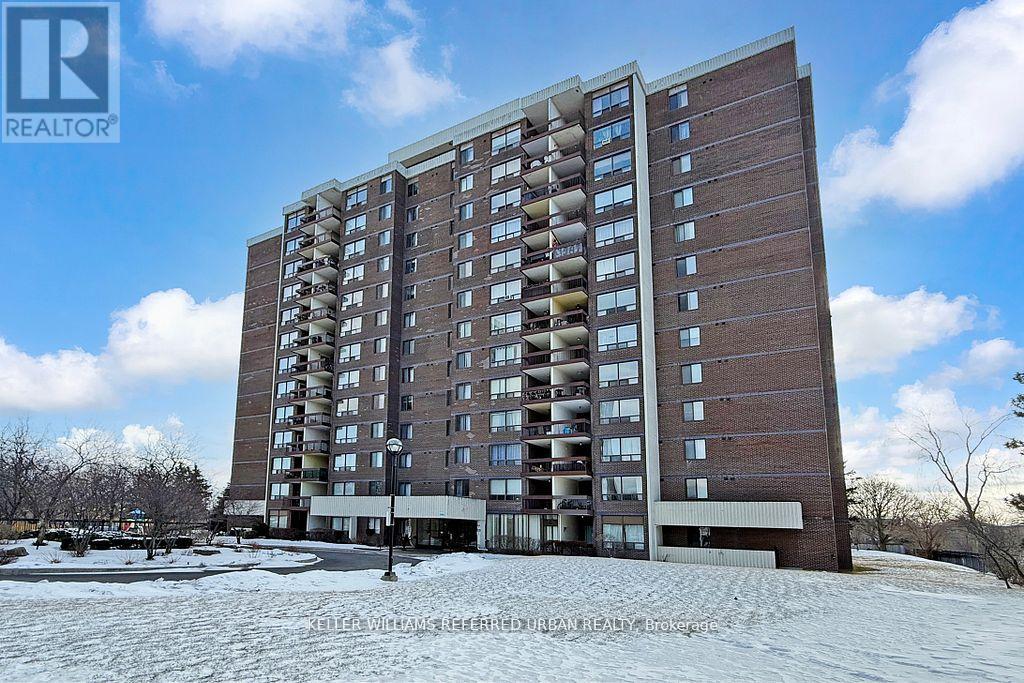 For Sale
 For Sale
 For Sale