
Discover real estate in Cornell, Markham. Current prices, school catchments, transit access and neighbourhood character covered in full.
Cornell is one of the most deliberately designed neighbourhoods in Markham, built from 1999 onward according to new urbanist principles developed by the American planning firm Duany Plater-Zyberk and Associates. The design intent was to create a neighbourhood that functioned as a traditional town rather than a conventional suburban subdivision: a grid street pattern, homes with front porches and narrow setbacks that bring residents close to the street, rear-lane garages that keep cars out of the front streetscape, and a main street commercial corridor along Cornell Centre Boulevard that places daily retail and services within walking distance of the residential streets. The result is a neighbourhood that looks and feels meaningfully different from the curvilinear streets and garage-dominated fronts of conventional Markham subdivisions, and that has attracted a buyer profile that actively chose the urban design principles rather than defaulting to what was available.
The new urbanist design philosophy produces specific practical trade-offs that buyers should understand before purchasing. The front porches and narrow setbacks create a genuinely social streetscape where neighbours interact more frequently than in a conventional suburban layout. The rear-lane access means that the garage and the cars are behind the home, which improves the front street character but requires navigating a rear lane for daily vehicle access. The grid street pattern, which creates more through-routes than a curvilinear subdivision, means that internal traffic is slightly higher than in a cul-de-sac design, though the traffic-calming measures on the grid keep speeds low. These are not problems to be solved but choices to be evaluated against your household’s preferences.
Cornell sits in east Markham, bounded by Highway 7 to the north, the 9th Line to the west, 16th Avenue to the south, and developing rural land to the east. The Markham Stouffville Hospital is immediately adjacent to the community, which makes Cornell one of very few Markham neighbourhoods that residents can walk to a major hospital from. This is practical for daily life in a way that most neighbourhood guides do not explicitly address but that matters to households with elderly family members or frequent medical appointments.
Cornell’s housing market is notably more affordable than the family-home average in Markham, with the average home trading at approximately $934,000 through 2024 and into 2025 — roughly 31 percent below the Markham citywide average per available data. The affordability reflects several factors: the neighbourhood’s east Markham location away from the premium school-catchment communities, the higher proportion of attached homes and townhouses in the mix relative to detached properties, and the rear-lane design that some buyers find less conventional than they prefer. For buyers who have done the neighbourhood comparison and are comfortable with Cornell’s design philosophy, the price relative to comparable Markham family communities represents a clear value argument.
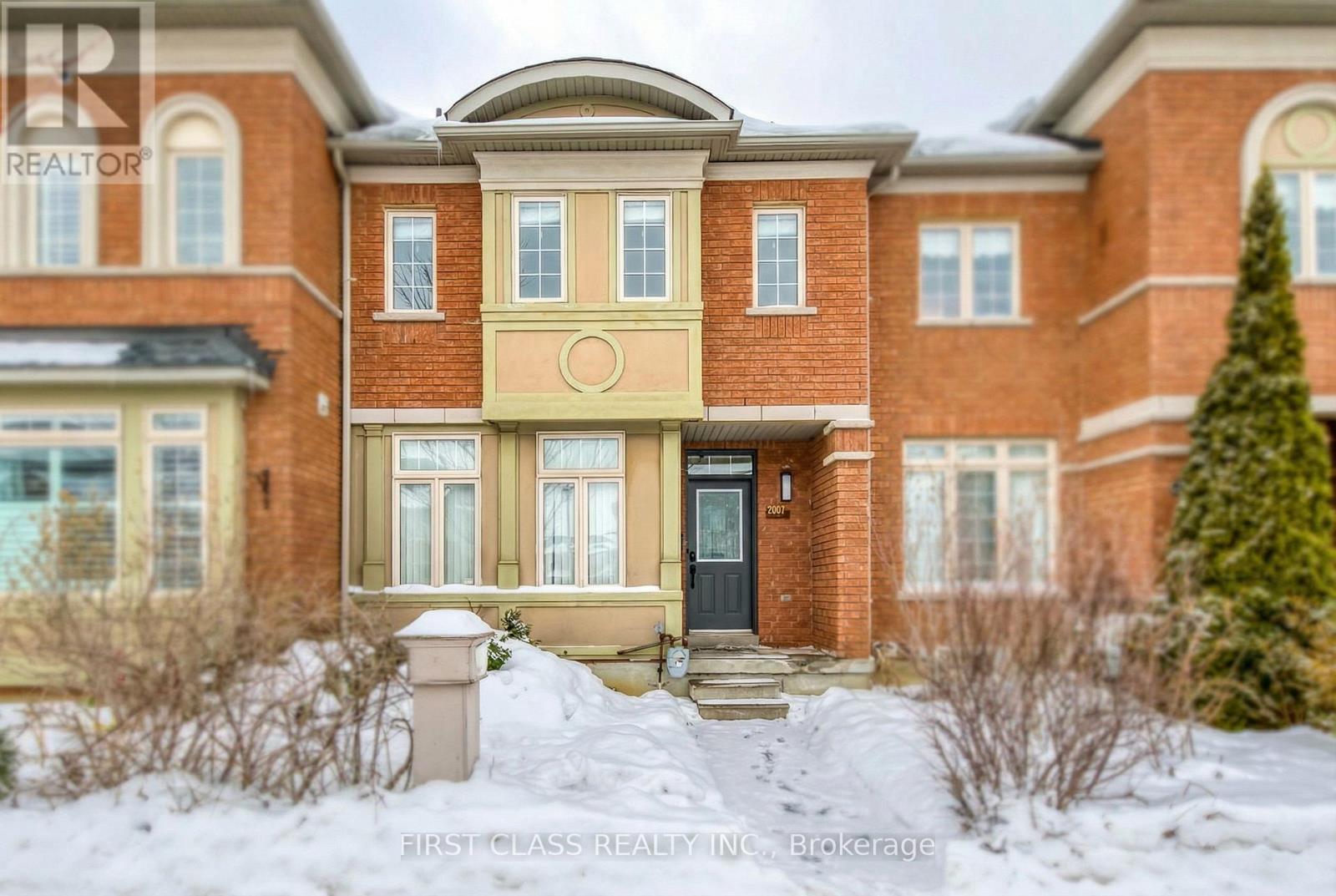
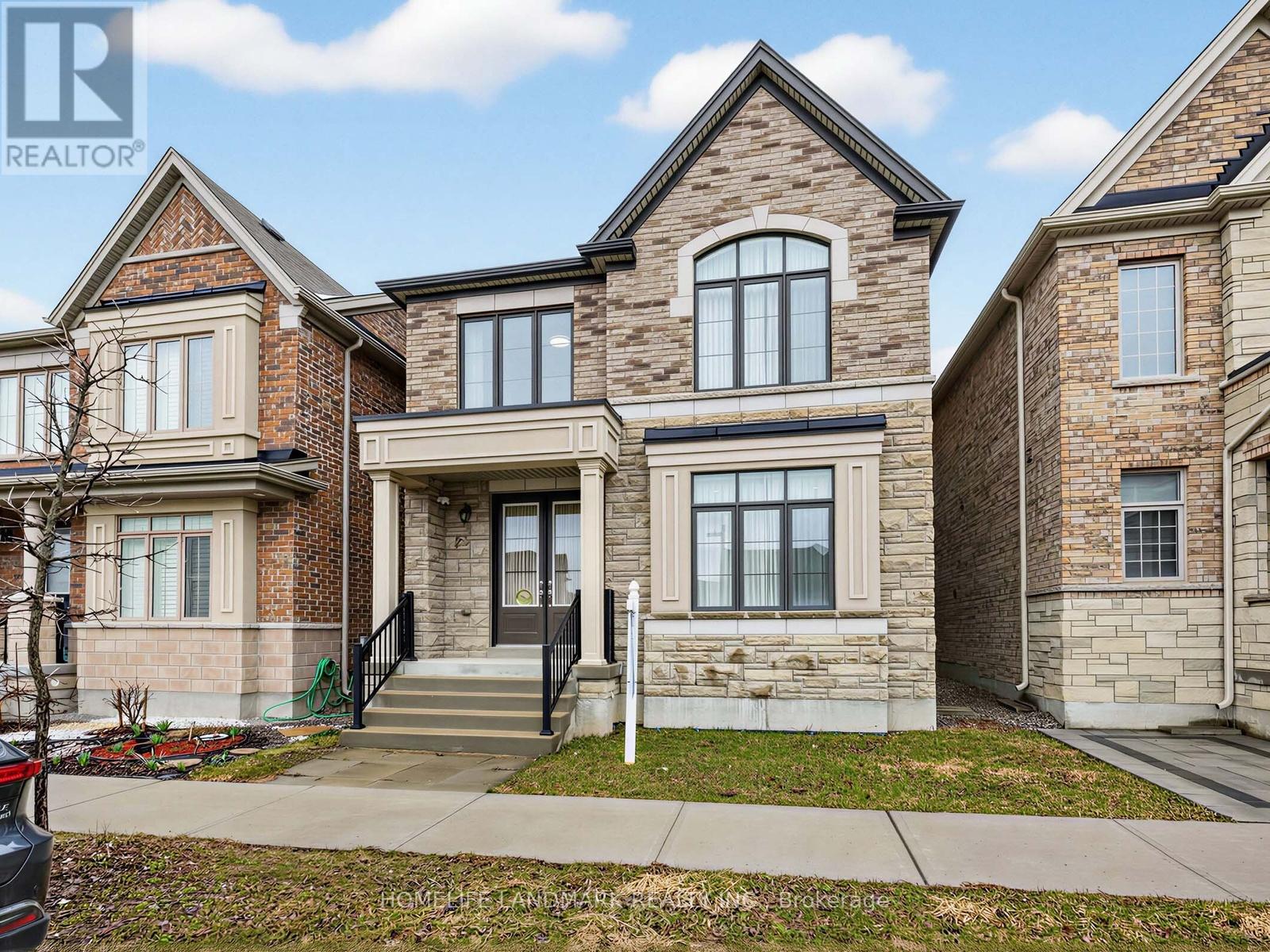
Detached homes in Cornell are available in the $1 million to $1.3 million range for standard models, with some larger or better-located properties approaching $1.5 million. The townhouse and semi-detached supply trades from approximately $800,000 to $1.1 million, providing entry into the family housing format at prices below what is available in Berczy, Wismer, or Angus Glen. Condominiums in the Cornell Centre commercial node and adjacent condominium buildings are available from approximately $600,000 to $800,000, completing a range that covers most buyer profiles.
The condition of Cornell’s housing stock reflects its build period of 1999 through the mid-2010s, making most homes between 10 and 25 years old. Buyers in the earlier-built phases should check the age of mechanical systems, since furnaces and air conditioners from the late 1990s and early 2000s are at or approaching end of service life. The construction quality from this era in Markham is generally solid, and the rear-lane design means that the visible front of Cornell homes tends to be better maintained than conventional suburban fronts because there is no garage to dominate or detract from the presentation.
Cornell’s market behaviour reflects its position as a family-oriented but not prestige-school-catchment community. Demand is steady and consistent, driven primarily by families who have specifically chosen the new urbanist design and by households who are finding that Cornell’s affordability relative to other Markham family communities makes it accessible when other options are not. The neighbourhood saw the same peak-and-correction cycle as the rest of Markham, with prices retreating from their 2022 highs and stabilising in the more accessible range described above.
Cornell has a notably higher proportion of homes selling quickly and above asking than many Markham communities — market data shows roughly 23 percent of homes selling in under 10 days and 12 percent selling above asking, which is above the Markham average. This suggests that well-priced Cornell properties generate genuine competition, despite the neighbourhood’s overall affordability relative to the city. The buyers who are specifically targeting Cornell’s design principles and east Markham location have limited alternatives within the neighbourhood when a property comes to market, creating more concentrated demand for well-presented listings than the neighbourhood’s price level alone would predict.
The townhouse and attached segment in Cornell moves faster than the detached segment because the lower price point attracts a broader buyer pool that includes both families and investors. Rental demand in Cornell is supported by the Markham Stouffville Hospital’s workforce, which creates steady demand for housing close to the hospital. Properties within comfortable walking distance of the hospital tend to rent more easily than those on the neighbourhood’s outskirts, and this rental demand provides a floor under investment property values that is less present in other east Markham communities without the hospital proximity.
Cornell attracts a buyer who has made a conscious design choice. The typical Cornell buyer has compared the new urbanist streetscape with the conventional suburban alternative and prefers the front-porch, narrow-setback, rear-lane model. They value the street activity and the neighbour interaction that the design generates, and they are comfortable with rear-lane garage access. This is not the default Markham buyer; it is a specific buyer who did their research and found that Cornell delivers something that the rest of Markham does not offer.
Healthcare workers at the Markham Stouffville Hospital make up a visible segment of Cornell’s buyer and renter population. The ability to walk or cycle to the hospital rather than dealing with hospital parking is a practical benefit that is consistently cited by healthcare workers who have chosen Cornell. The neighbourhood’s walkability — relatively high by Markham standards — extends to the Cornell Centre commercial node, where a pharmacy, grocery options, and restaurants are within walking distance for most of the residential streets. For healthcare workers accustomed to urban Toronto transit accessibility, Cornell’s walkability to daily needs is a closer approximation to that experience than the car-dependent Markham alternatives.
Families with young children are the other dominant Cornell buyer profile. The safe-street character of the design, with front-porch culture and rear-lane car access reducing the vehicle presence on residential streets, is appealing to parents who want children to have more independently mobile childhoods than the conventional suburban model allows. The community parks and the main street commercial corridor within the neighbourhood create destinations that children can reach without car dependency in a way that is unusual for Markham’s more conventional suburban layout. This family demographic has been consistent since Cornell was established and is the backbone of the neighbourhood’s community identity.
Cornell’s street grid is the defining feature of its physical character and the primary practical expression of the new urbanist design. The grid creates regular blocks with consistent lot frontages, front porches within a few feet of the sidewalk, and rear lanes running behind every block. Navigation within Cornell is intuitive once you understand the grid logic, which is more readable than the curvilinear street layouts of conventional Markham subdivisions. The main street axis of Cornell Centre Boulevard anchors the commercial and institutional facilities at the neighbourhood’s heart.
The streets closest to the Cornell Centre commercial node are the most active, with the most pedestrian traffic and the quickest walking access to the shops and restaurants on the main street. These are the streets that most directly deliver the new urbanist neighbourhood-as-town experience, and they tend to generate the highest demand from buyers who are specifically motivated by Cornell’s design principles. Properties on these streets also have the most visible street activity, which is the point, though buyers who want quieter residential character will find the streets at the neighbourhood’s periphery more to their taste.
The phases of Cornell’s development over the 2000s and 2010s produced some variation in housing style and lot size within the grid. Earlier phases, closest to the Cornell Centre, have the most consistent execution of the new urbanist principles. Later phases, in the northern and eastern parts of the neighbourhood, introduced some variation in design interpretation as different builders applied the planning framework with different degrees of fidelity. Buyers who are specifically drawn to the original Duany Plater-Zyberk design intent should focus their search on the central and early-phase streets rather than assuming that the Cornell label guarantees a consistent design across all streets.
Cornell’s transit access reflects its east Markham location, which sits outside the core GO train corridor that runs through the south and central parts of the city. The nearest GO station is Centennial on the Stouffville line, approximately a 10-to-15-minute drive from most Cornell addresses. The 16th Avenue corridor provides bus connections that link Cornell to the GO station and to the broader Markham transit network. For downtown Toronto commuters, the GO option is functional but requires the drive to the station that most of east Markham requires.
YRT bus service connects Cornell to the Highway 7 corridor where the VIVA rapid transit runs east-west across Markham. The VIVA service is accessible once you reach Highway 7, and the connection from Cornell to Highway 7 transit uses the YRT local network. For residents who work along the Highway 7 employment corridor, this YRT-to-VIVA connection provides a transit option without requiring a car. For residents commuting to downtown Toronto, the combined transit journey is approximately 70 to 90 minutes depending on connections, which is at the longer end of the practical GTA transit commute range.
Highway 407 is accessible from 9th Line south of Cornell, and Highway 7 provides east-west arterial access. The 9th Line/Highway 407 interchange is the primary highway entry point for Cornell residents. Heading downtown by car via Highway 407 east to Highway 404 south to the DVP takes roughly 45 to 60 minutes in off-peak conditions, with the expected congestion extension during peak hours. Cornell’s east Markham location means that it is well-positioned for employment in Markham, the Highway 407 corridor, and eastern York Region, and more distant from the Highway 400 corridor and western GTA employment zones.
Cornell’s parks are integrated into the new urbanist plan in a way that reflects the design philosophy’s preference for distributed, accessible public space over large isolated park campuses. Smaller parkettes and public squares are woven into the block structure, creating green spaces within walking distance of most residential addresses. These distributed public spaces are part of what makes Cornell’s streetscape more pedestrian-friendly than a conventional suburban neighbourhood where parks are large but distant.
Rouge National Urban Park is accessible from the eastern edge of Cornell, which provides longer trail access for residents who want to walk or cycle beyond the neighbourhood boundaries into genuine natural landscape. This is one of Cornell’s more underappreciated assets: the park proximity that is Box Grove’s selling point is also available to Cornell residents, and the trail access from Cornell’s eastern streets provides a quality of natural environment that is unusual for a planned new urbanist community. The combination of the walkable neighbourhood structure and the trail access at the neighbourhood’s edge gives Cornell residents a broader outdoor mobility range than most Markham communities.
The Markham Stouffville Hospital’s campus is adjacent to Cornell and includes some open space that creates a physical green buffer between the hospital facilities and the residential streets. The hospital presence is primarily a daily amenity rather than a recreational green space, but the visual openness of the campus adds to the sense of space along the neighbourhood’s western boundary. For residents who are sensitive to building density and visual enclosure in their neighbourhood environment, the hospital’s relatively open campus footprint provides a contrast to the higher-density development that characterises some other Markham neighbourhood edges.
Cornell Centre Boulevard is the commercial spine of the neighbourhood, built according to the new urbanist model of a main street with street-level retail and upper-floor uses. The commercial node includes a pharmacy, dental and medical offices, restaurants, and a range of daily services accessible on foot from most Cornell residential streets. The main street commercial model works reasonably well in Cornell, with a small but stable collection of businesses that serve the neighbourhood’s daily needs. The selection is limited relative to the major commercial strips on Highway 7 or at Markville Mall, but the walkability is the point: Cornell residents can make a pharmacy run or pick up dinner without getting into a car, which is unusual in Markham.
For a fuller retail experience, the drive to the Highway 7 commercial corridor takes approximately 10 minutes and provides access to the full range of Asian grocery stores, restaurants, and commercial services that Markham’s corridor retail offers. Markham Stouffville Hospital’s commercial facilities along the hospital campus also serve some daily needs for Cornell residents. Pacific Mall is a 20-to-25-minute drive south, providing the specialty Asian retail and electronics that the corridor stores do not carry.
The restaurant concentration within Cornell Centre is limited but includes options representing the neighbourhood’s diverse demographics. For the deeper restaurant variety that Markham is known for, the Highway 7 corridor is the destination. Cornell’s commercial node functions more like a neighbourhood convenience hub than a destination dining district, which is consistent with the new urbanist design intent of supporting walkable daily needs rather than competing with the regional commercial corridors. Buyers who value walkable daily convenience alongside occasional access to the full Markham commercial range will find Cornell’s retail picture adequate and its model distinctive.
The York Region District School Board (YRDSB) schools serving Cornell include Reesor Park Public School at the elementary level, with the specific catchment for any address confirmed at schoollocator.yrdsb.ca. The French Immersion pathway is available within the YRDSB network, and registration for this program should be initiated early, particularly for Junior Kindergarten entry where demand consistently exceeds initial capacity at popular programs. YRDSB elementary schools in the Cornell catchment have benefited from the community’s engaged parent population, and the academic culture within the neighbourhood reflects the broader Markham pattern of high household investment in educational outcomes.
The secondary school serving Cornell is Bill Crothers Secondary School, the YRDSB school with a specialised kinesiology and sports science program. As discussed in the Box Grove guide, Bill Crothers has a specific identity built around elite athletic training and sports science education alongside its academic program. The school has produced a significant number of Canadian Olympians and elite athletes and runs facilities that reflect this focus. For families with children active in competitive sport, the school’s specialisation is a genuine draw. For families whose priority is purely academic preparation, the school also delivers strong university placement rates. The catchment boundary for Cornell should be confirmed using the YRDSB school locator for the specific address, as the secondary boundaries in east Markham can be counterintuitive.
The York Catholic District School Board (YCDSB) serves Cornell with elementary school options and Father Michael McGivney Catholic Academy as the secondary school. YCDSB registration requires a baptismal certificate and involves a separate intake process from YRDSB. The proximity of the Markham Stouffville Hospital to Cornell has contributed to the area’s population diversity, and both school boards in the Cornell catchment serve a student body that reflects Markham’s multicultural demographic profile. Families planning to use the Catholic system should contact YCDSB to confirm the specific elementary school assignment for their Cornell address.
Cornell is largely built out within its current planned boundary, but the lands east and north of the existing community remain subject to longer-term planning consideration as Markham’s urban boundary discussions continue. The provincial growth plan and the City of Markham’s official plan both envision continued urbanisation of the north and east Markham agricultural lands over the next two decades, and Cornell will eventually be embedded within a broader urban fabric rather than sitting at the city’s eastern development edge. As this development occurs, the community infrastructure — schools, parks, commercial services — that currently serves Cornell will serve a larger population, which generally means improved service levels and transit justification.
The Markham Stouffville Hospital campus adjacent to Cornell is undergoing ongoing expansion to serve the growing northeast Markham population. Hospital expansion projects add employment to the immediate area, support the commercial corridor that serves the hospital workforce, and improve the healthcare access for Cornell and surrounding residents. The hospital’s growth trajectory is directly positive for Cornell’s long-term neighbourhood character, since the employment anchor that the hospital represents provides demand stability that is independent of residential market cycles.
Cornell Centre’s commercial node continues to evolve, with new businesses establishing themselves as the neighbourhood’s population base grows and stabilises. The new urbanist commercial model requires a critical mass of residents to support viable main-street retail, and Cornell has been gradually reaching that critical mass over the past decade. The ongoing development of the surrounding east Markham area is bringing more population within practical reach of Cornell Centre, which will improve the business case for the commercial tenants on the main street and potentially attract more diverse retail to the corridor over time.
Q: Why is Cornell more affordable than other Markham family neighbourhoods, and is there a catch?
A: Cornell’s affordability relative to Berczy, Wismer, and Angus Glen comes from three factors: its east Markham location away from the main GO station corridors, its secondary school catchment at Bill Crothers rather than the academic-prestige schools that drive premiums in north Markham, and the higher proportion of townhouses and semi-detached homes in the mix relative to fully detached housing. There is no hidden structural problem with the neighbourhood. The new urbanist design is not a negative that needs explaining away; it is a deliberate choice that some buyers specifically prefer. The construction quality is comparable to Markham’s other planned communities from the same era. The location is functional: you can reach Highway 407, the Stouffville GO line, and the full Markham retail picture within reasonable drive times. The “catch” is simply that if your primary criteria are a traditional suburban detached home with front garage, a premium secondary school catchment, and maximum highway proximity, Cornell is a less optimal match than communities designed with those priorities in mind. For buyers who are specifically seeking what Cornell offers, the affordability relative to the rest of Markham is a straightforward value proposition rather than a warning sign.
Q: Is the new urbanist design of Cornell actually livable, or does it create practical problems?
A: The design is genuinely livable and has been proven so by 25 years of residents who chose it and stayed. The rear-lane garage access requires navigating the lane behind your home for daily vehicle access, which is a change from pulling into a front driveway but becomes unremarkable in practice. Snow removal in the rear lanes is managed by the city. The narrow setbacks and front porches do mean that your immediate neighbours are closer to your front door than in a conventional suburban layout, which creates more street-level interaction — whether this is positive or negative depends entirely on your preference for neighbour interaction. The street grid creates a more readable internal street layout than most Markham subdivisions, and the proximity of the commercial node to most residential streets means that daily errands on foot are genuinely practical in a way that most of Markham does not offer. Buyers who are concerned about whether the design will suit them should walk the Cornell streets on a weekday afternoon and observe whether the environment feels like the right fit, since the design’s character is immediately apparent from the street.
Q: How does hospital proximity affect daily life in Cornell?
A: The Markham Stouffville Hospital’s direct adjacency to Cornell is overwhelmingly positive for daily life. The hospital provides immediate emergency care access, which is a practical consideration that most homebuyers do not factor into neighbourhood selection but that becomes relevant when it matters. The hospital campus supports a range of medical and dental specialist offices in the surrounding commercial area, reducing the need to travel for routine specialist appointments. The hospital’s workforce creates stable demand for Cornell rentals and supports the commercial corridor. The main potential negative — ambulance and emergency vehicle noise from the hospital proximity — is a factor that is less intrusive than buyers sometimes expect, since the hospital has internal traffic management that routes emergency vehicles away from the residential streets rather than through them. Buyers who are specifically noise-sensitive should visit the property they are considering at different times of day to assess the actual sound environment at that specific location rather than applying a blanket assumption about hospital noise.
Q: What are the typical prices for homes in Cornell in 2025, and how does the market feel?
A: Detached homes in Cornell were averaging approximately $934,000 through 2024 into 2025, with individual properties ranging from around $900,000 for a standard-sized detached to $1.4 million or more for larger or well-positioned properties. Townhouses and semi-detached homes are available from approximately $800,000 to $1.1 million. The market feels steady and moderately competitive, with well-priced properties generating reasonable buyer interest and some properties selling above asking in bidding scenarios. The data showing 23 percent of homes selling in under 10 days suggests that well-presented, correctly priced Cornell homes do not sit on the market for extended periods. The broader Markham market correction from the 2022 peak has brought Cornell prices to a level that represents genuine affordability relative to the GTA family home market, and buyer confidence in the neighbourhood is stable. This is not a neighbourhood in distress; it is a neighbourhood that is priced to reflect its specific attributes rather than the prestige premiums of the top Markham communities.
Cornell rewards buyers who approach it with clear priorities and a genuine appreciation for what the new urbanist design delivers. The buyers who are happiest in Cornell are those who chose it deliberately rather than landing there by default. If you are specifically looking for walkable daily needs, a front-porch street culture, and a family-friendly environment with hospital proximity and Rouge park access at the neighbourhood’s edge, Cornell is one of the most distinctive and consistently satisfying choices in Markham.
A buyers agent working in Cornell should be able to speak to the specific phases of the neighbourhood’s development, since the design consistency varies between the earliest streets and the later phases. They should know which streets closest to Cornell Centre deliver the most complete version of the new urbanist walkability, and which peripheral streets have less of the design character that motivated the original Cornell vision. They should also have current knowledge of Bill Crothers Secondary School’s programs and admission process, since this is a school whose character and fit for specific students requires more explanation than a straightforward academic secondary.
The hospital proximity deserves explicit assessment during any Cornell property showing. Walk from the property to the hospital entrance, note the route and the noise level, and form a direct opinion rather than relying on generalised descriptions. The proximity is a major positive for many Cornell residents and a neutral or minimal factor for most others, but it deserves direct assessment rather than assumption.
TorontoProperty.ca covers Cornell and east Markham with current market data. Contact us for an honest comparison of Cornell against Box Grove, Greensborough, and the other east Markham communities you may be considering.
Street-level knowledge is hard to find online. Our team works in Cornell every day. They know which pockets hold value, where the school catchment lines actually fall, and what the market is doing right now. Talk to us before you make a decision about Cornell.
Talk to a local agent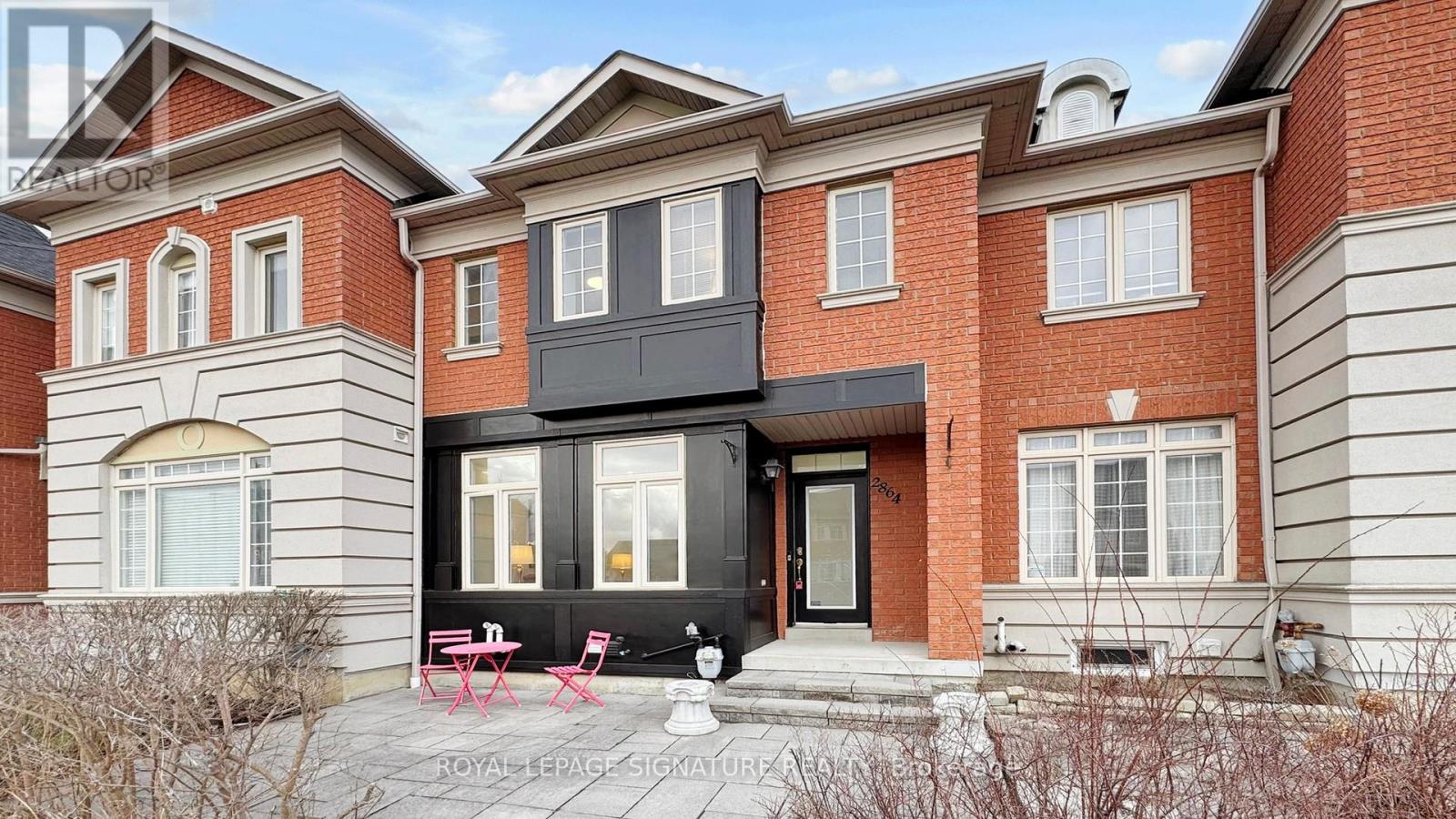 For Sale
 For Sale
 For Sale
 For Rent