
Downtown Whitby is the historic core of the city with heritage commercial and residential buildings, walkable access to Whitby GO Station, and Main Street amenities. It is one of the most walkable addresses in Durham Region.
Downtown Whitby occupies the historic core of the city, centred on Brock Street between the GO station and the waterfront area to the south. It is the oldest settled part of what is now Whitby and retains a built character that reflects its origins as a nineteenth-century county seat. The combination of heritage commercial buildings on the main street, residential streets with genuinely old houses, and proximity to both the GO station and Lake Ontario gives Downtown Whitby a quality of place that most of Durham Region cannot match.
Brock Street North and South form the central commercial axis. The buildings along this corridor include original commercial stock from the late 1800s alongside twentieth-century additions, producing a streetscape with genuine historical depth. The town hall, heritage churches, and older civic buildings give the area a civic presence that newer suburbs entirely lack. For buyers who value the visual quality of an established main street, Downtown Whitby provides it in a form that is authentic rather than manufactured.
Whitby GO Station sits within the Downtown Whitby area, which is the neighbourhood’s most significant locational advantage for commuters. Unlike most of Durham’s residential communities where the GO station requires a drive, Downtown Whitby is one of the few areas in the region where a resident can walk to the GO platform. The walkable GO access changes the commute calculus for buyers who prioritise transit and reduces or eliminates car dependence for the daily Toronto commute.
The residential streets surrounding the commercial core have housing stock that spans from Victorian-era homes to mid-century construction to more recent infill. The mix creates a neighbourhood character that is specific to established Ontario town cores. Heritage buildings that have been maintained or restored are on the same blocks as modest post-war homes. The diversity is part of what gives the area its character and differentiates it from homogeneous suburban neighbourhoods.
Downtown Whitby is not for everyone. The walkable GO access, the heritage character, and the mix of uses require comfort with urban diversity that some suburban buyers do not have. But for buyers who specifically want that quality, it is rare in Durham and competitively priced relative to equivalent heritage town core addresses in communities like Cobourg, Bowmanville, or Oshawa’s downtown.
Downtown Whitby’s housing market is diverse in form and price. Heritage homes from the nineteenth and early twentieth centuries occupy some of the most desirable residential streets and command premiums relative to more standard suburban housing stock. Mid-century detached homes are also present. Condominium inventory exists in buildings near the GO station. The range covers a wider span than most Whitby neighbourhoods.
Heritage detached homes in good or renovated condition were trading in the range of $900,000 to $1.3 million in early 2025 depending on size, condition, and street. Premium heritage properties on the most desirable streets, particularly those with significant lot size and maintained historic detail, can exceed this range. The heritage premium is real but requires a buyer who specifically values character over modernity and who understands heritage renovation costs.
Standard detached homes in the downtown core area outside the premium heritage streets were generally in the $800,000 to $1.0 million range. These are properties that benefit from the GO walkability and central location premium without carrying the heritage-specific premium of the most distinctive homes.
Condominium inventory near the GO station provides access to the transit adjacency at lower entry prices. Units in the downtown area condominiums were trading in the $450,000 to $650,000 range for one-bedroom and one-bedroom-plus-den configurations, reflecting the transit premium that walkable GO access generates.
The GO station adjacency premium in Downtown Whitby is among the most tangible in Durham Region. The difference between a walking distance address and a driving distance address to the GO station is consistently reflected in prices across the market. Buyers who plan to use GO regularly and can secure a walking-distance address should expect to pay for that access relative to comparable properties that require driving to the station.
Downtown Whitby has a more urban and diverse market than most of Durham Region. The mix of heritage home buyers, GO commuter buyers, condo investors targeting the rental market, and buyers who simply want central Whitby at accessible prices creates a broader buyer pool than in any single-purpose residential neighbourhood. This diversity of demand is a market stabiliser because different buyer segments can sustain demand through conditions that would reduce activity in a single-segment market.
The GO commuter rental market is a structural demand driver. Young professionals who work in Toronto and want to live in a walkable GO community without Toronto prices consistently seek out downtown Whitby as a rental destination. Investors who have understood this demand have purchased condominium and smaller detached units in the area with rental tenants in mind. The rental market here performs better than in transit-dependent suburban areas where car ownership is mandatory for all daily activities.
Heritage home buyers in Downtown Whitby are a motivated, knowledgeable segment. They have usually researched heritage Ontario town cores across the region and concluded that Downtown Whitby offers the combination of heritage character, GO access, and proximity to urban amenities that their target communities in the eastern GTA can match at the price. These buyers are committed to the neighbourhood specifically, not to Whitby generically, which means they are willing to pay a premium for the right property when it appears.
The condominium market near the GO station is more investor-influenced than the heritage house market. Investor buyers targeting the rental market make up a meaningful proportion of condo transactions, which means that condo prices in this area are partly set by investment return calculations rather than owner-occupier demand alone. Buyers purchasing condos should review owner-occupier ratios in specific buildings.
Development activity near the GO station will continue to add supply over the coming decade, which is relevant for buyers considering the resale market for new condominium units. The supply addition is worth understanding when underwriting a condo purchase, as it affects both future resale value and rental yield if the unit is to be tenanted.
The GO commuter who wants to walk to the station represents one of the clearest buyer profiles in Downtown Whitby. These are households where at least one earner commutes to downtown Toronto regularly and has decided that eliminating the car portion of the commute is worth paying for. They have compared Downtown Whitby to equivalent walkable GO addresses in Cobourg, Oshawa, and Ajax and concluded that Downtown Whitby offers the best combination of price, character, and commute time for their specific situation.
Heritage home buyers are a distinct and important segment. These buyers appreciate older Ontario architecture and are prepared to manage the specific maintenance requirements of heritage properties. They may have lived in heritage areas of Toronto, Kingston, or smaller Ontario towns before. They are not looking for an old house because it is the only thing available at their price. They are looking for an old house because it is what they want, and they have found that Downtown Whitby offers quality heritage stock at prices below comparable heritage districts in more expensive markets.
Young professionals and couples who are renting in Downtown Whitby before purchasing are a consistent presence. The area attracts renters who value the walkable GO access and the main street character, and some of those renters become buyers when their circumstances allow. This internal conversion from renter to owner-occupier is a demand source that is specific to areas with strong rental demand and good ownership prospects.
Buyers who are making a values-based move away from car dependence, either for environmental reasons or for practical lifestyle preferences, find Downtown Whitby’s walkable GO access genuinely useful. The ability to manage daily commuting without a car, or to be a single-car household, is a quality that very few Durham Region addresses can offer and that buyers who prioritise it are willing to pay for specifically.
Investors targeting the GO rental market are present, as noted. The distinction between investor and owner-occupier buyers matters for community character and neighbourhood stability. The investor segment is more concentrated in the condominium buildings than in the heritage house market, where owner-occupier buyers are dominant.
Downtown Whitby has a genuine urban-scale main street with restaurants, cafes, independent businesses, and civic life that is not replicated anywhere else in Durham Region at the same quality. Brock Street North has the activity of a functioning town centre rather than a commercial strip. The combination of heritage buildings, civic institutions, and local businesses creates a streetscape and lifestyle that buyers who have lived in smaller Ontario cities find familiar and appealing.
The walkable access to the GO station and to the main street amenities means that some daily activities can be completed on foot. For buyers coming from car-dependent suburbs, the ability to walk to the coffee shop, the GO station, and a range of services without getting in a car is a quality that takes some time to fully appreciate. Once it becomes part of the daily routine, residents typically describe it as one of the things they would find most difficult to give up.
The waterfront is accessible by a 10 to 15 minute walk from the main downtown core. Whitby Harbour and Rotary Sunrise Park provide lake access and recreational space. The connection between the downtown core and the waterfront is one of Downtown Whitby’s structural advantages over other Whitby communities where the lake requires a drive.
Community events in downtown Whitby leverage the main street and civic spaces for festivals, markets, and seasonal activities. The historic character of the built environment provides a setting for community events that newer suburban areas cannot replicate. This active use of public space contributes to the urban character of the area and supports the commercial vitality of the main street businesses.
The neighbourhood has a more mixed income and demographic profile than the uniform family suburbs further north. This diversity is consistent with what urban-style neighbourhoods attract and is generally viewed positively by the buyers who choose Downtown Whitby specifically. For buyers who want a homogeneous demographic profile, the established residential areas further north in Whitby are a better fit.
Whitby GO Station is the defining transit amenity and it is genuinely walkable from Downtown Whitby. Most residential addresses in the neighbourhood are within a 10 to 15 minute walk of the GO platform. This walkable access eliminates the car trip, parking cost, and weather exposure that characterise the commute experience for residents of every other Durham neighbourhood. The GO journey to Union Station takes 46 to 59 minutes, giving Downtown Whitby residents a total commute time to downtown Toronto of roughly 55 to 75 minutes.
Highway 401 is accessible via Brock Street heading south and then the 401 on-ramp. The drive from Downtown Whitby to the highway is under 5 minutes. For car commuters heading west toward Toronto or east toward Oshawa, this access is excellent. The combination of GO walkability and highway proximity makes Downtown Whitby unusual among Durham neighbourhoods in the range of commute options it provides.
Durham Region Transit serves the downtown area with routes along Brock Street and connections to the broader network. Bus frequency in this corridor is higher than in suburban residential areas, providing a transit alternative for local trips that reduces car dependence beyond the GO commute. The overall transit experience in Downtown Whitby is more functional than in any other Whitby residential area.
Cycling in Downtown Whitby is practical for daily use in a way that most of Durham’s suburban areas are not. The relatively short distances between destinations, the established street grid, and the growing cycling infrastructure along Brock Street make cycling a realistic option for local trips. Some residents cycle to the GO station from addresses beyond easy walking distance.
The waterfront trail provides cycling access toward Port Whitby and along the lakeshore in both directions. This is a recreational asset as much as a transport route, but it contributes to the active transportation network that makes Downtown Whitby more liveable for car-light households than most of Durham.
The waterfront is Downtown Whitby’s most significant natural amenity. Whitby Harbour, Rotary Sunrise Park, and the Lake Ontario shoreline are accessible within a 10 to 15 minute walk from most of the neighbourhood. The harbour provides water views, boat launch facilities, and waterfront trail access. The lakeshore trail connects westward toward Oshawa and Ajax and provides a recreational corridor that is one of the better features of Whitby’s southern edge.
Iroquois Park, adjacent to the Iroquois Park Sports Centre, provides larger-scale open space and sports facilities within the central Whitby area. The park complex includes ball diamonds, soccer fields, arenas, and passive green space. It is accessible by a short drive or a longer walk from Downtown Whitby and provides programmed recreation options that supplement the waterfront and local parkettes.
Local parks and greenspace within the downtown core itself are limited by the urban density of the area. The civic character of the neighbourhood prioritises built environment over parkland in the way that urban centres typically do. The waterfront compensates for this in ways that matter to residents who use it regularly.
Lynde Creek runs through central Whitby with trail access from some sections of the broader downtown area. The creek corridor provides a linear natural space accessible on foot for residents who use the trail system. It connects to conservation lands to the north and extends the accessible natural trail network beyond what neighbourhood parks alone provide.
The combination of the waterfront trail system and the main street character means that Downtown Whitby residents have access to both the urban and natural outdoor experiences within walking or cycling distance. This dual access is relatively rare in Durham Region and is part of what makes the neighbourhood’s lifestyle offering more varied than purely suburban communities.
Downtown Whitby is served by the DDSB and DCDSB schools in central Whitby. The specific elementary school catchment varies by address within the neighbourhood. Parents should confirm catchment assignments with DDSB for any specific address, as the central Whitby area has multiple elementary schools with boundaries that have been adjusted over time.
Anderson Collegiate and Vocational Institute is the primary DDSB secondary school for central Whitby including the downtown area. Anderson has served Whitby for many decades and has an established academic and vocational program with strong community history. The school is within a reasonable distance from the downtown area and is accessible by transit and cycling for older students.
The DCDSB serves the area through St. John XXIII Catholic School and other Catholic elementary options, with Holy Trinity Catholic High School serving secondary students. Parents committed to the Catholic system should verify catchment assignments with DCDSB directly.
The school-age population density in Downtown Whitby is lower than in family-oriented suburban neighbourhoods. The area’s demographic mix includes more young professionals, renters, and older households than the northern subdivisions. This means that the local schools serve a broader geographic area rather than just the immediate neighbourhood.
Private school options are not within the immediate downtown area but are accessible by a short drive to institutions in Whitby and Ajax. Families committed to private schooling should assess travel logistics from any specific downtown address before purchasing, as a dedicated school drive in both directions can affect the household’s daily schedule significantly.
Downtown Whitby is the area in the city most subject to active development and change. The GO station adjacency makes it the primary target for transit-oriented development, and multiple condominium and mixed-use projects have been approved, are under construction, or are in the planning process. The built environment of Downtown Whitby is changing more rapidly than any other part of the city.
The planned and approved projects near the GO station will add several hundred residential units to the downtown core over the next decade. This densification is intentional, driven by provincial transit-oriented development policies that require municipalities to facilitate high-density housing near GO stations. The increased population and activity will change the character of the area in ways that are positive for some current residents (more services, more economic activity, better transit justification) and disruptive for others (construction noise, increased traffic, changed streetscape).
Heritage preservation is a specific concern in Downtown Whitby. The built heritage along Brock Street and on the residential streets near the core is the neighbourhood’s primary distinguishing asset. Development pressure near the GO station creates tension with heritage preservation where new development sites are adjacent to heritage buildings. Whitby’s heritage register and official plan heritage policies provide some protection, but the outcome depends on how these policies are applied in specific development approvals.
The GO Lakeshore East corridor improvements, including electrification and planned service frequency improvements, would strengthen Downtown Whitby’s transit-oriented value proposition. If and when train frequency increases on this corridor, the value of walkable GO addresses in communities like Downtown Whitby would increase proportionally. Buyers purchasing now are partly buying anticipated improvement in transit service.
The downtown Whitby BIA (Business Improvement Area) has been active in improving the streetscape and supporting local businesses along Brock Street. The commercial health of the main street is a relevant factor for residential value in the surrounding area. A thriving main street supports the walkable amenity that makes Downtown Whitby attractive. A declining commercial street would reduce the neighbourhood’s distinctive quality. The trajectory of the main street is worth monitoring as a leading indicator of neighbourhood health.
Whitby was incorporated as a town in 1855 and served as the county seat of Ontario County until Durham Region was created in 1974. The downtown core reflects this history. The town hall, court buildings, and associated civic infrastructure that accumulated over more than a century of county seat status give Downtown Whitby a civic presence that most comparable Durham communities do not have. The heritage buildings along Brock Street represent continuous commercial and civic activity over more than 150 years.
The location of Whitby as a county seat made it a more substantial commercial centre than many small Ontario towns of comparable population. Legal professionals, government offices, merchants, and the services that catered to a county-level administrative centre concentrated here. The built legacy of that commercial and civic activity is visible in the scale and quality of the heritage buildings that survive on Brock Street.
The GO corridor through Whitby has roots in the Grand Trunk Railway and Canadian National Railway history that predates the commuter rail service. The railway connection to Toronto was a factor in Whitby’s commercial development in the nineteenth and early twentieth centuries, supporting the movement of goods and people that a functioning regional centre required. The current GO transit service is the contemporary form of a long-standing transportation relationship between Whitby and Toronto.
The waterfront area south of downtown has its own history as a harbour and shipping point on Lake Ontario. Whitby Harbour was a working harbour in the nineteenth century, handling agricultural goods from the surrounding countryside. The transition from working harbour to recreational waterfront is a change that many Lake Ontario communities have undergone, and it is this transition that produced the parks and amenities that current downtown residents enjoy.
The establishment of Durham Region in 1974 ended Whitby’s status as a county seat and changed its administrative role. The Ontario County records and many associated institutions moved or changed form. But the built heritage of the county seat era remained, giving Downtown Whitby a physical character shaped by a role it no longer formally plays but has not forgotten.
Q: Is Downtown Whitby actually walkable to the GO station?
A: Most residential addresses in Downtown Whitby are within a 10 to 15 minute walk of Whitby GO Station. The platform entrance on Brock Street South is the reference point. Addresses within four to five blocks of this point on either side of Brock Street are genuinely walkable to the GO platform without requiring special effort. Before purchasing, walk the specific route from the property to the platform to confirm the distance and conditions. Walking along Brock Street South is straightforward. Properties on streets east or west of Brock Street may require a longer walk depending on the specific location. An agent familiar with the neighbourhood can confirm the practical walking distance from any specific address.
Q: What should I know about buying a heritage home in Downtown Whitby?
A: Heritage homes in Downtown Whitby range from properties on Whitby’s formal heritage register, which carry specific protections and restrictions, to older homes that have heritage character but are not formally designated. Before purchasing an older home in the area, ask whether it is on the municipal heritage register and what protections apply. Designated heritage properties require permits for alterations to character-defining features and may have restrictions on demolition or major structural changes. All heritage properties require maintenance approaches appropriate to older construction materials. Insurance for heritage homes may have different requirements than standard insurance. A home inspection for a heritage property should be conducted by an inspector with specific experience in older construction who can assess the building accurately against its age rather than against modern standards.
Q: What is the rental market like in Downtown Whitby?
A: Downtown Whitby has a stronger rental market than most of Durham Region because of the walkable GO access. Two-bedroom rentals in the area were achieving $2,200 to $2,800 per month in early 2025 depending on the property type and condition. One-bedroom units in condominium buildings near the station were achieving $1,800 to $2,200. The rental market serves GO commuters who work in Toronto and want to minimise car dependence, as well as Whitby-employed renters who prefer the main street character. Vacancy rates in this area are lower than in suburban rental markets, reflecting the specific demand for walkable GO access that Downtown Whitby provides and that few other Durham addresses can match.
Q: How much development is happening near the GO station and how will it affect the neighbourhood?
A: Several condominium and mixed-use projects are approved or under construction near Whitby GO Station. The scale of development will add several hundred units to the immediate station area over the next 5 to 10 years. For current residents, this means construction activity, increased traffic during and after construction, and a denser built environment than currently exists near the station. For buyers purchasing now with a long-term view, the additional development is likely to support more services, better retail, and stronger transit justification on this corridor, which are positive factors for property values. Buyers who specifically prefer the current lower-density character should be aware that it will change and should confirm the specific development applications for properties near their target address.
Downtown Whitby requires an agent with specific knowledge of the area rather than general Whitby expertise. The heritage property market, the transit premium analysis, and the development context near the GO station are all specific to this neighbourhood and require familiarity that does not come from general suburban Whitby experience. An agent who primarily works in Whitby’s northern subdivisions will not have the depth of knowledge needed to advise accurately on a heritage home purchase or on the investment implications of GO-adjacent condo buying.
Heritage property due diligence requires specific steps. Confirm heritage register status. Review any designation by-laws that apply to the property. Assess the maintenance history for heritage-appropriate repairs. Have a home inspector experienced in older construction review the property. Understand what alterations have been made and whether they were permitted under the heritage designation. These steps are not optional for heritage properties and should be included in the conditions of any offer.
The development context near the GO station is best assessed with access to Whitby’s planning portal and knowledge of how to read development applications. Buyers purchasing near the station should understand what has been approved and what is under application in the blocks surrounding their target property. An agent who can pull this information and interpret it accurately is providing information that materially affects the offer price and conditions.
GO commuter rental market analysis for investor buyers requires specific knowledge of the units and buildings that perform best in this market. Not all of the condominium inventory in Downtown Whitby generates comparable rental yields. Building quality, unit configuration, proximity to the station entrance, and whether the building has parking and storage that renters want all affect rental performance. An agent who can guide an investor buyer to the units most likely to perform well in the rental market is providing investment-specific guidance that a general Whitby agent may not have.
Buyers comparing Downtown Whitby to Port Whitby or to other GO-walkable communities in Durham benefit from an agent who can make the comparison explicitly. Port Whitby offers a different version of waterfront proximity and GO access. Downtown Oshawa offers a comparable historic character. The differences in price, character, and commute implication between these options are meaningful, and an agent who can articulate them clearly helps buyers make a decision they are confident in rather than one driven by uncertainty about what they might be missing elsewhere.
Street-level knowledge is hard to find online. Our team works in Crosby every day. They know which pockets hold value, where the school catchment lines actually fall, and what the market is doing right now. Talk to us before you make a decision about Crosby.
Talk to a local agent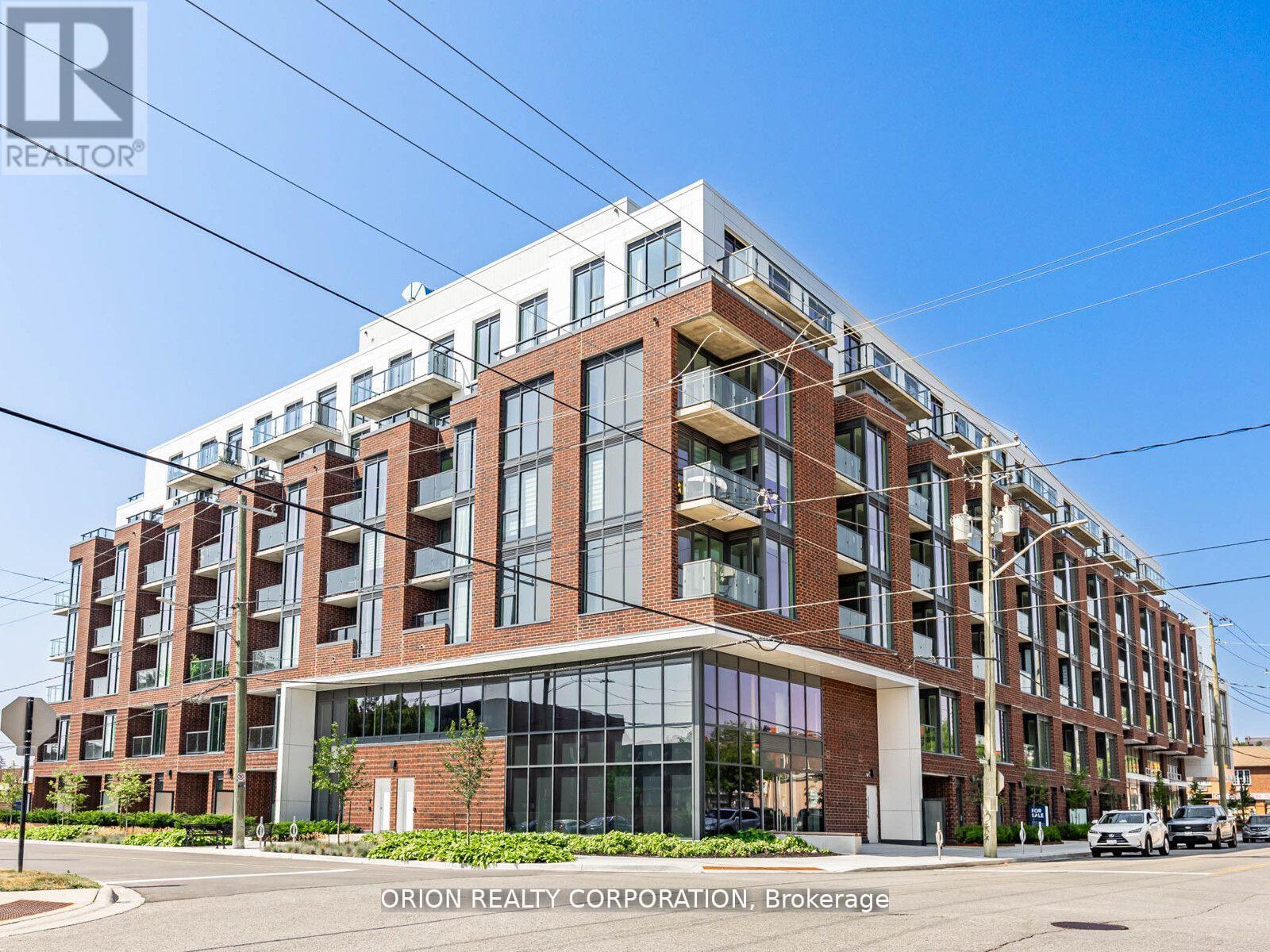 For Sale
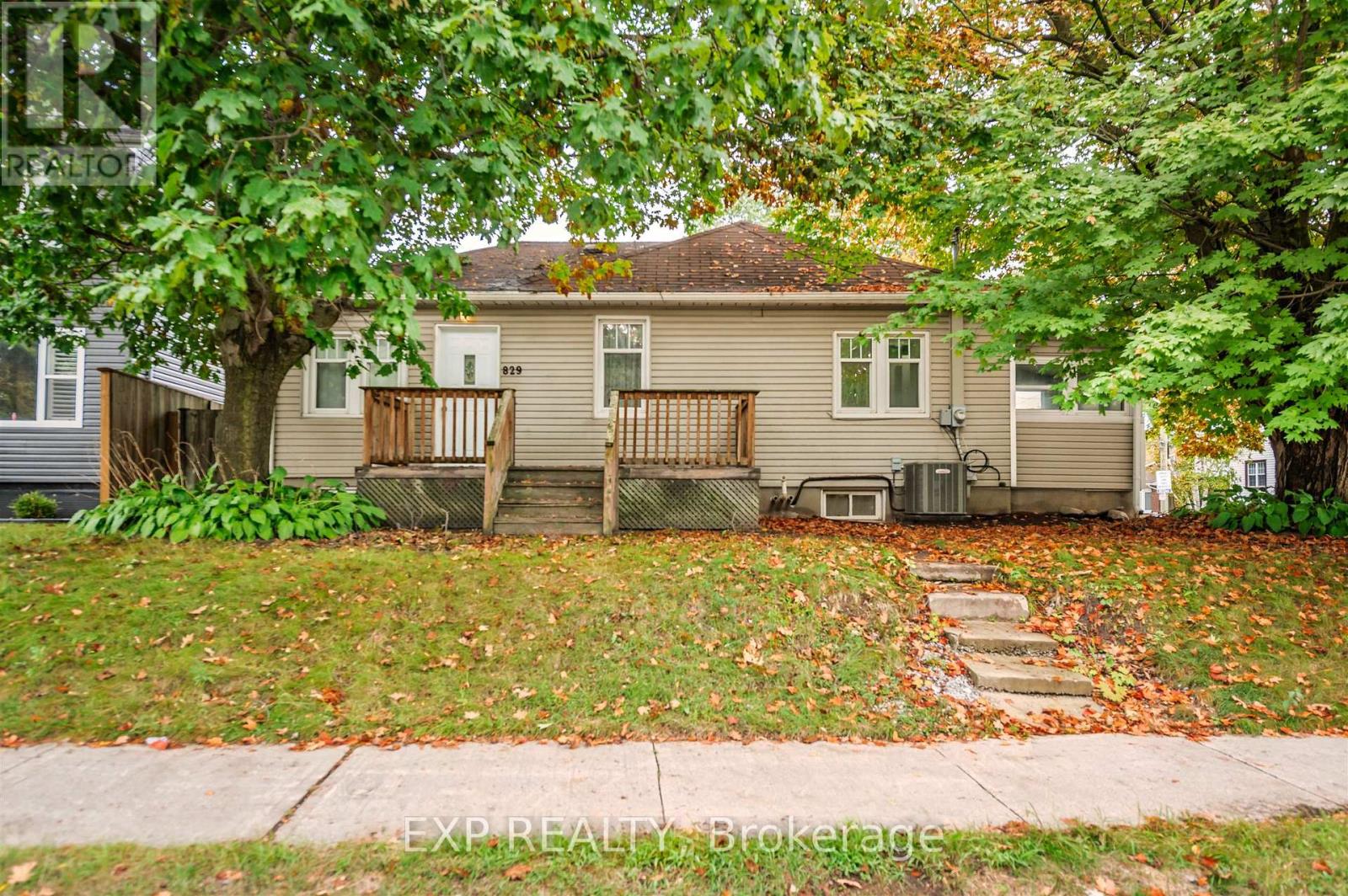 For Sale
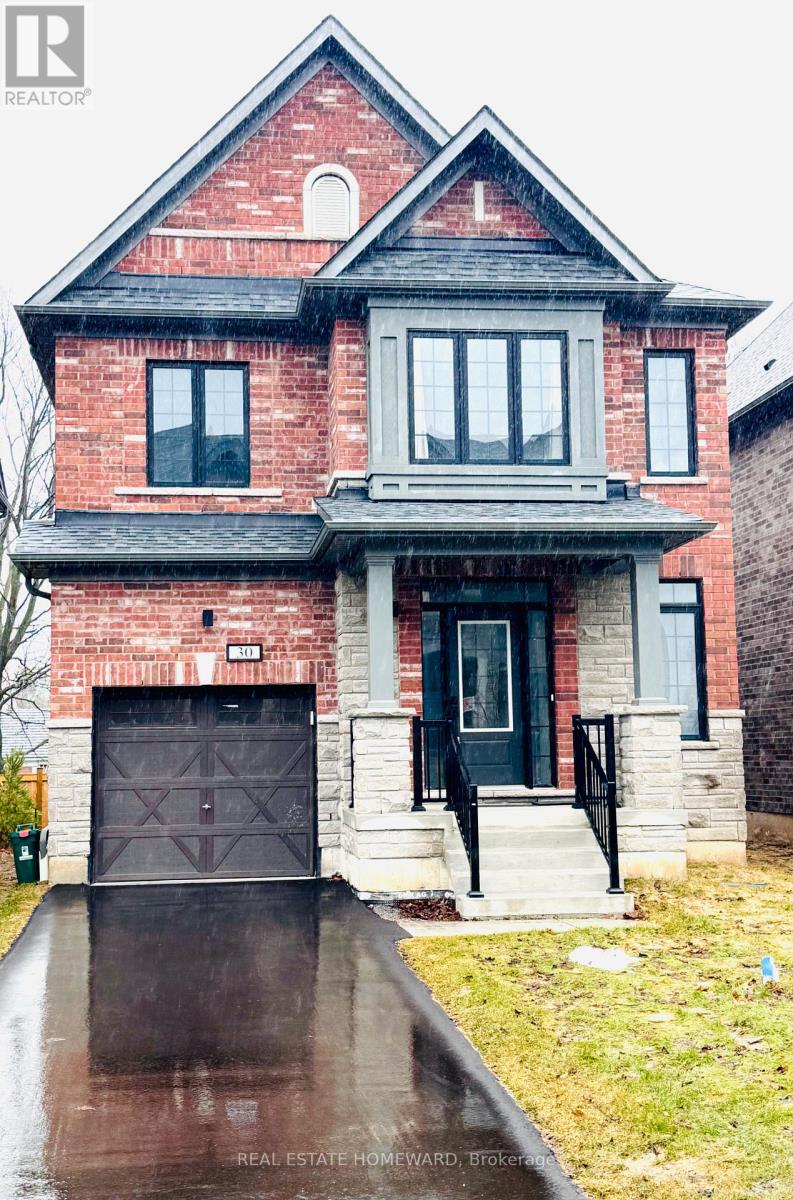 For Sale
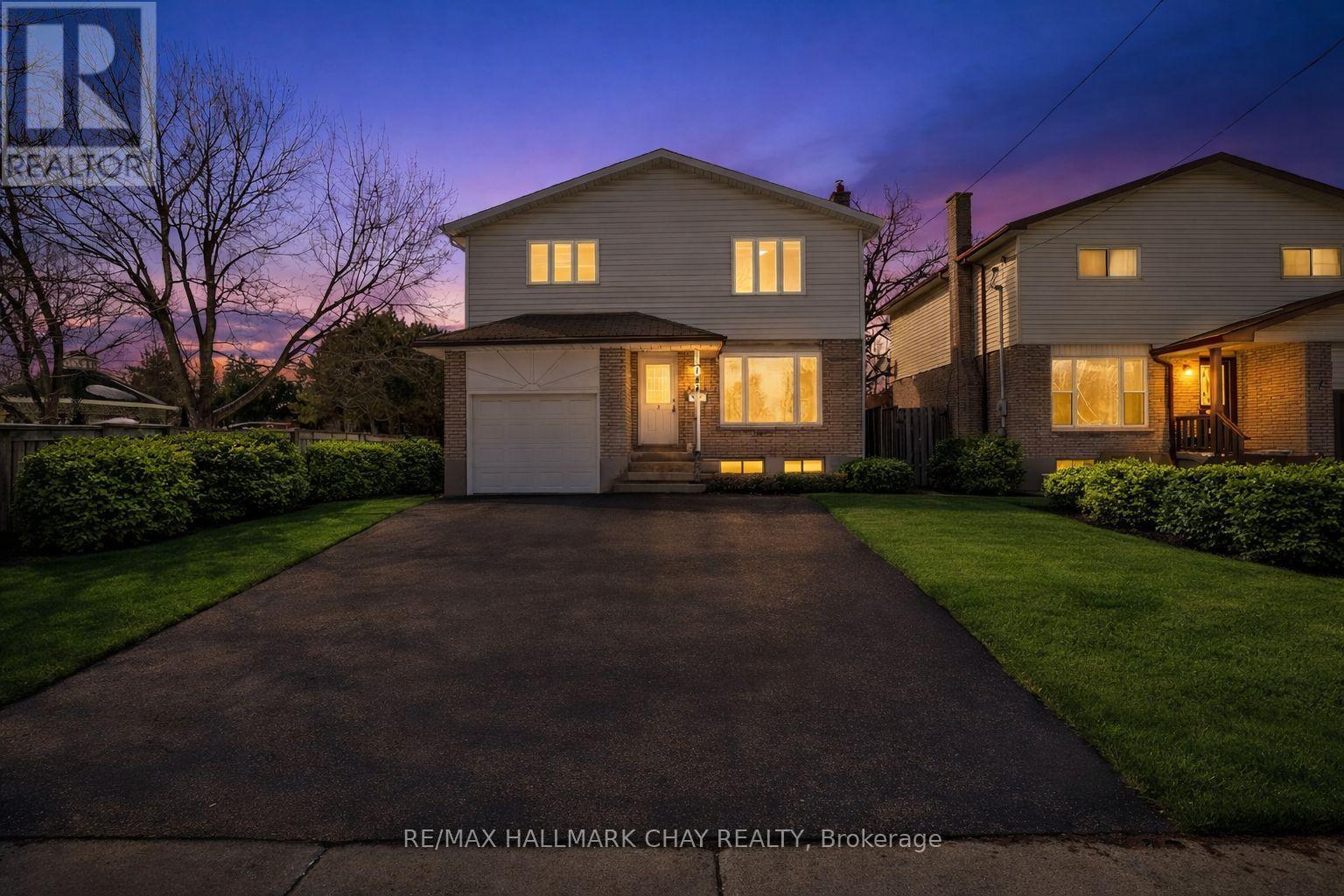 For Sale