
Lynde Creek is a central Whitby neighbourhood named for the creek that runs through it, offering trail access and natural character in an established residential setting near Brock Street.
Lynde Creek is a mid-Whitby residential neighbourhood named for the creek that runs through it and defines its most distinctive feature. The creek corridor, managed in part by the Central Lake Ontario Conservation Authority, provides natural green space within the neighbourhood that is genuinely integrated into residential life rather than existing at the urban edge. Streets back onto the creek valley, trail access is close for most residents, and the natural character of the corridor gives the neighbourhood a quality that nearby communities without creek access do not have.
The neighbourhood sits in central Whitby, roughly bounded by Dundas Street to the north, Brock Street to the west, and extending east. It is an established residential area with housing built primarily in the 1970s through the 1990s, with some older stock near the creek corridor and newer sections at the edges. The lot sizes reflect the period of construction and are generally larger than in post-2000 subdivisions, which is a consistent advantage the neighbourhood offers over newer Whitby communities.
Whitby GO Station is accessible within 10 to 15 minutes by car from most of the neighbourhood, or by bus along Brock Street and Dundas Street. This access makes Lynde Creek workable for regular GO commuters who are willing to drive to the station as part of their daily routine. The commute is not as effortless as in Downtown Whitby, but it is shorter and more practical than from northern Whitby communities.
The neighbourhood attracts buyers who want the combination of the creek corridor, established residential character, and central Whitby location. It is not a premium destination in the way that waterfront communities can be, but it provides a specific natural amenity within an accessible price range that makes it a consistent choice for buyers who value that combination.
Lynde Creek competes in the Whitby market with Blue Grass Meadows, Pringle Creek, and other established central communities. Its distinguishing feature is the creek access. Buyers who prioritise that specific quality over other variables tend to land here after comparing the options available in the central Whitby price range.
Lynde Creek sits in the mid-range of the Whitby detached market. Homes in the neighbourhood were trading between $860,000 and $1.05 million in early 2025, depending on lot size, creek proximity, renovation level, and exact street. Properties that back onto the creek corridor or have direct trail access from the yard carry a modest premium over interior street properties of comparable size and condition.
The creek-backing premium is real but modest. Unlike waterfront properties where the view and access premium can be very large, the creek backing in Lynde Creek adds perhaps $50,000 to $100,000 relative to equivalent interior properties. The creek is a natural amenity rather than a prestige feature, and its premium reflects that distinction.
Bungalows on larger lots represent renovation opportunities at prices below the neighbourhood average. The older sections near the creek corridor have some of the more interesting older housing stock with larger lots. These properties attract buyers who want the renovation opportunity in a well-located Whitby neighbourhood rather than pursuing renovation projects in less central communities.
Semi-detached homes provide an entry point below the detached range, typically in the $720,000 to $850,000 range. The semi-detached inventory in Lynde Creek is appropriate for buyers who want the neighbourhood’s character at a lower price point than the full detached market requires.
Relative to comparable communities in Ajax and Pickering, Lynde Creek pricing is competitive. The creek amenity at this price level is difficult to replicate in either of those communities at comparable prices. Buyers who are comparing Whitby broadly to other Durham communities find that Lynde Creek’s creek access provides a specific differentiating value.
Lynde Creek has a stable, demand-consistent market. The creek corridor adds a specific natural amenity that creates a focused buyer pool. Families and established buyers who have specifically identified creek access as a priority form the demand base and provide consistent pressure on limited inventory of creek-adjacent properties.
Inventory turnover in Lynde Creek is moderate. The creek-backing properties in particular have low turnover because the residents who chose the neighbourhood for that access are reluctant to give it up. Properties with direct creek access sell quickly when they appear and generate competition that reflects their scarcity.
The market for interior street properties in the neighbourhood follows the broader Whitby established community pattern: stable demand from families and established buyers, moderate turnover, spring peak activity, and prices that track the regional average without outperforming it. This is healthy, reliable market behaviour without the volatility of more speculative environments.
Investors are not a significant presence. The price range is above what rental investors typically target for yield in Durham Region. The neighbourhood is an owner-occupier community where the primary motivation for purchase is living there, not generating rental income. This owner-occupier base provides stability through market cycles.
The renovation segment is active. The older housing stock near the creek corridor attracts buyers who see renovation potential in well-located but dated properties. These buyers are paying for the location and the lot while accepting the renovation cost of updating aging systems and finishes. As long as the total cost of purchase plus renovation remains below what a turnkey property would cost, this strategy is rational and consistent with the neighbourhood’s value proposition.
Families who have identified the creek corridor as a priority are the most specifically motivated buyer segment. They have looked at Whitby’s central neighbourhoods and decided that the natural access that Lynde Creek provides is worth prioritising over other variables. These buyers are prepared to accept older housing stock and invest in renovation in exchange for a creek-adjacent property. They are not defaulting to the neighbourhood; they have chosen it for specific reasons.
First-time buyers accessing the Whitby detached market at prices below the more premium areas are also present. The neighbourhood provides genuine detached housing with the creek amenity at prices that are accessible on a dual-income household budget that cannot yet stretch to the waterfront or heritage premium properties. For this buyer, Lynde Creek represents good value with a specific natural quality that makes the purchase feel like more than a compromise.
Move-up buyers from smaller homes within Whitby or from Ajax and Oshawa are a consistent segment. They have been in Durham for a first purchase and have established that Lynde Creek offers the combination of natural access, established character, and central Whitby location that they want for their next home. This internal Durham demand is a consistent market underpinning.
Buyers relocating from Toronto who want a natural creek-corridor setting at Durham prices compare Lynde Creek to the creek-adjacent neighbourhoods in Toronto and the inner suburbs and find the price difference compelling. The Lynde Creek corridor provides a quality of natural access that requires expensive Toronto-area locations or long commutes from more rural settings to replicate elsewhere.
Renovation buyers are attracted by the combination of creek-adjacent location and affordable original-condition properties. The creek is the fixed value that the renovation buyer is purchasing. The renovation investment upgrades the house around a location that is worth having regardless of the current condition of the structure on it.
The creek is the central lifestyle feature for residents who use it. Trail access along the Lynde Creek corridor provides a natural walking and cycling route through the neighbourhood and into the broader trail system that connects to conservation lands to the north. Residents with dogs, children, or a consistent outdoor routine find that the creek trail becomes integrated into daily life in a way that makes the neighbourhood genuinely distinctive from those without it.
The neighbourhood has the settled character of an established family community. Schools have active parent communities. Local parks are used regularly. The social infrastructure of a stable residential area is present and functioning without being exceptional. It is a place where people live well and quietly rather than one that generates headline activities or destination status.
Commercial services are accessible along Dundas Street and Brock Street within a 5 to 10 minute drive. The full range of Whitby services, including the Whitby Mall and various commercial strips on Dundas Street East, are accessible without significant inconvenience. This central Whitby location provides better service access than northern communities while maintaining a quieter residential character than the immediate downtown area.
The GO station is accessible by car in 10 to 15 minutes, which makes Toronto commuting manageable for regular GO users. The drive is short enough that it does not feel like a major burden, and most residents who commute by GO do so routinely without treating the drive as a significant obstacle.
Community identity in Lynde Creek is shaped by the creek rather than by a specific civic tradition or event. Residents who use the trail know each other from those encounters. The creek is a community space in the practical sense rather than a programmed amenity, and the social connections it generates are informal and persistent.
Whitby GO Station is approximately 10 to 15 minutes by car from Lynde Creek via Brock Street heading south to the station. Durham Region Transit bus routes along Brock Street and Dundas Street provide connections to the station for residents who prefer transit for the local portion of their commute. The GO journey from Whitby to Union Station takes 46 to 59 minutes, making total door-to-door time to downtown Toronto approximately 60 to 75 minutes for Lynde Creek residents.
Highway 401 access is available via Brock Street heading south. The drive from Lynde Creek to the highway on-ramp takes under 10 minutes. This access supports car commuting to employment along the 401 corridor and provides route flexibility for residents whose employment is not well-served by the GO line.
Highway 412 (Whitby bypass) provides connection to Highway 407 east, which serves Markham and the York Region employment corridor. Residents with employment along the 407 corridor can access it from Whitby without using the 401. The combination of 401 and 407 access from central Whitby gives commuters useful route flexibility.
Cycling along the Lynde Creek trail is a pleasant and car-free option for trail access and local neighbourhood use. Cycling to the GO station is possible along Brock Street and takes approximately 15 to 20 minutes in suitable conditions. Some residents commute by cycling to local employment in Whitby without needing a car for their entire daily routine, though this applies to a minority with convenient employment locations.
Car ownership is the practical assumption for most daily needs in Lynde Creek. The neighbourhood is car-dependent for grocery shopping, medical appointments, and most errands. The transit connections are adequate for the GO commute but do not substitute for a car in daily life. This is consistent with most established Durham residential communities.
The Lynde Creek corridor is the neighbourhood’s primary green space and its most important natural feature. The creek runs through the neighbourhood with CLOCA-managed trail access, providing a natural walking and cycling route through the landscape. The trail connects northward toward the Heber Down Conservation Area and provides a continuous natural corridor that extends well beyond the immediate neighbourhood.
The creek corridor supports wildlife including birds, small mammals, and fish. The natural vegetation along the banks provides ecological continuity that benefits both residents who observe it and the broader natural heritage of the watershed. This ecological character distinguishes the creek corridor from the managed parkland of conventional neighbourhood parks.
Neighbourhood parks within Lynde Creek provide standard recreational amenities: playgrounds, open space, and passive park functions. These serve the immediate daily-use needs of families with younger children and supplement the creek corridor as a recreational resource. They are appropriately scaled for the neighbourhood without being exceptional.
The Iroquois Park Sports Centre is accessible within 10 minutes by car and provides arena, fitness, and programmed sports facilities. The outdoor sports fields at Iroquois Park serve sports associations that serve Lynde Creek residents. These facilities are shared across central Whitby rather than being neighbourhood-specific, but their proximity from Lynde Creek makes them a practical resource.
Whitby’s waterfront parks are accessible within 10 to 15 minutes by car. The Lake Ontario shoreline provides a different outdoor experience from the creek corridor, and the two together give Lynde Creek residents access to both a natural inland waterway and the lake without either being very far away. This combination of natural access is a genuine amenity advantage over comparable-priced communities that have neither.
Lynde Creek is served by DDSB schools in central Whitby. The specific elementary school depends on the address within the neighbourhood. Buyers should confirm catchment assignments with DDSB before purchasing, as central Whitby has multiple elementary schools and catchment lines have been adjusted over time. Anderson Collegiate and Vocational Institute is the primary DDSB secondary school for the central Whitby area including Lynde Creek.
The school community in Lynde Creek reflects the established family character of the neighbourhood. Elementary schools have active parent communities and consistent enrollment. Secondary school students benefit from Anderson’s comprehensive program, which has served central Whitby for many decades with consistent academic and vocational offerings.
DCDSB Catholic schools serve the area through the appropriate elementary and secondary schools for the central Whitby catchment. Parents should contact DCDSB to confirm current catchment assignments for any specific address and to understand transportation arrangements.
French immersion is available within DDSB in Whitby. The program may be offered at a designated school that differs from the neighbourhood catchment school, potentially requiring a drive or bus connection. Parents interested in French immersion should confirm program logistics with DDSB before purchasing.
The proximity of the creek trail to school routes is a practical benefit for families with older children who walk or cycle to school. The trail provides a car-free route to some school destinations that avoids arterial road traffic. This is not a major decision factor, but for families who value active transportation for school-age children, it is a quality the neighbourhood provides that many comparable communities do not.
Lynde Creek is a mature neighbourhood without significant development pressure within its established residential area. The creek corridor is protected from development by CLOCA’s conservation authority jurisdiction, which means the natural buffer that defines the neighbourhood’s character is secure. Future change within the neighbourhood will be gradual and incremental rather than large-scale.
The broader central Whitby area is subject to intensification along the Dundas Street and Brock Street corridors. New commercial and mixed-use buildings on these arterials add density and services to the area around Lynde Creek without directly affecting the residential streets. This commercial evolution is generally positive for residents through improved service access.
The creek corridor itself is subject to ongoing CLOCA stewardship and ecological management. Stream bank restoration, invasive species management, and trail maintenance are ongoing activities in the corridor that preserve and sometimes improve the quality of the natural space. The long-term trajectory of the creek corridor quality depends on continued conservation investment, but CLOCA’s active management of the watershed suggests that the current quality will be maintained.
Housing age is the primary internal change driver. As homes from the 1970s through 1990s reach the age of major renovation or replacement, the neighbourhood will continue its gradual evolution. Properties that have been well-maintained will continue to perform well. Original-condition homes will either be renovated by new buyers or replaced by buyers who want new construction on well-located lots.
The planned growth of Whitby to the north does not directly affect Lynde Creek but contributes to the municipal investment and service base that benefits all Whitby communities. As the city grows and its tax base expands, the ability to maintain infrastructure and community services in established neighbourhoods is supported by the fiscal capacity that growth generates.
Lynde Creek as a community name reflects the creek that has been a geographic and ecological feature of this part of Durham for as long as there has been European settlement of the area. The creek was named for the Lynde family, early settlers in Whitby Township who were among the first European landowners in the area. Henry Lynde, a prominent early settler and landowner, gave his name to the creek that ran through his land in the late eighteenth and early nineteenth centuries.
The watershed area drained by Lynde Creek was agricultural land throughout the nineteenth century. The creek itself was used for mill power in the early settlement period, with the water rights along its course valued as energy sources in an era before mechanised power generation. The mills that operated along its tributaries formed small clusters of activity that were precursors to the communities that developed in the area.
The residential development of the Lynde Creek neighbourhood occurred primarily from the 1970s onward, as Whitby’s suburban growth extended through the agricultural land between the historic downtown core and the expanding northern areas. The creek corridor was preserved in part through the conservation authority framework that was established in Ontario in the mid-twentieth century to protect watershed lands from development.
The CLOCA management of the Lynde Creek watershed has maintained the ecological character of the corridor through the suburban development that surrounded it. Trail construction and ongoing stewardship have made the corridor accessible as a public amenity while preserving its natural character. This balance of public access and ecological management is the model that has made the creek corridor a positive community asset rather than a neglected or degraded natural remnant.
The neighbourhood’s identity has been shaped by the creek in a way that is unusual for a suburban Durham community. Most residential neighbourhoods in Durham Region do not have a natural feature that is this integrated into the community’s physical and social life. The creek gives Lynde Creek a geographic identity that residents can point to and describe in terms that go beyond the standard subdivision placename.
Q: Is the creek trail accessible year-round?
A: The Lynde Creek trail is accessible year-round, though conditions vary seasonally. Summer and fall provide the most pleasant trail conditions. Winter trail use is possible but sections may be muddy or icy depending on conditions. CLOCA maintains portions of the trail corridor, and trail conditions are generally adequate for year-round walking in appropriate footwear. Cycling on the trail is seasonal and most practical in drier months. For properties that back onto the creek corridor, the seasonal variation in the trail experience is worth understanding before purchasing, particularly if year-round trail use is central to the purchase motivation.
Q: What are CLOCA restrictions on properties near the creek?
A: Properties that are adjacent to or near the Lynde Creek corridor may fall within CLOCA’s regulated area, which affects what can be built or altered near the watercourse. Work within a regulated area typically requires a CLOCA permit, which applies to structures, grading, and vegetation removal near the creek bank. The specific regulated boundary varies by property. Before purchasing any property in or adjacent to the creek corridor, buyers should request CLOCA mapping for the specific address and review any applicable permit requirements. This is standard due diligence for creek-adjacent properties throughout the Greater Toronto Area and should not be treated as an unusual concern, but it should be completed before writing an offer.
Q: How does Lynde Creek compare to Pringle Creek for buyers choosing between them?
A: Lynde Creek and Pringle Creek are both established central Whitby neighbourhoods with creek corridor access. Lynde Creek is generally positioned slightly further west and has somewhat more established housing stock from the 1970s and 1980s. Pringle Creek is a slightly newer community with housing from the 1980s through 2000s. Both offer creek trail access within the neighbourhood. Price differences between equivalent properties in the two communities are modest. The practical comparison should focus on the specific street, lot, and school catchment for any individual property rather than neighbourhood-level differences, which are not dramatic. Buyers who are deciding between the two should look at specific available properties in each neighbourhood and assess the walking distance to the creek trail from each one.
Q: What is the average detached home price in Lynde Creek compared to five years ago?
A: Detached homes in Lynde Creek that are trading at $860,000 to $1.05 million in early 2025 would have been priced roughly 30 to 40 percent lower in 2020, consistent with the broader Durham Region price trajectory over that period. The Durham Region market peaked in early 2022 and corrected through 2022 and 2023 before stabilising. Current pricing reflects the post-correction level, which is above 2020 prices but below the 2022 peak for most property types. Buyers purchasing at current prices are entering at a level that is neither the historical peak nor the historical trough. The long-term outlook for central Whitby established communities is supported by the city’s growth trajectory and the limited supply of creek-adjacent properties in the area.
Creek-adjacent properties in Lynde Creek require specific due diligence support that a general Whitby agent may not provide automatically. CLOCA regulatory area review, creek setback confirmation, and assessment of any permitted or unpermitted structures near the creek bank are all checks that should be done before writing an offer on a creek-adjacent property. An agent who has worked specifically in this neighbourhood will incorporate these checks as routine rather than reactive.
The creek-backing premium requires careful comparable analysis. The premium over interior properties is real but the range is wide depending on the specific extent and quality of creek access. An agent who can identify the relevant creek-backing comparables and adjust for the specific quality of access at a target property provides pricing accuracy that a general neighbourhood average cannot. The difference between a property with direct trail access from the rear yard and one with a view of the creek through trees on an adjacent property is meaningful and should be reflected in the offer price.
Renovation assessment in Lynde Creek follows the standard framework for properties from this construction era. Home inspections should cover all major systems and specifically assess CLOCA-relevant features for creek-adjacent properties, such as the condition of retaining walls, any evidence of bank erosion near the property, and the status of any permitted structures near the creek. These are specific checks that a general home inspection may not address unless prompted.
Buyers comparing Lynde Creek to Pringle Creek benefit from an agent who can provide explicit street-level comparisons across both neighbourhoods. The differences are not dramatic at the neighbourhood level but can be meaningful at the specific property level, depending on which streets in each neighbourhood are most relevant to the buyer’s priorities and budget.
First-time buyers purchasing in Lynde Creek should be walked through the creek corridor context specifically. Understanding that CLOCA has a regulatory role on creek-adjacent properties, that flood insurance considerations may apply in some locations, and that the creek trail is a public amenity that will have seasonal users walking near creek-backing properties are all practical facts about the neighbourhood that affect the ownership experience. An agent who provides this context upfront produces buyers who are better prepared for what they are buying into.
Street-level knowledge is hard to find online. Our team works in Devonsleigh every day. They know which pockets hold value, where the school catchment lines actually fall, and what the market is doing right now. Talk to us before you make a decision about Devonsleigh.
Talk to a local agent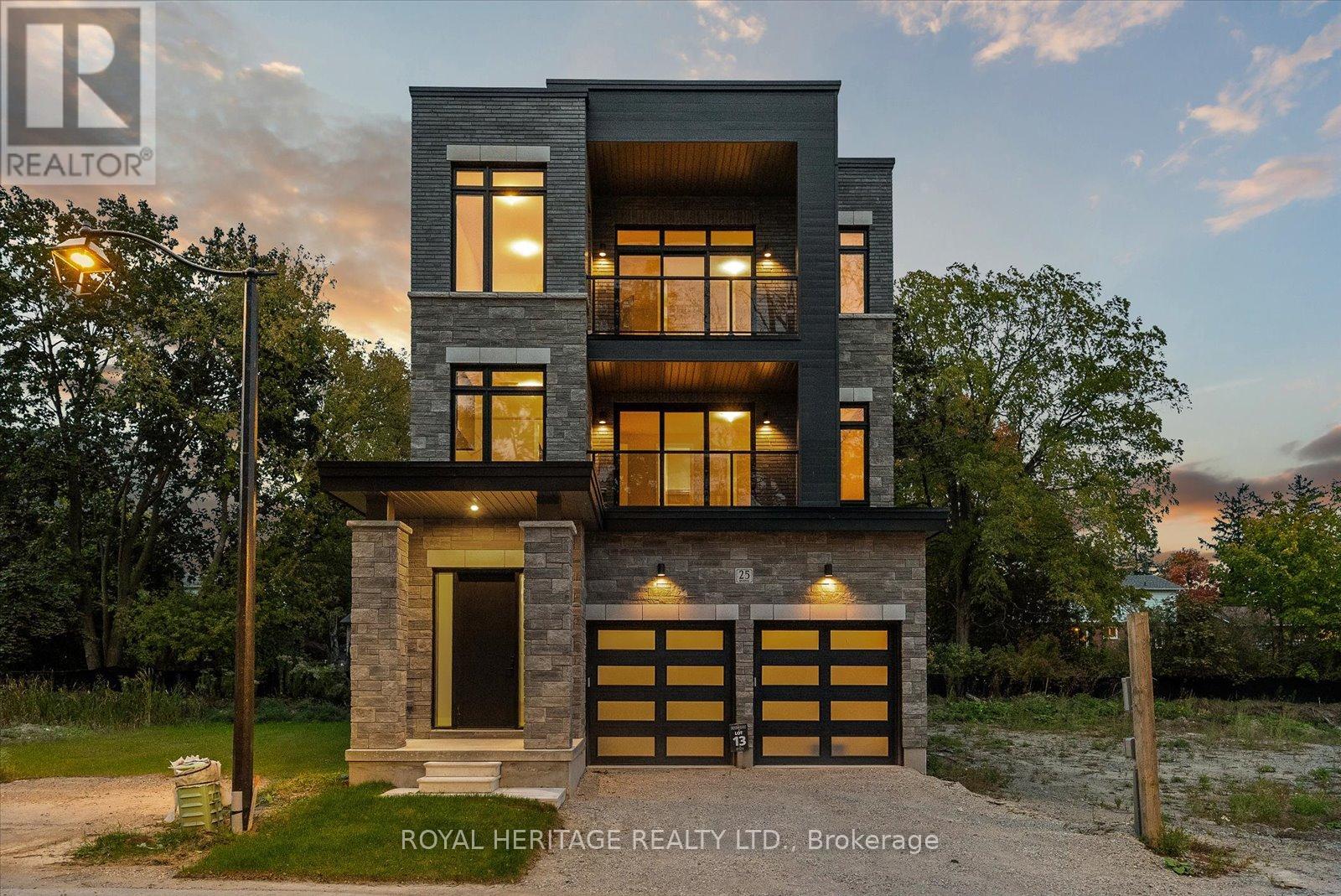 For Sale
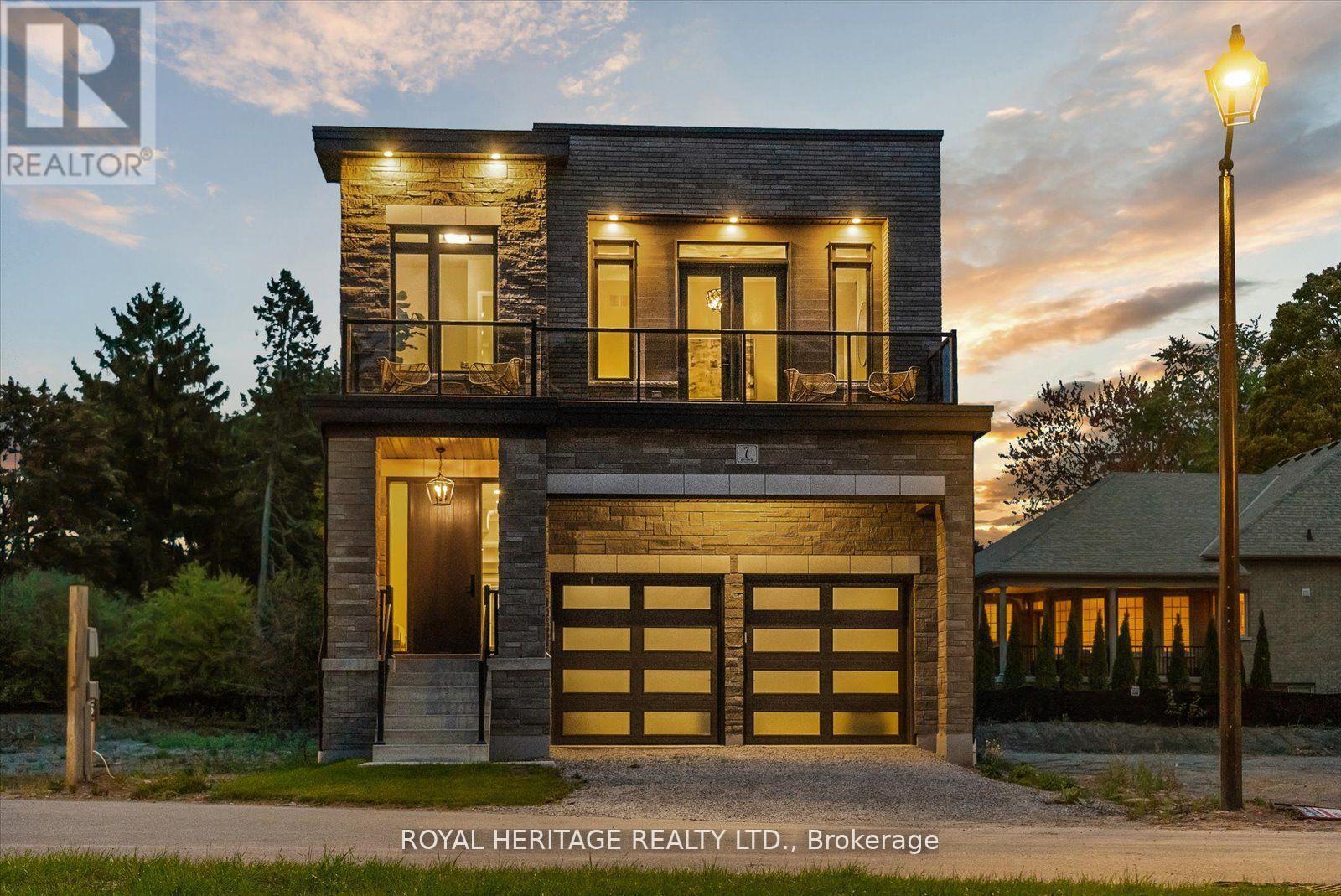 For Sale
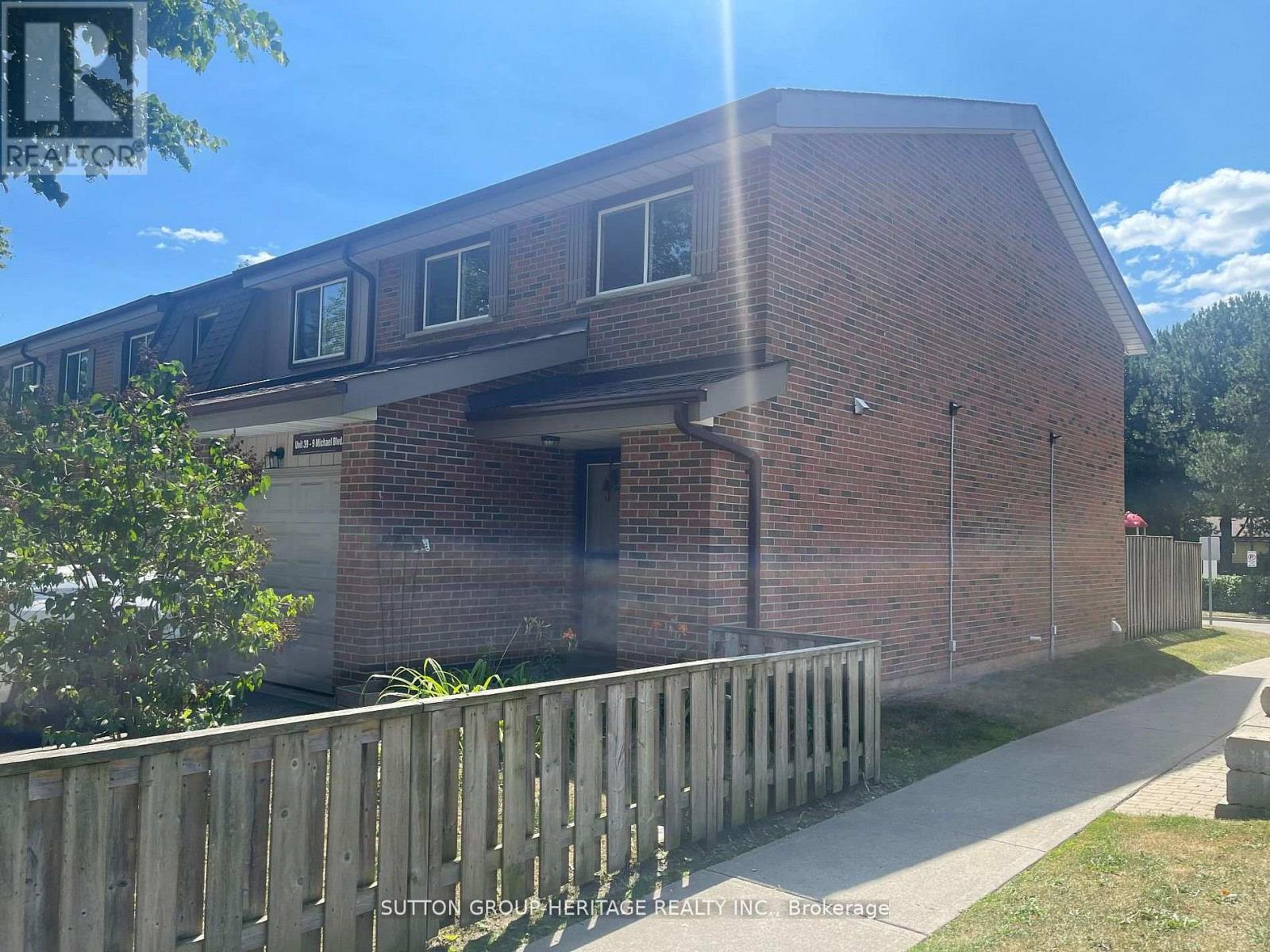 For Sale
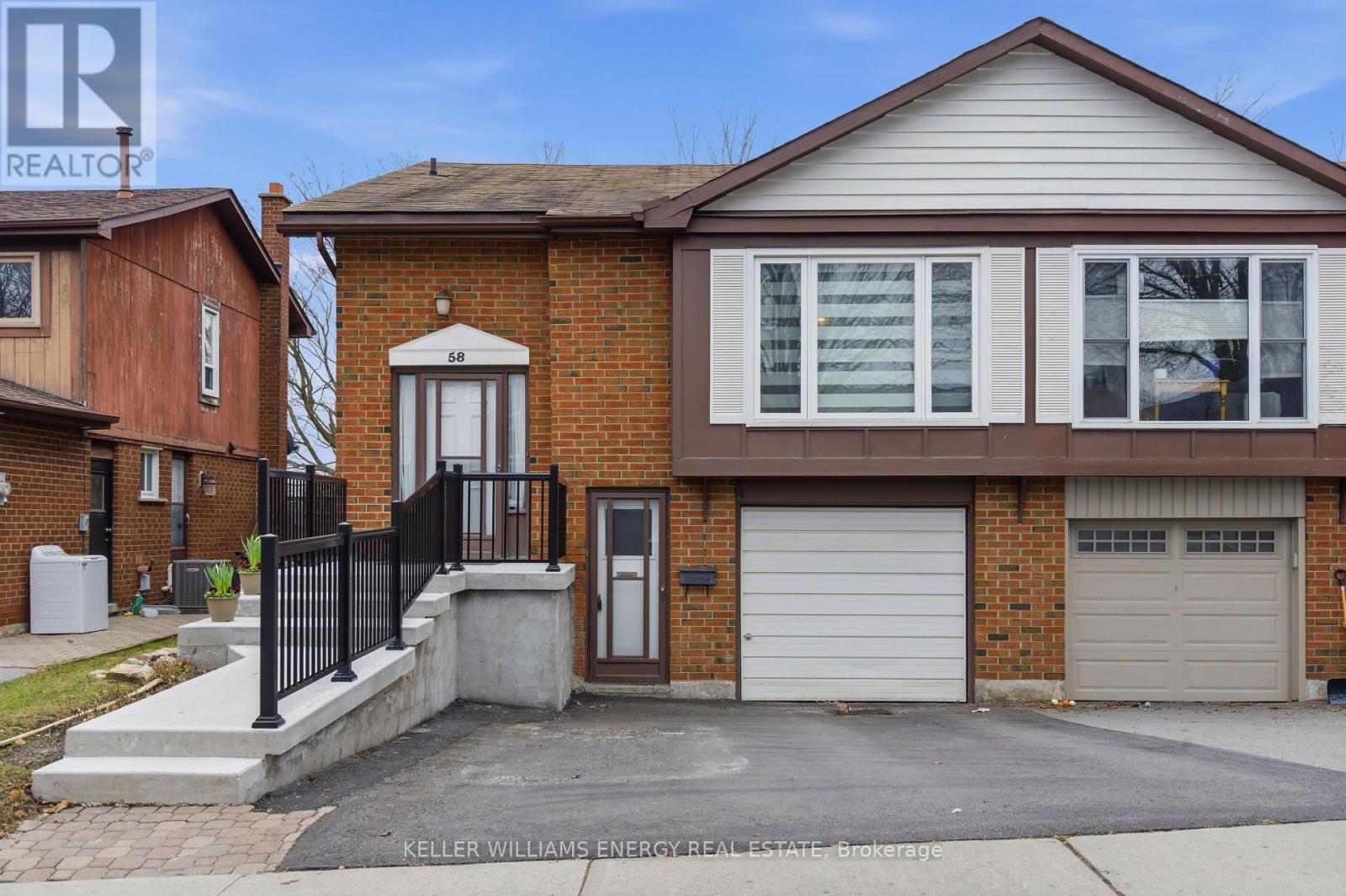 For Sale