
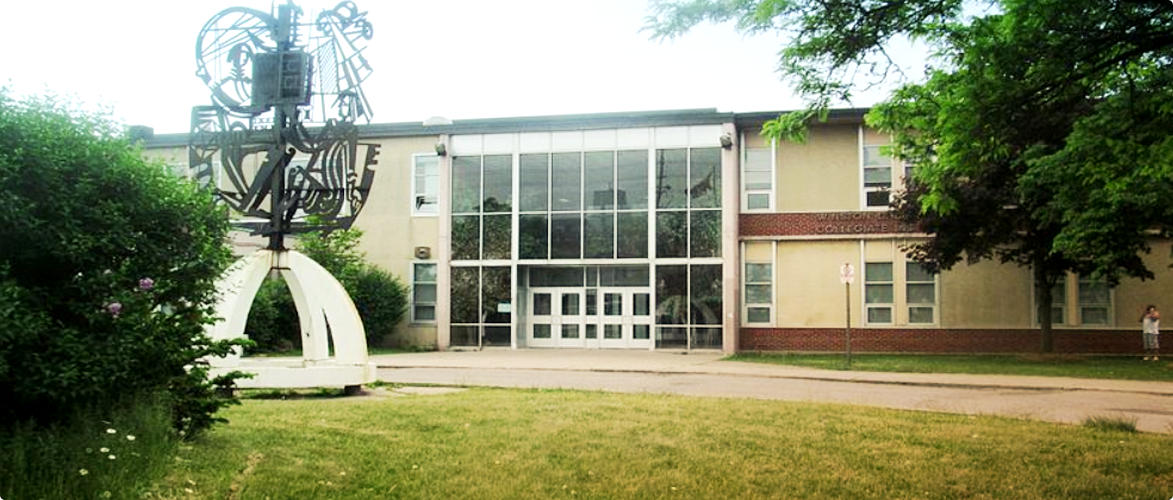
Dorset Park is a dense, diverse neighbourhood in central Scarborough built around the Kennedy Road and Lawrence Avenue East corridors, with Kennedy subway station on Line 2 providing direct access to the rest of Toronto. It offers some of the most affordable freehold purchasing opportunities in transit-accessible Scarborough alongside a well-established South Asian and Caribbean community.
Dorset Park sits in the dense, busy part of central Scarborough where Kennedy Road meets Lawrence Avenue East, just south of the 401. It’s a neighbourhood built around density and utility rather than character and charm, and it functions on exactly those terms: a large and diverse working community with good transit access, affordable housing, strong ethnic commercial strips, and the kind of practical day-to-day infrastructure that large immigrant and working-class communities depend on. If you’re comparing Dorset Park to a Beaches-type neighbourhood, you’re comparing the wrong things. What Dorset Park offers is real affordability in a transit-accessible, commercially well-served location. That’s a specific and legitimate value proposition for a specific set of buyers.
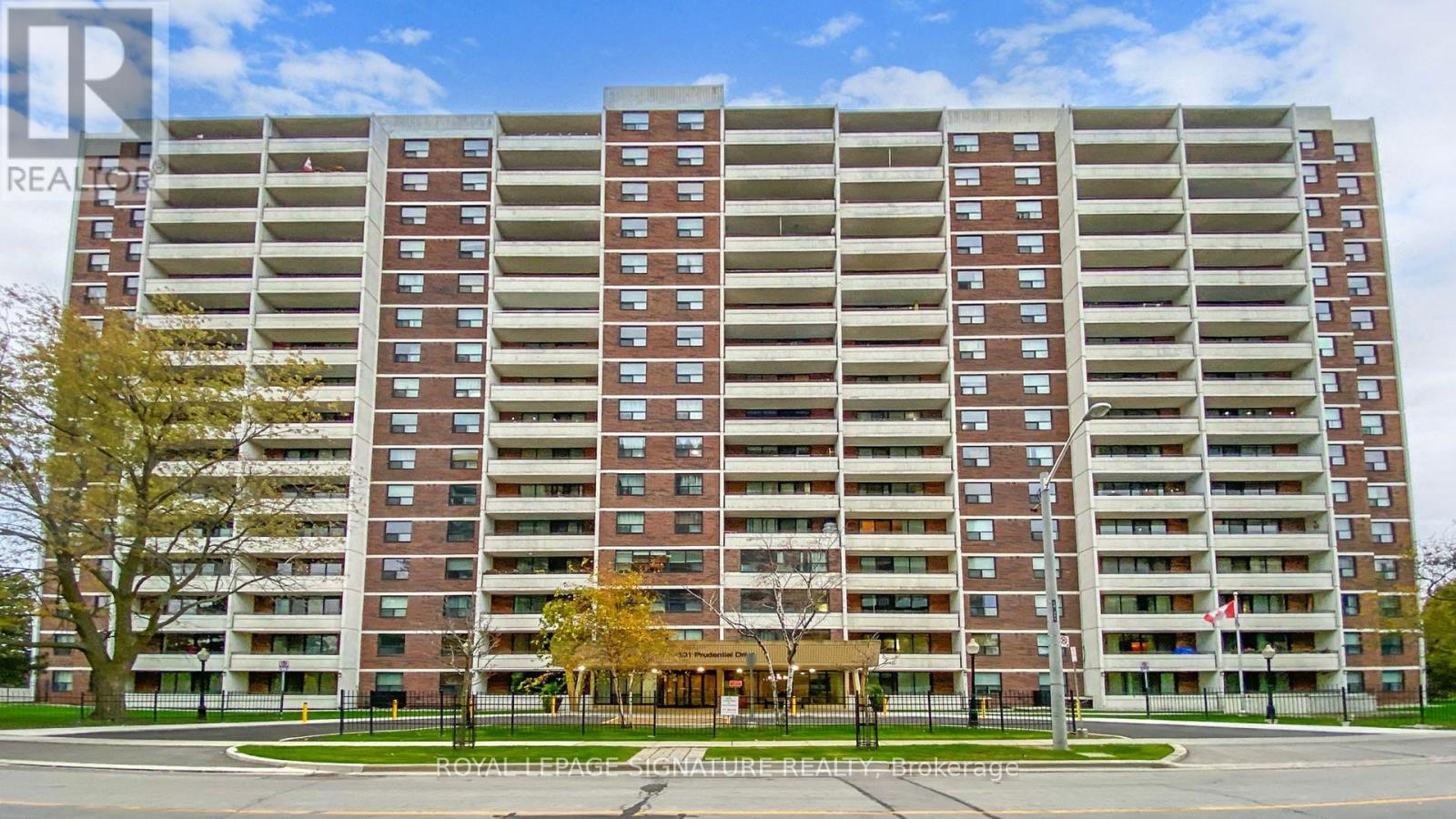
The neighbourhood is dense by Scarborough standards. High-rise towers from the 1960s and 1970s, built as Scarborough’s social housing and rental stock, define the visual character of the area around Kennedy and Lawrence. These are interspersed with lower-density freehold streets, townhouse complexes, and the commercial strips on Kennedy and Lawrence that serve the neighbourhood’s daily needs. The mix of typologies creates a neighbourhood that doesn’t read as residential in the same way as Bendale or Cliffcrest; it reads as urban, dense, and actively used at most hours.
The South Asian community, particularly Punjabi, Tamil, and Bengali communities, is very well established in Dorset Park and has been for decades. The commercial strips on Lawrence and Kennedy reflect this, with South Asian grocery stores, restaurants, clothing stores, and service businesses forming the dominant retail character. There are also significant Caribbean, East African, and Filipino community presences. Dorset Park is not an area in transition to diversity; it’s an area that has been intensely diverse for a long time and has built community and commercial infrastructure around that reality.
Kennedy station on Line 2 is the neighbourhood’s transit spine, providing subway access downtown and east toward Scarborough Town Centre. The RT connection from Kennedy, now the Scarborough subway extension under development, adds additional transit reach. For buyers who need to commute by transit and are working with a budget that can’t stretch to detached housing in subway-adjacent Scarborough neighbourhoods, Dorset Park’s Kennedy station proximity is one of its most practical advantages.
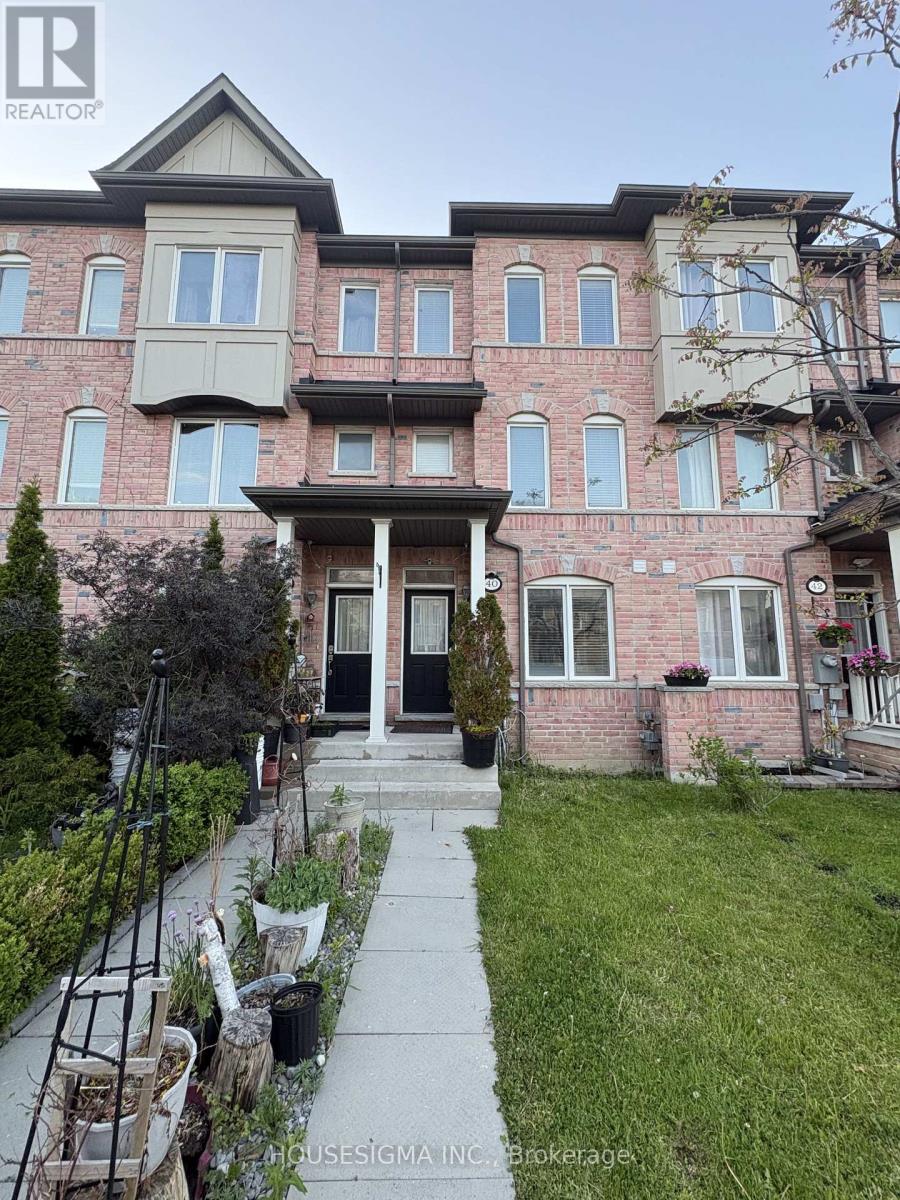
Dorset Park has a more varied housing stock than most Scarborough neighbourhoods. The large rental towers along Kennedy and Lawrence represent a significant portion of the neighbourhood’s units but are rarely available for purchase as individual units. The freehold market, which is what most buyers are focused on, consists of detached and semi-detached homes on the residential streets south and east of the major intersections, along with a meaningful townhouse component in a few complexes in the area.
In 2026, detached freehold homes in Dorset Park trade in the $750,000 to $950,000 range, with the lower end reflecting properties in fair to poor condition on standard lots, and the upper range representing well-maintained homes with updated interiors and good lot dimensions. Semi-detached homes come in between $620,000 and $800,000 depending on condition. Townhouses in the area’s townhouse complexes trade somewhat lower, typically in the $550,000 to $750,000 range depending on age, size, and maintenance fee structure.
Condominium options exist in the area’s mid-rise buildings, with units trading in the $450,000 to $650,000 range. These units serve buyers who can’t yet afford or don’t want freehold ownership but want a purchased rather than rented home near Kennedy station. The condo market here is distinct from the Downtown or midtown condo market in both price and buyer profile, and the buildings themselves tend to be older with different amenity and maintenance profiles than newer city-centre towers.
Lot sizes on the freehold streets vary more than in a purpose-built suburban neighbourhood. Some of the detacheds near Kennedy and Lawrence sit on modest lots of 30 to 35 feet, while others on quieter residential streets have standard 40-to-45-foot dimensions. The tight lots near the commercial corridors affect both the properties’ liveability and their long-term intensification potential, so buyers focused on secondary suite options or future additions should pay attention to lot dimensions in their due diligence. A lot narrower than 35 feet presents real constraints for any meaningful structural addition or accessory dwelling.
Dorset Park’s market is active but not overheated. Turnover is higher than in more stable residential neighbourhoods, partly because the area serves buyers who are at an earlier stage of their homeownership journey and may move on as their financial position improves. The buyer pool is price-sensitive and motivated primarily by affordability and transit access, which means listings at market-appropriate prices generate interest quickly while overpriced listings sit and require reductions before they find buyers.
The freehold market on the residential streets sees fairly consistent activity through the year, without the dramatic spring-market spikes that affect more fashionable neighbourhoods. Multiple offers happen on well-priced properties but are not the norm across all listings. Buyers with pre-approvals and realistic expectations can navigate the market without extreme pressure, which is one of the more buyer-friendly transaction dynamics in Toronto’s freehold market. The area doesn’t have the combination of extreme scarcity and intense buyer desire that drives truly competitive auction-style markets.
Estate sales and properties from older long-term owners contribute some of the more interesting buying opportunities in the neighbourhood. Homes that haven’t been touched in 20 or 30 years appear periodically on the freehold streets, and the prices reflect the condition rather than the fully-improved neighbourhood potential. Buyers with renovation capacity can find value here that’s harder to find in neighbourhoods where the market has already priced in renovation potential comprehensively.
The Scarborough subway extension work and the neighbourhood’s designation as a growth area in city planning documents have created a background expectation of future value uplift among investors. This has brought some speculative investor activity into the freehold market, particularly on properties near Kennedy station, but the investor presence hasn’t dramatically distorted the market from its fundamental affordability and utility value. The neighbourhood is functioning as an entry-point ownership market rather than an investment-speculation market, which is the right environment for end-user buyers looking for their first home.
Dorset Park’s buyer profile is straightforwardly about affordability and transit. The typical buyer is a first-time purchaser, often from the South Asian, Tamil, Caribbean, or Filipino communities that have long ties to the neighbourhood, who is stretching to buy their first freehold home and has concluded that Dorset Park is where their budget works. Transit access to Kennedy station is frequently cited as the deciding factor over other affordable Scarborough neighbourhoods that are cheaper on paper but require a longer bus commute.
Investors represent a meaningful portion of the buyer pool, attracted by the rental demand that a high-density transit-adjacent neighbourhood generates. Multi-family homes, townhouses, and freeholds with secondary suite potential all attract investor interest. The neighbourhood’s consistently high rental demand, driven by its affordability and transit access for tenants who work across the city, makes the investor calculus here more favourable than in many comparable Scarborough locations. Buyers intending to live in a home with a basement suite, or to rent out an entire property, will find the tenant demand reliable.
Families who’ve been renting in the area and want to own within the community they’ve established also drive a share of purchases. The cultural infrastructure of Dorset Park, its temples, mosques, cultural associations, South Asian grocery stores, and community events, matters to these buyers in ways that are hard to quantify but easy to understand. Buying within your established community is a real factor in location decisions for many households, and Dorset Park has enough established community depth to anchor these choices strongly.
What buyers give up in Dorset Park is the residential calm and green space access that characterises the bluffs-adjacent neighbourhoods or the quieter Scarborough residential pockets. Dorset Park is urban in its density and pace, active on its commercial corridors, and not particularly serene on its residential streets. Buyers who want a detached home on a quiet street with mature trees and a neighbourhood park at the end of the block will find more satisfying options elsewhere. Those who want transit, affordability, commercial activity, and a community connection will find Dorset Park delivers on all of them.
The residential streets that run east and south of the Kennedy and Lawrence intersection, into the lower-density freehold fabric of Dorset Park, vary significantly in character. The streets immediately south of Lawrence between Kennedy Road and Midland Avenue include a mix of modest semi-detacheds and older freeholds that represent the most affordable entry point in the neighbourhood. These are working streets — functional, dense, and close to the commercial activity of Lawrence — rather than park-adjacent residential retreats. They serve buyers who need the most affordable price point and are willing to accept more commercial adjacency and less residential quiet in exchange.
The McGregor Park area, roughly the streets around McGregor Park Community Centre east of Kennedy, has a slightly more settled residential feel. The park provides a visible community anchor, the streets are less directly commercialised, and the housing, while still modest, presents as a more stable residential environment. Homes in this pocket tend to be marginally better maintained and slightly higher priced than the equivalent on the streets closer to the Lawrence and Kennedy commercial nexus.
Ionview Road and the streets running east of Kennedy south toward Eglinton represent a transition zone between Dorset Park’s denser core and the lower-rise, quieter residential fabric of neighbouring Eglinton East. This pocket attracts buyers who want Dorset Park’s Kennedy station proximity but are willing to walk a bit further in exchange for a calmer street environment. The trade-off is real: transit access is marginally less convenient, but the street character is noticeably more residential.
The towers along Kennedy Road and the high-rise complexes on Lawrence don’t represent a buying opportunity for most freehold buyers, but their presence affects the street-level environment on adjacent properties. Streets that back onto or face tower complexes tend to trade at modest discounts to otherwise comparable freehold streets set further back from the towers. Buyers focused on long-term resale value should be thoughtful about this adjacency, even if the impact on daily living is relatively minor for an owner-occupant.
Kennedy station on Line 2 is Dorset Park’s transit anchor and one of the primary reasons buyers choose the neighbourhood over cheaper alternatives further from the subway. The station provides direct subway access west to downtown and east to Scarborough Town Centre. From Kennedy station, the commute to Union Station runs approximately 35 to 40 minutes, which is competitive with the inner suburbs and better than most Scarborough neighbourhoods without subway adjacency. The station is a significant part of the neighbourhood’s value proposition and the main reason the freehold prices around it remain above those in comparable neighbourhoods without subway access.
The Scarborough Subway Extension is under construction and will eventually connect Kennedy station northward through Scarborough, replacing the existing RT. This construction has affected the area around Kennedy station with ongoing work activity, but the long-term result will be improved connectivity northward through Scarborough, adding transit catchment value to Kennedy station that it currently doesn’t have. For buyers making a long-term investment, this infrastructure improvement is worth factoring into the neighbourhood’s future transit picture.
Buses on Lawrence Avenue East and Kennedy Road serve the neighbourhood’s daily transit needs beyond the subway. The 54 Lawrence East bus connects east through Scarborough and west toward Lawrence station on Line 1. The 43 Kennedy bus runs north-south along Kennedy Road, connecting to the broader bus network. For residents with destinations not served by the subway, these bus connections allow car-free living to be viable for daily errands and regular commutes.
Car access from Dorset Park is convenient. The 401 is within five minutes via Kennedy Road or Midland Avenue. Driving times to downtown run 25 to 35 minutes depending on traffic. Street parking on residential streets is generally available, though the density of the neighbourhood means that on some streets, parking competition can be tight in the evenings. Most freehold properties have driveways, and parking within your own property is standard rather than exceptional. For buyers with two vehicles, the on-street availability near the commercial strips can be a limitation, and garages or wider driveways are worth prioritising if a second car matters to you.
McGregor Park is the neighbourhood’s primary green space and community centre hub. The park includes a playground, sports fields, a splash pad, and green space used actively by the neighbourhood’s families and young people. The McGregor Park Community Centre adjacent to it provides indoor programming including an indoor pool, which is an important amenity in a neighbourhood with limited private fitness options. For families with children, the combination of outdoor park and indoor community centre programming covers the basic recreational needs without requiring a car trip to a distant facility.
Dorset Park is not a neighbourhood with significant natural green space of the ravine or trail variety. The natural amenity that defines the bluffs-adjacent Scarborough neighbourhoods is not available here. The park infrastructure is urban and community-scale: playgrounds, fields, and community centre programming rather than hiking trails and waterfront access. Buyers who prioritise natural amenity heavily will find this a limitation. For buyers whose priorities are transit and affordability, the community park and centre infrastructure is adequate for their day-to-day needs.
Thomson Memorial Park is accessible by bus or car, roughly 15 minutes north along Midland Avenue. The park includes lawn bowling, a large open field, and a splash pad, providing a slightly larger and more varied park experience than McGregor Park without requiring a major expedition. Families who want more park variety than the immediate neighbourhood provides will find Thomson Memorial Park a reasonable option for weekend outings without travelling across the city.
The Highland Creek ravine system is accessible within about 20 minutes by car or 30 minutes by transit, providing the closest natural trail hiking option for Dorset Park residents who want it. It’s not a next-door amenity in the way that the Bluffs are for Cliffcrest or Cliffside residents, but it’s closer than the Don Valley trails for most Scarborough buyers and provides a real natural environment experience for those willing to make the trip. Cycling to Highland Creek from Dorset Park is possible on a quiet day but requires navigating Scarborough’s arterial roads, which have limited cycling infrastructure.
The commercial strips on Lawrence Avenue East and Kennedy Road near the neighbourhood’s core are the primary retail and dining resource for Dorset Park residents. Lawrence Avenue East through this stretch has one of the denser concentrations of South Asian retail and dining in Scarborough: Tamil and Punjabi restaurants, halal butchers, South Asian sweet shops, sari stores, Bollywood music shops, and the kind of grocery stores that stock the speciality items that matter to the community. For residents who regularly use these businesses, Lawrence East is a genuine and practical commercial resource. For buyers unfamiliar with the area, it’s worth exploring before drawing conclusions about the neighbourhood’s retail character.
Kennedy Road’s commercial strip includes more chain retail and service businesses alongside the independent South Asian and Caribbean businesses. A Food Basics and a No Frills provide budget grocery options within walking distance for most residents, and the basic service needs of a working neighbourhood — pharmacy, bank, dry cleaning, cell phone repair — are all covered within a short walk of the Kennedy and Lawrence intersection. This is a neighbourhood where daily errands are genuinely walkable, even if the retail environment is primarily functional rather than aspirational.
For residents who want variety beyond the Lawrence and Kennedy commercial strips, the Scarborough Town Centre mall is about 15 minutes by bus or car and provides the full regional retail and dining experience including a large food court, cinema, and supermarket anchor. Agincourt’s commercial strip on Sheppard Avenue is also accessible within a short drive or bus ride and offers a different set of Asian grocery and restaurant options that complement the South Asian commercial character of the Lawrence East strip.
The halal grocery and restaurant options in Dorset Park are among the best in Scarborough. For Muslim buyers and families, the concentration of halal-certified food retail and dining within easy reach is a practical advantage that most Toronto neighbourhoods don’t offer at the same density. This isn’t incidental to the neighbourhood’s character; it reflects a community that has built commercial infrastructure around its specific needs over decades, and the result is a genuinely well-served food environment for the majority of the neighbourhood’s households.
The TDSB serves Dorset Park through several elementary schools in the area. Dorset Park Public School is the neighbourhood’s primary public elementary, with programming that reflects the diverse community it serves. The school has operated bilingual and special programs at various points in response to the community’s needs and the board’s programming priorities. Enrolment is active and the school community involves families from across the neighbourhood’s diverse demographic range.
Kennedy Public School serves part of the neighbourhood’s elementary catchment on the Kennedy Road side, providing a second TDSB elementary option for families in the eastern part of the neighbourhood. At the secondary level, Scarborough Collegiate Institute and other Scarborough TDSB secondary schools serve students from Dorset Park. The specific school assignment depends on address and current catchment boundaries, which the board can confirm directly.
The TCDSB serves Catholic families in the area through several elementary schools, including St. Joachim Catholic School and others in the Kennedy and Lawrence catchment area. Catholic secondary students typically feed into the TCDSB’s east Scarborough secondary schools. The Catholic school option is meaningful for a portion of the neighbourhood’s Caribbean and Filipino communities, and the TCDSB schools in the area have active parent communities reflecting this.
School quality in Dorset Park reflects the challenges of serving a community with high proportions of newcomer families, English-language learners, and families experiencing economic stress. The TDSB has invested in settlement programs, language supports, and community partnerships in schools serving high-needs communities across Scarborough, and these supports are part of what the schools in Dorset Park provide. Buyers with strong academic achievement priorities for their children should look at specific school performance data and speak with current school community members rather than relying on general reputation assessments. The picture is more nuanced than broad neighbourhood characterisations suggest, and the most invested families often find the schools work well for their children despite the challenges of the broader context.
The Scarborough Subway Extension is the most significant development affecting Dorset Park’s future. The project extends subway service north from Kennedy station through Scarborough, with a new alignment that replaces the aging Scarborough RT. Construction has been underway and is expected to deliver new stations over the coming years. The direct benefit for Dorset Park is improved transit connectivity northward and the long-term infrastructure signalling that the city is committed to Scarborough’s transit future. Properties near Kennedy station have already begun to see some premium for their subway adjacency, and the extension reinforces that pattern.
The broader Lawrence-Kennedy corridor has been identified in city planning as a priority for mixed-use intensification. Development approvals for mid-rise and high-rise residential buildings have been moving through the planning process along both corridors, and new purpose-built rental and condominium buildings are at various stages of planning and construction in the area. This density increase will bring more residents, more retail demand, and more pressure on community services over the medium term. For existing property owners, the increased density around the station area is likely to support long-term value. For buyers concerned about the neighbourhood’s urban density increasing further, this is a real consideration.
The city’s strong neighbourhood improvement investments in Dorset Park have included park upgrades, the McGregor Park Community Centre renewal, and various social service program expansions. These investments reflect the city’s recognition that Dorset Park is a neighbourhood serving a large, diverse, and economically challenged population that benefits from active public investment. The trajectory of these investments has been improving the neighbourhood’s physical and social infrastructure, slowly but meaningfully.
Dorset Park is not on the verge of the kind of gentrification that has transformed East York or parts of the Junction. The density of social housing, the affordability of the housing stock, and the entrenchment of the existing community make a rapid demographic shift unlikely. What’s more probable is a gradual improvement in the neighbourhood’s physical environment and infrastructure as transit and city investment continue, with the existing community largely remaining in place. For buyers who want to buy into a community that will continue to function as it does now while slowly improving its physical fabric, that’s an honest read of the trajectory.
Is Dorset Park a safe neighbourhood to buy in? Safety is relative and worth addressing honestly. Dorset Park is a dense, urban neighbourhood with higher-than-average rates of petty crime and occasional serious incidents, which is consistent with dense urban neighbourhoods near major transit hubs across the city. The residential streets set back from the commercial corridors are generally quiet. The areas immediately adjacent to the high-rise tower complexes and the Kennedy and Lawrence commercial strips see more activity and more incidents. Buyers who live on the interior freehold streets typically report a normal residential experience. Buyers who should do their own assessment: walk the specific streets you’re considering at different times of day, review public crime statistics from the Toronto Police Service neighbourhood breakdown, and talk to current residents. No honest representation of Dorset Park should characterise it as a low-crime residential enclave, but the framing of it as uniformly unsafe is also not accurate for the specific freehold streets that most buyers are considering.
How does the Scarborough Subway Extension affect the value of properties near Kennedy station? Kennedy station is already a transit hub, and the subway extension reinforces its position as a major north-south and east-west transit connection point in Scarborough. Properties within walking distance of Kennedy station already command a transit premium relative to otherwise comparable properties in bus-only parts of Scarborough. As the extension adds new stations and improves frequency, the catchment area of Kennedy station expands, and the premium for proximity to the existing station becomes more durable. Buyers purchasing near Kennedy station now are buying into a transit advantage that will likely grow rather than diminish over the next decade. The timing of the extension’s opening and the specific catchment effects depend on construction progress, which buyers should monitor independently.
What are the realistic renovation costs on a Dorset Park freehold? A modest 1,000-square-foot detached in fair condition needing a new kitchen, updated bathroom, and basic systems check will cost $80,000 to $150,000 depending on existing condition and chosen finishes. Full renovations of homes in poor condition, requiring electrical upgrades, plumbing work, HVAC replacement, and full cosmetic updates, can approach $200,000 on a modest-sized home. The starting prices in Dorset Park are low enough that renovation projects can still pencil out on a total cost basis, but buyers should get contractor quotes before finalising their budget rather than working from general estimates. Properties in this price range attract multiple buyers, some with better renovation financing than others, and overpaying for a renovation project eliminates the value that the lower entry price creates.
Is Dorset Park a good neighbourhood for a small landlord buying a freehold with a basement suite? The rental demand in Dorset Park is consistent and strong. The combination of transit access and affordable rents relative to the rest of Toronto makes the neighbourhood a reliable rental market for basement and secondary suites. A legal two-bedroom basement unit rents in the $1,300 to $1,700 range. Vacancy rates are low because the tenant pool in this area is large. The cautions are the same as anywhere: ensure the basement unit is permitted and legal before purchase, verify that the electrical and plumbing support a separate unit properly, and understand the Landlord and Tenant Board process before entering a landlord relationship for the first time. The income helps the carrying cost calculation meaningfully, but landlord responsibilities are real and should be understood before you buy into them.
Buying in Dorset Park requires clear eyes about what the neighbourhood is and a specific idea of what you need from it. Buyers who arrive with vague criteria and hope the neighbourhood grows on them tend to exit the market frustrated. Buyers who come with specific requirements — Kennedy station walking distance, freehold with secondary suite potential, a budget under $850,000, a community with South Asian commercial infrastructure — will find that Dorset Park delivers on those requirements more directly than almost anywhere else in transit-accessible Toronto.
Due diligence on freehold properties in Dorset Park should include a careful review of lot dimensions, particularly on the streets near the commercial corridors where lots can be narrow. Narrow lots constrain what you can do with the property structurally and affect long-term resale appeal. Properties on the interior residential streets with standard 40-to-45-foot lots have better long-term fundamentals than tight-lot properties near Kennedy and Lawrence, and buyers should factor that into their comparison of otherwise similar listings.
The permit history of any secondary unit is important in Dorset Park, where basement apartments are common and their compliance status varies significantly. An agent with Dorset Park experience will know the most efficient process for pulling permit histories and assessing compliance, which saves time in the due diligence phase. It’s a mundane but important task that directly affects how you can use the property and what you’ll pay for insurance and financing.
On the broader buying strategy: Dorset Park is not a market where being the most aggressive buyer is necessary. The competition is real on well-priced properties but manageable for a prepared buyer. Coming to market with a clear pre-approval, a realistic sense of what the neighbourhood is worth at a given condition and location, and an agent who knows the neighbourhood specifically puts you in the right position to buy without either overpaying or missing the opportunities that the market presents. That preparation, more than any specific tactic, is what makes a successful Dorset Park purchase.
Street-level knowledge is hard to find online. Our team works in Dorset Park (Macgregor Park) every day. They know which pockets hold value, where the school catchment lines actually fall, and what the market is doing right now. Talk to us before you make a decision about Dorset Park (Macgregor Park).
Talk to a local agent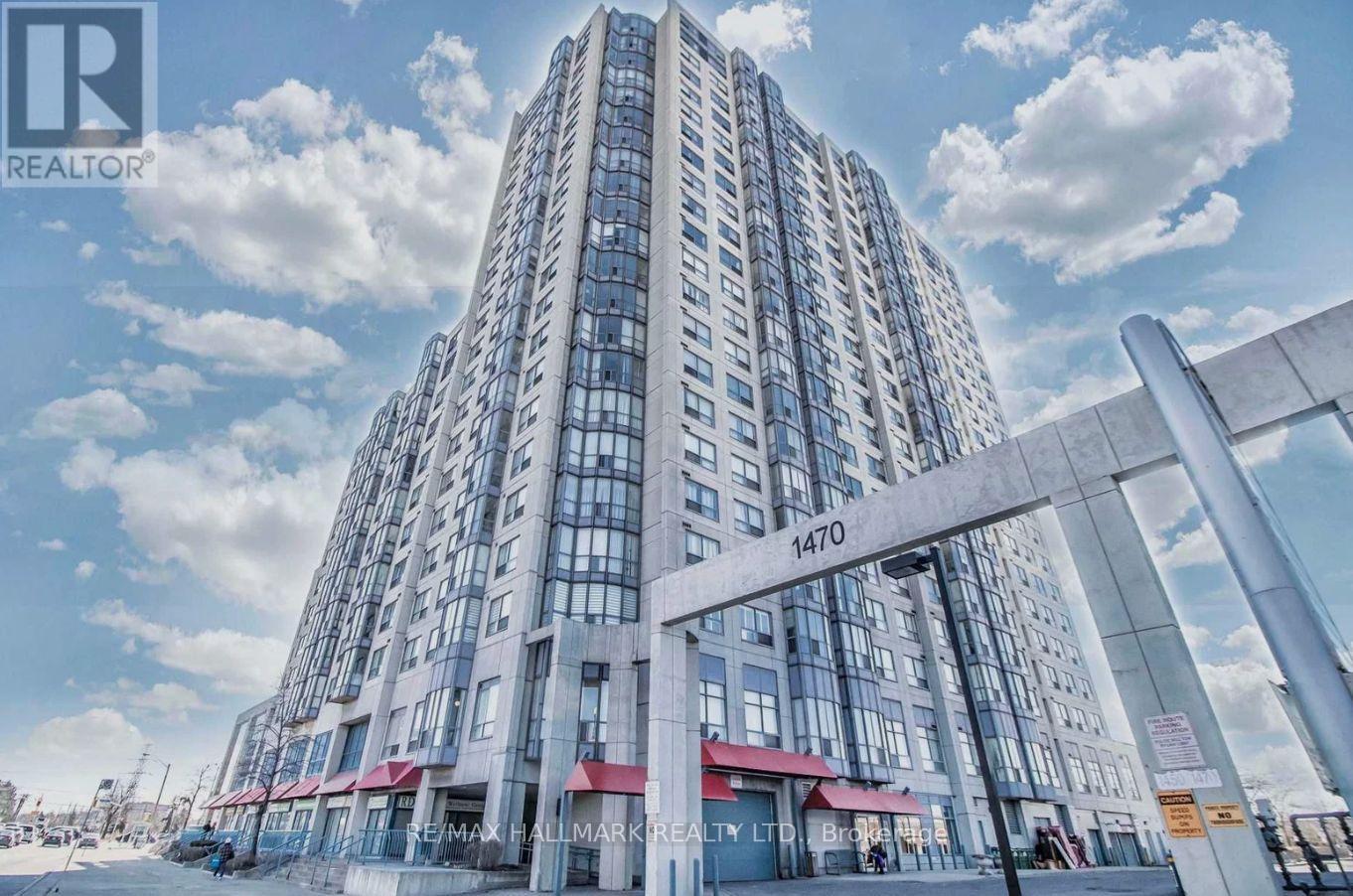 For Sale
 For Rent
 For Rent
 For Sale